
Labral Tears of the Hip:
Symptoms, Causes and Treatments

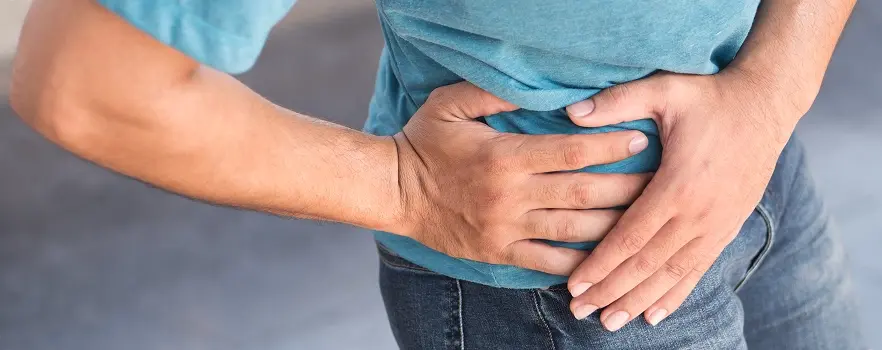
The hip labrum is a ring of cartilage that surrounds the socket of the hip joint, helping to cushion the joint, maintain stability, and ensure smooth movement. A labral tear occurs when this cartilage is damaged or torn, often leading to pain, stiffness in the hip. Labral tears are relatively common, especially among athletes or people who perform repetitive hip movements. Early recognition is important to manage symptoms and prevent further joint problems.
What Are the Common Symptoms of Hip Labral Tears?
A hip labral tear can disrupt the smooth movement and stability of the hip joint. As the damaged cartilage interferes with normal joint mechanics, patients may experience pain, clicking sensations, or reduced hip mobility that can affect everyday activities and physical performance.
Groin or Hip Pain
A deep, persistent pain in the front of the hip or groin, often worsening with activity or prolonged sitting.
Pain During Specific Movements
Activities involving twisting, pivoting, or sudden changes in direction may trigger discomfort or sharp pain.
Clicking, Locking, or Catching Sensation
Patients may feel the hip catch or click during movement, indicating the torn labrum is interfering with joint motion.
Stiffness or Limited Range of Motion
Reduced flexibility in the hip can make bending, rotating, or squatting difficult.
Why It Happens
What Causes Hip Labral Tears?
Hip labral tears develop when the cartilage lining the rim of the hip socket becomes damaged or torn. This can occur from sudden injury, structural abnormalities in the hip joint, or repeated mechanical stress placed on the joint over time.
Traumatic Injuries
Tears can result from sudden impacts such as falls, car accidents, or sports-related injuries.
Structural Abnormalities
Conditions like femoroacetabular impingement (FAI) or hip dysplasia can cause direct stress on the labrum, leading to tears.
Repetitive Stress
Repeated twisting, pivoting, or high-impact movements can wear down the labrum over time.
Degeneration
Age-related wear and tear or early cartilage breakdown can weaken the labrum and make it prone to tearing.
Know Your Risk Profile
What Are the Risk Factors for Hip Labral Tears?
Certain anatomical, lifestyle, and activity-related factors can increase stress on the hip joint and make the labrum more vulnerable to injury. These factors may raise the likelihood of developing a tear, particularly in individuals who place frequent demands on the hip.
High-Impact or Repetitive Sports
Activities like soccer, hockey, running, or dance place repeated stress on the hip joint.
Previous Hip Injuries
Past fractures, dislocations, or surgeries can make the hip more vulnerable to labral tears.
Age
As people get older, cartilage and labral tissue naturally weaken, raising the risk of tears.
Gender
Women may be more prone due to differences in hip structure and flexibility.
Understanding the Differences
What are the Types of Hip Labral Tears?
Hip labral tears can differ in how they develop and the pattern of cartilage damage within the joint. Classifying the type of tear helps guide treatment decisions and provides insight into the underlying cause of the injury.
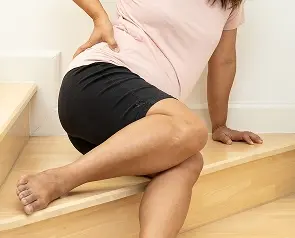
Traumatic Tears
These occur due to a sudden injury, such as a fall, car accident, or sports impact. The labrum is directly damaged by the force, often causing immediate pain, stiffness, or a catching sensation in the hip.
Degenerative Tears
They develop gradually over time as the labrum and cartilage wear down. Degenerative tears usually happen with age or early osteoarthritis, and symptoms tend to get worse gradually with activity.

Repetitive-Stress Tears
Resulting from repeated twisting, pivoting, or high-impact movements, these tears are common in activities like running, dancing, or certain sports. Over time, the repeated strain weakens the labrum and leads to tearing.
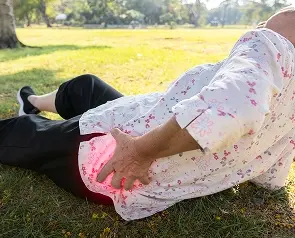
Mixed Tears
A combination of trauma, degeneration, and repetitive stress can contribute to labral damage. Patients with mixed tears may experience both sudden pain from an injury and discomfort from gradual wear or repetitive movements.
Understanding Your Evaluation
How Is a Labral Tear of the Hip Diagnosed?
Accurate diagnosis of a hip labral tear requires careful evaluation of symptoms, hip movement, and joint structure. Doctors typically combine clinical examination with imaging tests to confirm the tear and identify any underlying structural problems affecting the hip.
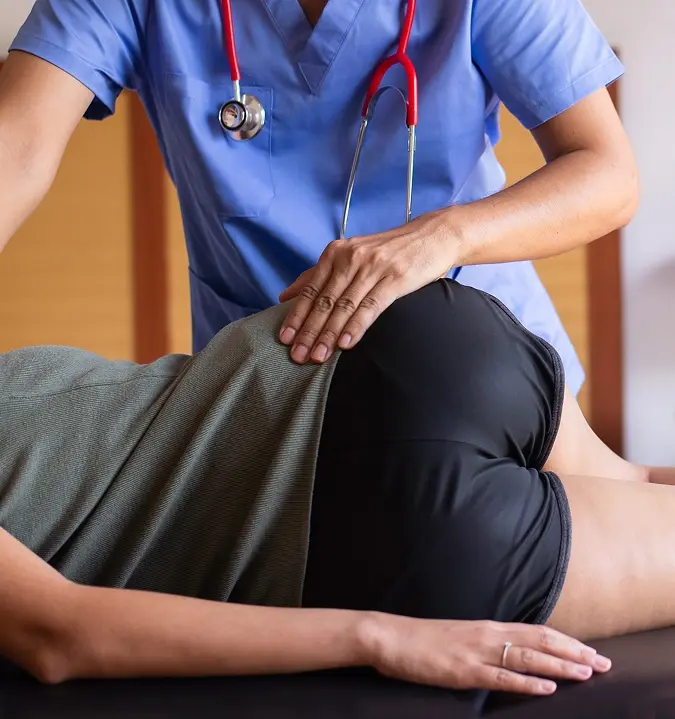
Understanding Your Evaluation
How Is a Labral Tear of the Hip Diagnosed?
Accurate diagnosis of a hip labral tear requires careful evaluation of symptoms, hip movement, and joint structure. Doctors typically combine clinical examination with imaging tests to confirm the tear and identify any underlying structural problems affecting the hip.
Clinical Physical Exam
During a physical exam, a specialist performs "provocative maneuvers"—such as the FADIR or FABER tests—which involve moving the patient’s leg into specific angles to intentionally pinch or stress the hip labrum. If these movements reproduce the patient’s usual groin pain or cause a noticeable clicking or catching sensation, it strongly suggests a tear is present.
Imaging Tests
MRI or MR arthrogram is typically used to visualise the labrum and detect tears. X-rays may also be taken to rule out other hip conditions, such as osteoarthritis or bone abnormalities.
Additional Tests
Diagnostic injections of local anaesthetic into the hip joint can help confirm that the labrum is the source of pain. This ensures that the treatment plan targets the correct issue.
Exploring Treatment Options
Hip Labral Tear Treatments in Singapore
Treatment for hip labral tears aims to relieve pain, restore hip function, and prevent further joint damage. Depending on the severity of the tear and the patient’s activity level, management may involve conservative therapies or surgical procedures to repair the damaged cartilage.

Non-Surgical Treatments
Activity Modification
Avoiding movements that strain the hip, such as twisting or high-impact activities.
Physiotherapy
Exercises to strengthen hip muscles, improve flexibility, and support joint stability.
Medications
Pain relievers or anti-inflammatory drugs to reduce discomfort and inflammation.
Corticosteroid Injections
Targeted injections may provide temporary relief for persistent pain.

Surgical Treatments
Hip Arthroscopy
A minimally invasive procedure used to repair or remove the torn portion of the labrum. It reduces pain, restores joint function, and allows faster recovery compared with open surgery.
Labral Reconstruction
It is performed when the labrum is too damaged to repair. The torn tissue is replaced with graft tissue to restore stability, improve hip function, and prevent further joint degeneration.
Post-Surgical Rehabilitation
Physiotherapy is crucial after surgery to rebuild strength, flexibility, and stability in the hip. Gradual return to activity ensures proper healing and reduces the risk of re-injury or complications.
Get Relief From Hip Labral Tear at HC Orthopaedic Surgery
Labral tears of the hip can significantly impact mobility, cause persistent pain, and limit the ability to perform everyday activities, making timely diagnosis and treatment essential. Left untreated, these tears may worsen over time, leading to further joint damage and a higher risk of developing hip osteoarthritis.
Get Relief From Hip Labral Tear at HC Orthopaedic Surgery
Labral tears of the hip can significantly impact mobility, cause persistent pain, and limit the ability to perform everyday activities, making timely diagnosis and treatment essential. Left untreated, these tears may worsen over time, leading to further joint damage and a higher risk of developing hip osteoarthritis.

Our Specialised Team
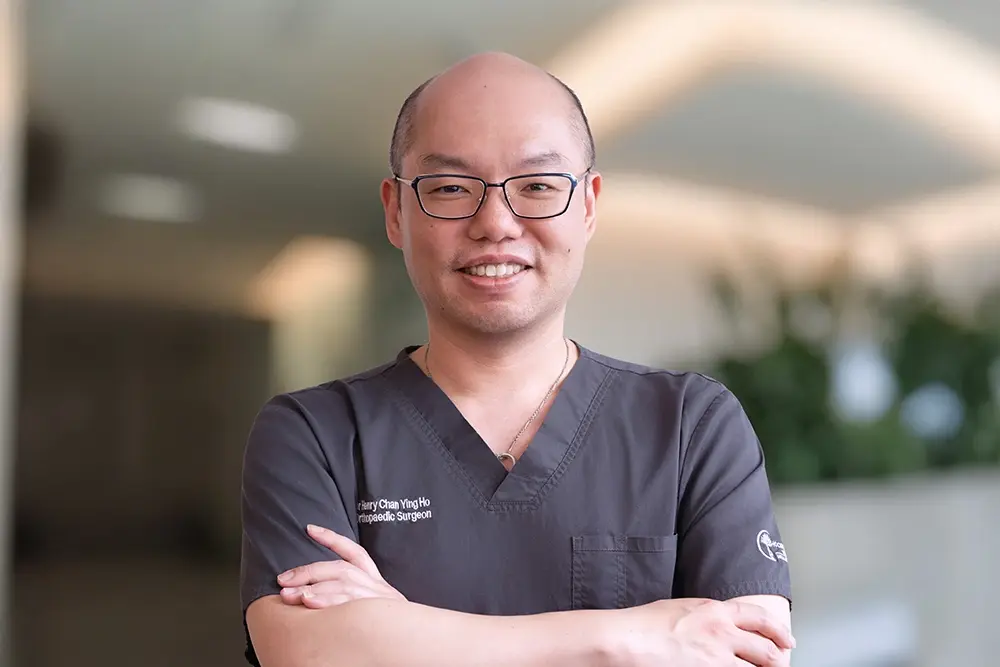
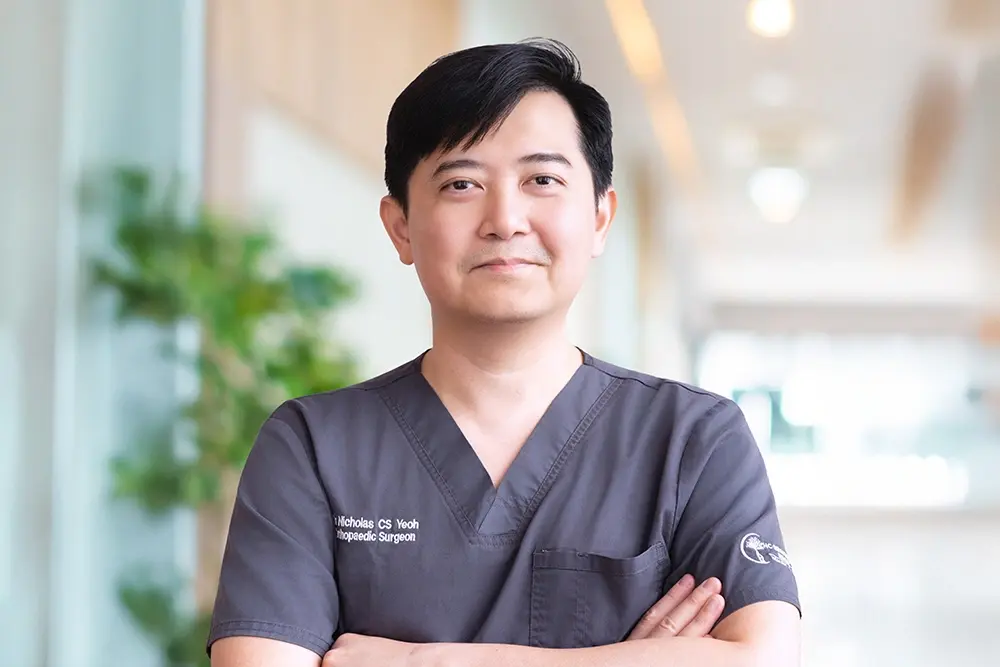
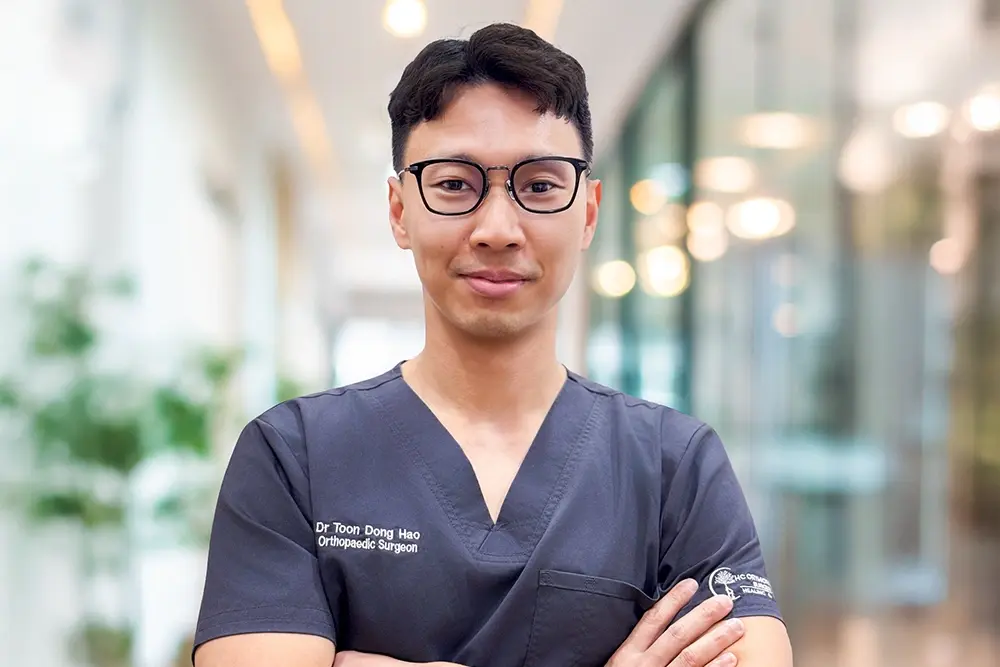
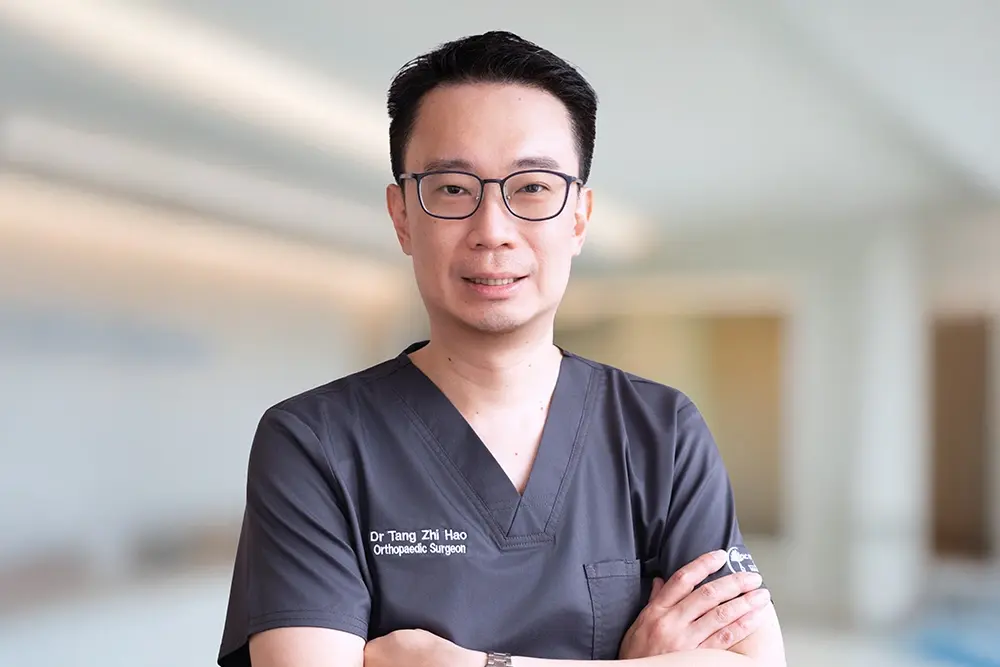
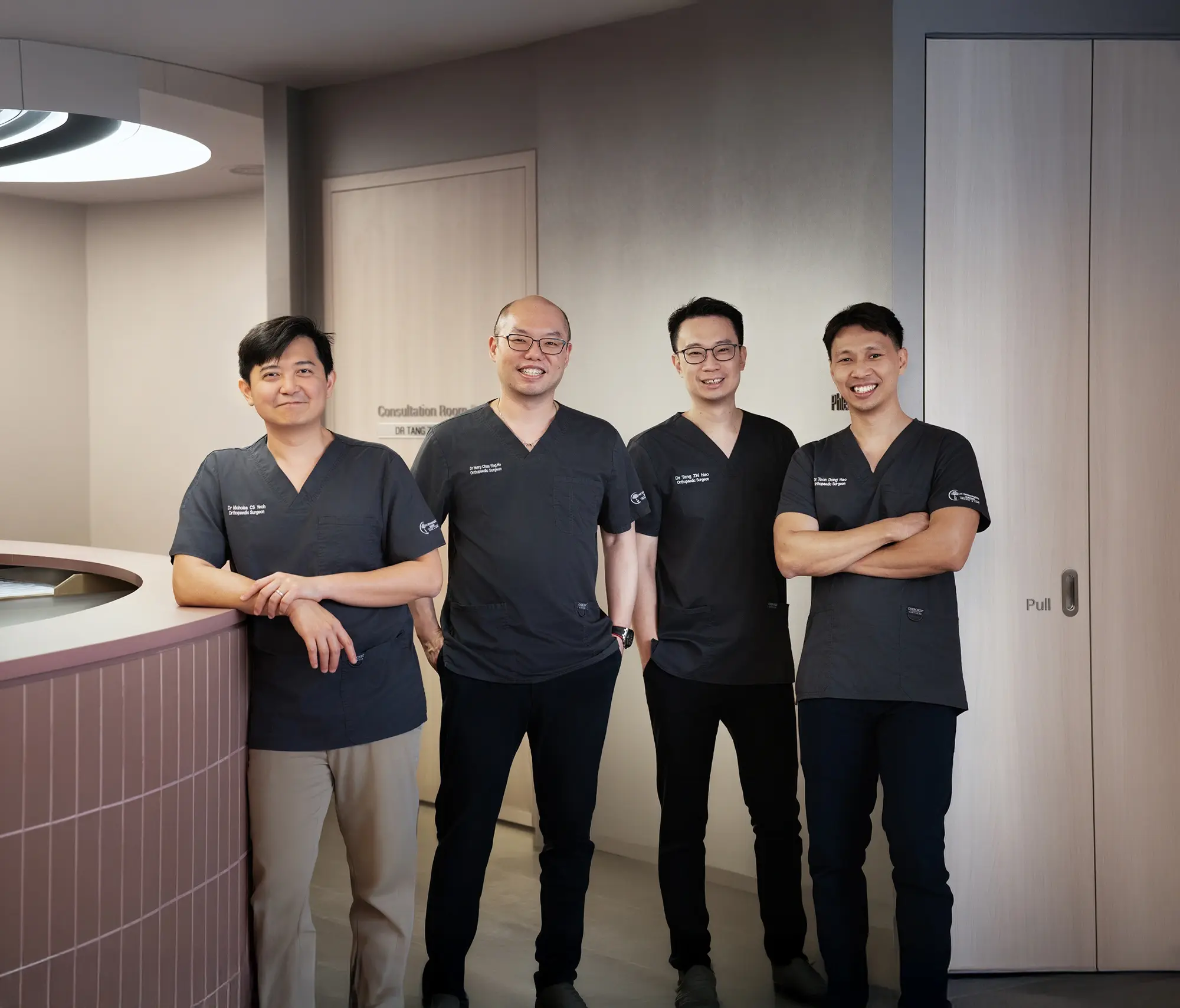
At HC Orthopaedic Surgery, hip fracture care is led by Dr Henry Chan together with Dr Nicholas Yeoh, Dr Toon Dong Hao and Dr Tang Zhi Hao. Dr Chan has a special interest in computer-assisted joint replacement surgery and previously spearheaded the Joint Replacement Unit at Tan Tock Seng Hospital, where he performed more than 1,000 joint replacements. In addition, Dr Yeoh completed advanced fellowship training in hip and knee reconstruction at the internationally recognised, high-volume North Sydney Orthopaedic and Sports Medicine Centre, Mater Hospital, Sydney. Together, the team provides comprehensive assessment and tailored treatment to help patients recover safely and return to daily life with confidence.
Frequently Asked Questions (FAQs) About Labral Tears of the Hip
Can labral tears heal on their own?
Can labral tears lead to other hip problems?
Can labral tears worsen over time?
Is it possible for labral tears to recur after surgery?
Can labral tears affect posture or movement patterns?
Are labral tears more common in certain sports?
Meet Our Specialist Team
Our team comprises Dr Henry Chan, Dr Nicholas Yeoh, Dr Toon Dong Hao, and Dr Tang Zhi Hao — experienced orthopaedic surgeons with subspecialty experience and a patient-centred approach to care.
Dr Henry Chan
Medical Director & Senior Consultant Orthopaedic Surgeon
MBBS (S’pore), MRCS (Edinburgh), MMed (Orthopaedic Surgery), FRCS (Edinburgh)
Dr Henry Chan is an experienced orthopaedic surgeon specialising in joint replacement and complex revision surgery. Trained at the renowned Helios Endo-Klinik in Germany under the MOH HMDP scholarship, he has performed over 1,000 joint replacements and specialises in computer-assisted and robotic joint replacement techniques for precise outcomes.
Dr Nicholas Yeoh
Senior Consultant Orthopaedic Surgeon
MBChB (Edinburgh), MRCS (Edinburgh), MMed (Orthopaedic Surgery), FRCS (Edinburgh)
Dr Nicholas Yeoh is an MOH-accredited orthopaedic specialist and Fellow of the Royal College of Surgeons of Edinburgh. Fellowship-trained in hip and knee reconstruction in Sydney under the MOH HMDP scholarship, he specialises in minimally invasive joint replacement, robotic surgery and advanced techniques that enhance recovery and surgical outcomes.
Dr Toon Dong Hao
Senior Consultant Orthopaedic Surgeon
MBChB (Leeds), MRCS (Edinburgh), MMed (Orthopaedic Surgery), FRCS (Edinburgh)
Dr Toon Dong Hao is a skilled orthopaedic surgeon and Fellow of the Royal College of Surgeons of Edinburgh. Fellowship-trained in Advanced Shoulder and Elbow Surgery in Sydney under the MOH HMDP scholarship, Dr Toon specialises in sports injuries, arthroscopic surgery and complex shoulder, elbow and knee procedures to restore function and mobility.
Dr Tang Zhi Hao
Senior Consultant Orthopaedic Surgeon
MBBS (S’pore), MRCS (Edinburgh), MMed (Orthopaedic Surgery), FRCS (Edinburgh)
Dr Tang Zhi Hao is a fellowship-trained orthopaedic surgeon specialising in foot and ankle conditions. He completed his Foot and Ankle Surgery fellowship at Severance Hospital, Yonsei University Health System in Seoul under Professor Jin Woo Lee. Prior to private practice, he served as Consultant and Deputy Head of Orthopaedics at Khoo Teck Puat Hospital.