
Hip Bursitis:
Symptoms, Causes and Treatments





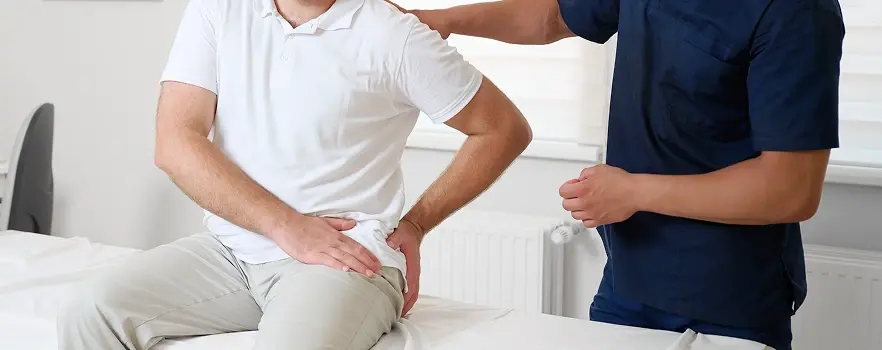
You may begin to notice a dull ache on the outer side of your hip after a long walk, climbing stairs or standing for extended periods. At first, the discomfort may seem minor, appearing only during certain movements or after physical activity. Over time, however, the pain may become more persistent. Some people find it difficult to lie on the affected side at night, while others feel tenderness around the hip when pressing on the area or when getting up after sitting for a while. These symptoms can gradually interfere with daily routines such as exercise, household tasks or even restful sleep.
One possible cause of these symptoms is hip bursitis, a condition in which the small fluid-filled sacs that cushion the hip joint become irritated or inflamed. These sacs help reduce friction between bones, tendons and muscles during movement, but when they are inflamed, pain can develop along the outer hip.
What Are the Common Symptoms of Hip Bursitis?
Hip bursitis symptoms often begin mildly but can become more noticeable over time. Many people initially mistake the discomfort for muscle strain or age-related aches. However, the symptoms often follow a recognisable pattern.
Outer Hip Pain
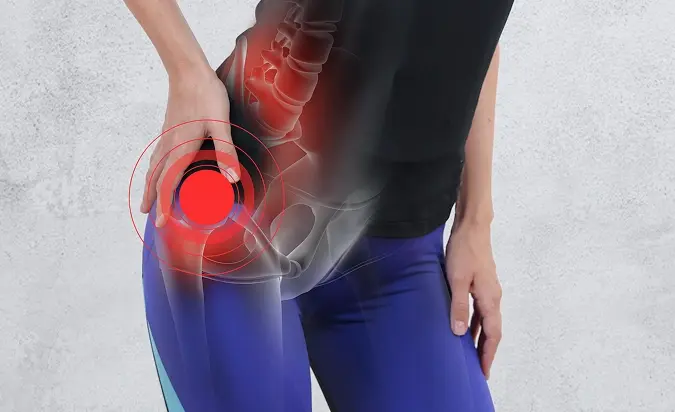
Discomfort is typically felt on the outer side of the hip and may radiate down the outer thigh. The pain often worsens with walking, prolonged standing or repetitive movements.
Pain When Lying on the Affected Side
Many people find it uncomfortable to sleep on the affected side, as direct pressure on the hip can aggravate the inflamed bursa.
Stiffness or Localised Tenderness
The hip may feel stiff after periods of rest or tender when pressed. This can be more noticeable in the morning or after sitting for long periods.
Pain During Movement Transitions
Discomfort may increase when standing up from a chair, climbing stairs or getting in and out of a car.
Why It Happens
What Causes Hip Bursitis?
While hip bursitis develops when the bursa is repeatedly irritated or placed under stress, irritation can also happen suddenly after an injury or slowly from everyday movements that overload the hip.
Repetitive Hip Movements
Activities such as frequent walking, running, stair climbing or cycling can place repeated stress on the hip. Over time, this friction may irritate the bursa and lead to inflammation.
Prolonged Pressure on the Hip
Lying on one side for long periods, sitting on hard surfaces or placing continuous pressure on the outer hip can compress the bursa and cause irritation.
Direct Injury or Impact
A fall, bump or direct blow to the hip may inflame the bursa even when no bone injury occurs. This can cause sudden pain and tenderness around the hip.
Poor Hip or Leg Alignment
Differences in leg length, changes in posture or spine problems can alter how weight is distributed across the hips, increasing stress on the surrounding tissues.
Know Your Risk Profile
What Are the Risk Factors for Hip Bursitis?
Not everyone exposed to hip strain develops bursitis. However, certain physical, lifestyle and health factors make some people more prone to inflammation around the hip, especially the bursa that cushions the joint.
Age and Gender
Hip bursitis is more commonly seen in middle-aged and older adults. It also tends to occur more frequently in women, partly due to differences in pelvic structure that may influence how stress is distributed across the hip joint.
Leg-length Differences
When one leg is slightly longer than the other, the body may compensate by shifting weight unevenly while walking. This imbalance can place extra stress on one side of the hip.
Occupation or Physical Activity
Activities that involve repeated hip movement, such as running, cycling, stair climbing or prolonged standing, can place ongoing stress on the hip. Over time, this repeated friction may irritate the bursa and lead to inflammation.
Inflammatory Conditions
Certain medical conditions, such as rheumatoid arthritis, increase the likelihood of inflammation in the joints and surrounding tissues, including the bursae.
Previous Hip or Spine Conditions
Conditions affecting the spine, hips or posture may alter the way a person walks. Changes in gait can shift pressure to the outer hip, increasing strain on the surrounding soft tissues and bursae.
Previous Hip Surgery or Bone Changes
Hip surgery, prosthetic implants, bone spurs or calcium deposits around the hip can irritate nearby tendons and bursae, potentially leading to bursitis.
Tight Iliotibial (IT) Band
The iliotibial band is a thick band of tissue that runs along the outside of the thigh. When it becomes tight, it can create additional friction over the outer hip, which may irritate the nearby bursa.
Excess Body Weight
Carrying extra body weight places greater load on the hip joint and surrounding tissues, which may increase the risk of inflammation.
Footwear or Biomechanics
Unsupportive footwear or abnormal walking patterns can alter how weight is distributed through the hips, contributing to irritation of the bursa.
Understanding Your Evaluation
Understanding Your Evaluation
How Is Hip Bursitis Diagnosed?
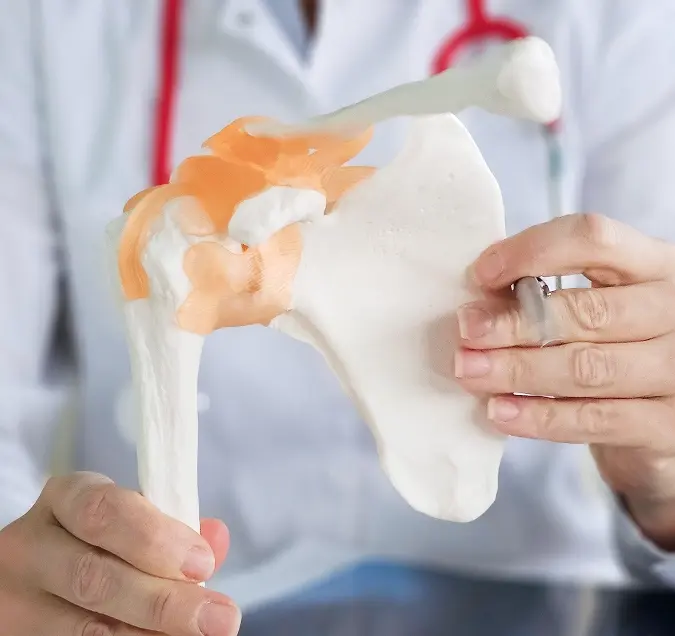
Hip bursitis can cause symptoms similar to other hip or lower back conditions, so a careful evaluation is important. Your orthopaedic specialist will review your medical history, ask about your symptoms and perform a physical examination of the hip to identify areas of tenderness and assess movement. This helps determine whether the pain is consistent with bursitis or another hip condition.
If further evaluation is needed, imaging tests may be recommended to confirm the diagnosis or rule out other causes of hip pain.
X-Ray
X-rays do not show the bursa itself, but they help rule out conditions such as arthritis, fractures or bone abnormalities that can cause similar symptoms.
MRI or Ultrasound
MRI or ultrasound scans allow specialists to examine the soft tissues around the hip. These tests can help detect inflammation of the bursa and identify other issues involving nearby tendons or muscles.
Hip Bursitis Treatments in Singapore
Treatment for hip bursitis focuses on reducing inflammation, relieving pain and restoring comfortable movement. In many cases, symptoms improve with non-surgical treatments, while more persistent cases may require targeted procedures recommended by an orthopaedic specialist.

Activity Modification and Rest
Reducing activities that irritate the hip, such as prolonged standing, stair climbing or repetitive movements, allows the inflamed bursa time to recover. Temporary adjustments to daily activities may help prevent further irritation.

Medication for Pain and Inflammation
Anti-inflammatory medications may be recommended to reduce swelling and relieve discomfort. These medications are often used together with other treatments to improve mobility during recovery.

Physiotherapy and Strengthening Exercises
Targeted physiotherapy can help strengthen the muscles around the hip and improve flexibility. This reduces stress on the joint and may lower the chance of bursitis returning.

Corticosteroid Injections
If symptoms persist despite conservative treatment, a corticosteroid injection into the inflamed bursa may be recommended. This can reduce inflammation and provide significant pain relief in many patients.

Surgical Treatment (Rare Cases)
Surgery is rarely needed for hip bursitis. However, if symptoms remain severe despite other treatments, a procedure to remove the inflamed bursa may be considered to relieve chronic pain and restore function.
How to Prevent Hip Bursitis
Hip bursitis cannot always be completely prevented, but several measures may help reduce the risk of developing it, particularly for people who perform repetitive movements or place frequent stress on the hips.
Maintain Strong and Flexible Hip Muscles
Regular stretching and strengthening exercises for the hips, glutes and thighs can help support the joint and reduce excessive strain on the surrounding tissues and bursae.
Use Proper Footwear and Support
Supportive shoes and appropriate sports equipment can improve walking or running biomechanics and reduce uneven stress on the hips.
Gradually Increase Physical Activity
Sudden increases in exercise intensity or duration can place stress on the hip. Gradually progressing activity levels allows the muscles and joints to adapt safely.
Maintain a Healthy Body Weight
Maintaining a healthy weight helps reduce the load placed on the hip joints and surrounding soft tissues.
Avoid Prolonged Pressure on the Hip
Limiting long periods of lying on one side or sitting on hard surfaces may help reduce irritation of the bursae around the hip.
Address Underlying Biomechanical Issues
Correcting issues such as leg-length differences, poor posture or abnormal walking patterns may help prevent repeated stress on the hip.
If hip discomfort persists despite these measures, seeking early medical assessment can help identify the cause and guide appropriate management.
Get Relief From Hip Bursitis at HC Orthopaedic Surgery
Hip bursitis can develop gradually from everyday strain or appear suddenly after an injury, often causing discomfort that interferes with walking, exercise or restful sleep. Because its symptoms can resemble other hip or lower back conditions, recognising the possible causes, risk factors and treatment options is an important step towards seeking appropriate care. With proper evaluation and timely management, many patients are able to reduce inflammation, relieve pain and regain comfortable movement in their daily activities.

Get Relief From Hip Bursitis at HC Orthopaedic Surgery
Hip bursitis can develop gradually from everyday strain or appear suddenly after an injury, often causing discomfort that interferes with walking, exercise or restful sleep. Because its symptoms can resemble other hip or lower back conditions, recognising the possible causes, risk factors and treatment options is an important step towards seeking appropriate care. With proper evaluation and timely management, many patients are able to reduce inflammation, relieve pain and regain comfortable movement in their daily activities.

Our Specialised Team
At HC Orthopaedic Surgery, patients with hip bursitis receive comprehensive care focused on identifying the source of hip pain and recommending suitable treatment options. The practice is led by Dr Henry Chan, alongside Dr Nicholas Yeoh, Dr Toon Dong Hao and Dr Tang Zhi Hao, who collectively bring extensive orthopaedic expertise to managing hip and lower limb conditions. In particular, Dr Yeoh specialises in hip conditions and provides targeted care for patients experiencing hip pain, including bursitis.
Frequently Asked Questions (FAQs) About Hip Bursitis
When should I see a specialist for hip bursitis?
Will I need immediate surgery for hip bursitis?
How long does it take to recover from hip bursitis?
Can exercise make hip bursitis worse?
Is hip bursitis caused by arthritis?
Can hip bursitis affect my sleep?
Are injections effective for treating hip bursitis?
Can hip bursitis return after treatment?
Meet Our Specialist Team
Our team comprises Dr Henry Chan, Dr Nicholas Yeoh, Dr Toon Dong Hao, and Dr Tang Zhi Hao — experienced orthopaedic surgeons with subspecialty experience and a patient-centred approach to care.
Dr Henry Chan
Medical Director & Senior Consultant Orthopaedic Surgeon
MBBS (S’pore), MRCS (Edinburgh), MMed (Orthopaedic Surgery), FRCS (Edinburgh)
Dr Henry Chan is an experienced orthopaedic surgeon specialising in joint replacement and complex revision surgery. Trained at the renowned Helios Endo-Klinik in Germany under the MOH HMDP scholarship, he has performed over 1,000 joint replacements and specialises in computer-assisted and robotic joint replacement techniques for precise outcomes.
Dr Nicholas Yeoh
Senior Consultant Orthopaedic Surgeon
MBChB (Edinburgh), MRCS (Edinburgh), MMed (Orthopaedic Surgery), FRCS (Edinburgh)
Dr Nicholas Yeoh is an MOH-accredited orthopaedic specialist and Fellow of the Royal College of Surgeons of Edinburgh. Fellowship-trained in hip and knee reconstruction in Sydney under the MOH HMDP scholarship, he specialises in minimally invasive joint replacement, robotic surgery and advanced techniques that enhance recovery and surgical outcomes.
Dr Toon Dong Hao
Senior Consultant Orthopaedic Surgeon
MBChB (Leeds), MRCS (Edinburgh), MMed (Orthopaedic Surgery), FRCS (Edinburgh)
Dr Toon Dong Hao is a skilled orthopaedic surgeon and Fellow of the Royal College of Surgeons of Edinburgh. Fellowship-trained in Advanced Shoulder and Elbow Surgery in Sydney under the MOH HMDP scholarship, Dr Toon specialises in sports injuries, arthroscopic surgery and complex shoulder, elbow and knee procedures to restore function and mobility.
Dr Tang Zhi Hao
Senior Consultant Orthopaedic Surgeon
MBBS (S’pore), MRCS (Edinburgh), MMed (Orthopaedic Surgery), FRCS (Edinburgh)
Dr Tang Zhi Hao is a fellowship-trained orthopaedic surgeon specialising in foot and ankle conditions. He completed his Foot and Ankle Surgery fellowship at Severance Hospital, Yonsei University Health System in Seoul under Professor Jin Woo Lee. Prior to private practice, he served as Consultant and Deputy Head of Orthopaedics at Khoo Teck Puat Hospital.