
Direct Anterior Approach (DAA) Hip Replacement
in Singapore


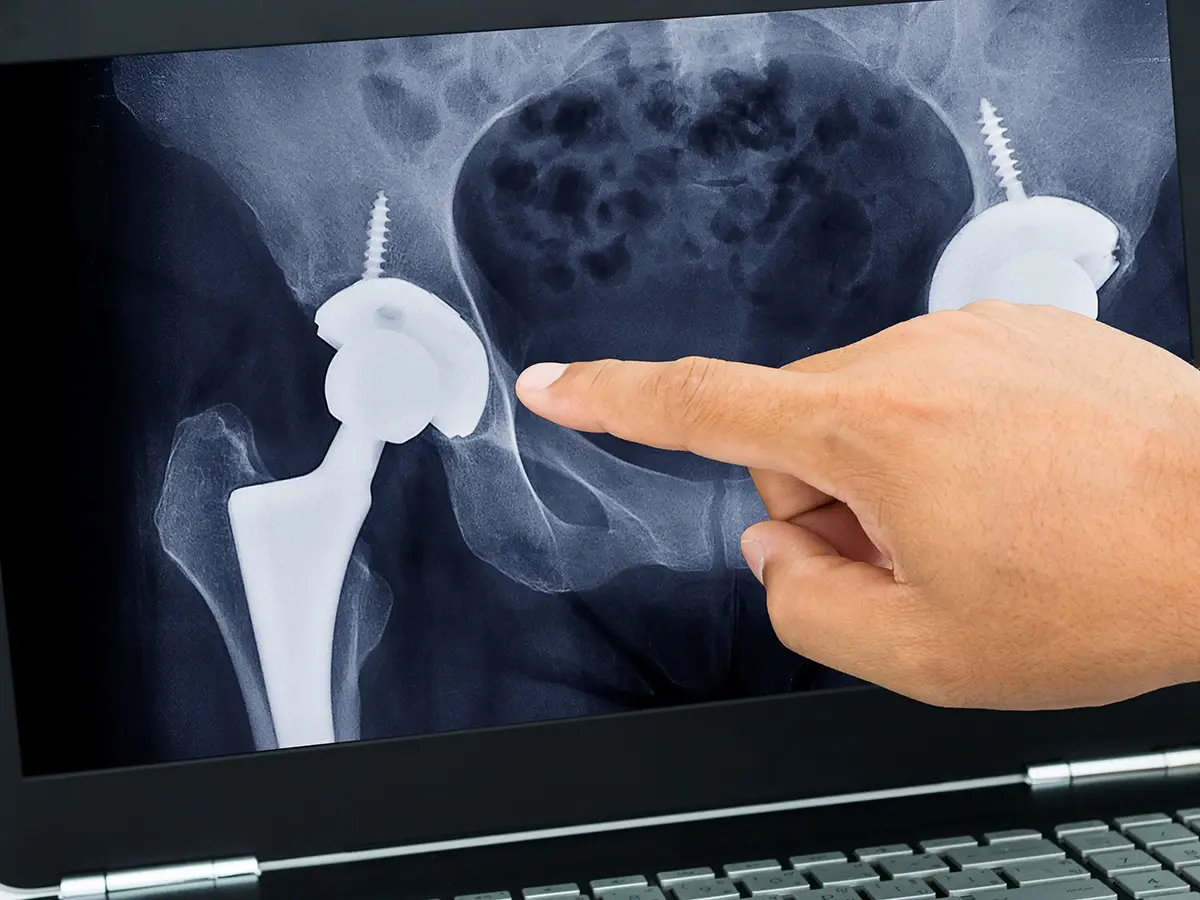
The direct anterior approach is a surgical technique used in total hip replacement that accesses the hip joint from the front of the body. Unlike traditional approaches that involve detaching or splitting muscles around the hip, this method works between natural muscle planes, which may reduce soft tissue disruption.
For suitable patients, the direct anterior approach can support early mobilisation and a potentially smoother initial recovery. However, it is not appropriate for everyone. Careful patient selection and surgical expertise are essential to ensure safety, implant stability and long-term joint function. Understanding how the direct anterior approach differs from other hip replacement techniques can help you decide whether this option aligns with your condition, anatomy and recovery goals.
Understanding the Procedure
What Is the Direct Anterior Approach in Hip Replacement?
Understanding the Procedure
What Is the Direct Anterior Approach in Hip Replacement?
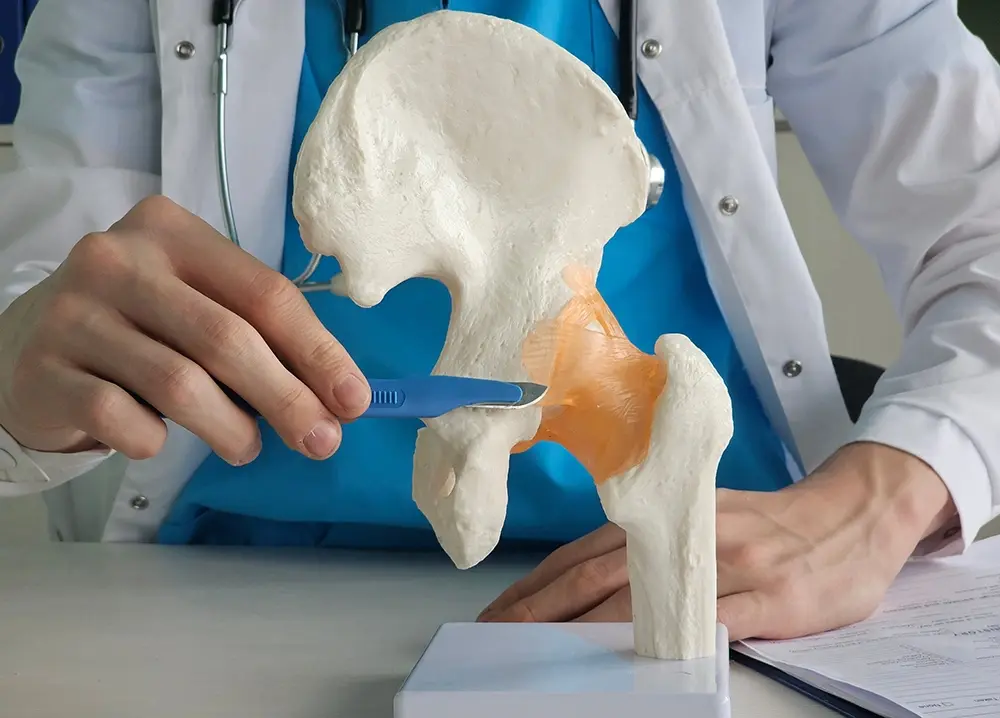
In the direct anterior approach, the hip joint is accessed through a small incision made at the front of the hip, typically near the natural crease of the groin. The patient is positioned on their back during surgery, which allows the surgeon to assess leg length and implant positioning more directly during the procedure.
Unlike posterior or lateral approaches, which involve working through or detaching certain muscle groups, the anterior approach follows an intermuscular and internervous plane. This means the surgeon works between muscles rather than cutting through them, which may reduce muscle trauma.
Although the surgical pathway differs, the artificial components used in a total hip replacement remain the same. The difference lies in how the joint is exposed and how surrounding soft tissues are managed during the operation.
Because the approach provides a different surgical view of the hip, careful training and familiarity with the technique are important to ensure accurate implant placement and long-term stability.
Direct Anterior Approach vs Other Surgical Approaches
There are three common ways your surgeon can gain access to the damaged hip joint:
- Anterior approach (from the front)
- Posterior approach (from the back)
- Lateral approach (from the side)
Each technique provides access to the same hip joint but differs in incision location, muscle handling and early recovery considerations.
| Direct Anterior Approach | Posterior Approach | Lateral / Anterolateral Approach | |
| Incision Location | Front of the hip | Back of the hip | Side of the hip |
| Muscle Disruption | Works between muscles where possible | Some muscles are detached and repaired | May involve partial muscle detachment |
| Early Movement | May allow earlier mobility in selected patients | Early mobilisation encouraged | Early mobilisation encouraged |
| Movement Precautions | Often fewer restrictions initially | Precautions may be advised early on | Precautions may be advised |
| Suitability | Appropriate for selected patients | Suitable for a wide range of patients | Often used in specific cases |
Direct Anterior Approach
Incision Location
Muscle Disruption
Early Movement
Movement Precautions
Suitability
Posterior Approach
Incision Location
Muscle Disruption
Early Movement
Movement Precautions
Suitability
Lateral / Anterolateral Approach
Incision Location
Muscle Disruption
Early Movement
Movement Precautions
Suitability
At HC Orthopaedic Surgery, our hip surgeons are experienced in performing the direct anterior approach as well as other established surgical techniques, enabling a tailored approach based on your anatomy and clinical needs.
When Surgery Is Recommended
Who Is Suitable for the Direct Anterior Approach?
While the direct anterior approach offers certain advantages in early recovery, it is not appropriate for everyone. You may be considered a suitable candidate if:
- You require hip replacement due to arthritis, avascular necrosis or joint degeneration
- Your bone structure and anatomy allow safe access through the anterior pathway
- You do not have significant hip deformity or extensive prior hip surgery
- Your overall health supports the positioning and recovery demands of the procedure
In some cases, factors such as obesity, severe deformity, previous hip operations or certain fracture patterns may make alternative approaches more appropriate.
The choice of surgical approach is ultimately determined after a detailed clinical assessment. Your surgeon will consider your anatomy, diagnosis, medical history and mobility goals before recommending the most suitable technique.
Treatment Benefits
Potential Benefits of the Direct Anterior Approach
The direct anterior approach is often described as a muscle-sparing technique because it works between natural muscle planes rather than detaching major muscles from the bone. This may contribute to differences in early recovery for some patients.
Potential benefits may include:
- Reduced muscle disruption during surgery
- Earlier mobilisation after the procedure
- Improved early stability in selected patients
- A smaller incision located at the front of the hip
- Lower early dislocation risk in certain cases
It is important to note that long-term outcomes are generally comparable across established surgical approaches. The most important factors influencing recovery remain careful surgical planning, implant positioning and structured rehabilitation.
The Surgical Approach
How the Direct Anterior Approach Is Performed
If you undergo hip replacement using the direct anterior approach, the operation is performed with you lying on your back. The incision is made at the front of the hip, allowing the surgeon to access the joint through a natural interval between muscles rather than detaching major muscle groups.
Because this approach works between muscle planes, some patients may experience differences in early recovery compared with other surgical pathways. Early standing and walking with assistance are typically encouraged under physiotherapy supervision, provided it is safe to do so.
In the early recovery phase, your rehabilitation programme will focus on:
- Gradual weight-bearing as advised
- Restoring hip range of motion
- Rebuilding muscle strength
- Improving balance and walking mechanics
It is important to understand that recovery speed and comfort vary between individuals. Overall outcomes depend on surgical technique, implant positioning, rehabilitation and your general health rather than the approach alone.
Understanding the Risks
Potential Risks and Complications of the Direct Anterior Approach
The risks associated with the direct anterior approach are broadly similar to those of other established hip replacement techniques. Although complications are uncommon, they may include:
- Bleeding or blood clots
- Infection
- Intra-operative or peri-prosthetic fracture
- Hip dislocation
- Nerve or blood vessel injury
- Implant loosening or wear over time
One consideration more specific to the anterior approach is temporary numbness over the front or outer thigh, caused by irritation of small sensory nerves. In most cases, this improves gradually over the following months, although mild residual numbness may persist in some patients.
Your overall health also plays an important role in surgical risk. Factors such as age, body weight, smoking status and existing medical conditions will be carefully assessed and discussed with you before surgery.
Cost of DAA Hip Replacement in Singapore
The cost of direct anterior approach hip replacement in Singapore varies depending on several clinical and logistical factors. The overall expense depends on your individual condition, surgical complexity and hospital setting.
Key Cost Drivers
Several factors influence the final cost, including:

Insurance and Financing
Part of the cost may be offset through MediSave, MediShield Life, Integrated Shield Plans or private insurance, depending on your coverage. Your doctor can provide a personalised estimate based on your condition and treatment plan.
Explore Hip Replacement Options at HC Orthopaedic Surgery
Choosing the most appropriate surgical approach is an important part of planning hip replacement. The direct anterior approach may offer certain technical and early recovery considerations in selected patients, but suitability depends on individual anatomy, joint condition and overall health. A careful assessment ensures that the chosen method aligns with your functional needs and long-term goals.
Explore Hip Replacement Options at HC Orthopaedic Surgery
Choosing the most appropriate surgical approach is an important part of planning hip replacement. The direct anterior approach may offer certain technical and early recovery considerations in selected patients, but suitability depends on individual anatomy, joint condition and overall health. A careful assessment ensures that the chosen method aligns with your functional needs and long-term goals.

Our Specialised Team
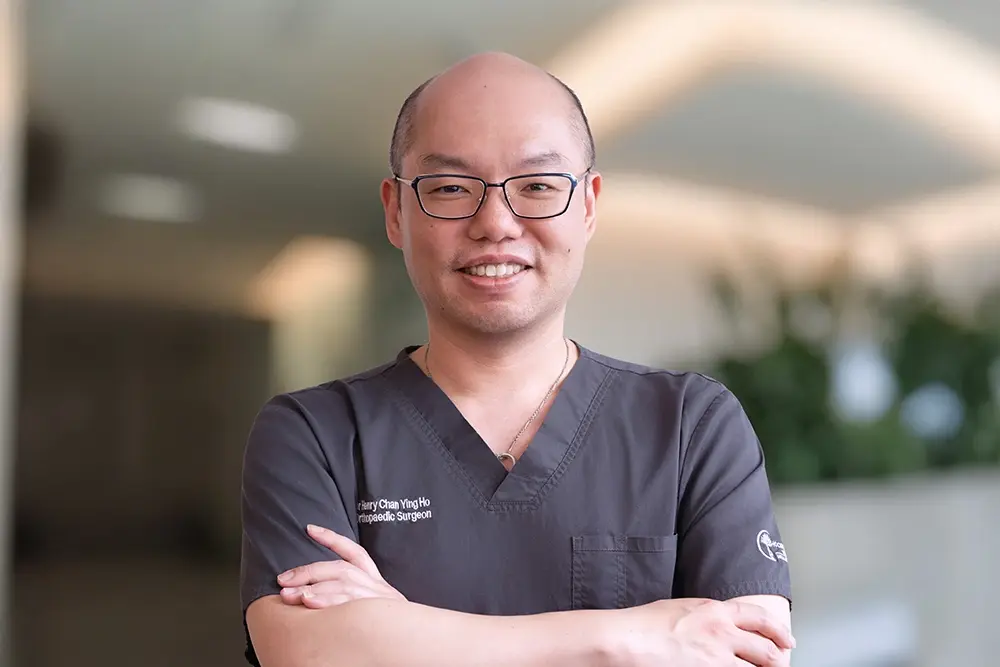
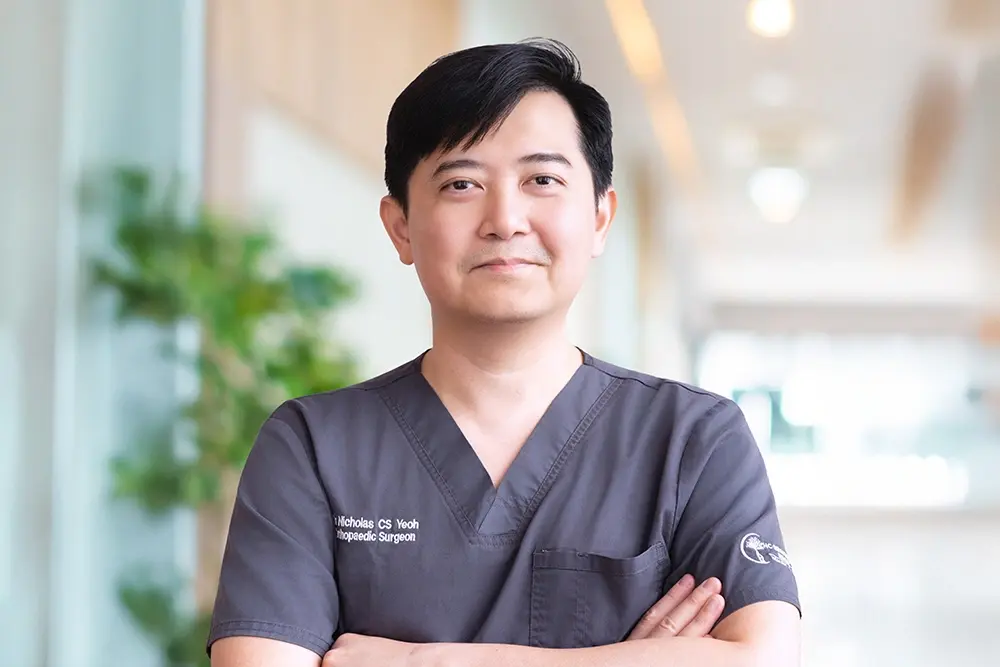
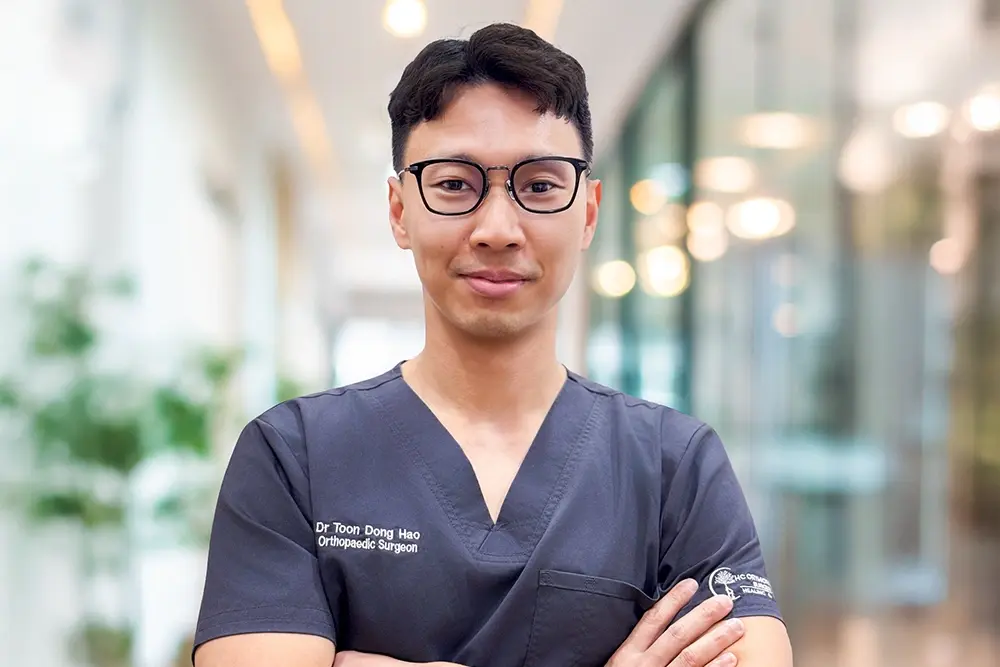
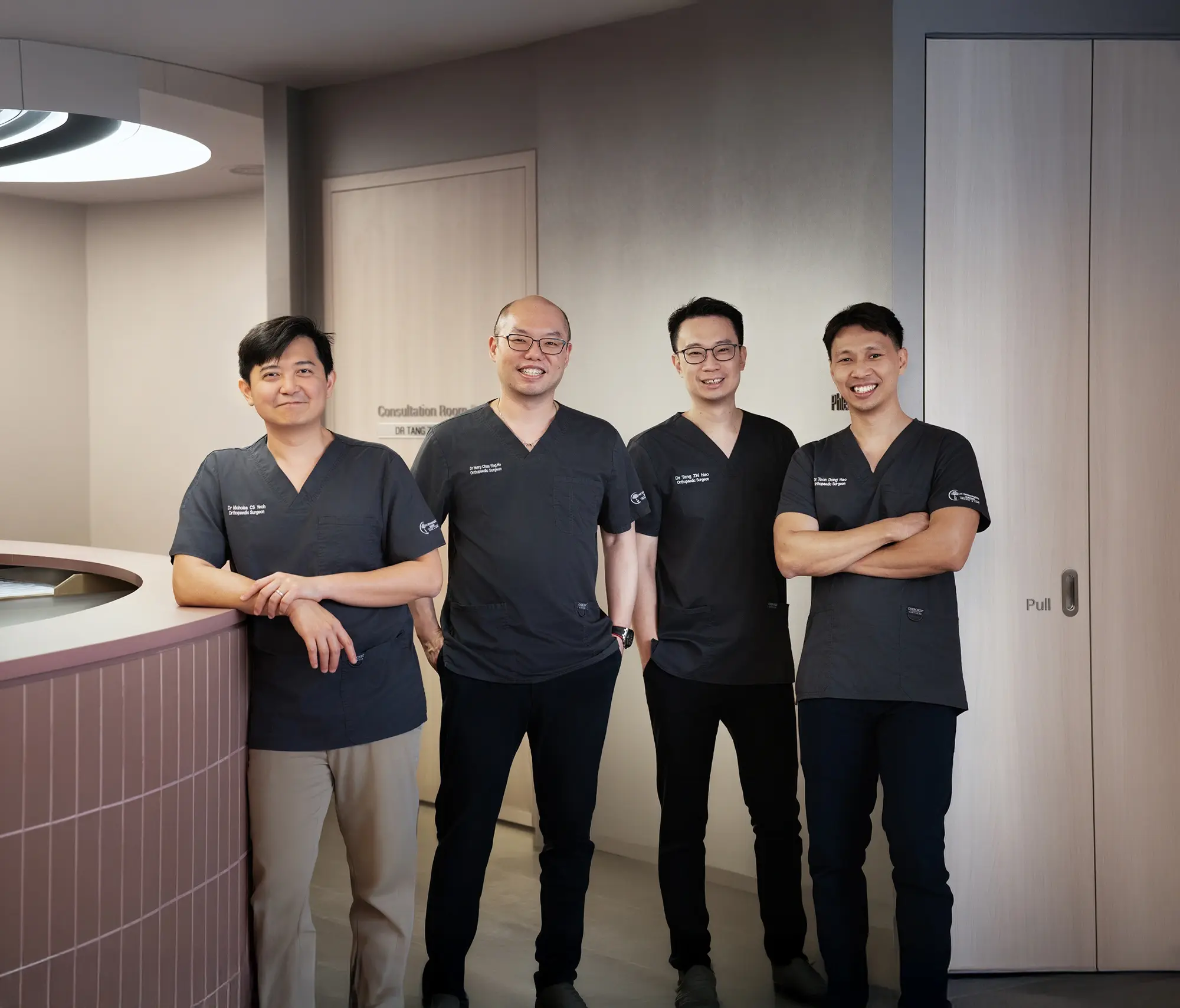
At HC Orthopaedic Surgery, we provide comprehensive evaluation, detailed surgical planning and coordinated rehabilitation to support safe recovery and durable outcomes. The practice is led by Dr Henry Chan, together with Dr Nicholas Yeoh, Dr Toon Dong Hao and Dr Tang Zhi Hao. With experience in performing the direct anterior approach as well as other established techniques, the team tailors the surgical strategy to each patient’s condition and mobility goals.
Frequently Asked Questions (FAQs) About Direct Anterior Approach Hip Replacement
Do I need a special prosthesis for this approach?
Is the incision smaller with the anterior approach?
Does the direct anterior approach cut through muscles?
Is there a risk of thigh numbness?
Are hip precautions different with this approach?
Can everyone have the direct anterior approach?
Is the direct anterior approach technically more demanding?
Meet Our Specialist Team
Our team comprises Dr Henry Chan, Dr Nicholas Yeoh, Dr Toon Dong Hao, and Dr Tang Zhi Hao — experienced orthopaedic surgeons with subspecialty experience and a patient-centred approach to care.
Dr Henry Chan
Medical Director & Senior Consultant Orthopaedic Surgeon
MBBS (S’pore), MRCS (Edinburgh), MMed (Orthopaedic Surgery), FRCS (Edinburgh)
Dr Henry Chan is an experienced orthopaedic surgeon specialising in joint replacement and complex revision surgery. Trained at the renowned Helios Endo-Klinik in Germany under the MOH HMDP scholarship, he has performed over 1,000 joint replacements and specialises in computer-assisted and robotic joint replacement techniques for precise outcomes.
Dr Nicholas Yeoh
Senior Consultant Orthopaedic Surgeon
MBChB (Edinburgh), MRCS (Edinburgh), MMed (Orthopaedic Surgery), FRCS (Edinburgh)
Dr Nicholas Yeoh is an MOH-accredited orthopaedic specialist and Fellow of the Royal College of Surgeons of Edinburgh. Fellowship-trained in hip and knee reconstruction in Sydney under the MOH HMDP scholarship, he specialises in minimally invasive joint replacement, robotic surgery and advanced techniques that enhance recovery and surgical outcomes.
Dr Toon Dong Hao
Senior Consultant Orthopaedic Surgeon
MBChB (Leeds), MRCS (Edinburgh), MMed (Orthopaedic Surgery), FRCS (Edinburgh)
Dr Toon Dong Hao is a skilled orthopaedic surgeon and Fellow of the Royal College of Surgeons of Edinburgh. Fellowship-trained in Advanced Shoulder and Elbow Surgery in Sydney under the MOH HMDP scholarship, Dr Toon specialises in sports injuries, arthroscopic surgery and complex shoulder, elbow and knee procedures to restore function and mobility.
Dr Tang Zhi Hao
Senior Consultant Orthopaedic Surgeon
MBBS (S’pore), MRCS (Edinburgh), MMed (Orthopaedic Surgery), FRCS (Edinburgh)
Dr Tang Zhi Hao is a fellowship-trained orthopaedic surgeon specialising in foot and ankle conditions. He completed his Foot and Ankle Surgery fellowship at Severance Hospital, Yonsei University Health System in Seoul under Professor Jin Woo Lee. Prior to private practice, he served as Consultant and Deputy Head of Orthopaedics at Khoo Teck Puat Hospital.