
Trigger Finger Surgery
in Singapore


Have you ever tried to straighten your finger only to feel it suddenly catch or lock in place? For some people, a finger may bend normally but then snap straight with a noticeable click, while others find their finger stuck in a curled position, especially in the morning. Simple tasks such as gripping a pen, opening a jar or typing on a keyboard can become uncomfortable and frustrating.
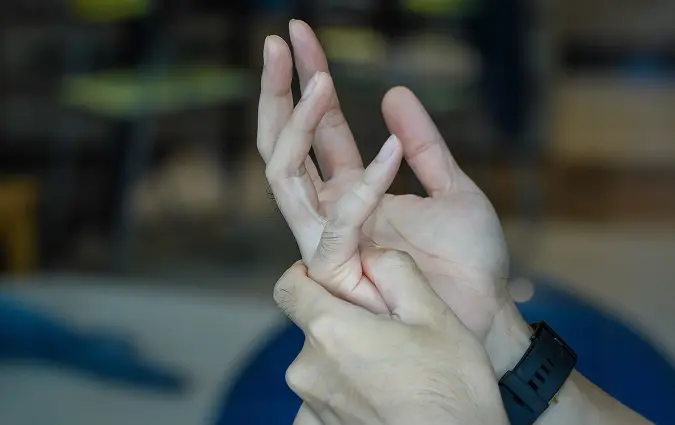
This condition, known as trigger finger, occurs when the tendon responsible for bending the finger becomes irritated and cannot glide smoothly through its surrounding sheath. As the tendon thickens or the sheath tightens, finger movement may become painful, stiff or restricted.
Many cases improve with rest, splinting, medication or injections. However, when the finger continues to lock or symptoms interfere with everyday hand use, trigger finger surgery may be recommended. The procedure releases the tightened tendon sheath, allowing the tendon to move freely again and restoring smoother, more comfortable finger movement.
Understanding Trigger Finger Surgery
Understanding Trigger Finger Surgery
What Is Trigger Finger Surgery and Who Might Need It?
Trigger finger surgery is a minor procedure that releases the tight tendon sheath in the palm that prevents the finger tendon from moving freely. By creating more space for the tendon to glide smoothly, the procedure helps restore normal finger movement and relieve locking or catching.
Surgery is typically considered when symptoms persist despite non-surgical treatments such as splinting, medication or corticosteroid injections, or when the finger frequently locks and interferes with daily hand use. It is most often recommended for patients with persistent finger locking, pain at the base of the finger, or difficulty using the hand comfortably.
What to Expect From Trigger Finger Surgery
Trigger finger surgery is typically a straightforward procedure designed to restore smooth finger movement by releasing the tightened tendon sheath. The process involves careful preparation, a short surgical procedure and simple post-operative care to support healing and recovery.
How to Prepare
- Temporarily stop certain medications, particularly blood-thinning drugs
- Avoid food and drinks for a specified period before the procedure if sedation is planned
- Arrange transportation home after surgery
- Prepare your home environment to allow your hand to rest during the early recovery period
Procedure Overview
- A small incision is made in the palm near the base of the affected finger
- The surgeon carefully releases the tightened tendon sheath that is restricting tendon movement
- The tendon is tested to ensure it moves smoothly without catching or locking
- The incision is then closed with small stitches and covered with a dressing
Aftercare and Recovery
- Begin gentle finger movement soon after surgery to prevent stiffness
- Keep the surgical site clean and dry while the incision heals
- Avoid heavy gripping or strenuous hand use for a short period
- Attend follow-up appointments to remove stitches and monitor healing
Treatment Benefits
What Are the Benefits of Trigger Finger Surgery?
Trigger finger surgery aims to restore smooth finger movement by releasing the tight tendon sheath that restricts the tendon’s motion. By addressing the underlying mechanical cause of finger locking, the procedure may help patients:
- Reduce pain and tenderness in the affected finger or thumb
- Eliminate catching or locking during finger movement
- Improve grip strength and hand coordination
- Return to daily activities and work with greater comfort
- Reduce ongoing tendon irritation caused by repeated friction
For many patients, the procedure helps restore comfortable hand function and allows normal finger movement during everyday tasks.

Potential Risks and Complications of Trigger Finger Surgery
Trigger finger surgery is generally considered a safe and effective procedure when performed by an experienced specialist. However, as with any surgical treatment, there are potential risks and complications that patients should be aware of before undergoing surgery. Possible risks may include:
Infection
Although uncommon, infection may occur at the surgical site and may require medication or further treatment.
Finger Stiffness
Some patients may experience temporary stiffness or reduced range of motion in the finger, particularly if movement is limited during recovery.
Bleeding or Swelling
Minor bleeding, bruising or swelling around the incision area may occur during the early healing period.
Incomplete Symptom Relief
In rare cases, symptoms such as catching or discomfort may persist if the tendon irritation has not fully resolved.
Nerve Irritation or Numbness
Nearby nerves may be temporarily irritated during surgery, which can cause mild numbness or sensitivity around the incision. These symptoms usually improve as the hand heals.
Recurrence of Trigger Finger
Although uncommon, the condition may recur or develop in another finger over time.
Cost of Trigger Finger Surgery in Singapore
The cost of trigger finger surgery in Singapore can vary depending on several medical and logistical factors. Because each patient’s condition and treatment plan differ, the overall cost reflects the surgical approach, facility used and care required before and after the procedure.
Key Cost Drivers
The cost of trigger finger surgery can vary depending on several factors, such as:
Severity of the Condition
Surgical Technique Used
Hospital or Surgical Facility
Professional and Anaesthesia Fees
Pre-Operative Consultations and Tests
Post-operative Care and Follow-up

Insurance and Financing
Patients in Singapore may be able to use MediSave, MediShield Life, Integrated Shield Plans or private insurance, subject to eligibility and coverage limits. A detailed estimate can be provided after your specialist evaluates your condition and recommends the most appropriate treatment approach.
Restore Comfortable Finger Movement at HC Orthopaedic Surgery
Trigger finger can gradually interfere with everyday hand use, turning simple actions such as gripping objects, typing or holding tools into uncomfortable or frustrating tasks. When the finger repeatedly catches or locks, it can affect not only comfort but also confidence in using the hand for work, hobbies or daily activities. With timely assessment and appropriate treatment, it is possible to address the underlying tendon restriction and restore smoother, more natural finger movement.
Restore Comfortable Finger Movement at HC Orthopaedic Surgery
Trigger finger can gradually interfere with everyday hand use, turning simple actions such as gripping objects, typing or holding tools into uncomfortable or frustrating tasks. When the finger repeatedly catches or locks, it can affect not only comfort but also confidence in using the hand for work, hobbies or daily activities. With timely assessment and appropriate treatment, it is possible to address the underlying tendon restriction and restore smoother, more natural finger movement.

Our Specialised Team
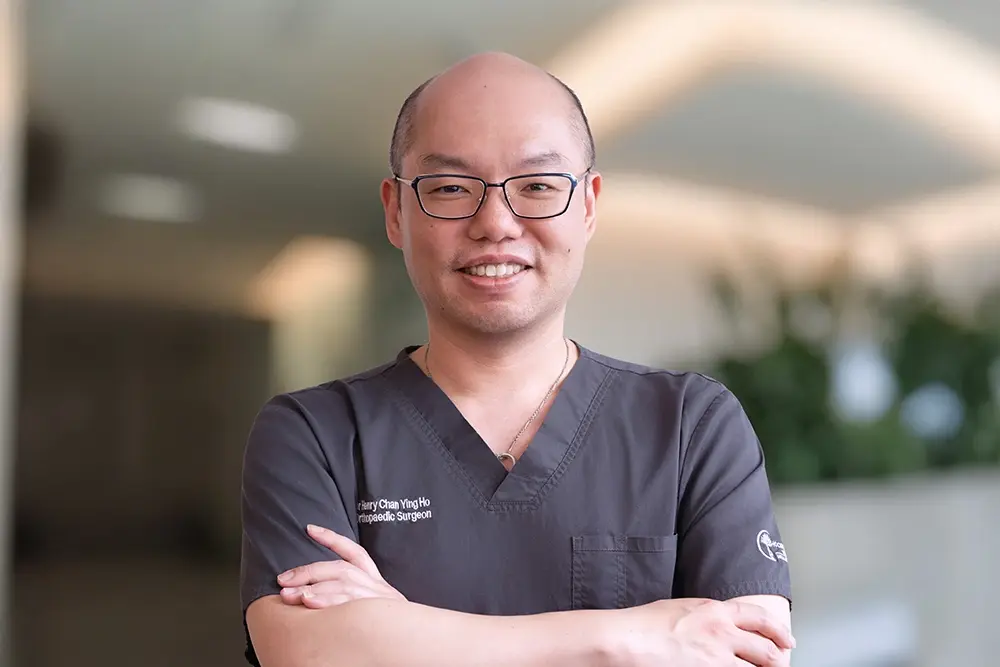
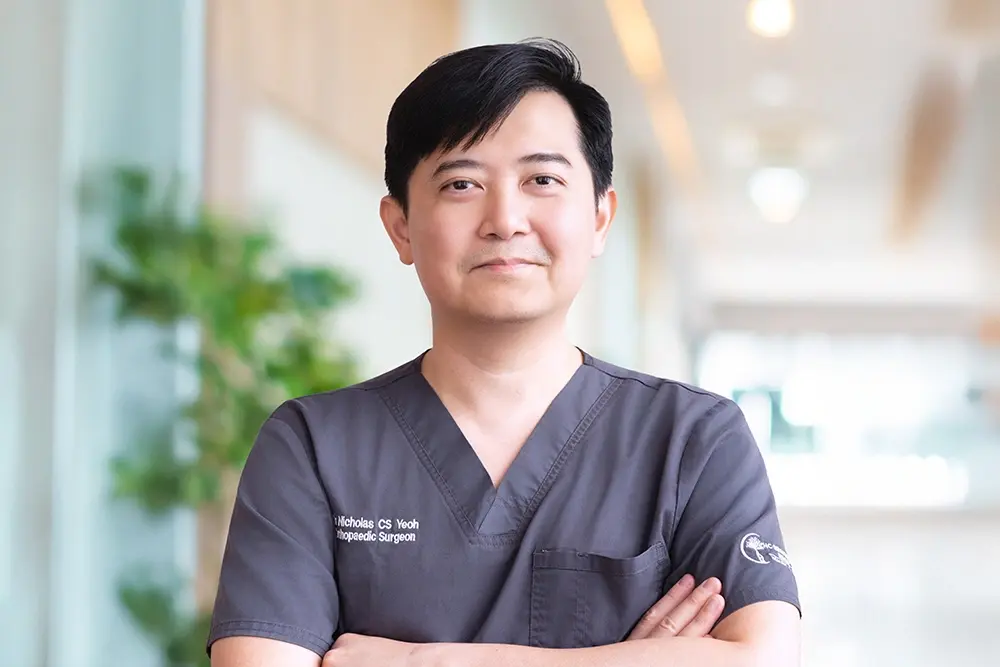
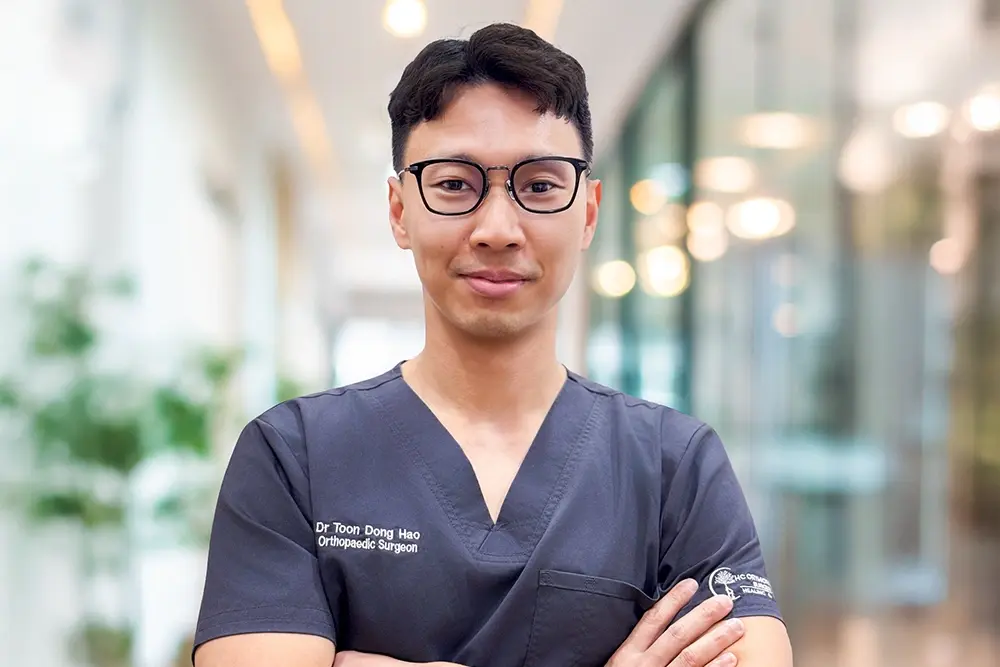
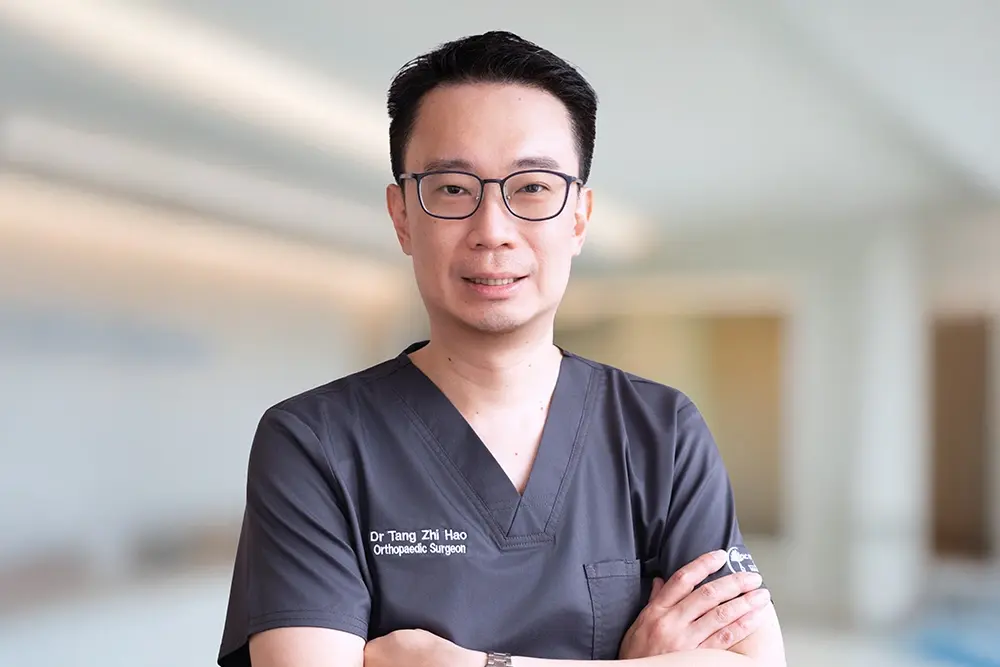
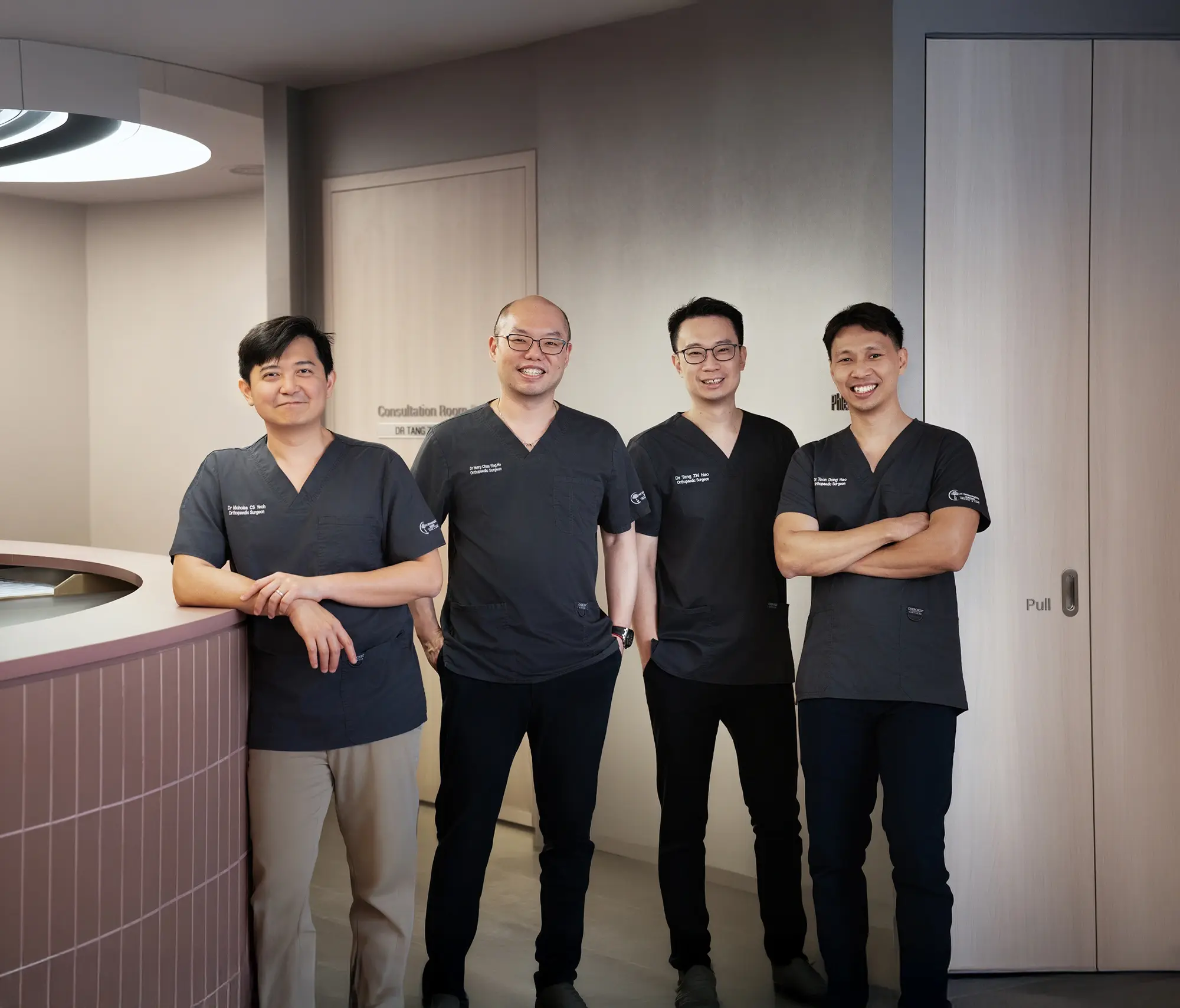
At HC Orthopaedic Surgery, patients with hand and wrist conditions are cared for by a team of orthopaedic surgeons comprising Dr Henry Chan, Medical Director and senior consultant orthopaedic surgeon, together with Dr Nicholas Yeoh, Dr Toon Dong Hao and Dr Tang Zhi Hao. The team approaches trigger finger and related conditions with treatment plans shaped by careful evaluation of symptoms, hand function and individual activity needs. Throughout treatment, our specialists focus on careful planning, clear guidance and consistent follow-up to restore smooth finger movement and everyday hand function.
Frequently Asked Questions (FAQs) About Trigger Finger Surgery
Is surgery done for more than one finger at a time?
Can trigger finger surgery be done as a day procedure?
How do I know if trigger finger surgery is necessary?
Is trigger finger surgery painful?
Will my finger move normally again after surgery?
Can trigger finger come back after surgery?
Will I need physiotherapy after surgery?
Meet Our Specialist Team
Our team comprises Dr Henry Chan, Dr Nicholas Yeoh, Dr Toon Dong Hao, and Dr Tang Zhi Hao — experienced orthopaedic surgeons with subspecialty experience and a patient-centred approach to care.
Dr Henry Chan
Medical Director & Senior Consultant Orthopaedic Surgeon
MBBS (S’pore), MRCS (Edinburgh), MMed (Orthopaedic Surgery), FRCS (Edinburgh)
Dr Henry Chan is an experienced orthopaedic surgeon specialising in joint replacement and complex revision surgery. Trained at the renowned Helios Endo-Klinik in Germany under the MOH HMDP scholarship, he has performed over 1,000 joint replacements and specialises in computer-assisted and robotic joint replacement techniques for precise outcomes.
Dr Nicholas Yeoh
Senior Consultant Orthopaedic Surgeon
MBChB (Edinburgh), MRCS (Edinburgh), MMed (Orthopaedic Surgery), FRCS (Edinburgh)
Dr Nicholas Yeoh is an MOH-accredited orthopaedic specialist and Fellow of the Royal College of Surgeons of Edinburgh. Fellowship-trained in hip and knee reconstruction in Sydney under the MOH HMDP scholarship, he specialises in minimally invasive joint replacement, robotic surgery and advanced techniques that enhance recovery and surgical outcomes.
Dr Toon Dong Hao
Senior Consultant Orthopaedic Surgeon
MBChB (Leeds), MRCS (Edinburgh), MMed (Orthopaedic Surgery), FRCS (Edinburgh)
Dr Toon Dong Hao is a skilled orthopaedic surgeon and Fellow of the Royal College of Surgeons of Edinburgh. Fellowship-trained in Advanced Shoulder and Elbow Surgery in Sydney under the MOH HMDP scholarship, Dr Toon specialises in sports injuries, arthroscopic surgery and complex shoulder, elbow and knee procedures to restore function and mobility.
Dr Tang Zhi Hao
Senior Consultant Orthopaedic Surgeon
MBBS (S’pore), MRCS (Edinburgh), MMed (Orthopaedic Surgery), FRCS (Edinburgh)
Dr Tang Zhi Hao is a fellowship-trained orthopaedic surgeon specialising in foot and ankle conditions. He completed his Foot and Ankle Surgery fellowship at Severance Hospital, Yonsei University Health System in Seoul under Professor Jin Woo Lee. Prior to private practice, he served as Consultant and Deputy Head of Orthopaedics at Khoo Teck Puat Hospital.