
Trigger Finger:
Symptoms, Causes and Treatments in Singapore

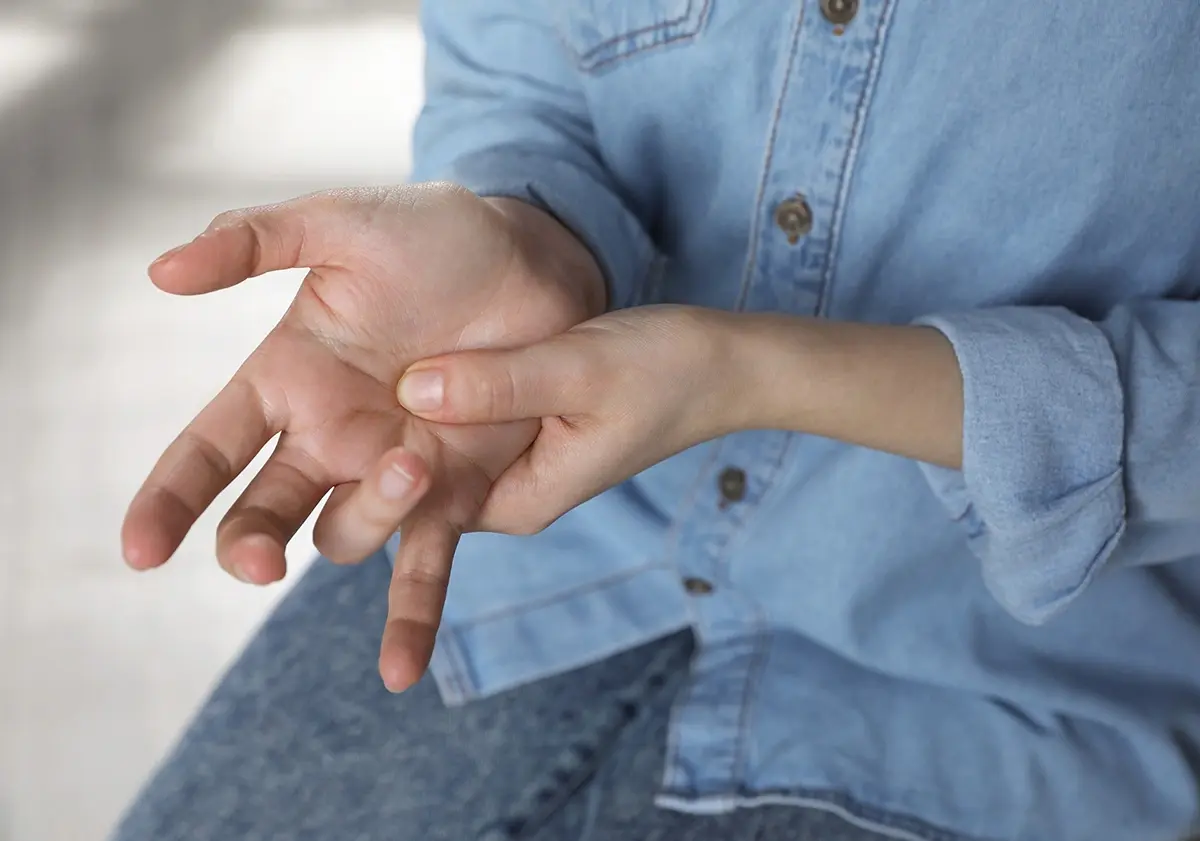
Our hands are the primary tools we use to navigate the world, allowing us to perform everything from delicate crafts to heavy manual labour. When a finger suddenly catches, clicks, or becomes locked in a bent position, it does more than cause physical discomfort. It disrupts the rhythm of daily life. You may find yourself struggling to grip a coffee mug, manage a computer mouse, or shake hands with a colleague. This loss of smooth, predictable movement can be deeply frustrating.
This condition is known as trigger finger, or stenosing tenosynovitis. It occurs when inflammation narrows the protective sheath surrounding a finger tendon. As the tendon attempts to glide through this tightened space, it may catch or lock, leading to stiffness, pain and a snapping sensation during movement. In more advanced cases, the finger may become temporarily stuck in a bent position.
Signs & Symptoms Explained
What Are the Signs and Symptoms of Trigger Finger?
The symptoms of trigger finger usually begin with mild irritation at the base of the finger and can progress to more severe mechanical locking.
Signs & Symptoms Explained
What Are the Signs and Symptoms of Trigger Finger?
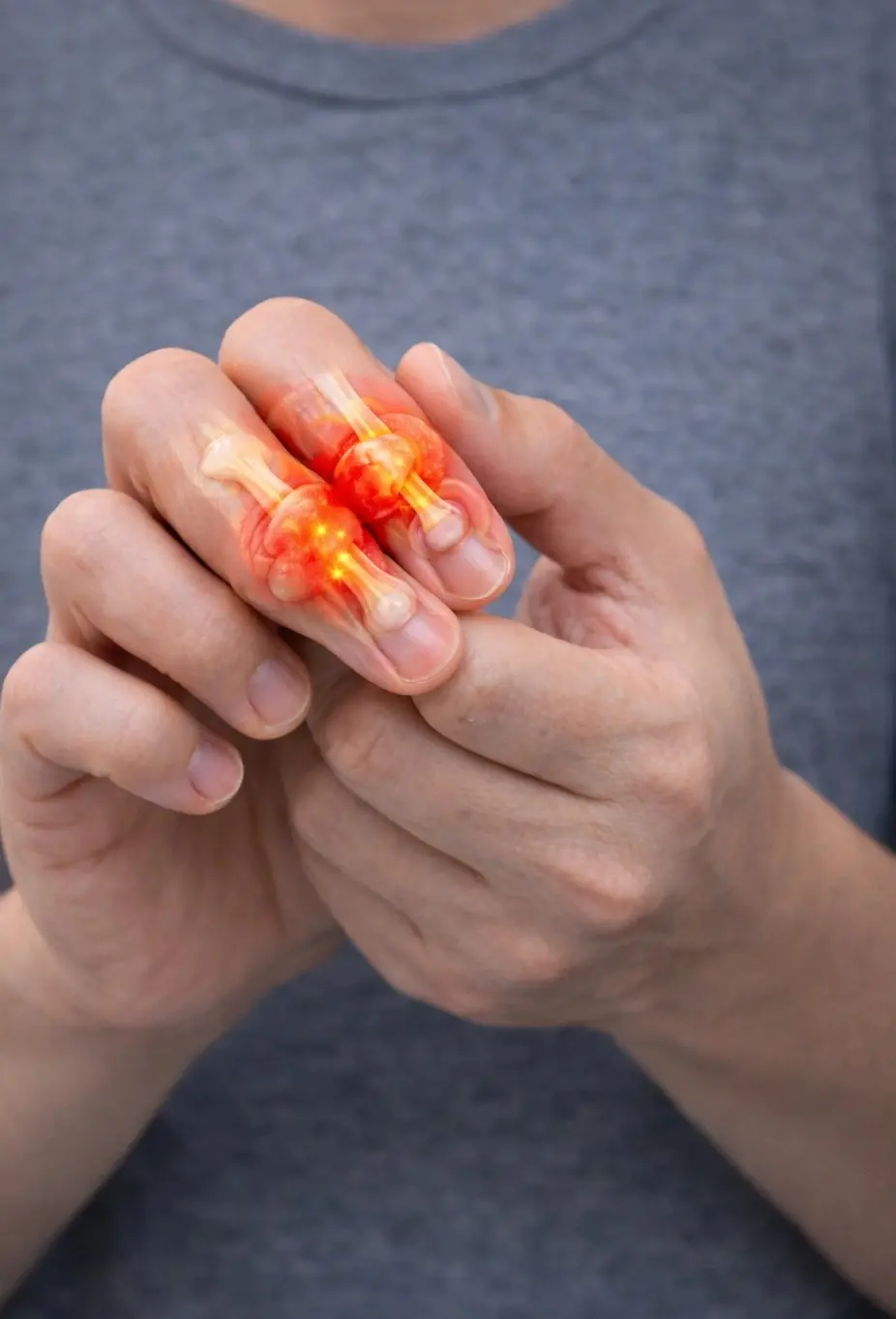
The symptoms of trigger finger usually begin with mild irritation at the base of the finger and can progress to more severe mechanical locking.
Finger Stiffness and Morning Aches
Many people first notice stiffness, particularly upon waking. After prolonged periods of inactivity, the finger may feel tight or difficult to straighten. Movement throughout the day often helps to ease the stiffness in the early stages.
A Clicking or Popping Sensation
As the finger bends or straightens, you may feel or hear a distinct clicking or popping sensation. This occurs when the inflamed tendon struggles to glide smoothly through the narrowed tendon sheath.
Tenderness and Nodules at the Base
Some individuals develop a small, tender lump in the palm at the base of the affected finger. This nodule represents thickening of the tendon and may be sensitive when pressed.
Locking in a Bent Position
In more advanced cases, the finger may become temporarily stuck in a bent position. Straightening it may require assistance from the other hand and can cause sudden pain. In severe cases, the finger may remain locked without manual release.
If finger clicking or palm tenderness persists or worsens, seek early medical assessment from a hand and wrist specialist at HC Orthopaedic Surgery to manage trigger finger early.
What Causes Trigger Finger?
Trigger finger develops when the smooth gliding movement of the flexor tendon is disrupted. This occurs due to structural changes within the tendon or its surrounding sheath.
Inflammation and Sheath Narrowing
The flexor tendons pass through protective tunnels known as tendon sheaths. When the sheath becomes inflamed, it thickens and narrows. This reduces the available space for the tendon to move freely, creating resistance during bending and straightening.
Tendon Thickening and Nodule Formation
Ongoing irritation may cause the tendon itself to thicken or develop a small nodule. As this enlarged portion attempts to pass through the narrowed sheath, it can catch, producing the characteristic clicking sensation or locking of the finger.
What Are the Risk Factors for Trigger Finger?
Certain factors increase the likelihood of tendon irritation and sheath thickening.
Occupation and Hobbies
Certain professions and recreational activities place sustained mechanical stress on the hands. Jobs that involve prolonged gripping, tool handling or repetitive manual tasks may increase risk. Examples include manual labour, food preparation, assembly work, tailoring and musical performance. Similarly, hobbies such as gardening, knitting or racquet sports may contribute when performed frequently or for extended periods.
Underlying Medical Conditions
People with diabetes have an increased risk of developing trigger finger and may experience multiple affected fingers. Chronic inflammatory conditions such as rheumatoid arthritis and gout are also associated with a higher likelihood of tendon sheath irritation.
Age and Gender
Trigger finger is most commonly observed in adults between 40 and 60 years of age. It occurs more frequently in women than in men, although the exact reason for this difference is not fully understood.
Previous Hand Procedures
Trigger finger may occasionally develop after hand surgery, including carpal tunnel release. Post-operative swelling, altered tendon mechanics or scar tissue formation can affect the smooth gliding of the tendon within its sheath, increasing the likelihood of catching or locking symptoms.
Understanding the Stages
How Does Trigger Finger Progress Over Time?
Trigger finger often develops gradually. Symptoms may worsen if inflammation and tendon thickening are not addressed.
Early Stage
Intermediate Stage
Advanced Stage
Understanding Your Evaluation
How Is Trigger Finger Diagnosed?

Understanding Your Evaluation
How Is Trigger Finger Diagnosed?
Trigger finger is primarily diagnosed through a clinical evaluation. A doctor will review your symptoms and examine the affected finger to assess tenderness, swelling and any catching or locking during movement.
During the examination, you may be asked to bend and straighten your finger to determine the severity of triggering. The doctor will also check for a tender nodule at the base of the finger and assess your range of motion.
Imaging tests such as X-rays are not usually required, as trigger finger is a soft tissue condition and does not involve the bones. However, imaging may be recommended if there is uncertainty about the diagnosis or to rule out other causes of finger pain, such as arthritis or fractures.
Exploring Treatment Options
Trigger Finger Treatments in Singapore
Treatment depends on the severity of symptoms, duration of the condition and the degree of functional limitation. Management ranges from conservative care to minimally invasive procedures.
Splinting and Activity Modification
Wearing a splint, particularly at night, helps keep the finger in an extended position and reduces repetitive irritation of the tendon. Activity modification and ergonomic adjustments may also be recommended to limit strain from daily tasks and support recovery.
Steroid Injection Therapy
A localised corticosteroid injection into the tendon sheath can reduce inflammation and improve tendon gliding. Many patients experience significant relief from pain and locking after a single injection, although some may require further treatment if symptoms persist or recur.
Percutaneous or Open Release
If conservative measures do not provide sufficient improvement, a minor procedure may be performed to release the A1 pulley, which is the narrowed portion of the tendon sheath. This creates more space for the tendon to move freely and typically results in rapid improvement in locking and range of motion.
Specialised Care for Trigger Finger at HC Orthopaedic Surgery
Trigger finger may begin as a mild inconvenience, but without timely attention, it can progress to persistent locking and significant limitation of hand function. Recognising early symptoms, understanding the underlying causes and being aware of available treatment options are key to preventing long-term stiffness or fixed deformity. With appropriate assessment and stage-appropriate management, most people can regain smooth, comfortable finger movement and return to their usual activities without ongoing disruption.
Specialised Care for Trigger Finger at HC Orthopaedic Surgery
Trigger finger may begin as a mild inconvenience, but without timely attention, it can progress to persistent locking and significant limitation of hand function. Recognising early symptoms, understanding the underlying causes and being aware of available treatment options are key to preventing long-term stiffness or fixed deformity. With appropriate assessment and stage-appropriate management, most people can regain smooth, comfortable finger movement and return to their usual activities without ongoing disruption.

Our Specialised Team
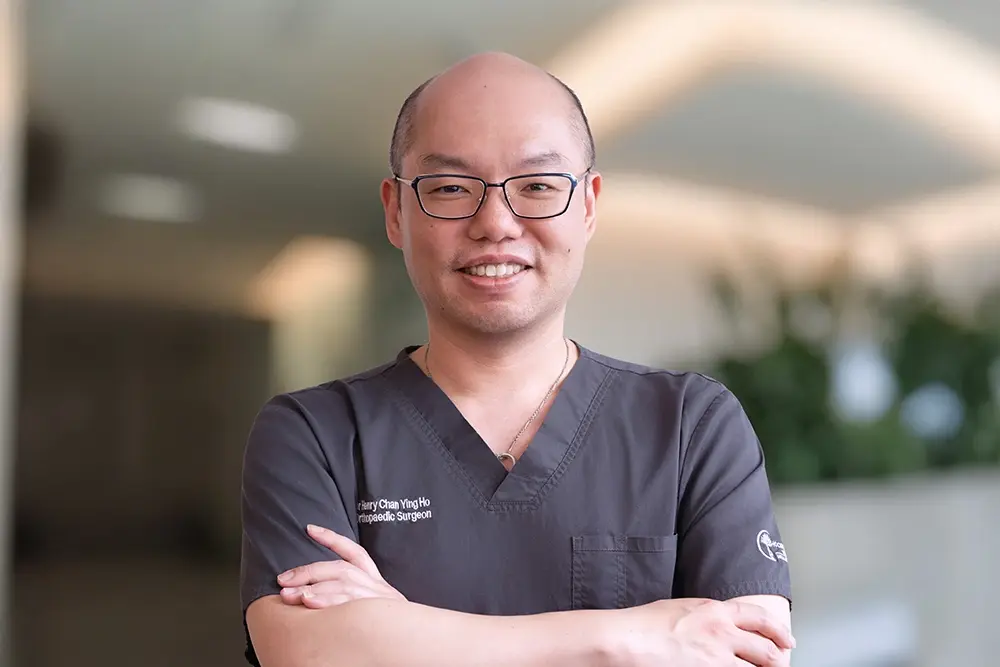
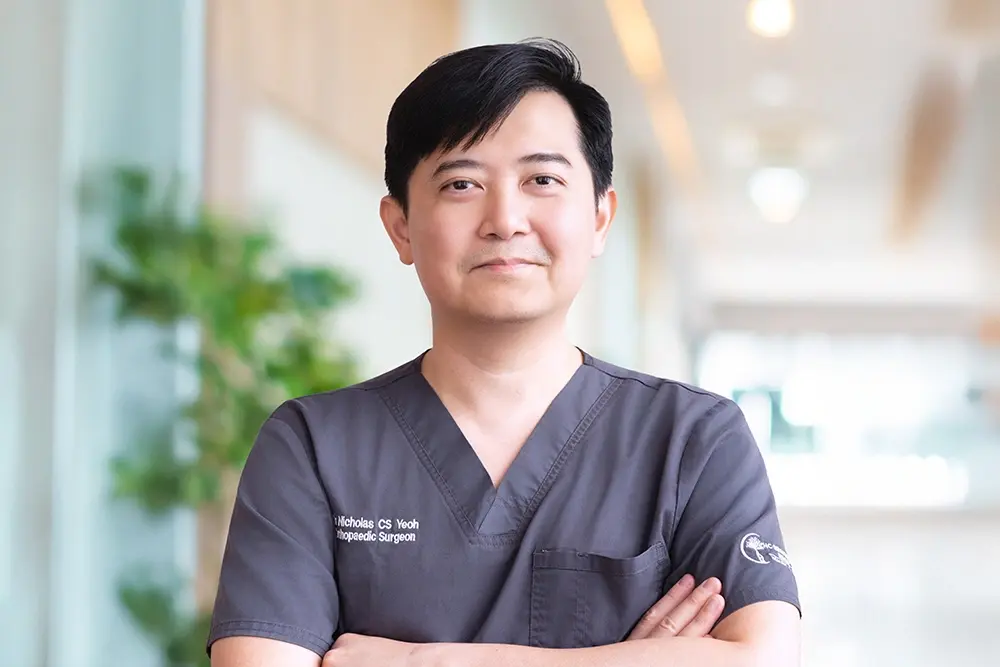
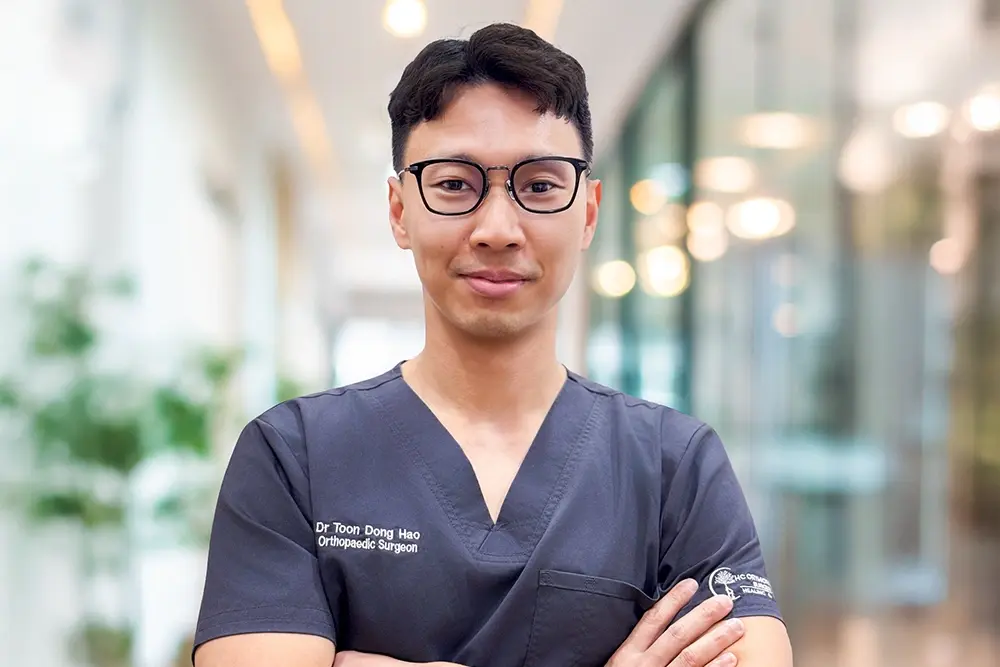
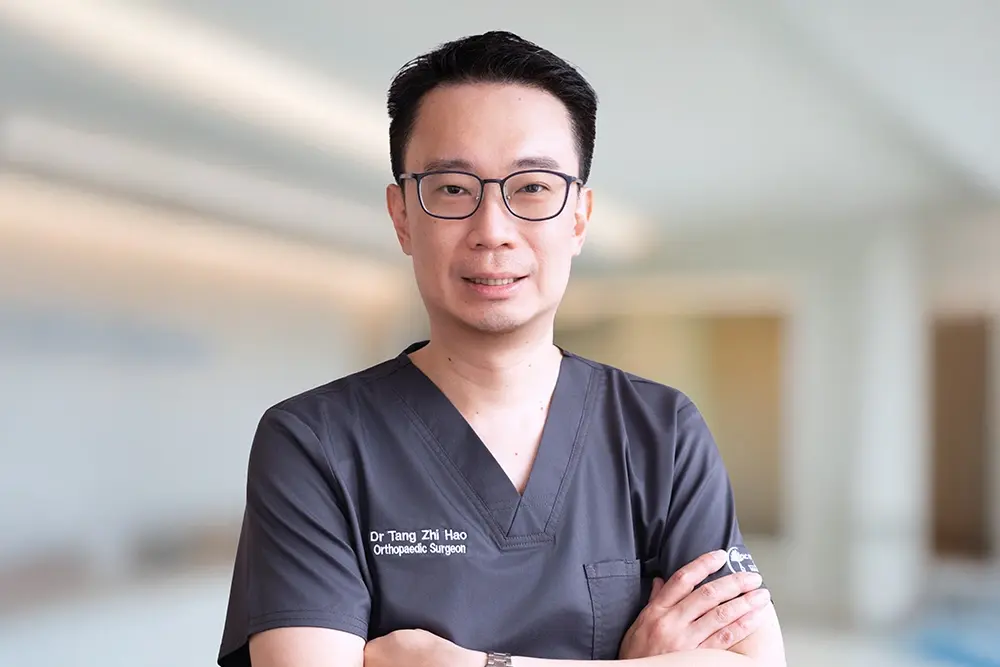
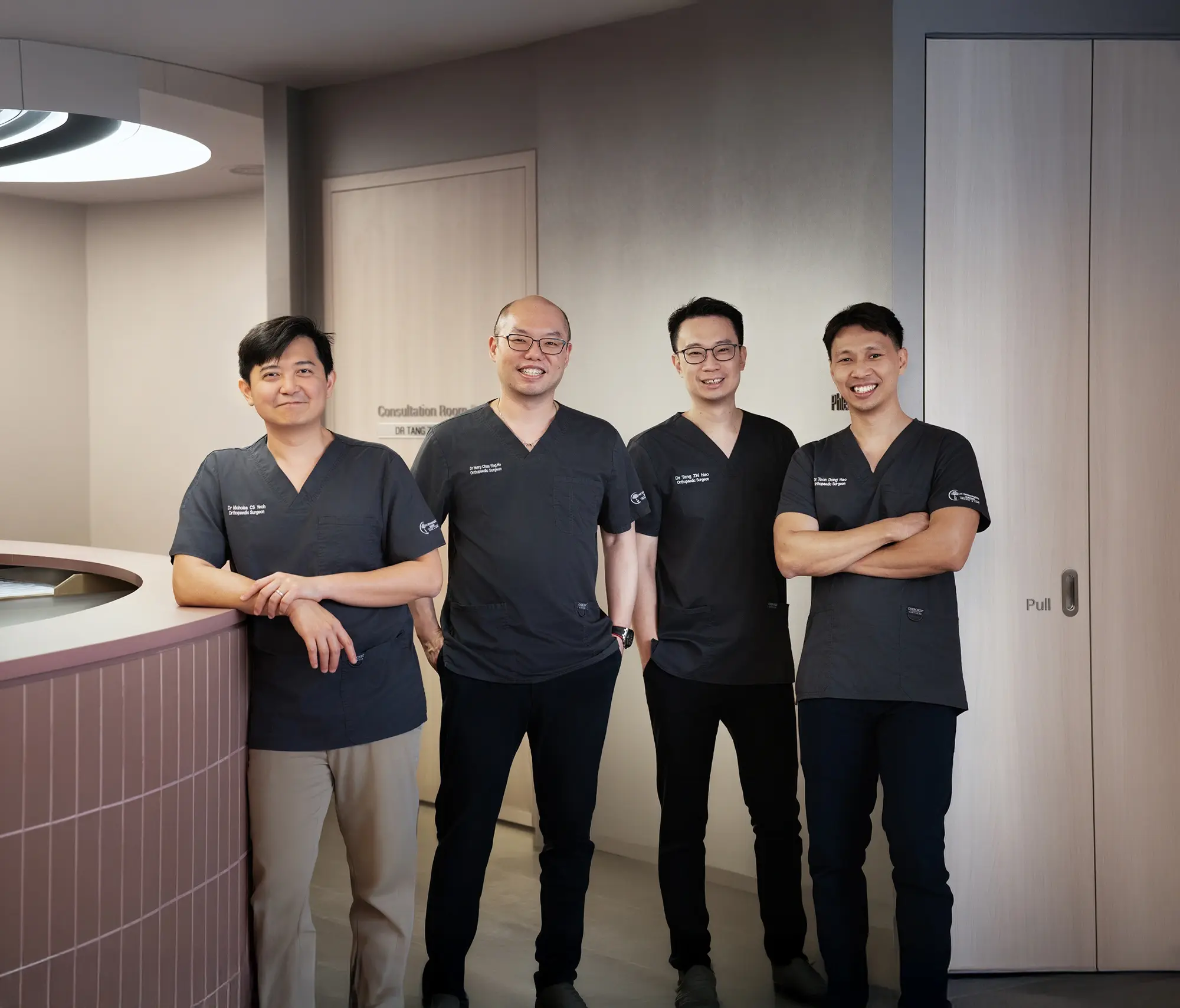
At HC Orthopaedic Surgery, trigger finger is managed through a comprehensive, evidence-based approach tailored to each patient’s stage of condition and functional goals. The practice is led by Dr Henry Chan, alongside Dr Nicholas Yeoh, Dr Toon Dong Hao and Dr Tang Zhi Hao, who are experienced in treating hand and wrist disorders, including tendon-related conditions of the fingers. If you are experiencing persistent finger stiffness, locking or pain at the base of the palm, seek a detailed evaluation to receive a personalised treatment plan suited to your needs.
Frequently Asked Questions (FAQs) About Trigger Finger
Is trigger finger the same as arthritis?
Will trigger finger go away on its own?
Can trigger finger be prevented?
How soon can I use my hand after a trigger finger release?
Can trigger finger happen in more than one finger?
Meet Our Specialist Team
Our team comprises Dr Henry Chan, Dr Nicholas Yeoh, Dr Toon Dong Hao, and Dr Tang Zhi Hao — experienced orthopaedic surgeons with subspecialty experience and a patient-centred approach to care.
Dr Henry Chan
Medical Director & Senior Consultant Orthopaedic Surgeon
MBBS (S’pore), MRCS (Edinburgh), MMed (Orthopaedic Surgery), FRCS (Edinburgh)
Dr Henry Chan is an experienced orthopaedic surgeon specialising in joint replacement and complex revision surgery. Trained at the renowned Helios Endo-Klinik in Germany under the MOH HMDP scholarship, he has performed over 1,000 joint replacements and specialises in computer-assisted and robotic joint replacement techniques for precise outcomes.
Dr Nicholas Yeoh
Senior Consultant Orthopaedic Surgeon
MBChB (Edinburgh), MRCS (Edinburgh), MMed (Orthopaedic Surgery), FRCS (Edinburgh)
Dr Nicholas Yeoh is an MOH-accredited orthopaedic specialist and Fellow of the Royal College of Surgeons of Edinburgh. Fellowship-trained in hip and knee reconstruction in Sydney under the MOH HMDP scholarship, he specialises in minimally invasive joint replacement, robotic surgery and advanced techniques that enhance recovery and surgical outcomes.
Dr Toon Dong Hao
Senior Consultant Orthopaedic Surgeon
MBChB (Leeds), MRCS (Edinburgh), MMed (Orthopaedic Surgery), FRCS (Edinburgh)
Dr Toon Dong Hao is a skilled orthopaedic surgeon and Fellow of the Royal College of Surgeons of Edinburgh. Fellowship-trained in Advanced Shoulder and Elbow Surgery in Sydney under the MOH HMDP scholarship, Dr Toon specialises in sports injuries, arthroscopic surgery and complex shoulder, elbow and knee procedures to restore function and mobility.
Dr Tang Zhi Hao
Senior Consultant Orthopaedic Surgeon
MBBS (S’pore), MRCS (Edinburgh), MMed (Orthopaedic Surgery), FRCS (Edinburgh)
Dr Tang Zhi Hao is a fellowship-trained orthopaedic surgeon specialising in foot and ankle conditions. He completed his Foot and Ankle Surgery fellowship at Severance Hospital, Yonsei University Health System in Seoul under Professor Jin Woo Lee. Prior to private practice, he served as Consultant and Deputy Head of Orthopaedics at Khoo Teck Puat Hospital.