
Ganglion Cysts:
Symptoms, Causes and Treatments




Ganglion cysts are non-cancerous, fluid-filled lumps that develop near joints or tendons. They most commonly appear on the wrist, but they can also form on the fingers, ankles, or feet. These cysts are filled with a thick fluid similar to the natural lubrication found in joints. They may vary in size and sometimes change over time. Although they are generally harmless, proper medical evaluation and treatment may be needed in certain cases.
What Are the Common Symptoms of Ganglion Cysts?
While some ganglion cysts cause little to no discomfort, others may lead to noticeable changes around the affected joint. These changes include:
Visible Lump
A noticeable bump near a joint that may feel soft or firm and can change in size over time.
Weakness
Pressure on nerves or joints may result in reduced strength in the affected hand or foot.
Pain or Discomfort
Mild to moderate aching may occur, especially with joint movement or repeated use.
Limited Joint Movement
Larger cysts may create a feeling of tightness and restrict normal joint motion.
Tingling or Numbness
If the cyst presses on a nearby nerve, it can cause unusual sensations in the surrounding area.
Why It Happens
What Causes Ganglion Cysts?
Ganglion cysts form when fluid collects in a joint or tendon sheath, creating a lump. Common causes include:
Tissue Weakness
Small tears or weaknesses in the joint capsule or tendon sheath can allow fluid to escape and accumulate, forming a cyst. This weakness may develop naturally over time or after minor strain.
Joint Fluid Leakage
Fluid from a joint or tendon sheath may leak into surrounding tissue, creating a sac-like lump. The fluid acts as a cushion, which can make the cyst more noticeable.
Minor Injuries
Even small injuries or trauma to a joint can trigger the formation of a ganglion cyst. The body may respond by producing fluid that collects in the weakened area.
Repetitive Stress
Frequent or repetitive movements can put pressure on a joint, leading to irritation of the surrounding tissue. Over time, this stress may result in fluid-filled cysts developing near the joint.
Know Your Risk Profile
What Are the Risk Factors for Ganglion Cysts?
Some factors can make a person more likely to develop a ganglion cyst. The most common risk factors include:
Age
Ganglion cysts are most common in people between 20 and 40 years old. The tissues around joints may be more prone to weaknesses during this period.
Gender
Women are more likely than men to develop ganglion cysts, especially on the wrist. Hormonal or structural differences may contribute to this tendency.
Joint or Tendon Overuse
Activities that involve repetitive movements, such as typing, sports, or manual work, can increase the risk of cyst formation.
Previous Joint Injury
A history of injury or trauma to a joint or tendon can make the area more prone to developing a cyst.
Arthritis
People with osteoarthritis, especially in the fingers, may have a higher risk of developing ganglion cysts due to joint degeneration.
Understanding the Differences
What are Types of Ganglion Cysts?
Ganglion cysts can appear in different areas and are classified based on their location and relation to joints or tendons.
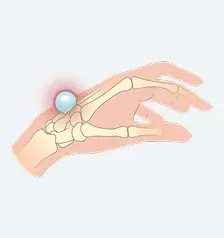
Dorsal Wrist Ganglion
The most common type, these appear on the back of the wrist and typically originate from the scapholunate joint.
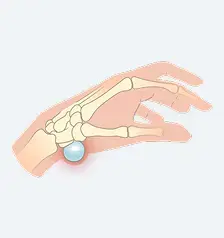
Volar Wrist Cysts
These occur on the palm side of the wrist, often near the radial artery or tendons.

Volar Retinacular Cyst
These are small, pea-sized bumps found at the base of a finger on the palm side, arising from the tendon sheath.
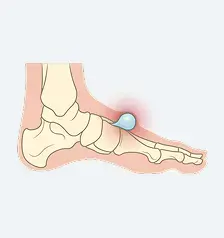
Pedal Ganglion
These develop on the top of the foot or the ankle, often caused by irritation from footwear or joint stress.
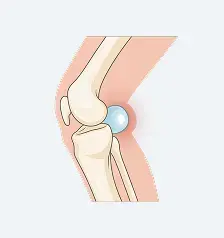
Ganglion Cysts Near Other Joints
Less common cysts can develop near elbows or knees, depending on joint activity and stress.
Understanding Your Evaluation
How are Ganglion Cysts Diagnosed?
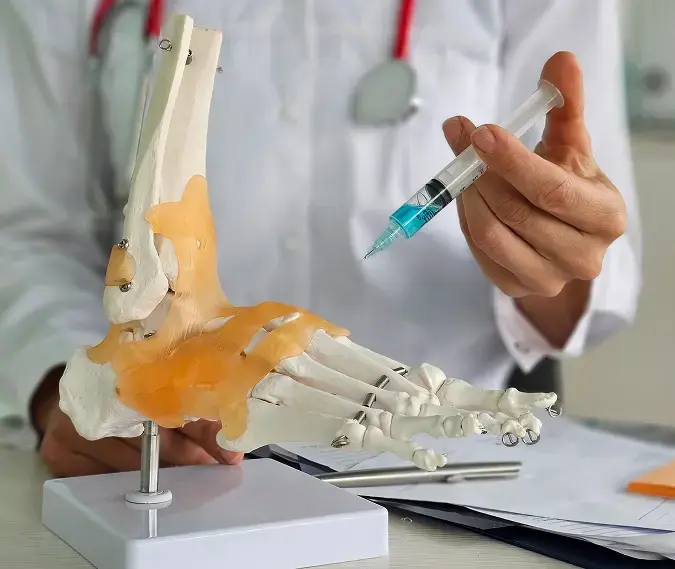
Diagnosis usually begins with a review of medical history and a physical examination. If needed, your doctor may recommend further tests, including:
Understanding Your Evaluation
How are Ganglion Cysts Diagnosed?
Diagnosis usually begins with a review of medical history and a physical examination. If needed, your doctor may recommend further tests, including:
Transillumination Test
A light is shone through the lump to check if it is filled with fluid, helping to confirm it is a cyst.
Ultrasound
It uses sound waves to create images of the cyst and surrounding tissues, helping distinguish it from other lumps.
MRI Scan
This test provides detailed images of soft tissues to assess the cyst’s size, location, and relationship to nearby structures.
Exploring Treatment Options
Ganglion Cysts Treatments in Singapore
Treatment for ganglion cysts depends on the size, location, and severity of symptoms. Doctors often start with conservative approaches before considering more invasive options.

Observation and Monitoring
Many ganglion cysts are harmless and may shrink or disappear on their own. Doctors may recommend simply observing the cyst over time and tracking any changes in size, pain, or mobility before taking further action.

Splinting and Immobilisation
Wearing a wrist or finger splint can help reduce movement that aggravates the cyst and relieve pressure on nearby joints or tendons. This method may also prevent the cyst from growing larger and allow surrounding tissues to heal naturally.

Aspiration
This procedure involves using a needle to drain the fluid from the cyst, which can relieve discomfort and restore joint function. While aspiration is minimally invasive, cysts can recur because the underlying stalk or connection to the joint or tendon is not removed.

Surgical Removal
It is recommended for cysts that are painful, restrict movement, or repeatedly return after aspiration. Surgery removes the cyst along with its stalk to reduce the risk of recurrence, and recovery usually involves a short period of immobilisation followed by gradual physical therapy to restore strength and flexibility.
Get Relief From Ganglion Cysts at HC Orthopaedic Surgery
Ganglion cysts are common, generally non-cancerous lumps that can develop near joints or tendons, most often on the wrist, fingers, ankle, or foot. While some cysts may not require immediate treatment, accurate assessment is important to understand their severity and underlying causes. At HC Orthopaedic Surgery, we provide thorough clinical evaluations to determine the best approach for each patient.
Get Relief From Ganglion Cysts at HC Orthopaedic Surgery
Ganglion cysts are common, generally non-cancerous lumps that can develop near joints or tendons, most often on the wrist, fingers, ankle, or foot. While some cysts may not require immediate treatment, accurate assessment is important to understand their severity and underlying causes. At HC Orthopaedic Surgery, we provide thorough clinical evaluations to determine the best approach for each patient.

Our Specialised Team
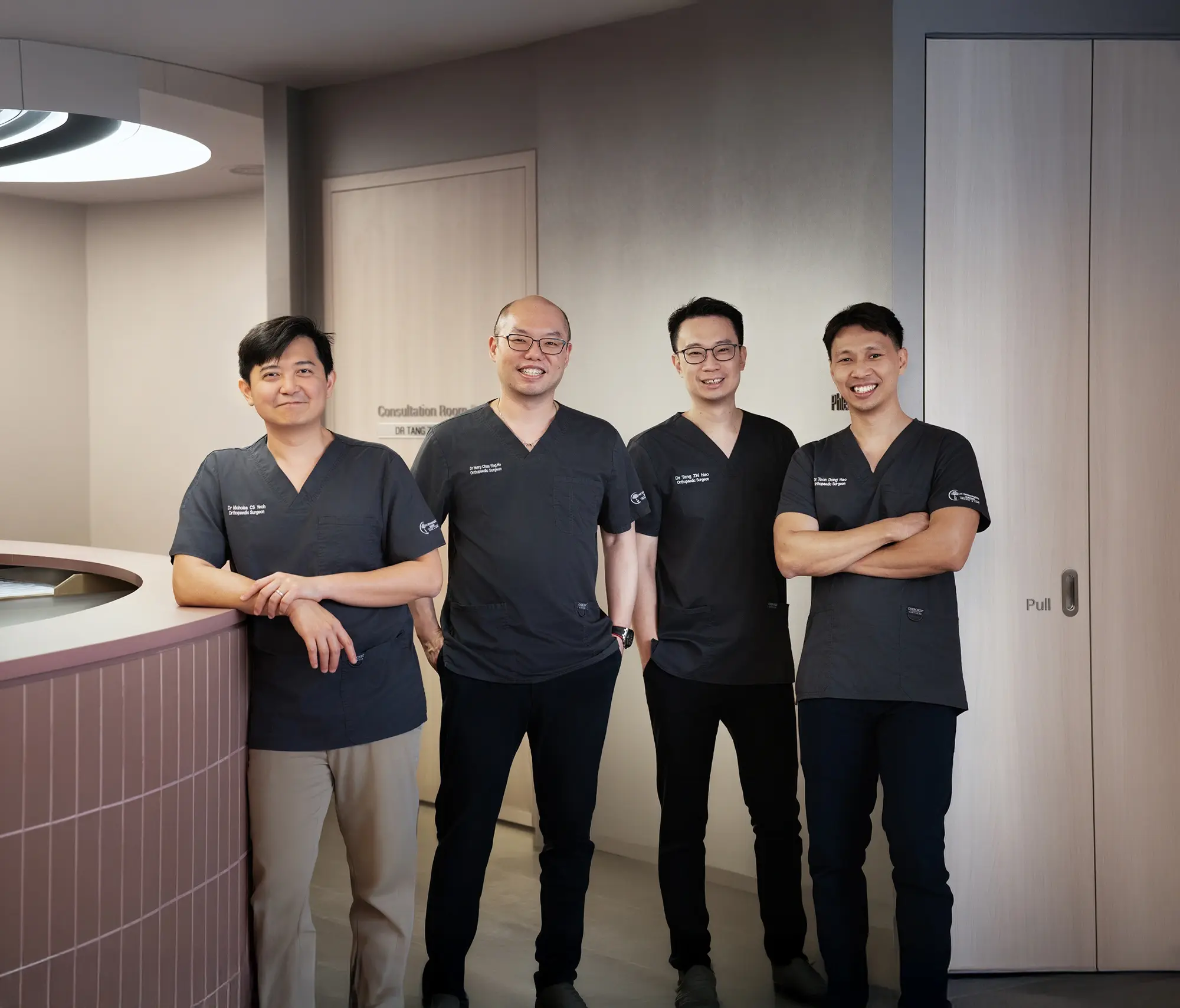
At HC Orthopaedic Surgery, ganglion cysts are managed through a comprehensive, evidence-based approach tailored to each patient’s stage of condition and functional goals. The practice is led by Dr Henry Chan, alongside Dr Nicholas Yeoh, Dr Toon Dong Hao and Dr Tang Zhi Hao, who are experienced in treating hand and wrist disorders. If you notice any concerning symptoms, please seek a detailed evaluation to receive a personalised treatment plan suited to your needs.
Frequently Asked Questions (FAQs) About Ganglion Cysts
Are ganglion cysts dangerous or cancerous?
Can ganglion cysts go away on their own?
Are ganglion cysts hereditary?
Do ganglion cysts affect joint function?
Can multiple cysts occur at the same time?
Do ganglion cysts grow rapidly?
Meet Our Specialist Team
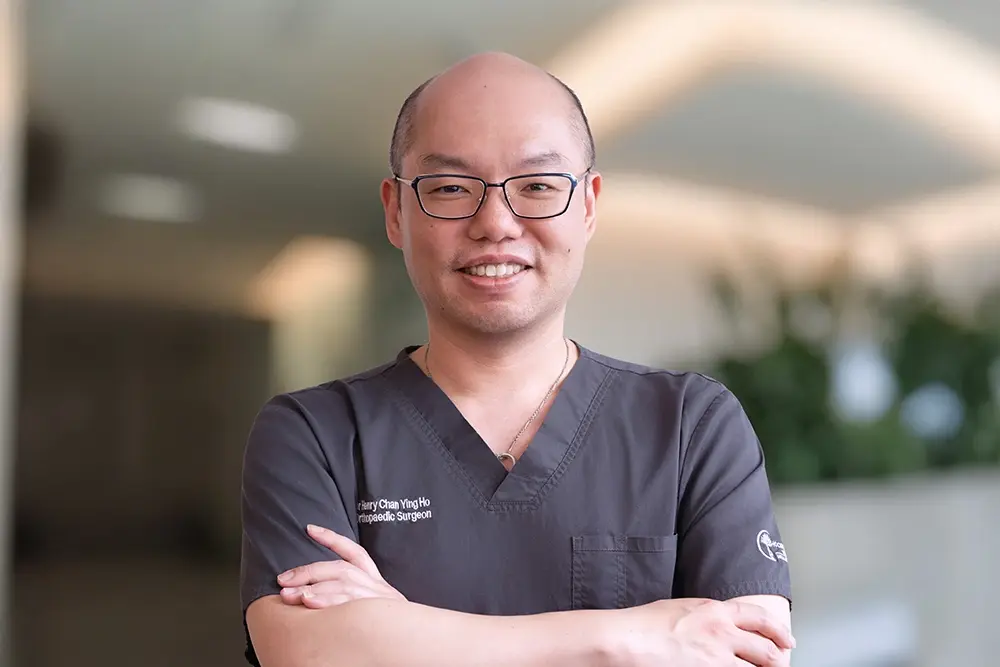
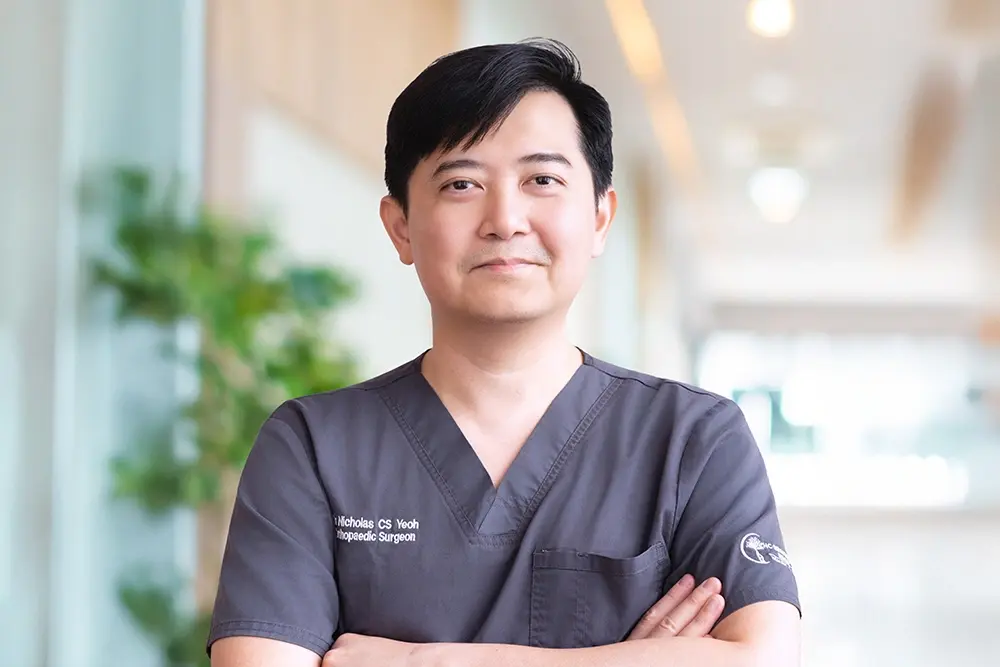
Our team comprises Dr Henry Chan, Dr Nicholas Yeoh, Dr Toon Dong Hao, and Dr Tang Zhi Hao — experienced orthopaedic surgeons with subspecialty experience and a patient-centred approach to care.
Dr Henry Chan
Medical Director & Senior Consultant Orthopaedic Surgeon
MBBS (S’pore), MRCS (Edinburgh), MMed (Orthopaedic Surgery), FRCS (Edinburgh)
Dr Henry Chan is an experienced orthopaedic surgeon specialising in joint replacement and complex revision surgery. Trained at the renowned Helios Endo-Klinik in Germany under the MOH HMDP scholarship, he has performed over 1,000 joint replacements and specialises in computer-assisted and robotic joint replacement techniques for precise outcomes.
Dr Nicholas Yeoh
Senior Consultant Orthopaedic Surgeon
MBChB (Edinburgh), MRCS (Edinburgh), MMed (Orthopaedic Surgery), FRCS (Edinburgh)
Dr Nicholas Yeoh is an MOH-accredited orthopaedic specialist and Fellow of the Royal College of Surgeons of Edinburgh. Fellowship-trained in hip and knee reconstruction in Sydney under the MOH HMDP scholarship, he specialises in minimally invasive joint replacement, robotic surgery and advanced techniques that enhance recovery and surgical outcomes.
Dr Toon Dong Hao
Senior Consultant Orthopaedic Surgeon
MBChB (Leeds), MRCS (Edinburgh), MMed (Orthopaedic Surgery), FRCS (Edinburgh)
Dr Toon Dong Hao is a skilled orthopaedic surgeon and Fellow of the Royal College of Surgeons of Edinburgh. Fellowship-trained in Advanced Shoulder and Elbow Surgery in Sydney under the MOH HMDP scholarship, Dr Toon specialises in sports injuries, arthroscopic surgery and complex shoulder, elbow and knee procedures to restore function and mobility.
Dr Tang Zhi Hao
Senior Consultant Orthopaedic Surgeon
MBBS (S’pore), MRCS (Edinburgh), MMed (Orthopaedic Surgery), FRCS (Edinburgh)
Dr Tang Zhi Hao is a fellowship-trained orthopaedic surgeon specialising in foot and ankle conditions. He completed his Foot and Ankle Surgery fellowship at Severance Hospital, Yonsei University Health System in Seoul under Professor Jin Woo Lee. Prior to private practice, he served as Consultant and Deputy Head of Orthopaedics at Khoo Teck Puat Hospital.