
De Quervain’s Tenosynovitis:
Symptoms, Causes and Treatments

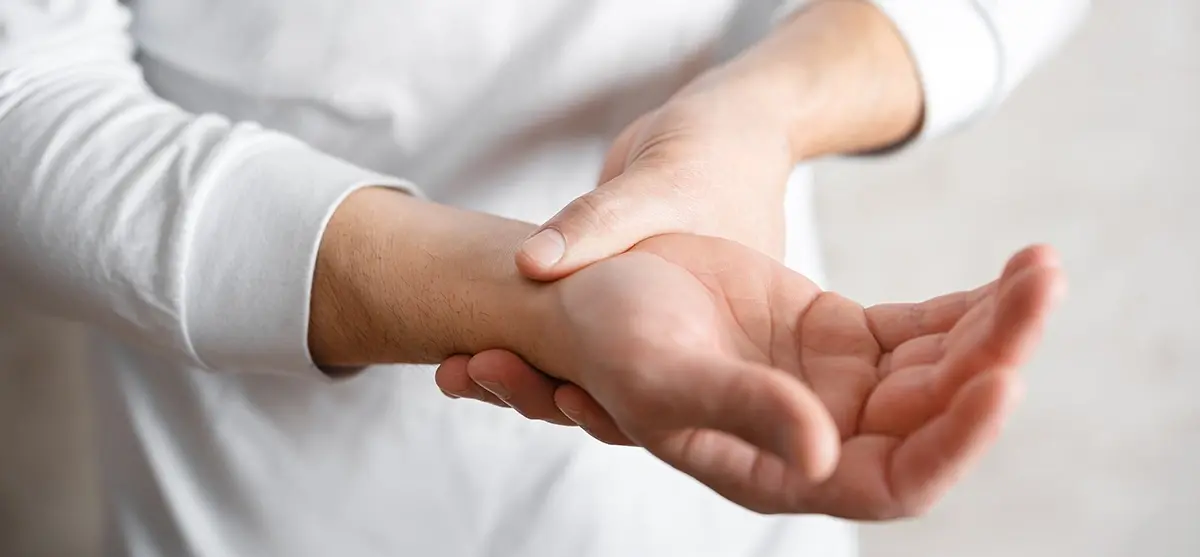
The thumb is perhaps the most versatile part of the human hand, essential for almost every grip, pinch and gesture we make. When a sharp, stabbing pain begins to radiate from the base of your thumb into your wrist, even the simplest activities can feel like a major chore.
Whether you are lifting a newborn baby, twisting a jar lid or sending a text message, a sudden catching sensation along the thumb side of the wrist can be both painful and limiting. Over time, this discomfort may lead to hesitation, as you begin avoiding certain movements to prevent triggering the pain.
These symptoms are characteristic of De Quervain’s tenosynovitis, an inflammatory condition affecting the tendons that control thumb movement. These tendons pass through a narrow sheath on the thumb side of the wrist. When irritation and swelling occur within this confined space, friction increases and movement becomes painful, particularly during gripping, lifting or twisting actions. Without appropriate management, symptoms may persist and gradually interfere with daily hand function.
What Are the Symptoms of
De Quervain’s Tenosynovitis?
The symptoms of this condition are usually localised to the thumb side of the wrist and tend to flare up with specific hand movements.
Pain Near the Base of the Thumb
The most common symptom is a persistent ache or sharp pain along the radial side of the wrist, near the base of the thumb. Discomfort often intensifies when making a fist, gripping an object or turning the wrist in a twisting or pouring motion.
Swelling and Localised Tenderness
Mild swelling may develop over the affected area, sometimes appearing as subtle puffiness along the thumb side of the wrist. The region is usually tender to touch and may feel more sensitive during periods of increased inflammation.
A Snapping or Gritting Sensation
Some individuals experience a catching, snapping or grating sensation when moving the thumb. This may occur as the inflamed tendons struggle to glide smoothly within their sheath. In certain cases, a gritting feeling known as crepitus can be detected.
Difficulty with Pinching and Grabbing
Pain can lead to reduced hand strength, particularly during pinching or gripping tasks. Activities such as holding a heavy object, opening containers or lifting a child may become uncomfortable and difficult.
Why It Happens
What Causes De Quervain’s Tenosynovitis?
De Quervain’s tenosynovitis develops when the tendons responsible for thumb movement become irritated as they pass through a tight fibrous tunnel on the thumb side of the wrist. Inflammation and thickening within this confined space restrict smooth tendon gliding and lead to pain during movement.
Tendon Irritation and Sheath Thickening
Repeated friction can cause swelling of the tendons and thickening of the surrounding sheath. As the available space narrows, the tendons encounter resistance when the thumb moves, resulting in pain and mechanical catching.
Acute Inflammation from Injury or Arthritis
A direct injury to the wrist may trigger local swelling that reduces the space within the tendon compartment. Inflammatory conditions such as rheumatoid arthritis can also cause swelling of the synovial lining, contributing to secondary tendon irritation.
Know Your Risk Profile
What Are the Risk Factors for De Quervain’s Tenosynovitis?
Several factors can make an individual more prone to developing this painful wrist condition.
Repetitive Thumb and Wrist Movements
Activities involving repeated gripping, thumb extension or wrist deviation may increase cumulative strain on the affected tendons. This can include certain manual occupations, racquet sports, prolonged device use or other hand-intensive tasks performed over extended periods.
Caregiving and Lifting Activities
The condition is sometimes informally referred to as “mother’s thumb” because it is commonly seen in new parents and caregivers. Repeated lifting of an infant with the wrist bent and thumb extended can place sustained stress on the thumb tendons, increasing susceptibility.
Age and Gender
De Quervain’s tenosynovitis is more frequently diagnosed in women and is most commonly seen in adults between 30 and 50 years of age.
Pregnancy and Hormonal Changes
Hormonal fluctuations during pregnancy may contribute to fluid retention and increased pressure within the wrist compartments. When combined with repetitive lifting and caregiving demands, this may raise the likelihood of symptoms.
Understanding Your Evaluation
How Is De Quervain’s Tenosynovitis Diagnosed?
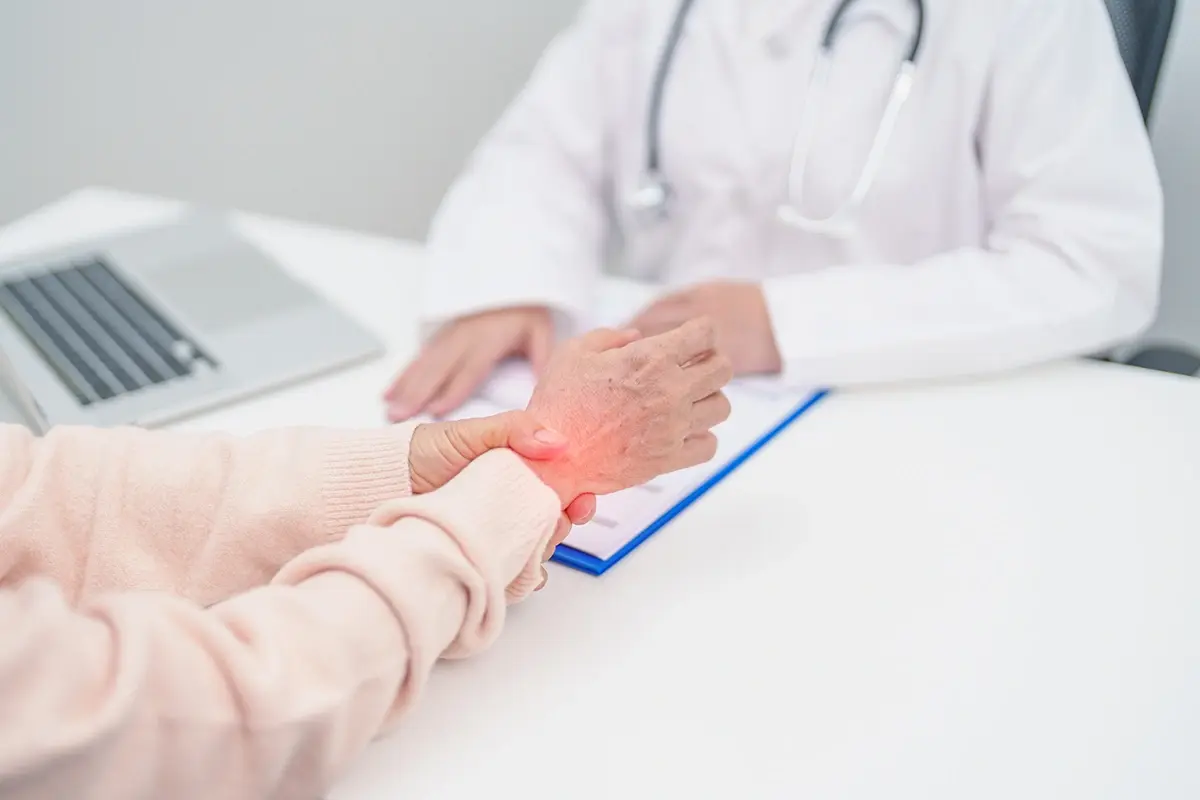
Diagnosis is primarily clinical and based on a focused examination of the thumb and wrist.
Understanding Your Evaluation
How Is De Quervain’s Tenosynovitis Diagnosed?
Diagnosis is primarily clinical and based on a focused examination of the thumb and wrist.
The Finkelstein Test
A commonly performed assessment is the Finkelstein test. You will be asked to place your thumb into your palm, close your fingers over it and gently bend the wrist towards the little finger. Reproduction of sharp pain along the thumb side of the wrist supports the diagnosis.
Localised Tenderness Assessment
Direct pressure is applied over the first dorsal compartment of the wrist, where the affected tendons pass. Localised tenderness in this specific area helps differentiate De Quervain’s tenosynovitis from other causes of wrist pain, such as joint arthritis.
Observation and Palpation
The wrist is examined for visible swelling and assessed during thumb movement. In some cases, a subtle catching, creaking or snapping sensation may be felt, indicating restricted tendon gliding within the sheath.
De Quervain’s Tenosynovitis Treatments in Singapore
Treatment is tailored to the severity of symptoms and the degree of functional limitation, with the aim of reducing inflammation and restoring comfortable thumb movement.
Thumb Spica Splinting
Immobilisation with a thumb spica splint is often recommended in the early stages. By limiting thumb and wrist movement, the splint reduces mechanical irritation and allows the inflamed tendons time to settle.
Anti-inflammatory Medication
Non-steroidal anti-inflammatory drugs (NSAIDs) may be prescribed to help relieve pain and reduce inflammation. These medications can support symptom control, particularly during flare-ups, but are typically used alongside activity modification or splinting.
Hand Therapy and Activity Modification
In selected cases, referral to a certified hand therapist may be recommended. Guided stretching, strengthening and ergonomic adjustments can support tendon recovery and reduce recurrent strain. Avoidance of aggravating movements during the acute phase is important.
Corticosteroid Injections
If symptoms persist despite conservative measures, a corticosteroid injection into the tendon sheath may be recommended. This can reduce inflammation within the compartment and improve tendon gliding. Many patients experience significant symptom relief following injection, although outcomes vary.
Surgical Release of the Compartment
For ongoing or recurrent symptoms, a minor surgical release of the first dorsal compartment may be advised. During the procedure, the constricted sheath is carefully opened to create additional space for the tendons. This typically results in substantial improvement in pain and movement when non-surgical treatment has not been successful.
Specialist Care for De Quervain’s Tenosynovitis in Singapore
De Quervain’s tenosynovitis can turn simple, everyday hand movements into a source of ongoing discomfort, affecting how you work, care for loved ones and carry out routine tasks. Addressing symptoms early helps prevent persistent irritation and progressive limitation of thumb function. With an accurate diagnosis and a structured, evidence-based treatment plan, most individuals can achieve meaningful pain relief and restore confidence in their hand movements.
Specialist Care for De Quervain’s Tenosynovitis in Singapore
De Quervain’s tenosynovitis can turn simple, everyday hand movements into a source of ongoing discomfort, affecting how you work, care for loved ones and carry out routine tasks. Addressing symptoms early helps prevent persistent irritation and progressive limitation of thumb function. With an accurate diagnosis and a structured, evidence-based treatment plan, most individuals can achieve meaningful pain relief and restore confidence in their hand movements.

Our Specialised Team
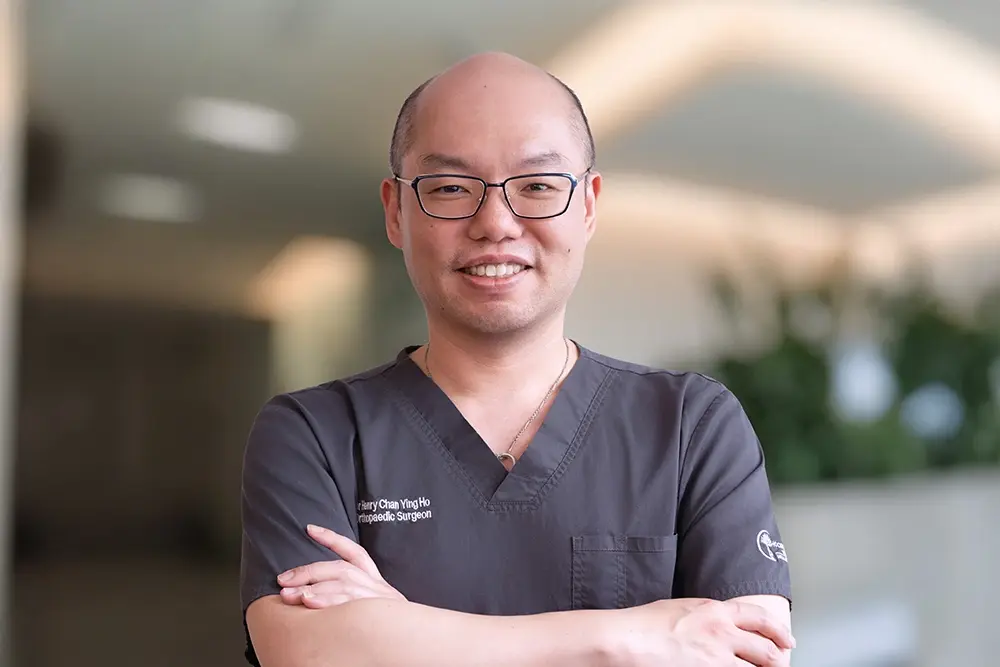
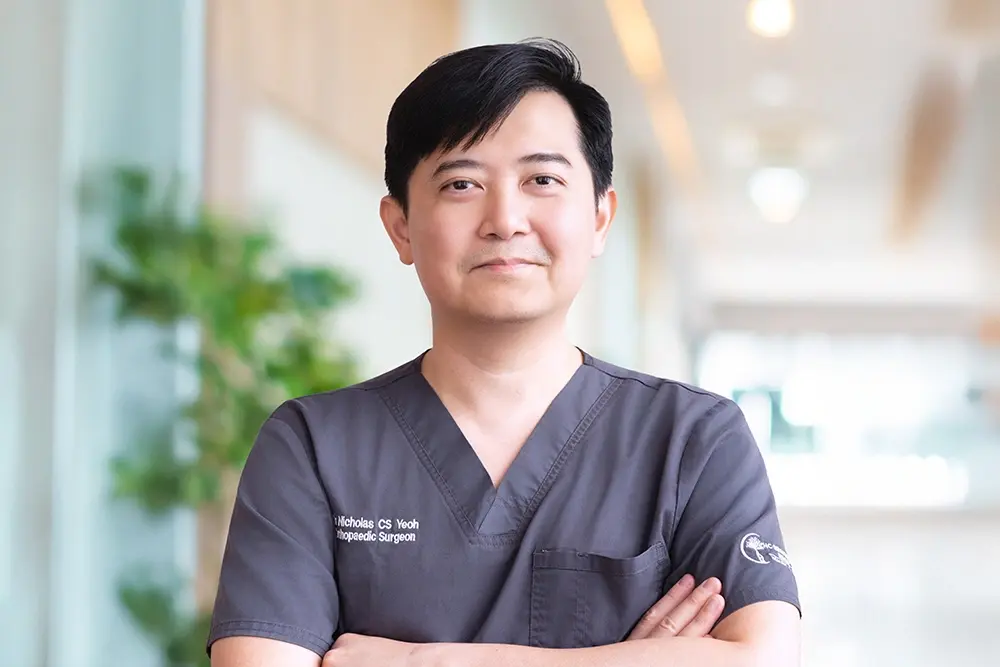
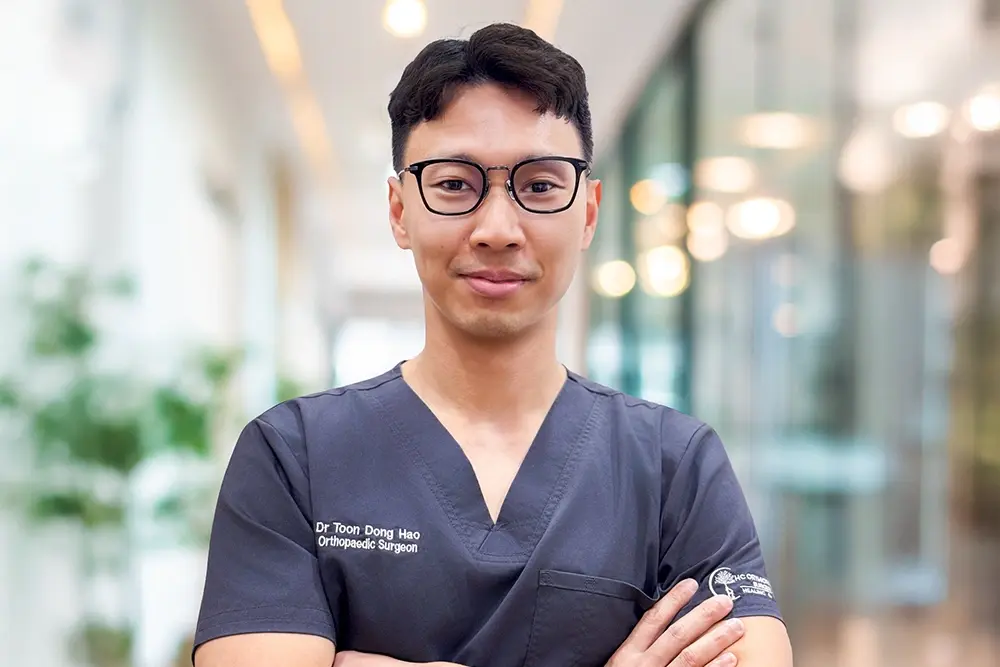
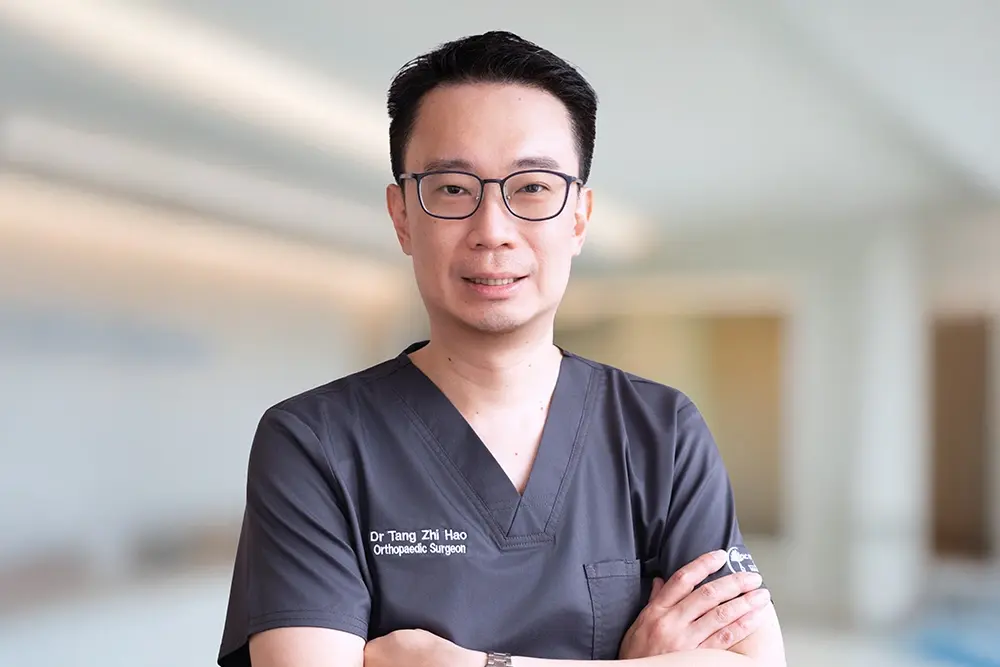
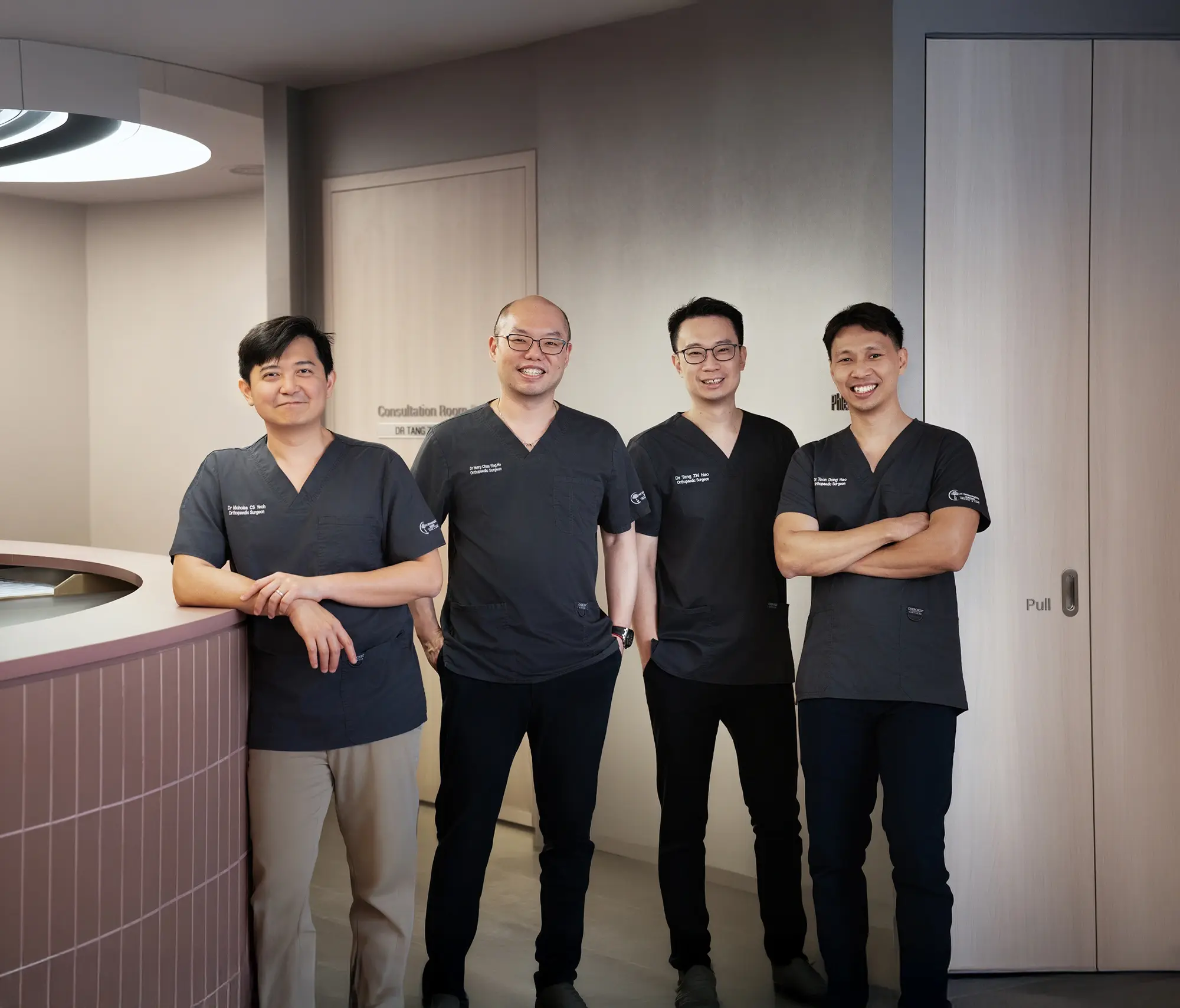
At HC Orthopaedic Surgery, De Quervain’s tenosynovitis is managed through a personalised, evidence-based approach tailored to the severity of your condition and lifestyle needs. Our practice is led by Dr Henry Chan, Medical Director and senior consultant orthopaedic surgeon, alongside Dr Nicholas Yeoh, Dr Toon Dong Hao and Dr Tang Zhi Hao, who are experienced in treating hand and wrist conditions. Our team is committed to delivering precise diagnosis and stage-appropriate treatment to restore comfortable thumb and wrist movement.
Frequently Asked Questions (FAQs) About De Quervain’s Tenosynovitis
How can I differentiate De Quervain’s tenosynovitis from wrist arthritis?
Will De Quervain’s tenosynovitis go away on its own?
Is De Quervain’s tenosynovitis a long-term condition?
What are the potential complications of De Quervain’s tenosynovitis?
Can physical activity worsen the condition?
Why is De Quervain’s tenosynovitis common in new mothers?
Can De Quervain’s tenosynovitis be prevented?
Meet Our Specialist Team
Our team comprises Dr Henry Chan, Dr Nicholas Yeoh, Dr Toon Dong Hao, and Dr Tang Zhi Hao — experienced orthopaedic surgeons with subspecialty experience and a patient-centred approach to care.
Dr Henry Chan
Medical Director & Senior Consultant Orthopaedic Surgeon
MBBS (S’pore), MRCS (Edinburgh), MMed (Orthopaedic Surgery), FRCS (Edinburgh)
Dr Henry Chan is an experienced orthopaedic surgeon specialising in joint replacement and complex revision surgery. Trained at the renowned Helios Endo-Klinik in Germany under the MOH HMDP scholarship, he has performed over 1,000 joint replacements and specialises in computer-assisted and robotic joint replacement techniques for precise outcomes.
Dr Nicholas Yeoh
Senior Consultant Orthopaedic Surgeon
MBChB (Edinburgh), MRCS (Edinburgh), MMed (Orthopaedic Surgery), FRCS (Edinburgh)
Dr Nicholas Yeoh is an MOH-accredited orthopaedic specialist and Fellow of the Royal College of Surgeons of Edinburgh. Fellowship-trained in hip and knee reconstruction in Sydney under the MOH HMDP scholarship, he specialises in minimally invasive joint replacement, robotic surgery and advanced techniques that enhance recovery and surgical outcomes.
Dr Toon Dong Hao
Senior Consultant Orthopaedic Surgeon
MBChB (Leeds), MRCS (Edinburgh), MMed (Orthopaedic Surgery), FRCS (Edinburgh)
Dr Toon Dong Hao is a skilled orthopaedic surgeon and Fellow of the Royal College of Surgeons of Edinburgh. Fellowship-trained in Advanced Shoulder and Elbow Surgery in Sydney under the MOH HMDP scholarship, Dr Toon specialises in sports injuries, arthroscopic surgery and complex shoulder, elbow and knee procedures to restore function and mobility.
Dr Tang Zhi Hao
Senior Consultant Orthopaedic Surgeon
MBBS (S’pore), MRCS (Edinburgh), MMed (Orthopaedic Surgery), FRCS (Edinburgh)
Dr Tang Zhi Hao is a fellowship-trained orthopaedic surgeon specialising in foot and ankle conditions. He completed his Foot and Ankle Surgery fellowship at Severance Hospital, Yonsei University Health System in Seoul under Professor Jin Woo Lee. Prior to private practice, he served as Consultant and Deputy Head of Orthopaedics at Khoo Teck Puat Hospital.