
Carpal Tunnel Syndrome:
Symptoms, Causes and Treatments


Have you been waking up at night with numbness in your thumb, index or middle fingers? Do your hands feel weak when gripping a steering wheel, holding a phone or buttoning a shirt? These seemingly minor symptoms can gradually become persistent and disruptive, affecting both work and daily activities.
Carpal tunnel syndrome is a condition that develops when the median nerve is compressed as it passes through a narrow tunnel in the wrist. This nerve controls sensation in part of the hand and movement of certain thumb muscles. When pressure builds up within the tunnel, it can cause tingling, pain, numbness and weakness that may worsen over time. Early recognition and appropriate treatment are important to relieve symptoms and prevent long-term nerve damage.
What Are the Common Symptoms of Carpal Tunnel Syndrome?
The symptoms of carpal tunnel syndrome often begin gradually and are frequently noticed more at night or during specific repetitive tasks.
Tingling and "Pins and Needles"
Many patients describe a prickly sensation in the thumb, index, middle and part of the ring finger. This often feels like a mild electric shock that radiates from the wrist into the hand, sometimes travelling up the forearm.
Numbness and Sensory Loss
As the condition progresses, the tingling may turn into a persistent lack of feeling. This can make it difficult to perform fine motor tasks, such as picking up a coin or sewing, because you cannot feel the objects between your fingertips.
Grip Weakness and Clumsiness
You might find yourself unexpectedly dropping objects or struggling to open jars. This happens because the compressed nerve fails to send strong signals to the muscles at the base of the thumb, leading to a loss of pinching power.
Nocturnal Pain and Discomfort
Because many people sleep with their wrists bent, symptoms often flare up during the night. This can lead to interrupted sleep and a frequent need to massage or shake the hand to restore sensation in the morning.
Why It Happens
What Causes Carpal Tunnel Syndrome?
Carpal tunnel syndrome is caused by increased pressure within the carpal tunnel that compresses the median nerve. The carpal tunnel is a narrow passage in the wrist formed by bones and a strong ligament. When the space inside this tunnel becomes reduced, the median nerve is compressed, leading to symptoms.
Direct causes of increased pressure may include:
- Swelling or inflammation of the flexor tendons
- Thickening of the transverse carpal ligament
- Structural narrowing of the tunnel
- Rare space-occupying lesions such as cysts
Regardless of the trigger, the underlying mechanism remains the same: mechanical compression of the median nerve.
Know Your Risk Profile
What Are the Risk Factors for Carpal Tunnel Syndrome?
While nerve compression is the direct cause, several factors can increase the likelihood of developing carpal tunnel syndrome.
Biological Factors
Women are more commonly affected, possibly due to relatively smaller carpal tunnel dimensions. Hormonal changes during pregnancy or menopause may increase fluid retention and pressure within the tunnel. The condition is more frequently seen in middle-aged adults. In some cases, inherited anatomical differences may also play a role.
Occupational and Mechanical Factors
Repetitive or forceful wrist movements, prolonged wrist flexion or extension and use of vibrating tools may increase pressure within the carpal tunnel over time. Sustained strain from certain manual tasks can contribute to cumulative nerve compression.
Medical Conditions and Injury
Diabetes, hypothyroidism and rheumatoid arthritis may increase nerve vulnerability or cause inflammation that contributes to compression. Obesity is also associated with a higher risk. Previous wrist fractures or injuries can alter the structure of the carpal tunnel and predispose individuals to symptoms.
How Carpal Tunnel Syndrome Progresses?
Carpal tunnel syndrome often develops gradually. Symptoms may begin intermittently but can become more frequent and persistent if the underlying nerve compression is not addressed.
Early Stage Irritation
Moderate Stage
Advanced Stage
At HC Orthopaedic Surgery, our hand and wrist specialists provide personalised care for carpal tunnel syndrome, from conservative management to surgical release when needed.
Understanding Your Evaluation
How Is Carpal Tunnel Syndrome Diagnosed?
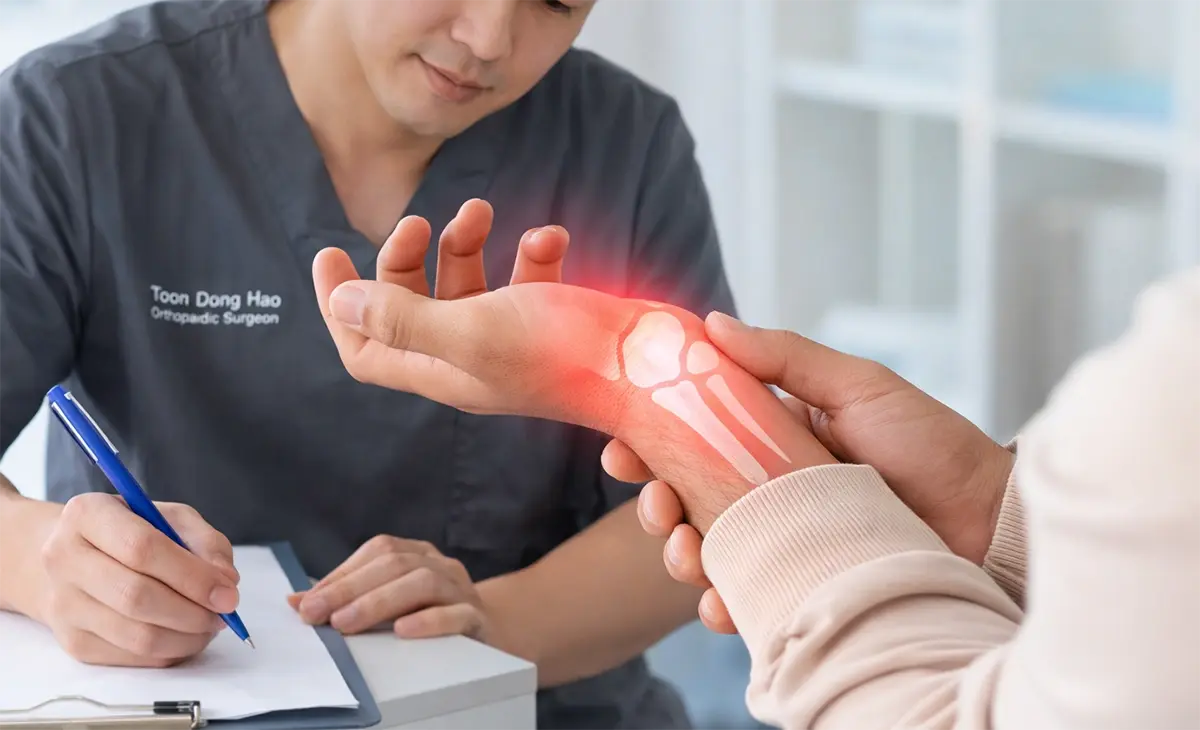
Carpal tunnel syndrome is often diagnosed based on your symptoms and a focused examination of the hand and wrist. When the diagnosis is unclear, symptoms are severe, or surgery is being considered, further tests may be recommended.
Understanding Your Evaluation
How Is Carpal Tunnel Syndrome Diagnosed?
Carpal tunnel syndrome is often diagnosed based on your symptoms and a focused examination of the hand and wrist. When the diagnosis is unclear, symptoms are severe, or surgery is being considered, further tests may be recommended.
Nerve Conduction Studies (NCS)
This is the main test used to confirm carpal tunnel syndrome. It measures how well electrical signals travel through the median nerve. Slowed conduction across the wrist indicates nerve compression and helps determine severity.
Electromyography (EMG)
EMG may be performed together with nerve conduction studies in selected cases. It evaluates muscle function and helps rule out other nerve conditions that can mimic carpal tunnel syndrome.
Ultrasound Imaging
Ultrasound may be used selectively to assess swelling of the median nerve or identify structural abnormalities within the carpal tunnel.
Carpal Tunnel Syndrome Treatments in Singapore
Treatment for carpal tunnel syndrome depends on the severity of symptoms, the degree of nerve compression and how long the condition has been present. The goal is to relieve pressure on the median nerve, reduce symptoms and prevent long-term nerve damage.
Non-surgical Treatment
For mild to moderate cases, conservative management is often effective.
Wrist Splinting
Wearing a wrist splint, especially at night, keeps the wrist in a neutral position and reduces pressure on the median nerve.
Activity Modification
Adjusting repetitive hand movements, improving workstation ergonomics and taking regular breaks can help reduce strain on the wrist.
Medications
Anti-inflammatory medications may help relieve pain and swelling in selected cases.
Corticosteroid Injections
In some patients, a steroid injection into the carpal tunnel can reduce inflammation and provide temporary symptom relief.
Carpal Tunnel Release Surgery
For persistent, progressive or severe cases, carpal tunnel release surgery may be recommended. The procedure involves cutting the transverse carpal ligament, which forms the roof of the carpal tunnel. This creates more space within the tunnel and relieves pressure on the median nerve.
The surgery is typically performed as a day procedure under local or regional anaesthesia. It can be done using an open technique through a small incision in the palm, or a minimally invasive approach, depending on the individual case.
After surgery, the ligament gradually heals in a lengthened position, maintaining the increased space. Most patients experience improvement in numbness and tingling within weeks, although recovery of strength may take longer. Early treatment generally leads to better outcomes, especially before permanent nerve damage occurs.
Possible Complications of Carpal Tunnel Syndrome
If carpal tunnel syndrome is left untreated, ongoing compression of the median nerve can lead to progressive and potentially permanent damage.
- Persistent Numbness
Intermittent tingling may develop into constant numbness in the thumb, index and middle fingers.
- Permanent Nerve Damage
Prolonged pressure can impair nerve signalling, reducing sensation and slowing nerve recovery.
- Muscle Weakness and Atrophy
Chronic compression may cause wasting of the thumb muscles, leading to reduced grip strength and difficulty with fine motor tasks.
- Reduced Hand Function
Tasks such as buttoning clothes, writing or holding small objects may become increasingly difficult.
Once significant nerve damage or muscle wasting has occurred, recovery may be incomplete even after surgical release. Early treatment reduces the risk of long-term functional loss.
Specialist Care for Carpal Tunnel Syndrome in Singapore
Carpal tunnel syndrome may begin with mild, occasional discomfort, but it can gradually interfere with sleep, work and daily tasks if left unaddressed. Recognising the early warning signs and understanding how the condition progresses allows you to seek timely care before permanent nerve damage develops. With appropriate assessment and treatment, most patients experience meaningful relief and a return to normal hand function.
Specialist Care for Carpal Tunnel Syndrome in Singapore
Carpal tunnel syndrome may begin with mild, occasional discomfort, but it can gradually interfere with sleep, work and daily tasks if left unaddressed. Recognising the early warning signs and understanding how the condition progresses allows you to seek timely care before permanent nerve damage develops. With appropriate assessment and treatment, most patients experience meaningful relief and a return to normal hand function.

Our Specialised Team
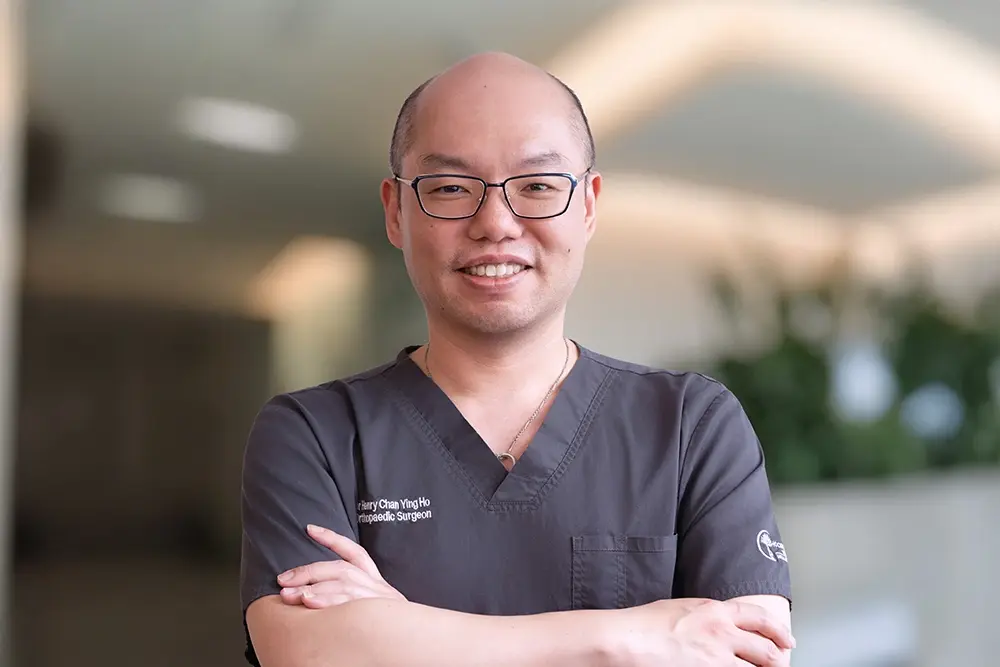
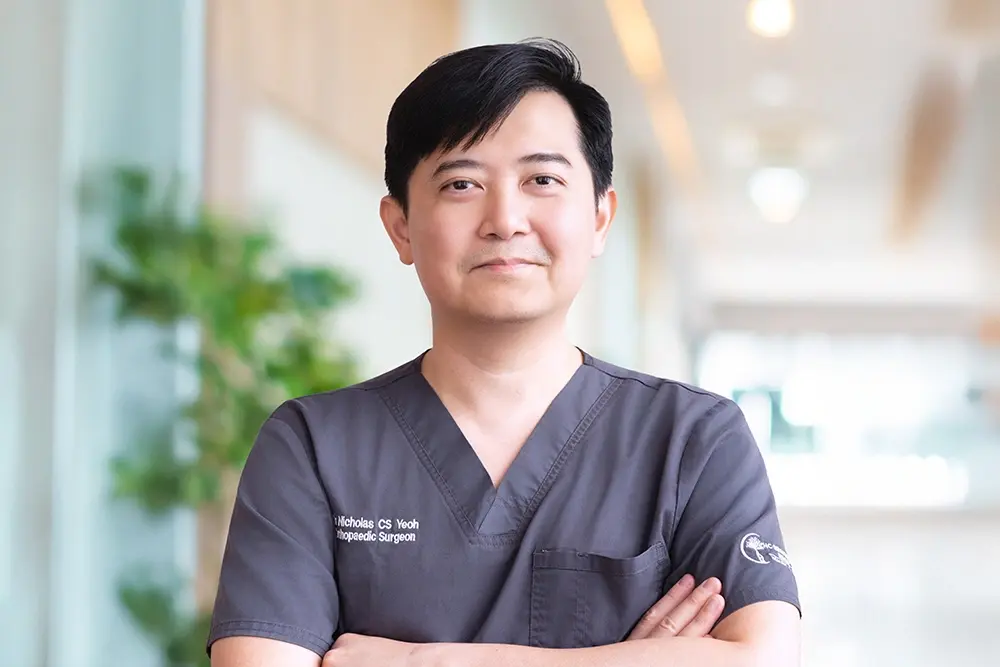
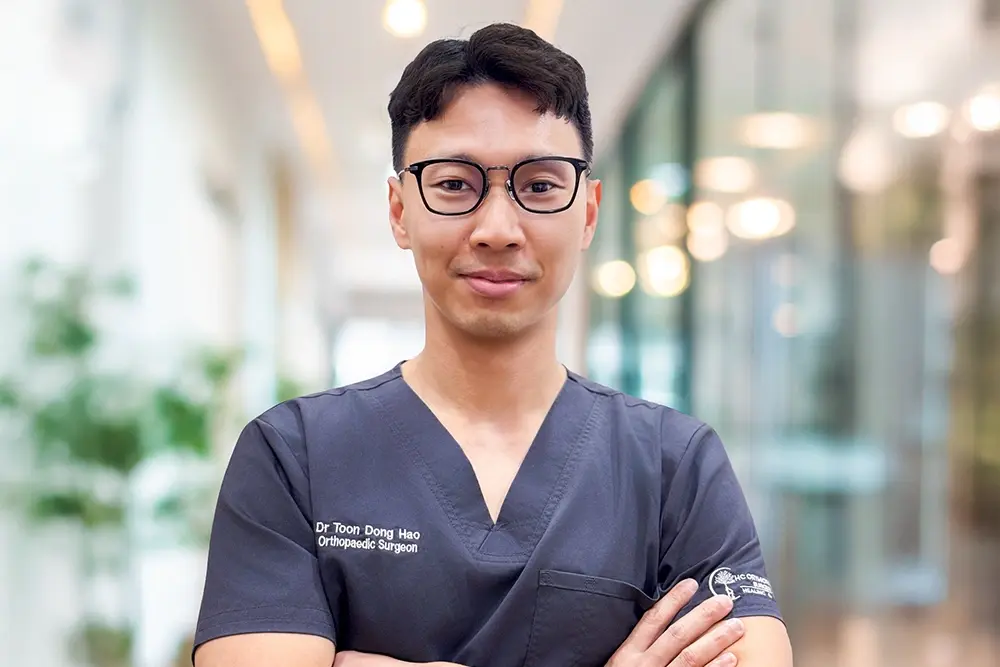
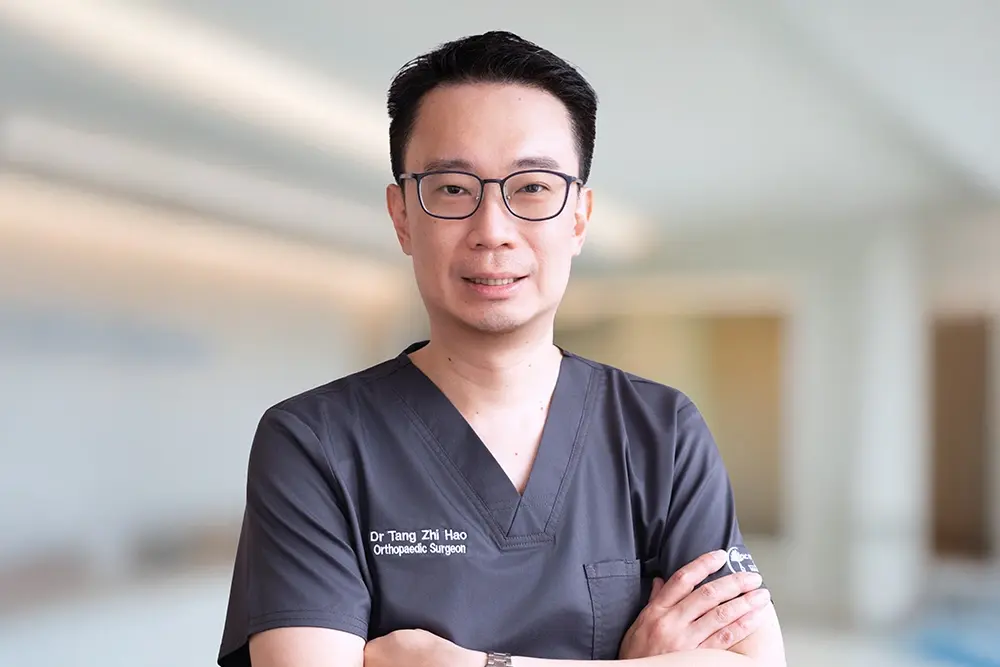
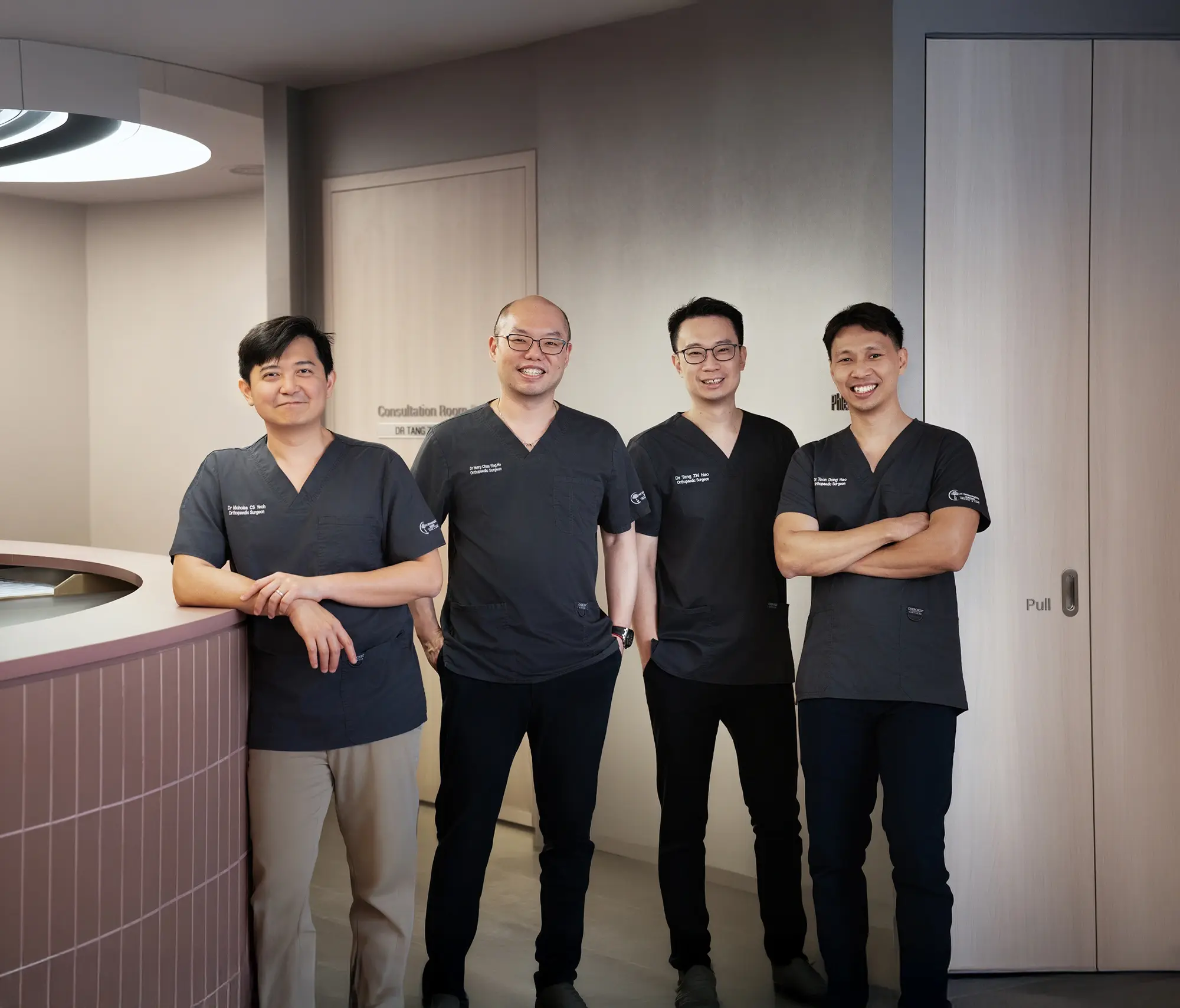
At HC Orthopaedic Surgery, carpal tunnel syndrome is managed through a comprehensive, evidence-based approach tailored to each patient’s condition and goals. The practice is led by Dr Henry Chan, alongside Dr Nicholas Yeoh, Dr Toon Dong Hao and Dr Tang Zhi Hao, who are all experienced in treating hand and wrist disorders. If you are experiencing persistent numbness, weakness or wrist pain, get in touch with us for a detailed evaluation and personalised treatment plan.
Frequently Asked Questions (FAQs) About Carpal Tunnel Syndrome
What is carpal tunnel syndrome?
Can carpal tunnel syndrome be cured without surgery?
Can carpal tunnel syndrome be prevented?
How long is the recovery time after carpal tunnel surgery?
Should I wear a wrist brace all day long?
What happens if I leave carpal tunnel syndrome untreated?
Meet Our Specialist Team
Our team comprises Dr Henry Chan, Dr Nicholas Yeoh, Dr Toon Dong Hao, and Dr Tang Zhi Hao — experienced orthopaedic surgeons with subspecialty experience and a patient-centred approach to care.
Dr Henry Chan
Medical Director & Senior Consultant Orthopaedic Surgeon
MBBS (S’pore), MRCS (Edinburgh), MMed (Orthopaedic Surgery), FRCS (Edinburgh)
Dr Henry Chan is an experienced orthopaedic surgeon specialising in joint replacement and complex revision surgery. Trained at the renowned Helios Endo-Klinik in Germany under the MOH HMDP scholarship, he has performed over 1,000 joint replacements and specialises in computer-assisted and robotic joint replacement techniques for precise outcomes.
Dr Nicholas Yeoh
Senior Consultant Orthopaedic Surgeon
MBChB (Edinburgh), MRCS (Edinburgh), MMed (Orthopaedic Surgery), FRCS (Edinburgh)
Dr Nicholas Yeoh is an MOH-accredited orthopaedic specialist and Fellow of the Royal College of Surgeons of Edinburgh. Fellowship-trained in hip and knee reconstruction in Sydney under the MOH HMDP scholarship, he specialises in minimally invasive joint replacement, robotic surgery and advanced techniques that enhance recovery and surgical outcomes.
Dr Toon Dong Hao
Senior Consultant Orthopaedic Surgeon
MBChB (Leeds), MRCS (Edinburgh), MMed (Orthopaedic Surgery), FRCS (Edinburgh)
Dr Toon Dong Hao is a skilled orthopaedic surgeon and Fellow of the Royal College of Surgeons of Edinburgh. Fellowship-trained in Advanced Shoulder and Elbow Surgery in Sydney under the MOH HMDP scholarship, Dr Toon specialises in sports injuries, arthroscopic surgery and complex shoulder, elbow and knee procedures to restore function and mobility.
Dr Tang Zhi Hao
Senior Consultant Orthopaedic Surgeon
MBBS (S’pore), MRCS (Edinburgh), MMed (Orthopaedic Surgery), FRCS (Edinburgh)
Dr Tang Zhi Hao is a fellowship-trained orthopaedic surgeon specialising in foot and ankle conditions. He completed his Foot and Ankle Surgery fellowship at Severance Hospital, Yonsei University Health System in Seoul under Professor Jin Woo Lee. Prior to private practice, he served as Consultant and Deputy Head of Orthopaedics at Khoo Teck Puat Hospital.