
Flat Foot Correction Surgery
in Singapore

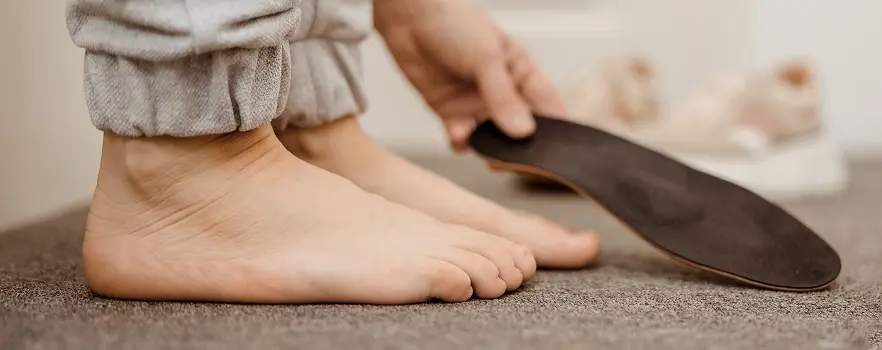
Flat feet can cause persistent discomfort that affects everyday movement and physical activity. When the arch of the foot collapses or fails to develop properly, it may place additional strain on the tendons, joints and surrounding structures of the foot and ankle. This can lead to symptoms such as foot pain, fatigue when walking or standing, swelling along the inner ankle and difficulty maintaining balance or endurance during daily activities.
While many cases can be managed with supportive footwear, orthotics or physiotherapy, surgery may be considered when symptoms remain significant or structural deformity continues to progress. Flat foot correction surgery aims to restore the arch of the foot, improve alignment and reduce strain on surrounding structures, helping patients move more comfortably and regain confidence in daily activities.
Understanding Flat Foot Correction Surgery
Flat foot correction surgery refers to procedures designed to restore the natural arch of the foot and improve overall alignment when the arch has collapsed or failed to develop properly. By addressing the underlying structural issues, the procedure aims to reduce strain on surrounding tendons and joints, relieve pain and support more comfortable movement.
Surgery may be considered when symptoms persist despite conservative treatments such as supportive footwear, orthotics or physiotherapy. Situations where flat foot correction surgery may be recommended include:
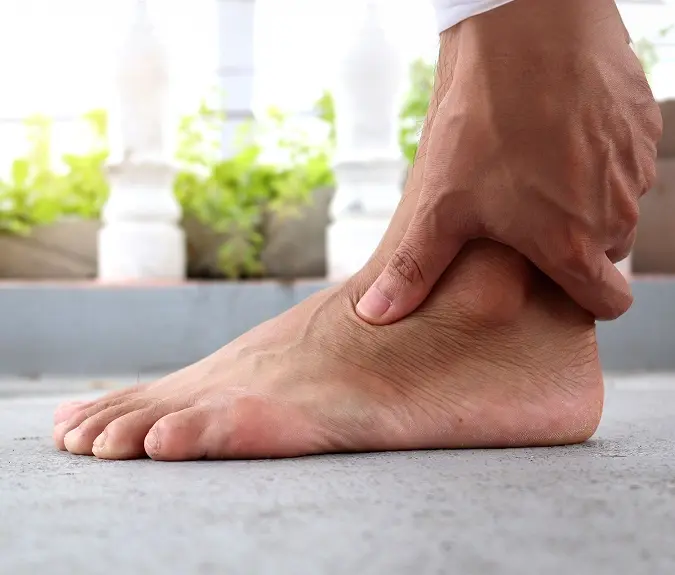
Understanding Flat Foot Correction Surgery
What Is Flat Foot Correction Surgery and Who Might Need It?
Flat foot correction surgery refers to procedures designed to restore the natural arch of the foot and improve overall alignment when the arch has collapsed or failed to develop properly. By addressing the underlying structural issues, the procedure aims to reduce strain on surrounding tendons and joints, relieve pain and support more comfortable movement.
Surgery may be considered when symptoms persist despite conservative treatments such as supportive footwear, orthotics or physiotherapy. Situations where flat foot correction surgery may be recommended include:
- Persistent foot or ankle pain that does not improve with non-surgical treatment
- Progressive flattening of the arch or worsening foot deformity
- Difficulty walking, standing or participating in daily activities due to foot discomfort
- Tendon dysfunction, particularly involving the posterior tibial tendon that supports the arch
- Foot and ankle instability that affects balance or mobility
Types of Flat Foot Correction Surgery
Flat foot correction surgery includes several procedures that aim to restore the arch of the foot, improve alignment and relieve strain on surrounding tendons and joints. The exact combination of procedures depends on the severity of the deformity, the underlying cause and the patient’s overall foot structure.
Tendon Repair or Tendon Transfer
In many cases, flat feet are associated with dysfunction of the posterior tibial tendon, which helps support the arch. Surgery may involve repairing the damaged tendon or transferring another tendon to help restore its function and provide better arch support.
Subtalar Arthroereisis
Subtalar arthroereisis involves placing a small implant into the subtalar joint to limit excessive motion that contributes to arch collapse. It is sometimes used in selected patients to help stabilise the foot.
Calcaneal Osteotomy
A calcaneal osteotomy involves cutting and repositioning the heel bone (calcaneus) to improve the alignment of the foot. This procedure helps redistribute weight more evenly across the foot and supports the reconstruction of the arch.
Joint Fusion (Arthrodesis)
In severe cases or when arthritis is present, fusion of certain joints in the foot may be recommended. This stabilises the foot and corrects deformity, although it reduces movement in the fused joint.
Lateral Column Lengthening
This procedure lengthens the outer side of the foot by inserting a bone graft into the midfoot. It helps correct deformity by improving foot alignment and restoring the natural arch.
What to Expect From Flat Foot Correction Surgery
Flat foot correction surgery is carefully planned to restore the arch of the foot and improve overall alignment. The specific procedure or combination of procedures recommended will depend on the severity of the flat foot deformity, tendon function and the structure of the foot and ankle.
How to Prepare
- Temporarily stopping certain medications, particularly blood thinners
- Avoiding food or drink for a specified period before surgery
- Completing blood tests or other pre-operative assessments if required
- Arranging for someone to accompany you home and assist during the early recovery period
Procedure Overview
- Repairing or reinforcing damaged tendons that support the arch
- Repositioning bones to correct foot alignment
- Placing bone grafts or implants to support structural correction
- Stabilising joints if necessary to maintain alignment
Aftercare and Recovery
- A period of limited or non-weight-bearing on the affected foot
- Use of crutches, a walker or a knee scooter for mobility
- Follow-up appointments to monitor healing and remove sutures if needed
- Gradual rehabilitation exercises or physiotherapy as recovery progresses
Treatment Benefits
How Flat Foot Correction Surgery Helps Improve Foot Function
Flat foot correction surgery may improve comfort and function in patients experiencing persistent pain, instability or progressive arch collapse.
By restoring the structure and alignment of the foot, surgery may help:
- Reduce pain in the heel, ankle and midfoot, making standing, walking and running more comfortable
- Restore the arch, which may improve balance and walking mechanics
- Support tendon function, reducing fatigue and strain during prolonged activity
- Slow progression of deformity, lowering the risk of joint strain or arthritis in the foot and ankle
- Allow more comfortable footwear use and participation in recreational or physical activities
Understanding the Risks
Potential Risks and Complications of Flat Foot Correction Surgery
Flat foot correction surgery is generally safe when performed by an experienced orthopaedic surgeon. However, as with any surgical procedure, there are potential risks and complications that patients should be aware of before undergoing treatment.
Possible risks may include:
- Infection at the surgical site
- Bleeding or blood clots
- Nerve irritation or injury, which may cause numbness or persistent discomfort
- Delayed bone or tendon healing, particularly in procedures involving osteotomy or tendon repair
- Residual pain or stiffness in the foot or ankle during recovery
- Incomplete correction of the deformity or recurrence of symptoms over time
Most complications are uncommon, and careful surgical planning, appropriate post-operative care and adherence to recovery guidelines can help reduce these risks and support optimal healing.
Cost of Flat Foot Correction Surgery in Singapore
The cost of flat foot correction surgery in Singapore can vary depending on several clinical and logistical factors. Rather than a fixed price, the overall cost is influenced by the complexity of the condition, the specific procedures required and the healthcare setting where the surgery is performed.
Key Cost Drivers
Some of the key factors that may affect the total cost include:
Type and complexity of the procedure
Surgeon’s expertise
Hospital and operating facility fees
Pre-surgical tests and consultations
Post-surgery care and rehabilitation

Insurance and Financing
Some patients may be eligible to use MediSave, MediShield Life or Integrated Shield Plans to help offset part of the surgery costs, depending on the procedure and their individual coverage. Private insurance may also provide reimbursement based on the terms of the policy. Your clinic or surgical team can provide a personalised cost estimate and advise on available payment or insurance options.
Supporting Better Movement with HC Orthopaedic Surgery
Flat feet that cause persistent pain, instability or difficulty with daily activities may require surgical correction when conservative treatments no longer provide sufficient relief. Flat foot correction surgery focuses on restoring the arch, improving foot alignment and reducing strain on surrounding tendons and joints. Because the severity and underlying causes of flat feet can vary between patients, a thorough clinical assessment is important to determine whether surgery is appropriate and to identify the most suitable procedure for each individual case.
Supporting Better Movement with HC Orthopaedic Surgery
Flat feet that cause persistent pain, instability or difficulty with daily activities may require surgical correction when conservative treatments no longer provide sufficient relief. Flat foot correction surgery focuses on restoring the arch, improving foot alignment and reducing strain on surrounding tendons and joints. Because the severity and underlying causes of flat feet can vary between patients, a thorough clinical assessment is important to determine whether surgery is appropriate and to identify the most suitable procedure for each individual case.

Our Specialised Team
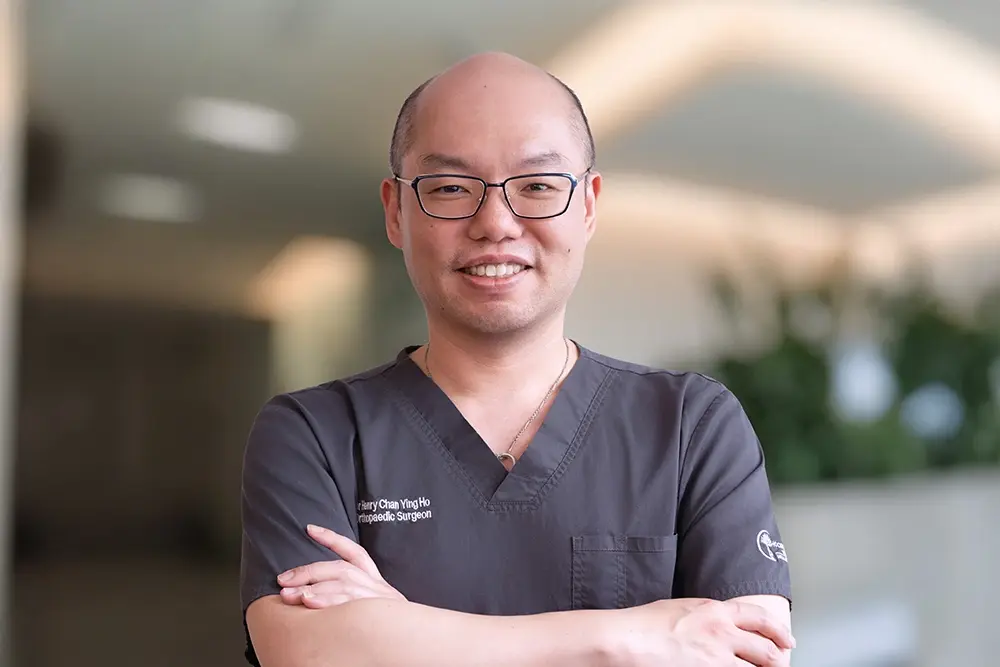
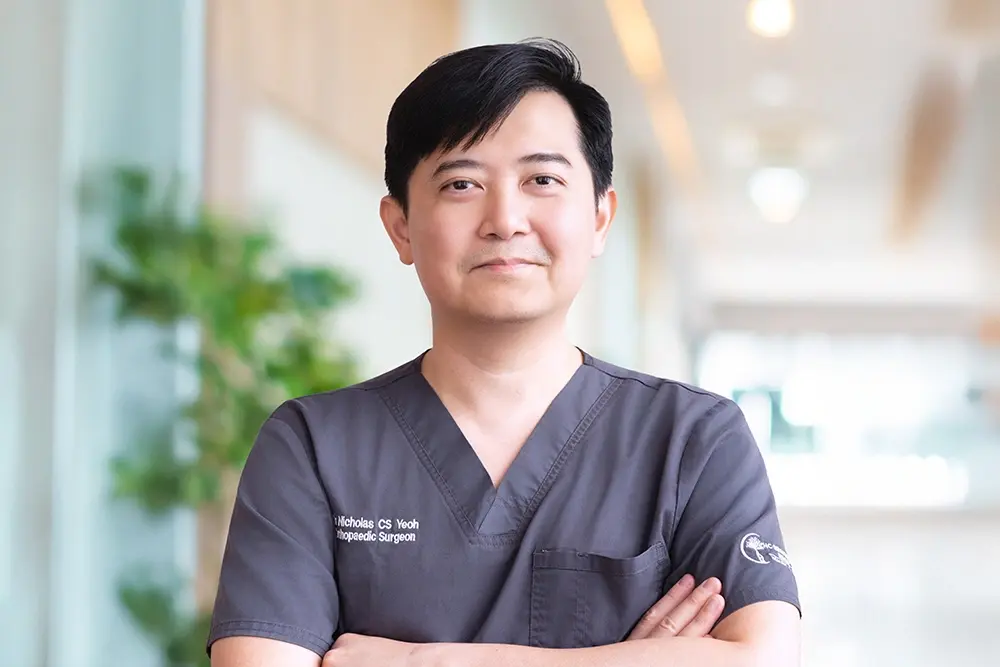
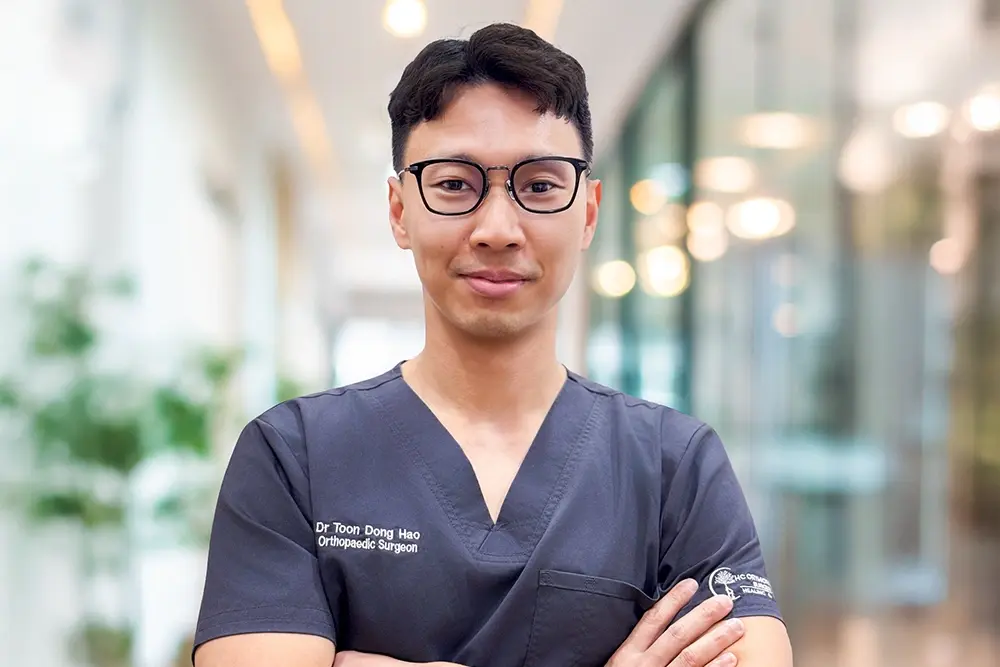
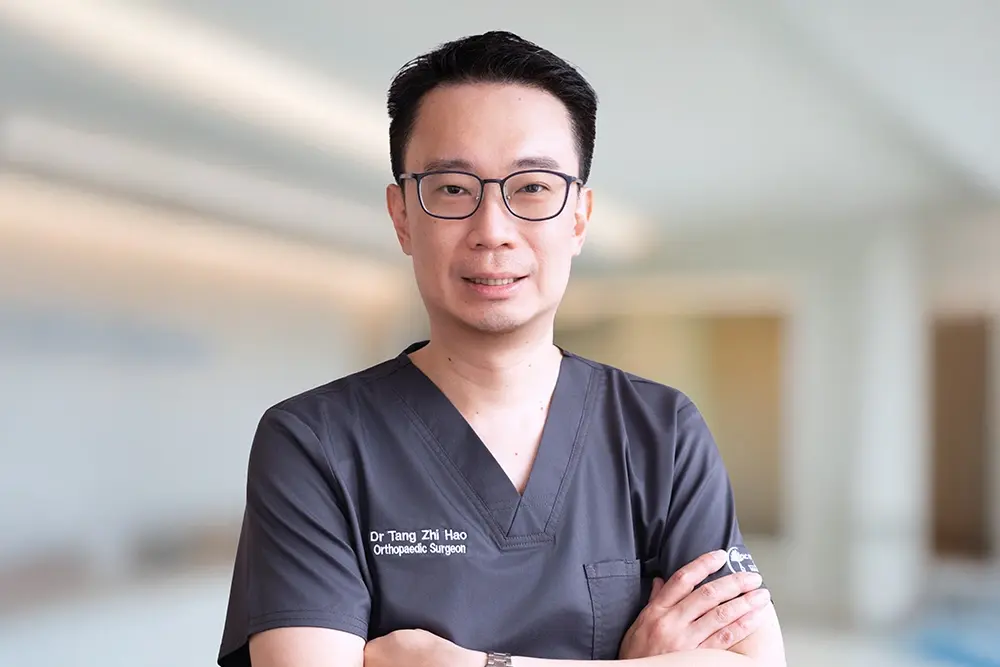
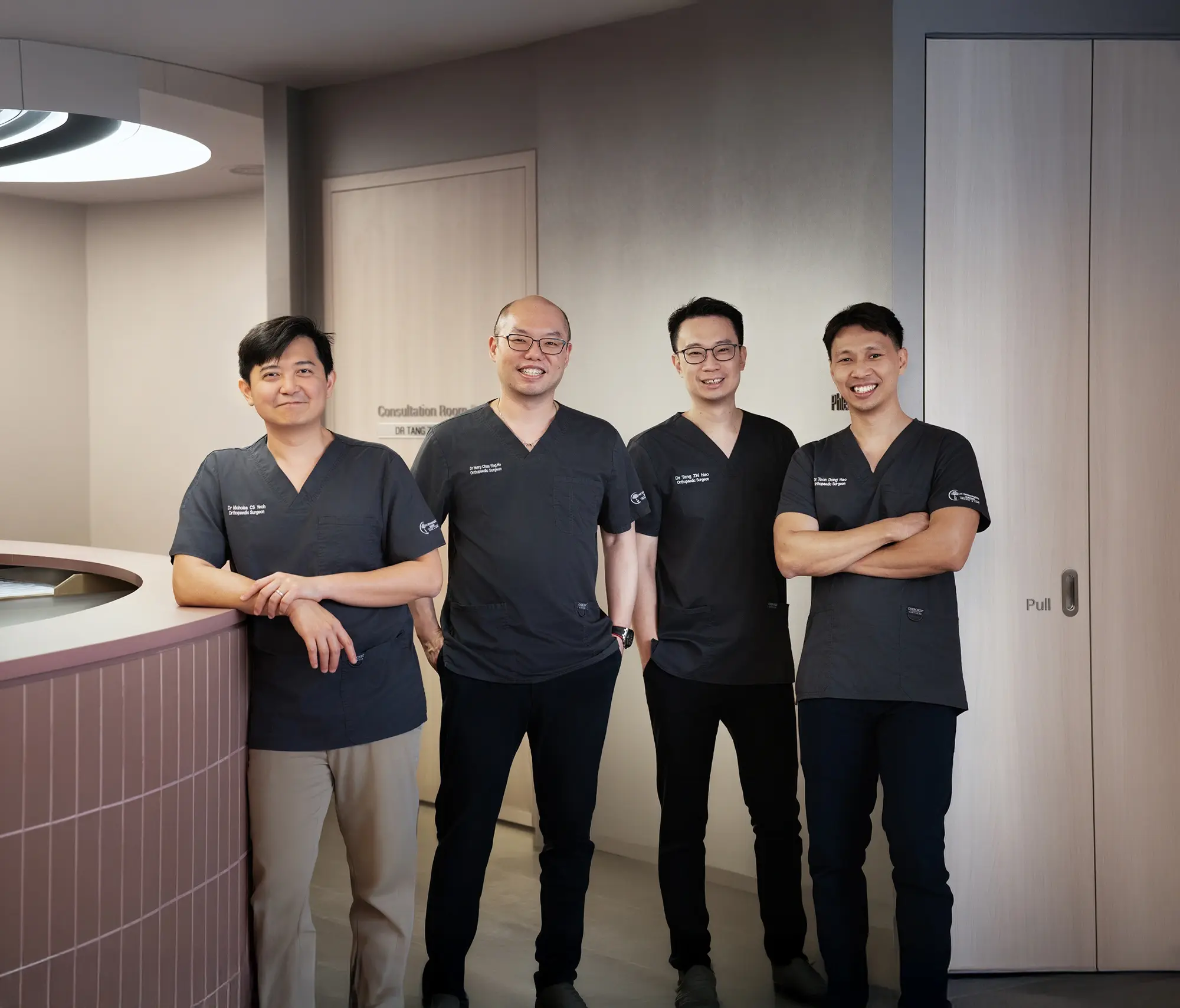
Care at HC Orthopaedic Surgery is led by Dr Henry Chan, Medical Director and senior consultant orthopaedic surgeon, together with Dr Nicholas Yeoh, Dr Toon Dong Hao and Dr Tang Zhi Hao. With experience in the management of foot and ankle conditions, including deformity correction, sports injuries and fractures, our team takes an evidence-informed approach to surgical planning and patient care. Through careful assessment, tailored treatment strategies and coordinated follow-up, we focus on improving foot alignment, restoring stability and supporting long-term mobility.
Frequently Asked Questions (FAQs) About Flat Foot Correction Surgery
How soon can I return to normal walking after flat foot surgery?
Will I be able to wear normal shoes after surgery?
Can flat foot correction surgery prevent future pain or deformity?
Is physiotherapy necessary after flat foot surgery?
Will flat foot surgery affect my sports performance?
Are there alternatives to surgery for flat feet?
Can children or teenagers undergo flat foot correction surgery?
How long will the foot remain swollen after surgery?
Meet Our Specialist Team
Our team comprises Dr Henry Chan, Dr Nicholas Yeoh, Dr Toon Dong Hao, and Dr Tang Zhi Hao — experienced orthopaedic surgeons with subspecialty experience and a patient-centred approach to care.
Dr Henry Chan
Medical Director & Senior Consultant Orthopaedic Surgeon
MBBS (S’pore), MRCS (Edinburgh), MMed (Orthopaedic Surgery), FRCS (Edinburgh)
Dr Henry Chan is an experienced orthopaedic surgeon specialising in joint replacement and complex revision surgery. Trained at the renowned Helios Endo-Klinik in Germany under the MOH HMDP scholarship, he has performed over 1,000 joint replacements and specialises in computer-assisted and robotic joint replacement techniques for precise outcomes.
Dr Nicholas Yeoh
Senior Consultant Orthopaedic Surgeon
MBChB (Edinburgh), MRCS (Edinburgh), MMed (Orthopaedic Surgery), FRCS (Edinburgh)
Dr Nicholas Yeoh is an MOH-accredited orthopaedic specialist and Fellow of the Royal College of Surgeons of Edinburgh. Fellowship-trained in hip and knee reconstruction in Sydney under the MOH HMDP scholarship, he specialises in minimally invasive joint replacement, robotic surgery and advanced techniques that enhance recovery and surgical outcomes.
Dr Toon Dong Hao
Senior Consultant Orthopaedic Surgeon
MBChB (Leeds), MRCS (Edinburgh), MMed (Orthopaedic Surgery), FRCS (Edinburgh)
Dr Toon Dong Hao is a skilled orthopaedic surgeon and Fellow of the Royal College of Surgeons of Edinburgh. Fellowship-trained in Advanced Shoulder and Elbow Surgery in Sydney under the MOH HMDP scholarship, Dr Toon specialises in sports injuries, arthroscopic surgery and complex shoulder, elbow and knee procedures to restore function and mobility.
Dr Tang Zhi Hao
Senior Consultant Orthopaedic Surgeon
MBBS (S’pore), MRCS (Edinburgh), MMed (Orthopaedic Surgery), FRCS (Edinburgh)
Dr Tang Zhi Hao is a fellowship-trained orthopaedic surgeon specialising in foot and ankle conditions. He completed his Foot and Ankle Surgery fellowship at Severance Hospital, Yonsei University Health System in Seoul under Professor Jin Woo Lee. Prior to private practice, he served as Consultant and Deputy Head of Orthopaedics at Khoo Teck Puat Hospital.