
Bunions:
Symptoms, Causes and Treatments




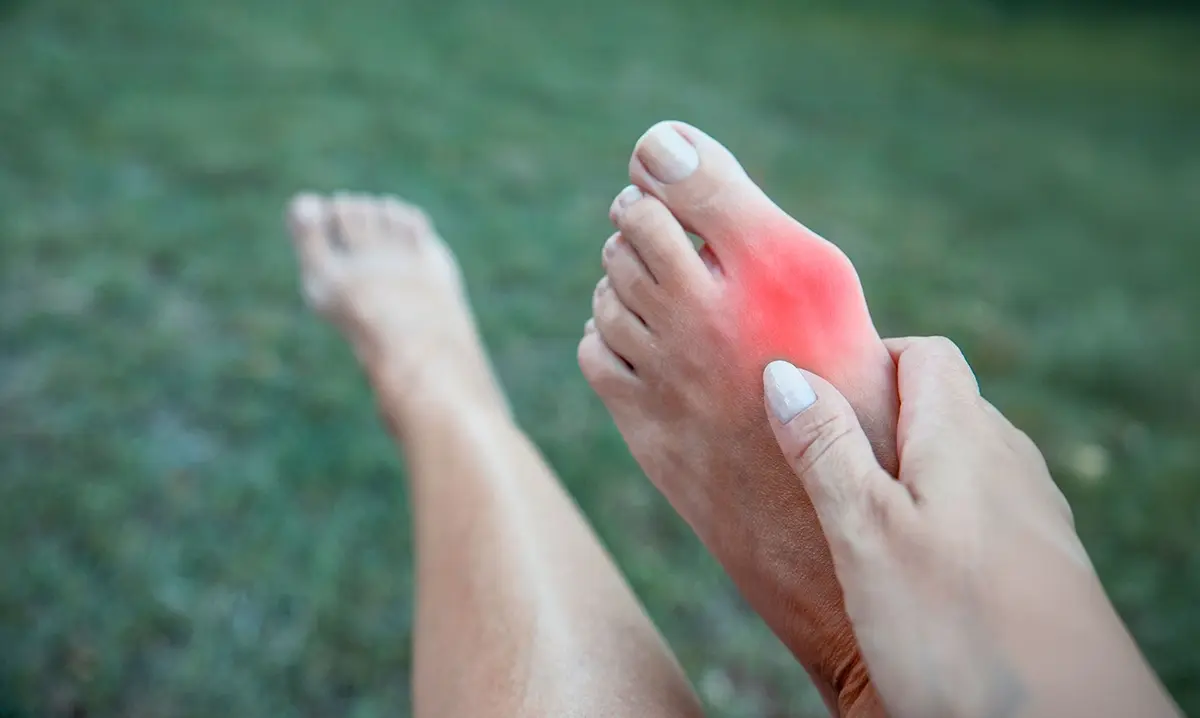
If you have noticed a bump forming at the base of your big toe, or if your shoes have started to feel tight and uncomfortable at the front, you may be developing a bunion. What often begins as mild redness or irritation can gradually become more painful, especially after long periods of walking or standing. Over time, the big toe may appear to lean towards the smaller toes, and certain footwear may become difficult to tolerate.
A bunion, medically known as hallux valgus, is a progressive deformity of the big toe joint. As the joint shifts out of alignment, a bony prominence forms along the inner side of the foot. This change alters the mechanics of walking and can lead to joint stiffness, inflammation and increasing discomfort. Recognising the early signs of bunions and understanding available treatment options can help prevent worsening deformity and long-term pain.
What Are the Signs and Symptoms of a Bunion?
Bunions usually develop gradually, and symptoms may be mild in the early stages. As the deformity progresses, both visible changes and discomfort can become more noticeable.
Bony Prominence at the Base of the Big Toe
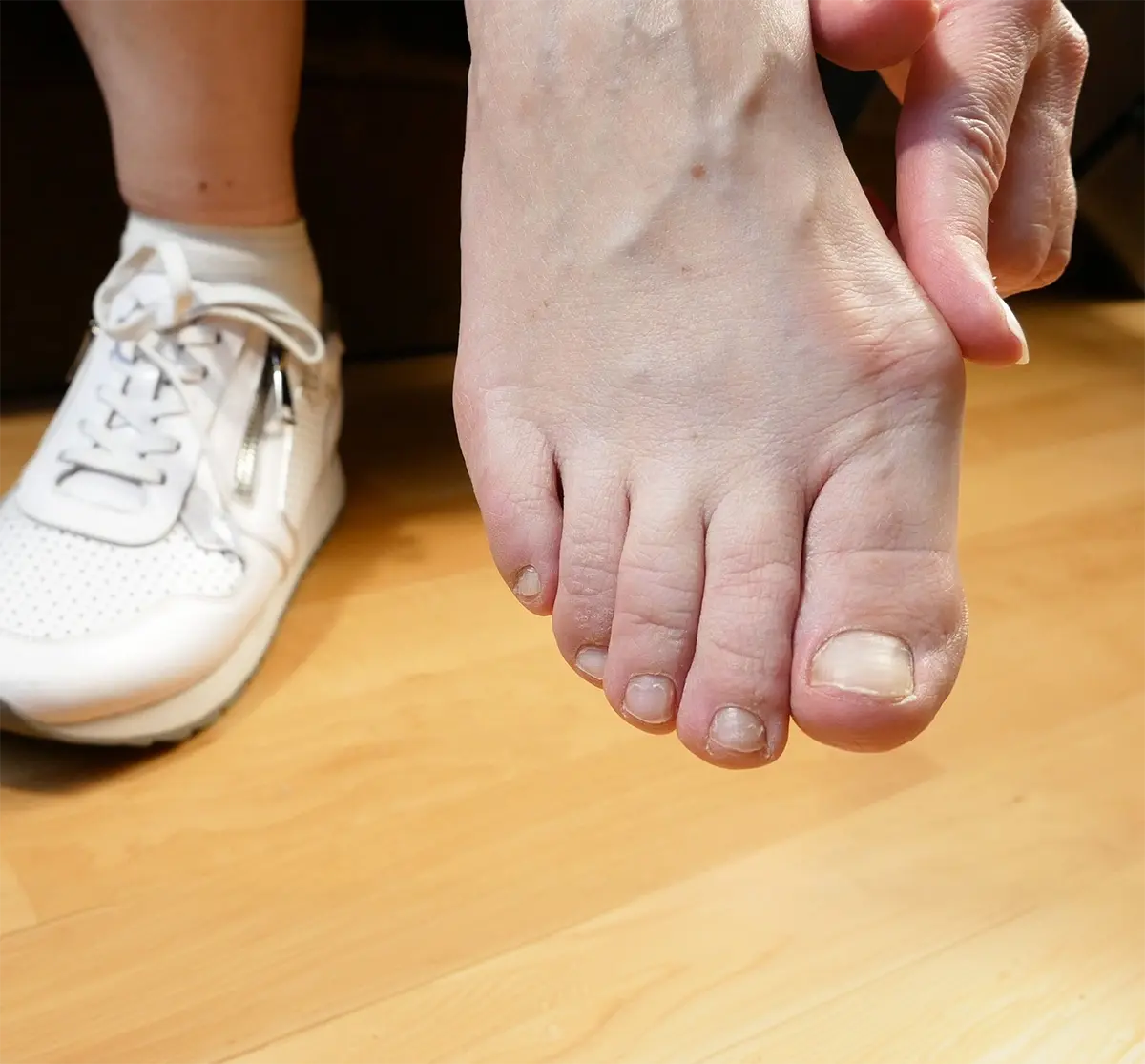
The most obvious sign of a bunion is a bump on the inner side of the foot at the base of the big toe. This occurs as the big toe shifts towards the smaller toes and the joint moves out of alignment.
Big Toe Leaning Inwards
Over time, the big toe may angle towards the second toe. In more advanced cases, the toes may overlap or crowd together, making it difficult to find comfortable footwear.
Pain or Tenderness
Pain is commonly felt around the big toe joint, especially after prolonged walking or standing. The discomfort may worsen in narrow or tight shoes that press against the bunion.
Redness and Swelling
The skin over the bunion may appear red or swollen due to irritation from footwear or inflammation within the joint.
Stiffness and Reduced Movement
As the condition progresses, the big toe joint may become stiff and less mobile. This can affect walking mechanics and lead to altered pressure distribution across the foot.
Think you might be developing a bunion? Have it assessed by the foot and ankle specialists at HC Orthopaedic Surgery to determine the severity and explore appropriate treatment options.
Why It Happens
What Are the Causes and Risk Factors for Bunions?
Bunions do not develop from a single identifiable cause. They are usually the result of a combination of inherited foot structure, joint mechanics and long-term mechanical stress. Certain factors increase the likelihood of the big toe gradually shifting out of alignment over time.
Inherited Foot Structure
Bunions commonly run in families. What is inherited is not the bunion itself, but specific foot characteristics such as joint laxity, flat feet or a wider angle between the first and second metatarsal bones. These structural traits can make the big toe joint more unstable and prone to drifting.
Abnormal Foot Mechanics
Flat feet, excessive pronation or uneven weight distribution can increase pressure across the big toe joint during walking. Over time, repeated stress may cause the joint to shift progressively towards the second toe.
Footwear Habits
Tight, narrow or high-heeled shoes do not directly cause bunions, but they can accelerate progression in individuals who are already predisposed. Shoes that compress the forefoot increase pressure on the big toe joint and may worsen symptoms.
Gender
Women are more frequently affected, partly due to differences in foot structure and footwear patterns. Hormonal influences on ligament laxity may also play a role.
Age
Bunions tend to become more noticeable with age as ligaments loosen and cumulative mechanical stress affects joint alignment.
Previous Injury or Inflammatory Conditions
Injury to the big toe joint or conditions such as inflammatory arthritis can alter joint stability and contribute to deformity.
What Are the Different Types of Bunions?
Bunions can vary depending on age of onset, severity and the joint structures involved.
Juvenile (Adolescent) Bunions
These develop during childhood or teenage years and are often linked to inherited foot structure. They may progress as the child grows.
Adult Progressive Bunions
This is the most common type. The deformity gradually worsens over time due to mechanical stress and joint instability.
Bunionettes (Tailor’s Bunion)
This deformity affects the base of the little toe rather than the big toe, causing a bump on the outer side of the foot.
Severe or Arthritic Bunions
In advanced cases, long-standing misalignment may lead to joint degeneration, stiffness and increased pain.
Understanding Your Evaluation
How Are Bunions Diagnosed?
Understanding Your Evaluation
How Are Bunions Diagnosed?
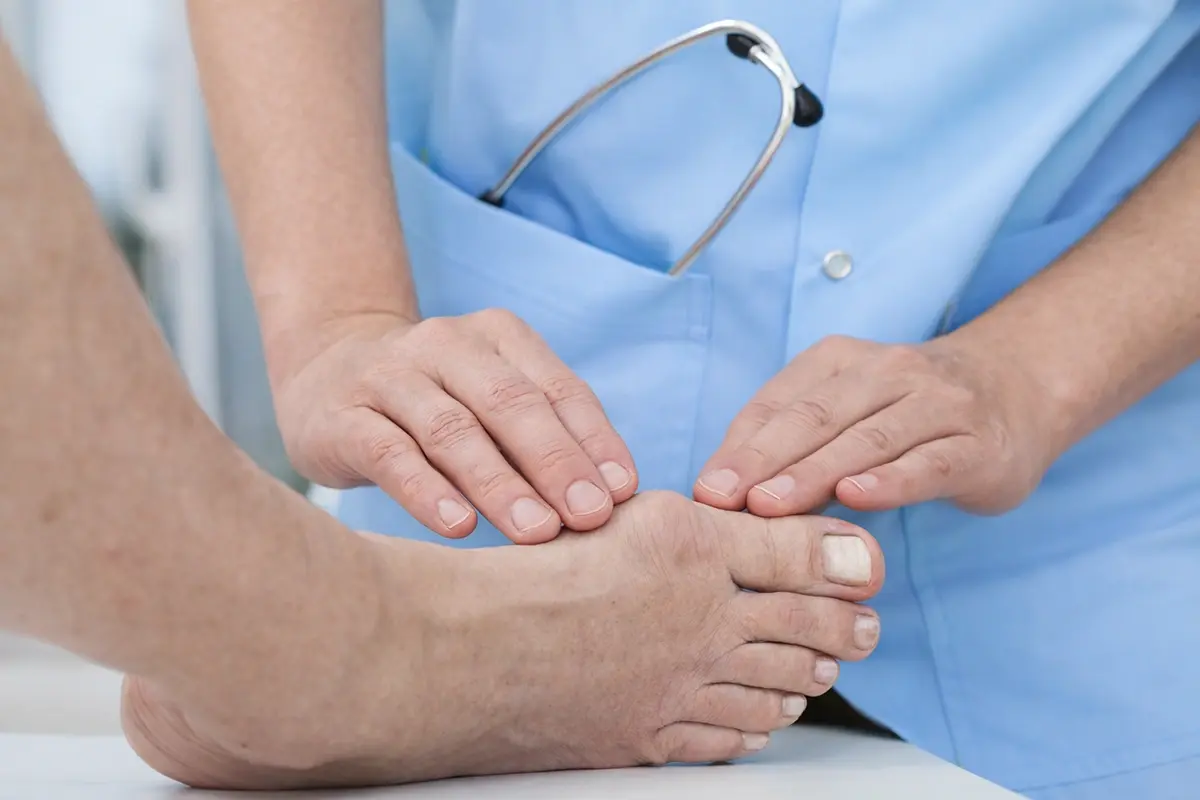
Bunions are diagnosed through a detailed medical history and physical examination. Your specialist will ask about the duration of symptoms, footwear discomfort and any progression in toe deformity. The foot is examined to assess alignment, joint mobility, skin irritation and areas of tenderness. Your walking pattern and overall foot mechanics may also be evaluated.
Weight-Bearing X-rays
Standing X-rays are essential in bunion assessment. Because bunions are deformities influenced by load, imaging must be performed while you are bearing weight. X-rays allow precise measurement of angles between the bones, such as the hallux valgus angle and intermetatarsal angle, which help determine the severity of the deformity and guide treatment planning.
Assessment of Joint Condition
Imaging also helps identify associated problems such as joint degeneration, subluxation or deformities affecting the lesser toes. This ensures that treatment addresses the full structural issue rather than only the visible bump.
Bunion Treatments in Singapore
Treatment for bunions depends on the severity of symptoms, the degree of deformity and how much the condition affects daily activities. Management may be conservative for milder cases or surgical for more advanced or painful deformities.
Non-Surgical Treatment
For mild to moderate bunions, non-surgical measures focus on relieving pain and reducing pressure on the big toe joint. While these approaches do not correct the deformity, they can help control symptoms and slow progression.
Footwear Modification
Shoes with a wide toe box reduce compression over the bunion and minimise irritation. Avoiding narrow or high-heeled footwear may help prevent worsening discomfort.
Padding and Protective Devices
Bunion pads or silicone sleeves cushion the prominent joint and reduce friction against footwear.
Orthotic Support
Custom or prefabricated insoles may improve foot mechanics and redistribute pressure across the forefoot, reducing strain on the big toe joint.
Pain Management
Short-term use of anti-inflammatory medication or ice application may help manage flare-ups, especially after prolonged standing or walking.
Surgical Treatment
Surgery may be considered when pain persists despite conservative measures or when the deformity significantly interferes with walking, footwear comfort or quality of life. The goal of bunion surgery is to correct bone alignment, restore joint mechanics and relieve pain.
Most procedures involve realigning the affected bone and stabilising it with internal fixation to allow proper healing. In selected cases, minimally invasive techniques may be appropriate. The choice of procedure depends on the severity of the deformity, joint stability and the presence of arthritis.
Restoring Comfort for Bunions at HC Orthopaedic Surgery
A bunion may begin as a small, painless bump, but over time it can alter the way you walk, affect shoe comfort and lead to persistent joint irritation. As the big toe gradually shifts out of alignment, pressure across the forefoot changes, sometimes resulting in calluses, stiffness or secondary toe deformities. Addressing bunions early allows for better symptom control and may help slow progression before the condition becomes more complex.

Restoring Comfort for Bunions at HC Orthopaedic Surgery
A bunion may begin as a small, painless bump, but over time it can alter the way you walk, affect shoe comfort and lead to persistent joint irritation. As the big toe gradually shifts out of alignment, pressure across the forefoot changes, sometimes resulting in calluses, stiffness or secondary toe deformities. Addressing bunions early allows for better symptom control and may help slow progression before the condition becomes more complex.

Our Specialised Team
At HC Orthopaedic Surgery, our foot and ankle specialists provide comprehensive assessment and tailored management for all stages of bunions, from conservative care to corrective surgery when necessary. The practice is led by Dr Henry Chan, together with Dr Nicholas Yeoh, Dr Toon Dong Hao and Dr Tang Zhi Hao, whose clinical interests include foot and ankle surgery, sports injuries, and fractures and trauma. Our focus is on restoring alignment, relieving pain and supporting durable, long-term foot function.
Frequently Asked Questions (FAQs) About Bunions
Can bunions worsen if untreated?
Do bunions only affect the big toe?
Can bunions cause other foot problems?
Does foot type affect bunion risk?
Can footwear or walking barefoot make bunions worse?
Meet Our Specialist Team
Our team comprises Dr Henry Chan, Dr Nicholas Yeoh, Dr Toon Dong Hao, and Dr Tang Zhi Hao — experienced orthopaedic surgeons with subspecialty experience and a patient-centred approach to care.
Dr Henry Chan
Medical Director & Senior Consultant Orthopaedic Surgeon
MBBS (S’pore), MRCS (Edinburgh), MMed (Orthopaedic Surgery), FRCS (Edinburgh)
Dr Henry Chan is an experienced orthopaedic surgeon specialising in joint replacement and complex revision surgery. Trained at the renowned Helios Endo-Klinik in Germany under the MOH HMDP scholarship, he has performed over 1,000 joint replacements and specialises in computer-assisted and robotic joint replacement techniques for precise outcomes.
Dr Nicholas Yeoh
Senior Consultant Orthopaedic Surgeon
MBChB (Edinburgh), MRCS (Edinburgh), MMed (Orthopaedic Surgery), FRCS (Edinburgh)
Dr Nicholas Yeoh is an MOH-accredited orthopaedic specialist and Fellow of the Royal College of Surgeons of Edinburgh. Fellowship-trained in hip and knee reconstruction in Sydney under the MOH HMDP scholarship, he specialises in minimally invasive joint replacement, robotic surgery and advanced techniques that enhance recovery and surgical outcomes.
Dr Toon Dong Hao
Senior Consultant Orthopaedic Surgeon
MBChB (Leeds), MRCS (Edinburgh), MMed (Orthopaedic Surgery), FRCS (Edinburgh)
Dr Toon Dong Hao is a skilled orthopaedic surgeon and Fellow of the Royal College of Surgeons of Edinburgh. Fellowship-trained in Advanced Shoulder and Elbow Surgery in Sydney under the MOH HMDP scholarship, Dr Toon specialises in sports injuries, arthroscopic surgery and complex shoulder, elbow and knee procedures to restore function and mobility.
Dr Tang Zhi Hao
Senior Consultant Orthopaedic Surgeon
MBBS (S’pore), MRCS (Edinburgh), MMed (Orthopaedic Surgery), FRCS (Edinburgh)
Dr Tang Zhi Hao is a fellowship-trained orthopaedic surgeon specialising in foot and ankle conditions. He completed his Foot and Ankle Surgery fellowship at Severance Hospital, Yonsei University Health System in Seoul under Professor Jin Woo Lee. Prior to private practice, he served as Consultant and Deputy Head of Orthopaedics at Khoo Teck Puat Hospital.