
Bunion Surgery
in Singapore

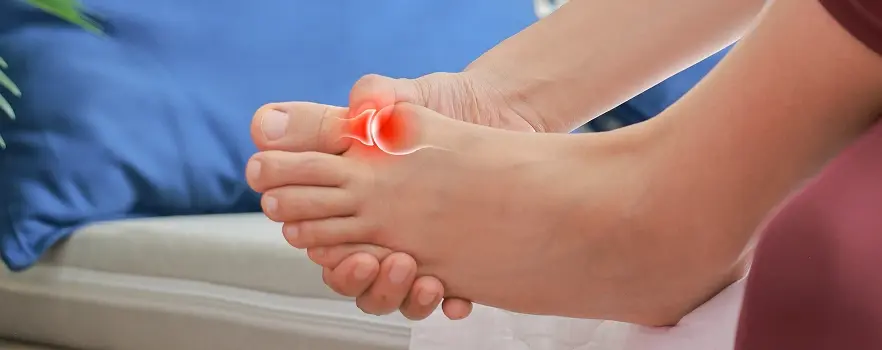
If you are considering bunion surgery, it is likely that pain, swelling or progressive deformity at the base of your big toe has begun to interfere with daily life. You may have already tried wider footwear, padding or orthotics, yet still struggle with discomfort when walking, standing for long periods or exercising. Some patients also notice the toe drifting further towards the smaller toes, making shoes increasingly difficult to fit comfortably.
When symptoms persist despite conservative treatment, surgical correction may be recommended. Bunion surgery is designed to realign the big toe joint, relieve pressure and restore more normal foot mechanics. The aim is not only to improve appearance, but more importantly to reduce pain and support long-term walking comfort and function.
What Is Bunion Surgery and Who Needs It?
Bunion surgery is a corrective procedure performed to realign the big toe joint and address the underlying structural deformity known as hallux valgus. Rather than simply removing the visible bump, the operation focuses on correcting bone alignment, balancing surrounding soft tissues and restoring more normal joint mechanics. The exact technique used depends on the severity of the deformity and the degree of joint involvement.
You may be a candidate for bunion surgery if you experience:
- Persistent pain despite footwear modification and conservative treatment
- Progressive widening of the forefoot that makes shoe fitting difficult
- Overlapping or crowding of the toes
- Recurrent inflammation or skin irritation over the bunion
- Functional limitation affecting walking, standing or exercise
Surgery is generally considered when symptoms interfere with daily activities and non-surgical measures no longer provide sufficient relief.
Types of Bunion Surgeries in Singapore
Several surgical techniques are used to correct bunions, selected based on deformity pattern and joint stability.
Distal Osteotomy
Used for mild to moderate bunions, this involves repositioning the first metatarsal bone near the toe joint and securing it with small screws.
Scarf or Chevron Osteotomy
Common corrective techniques that allow precise realignment of the metatarsal bone while maintaining stability.
Lapidus Procedure
Involves fusion of the joint at the base of the first metatarsal and is typically recommended for severe deformity or joint instability.
First MTP Joint Fusion
Performed when there is significant arthritis or recurrent deformity, this procedure fuses the big toe joint to eliminate pain.
What to Expect From Bunion Surgery?
Bunion surgery is a planned and structured process, beginning with careful preparation and continuing through guided recovery. While techniques differ depending on the deformity, the overall journey is designed to promote safe healing and gradual return to normal walking.
How to Prepare
Procedure Overview
Aftercare and Recovery
- Limit weight-bearing or use a protective post-operative shoe
- Keep dressings clean and dry to reduce infection risk
- Gradually increase activity as guided by your surgeon
- Attend scheduled follow-up visits to monitor healing
Treatment Benefits
How Does Bunion Surgery Help You?
Bunion surgery offers several benefits, including:
Reduced Pain and Discomfort
Correcting the deformity reduces abnormal pressure over the big toe joint, which can lessen pain during walking, standing and daily activities.
Improved Alignment and Stability
Realignment of the first metatarsal and big toe helps restore more normal joint mechanics, which may improve balance and reduce uneven load distribution across the foot.
Improved Footwear Comfort
Following correction and healing, many patients are able to wear standard footwear more comfortably without reliance on padding or shoe modification.
Improved Walking Mechanics
By restoring alignment, bunion surgery can support a more natural gait pattern and reduce compensatory strain on other parts of the foot.
Reduced Risk of Progressive Deformity
Surgical correction may prevent worsening of the bunion deformity and reduce the likelihood of secondary joint problems over time.
Support for Return to Activity
With appropriate healing and rehabilitation, patients may resume exercise and physical activities with improved comfort and function.
Understanding the Risks
Potential Risks and Complications of Bunion Surgery
Bunion surgery is commonly performed and generally safe. However, as with any surgical procedure, certain risks and temporary side effects may occur during the recovery process.
Tenderness
The surgical area may feel sore or sensitive for several weeks as the soft tissues and bone heal. This typically improves gradually with time.
Stiffness
Some reduction in big toe flexibility can occur after surgery. Early, guided mobilisation as advised by your surgeon can help minimise long-term stiffness.
Nerve Irritation or Numbness
Temporary tingling, numbness or altered sensation around the incision site may develop due to minor nerve irritation. These symptoms often resolve over time.
Swelling
Swelling of the foot is common and may persist for several weeks or even months. Elevation, cold therapy and adherence to weight-bearing instructions help reduce prolonged swelling.
Delayed Bone Healing
In certain cases, particularly where bone cuts are performed, healing may take longer than expected. Close follow-up allows your surgeon to monitor bone recovery and adjust activity levels accordingly.
Cost of Bunion Surgery in Singapore
The cost of bunion surgery varies depending on the severity of the deformity, surgical technique required and hospital arrangements. An individual consultation is necessary to provide an accurate estimate, as treatment is tailored to your foot structure, symptoms and overall health profile.
Key Cost Drivers
Several factors may influence the overall cost of bunion surgery:
Type of procedure
Use of fixation devices
Hospital stay
Anaesthesia and surgical duration

Insurance and Financing
Bunion surgery is typically claimable under MediSave and MediShield Life, subject to prevailing withdrawal limits and eligibility criteria. Many Integrated Shield Plans and private insurance policies may also cover part of the hospital and surgical fees. Our team can assist with financial counselling and insurance pre-authorisation to help you understand your coverage and estimated out-of-pocket costs before proceeding.
Restoring Foot Comfort at HC Orthopaedic Surgery
Bunions can progressively affect walking comfort, footwear choices and overall foot mechanics if left untreated. When symptoms persist despite conservative care, timely surgical correction can relieve pain, restore alignment and prevent further deformity. The goal is not only cosmetic improvement, but durable correction that supports long-term mobility and daily function.
Restoring Foot Comfort at HC Orthopaedic Surgery
Bunions can progressively affect walking comfort, footwear choices and overall foot mechanics if left untreated. When symptoms persist despite conservative care, timely surgical correction can relieve pain, restore alignment and prevent further deformity. The goal is not only cosmetic improvement, but durable correction that supports long-term mobility and daily function.

Our Specialised Team
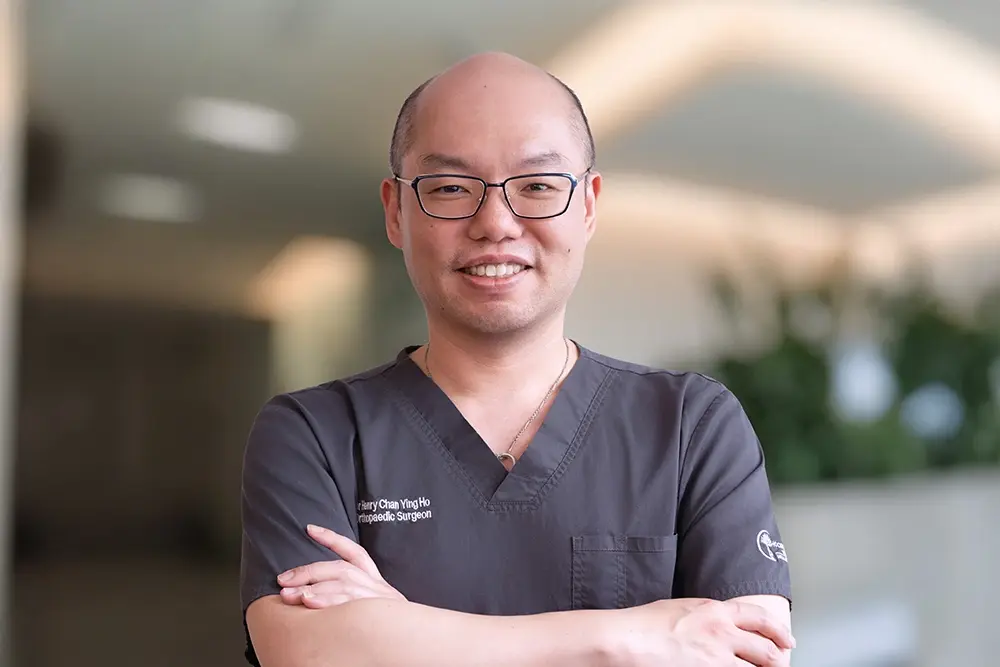
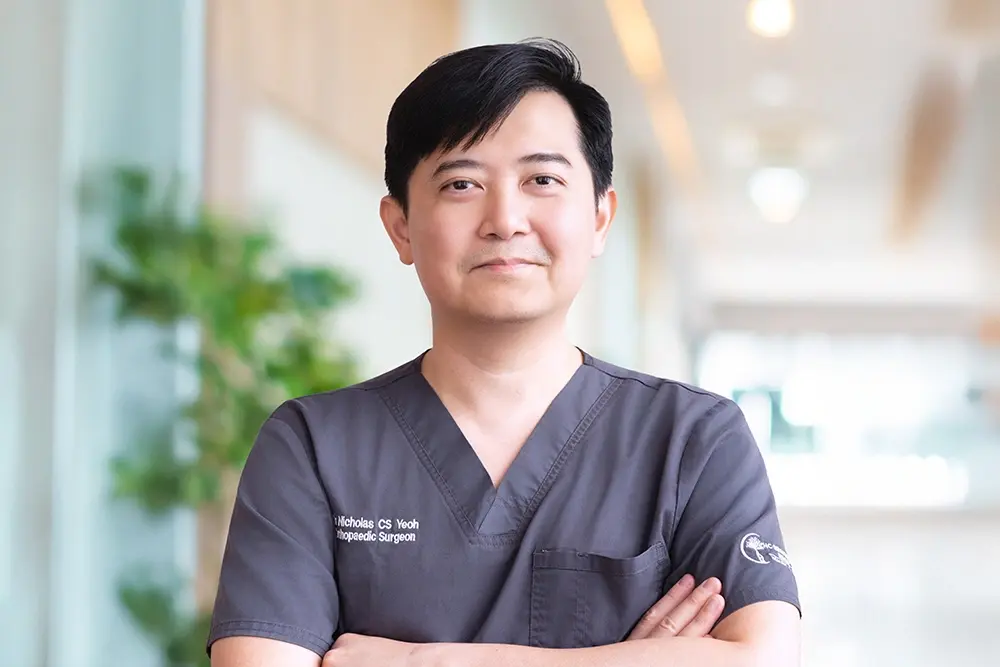
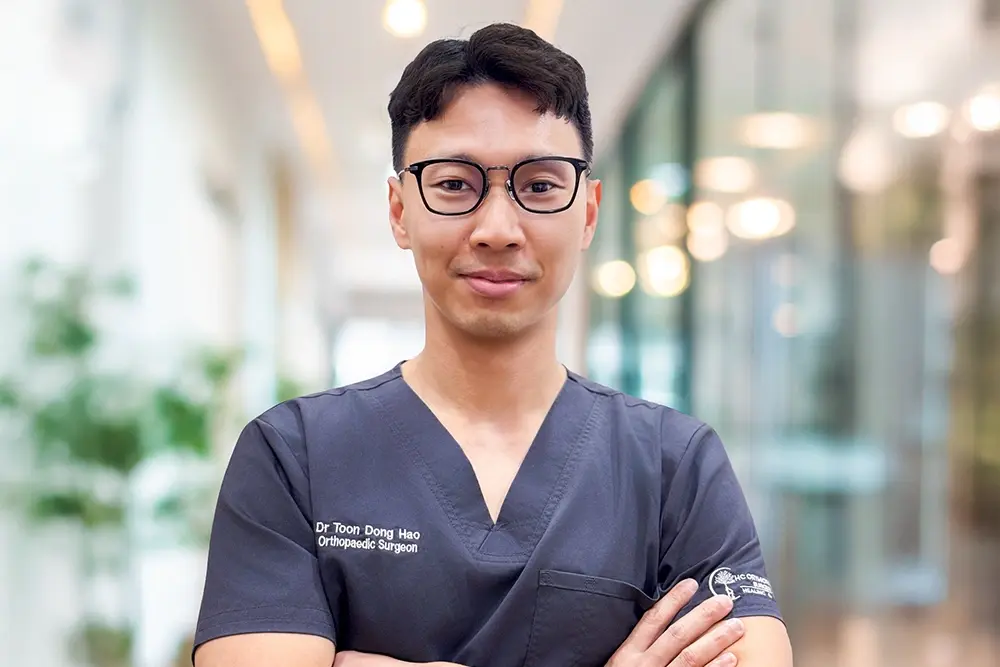
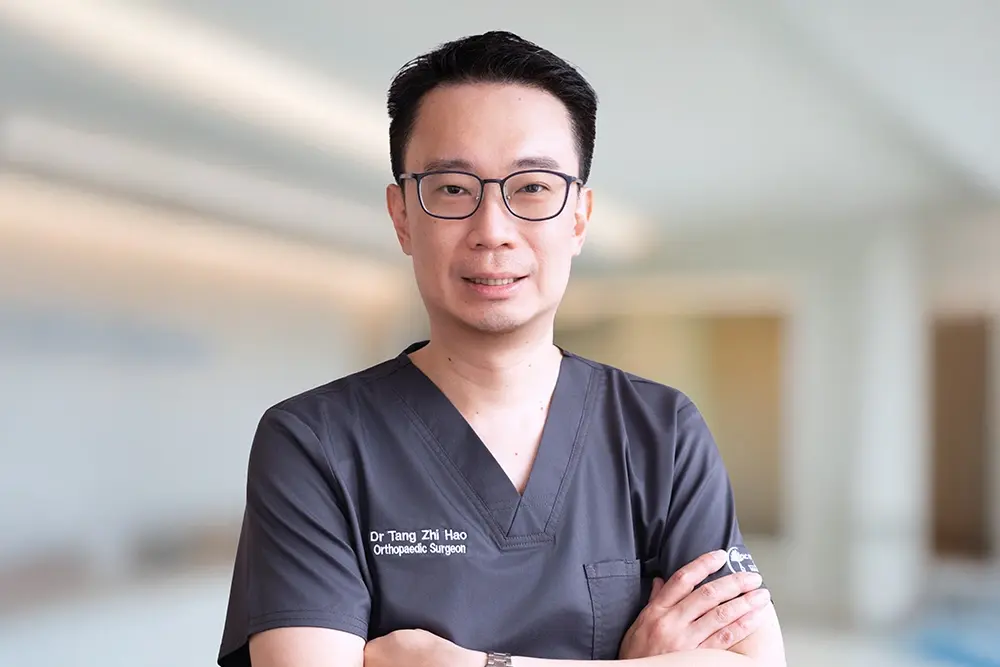
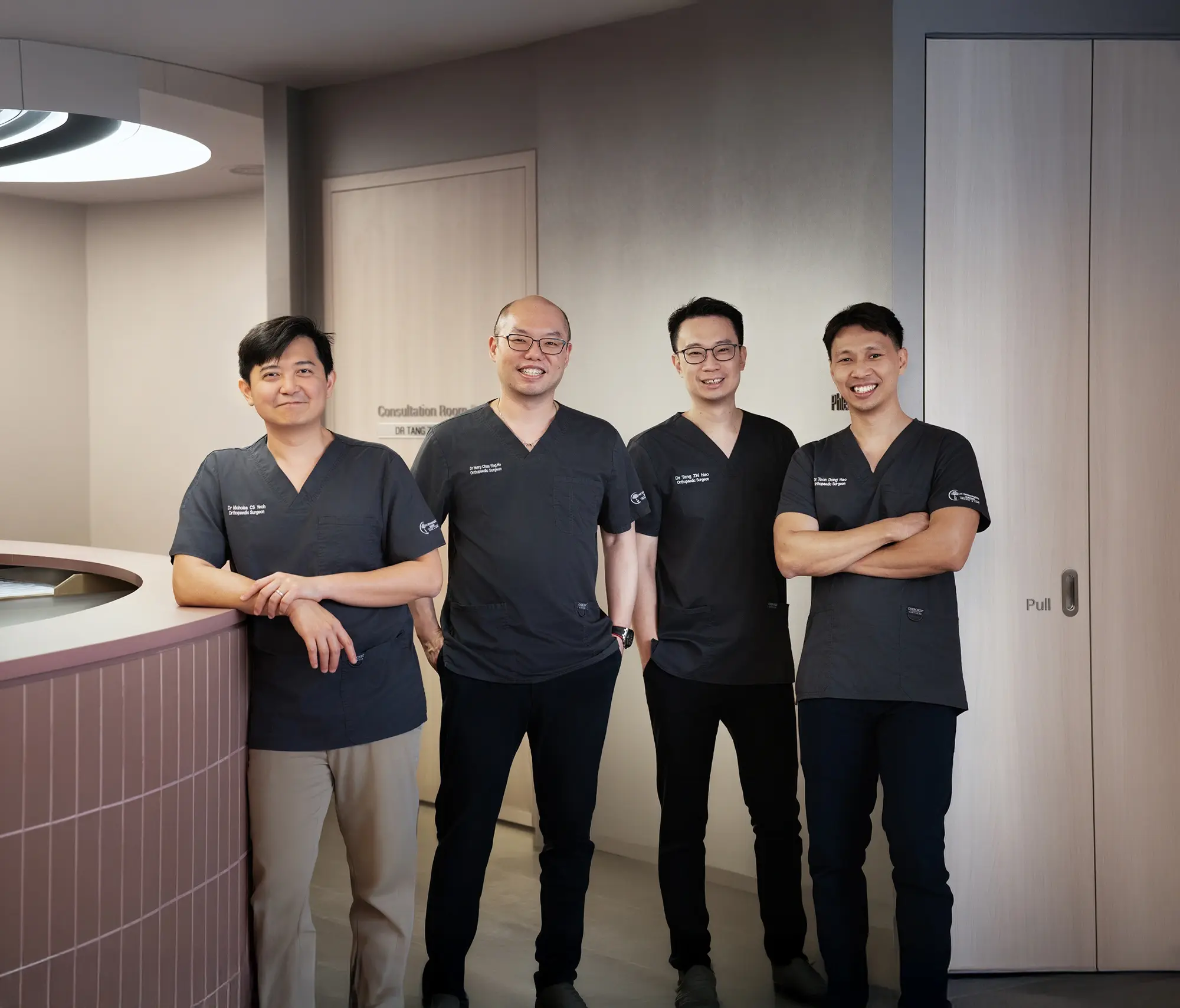
At HC Orthopaedic Surgery, patients receive thorough evaluation and individualised treatment planning for bunion conditions at every stage, from non-surgical management to corrective procedures where indicated. The practice is led by Dr Henry Chan, Dr Nicholas Yeoh, Dr Toon Dong Hao and Dr Tang Zhi Hao, whose clinical interests include foot and ankle surgery, sports injuries, as well as fractures and trauma. Our team focuses on precise surgical technique, structured rehabilitation and long-term functional outcomes to help patients return confidently to comfortable walking and activity.
Frequently Asked Questions (FAQs) About Bunion Surgery
Can I wear regular shoes after bunion surgery?
Can bunion surgery be done on both feet at the same time?
How soon can I return to work after bunion surgery?
When can I drive again after bunion surgery?
Will I have visible scars?
Can a bunion come back after surgery?
Meet Our Specialist Team
Our team comprises Dr Henry Chan, Dr Nicholas Yeoh, Dr Toon Dong Hao, and Dr Tang Zhi Hao — experienced orthopaedic surgeons with subspecialty experience and a patient-centred approach to care.
Dr Henry Chan
Medical Director & Senior Consultant Orthopaedic Surgeon
MBBS (S’pore), MRCS (Edinburgh), MMed (Orthopaedic Surgery), FRCS (Edinburgh)
Dr Henry Chan is an experienced orthopaedic surgeon specialising in joint replacement and complex revision surgery. Trained at the renowned Helios Endo-Klinik in Germany under the MOH HMDP scholarship, he has performed over 1,000 joint replacements and specialises in computer-assisted and robotic joint replacement techniques for precise outcomes.
Dr Nicholas Yeoh
Senior Consultant Orthopaedic Surgeon
MBChB (Edinburgh), MRCS (Edinburgh), MMed (Orthopaedic Surgery), FRCS (Edinburgh)
Dr Nicholas Yeoh is an MOH-accredited orthopaedic specialist and Fellow of the Royal College of Surgeons of Edinburgh. Fellowship-trained in hip and knee reconstruction in Sydney under the MOH HMDP scholarship, he specialises in minimally invasive joint replacement, robotic surgery and advanced techniques that enhance recovery and surgical outcomes.
Dr Toon Dong Hao
Senior Consultant Orthopaedic Surgeon
MBChB (Leeds), MRCS (Edinburgh), MMed (Orthopaedic Surgery), FRCS (Edinburgh)
Dr Toon Dong Hao is a skilled orthopaedic surgeon and Fellow of the Royal College of Surgeons of Edinburgh. Fellowship-trained in Advanced Shoulder and Elbow Surgery in Sydney under the MOH HMDP scholarship, Dr Toon specialises in sports injuries, arthroscopic surgery and complex shoulder, elbow and knee procedures to restore function and mobility.
Dr Tang Zhi Hao
Senior Consultant Orthopaedic Surgeon
MBBS (S’pore), MRCS (Edinburgh), MMed (Orthopaedic Surgery), FRCS (Edinburgh)
Dr Tang Zhi Hao is a fellowship-trained orthopaedic surgeon specialising in foot and ankle conditions. He completed his Foot and Ankle Surgery fellowship at Severance Hospital, Yonsei University Health System in Seoul under Professor Jin Woo Lee. Prior to private practice, he served as Consultant and Deputy Head of Orthopaedics at Khoo Teck Puat Hospital.