
Ankle Replacement Surgery
in Singapore


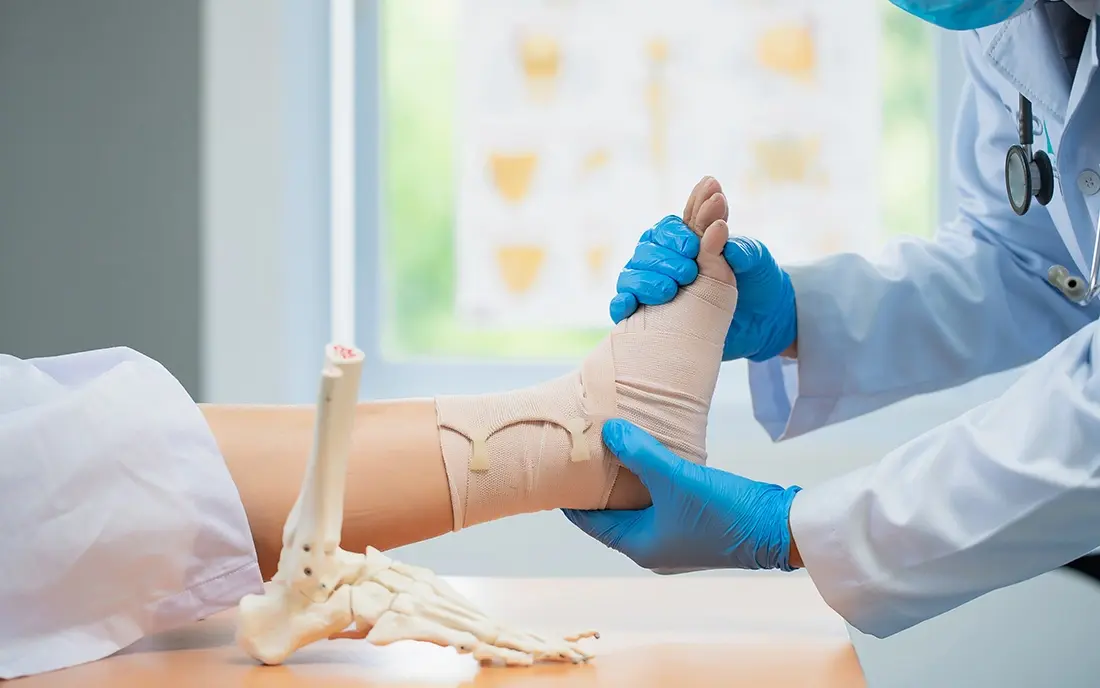
If chronic ankle pain has begun to dictate how far you can walk, whether you avoid stairs, or how long you can stand, advanced joint damage may be the underlying cause.
Many patients describe persistent stiffness, swelling and a deep aching pain that worsens with activity and does not fully settle with rest. Over time, reduced ankle movement can alter your walking pattern, placing strain on the knee, hip or lower back. You may have already tried medication, supportive footwear, bracing, physiotherapy or injections, yet still find your mobility increasingly restricted.
When conservative treatment no longer provides adequate relief, ankle replacement surgery may be considered to relieve pain while preserving joint movement and supporting a more natural gait.
What Is Ankle Replacement Surgery and Who Needs It?
Ankle replacement surgery, also known as total ankle arthroplasty, involves removing damaged joint surfaces and replacing them with artificial components designed to replicate natural ankle movement. Unlike ankle fusion, which eliminates joint motion, ankle replacement aims to preserve mobility while relieving pain.
It is most commonly recommended for patients with advanced ankle arthritis, including:
- Osteoarthritis related to degeneration
- Post-traumatic arthritis following previous injury
- Inflammatory arthritis affecting the joint
You may be suitable for ankle replacement if imaging confirms significant joint damage and symptoms continue to limit daily function despite appropriate non-surgical care. Factors such as bone quality, joint alignment, activity level and overall health are carefully assessed before recommending this procedure.
A specialist assessment is essential to determine whether ankle replacement is the most appropriate option or if alternative procedures, such as ankle fusion, may provide better long-term outcomes for your condition.
What to Expect From Ankle Replacement Surgery?
Ankle replacement surgery is a carefully planned procedure that involves preparation, surgery and structured rehabilitation. Understanding each stage can help you feel informed and better prepared for recovery.
How to Prepare
- Temporarily stop certain medications, particularly blood thinners, under medical supervision
- Complete pre-operative investigations such as blood tests or cardiac assessment
- Arrange support at home during the early recovery phase
- Prepare mobility aids such as crutches or a walker
- Set up a safe recovery space to minimise fall risk
Procedure Overview
Aftercare and Recovery
Treatment Benefits
How Ankle Replacement Restores Comfort and Walking Ability?
Ankle replacement surgery is designed to relieve pain while preserving joint movement, allowing for improved walking mechanics and overall lower limb function. By replacing damaged joint surfaces with artificial components, the procedure addresses the source of arthritis-related pain rather than simply managing symptoms.
Pain Relief
Removing worn cartilage and inflamed joint surfaces reduces bone-on-bone friction, which can significantly decrease chronic ankle pain during walking and standing.
Preservation of Movement
Unlike ankle fusion, ankle replacement maintains joint motion. Preserving mobility can support a more natural walking pattern and reduce compensatory strain on the knee, hip and lower back.
Improved Walking Tolerance
With reduced pain and better alignment, many patients are able to walk longer distances and navigate uneven ground with greater confidence.
Enhanced Stability and Function
Restoring joint alignment and structure can improve balance and functional performance in daily activities.
Long-Term Joint Preservation
By maintaining ankle motion, the procedure may help reduce excess stress on adjacent joints in the foot compared with fusion procedures.
Understanding the Risks
Potential Risks and Complications of Ankle Replacement Surgery
Ankle replacement surgery is a well-established procedure, but as with any major joint surgery, certain risks and complications may occur. Careful patient selection, precise surgical technique and structured rehabilitation help reduce these risks.
Infection
Infection around the surgical site or implant is uncommon but can occur. Preventive antibiotics and sterile operating protocols are used to minimise this risk.
Blood Clots
There is a small risk of developing deep vein thrombosis after lower limb surgery. Early mobilisation and, where appropriate, blood-thinning medication are used to reduce this risk.
Implant Loosening or Wear
Over time, artificial components may loosen or wear, potentially requiring further treatment or revision surgery.
Nerve or Blood Vessel Injury
Temporary numbness or altered sensation around the incision site can occur. Significant nerve or vascular injury is rare.
Delayed Wound Healing
The ankle has relatively thin soft tissue coverage, which can occasionally lead to slower wound healing.
Persistent Pain or Stiffness
While most patients experience pain relief, some may continue to have residual discomfort or limited range of motion.
Cost of Ankle Replacement Surgery in Singapore
The cost of ankle replacement surgery in Singapore varies depending on the complexity of the procedure, the type of implant used, hospital charges and the length of stay required. An individual consultation is necessary to provide an accurate estimate, as treatment plans are tailored to your diagnosis, overall health and functional goals.
Key Cost Drivers
Factors that influence the overall cost include:
Type of implant
Surgical complexity
Hospital stay
Anaesthesia and operating time

Insurance and Financing
Ankle replacement surgery may be claimable under MediSave and MediShield Life, subject to prevailing withdrawal limits and eligibility criteria. Many Integrated Shield Plans and private insurance policies also cover portions of the hospital and surgical fees, depending on your plan and ward class.
Our team can help you navigate insurance pre-authorisation, understand your coverage and estimate out-of-pocket expenses before you proceed with surgery.
Improve Ankle Mobility with HC Orthopaedic Surgery
Ankle replacement surgery offers a motion-preserving solution for patients with advanced ankle arthritis who have not achieved relief through conservative treatment. By replacing damaged joint surfaces with specialised implants, the procedure aims to reduce chronic pain, restore alignment and support a more natural walking pattern. With careful patient selection, precise technique and structured rehabilitation, ankle replacement can provide meaningful long-term improvement in mobility and overall function.
Improve Ankle Mobility with HC Orthopaedic Surgery
Ankle replacement surgery offers a motion-preserving solution for patients with advanced ankle arthritis who have not achieved relief through conservative treatment. By replacing damaged joint surfaces with specialised implants, the procedure aims to reduce chronic pain, restore alignment and support a more natural walking pattern. With careful patient selection, precise technique and structured rehabilitation, ankle replacement can provide meaningful long-term improvement in mobility and overall function.

Our Specialised Team
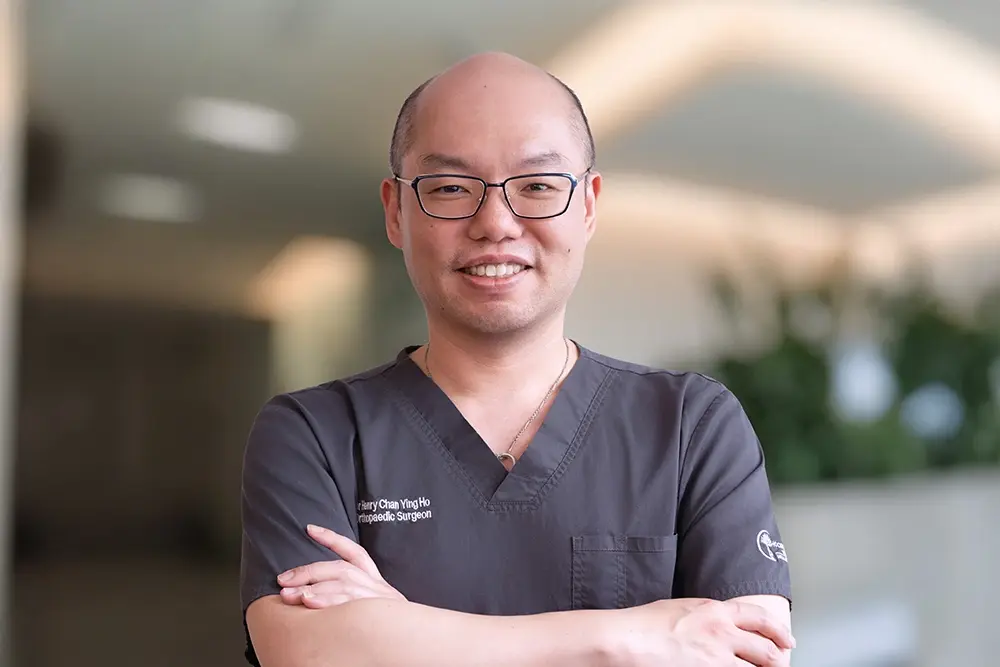
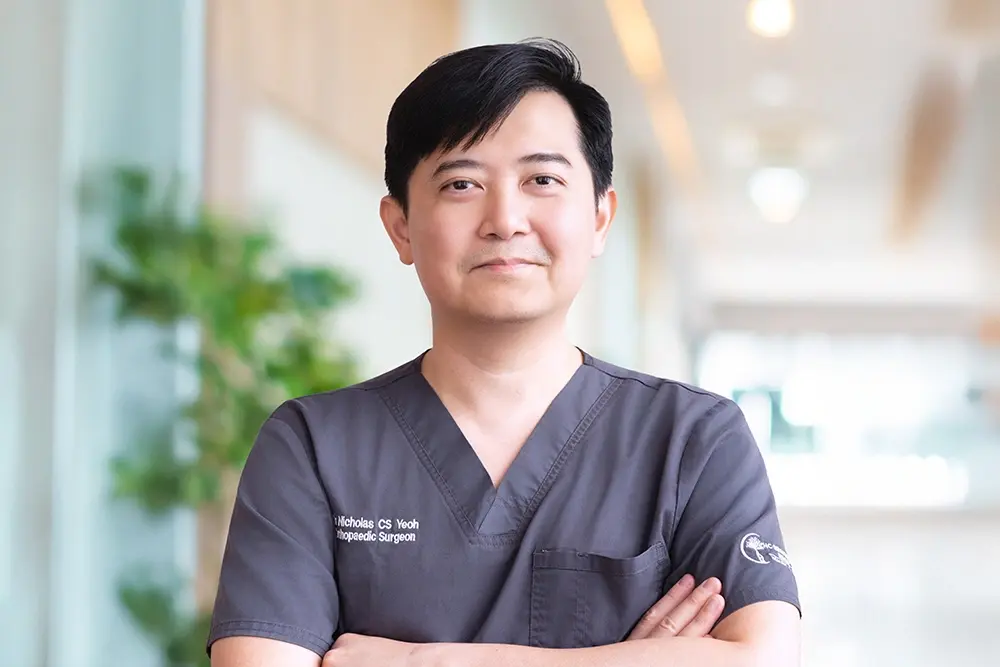
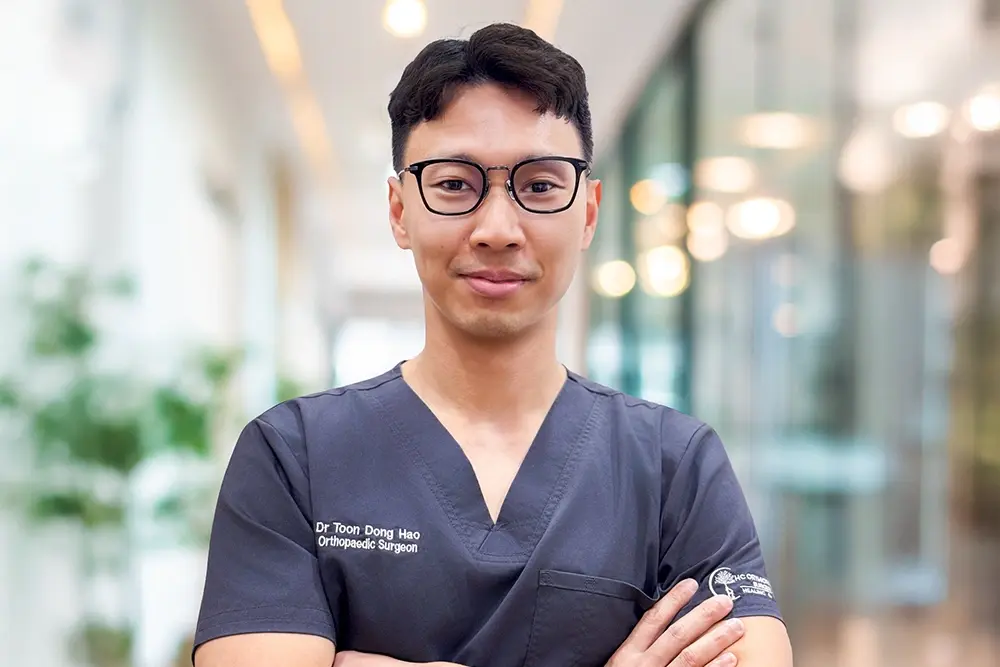
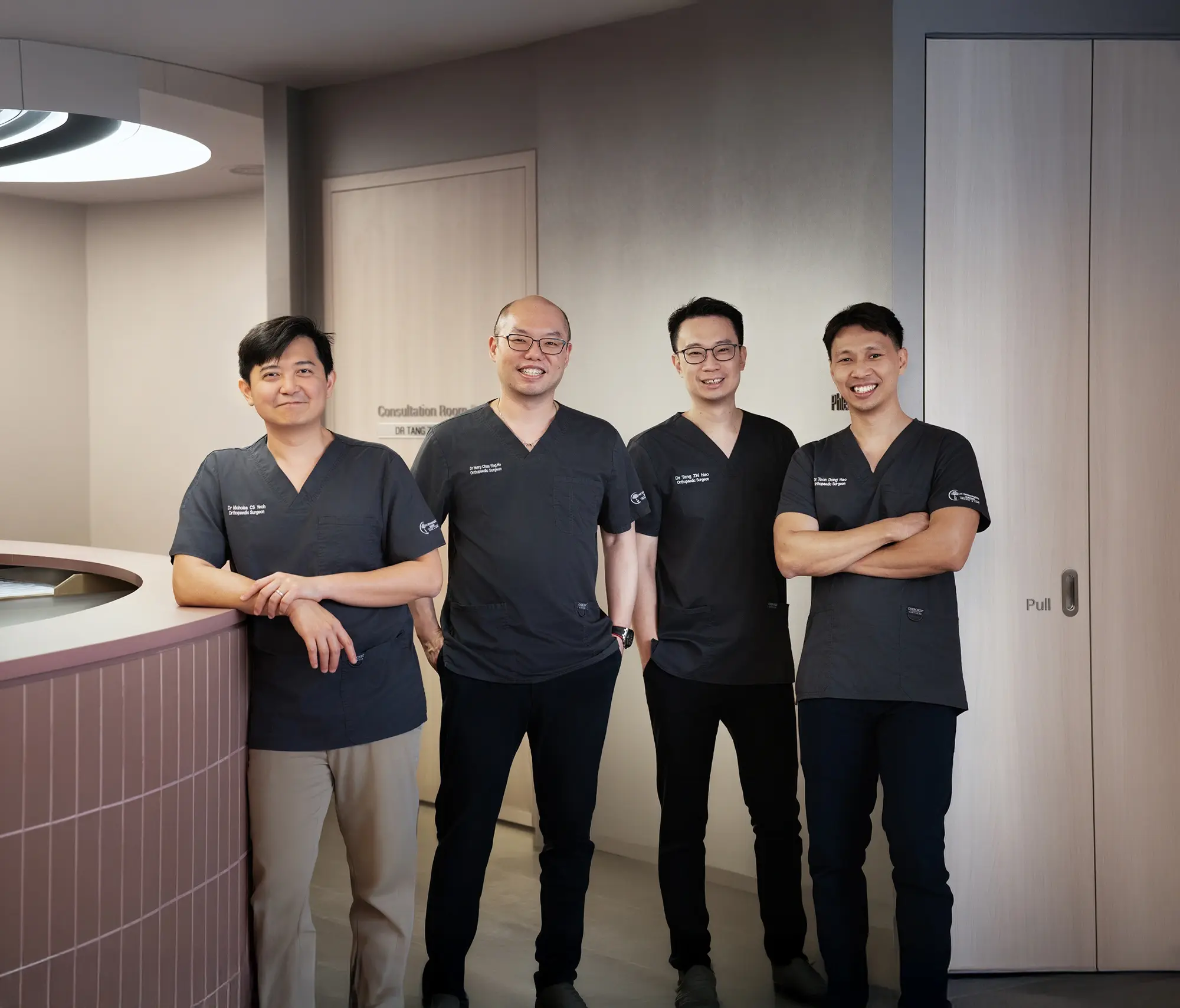
At HC Orthopaedic Surgery, our team provides comprehensive assessment and individualised treatment planning for ankle conditions, including joint-preserving and joint-replacement options where appropriate. Led by Dr Henry Chan alongside Dr Nicholas Yeoh, Dr Toon Dong Hao and Dr Tang Zhi Hao,our practice manages complex lower limb conditions with a focus on evidence-based techniques and durable outcomes. From initial evaluation through rehabilitation, patients receive coordinated care designed to relieve pain and restore confident movement.
Frequently Asked Questions (FAQs) About Ankle Replacement Surgery
How soon can I bear weight on my ankle after surgery?
Can ankle replacement surgery correct deformities?
Will I be able to exercise after ankle replacement surgery?
Are there alternatives to ankle replacement surgery?
How long will an ankle replacement last?
How long will I need to take off work?
Is ankle replacement surgery suitable for younger patients?
Can the implant wear out or require revision?
Meet Our Specialist Team
Our team comprises Dr Henry Chan, Dr Nicholas Yeoh, Dr Toon Dong Hao, and Dr Tang Zhi Hao — experienced orthopaedic surgeons with subspecialty experience and a patient-centred approach to care.
Dr Henry Chan
Medical Director & Senior Consultant Orthopaedic Surgeon
MBBS (S’pore), MRCS (Edinburgh), MMed (Orthopaedic Surgery), FRCS (Edinburgh)
Dr Henry Chan is an experienced orthopaedic surgeon specialising in joint replacement and complex revision surgery. Trained at the renowned Helios Endo-Klinik in Germany under the MOH HMDP scholarship, he has performed over 1,000 joint replacements and specialises in computer-assisted and robotic joint replacement techniques for precise outcomes.
Dr Nicholas Yeoh
Senior Consultant Orthopaedic Surgeon
MBChB (Edinburgh), MRCS (Edinburgh), MMed (Orthopaedic Surgery), FRCS (Edinburgh)
Dr Nicholas Yeoh is an MOH-accredited orthopaedic specialist and Fellow of the Royal College of Surgeons of Edinburgh. Fellowship-trained in hip and knee reconstruction in Sydney under the MOH HMDP scholarship, he specialises in minimally invasive joint replacement, robotic surgery and advanced techniques that enhance recovery and surgical outcomes.
Dr Toon Dong Hao
Senior Consultant Orthopaedic Surgeon
MBChB (Leeds), MRCS (Edinburgh), MMed (Orthopaedic Surgery), FRCS (Edinburgh)
Dr Toon Dong Hao is a skilled orthopaedic surgeon and Fellow of the Royal College of Surgeons of Edinburgh. Fellowship-trained in Advanced Shoulder and Elbow Surgery in Sydney under the MOH HMDP scholarship, Dr Toon specialises in sports injuries, arthroscopic surgery and complex shoulder, elbow and knee procedures to restore function and mobility.
Dr Tang Zhi Hao
Senior Consultant Orthopaedic Surgeon
MBBS (S’pore), MRCS (Edinburgh), MMed (Orthopaedic Surgery), FRCS (Edinburgh)
Dr Tang Zhi Hao is a fellowship-trained orthopaedic surgeon specialising in foot and ankle conditions. He completed his Foot and Ankle Surgery fellowship at Severance Hospital, Yonsei University Health System in Seoul under Professor Jin Woo Lee. Prior to private practice, he served as Consultant and Deputy Head of Orthopaedics at Khoo Teck Puat Hospital.