
Ankle Ligament Reconstruction
in Singapore

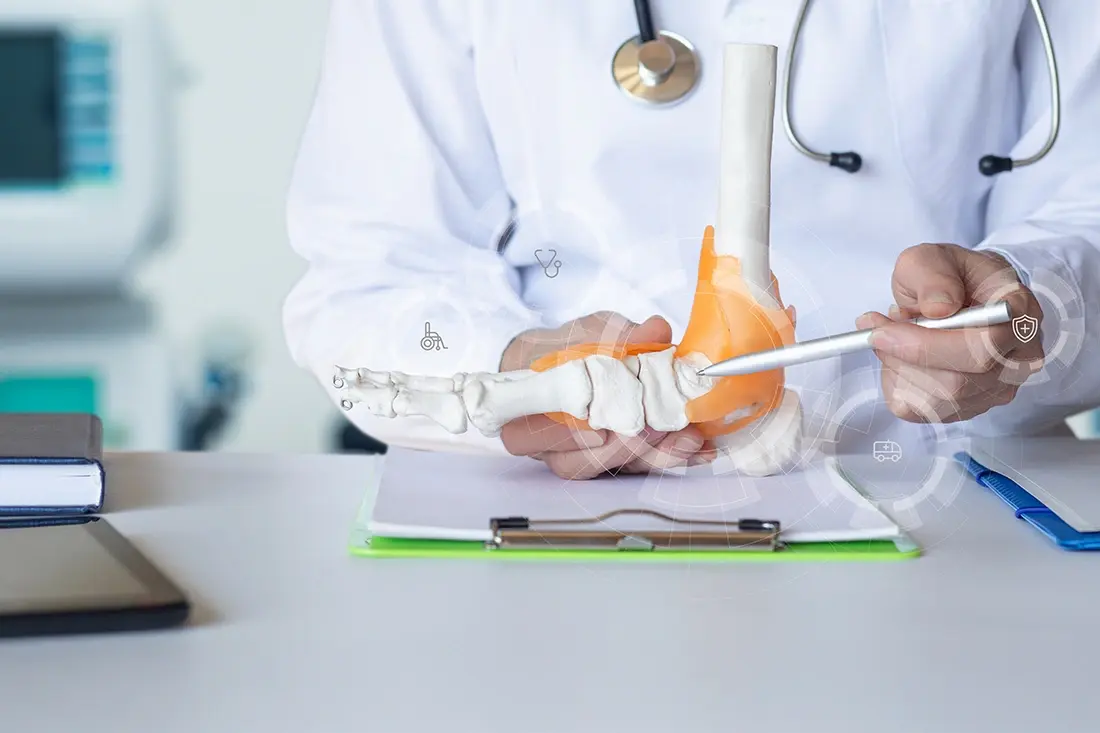
Ankle ligament reconstruction is a surgical procedure used to restore stability to the ankle joint when the supporting ligaments become severely damaged or chronically unstable. These injuries often develop after repeated ankle sprains, sports injuries or traumatic twisting of the ankle, which can cause the ligaments to stretch, tear or lose their ability to support the joint effectively.
When ankle instability persists despite non-surgical treatment such as physiotherapy, bracing or activity modification, ligament reconstruction may be recommended to repair or rebuild the damaged ligaments. The procedure aims to stabilise the ankle joint, reduce the risk of recurrent sprains and help patients regain confidence in walking, running and physical activities.
What Is Ankle Ligament Reconstruction and Who Might Need It?
Ankle ligament reconstruction is a surgical procedure performed to restore stability to the ankle joint when the ligaments that support it become severely damaged or weakened. The ankle relies on several ligaments to keep the joint stable during walking, running and changes in direction. When these ligaments are repeatedly stretched or torn, the ankle may become chronically unstable, increasing the risk of further sprains and injury.
The procedure typically involves repairing or reconstructing the damaged ligaments using sutures or graft tissue to strengthen the ankle and restore normal joint stability. In some cases, the surgeon may tighten the existing ligaments, while in others a tendon graft may be used to reconstruct the ligament if it is too damaged to repair.
Ankle ligament reconstruction may be recommended when ankle instability persists despite non-surgical treatment such as physiotherapy, bracing or activity modification. It is commonly considered for conditions such as:
Chronic ankle instability
Repeated ankle sprains that cause the ankle to feel weak, unstable or prone to “giving way” during daily activities or sports.
Severe ankle ligament tears
Significant damage to the lateral ankle ligaments, often following a traumatic ankle sprain that does not heal adequately.
Recurrent ankle sprains
Frequent ankle injuries that continue to occur despite rehabilitation and strengthening exercises.
Persistent ankle pain or instability after injury
Ongoing symptoms that affect walking, running or sports participation due to ligament damage that has not healed properly.
If ankle instability continues to affect your mobility or daily activities, consulting an ankle specialist at HC Orthopaedic Surgery can help determine whether ankle ligament reconstruction or other treatments may be appropriate.
What to Expect From Ankle Ligament Reconstruction
Ankle ligament reconstruction typically involves careful preparation, surgical repair or reconstruction of the damaged ligaments and a structured rehabilitation programme to restore ankle stability and function.
How to Prepare
You may be advised to:
- Optimise existing medical conditions such as diabetes or high blood pressure
- Temporarily stop certain medications if recommended by your doctor
- Avoid food and drinks for a specified period before surgery
- Arrange for assistance at home during the early recovery phase
Procedure Overview
During the procedure:
- An incision is made around the ankle to access the damaged ligaments
- The torn ligaments may be repaired and tightened to restore stability
- In some cases, a tendon graft may be used to reconstruct the ligament if it is too damaged to repair
- The surrounding tissues may be reinforced to improve ankle support
- The incision is closed and dressed to protect the surgical site
Aftercare and Recovery
Your surgeon may recommend:
- Wearing a cast, boot or brace to support the ankle during the early healing phase
- Avoiding weight-bearing on the operated ankle for a period of time
- Beginning physiotherapy to restore ankle movement, strength and stability
- Attending follow-up appointments to monitor healing and recovery progress
How Ankle Ligament Reconstruction Helps Restore Stability and Function
Ankle ligament reconstruction aims to restore stability to the ankle joint and improve function after severe or recurrent ligament injuries. By repairing or reconstructing the damaged ligaments, the procedure helps support safer movement and reduce the risk of further ankle problems.
Improved Ankle Stability
Reconstructing the damaged ligaments helps secure the ankle joint, reducing the likelihood of the ankle “giving way” during walking, running or sports activities.
Reduced Risk of Recurrent Sprains
Strengthening the ankle’s stabilising structures may lower the chances of repeated ankle sprains, particularly for individuals with chronic ankle instability.
Better Balance and Joint Control
A stable ankle allows the surrounding muscles and tendons to function more effectively, improving balance, coordination and overall joint control.
Relief From Persistent Instability Symptoms
Patients with chronic ankle instability often experience ongoing discomfort, swelling or a feeling of looseness in the joint. Reconstruction can help address the underlying ligament damage contributing to these symptoms.
Return to Physical Activity
With appropriate rehabilitation, many patients can gradually return to exercise, sports and physically demanding activities once ankle strength and stability have improved.
Potential Risks and Complications of Ankle Ligament Reconstruction
Ankle ligament reconstruction is generally a safe and well-established procedure used to treat chronic ankle instability. However, as with any surgical operation, certain risks and complications may occur.
Infection
Although uncommon, infection can develop at the surgical site. This risk is reduced through sterile surgical techniques and proper post-operative wound care.
Ankle Stiffness
Some patients may experience temporary stiffness or reduced ankle range of motion after surgery. Physiotherapy and rehabilitation exercises help restore mobility during recovery.
Persistent or Recurrent Ankle Instability
In some cases, the ankle may continue to feel unstable or may develop recurrent sprains, particularly if the ligaments are subjected to excessive strain before full healing.
Nerve Irritation or Injury
Small nerves around the ankle may become irritated during surgery, which can lead to temporary numbness, tingling or altered sensation around the surgical area. Permanent nerve injury is rare.
Blood Clots
Although uncommon, blood clots can occur after lower limb surgery due to reduced mobility during recovery. Early mobilisation and following medical advice help reduce this risk.
Persistent Pain or Swelling
Some patients may experience ongoing discomfort or swelling during the healing process. These symptoms usually improve as the ankle continues to recover with rehabilitation.
Cost of Ankle Ligament Reconstruction in Singapore
The cost of ankle ligament reconstruction can vary depending on several factors related to your condition, surgeon, hospital and treatment plan. Factors that can influence the cost include:
Key Cost Drivers
Several factors may influence the total cost of ankle ligament reconstruction:

Insurance and Financing
Some ankle ligament reconstruction procedures may qualify for MediSave usage depending on their classification under Singapore’s Table of Surgical Procedures. Patients with MediShield Life or Integrated Shield Plans may also receive insurance support for hospitalisation and surgery, subject to policy coverage.
For a more accurate estimate, patients are encouraged to consult the clinic for a personalised cost assessment based on their diagnosis, treatment plan and hospital arrangements.
Regain Ankle Stability and Function at HC Orthopaedic Surgery
Ankle ligament reconstruction provides a structured solution for patients with chronic ankle instability or severe ligament injuries that have not improved with rehabilitation or bracing. By repairing or reconstructing the damaged ligaments, the procedure aims to restore joint stability, reduce the risk of recurrent sprains and support a safe return to walking, exercise and sports. With appropriate patient selection, careful surgical technique and guided rehabilitation, many patients can achieve meaningful improvements in ankle strength, balance and function over time.
Regain Ankle Stability and Function at HC Orthopaedic Surgery
Ankle ligament reconstruction provides a structured solution for patients with chronic ankle instability or severe ligament injuries that have not improved with rehabilitation or bracing. By repairing or reconstructing the damaged ligaments, the procedure aims to restore joint stability, reduce the risk of recurrent sprains and support a safe return to walking, exercise and sports. With appropriate patient selection, careful surgical technique and guided rehabilitation, many patients can achieve meaningful improvements in ankle strength, balance and function over time.

Our Specialised Team
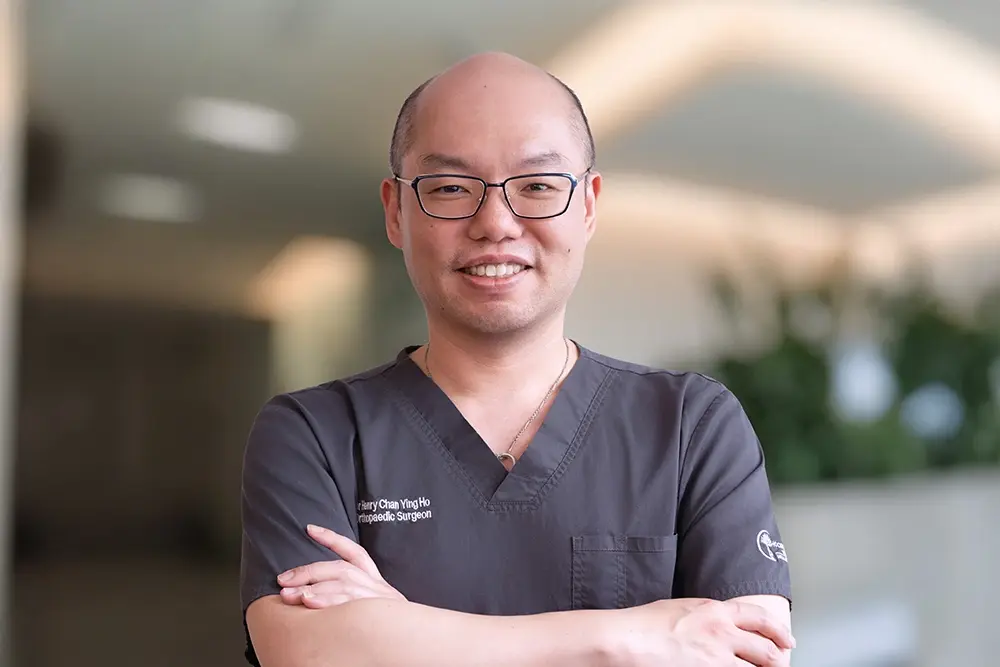
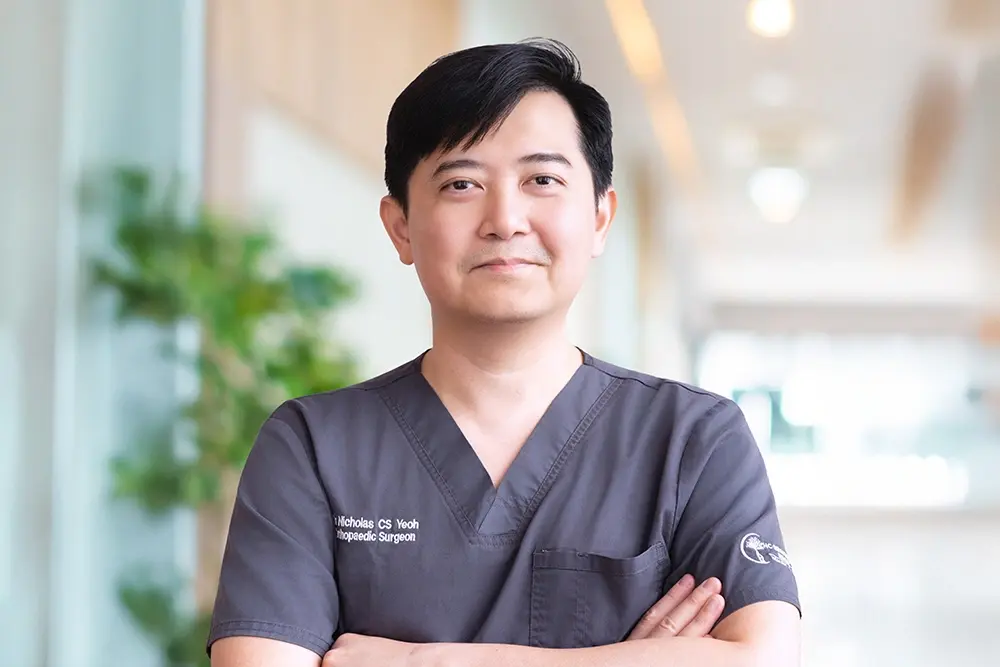
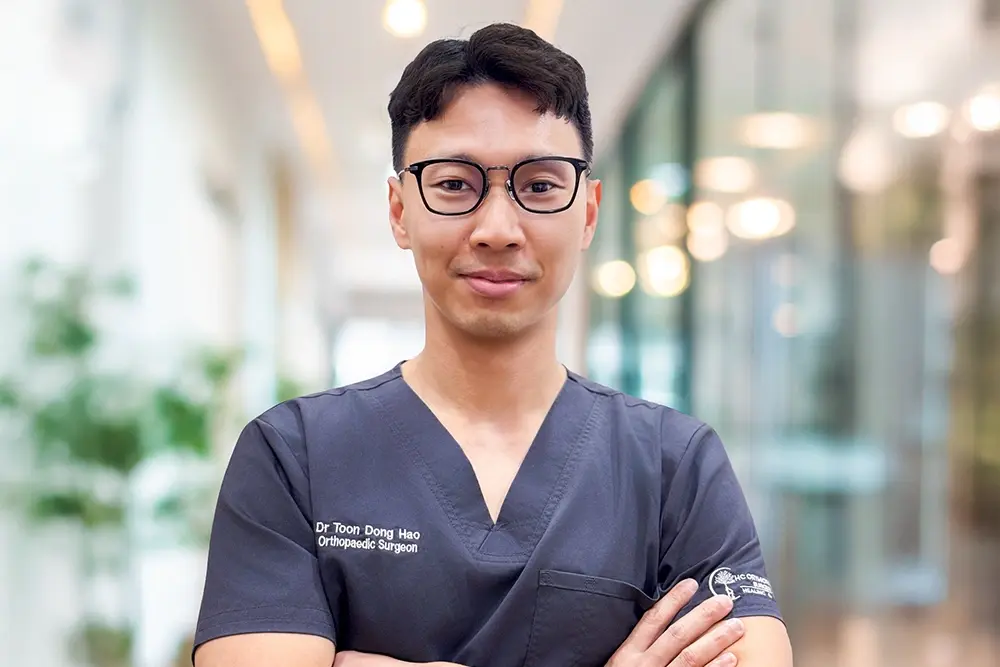
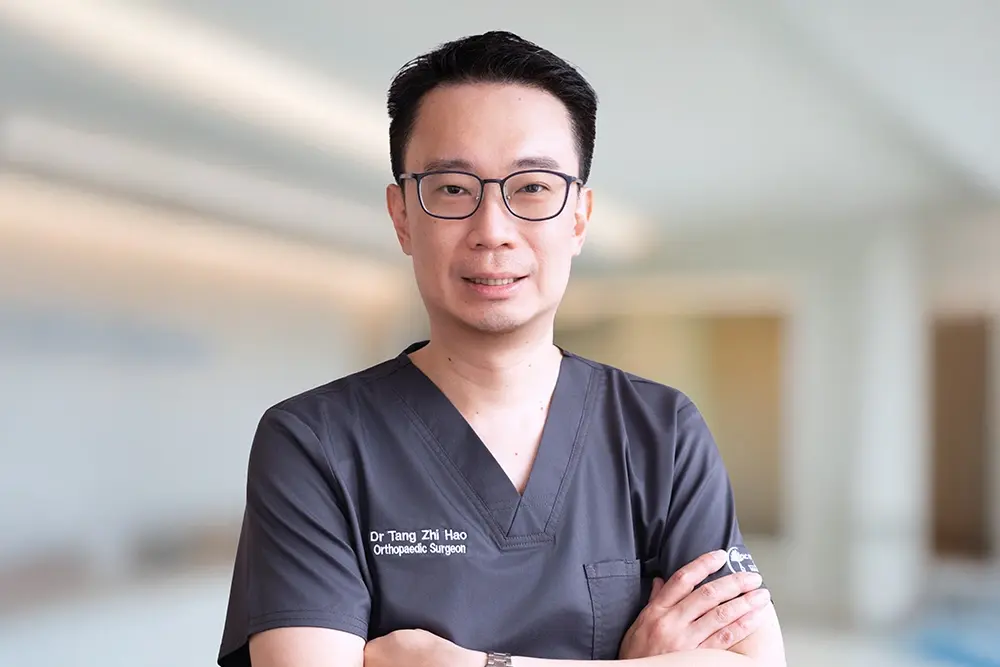
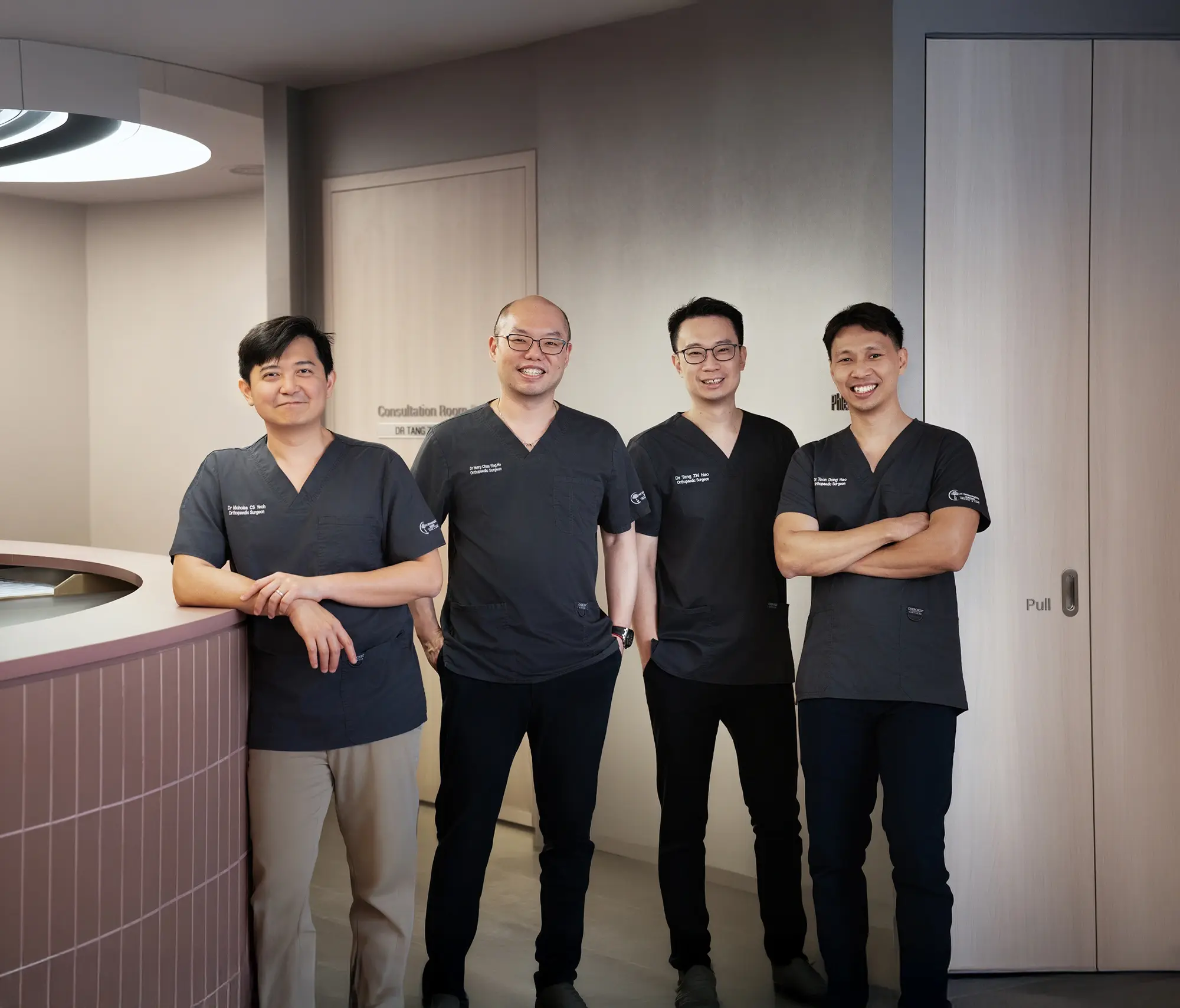
At HC Orthopaedic Surgery, patients with persistent ankle instability receive a thorough clinical assessment to determine whether conservative treatment or surgical reconstruction is most appropriate. The orthopaedic team, comprising Dr Henry Chan, Dr Nicholas Yeoh, Dr Toon Dong Hao and Dr Tang Zhi Hao, manages a wide spectrum of musculoskeletal conditions and applies established surgical techniques when ligament reconstruction is required. Care extends beyond the procedure itself, with structured rehabilitation and follow-up designed to restore ankle strength, coordination and long-term joint stability.
Frequently Asked Questions (FAQs) About Ankle Ligament Reconstruction
Will ankle ligament reconstruction change how my ankle feels long term?
What are the risks of graft reconstruction compared to direct repair?
How soon can I return to sports after ankle ligament reconstruction?
Will surgery affect long-term ankle flexibility?
Can ankle ligament reconstruction prevent future sprains?
Will ankle ligament reconstruction help with swelling that keeps coming back?
What happens if chronic ankle instability is left untreated?
Meet Our Specialist Team
Our team comprises Dr Henry Chan, Dr Nicholas Yeoh, Dr Toon Dong Hao, and Dr Tang Zhi Hao — experienced orthopaedic surgeons with subspecialty experience and a patient-centred approach to care.
Dr Henry Chan
Medical Director & Senior Consultant Orthopaedic Surgeon
MBBS (S’pore), MRCS (Edinburgh), MMed (Orthopaedic Surgery), FRCS (Edinburgh)
Dr Henry Chan is an experienced orthopaedic surgeon specialising in joint replacement and complex revision surgery. Trained at the renowned Helios Endo-Klinik in Germany under the MOH HMDP scholarship, he has performed over 1,000 joint replacements and specialises in computer-assisted and robotic joint replacement techniques for precise outcomes.
Dr Nicholas Yeoh
Senior Consultant Orthopaedic Surgeon
MBChB (Edinburgh), MRCS (Edinburgh), MMed (Orthopaedic Surgery), FRCS (Edinburgh)
Dr Nicholas Yeoh is an MOH-accredited orthopaedic specialist and Fellow of the Royal College of Surgeons of Edinburgh. Fellowship-trained in hip and knee reconstruction in Sydney under the MOH HMDP scholarship, he specialises in minimally invasive joint replacement, robotic surgery and advanced techniques that enhance recovery and surgical outcomes.
Dr Toon Dong Hao
Senior Consultant Orthopaedic Surgeon
MBChB (Leeds), MRCS (Edinburgh), MMed (Orthopaedic Surgery), FRCS (Edinburgh)
Dr Toon Dong Hao is a skilled orthopaedic surgeon and Fellow of the Royal College of Surgeons of Edinburgh. Fellowship-trained in Advanced Shoulder and Elbow Surgery in Sydney under the MOH HMDP scholarship, Dr Toon specialises in sports injuries, arthroscopic surgery and complex shoulder, elbow and knee procedures to restore function and mobility.
Dr Tang Zhi Hao
Senior Consultant Orthopaedic Surgeon
MBBS (S’pore), MRCS (Edinburgh), MMed (Orthopaedic Surgery), FRCS (Edinburgh)
Dr Tang Zhi Hao is a fellowship-trained orthopaedic surgeon specialising in foot and ankle conditions. He completed his Foot and Ankle Surgery fellowship at Severance Hospital, Yonsei University Health System in Seoul under Professor Jin Woo Lee. Prior to private practice, he served as Consultant and Deputy Head of Orthopaedics at Khoo Teck Puat Hospital.