HC Orthopaedic Surgery Logo

Achilles Tendon Surgery
in Singapore

Main Banner Decoration
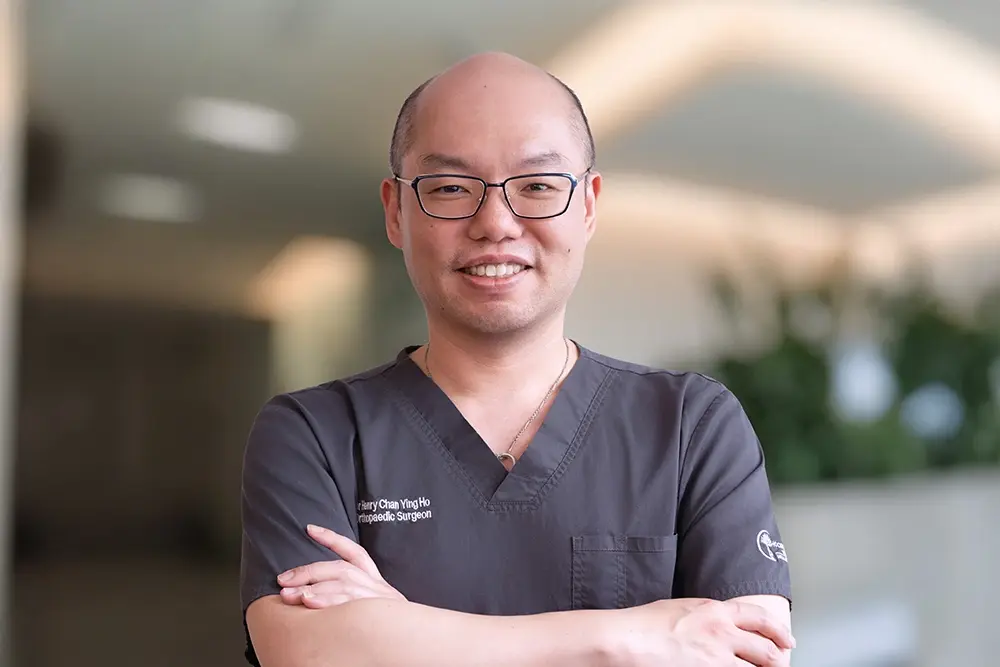
Dr Henry Chan
Dr Henry Chan
Medical Director & Senior Consultant Orthopaedic Surgeon
MBBS (S’pore), MRCS (Edinburgh), MMed (Orthopaedic Surgery), FRCS (Edinburgh)
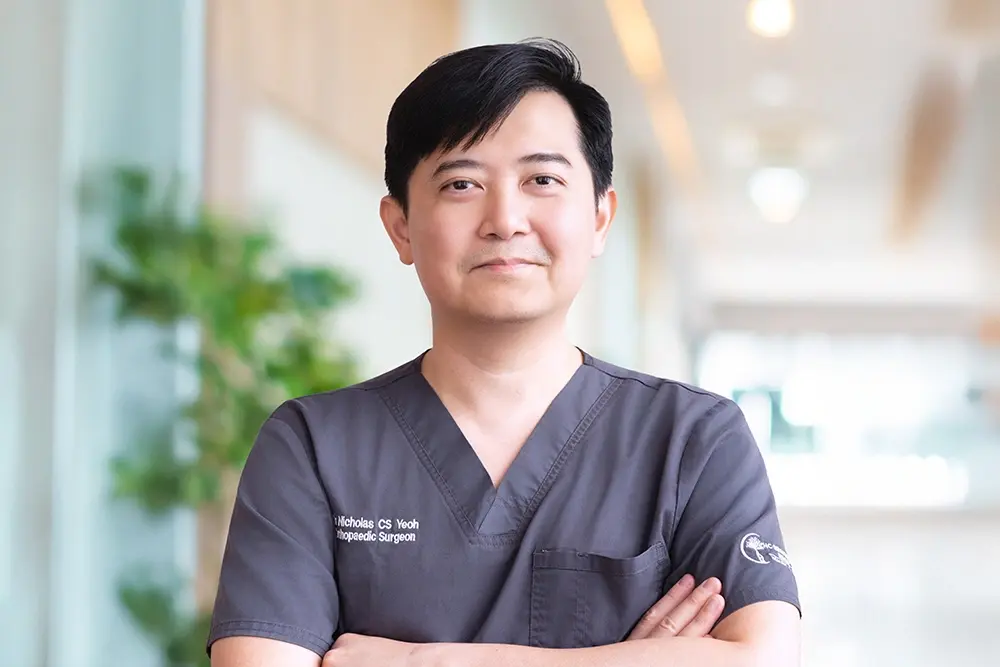
Dr Nicholas Yeoh
Dr Nicholas Yeoh
Senior Consultant Orthopaedic Surgeon
MBChB (Edinburgh), MRCS (Edinburgh), MMed (Orthopaedic Surgery), FRCS (Edinburgh)
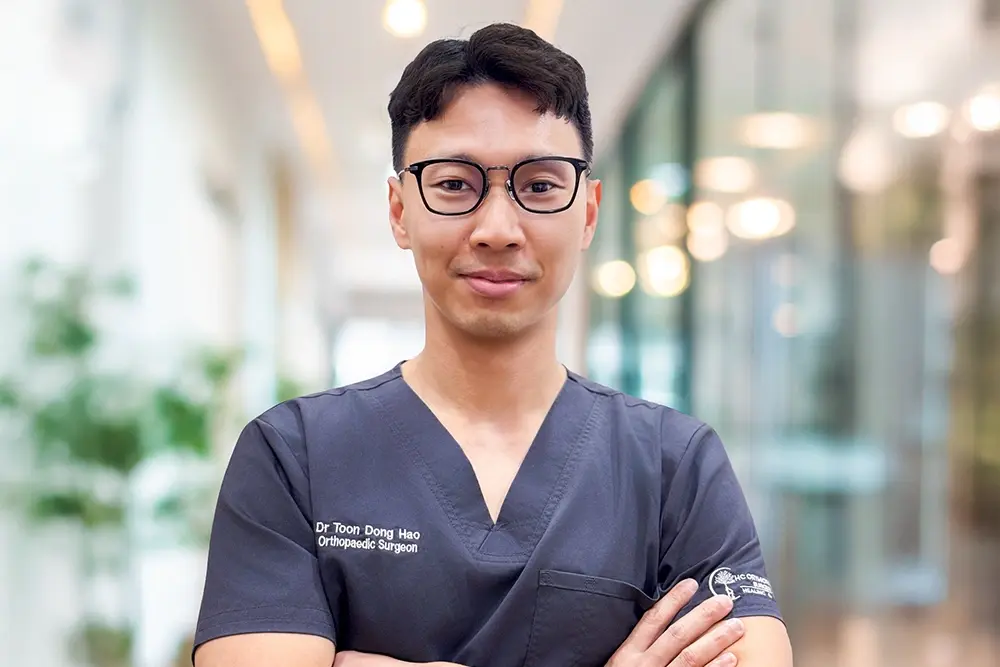
Dr Toon Dong Hao
Dr Toon Dong Hao
Senior Consultant Orthopaedic Surgeon
MBChB (Leeds), MRCS (Edinburgh), MMed (Orthopaedic Surgery), FRCS (Edinburgh)
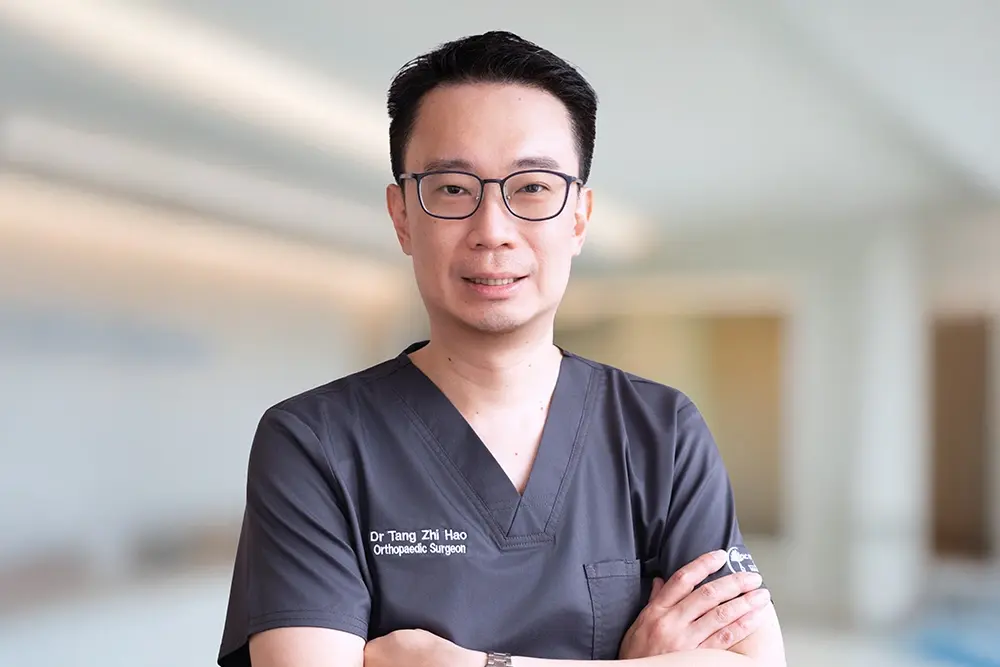
Dr Tang Zhi Hao
Dr Tang Zhi Hao
Senior Consultant Orthopaedic Surgeon
MBBS (S’pore), MRCS (Edinburgh), MMed (Orthopaedic Surgery), FRCS (Edinburgh)
Achilles Tendon Surgery

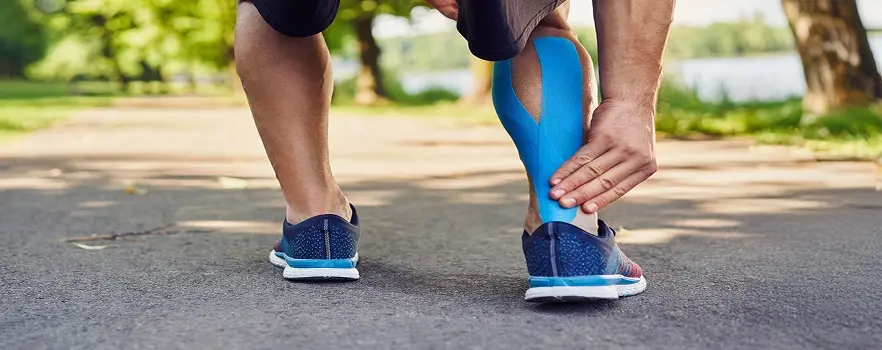
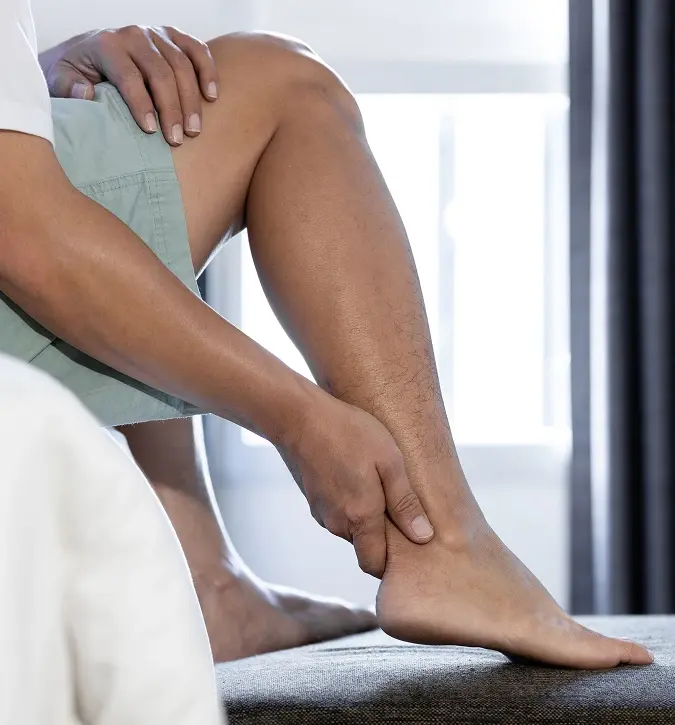
A sudden pop at the back of the ankle during sport, followed by sharp pain, swelling and difficulty walking, is a common way an Achilles tendon rupture presents. Many people describe the sensation as being kicked or struck from behind, only to realise no one was there. In other cases, pain may have been building for weeks or months due to tendon degeneration, before a simple movement such as pushing off to sprint, jump or climb stairs led to a complete tear.

Achilles tendon surgery is most often recommended after a full rupture, particularly for individuals who are active, intend to return to sport or have physically demanding work. It may also be advised when the torn ends of the tendon have separated significantly, or when non-surgical treatment is unlikely to restore adequate strength and function. The aim of surgery is to repair the torn tendon, restore stability and reduce the risk of re-rupture, supporting a safe return to daily activities and exercise.

When Surgery Becomes Necessary

What Is Achilles Tendon Surgery and Who Needs It?
How Are Shoulder Impingement Diagnosed

Achilles tendon surgery is performed to repair or reconstruct the tendon that connects the calf muscles to the heel bone. This specialised procedure restores continuity and appropriate tension in the tendon, allowing effective push-off during walking, running and jumping. In more complex cases, reconstruction techniques may be required if the tendon is severely degenerated or elongated.

Surgery is typically considered for patients who:

  • Have a complete rupture of the tendon, often felt as a sudden pop at the back of the ankle, followed by difficulty pushing off, standing on tiptoes or walking normally.
  • Have chronic Achilles tendinopathy that has not improved despite appropriate non-surgical treatment such as physiotherapy and activity modification.
  • Experience significant partial tears or recurrent injury that leads to persistent weakness and functional limitation.
  • Have marked tendon degeneration, elongation or a gap between torn ends that is unlikely to heal adequately without surgical repair.

The decision to proceed with surgery depends on the severity of the Achilles tendon injury, tendon quality, activity demands and individual goals, with the aim of restoring strength and enabling a safe return to daily activities and sport.

At HC Orthopaedic Surgery, our ankle specialists provide stage-appropriate, evidence-based assessment to ensure you receive the most suitable treatment, whether surgical repair or non-surgical care.
Your Journey

What to Expect From Achilles Tendon Surgery?

Achilles tendon surgery involves careful assessment, precise repair of the torn tendon and structured rehabilitation to support safe healing. Each stage focuses on restoring tendon continuity, calf strength and ankle stability.

1

How to Prepare

Before surgery, your orthopaedic surgeon will perform a thorough clinical assessment. Imaging such as ultrasound or MRI may be used to evaluate the extent of the tear and tendon quality.
Your medical history, medications and activity level will be reviewed. You may be advised to stop certain medications, including blood-thinning agents, before the procedure. Clear pre-operative instructions will be provided to reduce surgical risk and support recovery.
2

Procedure Overview

The operation is usually performed under regional or general anaesthesia. In an acute rupture, the torn ends of the tendon are identified and stitched together to restore appropriate tension and alignment.
In more complex or chronic cases, where the tendon is degenerated, retracted or elongated, augmentation or reconstruction techniques may be required. Some patients may be suitable for minimally invasive approaches, depending on the injury pattern and surgeon assessment.
The procedure typically takes one to two hours.
3

Aftercare and Recovery

After surgery, the ankle is immobilised in a cast or walking boot with the foot positioned to protect the repair. Weight-bearing is usually limited in the initial phase.
Rehabilitation progresses gradually over several months. Guided physiotherapy plays an essential role in restoring range of motion, strength and balance. Light activities may resume once sufficient healing and control are achieved, while return to running and high-impact sport generally takes several months and depends on individual recovery.
Regular follow-up helps monitor healing and reduce the risk of complications, including stiffness or re-rupture.
At HC Orthopaedic Surgery, we guide patients with Achilles tendon injuries from precise diagnosis and tailored repair planning to structured, sport-conscious rehabilitation, with close follow-up to protect the repair and optimise strength recovery.

Why It Happens

How Achilles Tendon Surgery Restores Strength and Stability

Achilles tendon surgery is designed to restore tendon continuity and strength after a rupture or severe tear, enabling the calf muscles to function effectively again. By repairing or reconstructing the damaged tendon, the procedure addresses the structural problem that limits push-off power, stability and walking ability.

  1. Restored Push-Off Strength

    Reconnecting the torn tendon helps re-establish proper tension, allowing the calf muscles to generate force for walking, climbing stairs and controlled return to sport.

  2. Improved Ankle Stability

    A secure repair supports better control of the ankle during weight-bearing activities, reducing the feeling of weakness or giving way.

  3. Reduced Risk of Tendon Elongation

    In complete ruptures, healing without surgery may result in tendon lengthening in some patients, which can affect strength. Surgical repair aims to restore more appropriate tendon length and alignment.

  4. Enhanced Functional Recovery

    With structured rehabilitation, patients can progressively regain range of motion, balance and coordination for daily activities and higher-level physical demands.

  5. Support for Active Lifestyles

    For individuals who participate in sports or physically demanding work, surgery may provide a more predictable pathway towards regaining strength and returning to pre-injury activity levels, where clinically appropriate.

Know Your Risk Profile

Potential Risks and Complications of Achilles Tendon Surgery

Achilles tendon surgery is generally safe when performed by an experienced orthopaedic surgeon, but as with any operation, there are potential risks. Understanding these helps you make an informed decision and recognise symptoms early during recovery.

  1. Wound Healing Problems

    The skin at the back of the ankle has a relatively limited blood supply. This can increase the risk of delayed wound healing, wound breakdown or superficial infection, particularly in smokers or patients with diabetes.

  2. Infection

    Although uncommon, deep infection can occur and may require antibiotics or, in rare cases, further surgery. Careful surgical technique and appropriate aftercare reduce this risk.

  3. Nerve Irritation or Numbness

    Small sensory nerves around the incision site may be stretched or irritated, leading to numbness, tingling or sensitivity along the heel or outer foot. This is often mild but can occasionally persist.

  4. Re-rupture

    There is a small risk that the tendon may tear again, especially if excessive strain is placed on it before adequate healing. Following rehabilitation guidelines closely helps reduce this risk.

  5. Tendon Stiffness or Weakness

    Some patients may experience stiffness, calf weakness or reduced endurance during recovery. Structured physiotherapy is important to restore strength and mobility progressively.

At HC Orthopaedic Surgery, meticulous surgical technique, careful patient selection and structured post-operative rehabilitation are prioritised to minimise complications and support safe, reliable healing.
Investment In Your Health

Cost of Achilles Tendon Surgery in Singapore
The cost of Achilles tendon surgery in Singapore varies depending on the nature of the tendon injury, the surgical technique required, hospital charges and the length of hospital stay. An individual consultation is necessary to provide an accurate estimate, as treatment plans are tailored to the extent of the tear, tendon quality, overall health and activity goals.

Key Cost Drivers

Factors that influence the overall cost include:

1

Type of procedure

Acute primary tendon repair is generally less complex than reconstruction or augmentation for chronic ruptures, which may involve additional surgical time and specialised techniques.
2

Surgical complexity

Delayed presentation, tendon retraction or significant degeneration may increase operating time and associated fees.
3

Hospital stay

Some patients may be discharged after a short stay, while others may require longer monitoring depending on medical needs and recovery progress.
4

Anaesthesia and operating time

More complex repairs typically require longer theatre time and anaesthesia services.
5

Post-operative care

Follow-up consultations, protective boots or braces and structured physiotherapy form part of the overall treatment cost.
Financial Support Available

Insurance and Financing

Achilles tendon surgery may be claimable under MediSave and MediShield Life, subject to prevailing withdrawal limits and eligibility criteria. Many Integrated Shield Plans and private insurance policies also cover a portion of hospital and surgical fees, depending on your policy and ward selection.

Our team can assist with insurance pre-authorisation, clarify your coverage and provide a detailed cost estimate so you understand potential out-of-pocket expenses before proceeding with surgery.

Guiding You Towards Recovery
Welcome to HC Orthopaedic Surgery
Guiding You Towards Recovery

Guiding You Through Achilles Tendon Repair and Recovery

Achilles tendon surgery offers a structured solution for patients with complete ruptures or severe tendon degeneration who have been advised that repair is the most appropriate course of treatment. By restoring tendon continuity and appropriate tension, the procedure aims to recover push-off strength, improve ankle stability and support a safe return to daily activities and sport. With careful patient selection, precise surgical technique and closely guided rehabilitation, meaningful functional recovery can be achieved over time.

HC Orthopaedic Surgery Logo

Our Specialised Team

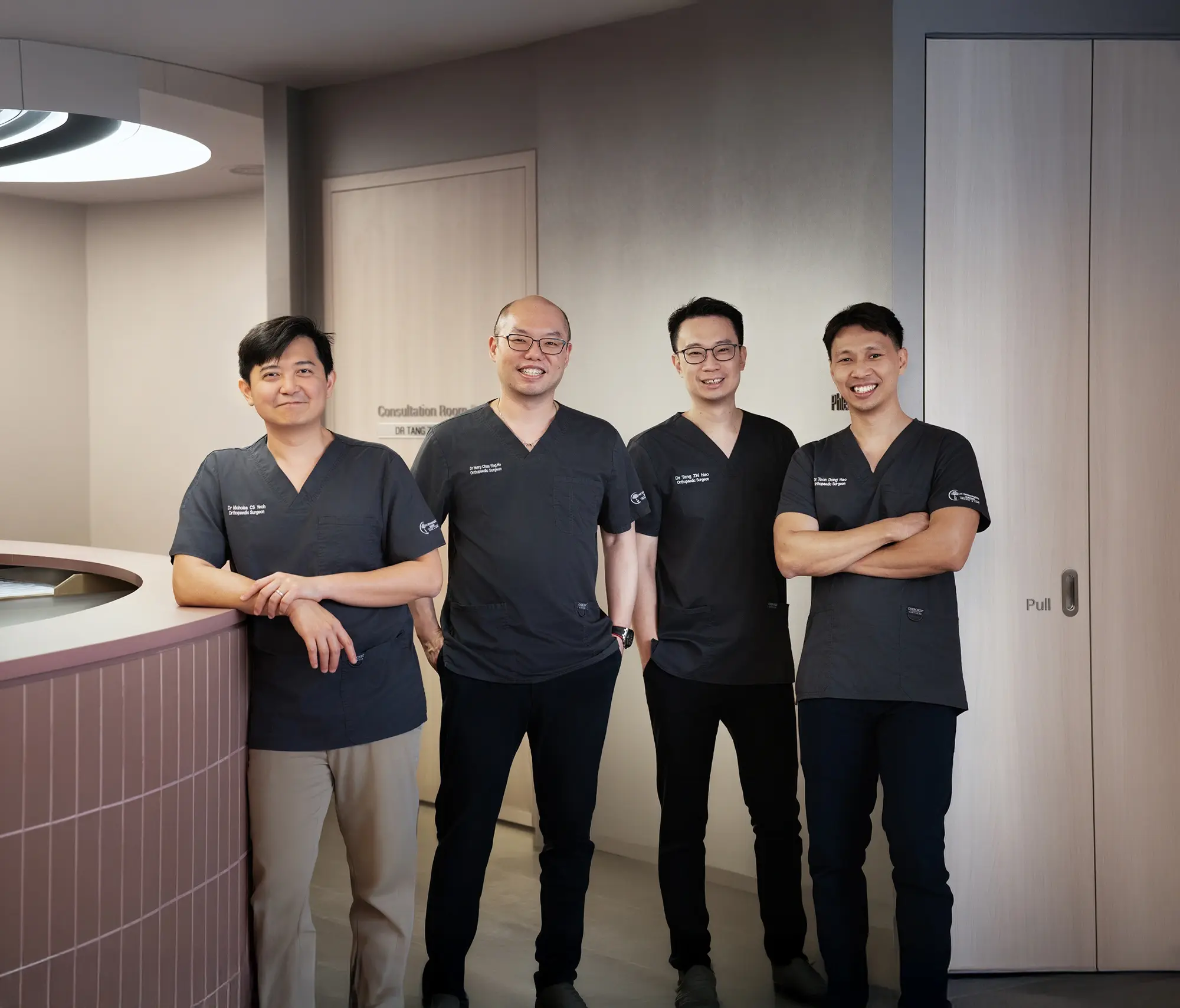
At HC Orthopaedic Surgery, patients with Achilles tendon ruptures and severe tears undergo detailed clinical and imaging assessment to determine whether non-surgical care or timely surgical repair is most appropriate. Led by Dr Henry Chan together with Dr Nicholas Yeoh, Dr Toon Dong Hao and Dr Tang Zhi Hao, the team applies evidence-based techniques to restore tendon integrity, optimise repair tension and reduce the risk of re-rupture. From early protection in a controlled boot programme to progressive, calf-focused rehabilitation, care is structured to support secure healing and a measured return to walking, work and sport.

Your Questions Answered

Frequently Asked Questions (FAQs) About Achilles Tendon Surgery

How soon can I resume running or high-impact sports?

Return to running and high-impact activity varies depending on tendon healing, strength recovery and rehabilitation progress. Light jogging may begin several months after surgery in suitable patients, while competitive or pivoting sports often require a longer recovery period. A gradual, supervised increase in load is essential to reduce the risk of re-injury.

Is achilles tendon surgery suitable for athletes?

Athletes with complete ruptures or significant functional deficits may benefit from surgical repair, particularly if they intend to return to high-level sport. The decision depends on the type of tear, timing of treatment and performance goals, and should be discussed individually with your surgeon.

Will I be able to walk normally after achilles tendon surgery?

Most patients regain functional walking ability following surgical repair and structured rehabilitation. Early recovery may involve crutches and protected weight-bearing, followed by progressive strengthening and gait retraining to restore balance and calf power.

Can achilles tendon surgery prevent future ruptures?

Surgical repair restores tendon continuity and appropriate tension, which may reduce the risk of re-rupture in selected patients. However, no procedure eliminates risk entirely. Adhering to rehabilitation guidelines is critical to protecting the repair.

Are there alternatives to achilles tendon surgery for achilles tendon rupture?

Some Achilles tendon ruptures may be managed non-surgically with immobilisation and a structured rehabilitation protocol. This approach may be suitable for selected patients with lower physical demands. Complete ruptures in active individuals, or cases with significant tendon separation, are more commonly considered for surgical repair.

Will I experience long-term limitations after surgery?

Many patients return to their previous level of daily activity after adequate healing and rehabilitation. Higher-impact sport may require a longer recovery period, and outcomes can vary depending on injury severity, tendon quality and adherence to rehabilitation. Regular follow-up helps monitor progress and guide safe return to activity.
Our Orthopaedic Specialists

Meet Our Specialist Team

Our team comprises Dr Henry Chan, Dr Nicholas Yeoh, Dr Toon Dong Hao, and Dr Tang Zhi Hao — experienced orthopaedic surgeons with subspecialty experience and a patient-centred approach to care.

Dr Henry Chan

Dr Henry Chan

Medical Director & Senior Consultant Orthopaedic Surgeon

MBBS (S’pore), MRCS (Edinburgh), MMed (Orthopaedic Surgery), FRCS (Edinburgh)

Dr Henry Chan is an experienced orthopaedic surgeon specialising in joint replacement and complex revision surgery. Trained at the renowned Helios Endo-Klinik in Germany under the MOH HMDP scholarship, he has performed over 1,000 joint replacements and specialises in computer-assisted and robotic joint replacement techniques for precise outcomes.

About Dr Chan
Dr Nicholas Yeoh

Dr Nicholas Yeoh

Senior Consultant Orthopaedic Surgeon

MBChB (Edinburgh), MRCS (Edinburgh), MMed (Orthopaedic Surgery), FRCS (Edinburgh)

Dr Nicholas Yeoh is an MOH-accredited orthopaedic specialist and Fellow of the Royal College of Surgeons of Edinburgh. Fellowship-trained in hip and knee reconstruction in Sydney under the MOH HMDP scholarship, he specialises in minimally invasive joint replacement, robotic surgery and advanced techniques that enhance recovery and surgical outcomes.

About Dr Yeoh
Dr Toon Dong Hao

Dr Toon Dong Hao

Senior Consultant Orthopaedic Surgeon

MBChB (Leeds), MRCS (Edinburgh), MMed (Orthopaedic Surgery), FRCS (Edinburgh)

Dr Toon Dong Hao is a skilled orthopaedic surgeon and Fellow of the Royal College of Surgeons of Edinburgh. Fellowship-trained in Advanced Shoulder and Elbow Surgery in Sydney under the MOH HMDP scholarship, Dr Toon specialises in sports injuries, arthroscopic surgery and complex shoulder, elbow and knee procedures to restore function and mobility.

About Dr Toon
Dr Tang Zhi Hao

Dr Tang Zhi Hao

Senior Consultant Orthopaedic Surgeon

MBBS (S’pore), MRCS (Edinburgh), MMed (Orthopaedic Surgery), FRCS (Edinburgh)

Dr Tang Zhi Hao is a fellowship-trained orthopaedic surgeon specialising in foot and ankle conditions. He completed his Foot and Ankle Surgery fellowship at Severance Hospital, Yonsei University Health System in Seoul under Professor Jin Woo Lee. Prior to private practice, he served as Consultant and Deputy Head of Orthopaedics at Khoo Teck Puat Hospital.

About Dr Tang
HC Orthopaedic Surgery Logo
HC Orthopaedics Team
Hi There!
We provide comprehensive orthopaedic care for bone, joint, and muscle conditions, offering both non-surgical and surgical treatments focused on relieving pain, restoring movement, and supporting long-term recovery.
How can we help you today?