
Achilles Tendon Injuries:
Types, Symptoms and Treatments

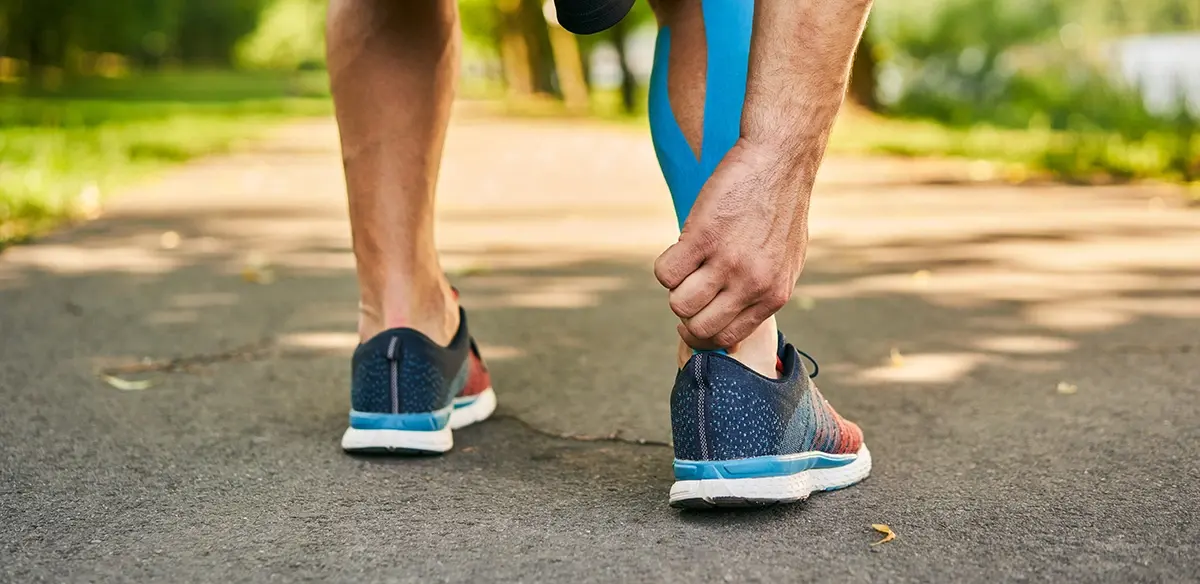
You do not have to be a professional athlete to injure your Achilles tendon. Many cases occur in working adults who squeeze in weekend football, evening runs or gym sessions after long hours at a desk. A sudden sprint, quick pivot or push-off can trigger pain at the back of the ankle, and in more serious cases, a complete rupture.
The Achilles tendon is the thick, fibrous band at the back of your ankle that connects your calf muscles to your heel bone. It allows you to push off the ground when walking, climb stairs, jump and accelerate. It absorbs significant force with every step. When the load exceeds its capacity, strain, degeneration or tearing can occur. Injuries may develop gradually over time or occur suddenly during a forceful movement. Understanding how Achilles tendon injuries present, how they are diagnosed and how they are treated can help you seek timely care and reduce the risk of long-term weakness or re-injury.
Signs and Symptoms of Common Achilles Tendon Injuries
Achilles tendon injuries can range from gradual overuse conditions to sudden traumatic ruptures. The symptoms often depend on the type and severity of the injury.
Partial Tear of the Achilles Tendon
A partial tear occurs when some, but not all, of the tendon fibres are disrupted. This may happen during a forceful push-off, jump or sudden change in direction.
Symptoms may include:
- Sudden sharp pain at the back of the ankle
- Swelling and tenderness along the tendon
- Pain when walking or pushing off
- Weakness compared to the uninjured side
Unlike a complete rupture, some movement is still possible, although it may be painful.
Complete Achilles Tendon Rupture
A complete rupture is a full tear of the tendon. It often occurs during sudden acceleration, jumping or pivoting movements.
Typical features include:
- A sudden “pop” or snapping sensation
- Immediate pain, sometimes followed by reduced pain shortly after
- Difficulty walking or pushing off the foot
- Inability to stand on tiptoe on the affected side
- A visible or palpable gap in the tendon in some cases
A complete rupture usually requires urgent medical evaluation to determine whether surgical or non-surgical treatment is appropriate.
Achilles Tendinopathy (Non-Insertional and Insertional)
Achilles tendinopathy, often referred to as tendonitis, is the most common form of Achilles injury. It usually develops gradually due to repetitive strain rather than a single traumatic event. Symptoms may start subtly and worsen over time if activity continues without adequate recovery.
Non-Insertional Achilles Tendinopathy
This affects the mid-portion of the tendon, typically about 2 to 6 cm above where it attaches to the heel bone.
Common signs and symptoms include:
Dull or aching pain along the middle of the tendon
Morning stiffness that improves with light movement
Tenderness when squeezing the tendon
Mild swelling or thickening in the affected area
Pain that worsens after running or jumping activities
Over time, the tendon may feel nodular or thickened due to degenerative changes within the fibres.
Insertional Achilles Tendinopathy
This occurs at the point where the tendon attaches to the heel bone.
Symptoms may include:
Pain and tenderness directly at the back of the heel
Discomfort when wearing shoes that press against the area
Swelling or a bony prominence at the tendon insertion
Pain during uphill walking, stair climbing or push-off movements
Insertional tendinopathy may sometimes be associated with small bone spurs or irritation of the surrounding tissues.
Why It Happens
What Are the Common Causes of Achilles Tendon Injuries?
These injuries typically occur when the load placed on the tendon exceeds its structural strength, often due to sudden changes in activity.
Sudden Increases in Physical Activity
So-called “weekend warriors” are particularly vulnerable. When someone who is usually less active suddenly participates in high-intensity sport, sprinting or jumping, the tendon may not be conditioned to handle the sudden spike in load. This rapid overload can lead to micro-damage within the tendon or, in more severe cases, a partial or complete tear.
Explosive or High-force Movements
Sudden acceleration, jumping, pivoting or pushing off forcefully can place very high tensile stress on the Achilles tendon. Many ruptures occur during these explosive movements rather than during steady jogging or walking, especially if the tendon has already been weakened.
Repetitive Strain and Overuse
Repeated loading without adequate recovery can cause cumulative microtrauma. Over time, the tendon may undergo degenerative changes, leading to pain, stiffness and reduced resilience.
Know Your Risk Profile
What Are the Risk Factors for Achilles Tendon Injuries?
Certain factors increase susceptibility to injury by reducing the tendon’s resilience or altering how forces are transmitted through it.
Age and Reduced Tendon Elasticity
Achilles ruptures are most commonly seen in men aged 30 to 50. As we age, the tendon gradually becomes less elastic and less able to tolerate sudden high loads. This makes it more susceptible to tearing during explosive movements.
Tight Calf Muscles or Limited Ankle Mobility
Limited flexibility increases the strain transmitted through the Achilles tendon during walking and running. When the calf muscles are tight, the tendon must absorb greater force with each step, increasing the risk of overload.
Foot Mechanics
Excessive pronation or altered foot alignment can change how forces are distributed through the ankle and tendon. Over time, abnormal loading patterns may contribute to irritation or degeneration.
Use of Certain Medications
Certain antibiotics (such as fluoroquinolones) and long-term steroid use have been linked to an increased risk of tendon ruptures. These medications can weaken the collagen structures that give the tendon its strength.
At HC Orthopaedic Surgery, our foot and ankle specialists provide comprehensive care for Achilles tendon injuries, tailoring treatment to the severity of the condition to support a safe recovery.
Understanding Your Evaluation
How Are Achilles Tendon Injuries Diagnosed?
Diagnosis begins with a detailed history and physical examination. Your specialist will assess how the symptoms started, whether there was a sudden injury or gradual onset of pain, and how the condition affects walking or activity. A focused examination of the calf and ankle helps determine the severity and type of injury.
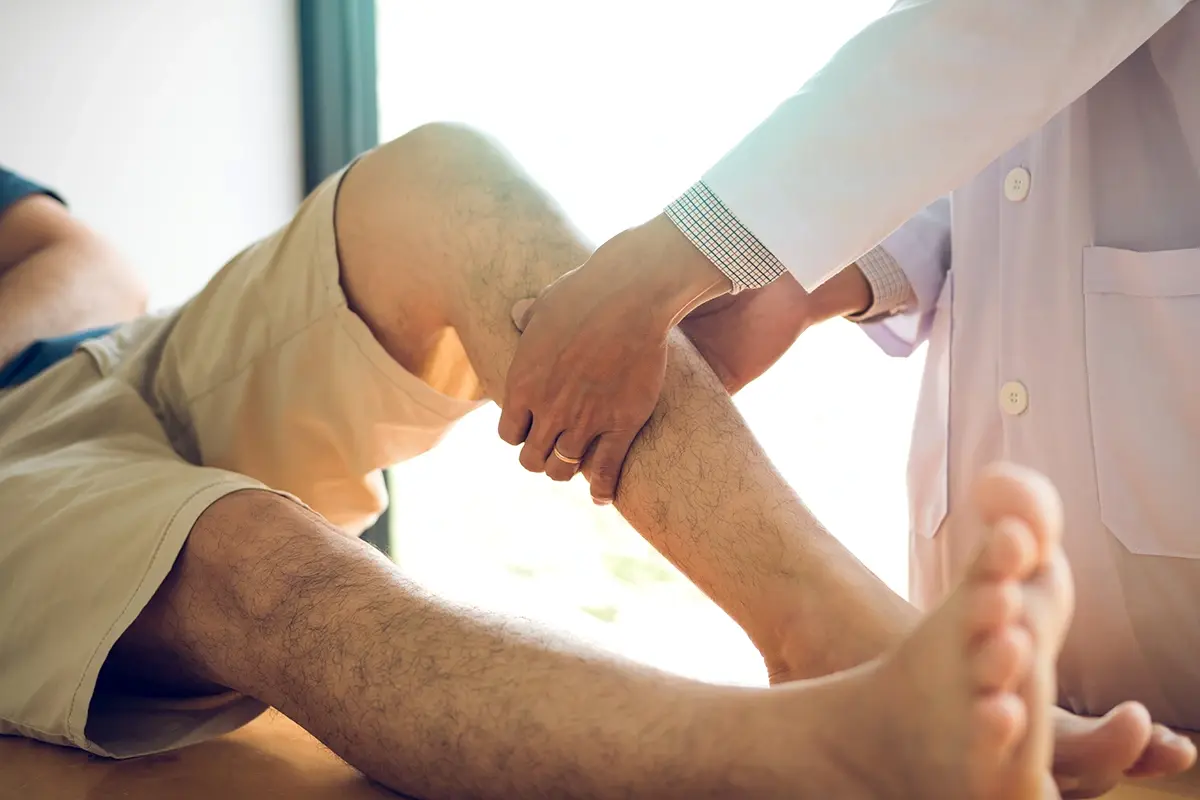
The Thompson (Squeeze) Test
During this test, you will lie face down while the specialist gently squeezes your calf muscle. In a normal tendon, this action causes the foot to automatically point downward, known as plantarflexion. If the foot does not move, it is a classic clinical sign of a complete Achilles tendon rupture.
Palpation and Movement Analysis
The tendon is examined for localised tenderness, swelling or thickening. In cases of rupture, a palpable gap along the tendon may be felt. Your gait is assessed, and you may be asked to perform a single-leg heel raise. Difficulty or inability to lift the heel off the ground can indicate significant tendon dysfunction.
Ultrasound and MRI Scans
Ultrasound imaging allows real-time assessment of the tendon and can identify thickening, partial tears or a complete rupture. It is often used as a first-line imaging tool. MRI provides more detailed evaluation of the tendon structure and surrounding soft tissues. It is particularly useful for assessing the extent of tearing, measuring tendon retraction in ruptures and planning surgical treatment when required.
Achilles Tendon Injury Treatments in Singapore
Treatment for an Achilles tendon injury depends on the type and severity of the condition, as well as your activity level and recovery goals. Our clinic’s main aims are to relieve pain, promote tendon healing and restore strength and function while reducing the risk of re-injury.
Non-Surgical Treatment
Many cases of Achilles tendinopathy and some tendon ruptures can be managed without surgery.
Activity Modification
Reducing or temporarily stopping high-impact activities allows the tendon time to recover. Low-impact alternatives such as cycling or swimming may be recommended during the healing phase.
Physiotherapy and Structured Rehabilitation
A guided rehabilitation programme is central to recovery. This often includes progressive loading exercises, particularly eccentric strengthening, to improve tendon capacity and resilience.
Immobilisation for Ruptures
In selected cases of complete rupture, non-surgical treatment may involve wearing a walking boot with the foot positioned in slight plantarflexion to allow the torn ends to heal together. The position is gradually adjusted over several weeks under supervision.
Pain Management and Adjunct Therapies
Short-term pain relief measures and modalities such as shockwave therapy may be considered in chronic cases, depending on individual assessment.
Surgical Treatment
Surgery may be recommended for complete ruptures in active individuals, large partial tears, or cases that do not improve with conservative care.
Achilles Tendon Repair
For ruptures, the torn tendon ends are stitched back together to restore continuity and strength. Early controlled rehabilitation typically follows surgery to optimise recovery.
Debridement and Reconstruction
In chronic or degenerative cases that fail non-surgical management, damaged tendon tissue may be removed. In more severe cases, tendon reconstruction or augmentation may be required.
Rehabilitation and Recovery
Regardless of treatment approach, rehabilitation plays a critical role. Recovery timelines vary, but structured physiotherapy is essential to regain calf strength, ankle mobility and balance. Returning to high-impact sports usually requires several months and should be guided by clinical assessment.
Achilles Tendon Care at HC Orthopaedic Surgery
Achilles tendon injuries can range from gradual overuse conditions to sudden ruptures, and the right management depends on accurate diagnosis and timely intervention. Whether treated conservatively with structured rehabilitation or surgically for more severe tears, the goal is to restore tendon strength, protect long-term function and reduce the risk of re-injury.
Achilles Tendon Care at HC Orthopaedic Surgery
Achilles tendon injuries can range from gradual overuse conditions to sudden ruptures, and the right management depends on accurate diagnosis and timely intervention. Whether treated conservatively with structured rehabilitation or surgically for more severe tears, the goal is to restore tendon strength, protect long-term function and reduce the risk of re-injury.

Our Specialised Team
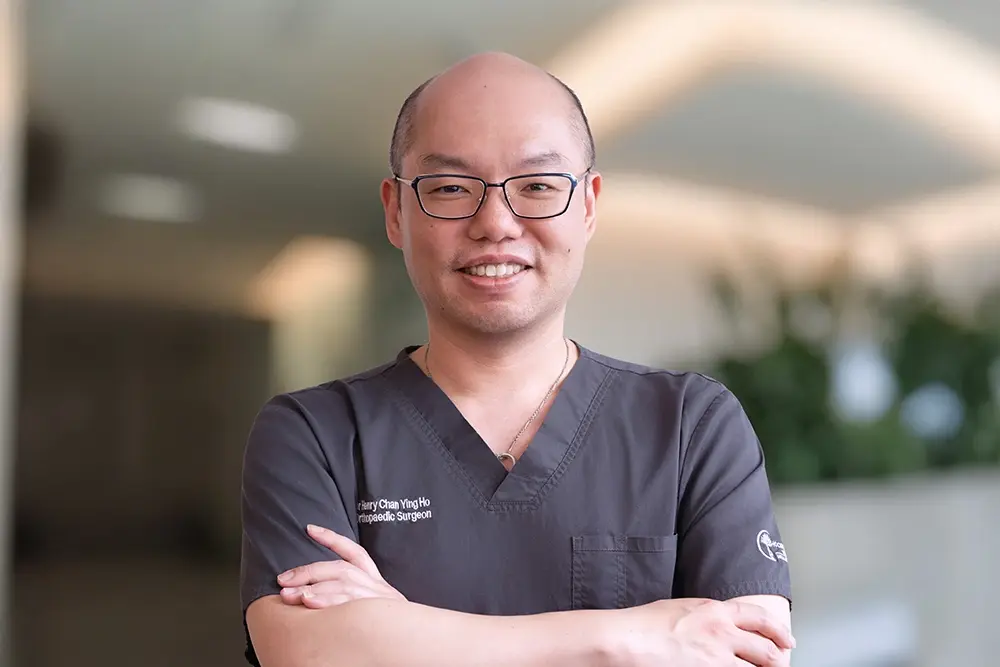
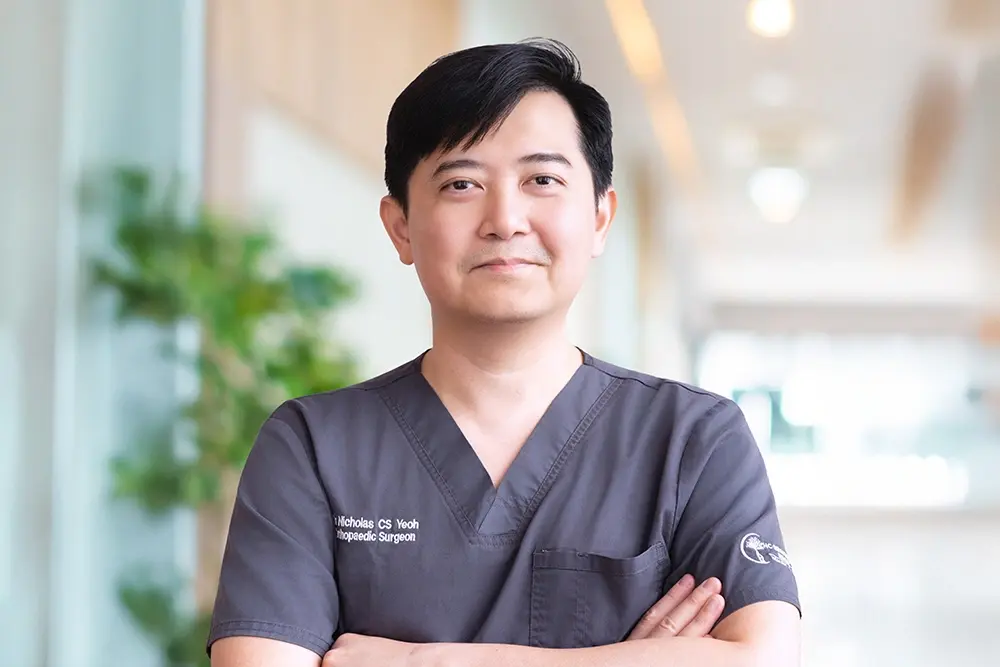
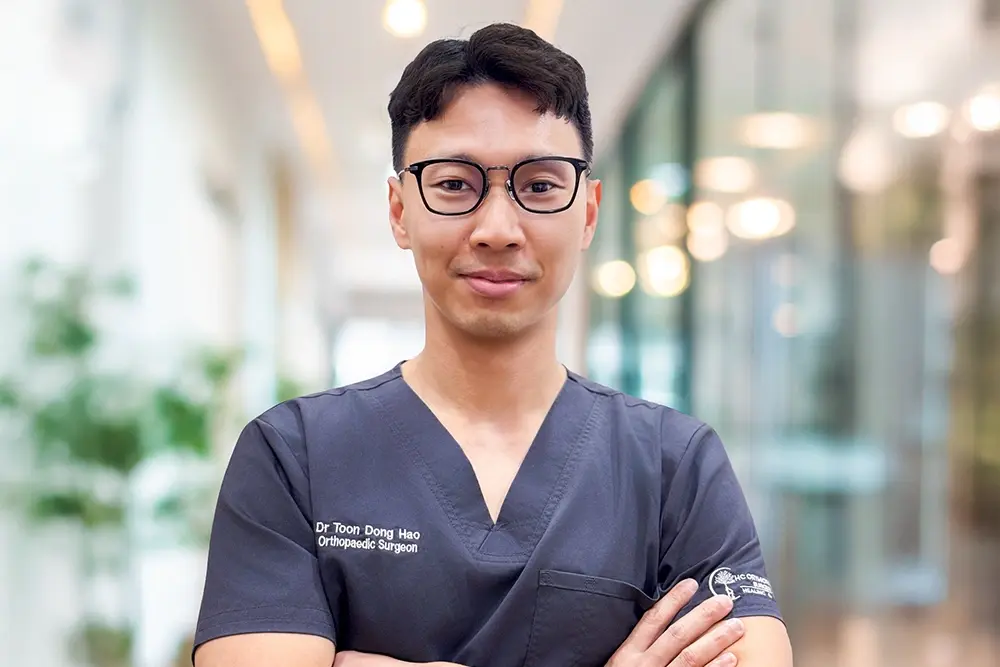
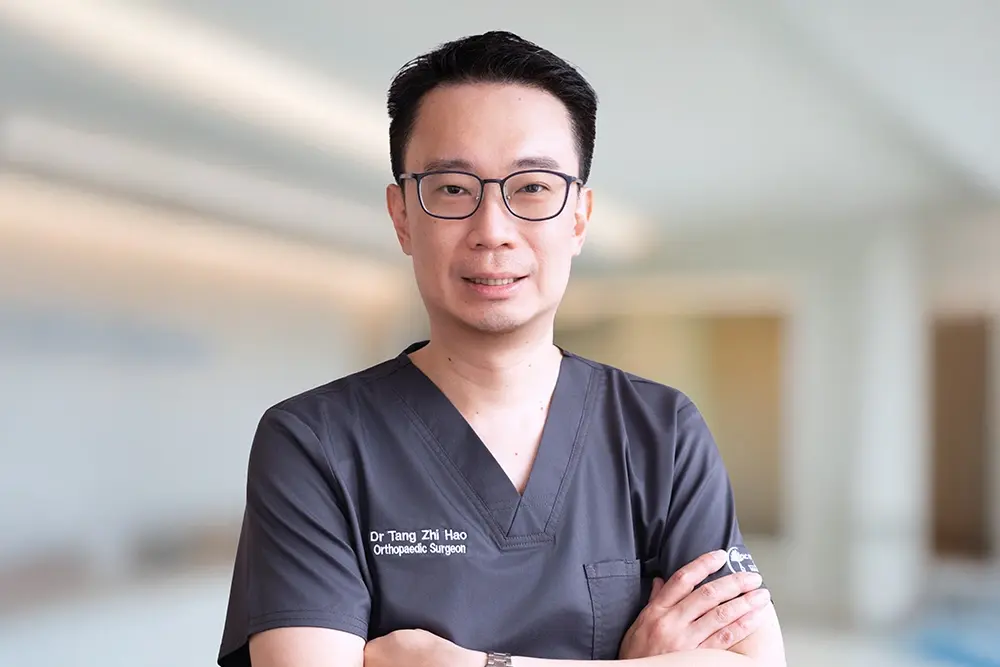
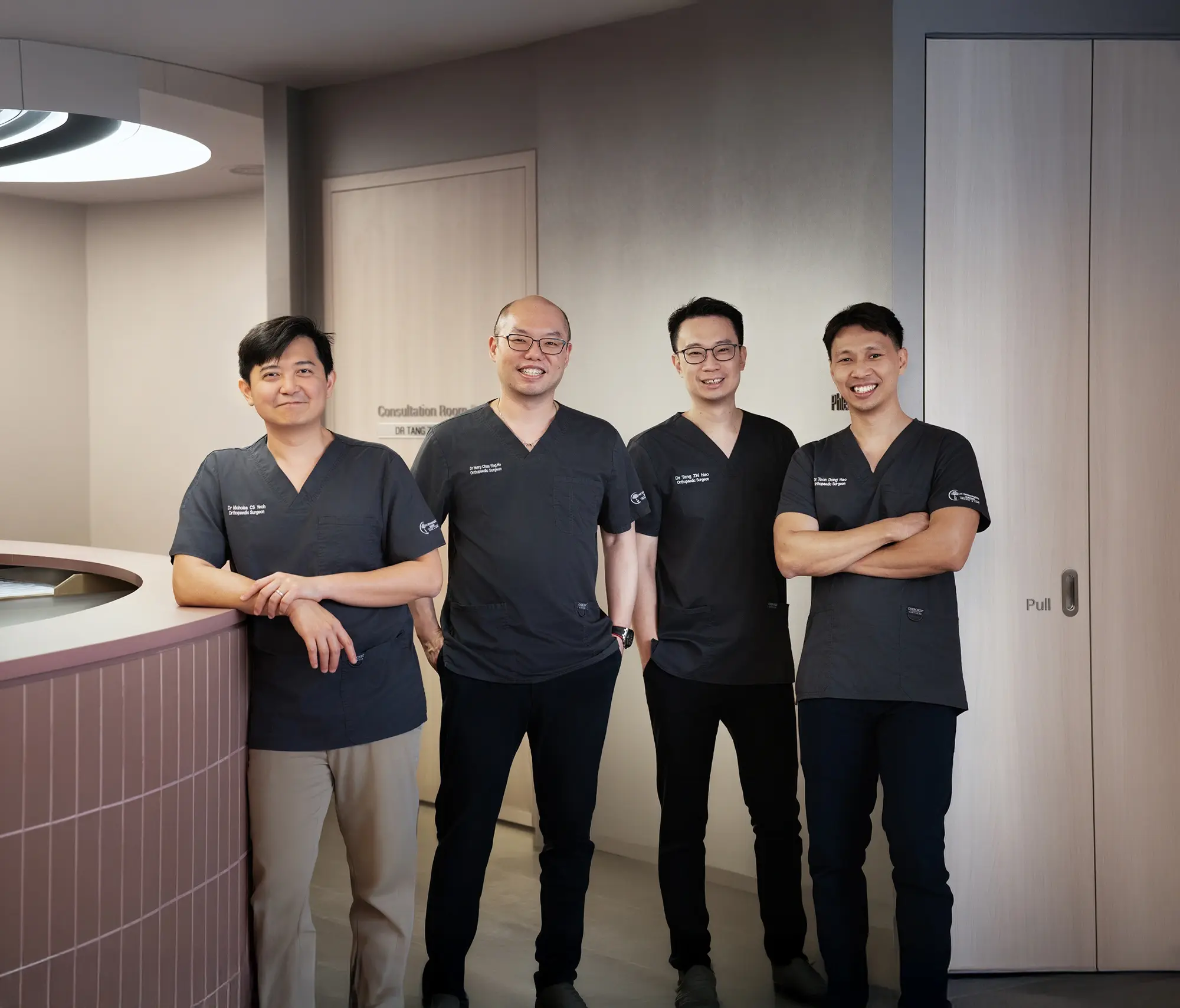
At HC Orthopaedic Surgery, we manage the full spectrum of Achilles tendon injuries, from tendinopathy to complex ruptures. The practice is led by Dr Henry Chan, together with Dr Nicholas Yeoh, Dr Toon Dong Hao and Dr Tang Zhi Hao, whose clinical interests include foot and ankle surgery, sports injuries, and fractures and trauma. Our team focuses on restoring tendon strength, preserving ankle function and supporting a confident return to sport and daily activity.
Frequently Asked Questions (FAQs) About Achilles Tendon Injuries
Can an Achilles tendon rupture heal without surgery?
How long does it take to walk again after an Achilles tendon injury?
Why does my Achilles tendon hurt more in the morning?
Are there exercises I should avoid with an Achilles injury?
What happens if an Achilles tendon rupture is left untreated?
What is the risk of re-rupture after an Achilles tendon injury?
When can I return to sports after an Achilles tendon injury?
Meet Our Specialist Team
Our team comprises Dr Henry Chan, Dr Nicholas Yeoh, Dr Toon Dong Hao, and Dr Tang Zhi Hao — experienced orthopaedic surgeons with subspecialty experience and a patient-centred approach to care.
Dr Henry Chan
Medical Director & Senior Consultant Orthopaedic Surgeon
MBBS (S’pore), MRCS (Edinburgh), MMed (Orthopaedic Surgery), FRCS (Edinburgh)
Dr Henry Chan is an experienced orthopaedic surgeon specialising in joint replacement and complex revision surgery. Trained at the renowned Helios Endo-Klinik in Germany under the MOH HMDP scholarship, he has performed over 1,000 joint replacements and specialises in computer-assisted and robotic joint replacement techniques for precise outcomes.
Dr Nicholas Yeoh
Senior Consultant Orthopaedic Surgeon
MBChB (Edinburgh), MRCS (Edinburgh), MMed (Orthopaedic Surgery), FRCS (Edinburgh)
Dr Nicholas Yeoh is an MOH-accredited orthopaedic specialist and Fellow of the Royal College of Surgeons of Edinburgh. Fellowship-trained in hip and knee reconstruction in Sydney under the MOH HMDP scholarship, he specialises in minimally invasive joint replacement, robotic surgery and advanced techniques that enhance recovery and surgical outcomes.
Dr Toon Dong Hao
Senior Consultant Orthopaedic Surgeon
MBChB (Leeds), MRCS (Edinburgh), MMed (Orthopaedic Surgery), FRCS (Edinburgh)
Dr Toon Dong Hao is a skilled orthopaedic surgeon and Fellow of the Royal College of Surgeons of Edinburgh. Fellowship-trained in Advanced Shoulder and Elbow Surgery in Sydney under the MOH HMDP scholarship, Dr Toon specialises in sports injuries, arthroscopic surgery and complex shoulder, elbow and knee procedures to restore function and mobility.
Dr Tang Zhi Hao
Senior Consultant Orthopaedic Surgeon
MBBS (S’pore), MRCS (Edinburgh), MMed (Orthopaedic Surgery), FRCS (Edinburgh)
Dr Tang Zhi Hao is a fellowship-trained orthopaedic surgeon specialising in foot and ankle conditions. He completed his Foot and Ankle Surgery fellowship at Severance Hospital, Yonsei University Health System in Seoul under Professor Jin Woo Lee. Prior to private practice, he served as Consultant and Deputy Head of Orthopaedics at Khoo Teck Puat Hospital.