
Tennis Elbow:
Symptoms, Causes and Treatments in Singapore

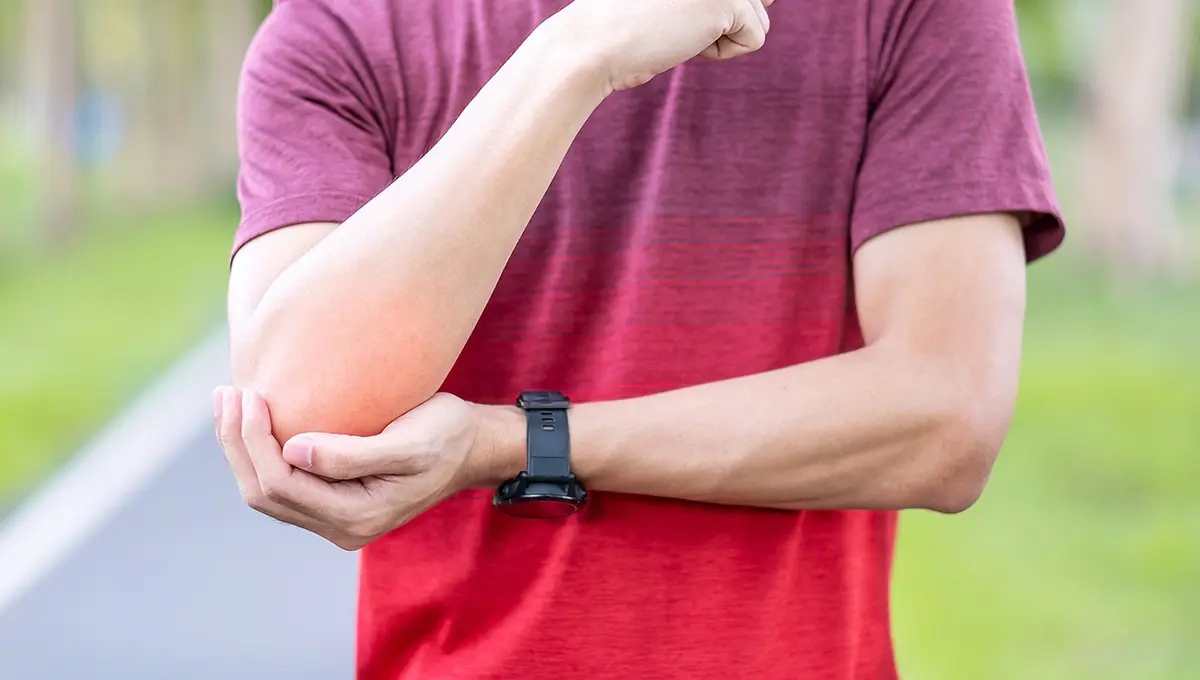
Tennis elbow can make even simple daily tasks uncomfortable, from lifting a coffee cup to typing at your desk. The condition develops when repeated strain irritates the tendons that attach to the outer part of the elbow, leading to pain, tenderness and reduced grip strength over time. Although commonly associated with racquet sports, it frequently affects individuals whose work or hobbies involve repetitive gripping, lifting or wrist movements.
Symptoms often begin gradually and may worsen without appropriate care. Persistent discomfort can affect productivity, exercise performance and overall quality of life. Specialist treatment focuses on establishing an accurate diagnosis and delivering evidence-based care to reduce pain, promote tendon healing and restore strength. With a structured and individualised approach, recovery is aimed at both symptom relief and long-term prevention of recurrence.
What is Tennis Elbow (Lateral Epicondylitis)?
Tennis elbow, or lateral epicondylitis, is a tendon condition that affects the outer part of the elbow. It develops when the tendons that attach the forearm muscles to the lateral epicondyle become overloaded due to repetitive stress. Over time, this strain can lead to microscopic tears, tendon degeneration and persistent pain.
Despite its name, tennis elbow does not only affect athletes. It commonly occurs in individuals who perform repeated gripping, lifting or wrist extension movements, including office workers, tradespeople and gym enthusiasts. Symptoms typically include localised tenderness on the outer elbow, discomfort when holding or twisting objects and pain that may radiate down the forearm.
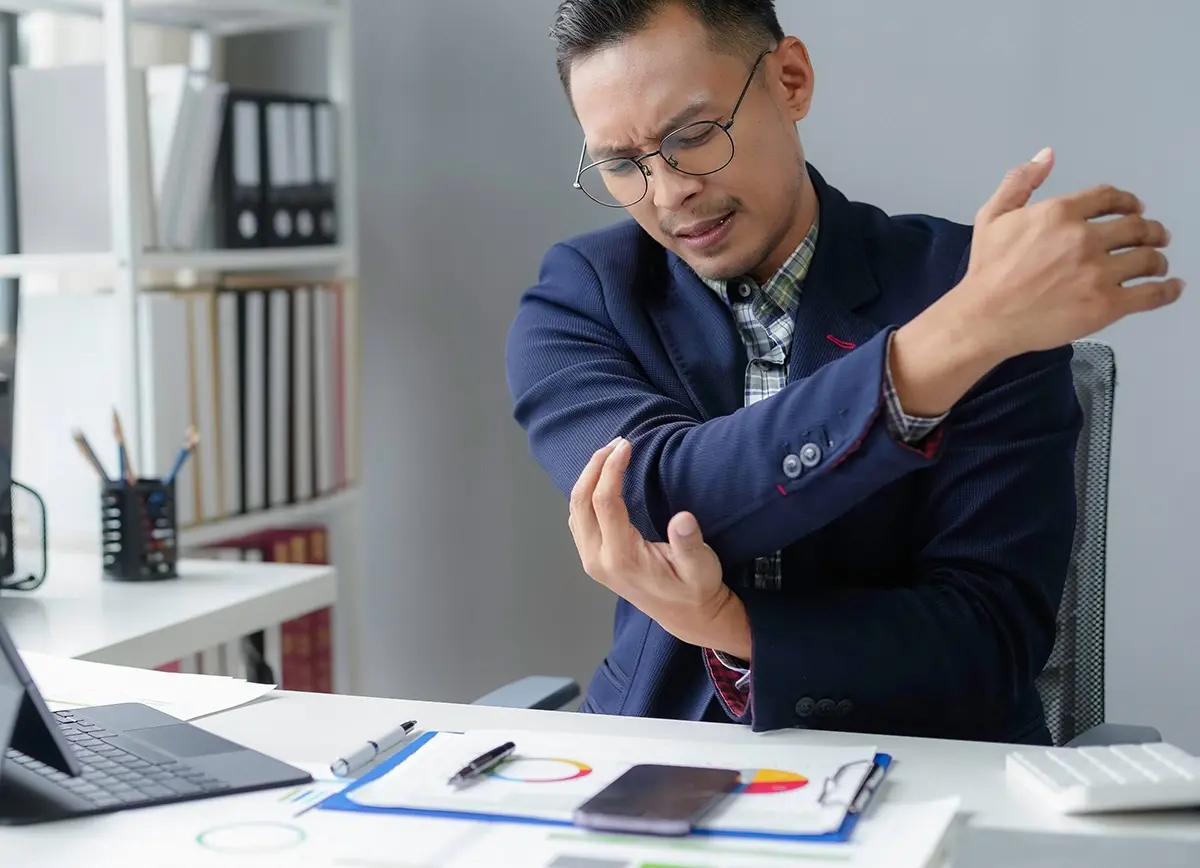
What Are the Common Symptoms of Tennis Elbow?
Symptoms of tennis elbow often develop gradually and may worsen without appropriate management. Common signs include:
Pain on the Outer Elbow
Persistent pain or a burning sensation on the outer part of the elbow is the hallmark symptom. The discomfort may intensify with activity and ease with rest, especially in the early stages.
Weak Grip Strength
Many individuals notice reduced grip strength. Simple tasks such as shaking hands, turning a key or holding a cup may feel uncomfortable or weak.
Pain with Lifting or Twisting Movements
Activities that involve wrist extension, lifting objects with the palm facing down or repetitive forearm rotation can trigger or worsen symptoms.
Tenderness and Swelling
Some patients experience mild swelling, warmth or a burning sensation along the tendon, which may fluctuate throughout the day depending on activity levels.
Why It Happens
What Causes a Tennis Elbow?
Tennis elbow develops when repeated stress places excessive load on the tendons that anchor the forearm muscles to the outer elbow. Although it is often linked to a tennis backhand, the condition more broadly results from repetitive wrist extension and gripping activities performed over time.
Rather than arising from a single traumatic event, tennis elbow typically reflects cumulative tendon overload. Persistent strain can lead to:
- Microscopic tears in the tendon fibres
- Tendon degeneration rather than acute inflammation
- Pain and localised swelling around the outer elbow
In many cases, symptoms emerge gradually as the tendon’s ability to repair itself becomes outpaced by ongoing mechanical stress.
Know Your Risk Profile
What Are the Risk Factors for Tennis Elbow?
Several factors can increase the likelihood of developing tennis elbow, particularly when tendons are exposed to repeated strain without adequate recovery.
Repetitive Occupations
Work that requires sustained or repetitive arm and wrist movements can heighten risk. This includes trades such as painting, carpentry and plumbing, as well as food preparation, hairdressing and prolonged computer-based tasks.
Racquet and Repetitive Sports
Participation in tennis, squash or badminton may contribute, particularly when stroke mechanics are inefficient or training intensity increases abruptly.
Age
Tennis elbow most commonly affects adults between 30 and 50 years old. During this period, tendons may become less resilient and more susceptible to overuse-related degeneration.
Our elbow specialists at HC Orthopaedic Surgery are experienced in diagnosing and managing complex elbow conditions, using evidence-based approaches tailored to your lifestyle and recovery goals.
Understanding Your Evaluation
How Is Tennis Elbow Diagnosed?
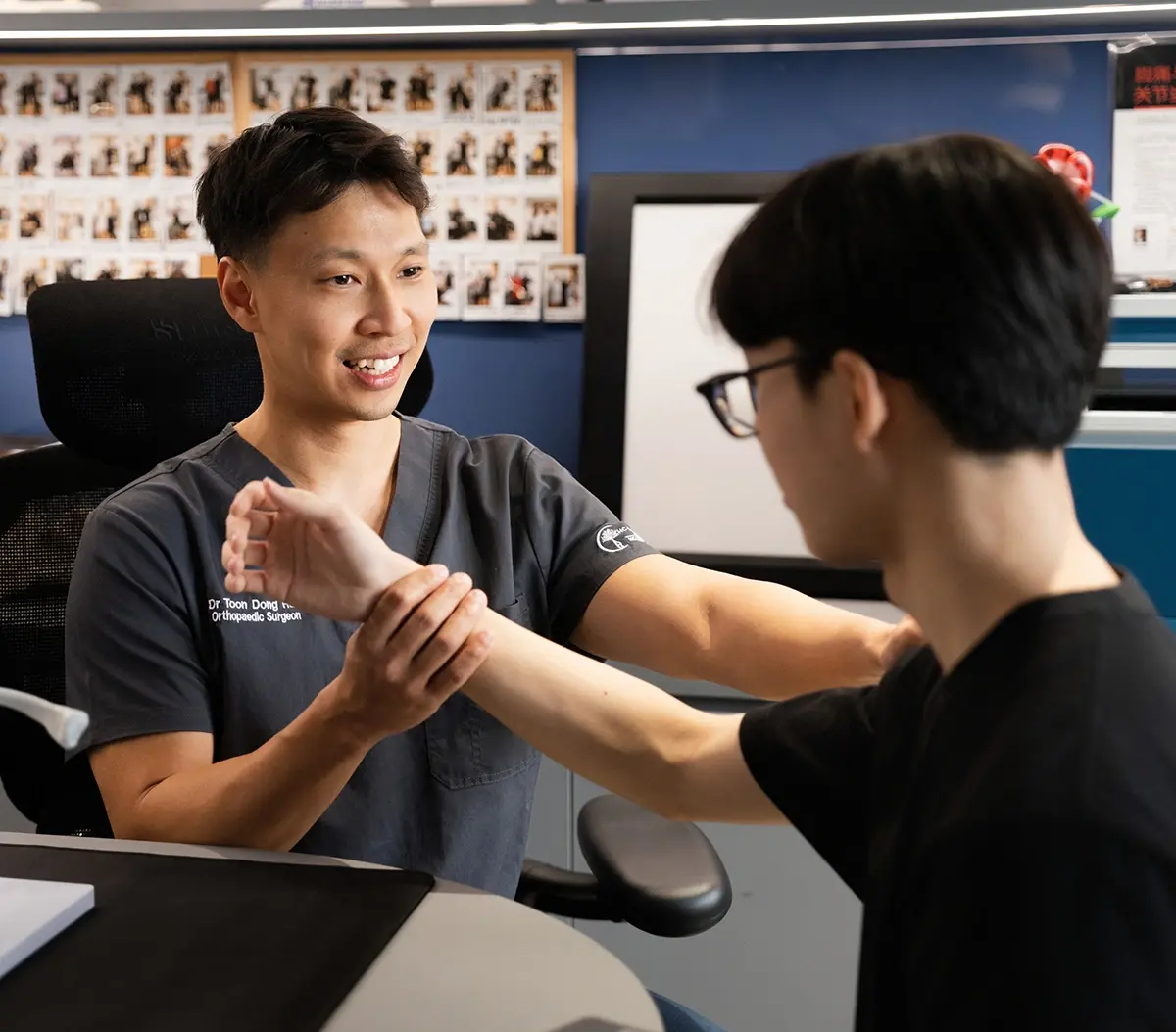
Tennis elbow is primarily diagnosed through a detailed clinical assessment. Your doctor will begin by reviewing your symptoms, activity patterns and any recent changes in workload, sport or occupation. Understanding when the pain started and what movements aggravate it helps identify tendon overload as the underlying cause.
Understanding Your Evaluation
How Is Tennis Elbow Diagnosed?
Tennis elbow is primarily diagnosed through a detailed clinical assessment. Your doctor will begin by reviewing your symptoms, activity patterns and any recent changes in workload, sport or occupation. Understanding when the pain started and what movements aggravate it helps identify tendon overload as the underlying cause.
Physical Examination
During the examination, the outer part of the elbow will be assessed for tenderness. Specific manoeuvres, such as resisted wrist extension or gripping tests, may be performed to reproduce symptoms and confirm the diagnosis.
Imaging Tests
In most cases, imaging is not required. However, ultrasound or MRI may be recommended if symptoms are persistent, severe or not responding to initial treatment. These scans can evaluate the extent of tendon degeneration and help rule out other causes of elbow pain.
Tennis Elbow Treatments in Singapore
Treatment for tennis elbow focuses on relieving pain, supporting tendon healing and restoring strength and function.
Non-Surgical Treatments
Management is typically stepwise, beginning with conservative measures and progressing only if symptoms persist.
Activity Modification
Reducing or adjusting movements that trigger pain is an important first step. Temporary changes to sports technique, workload or workstation setup can help decrease ongoing tendon strain.
Physiotherapy and Targeted Exercises
Structured rehabilitation is central to recovery. Progressive strengthening and stretching exercises improve tendon capacity, enhance forearm muscle support and correct movement patterns that contribute to overload.
Bracing and Support
A counterforce brace or elbow strap may help reduce tension on the affected tendon during activity. This can provide short-term symptom relief while rehabilitation is underway.
Medication
Short-term use of non-steroidal anti-inflammatory medication may help manage discomfort. Ice application after activity can also ease pain in the early stages.
Corticosteroid Injections
A local corticosteroid injection at the tendon origin may provide short-term pain relief, particularly when symptoms significantly affect daily activities.
Platelet-rich Plasma (PRP) Therapy
Platelet-rich plasma (PRP) therapy involves concentrating platelets from a sample of the patient’s blood and injecting them into the affected tendon. This is intended to stimulate a healing response and may be considered in selected cases of persistent tendinopathy.
Surgical Treatments
Surgery is rarely required but may be considered for persistent, function-limiting symptoms that do not improve after several months of structured non-surgical treatment.
Lateral Epicondyle Release (Tennis Elbow Release Surgery)
This procedure involves removing degenerated tendon tissue at the lateral epicondyle and promoting healing of the remaining healthy tendon. It may be performed using open or arthroscopic techniques, depending on the clinical situation.
Open Lateral Epicondyle Debridement with Radiofrequency Ablation
In selected cases, open debridement may be combined with radiofrequency ablation to precisely remove pathological tissue and stimulate a healing response before the remaining healthy tendon is reattached to bone.
What Are the Complications of Tennis Elbow?
Tennis elbow is not typically dangerous, but untreated or persistent symptoms can lead to functional limitations and prolonged discomfort.
Chronic Pain
Ongoing tendon degeneration may result in persistent pain that lasts for months or even longer. Chronic symptoms can interfere with work, sport and routine daily activities.
Reduced Grip Strength
Continued tendon overload may weaken the forearm muscles, leading to diminished grip strength. This can affect tasks such as lifting objects, carrying bags or performing fine motor activities.
Decreased Function and Productivity
Pain and weakness may limit performance in physically demanding occupations or sports. Over time, individuals may avoid certain movements, leading to deconditioning of the forearm muscles.
Tendon Degeneration
If repetitive strain continues without appropriate management, further micro-tearing and degenerative changes within the tendon can occur, potentially prolonging recovery.
Get Relief From Tennis Elbow at HC Orthopaedic Surgery
Tennis elbow may begin as a mild discomfort, but without appropriate management it can gradually interfere with work, sport and everyday function. Understanding the causes, symptoms and risk factors allows for earlier intervention and more targeted care. With timely treatment and a structured rehabilitation plan, most individuals can achieve meaningful pain relief, improved strength and a sustainable return to activity. The key lies in addressing both the irritated tendon and the contributing factors that place ongoing strain on the elbow.
Get Relief From Tennis Elbow at HC Orthopaedic Surgery
Tennis elbow may begin as a mild discomfort, but without appropriate management it can gradually interfere with work, sport and everyday function. Understanding the causes, symptoms and risk factors allows for earlier intervention and more targeted care. With timely treatment and a structured rehabilitation plan, most individuals can achieve meaningful pain relief, improved strength and a sustainable return to activity. The key lies in addressing both the irritated tendon and the contributing factors that place ongoing strain on the elbow.

Our Specialised Team
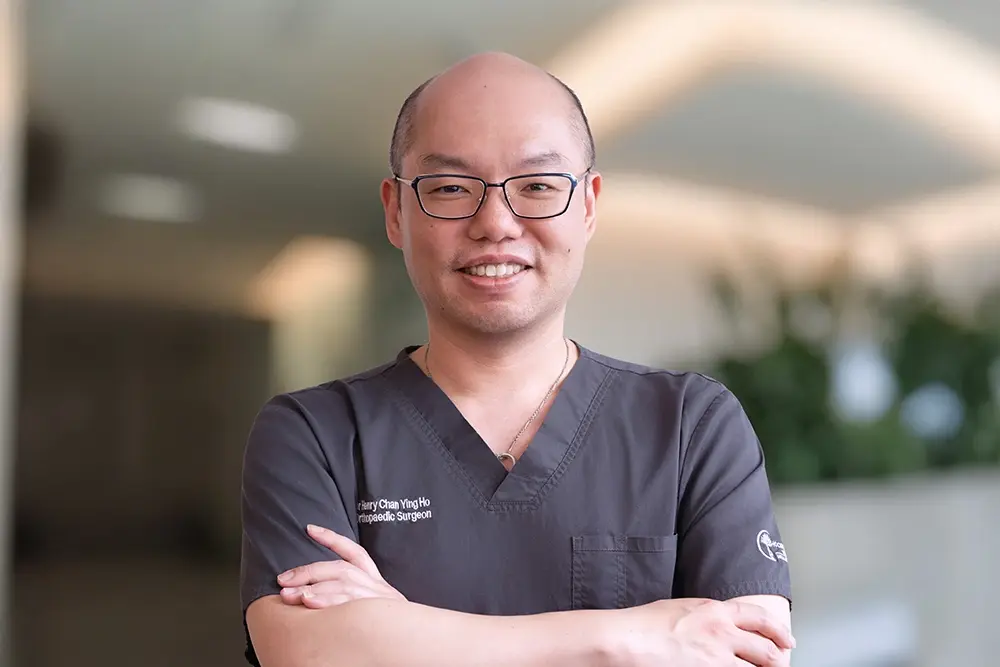
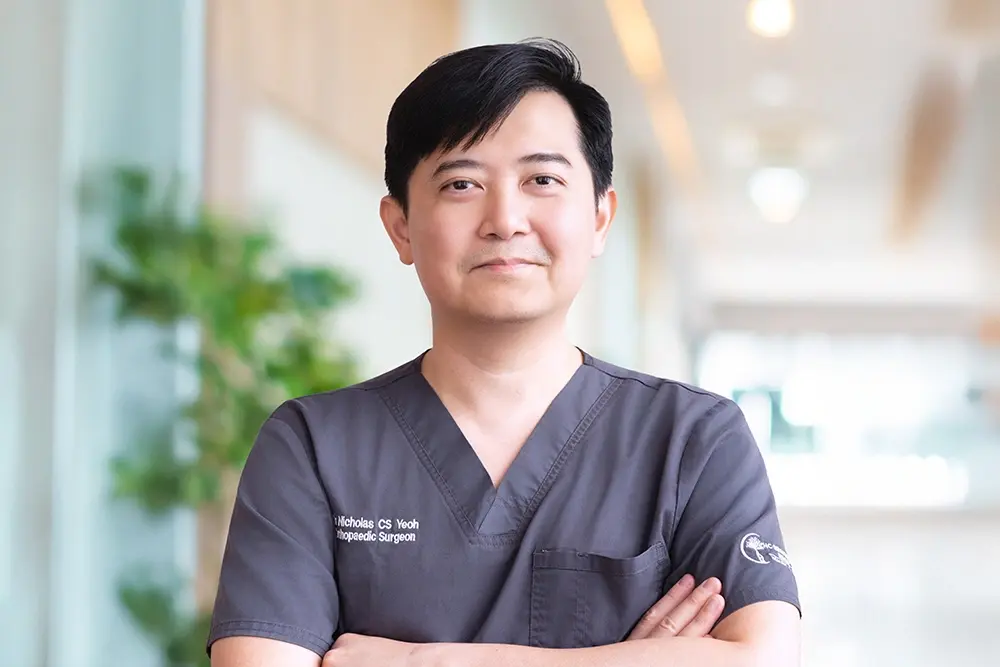
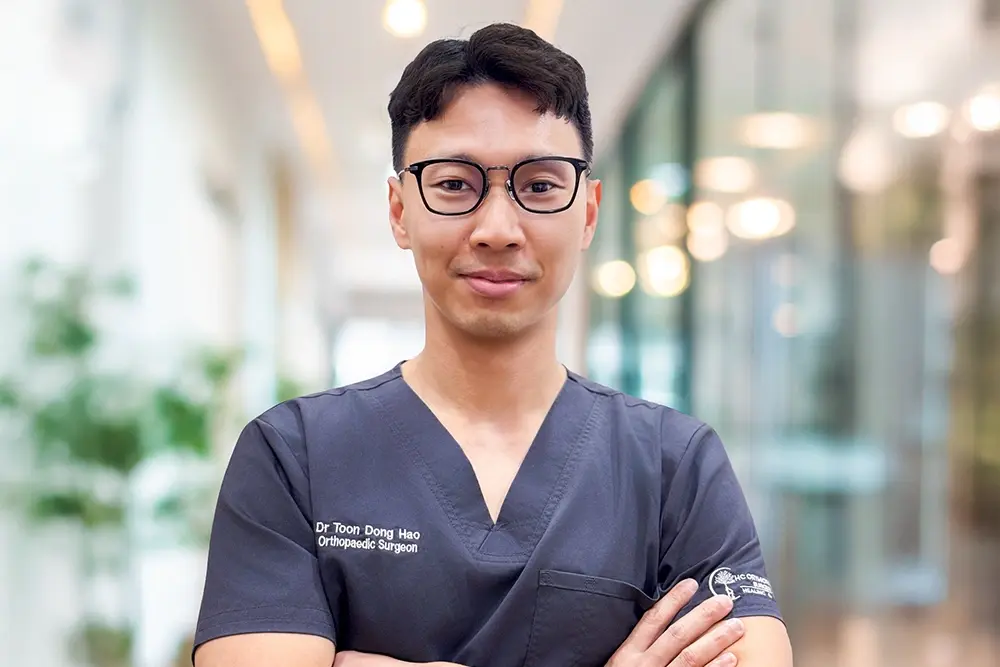
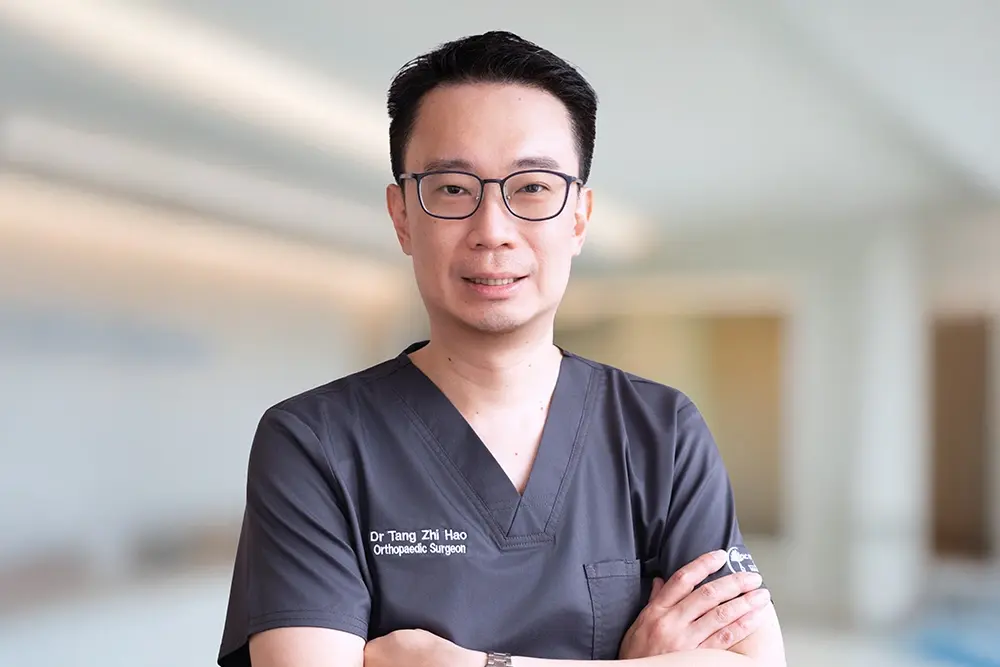
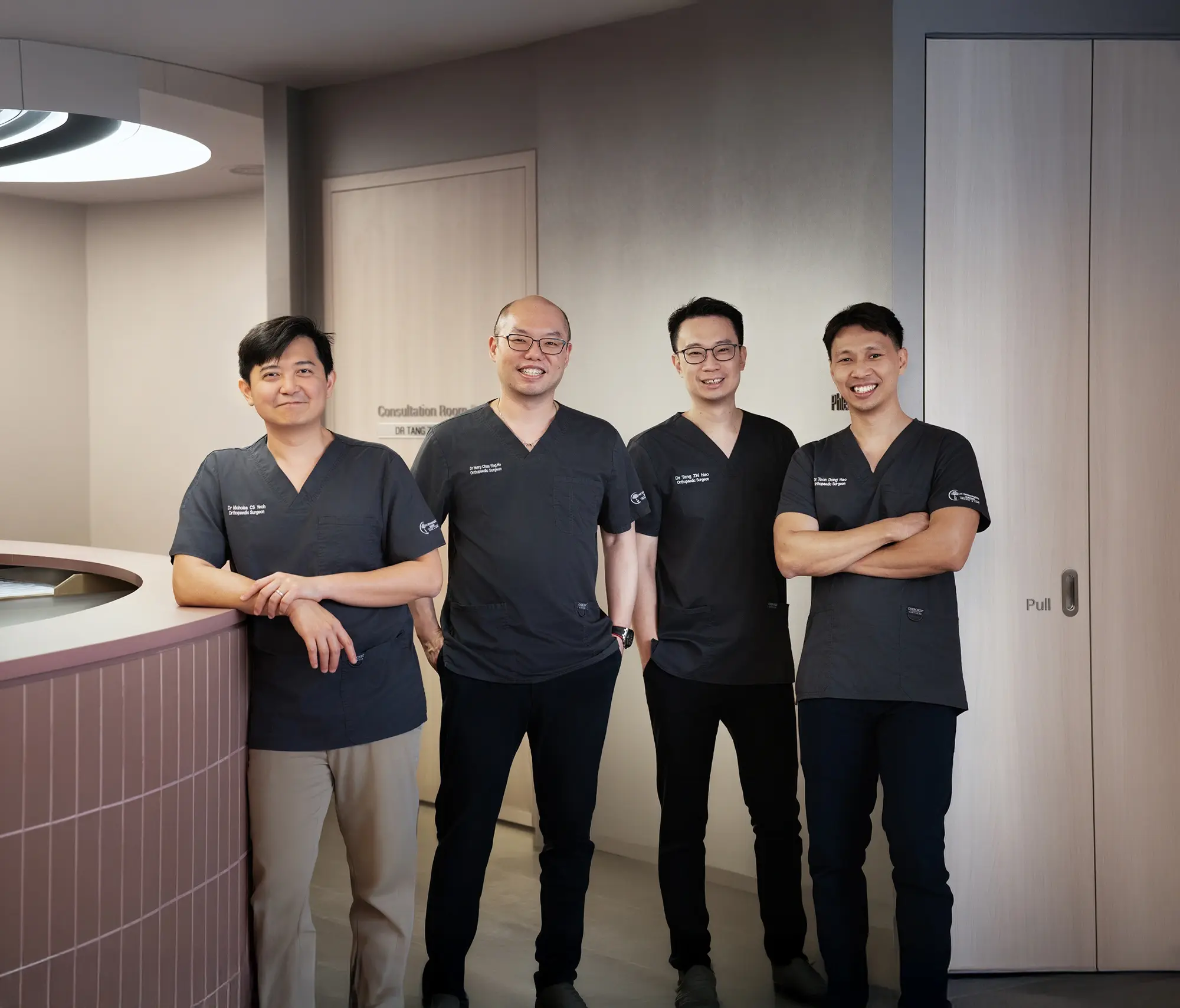
At HC Orthopaedic Surgery, care is guided by a comprehensive and evidence-based approach tailored to each patient’s condition and goals. The practice is led by Dr Henry Chan, alongside Dr Nicholas Yeoh, Dr Toon Dong Hao and Dr Tang Zhi Hao, all experienced in treating complex upper-limb and elbow disorders. In particular, Dr Toon completed a fellowship in Advanced Shoulder and Elbow Surgery in Sydney, Australia, bringing specialised expertise in complex elbow procedures to the practice.
Frequently Asked Questions (FAQs) About Tennis Elbow
How long does it take to recover from tennis elbow?
Can tennis elbow resolve on its own without treatment?
What exercises can help with tennis elbow?
When should I consider surgery for tennis elbow?
Can tennis elbow affect both arms at the same time?
Does grip strength fully return after treatment?
Meet Our Specialist Team
Our team comprises Dr Henry Chan, Dr Nicholas Yeoh, Dr Toon Dong Hao, and Dr Tang Zhi Hao — experienced orthopaedic surgeons with subspecialty experience and a patient-centred approach to care.
Dr Henry Chan
Medical Director & Senior Consultant Orthopaedic Surgeon
MBBS (S’pore), MRCS (Edinburgh), MMed (Orthopaedic Surgery), FRCS (Edinburgh)
Dr Henry Chan is an experienced orthopaedic surgeon specialising in joint replacement and complex revision surgery. Trained at the renowned Helios Endo-Klinik in Germany under the MOH HMDP scholarship, he has performed over 1,000 joint replacements and specialises in computer-assisted and robotic joint replacement techniques for precise outcomes.
Dr Nicholas Yeoh
Senior Consultant Orthopaedic Surgeon
MBChB (Edinburgh), MRCS (Edinburgh), MMed (Orthopaedic Surgery), FRCS (Edinburgh)
Dr Nicholas Yeoh is an MOH-accredited orthopaedic specialist and Fellow of the Royal College of Surgeons of Edinburgh. Fellowship-trained in hip and knee reconstruction in Sydney under the MOH HMDP scholarship, he specialises in minimally invasive joint replacement, robotic surgery and advanced techniques that enhance recovery and surgical outcomes.
Dr Toon Dong Hao
Senior Consultant Orthopaedic Surgeon
MBChB (Leeds), MRCS (Edinburgh), MMed (Orthopaedic Surgery), FRCS (Edinburgh)
Dr Toon Dong Hao is a skilled orthopaedic surgeon and Fellow of the Royal College of Surgeons of Edinburgh. Fellowship-trained in Advanced Shoulder and Elbow Surgery in Sydney under the MOH HMDP scholarship, Dr Toon specialises in sports injuries, arthroscopic surgery and complex shoulder, elbow and knee procedures to restore function and mobility.
Dr Tang Zhi Hao
Senior Consultant Orthopaedic Surgeon
MBBS (S’pore), MRCS (Edinburgh), MMed (Orthopaedic Surgery), FRCS (Edinburgh)
Dr Tang Zhi Hao is a fellowship-trained orthopaedic surgeon specialising in foot and ankle conditions. He completed his Foot and Ankle Surgery fellowship at Severance Hospital, Yonsei University Health System in Seoul under Professor Jin Woo Lee. Prior to private practice, he served as Consultant and Deputy Head of Orthopaedics at Khoo Teck Puat Hospital.