
Golfer’s Elbow:
Symptoms, Causes and Treatments in Singapore

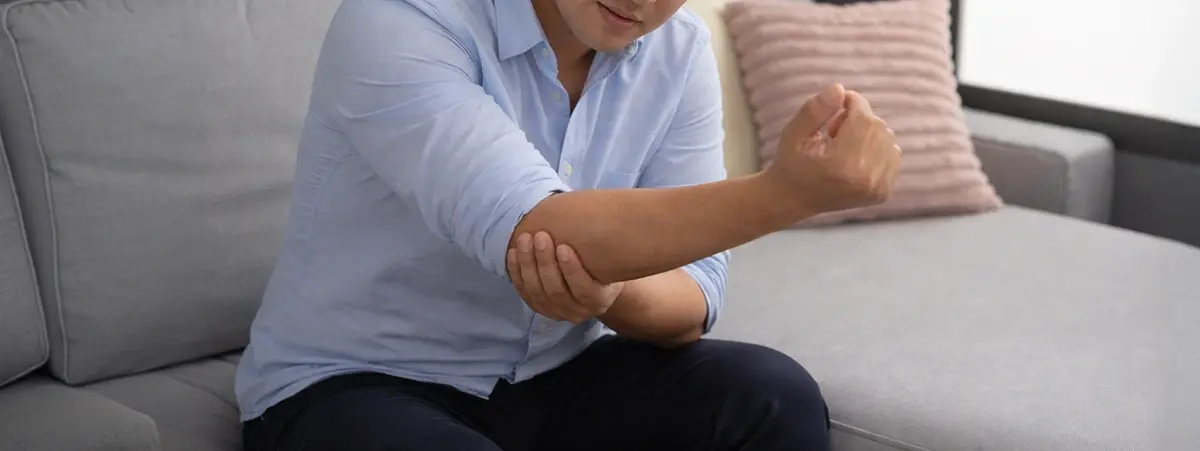
Golfer’s elbow can make routine movements uncomfortable, from shaking hands to lifting grocery bags. The condition develops when repeated strain irritates the tendons that attach to the inner part of the elbow, leading to pain, tenderness and reduced grip strength over time. Although commonly linked to golf, it frequently affects individuals whose work or hobbies involve repetitive gripping, lifting or wrist movements.
Symptoms often build gradually and may worsen without appropriate care. Ongoing discomfort can affect productivity, training and overall quality of life. Specialist treatment focuses on establishing an accurate diagnosis and delivering evidence-based care to reduce pain, support tendon recovery and restore strength. With a structured and individualised plan, recovery aims not only to relieve symptoms but also to reduce the risk of recurrence.
What Is Golfer’s Elbow (Medial Epicondylitis)?
Golfer’s elbow, or medial epicondylitis, is a tendon condition that affects the inner part of the elbow. It develops when the tendons that attach the forearm muscles to the medial epicondyle become overloaded due to repetitive stress. Over time, this strain may lead to microscopic tendon damage, degeneration and persistent pain.
Despite its name, golfer’s elbow does not only affect golfers. It commonly occurs in individuals who perform repeated gripping, lifting or wrist-flexion movements, including office workers, manual labourers and gym-goers. Symptoms typically include localised tenderness on the inner elbow, discomfort when gripping or flexing the wrist and pain that may radiate down the forearm.
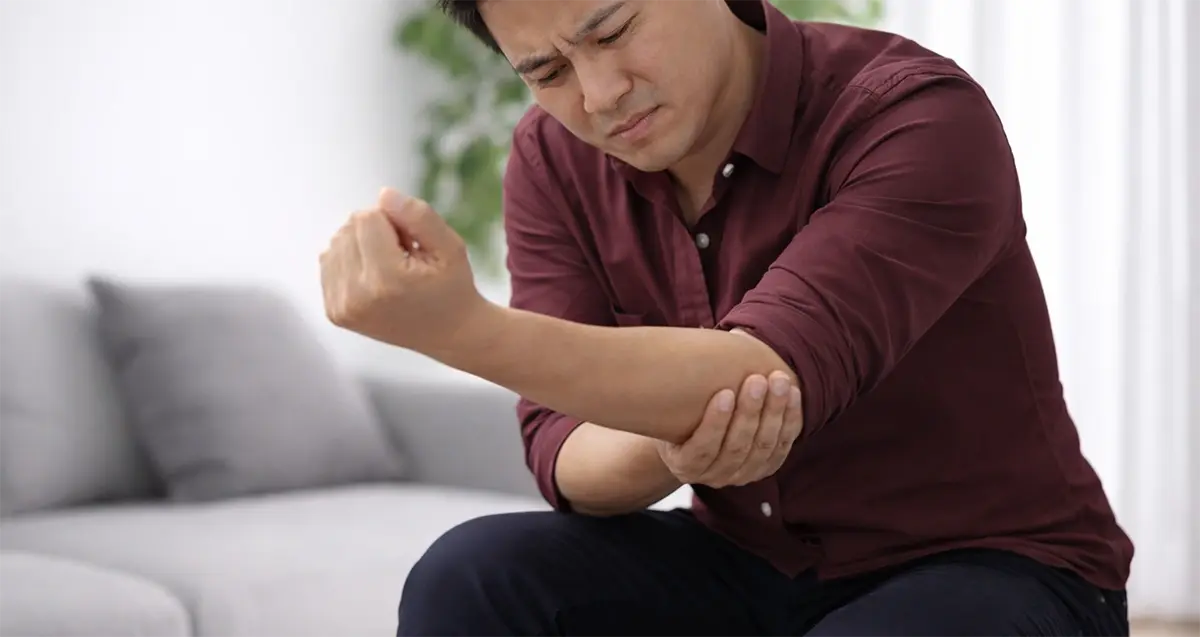
What Are the Common Symptoms of a Golfer's Elbow?
Golfer’s elbow presents with a range of symptoms that can vary in intensity depending on the severity and duration of the condition.
Pain on the Inner Elbow
Pain and tenderness are typically felt on the inner side of the elbow, particularly at the point where the forearm tendons attach. Discomfort may increase during gripping, lifting or wrist-flexion activities.
Forearm Weakness
Weakness in the forearm and hand is common, making it more difficult to lift, hold or carry objects. Tasks that require sustained or forceful gripping may become increasingly challenging.
Stiffness and Discomfort
Elbow stiffness, especially in the morning or after prolonged use, can reduce range of motion. Some individuals may experience discomfort that radiates down the forearm. In certain cases, irritation of the nearby ulnar nerve may cause tingling sensations along the inner forearm or into the ring and little fingers.
HC Orthopaedic Surgery’s elbow specialists develop individualised treatment plans following detailed clinical assessment, focusing on pain reduction, tendon recovery and restoration of function.
Why It Happens
What Causes Golfer's Elbow?
Golfer’s elbow develops when repetitive stress or strain damages the tendons connecting the forearm muscles to the medial epicondyle of the elbow.
The following everyday activities may contribute to golfer’s elbow:
Repetitive Gripping and Swinging Sports
Golf and racquet sports such as tennis, squash, badminton and table tennis can strain the flexor tendons, particularly with poor technique or sudden increases in training intensity.
Throwing and Overhead Sports
Sports such as baseball, softball and cricket involve repeated throwing motions that place valgus stress on the medial elbow.
Gym and Functional Training
Strength training, high-intensity interval training (HIIT) and CrossFit-style workouts may overload the tendon, particularly when weights are increased too quickly or exercises are performed with suboptimal form.
Manual and Repetitive Work
Occupations involving repetitive gripping or tool use, such as construction work, renovation trades, food preparation and hairdressing, can contribute to cumulative strain. Prolonged desk-based tasks, including typing and mouse use, may also increase repetitive load on the forearm muscles.
Know Your Risk Profile
What Are the Risk Factors of Golfer's Elbow?
Several factors may increase susceptibility to developing medial epicondylitis, particularly when combined with repetitive tendon loading.
Age
Individuals between 30 and 60 years are more commonly affected, as tendon elasticity, collagen quality and healing capacity gradually decline with age.
Diabetes
Diabetes is associated with changes in collagen structure and reduced tendon healing capacity, which may increase the risk of developing tendinopathy.
Obesity
Obesity has been linked to a higher risk of tendinopathy. This association is thought to relate to systemic metabolic and inflammatory factors that can affect tendon health.
Smoking
Smoking affects blood flow and oxygen delivery to soft tissues, which can delay tendon repair and recovery.
Understanding Your Evaluation
How Is Golfer’s Elbow Diagnosed?
Golfer’s elbow is primarily a clinical diagnosis. Assessment begins with a detailed medical history and physical examination to evaluate symptoms, activity patterns and functional limitations. Imaging is not always required but may be considered in selected cases.
Understanding Your Evaluation
How Is Golfer’s Elbow Diagnosed?
Golfer’s elbow is primarily a clinical diagnosis. Assessment begins with a detailed medical history and physical examination to evaluate symptoms, activity patterns and functional limitations. Imaging is not always required but may be considered in selected cases.
Physical Examination
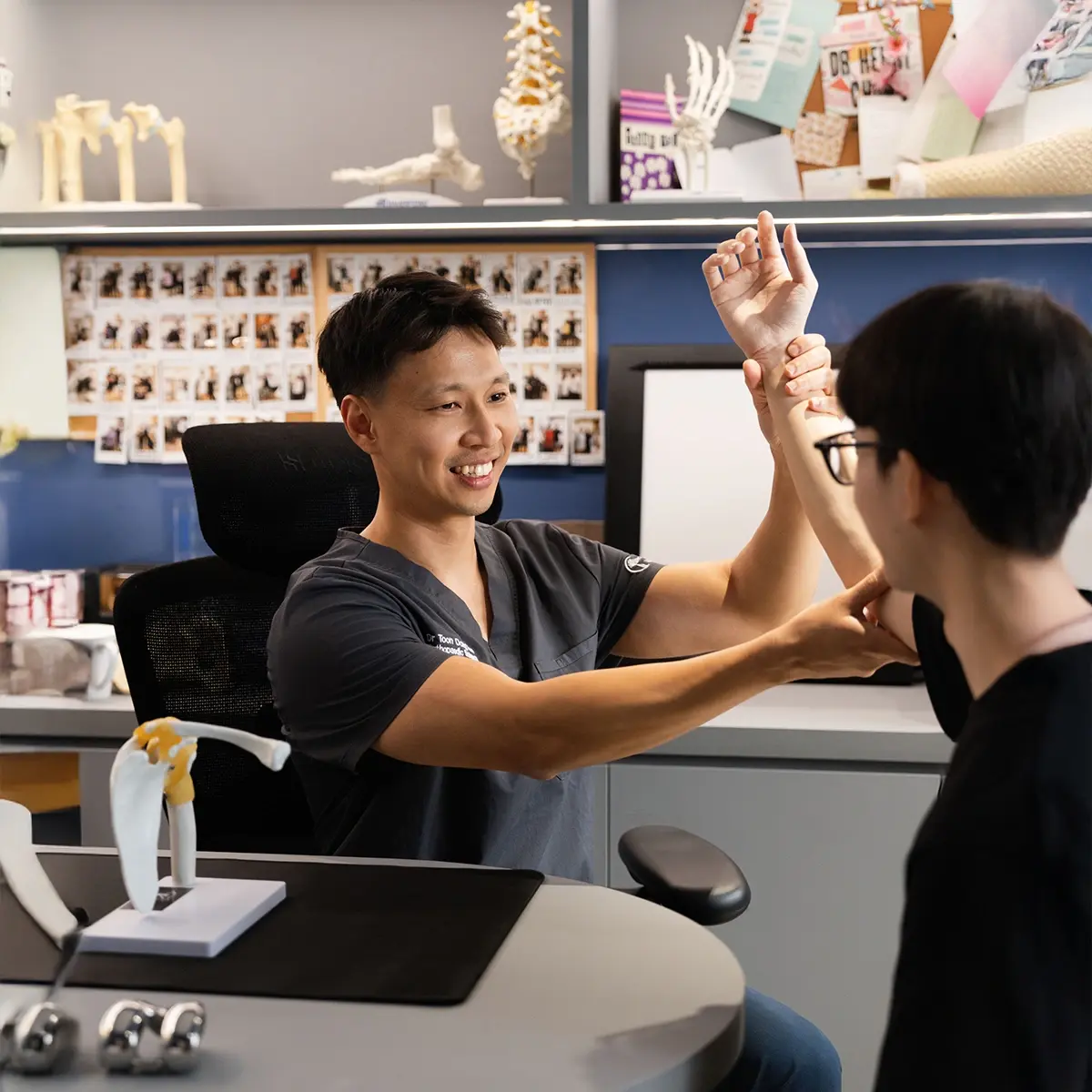
The specialist will assess the location of pain, forearm strength and range of motion. Specific resisted wrist-flexion and pronation tests may reproduce symptoms. The elbow will also be examined to exclude other conditions such as ulnar nerve irritation or ligament injury.
Ultrasound Imaging
Ultrasound can assess tendon structure and detect features of tendinopathy, such as tendon thickening or structural changes. It may also help differentiate medial epicondylitis from other causes of inner elbow pain.
MRI Scan
MRI provides a detailed view of soft tissues and may reveal tendon degeneration, partial tears or associated pathology. It is typically reserved for persistent, severe or unclear cases, or when surgical treatment is being considered.
Golfer’s Elbow Treatments in Singapore
Management of golfer’s elbow focuses on reducing medial elbow pain, improving tendon load tolerance and restoring forearm strength.
Non-Surgical Treatments
Most cases of golfer’s elbow improve with structured non-surgical management.
Rest and Activity Modification
Temporarily reducing or modifying activities that aggravate the elbow can decrease tendon load and allow symptoms to settle. A gradual return to activity is typically recommended.
Physiotherapy and Exercise
A structured rehabilitation programme is central to treatment. Exercises targeting the wrist flexors and forearm muscles help improve flexibility, strength and tendon resilience. Programmes may include stretching, progressive loading exercises such as eccentric or heavy-slow resistance training and functional retraining under physiotherapy supervision.
Bracing and Support
A counterforce strap or elbow brace may help reduce tendon load during aggravating activities. Bracing is typically used as a short-term adjunct to a structured rehabilitation programme rather than a standalone treatment.
Medication
Short-term use of oral non-steroidal anti-inflammatory drugs may help manage pain. Topical anti-inflammatory preparations may also be considered where appropriate.
Corticosteroid Injections
A local corticosteroid (cortisone) injection into the area where the tendon attaches at the inner elbow may help reduce pain and inflammatory symptoms in the short term, especially when symptoms limit daily activities.
Platelet‑rich Plasma (PRP) Therapy
Platelet-rich plasma (PRP) therapy involves preparing a concentrated sample of your own blood platelets and injecting them around the damaged tendon. This aims to support the body’s healing response and may be considered when symptoms do not respond to standard therapies.
Medial Epicondyle Release (Golfer’s Elbow Release Surgery)
Surgery may be considered if pain remains persistent and function-limiting despite several months of structured non-surgical treatment, such as physiotherapy, activity modification and injections.
The procedure involves removing the damaged or degenerated portion of the tendon attached to the medial epicondyle, the bony prominence on the inner side of the elbow. Healthy tendon tissue is then repaired or reattached to the bone to promote proper healing. In some cases, the surgeon may also release tight tissue or address associated nerve irritation if present.
The surgery is usually performed as a day procedure under regional or general anaesthesia. After surgery, a period of rest is followed by guided rehabilitation to gradually restore strength and flexibility. Most patients can return to normal activities within a few months, depending on the extent of repair and adherence to rehabilitation.
What Are the Complications of Golfer’s Elbow?
Golfer’s elbow does not usually cause serious long-term damage. However, if symptoms are ignored or repetitive strain continues without appropriate treatment, certain complications may develop.
Persistent or Chronic Pain
If the tendon does not recover properly, pain may become long-standing. This can affect daily tasks such as lifting, gripping or carrying objects and may interfere with sports participation.
Reduced Grip Strength
Ongoing tendon dysfunction can weaken the forearm muscles. As a result, activities that require sustained gripping, such as holding tools, racquets or gym equipment, may become more difficult.
Ulnar Nerve Irritation
The ulnar nerve runs along the inner side of the elbow, close to the affected tendon. In some cases, prolonged inflammation or tissue thickening may irritate this nerve. This can cause numbness, tingling or weakness in the ring and little fingers.
Partial Tendon Tear
Severe or untreated tendinopathy may weaken the tendon over time. Although uncommon, this can increase the risk of a partial tear, particularly during sudden or forceful movements.
Recurrence of Symptoms
Even after improvement, symptoms may return if activity levels increase too quickly or if contributing movement patterns are not corrected.
Get Relief From Golfer’s Elbow at HC Orthopaedic Surgery
Golfer’s elbow is not simply a minor strain but a tendon condition that can progressively limit grip strength, performance and daily function if left unaddressed. Understanding the underlying tendon overload, recognising risk factors and initiating appropriate treatment early are key to preventing chronic pain and recurrent flare-ups. With the right combination of targeted rehabilitation, activity modification and specialist oversight, most individuals can return to work, sport and training with improved resilience and confidence in their recovery.
Get Relief From Golfer’s Elbow at HC Orthopaedic Surgery
Golfer’s elbow is not simply a minor strain but a tendon condition that can progressively limit grip strength, performance and daily function if left unaddressed. Understanding the underlying tendon overload, recognising risk factors and initiating appropriate treatment early are key to preventing chronic pain and recurrent flare-ups. With the right combination of targeted rehabilitation, activity modification and specialist oversight, most individuals can return to work, sport and training with improved resilience and confidence in their recovery.

Our Specialised Team
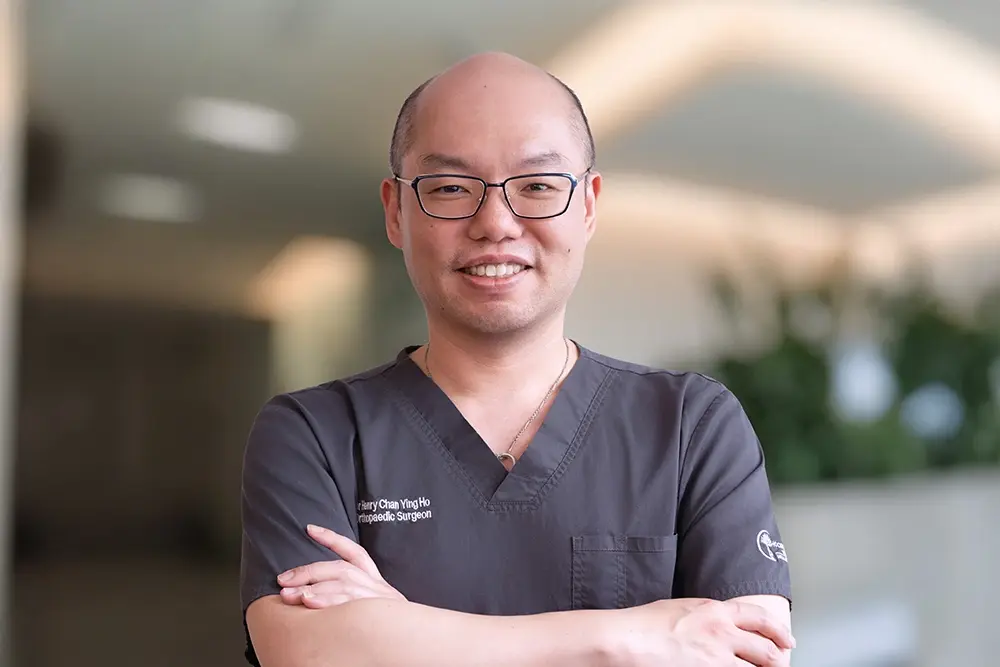
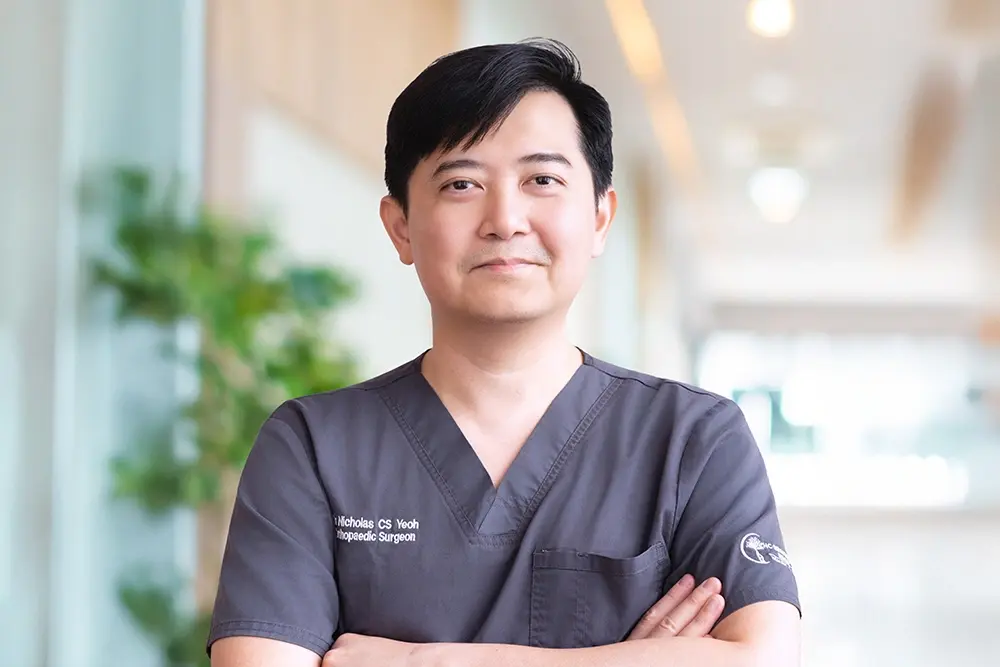
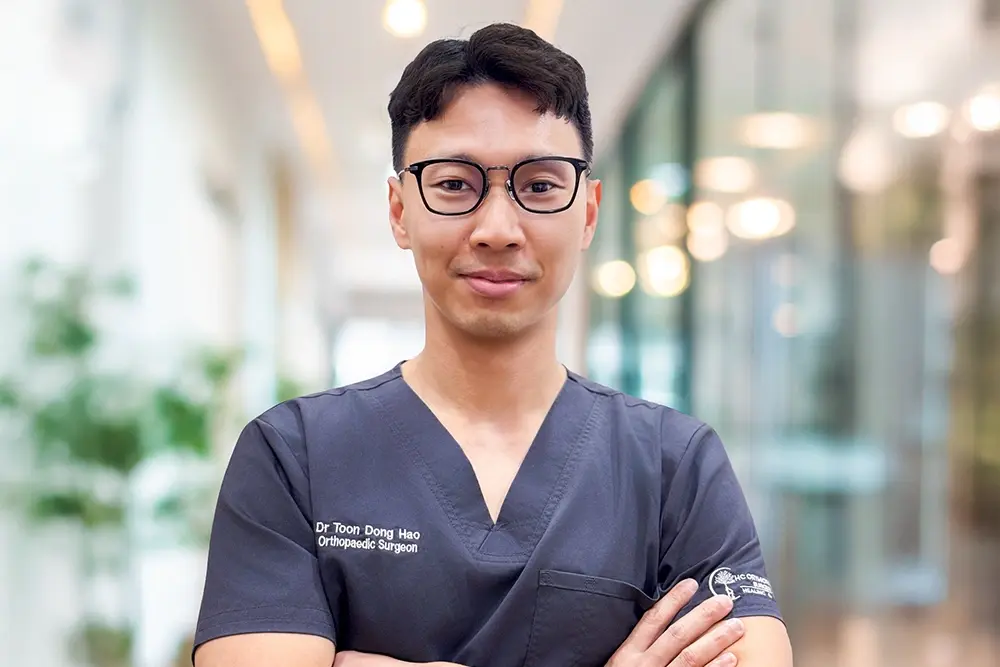
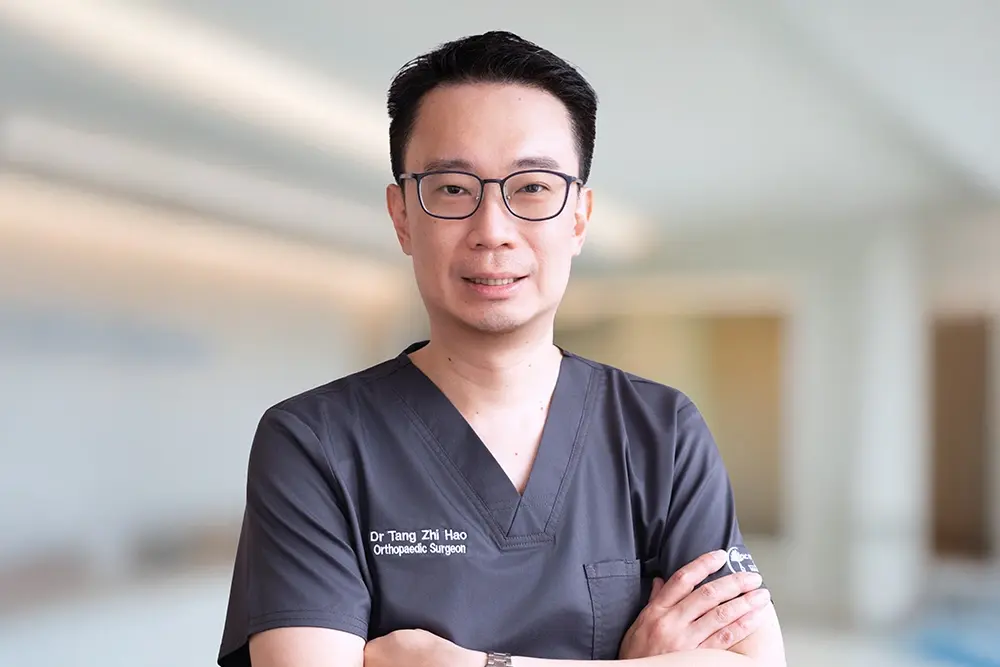
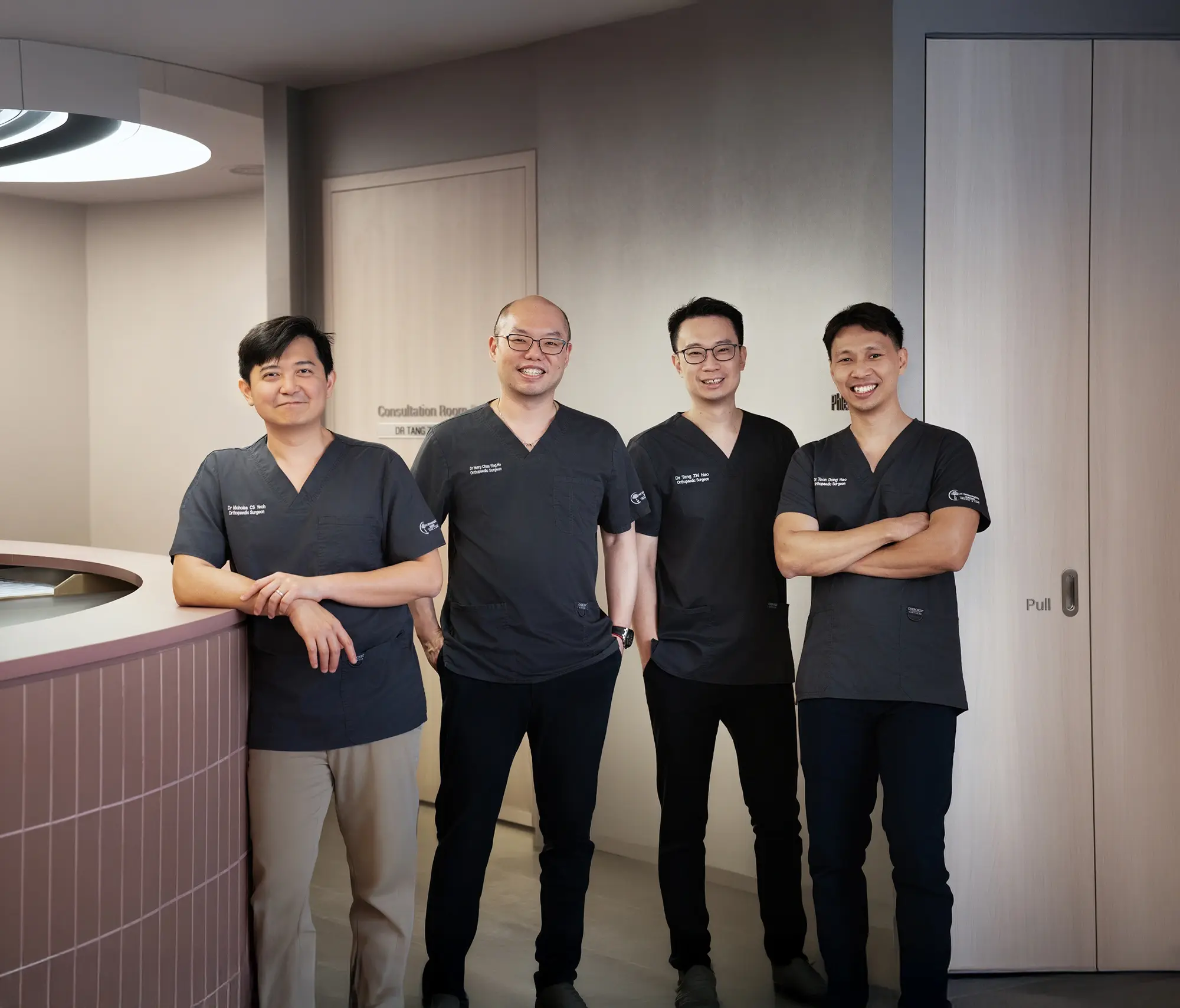
At HC Orthopaedic Surgery, care is guided by a comprehensive and evidence-based approach tailored to each patient’s condition and goals. The practice is led by Dr Henry Chan, alongside Dr Nicholas Yeoh, Dr Toon Dong Hao and Dr Tang Zhi Hao, all experienced in treating complex upper-limb and elbow disorders. In particular, Dr Toon completed a fellowship in Advanced Shoulder and Elbow Surgery in Sydney, Australia, bringing specialised expertise in complex elbow procedures to the practice.
Frequently Asked Questions (FAQs) About Golfer’s Elbow
Can a golfer's elbow heal on its own?
Can I continue playing sports with a golfer's elbow?
Are there exercises to prevent golfer’s elbow?
How long does recovery from a golfer's elbow take?
When should I see a doctor for a golfer’s elbow?
Can a brace or elbow support help with a golfer’s elbow?
Can a golfer’s elbow become a long-term condition?
Meet Our Specialist Team
Our team comprises Dr Henry Chan, Dr Nicholas Yeoh, Dr Toon Dong Hao, and Dr Tang Zhi Hao — experienced orthopaedic surgeons with subspecialty experience and a patient-centred approach to care.
Dr Henry Chan
Medical Director & Senior Consultant Orthopaedic Surgeon
MBBS (S’pore), MRCS (Edinburgh), MMed (Orthopaedic Surgery), FRCS (Edinburgh)
Dr Henry Chan is an experienced orthopaedic surgeon specialising in joint replacement and complex revision surgery. Trained at the renowned Helios Endo-Klinik in Germany under the MOH HMDP scholarship, he has performed over 1,000 joint replacements and specialises in computer-assisted and robotic joint replacement techniques for precise outcomes.
Dr Nicholas Yeoh
Senior Consultant Orthopaedic Surgeon
MBChB (Edinburgh), MRCS (Edinburgh), MMed (Orthopaedic Surgery), FRCS (Edinburgh)
Dr Nicholas Yeoh is an MOH-accredited orthopaedic specialist and Fellow of the Royal College of Surgeons of Edinburgh. Fellowship-trained in hip and knee reconstruction in Sydney under the MOH HMDP scholarship, he specialises in minimally invasive joint replacement, robotic surgery and advanced techniques that enhance recovery and surgical outcomes.
Dr Toon Dong Hao
Senior Consultant Orthopaedic Surgeon
MBChB (Leeds), MRCS (Edinburgh), MMed (Orthopaedic Surgery), FRCS (Edinburgh)
Dr Toon Dong Hao is a skilled orthopaedic surgeon and Fellow of the Royal College of Surgeons of Edinburgh. Fellowship-trained in Advanced Shoulder and Elbow Surgery in Sydney under the MOH HMDP scholarship, Dr Toon specialises in sports injuries, arthroscopic surgery and complex shoulder, elbow and knee procedures to restore function and mobility.
Dr Tang Zhi Hao
Senior Consultant Orthopaedic Surgeon
MBBS (S’pore), MRCS (Edinburgh), MMed (Orthopaedic Surgery), FRCS (Edinburgh)
Dr Tang Zhi Hao is a fellowship-trained orthopaedic surgeon specialising in foot and ankle conditions. He completed his Foot and Ankle Surgery fellowship at Severance Hospital, Yonsei University Health System in Seoul under Professor Jin Woo Lee. Prior to private practice, he served as Consultant and Deputy Head of Orthopaedics at Khoo Teck Puat Hospital.