
Elbow Surgery
in Singapore

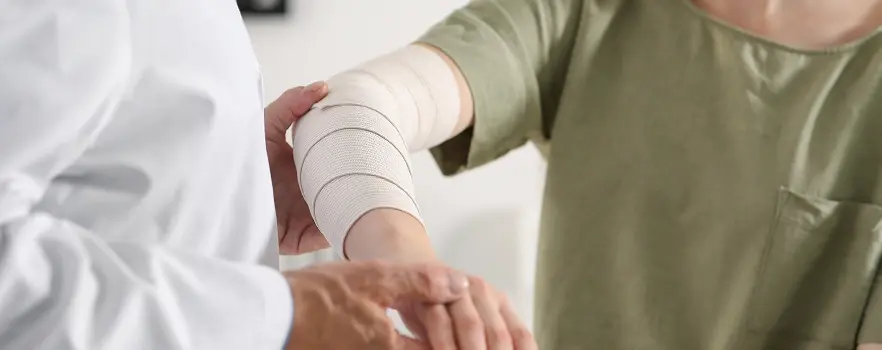
If you experience persistent elbow pain when lifting a wok, carrying groceries, gripping gym equipment or even shaking hands, it may be more than a minor strain. Stiffness that limits your ability to fully straighten or bend your arm, weakness when holding objects, or pain that worsens with repetitive movements such as typing or sports can gradually interfere with work and daily routines. Some patients also notice swelling, catching sensations or discomfort that disturbs sleep.
Elbow conditions may arise from acute injuries, tendon degeneration, nerve compression or joint wear and tear. When rest, medication, bracing or structured physiotherapy no longer provide lasting relief, surgery may be recommended. Elbow surgery is tailored to the specific diagnosis, with the goal of reducing pain, restoring stability and improving long-term arm function.
What Is Elbow Surgery and Who Needs It?
Elbow surgery refers to a range of procedures performed to treat structural problems affecting the elbow joint, tendons, ligaments, cartilage, bone or surrounding nerves. The specific operation depends on the underlying diagnosis, severity of damage and functional limitations. Some procedures are minimally invasive and performed arthroscopically through small incisions, while others require open techniques for more complex injuries.
Conditions that may require elbow surgery include:
- Tennis elbow or golfer’s elbow that does not improve with prolonged non-surgical treatment
- Elbow dislocations or fractures requiring stabilisation
- Elbow Ligament injuries, such as ulnar collateral ligament tears
- Cubital tunnel syndrome, involving compression of the ulnar nerve
- Elbow arthritis, including osteoarthritis or inflammatory arthritis
- Loose bodies or cartilage damage causing locking or catching
You may be a candidate for surgery if you experience persistent pain despite rest and physiotherapy, instability affecting daily activities or sport, restricted joint movement, nerve-related symptoms such as numbness or tingling, or acute traumatic injuries.
Types of Elbow Surgery in Singapore
The type of surgery recommended depends on the underlying condition and severity of damage. Common procedures include:
Arthroscopic Elbow Surgery
A minimally invasive procedure performed through small incisions using a camera and specialised instruments. It is commonly used to remove loose bodies, treat cartilage damage or address early joint problems.
Tendon Repair or Debridement
Used for chronic tennis elbow or golfer’s elbow that does not improve with conservative care. Damaged tendon tissue is removed or repaired to relieve pain and support healing.
Ligament Reconstruction
Performed to restore stability in cases of significant ligament injury, such as ulnar collateral ligament tears. A graft is used to reconstruct the damaged ligament and improve joint support.
Nerve Decompression or Transposition
Indicated for conditions such as cubital tunnel syndrome. The procedure relieves pressure on the ulnar nerve to reduce numbness, tingling and weakness.
Fracture Fixation
Required for certain elbow fractures to realign and stabilise broken bones using plates, screws or other fixation devices, allowing proper healing.
Elbow Joint Replacement
Reserved for severe arthritis or complex joint damage. The damaged joint surfaces are replaced with artificial components to relieve pain and restore function.
What to Expect From Elbow Surgery in Singapore?
Elbow surgery is planned as a structured journey, beginning with careful preparation and continuing through guided rehabilitation. Understanding each stage can help you feel more confident about the process and support a smoother recovery.
How to Prepare
Procedure Overview
- Arthroscopic surgery using small incisions and a camera to treat joint or soft tissue problems
- Open surgery for more complex injuries, fractures or ligament reconstruction
Aftercare and Recovery
Why It Happens
How Elbow Surgery Helps Restore Function and Mobility
Elbow surgery is designed to correct the underlying structural problem within the joint, allowing for meaningful and lasting improvement rather than temporary symptom control. By addressing damaged tendons, ligaments, cartilage or bone, the procedure can support both short-term relief and long-term joint health.
Pain Relief
Surgical treatment can significantly reduce persistent pain caused by tendon injuries, arthritis, instability or fractures. By stabilising or repairing the affected structures, discomfort during daily activities is often greatly improved.
Improved Mobility
Joint stiffness, loose bodies or structural damage may restrict how far the elbow bends or straightens. Surgery helps restore smoother movement, improving flexion, extension and forearm rotation.
Increased Strength
Repairing or reconstructing damaged tissues enhances joint stability. As healing progresses, this supports improved arm strength and grip function, which are essential for lifting and carrying.
Better Function in Daily Activities
With reduced pain and improved strength, routine tasks such as reaching, carrying groceries or returning to sport become more manageable and less limited by discomfort.
Prevention of Further Damage
Addressing joint or tendon problems early may help slow progressive degeneration and reduce the risk of worsening instability or long-term complications.
Know Your Risk Profile
Potential Risks and Complications of Elbow Surgery
Elbow surgery is generally safe and routinely performed for a range of conditions. However, as with any surgical procedure, certain risks remain.
Potential complications include:
Infection
Although uncommon, infections can occur at the surgical site. This risk is reduced through sterile operating protocols and appropriate post-operative care.
Stiffness
Some patients may experience reduced range of motion after surgery. Early and guided physiotherapy helps lower this risk.
Nerve irritation or injury
The elbow is surrounded by important nerves, including the ulnar nerve. Temporary numbness, tingling or weakness may occur, but permanent nerve injury is rare.
Persistent pain or incomplete symptom relief
In some cases, symptoms may improve but not fully resolve, depending on the underlying condition.
Re-injury or recurrence
Tendon or ligament problems can recur, particularly if the joint is subjected to excessive strain before full healing.
Cost of Elbow Surgery in Singapore
The cost of elbow surgery varies depending on the underlying condition, complexity of the procedure and hospital arrangements. A personalised consultation is required to provide an accurate estimate, as treatment is tailored to your diagnosis, surgical needs and overall health profile.
Key Cost Drivers
Several factors may influence the overall cost of elbow surgery:
Type of procedure
Use of implants or fixation devices
Hospital stay
Anaesthesia and operating time

Insurance and Financing
Elbow surgery is commonly claimable under Integrated Shield Plans and many private health insurance policies, subject to policy terms and approval. Patients may also use MediSave and MediShield Life to offset part of the hospital and surgical expenses. Our team can assist with financial counselling and insurance pre-authorisation to help you understand your coverage and estimated out-of-pocket costs before proceeding.
Restoring Elbow Function at HC Orthopaedic Surgery
The goal of elbow surgery is to restore stable, pain-free movement so you can return to daily activities with confidence. Because the elbow plays a central role in lifting, gripping and positioning the hand, unresolved joint or tendon problems can progressively affect strength and function. Addressing structural issues early may help prevent worsening instability, joint degeneration or long-term stiffness. Choosing timely surgical treatment is an investment in preserving arm function and overall quality of life.
Restoring Elbow Function at HC Orthopaedic Surgery
The goal of elbow surgery is to restore stable, pain-free movement so you can return to daily activities with confidence. Because the elbow plays a central role in lifting, gripping and positioning the hand, unresolved joint or tendon problems can progressively affect strength and function. Addressing structural issues early may help prevent worsening instability, joint degeneration or long-term stiffness. Choosing timely surgical treatment is an investment in preserving arm function and overall quality of life.

Our Specialised Team
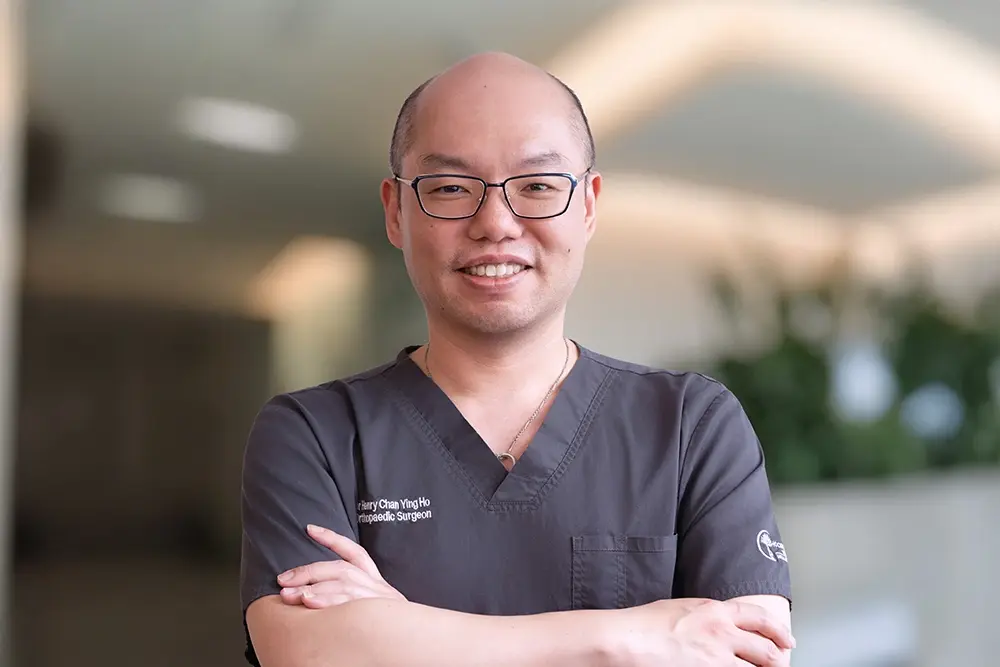
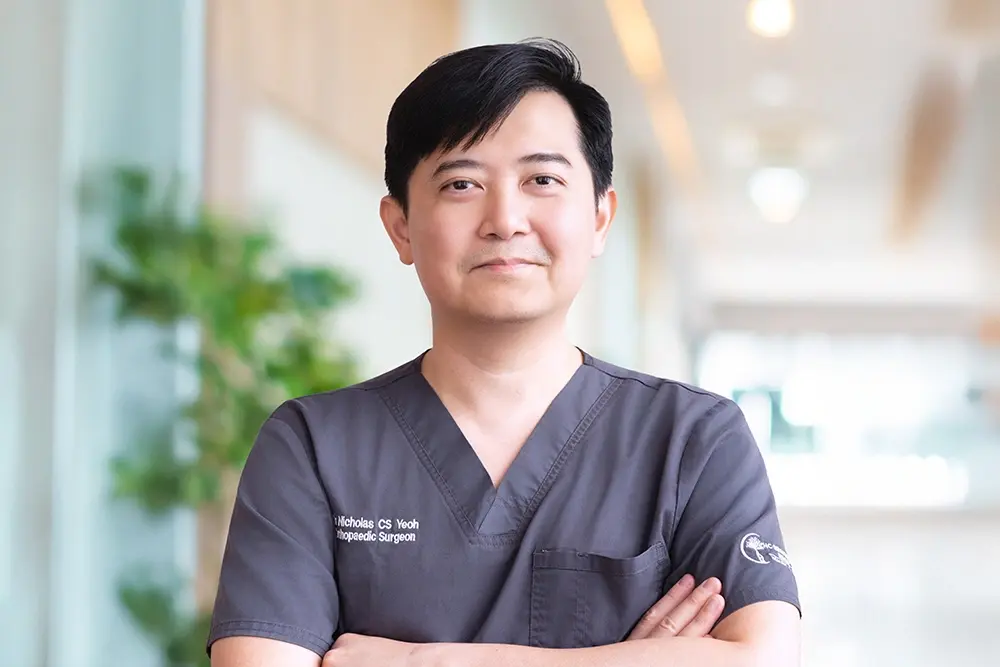
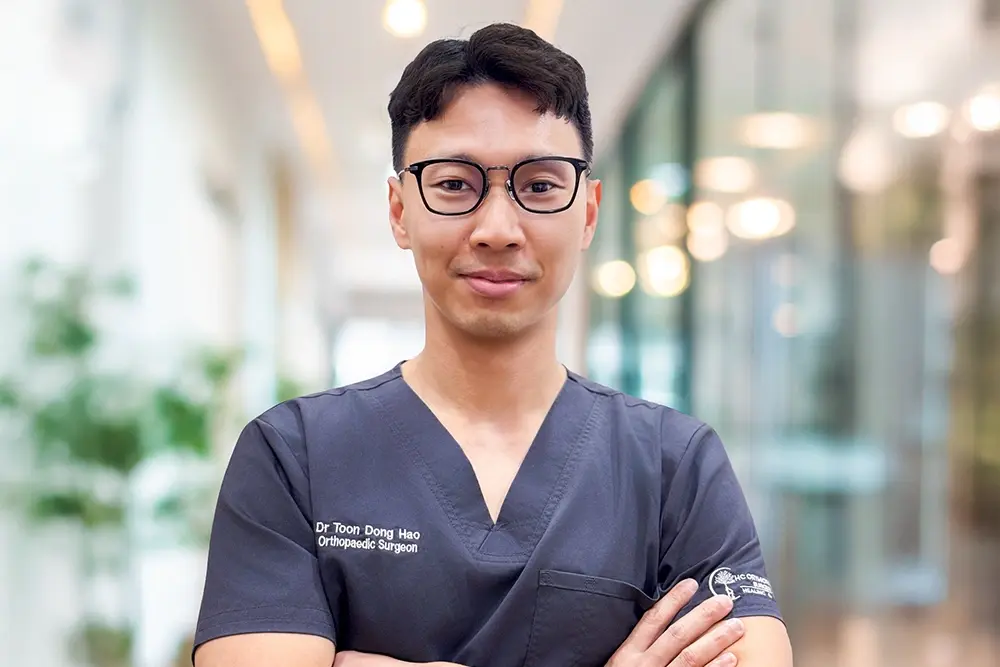
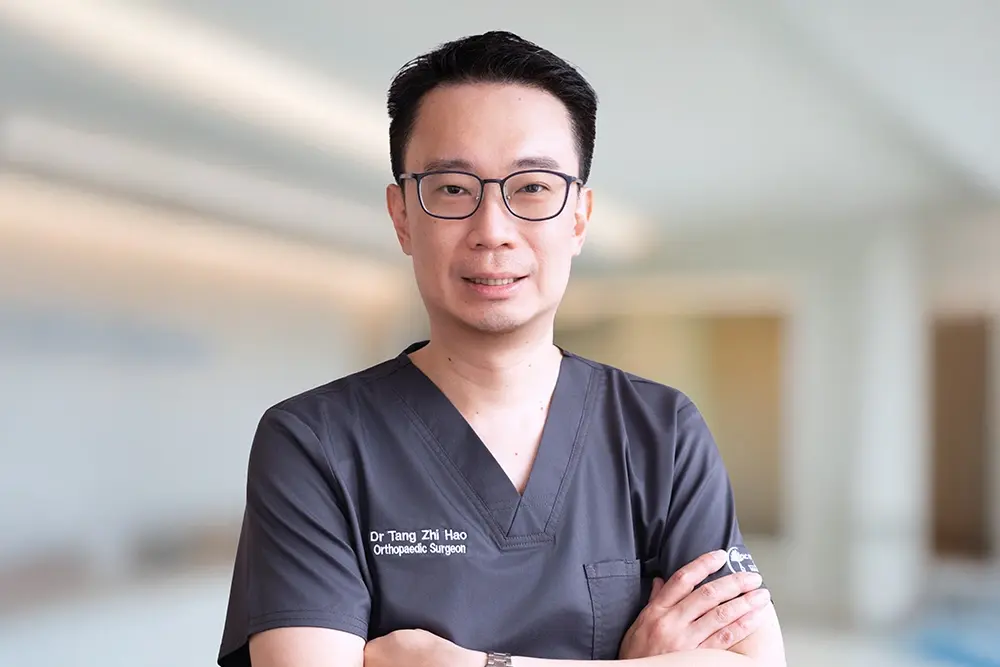
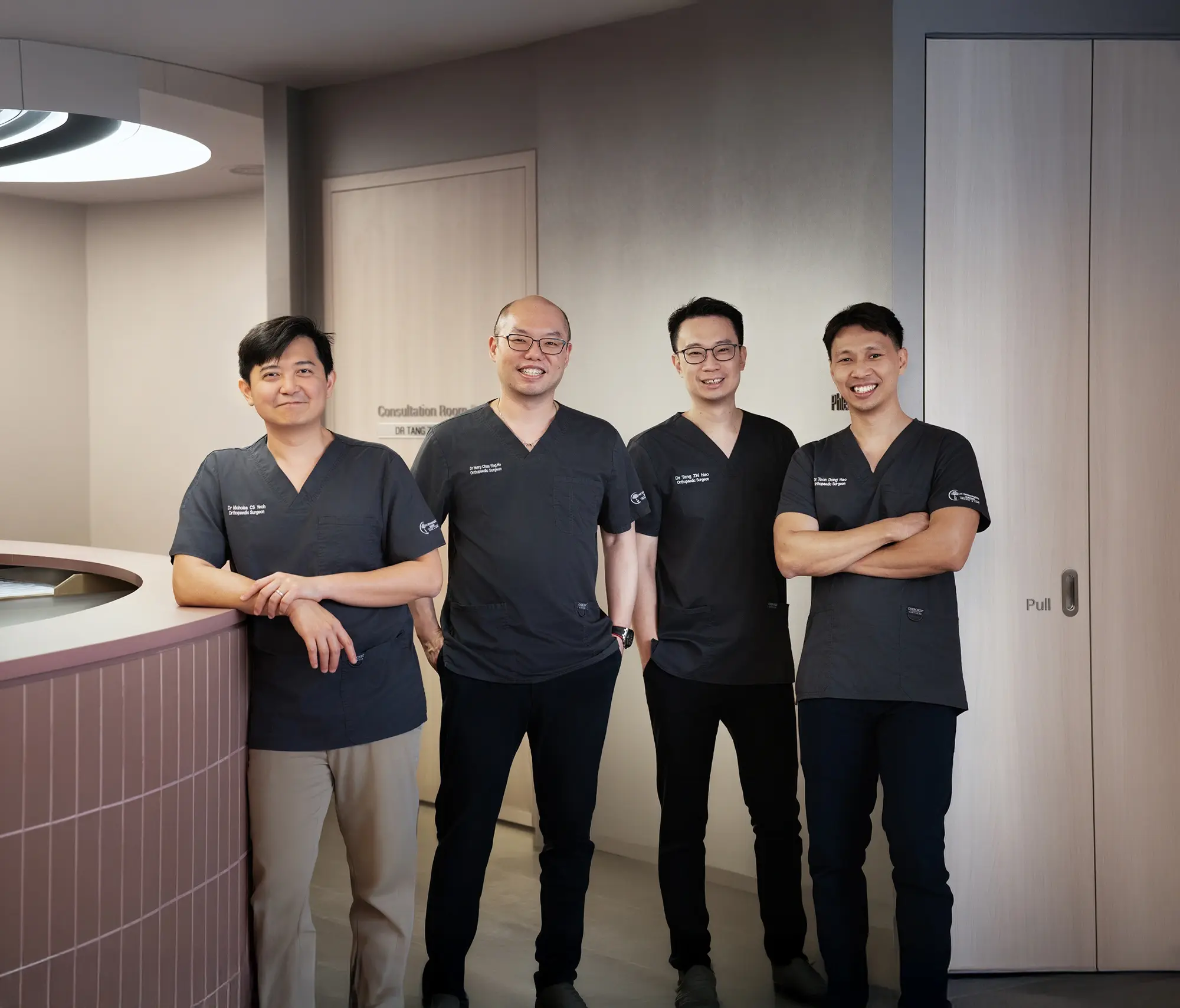
At HC Orthopaedic Surgery, every treatment plan is tailored to the specific diagnosis, severity of the condition and individual functional demands. We emphasise evidence-based surgical techniques alongside structured rehabilitation to support predictable recovery. Our team comprises Dr Henry Chan, Dr Nicholas Yeoh, Dr Toon Dong Hao and Dr Tang Zhi Hao, who manage a wide range of elbow conditions, from tendon injuries to complex joint disorders. Patients are supported closely from initial consultation through post-operative rehabilitation, with the goal of achieving safe healing and a confident return to work, sport and daily activities.
Frequently Asked Questions (FAQs) About Elbow Surgery
Will I be awake during elbow surgery?
Will I need physiotherapy after elbow surgery?
When can I return to work after elbow surgery?
Will metal implants be used in my elbow surgery?
How do I know if elbow surgery is really necessary?
What happens if I delay elbow surgery?
Will there be visible scars after elbow surgery?
Meet Our Specialist Team
Our team comprises Dr Henry Chan, Dr Nicholas Yeoh, Dr Toon Dong Hao, and Dr Tang Zhi Hao — experienced orthopaedic surgeons with subspecialty experience and a patient-centred approach to care.
Dr Henry Chan
Medical Director & Senior Consultant Orthopaedic Surgeon
MBBS (S’pore), MRCS (Edinburgh), MMed (Orthopaedic Surgery), FRCS (Edinburgh)
Dr Henry Chan is an experienced orthopaedic surgeon specialising in joint replacement and complex revision surgery. Trained at the renowned Helios Endo-Klinik in Germany under the MOH HMDP scholarship, he has performed over 1,000 joint replacements and specialises in computer-assisted and robotic joint replacement techniques for precise outcomes.
Dr Nicholas Yeoh
Senior Consultant Orthopaedic Surgeon
MBChB (Edinburgh), MRCS (Edinburgh), MMed (Orthopaedic Surgery), FRCS (Edinburgh)
Dr Nicholas Yeoh is an MOH-accredited orthopaedic specialist and Fellow of the Royal College of Surgeons of Edinburgh. Fellowship-trained in hip and knee reconstruction in Sydney under the MOH HMDP scholarship, he specialises in minimally invasive joint replacement, robotic surgery and advanced techniques that enhance recovery and surgical outcomes.
Dr Toon Dong Hao
Senior Consultant Orthopaedic Surgeon
MBChB (Leeds), MRCS (Edinburgh), MMed (Orthopaedic Surgery), FRCS (Edinburgh)
Dr Toon Dong Hao is a skilled orthopaedic surgeon and Fellow of the Royal College of Surgeons of Edinburgh. Fellowship-trained in Advanced Shoulder and Elbow Surgery in Sydney under the MOH HMDP scholarship, Dr Toon specialises in sports injuries, arthroscopic surgery and complex shoulder, elbow and knee procedures to restore function and mobility.
Dr Tang Zhi Hao
Senior Consultant Orthopaedic Surgeon
MBBS (S’pore), MRCS (Edinburgh), MMed (Orthopaedic Surgery), FRCS (Edinburgh)
Dr Tang Zhi Hao is a fellowship-trained orthopaedic surgeon specialising in foot and ankle conditions. He completed his Foot and Ankle Surgery fellowship at Severance Hospital, Yonsei University Health System in Seoul under Professor Jin Woo Lee. Prior to private practice, he served as Consultant and Deputy Head of Orthopaedics at Khoo Teck Puat Hospital.