
Elbow Ligament Injuries:
Symptoms, Causes and Treatments

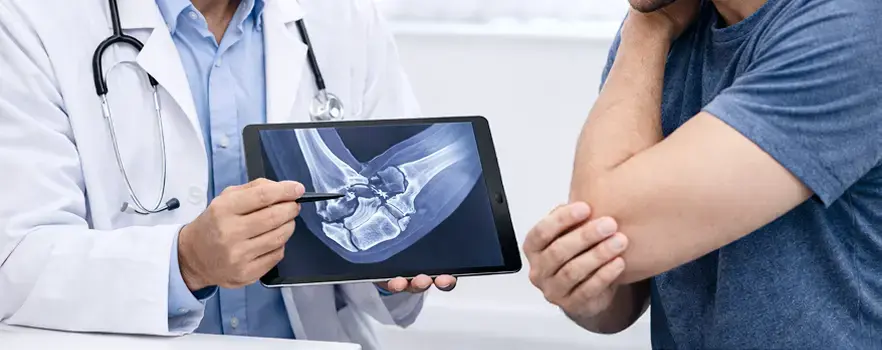
Elbow ligament injuries occur when the stabilising bands of tissue that hold the joint together are overstretched or torn. These ligaments play a crucial role in maintaining joint stability during activities such as lifting, pushing, throwing, or bracing during a fall. When injured, the elbow may feel painful, unstable, or weak, particularly during movements that place stress on the joint. The severity of symptoms depends on the extent of ligament damage and the functional demands placed on the arm.
What Causes Elbow Ligament Injuries?
Elbow ligament injuries occur when the joint is placed under more strain than the supporting ligaments can tolerate. This may happen suddenly during a fall or develop gradually from repeated stress on the elbow.
Falls, Impact or Elbow Dislocation
A fall onto an outstretched hand or a direct collision can force the elbow into an unnatural position. This sudden stress may overstretch or tear the ligaments, leading to pain, swelling and joint instability.
Repetitive Throwing or Overhead Movements
Sports that involve repeated throwing or overhead actions place ongoing strain on the elbow ligaments. Over time, this repeated stress can cause gradual ligament damage, especially along the inner side of the elbow.
Signs & Symptoms Explained
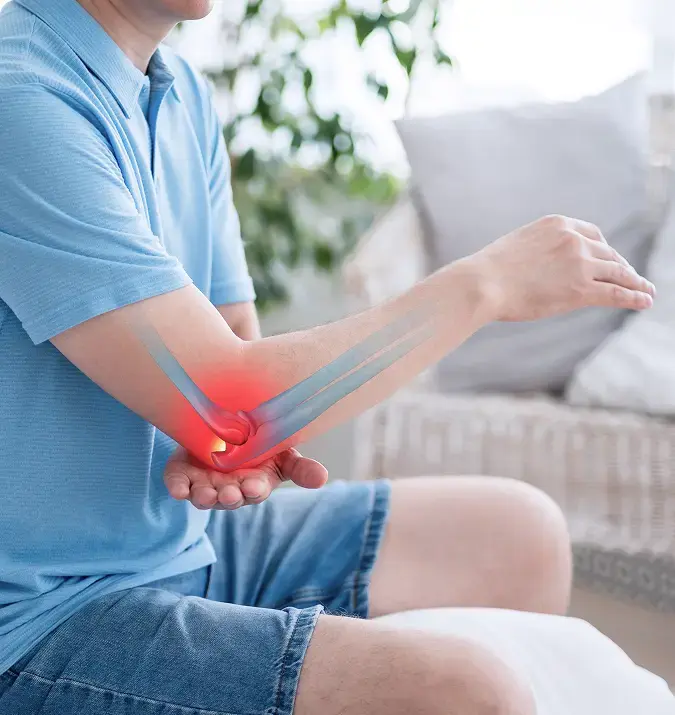
Sudden elbow ligament injuries may cause immediate pain and swelling, while overuse-related damage often presents as progressive discomfort and instability during activity. Common signs and symptoms include:
Signs & Symptoms Explained
What Are the Symptoms of Elbow Ligament Injuries?
Sudden elbow ligament injuries may cause immediate pain and swelling, while overuse-related damage often presents as progressive discomfort and instability during activity. Common signs and symptoms include:
Pain on the Inner Elbow
This may start suddenly, especially after a twisting injury or throwing motion.
Swelling or Bruising
Swelling may appear near the elbow and bruising can develop later along the arm.
Reduced Range of Motion
The elbow may feel stiff, making it difficult to fully bend or straighten the arm.
Weakness or Instability
Some patients notice the elbow feels loose, especially during lifting or pushing movements.
Pain with Wrist or Throwing Movements
Activities such as gripping, turning the wrist or throwing may trigger discomfort or reduced control.
Know Your Risk Profile
What Are the Risk Factors of Elbow Ligament Injuries?
The risk of elbow ligament injury increases in individuals who regularly perform forceful or repetitive arm movements, particularly when combined with prior injury or inadequate conditioning.
High Training Intensity
Frequent high-intensity training without adequate recovery increases strain on the elbow. Over time, this can weaken the ligaments and raise the risk of elbow ligament injuries.
Repetitive Throwing Without Rest
Repeated throwing, especially on consecutive days, places continuous stress on the inner elbow. Without sufficient rest, this may lead to gradual ligament damage and instability.
Poor Technique or Limited Shoulder Mobility
Improper mechanics or reduced shoulder movement can shift excess force onto the elbow joint. This added strain increases the risk of elbow ligament injuries during sports or overhead activities.
Understanding Your Evaluation
How Are Elbow Ligament Injuries Diagnosed?
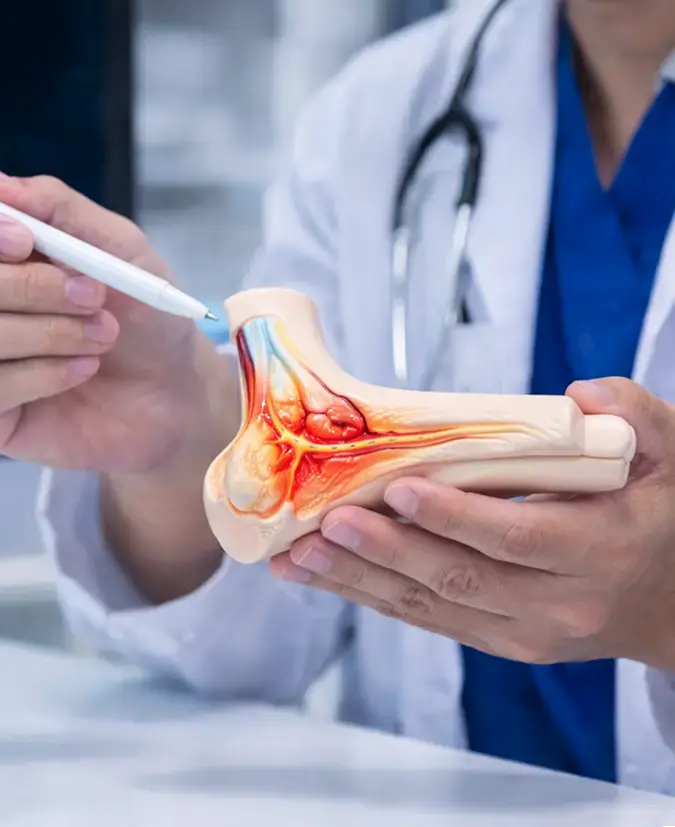
Diagnosing an elbow ligament injury requires the doctor to assess one’s joint stability, identify the specific ligament involved, and determine the severity of the tear. The evaluation typically includes:
Understanding Your Evaluation
How Are Elbow Ligament Injuries Diagnosed?
Diagnosing an elbow ligament injury requires the doctor to assess one’s joint stability, identify the specific ligament involved, and determine the severity of the tear. The evaluation typically includes:
Clinical History and Symptom Review
The doctor will assess how the injury occurred, whether symptoms developed suddenly or gradually, and what activities trigger pain or instability. Information about sports participation, occupational strain, or previous elbow injuries is also important.
Physical Examination
The elbow is examined for swelling, tenderness, and range of motion. Specific stress tests may be performed to assess joint stability and reproduce symptoms, helping to identify whether the medial or lateral ligament complex is affected.
X-rays
X-rays are used to rule out associated fractures or joint displacement. While ligaments are not visible on X-ray, imaging helps exclude bone injuries that may mimic or accompany ligament damage.
MRI Scan
MRI is the most useful imaging method for evaluating ligament injuries. It provides detailed visualisation of soft tissue structures, allowing assessment of partial or complete ligament tears and associated tendon or cartilage injuries.
Exploring Treatment Options
Elbow Ligament Injury Treatments in Singapore
Treatment depends on the type, severity and stability of the injury, as well as your activity level. Many elbow ligament injuries can be managed without surgery, while more severe tears may require operative repair.

Non-Surgical Treatment Options
Conservative care is often the first step, especially for partial tears or stable injuries.
Rest and Activity Modification
Avoiding movements that aggravate symptoms allows the ligament time to heal.
Ice and Anti-Inflammatory Medication
Short periods of ice application and appropriate medication can help reduce pain and swelling.
Bracing or Splinting
Supportive devices may be used to protect the elbow and reduce strain on healing tissues.
Physiotherapy
A structured rehabilitation programme focuses on restoring range of motion, strengthening surrounding muscles and improving joint stability.
Surgical Treatment Options
Surgery may be considered for complete ligament tears or persistent elbow instability, especially when symptoms affect daily function or athletic performance.
Medial Collateral Ligament Reconstruction
This is often performed for significant tears on the inner side of the elbow. It is commonly recommended for athletes involved in overhead sports to help restore stability and support a safe return to sport.
Lateral Collateral Ligament Repair or Reconstruction
This procedure addresses ligament injuries on the outer side of the elbow. It is frequently required when the injury occurs alongside fractures or elbow dislocations.
Following surgery, rehabilitation is very important in order to restore optimal strength and function in the long run.
Get Relief From Elbow Ligament Injuries at HC Orthopaedic Surgery
Pain, swelling and instability of the elbow can make everyday tasks such as lifting, gripping or pushing uncomfortable, and persistent symptoms may lead to chronic stiffness over time. Because ligament damage can vary in severity, early evaluation allows appropriate treatment to take place. With timely and structured management, most elbow ligament injuries can heal well, allowing patients to regain stability and return to their usual activities.
Get Relief From Elbow Ligament Injuries at HC Orthopaedic Surgery
Pain, swelling and instability of the elbow can make everyday tasks such as lifting, gripping or pushing uncomfortable, and persistent symptoms may lead to chronic stiffness over time. Because ligament damage can vary in severity, early evaluation allows appropriate treatment to take place. With timely and structured management, most elbow ligament injuries can heal well, allowing patients to regain stability and return to their usual activities.

Our Specialised Team
At HC Orthopaedic Surgery, patients can be assured that we provide effective, evidence-based care tailored to each individual’s needs, ensuring thorough assessment, accurate diagnosis and personalised treatment plans for optimal recovery and elbow function.
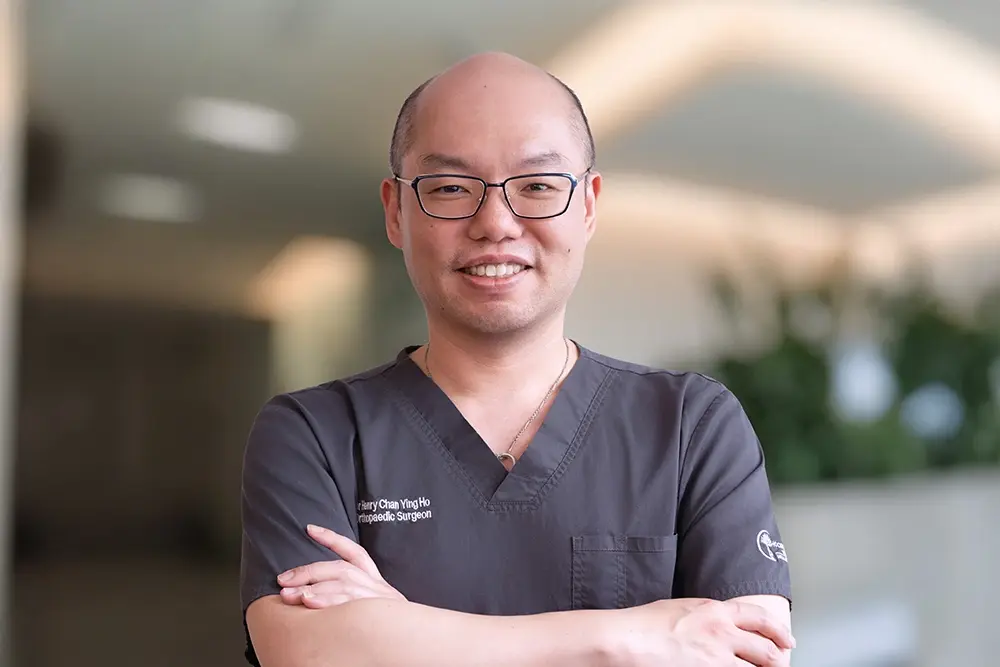
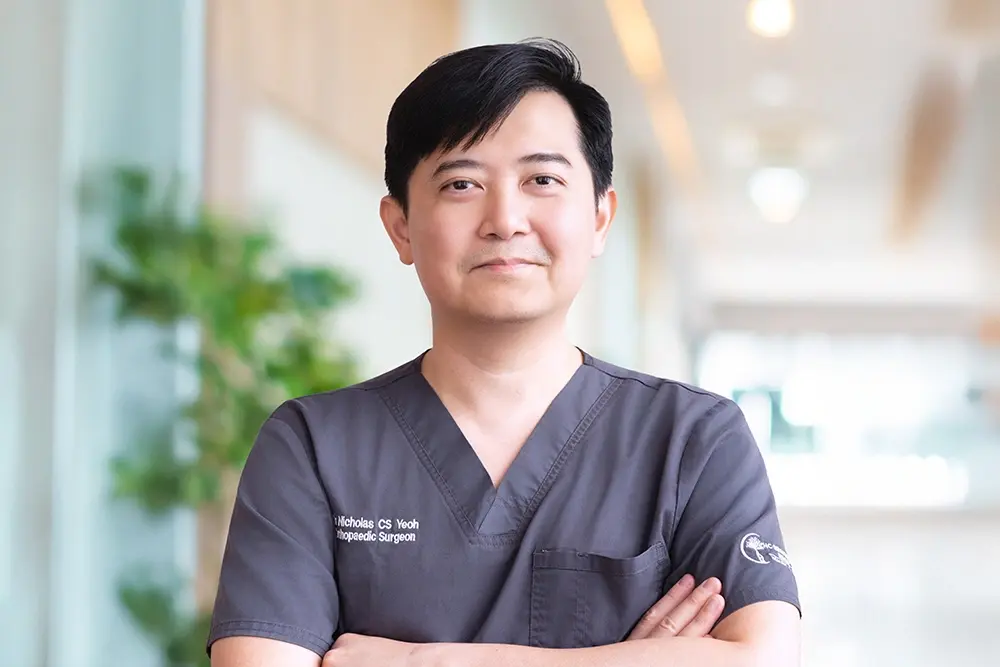
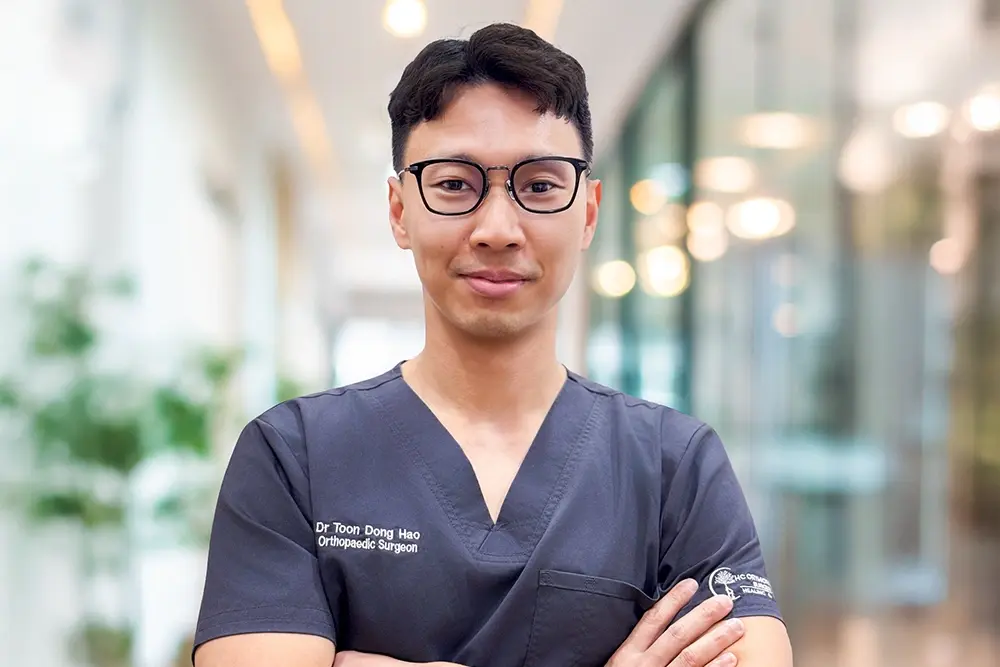
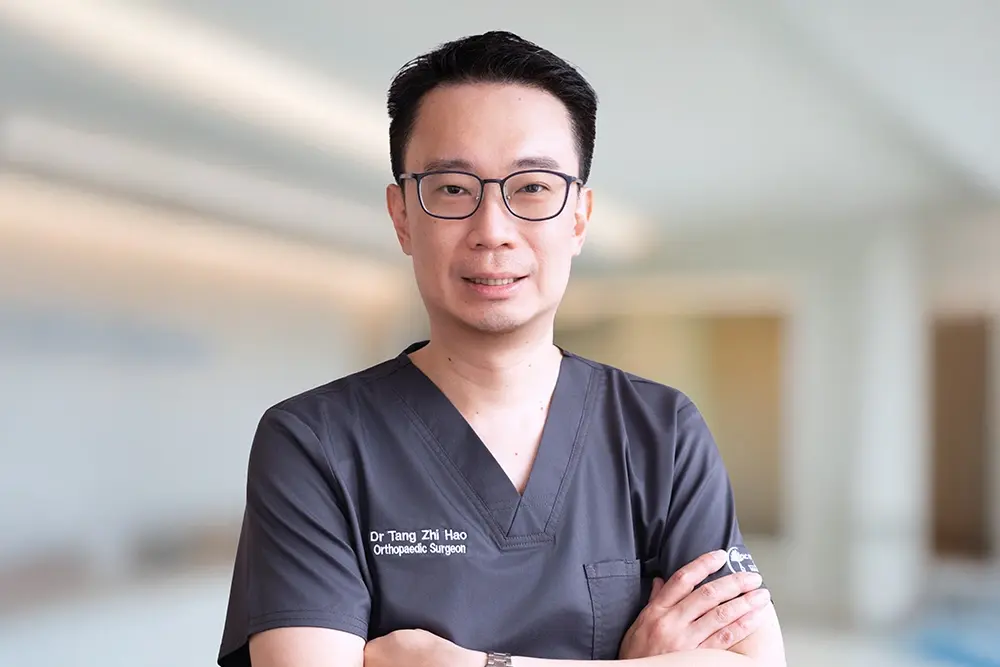
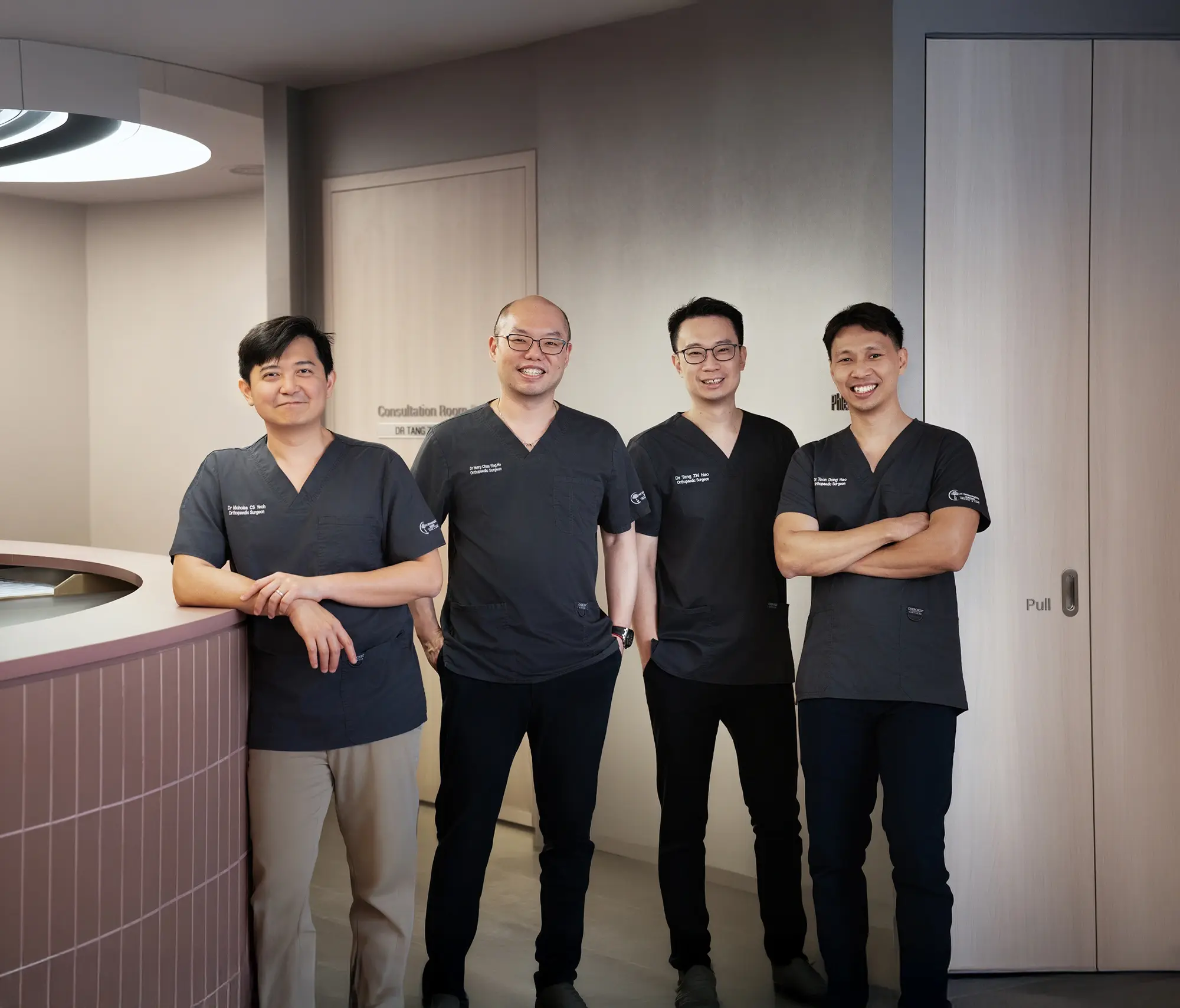
Our specialists, Dr Henry Chan, Dr Nicholas Yeoh, Dr Toon Dong Hao and Dr Tang Zhi Hao, are experienced in the management of elbow conditions, in particular Dr Toon, who was awarded the Health Manpower Development Plan (HMDP) Scholarship by the Ministry of Health Singapore and undertook his fellowship in Advanced Shoulder and Elbow Surgery in Sydney, Australia. Get in touch with us today to receive safe and effective care for your elbow.
Frequently Asked Questions (FAQs) About Elbow Ligament Injuries
What are the symptoms of a torn ligament in your elbow?
Can you still move your elbow with a torn ligament?
How can you tell the difference between a tendon and a ligament injury?
Can a torn elbow ligament heal itself?
How long does a strained elbow ligament take to heal?
What happens if an elbow ligament injury goes untreated?
Meet Our Specialist Team
Our team comprises Dr Henry Chan, Dr Nicholas Yeoh, Dr Toon Dong Hao, and Dr Tang Zhi Hao — experienced orthopaedic surgeons with subspecialty experience and a patient-centred approach to care.
Dr Henry Chan
Medical Director & Senior Consultant Orthopaedic Surgeon
MBBS (S’pore), MRCS (Edinburgh), MMed (Orthopaedic Surgery), FRCS (Edinburgh)
Dr Henry Chan is an experienced orthopaedic surgeon specialising in joint replacement and complex revision surgery. Trained at the renowned Helios Endo-Klinik in Germany under the MOH HMDP scholarship, he has performed over 1,000 joint replacements and specialises in computer-assisted and robotic joint replacement techniques for precise outcomes.
Dr Nicholas Yeoh
Senior Consultant Orthopaedic Surgeon
MBChB (Edinburgh), MRCS (Edinburgh), MMed (Orthopaedic Surgery), FRCS (Edinburgh)
Dr Nicholas Yeoh is an MOH-accredited orthopaedic specialist and Fellow of the Royal College of Surgeons of Edinburgh. Fellowship-trained in hip and knee reconstruction in Sydney under the MOH HMDP scholarship, he specialises in minimally invasive joint replacement, robotic surgery and advanced techniques that enhance recovery and surgical outcomes.
Dr Toon Dong Hao
Senior Consultant Orthopaedic Surgeon
MBChB (Leeds), MRCS (Edinburgh), MMed (Orthopaedic Surgery), FRCS (Edinburgh)
Dr Toon Dong Hao is a skilled orthopaedic surgeon and Fellow of the Royal College of Surgeons of Edinburgh. Fellowship-trained in Advanced Shoulder and Elbow Surgery in Sydney under the MOH HMDP scholarship, Dr Toon specialises in sports injuries, arthroscopic surgery and complex shoulder, elbow and knee procedures to restore function and mobility.
Dr Tang Zhi Hao
Senior Consultant Orthopaedic Surgeon
MBBS (S’pore), MRCS (Edinburgh), MMed (Orthopaedic Surgery), FRCS (Edinburgh)
Dr Tang Zhi Hao is a fellowship-trained orthopaedic surgeon specialising in foot and ankle conditions. He completed his Foot and Ankle Surgery fellowship at Severance Hospital, Yonsei University Health System in Seoul under Professor Jin Woo Lee. Prior to private practice, he served as Consultant and Deputy Head of Orthopaedics at Khoo Teck Puat Hospital.