
Cubital Tunnel Syndrome:
Symptoms, Causes and Treatments

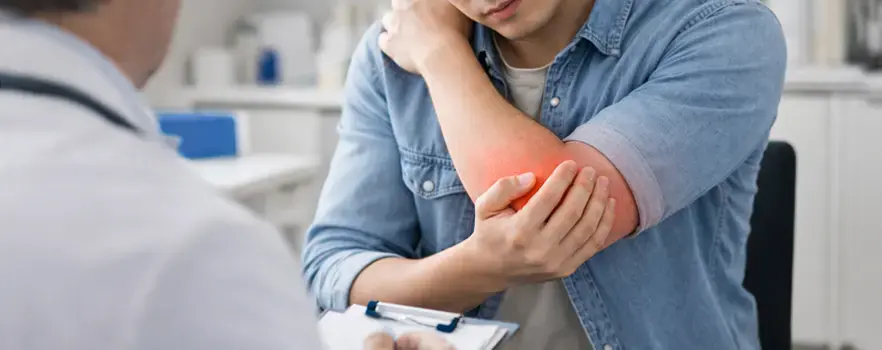
Cubital tunnel syndrome is a condition caused by compression or irritation of the ulnar nerve, which runs along the inner side of the elbow. This nerve is responsible for the sensation in the ring and little fingers and controls some of the muscles in the hand. Over time, this condition can progressively affect everyday life by limiting mobility and independence. Early symptoms often improve with conservative care, but more severe cases typically require targeted intervention, such as surgery, to relieve nerve pressure and enhance hand function.
Why It Happens
What Causes Cubital Tunnel Syndrome?
Cubital tunnel syndrome develops when the ulnar nerve is compressed or repeatedly stretched as it passes along the inner side of the elbow. Because the nerve lies close to the surface in this area, it is particularly vulnerable to prolonged pressure, frequent bending of the elbow, or structural changes that narrow the space around it.
Prolonged Elbow Flexion
Keeping the elbow bent for extended periods, such as while talking on the phone or sleeping, increases pressure on the ulnar nerve.
Repetitive Movements
Repeated elbow motions, such as pulling, stretching or lifting, can strain the nerve over time.
Direct Pressure on the Elbow
Resting the elbow on hard surfaces can compress the nerve and lead to symptoms.
Bone Spurs or Arthritis
Structural changes in the elbow joint can narrow the cubital tunnel, increasing nerve compression.
Previous Injuries or Trauma
Fractures or dislocations of the elbow may alter its anatomy, placing additional stress on the nerve.
Tissue Thickening or Cysts
Scar tissue or growths around the elbow can further compress the ulnar nerve.
Signs & Symptoms Explained
What Are Common Symptoms of Cubital Tunnel Syndrome?
Early signs of cubital tunnel syndrome often begin subtly and gradually become more noticeable as the condition progresses. Common symptoms to watch out for are:
Numbness or Tingling in the Ring and Little Fingers
A common initial symptom, individuals may experience a ‘pins and needles’ sensation, particularly when the elbow is bent for an extended period.
Elbow Pain or Discomfort
Some patients experience aching pain on the inside of the elbow, which may radiate down the arm.
Weakness
Muscle weakness can make gripping or pinching objects more difficult, leading to reduced dexterity.
Clumsiness or Dropping Objects
Difficulty holding onto items is a frequent complaint, often due to weakened hand muscles.
Fingers ‘Locking’ or Difficulty Straightening Them
In advanced stages, the little and ring fingers may become bent and less responsive to movement.
Stages of Cubital Tunnel Syndrome
Mild
Moderate
Severe
Understanding Your Evaluation
Your doctor will discuss your medical background and ask about your symptoms, including when they started and whether any activities seem to worsen them. A physical examination will also be performed, during which your doctor may check for tenderness, swelling or weakness around the elbow and hand. To confirm the diagnosis or rule out other conditions, additional tests may be recommended:
Understanding Your Evaluation
How Is Cubital Tunnel Syndrome Diagnosed?
Your doctor will discuss your medical background and ask about your symptoms, including when they started and whether any activities seem to worsen them. A physical examination will also be performed, during which your doctor may check for tenderness, swelling or weakness around the elbow and hand. To confirm the diagnosis or rule out other conditions, additional tests may be recommended:
Nerve Conduction Studies
These tests measure how well the ulnar nerve transmits electrical signals. Delayed responses can indicate nerve compression.
Electromyography (EMG)
An EMG test evaluates the electrical activity of muscles controlled by the ulnar nerve and helps pinpoint areas of nerve dysfunction.
X-rays
X-ray imaging can reveal structural abnormalities like bone spurs or fractures that may contribute to nerve compression.
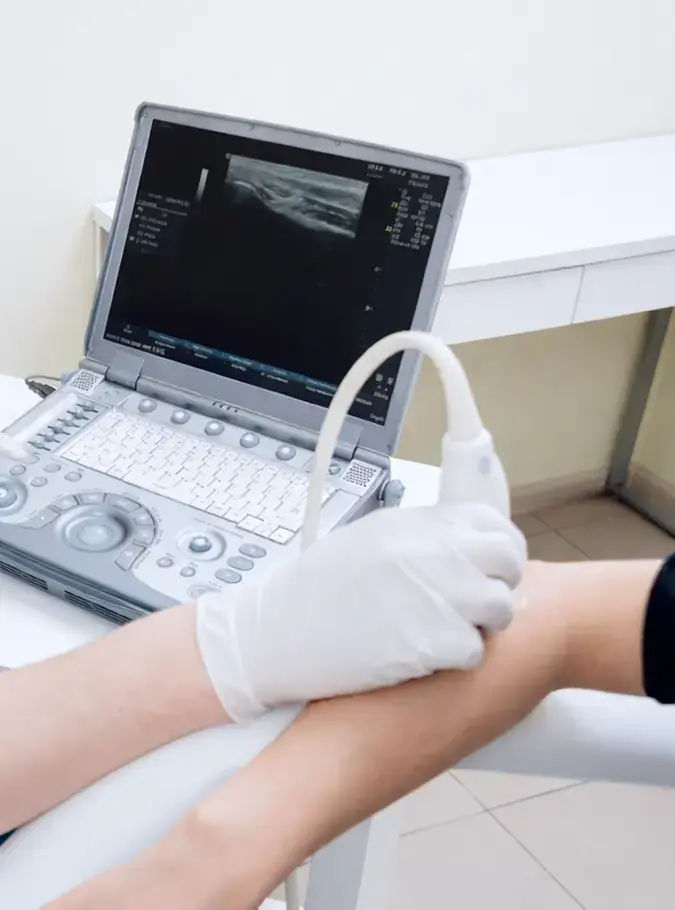
Ultrasound
Doctors may use an ultrasound to visualise the ulnar nerve and detect changes in its structure or movement through the cubital tunnel.
MRI Scans
In some cases, this imaging test may be used to examine soft tissues around the elbow for signs of inflammation or growths.
Exploring Treatment Options
Cubital Tunnel Syndrome Treatments in Singapore
Treatment for cubital tunnel syndrome focuses on relieving pressure on the ulnar nerve, reducing irritation, and preventing long-term nerve damage. The appropriate approach depends on symptom severity, duration, and the presence of muscle weakness or persistent numbness.

Non-Surgical Treatment
Non-surgical management is usually recommended for mild to moderate cases, particularly when symptoms are intermittent and muscle strength is preserved.
Activity Modification
Avoiding prolonged elbow flexion and reducing pressure on the inner elbow can help relieve nerve irritation. Simple adjustments, such as avoiding leaning on hard surfaces or modifying work habits, may significantly reduce symptoms.
Night Splinting
A lightweight elbow splint may be worn at night to keep the arm in a slightly extended position. This prevents prolonged bending during sleep, which can aggravate ulnar nerve compression.
Physiotherapy and Nerve Gliding Exercises
Targeted exercises may help improve nerve mobility and reduce tension within the cubital tunnel. Strengthening surrounding muscles can also support overall elbow stability.
Anti-Inflammatory Medication
Short-term use of anti-inflammatory medication may help reduce swelling and alleviate discomfort, particularly during flare-ups.
Surgical Treatment
Surgery may be considered when symptoms persist despite conservative management, or when there is progressive numbness, muscle weakness, or signs of nerve damage.
Ulnar Nerve Decompression
This procedure involves releasing structures that are compressing the nerve within the cubital tunnel to relieve pressure.
Ulnar Nerve Transposition
In some cases, the nerve is repositioned to the front of the elbow to reduce tension and prevent recurrent compression during movement.
Medial Epicondylectomy (Selected Cases)
A small portion of bone may be removed to create more space for the nerve and reduce irritation.
Surgical treatment aims to prevent further nerve damage and improve symptoms, particularly in patients with persistent sensory changes or muscle weakness.
Get Relief From Cubital Tunnel Syndrome at HC Orthopaedic Surgery
Persistent numbness, tingling, or weakness in the hand should not be ignored, as prolonged nerve compression can lead to irreversible muscle wasting. Early evaluation and appropriate management can relieve pressure on the ulnar nerve and improve long-term hand function.
Get Relief From Cubital Tunnel Syndrome at HC Orthopaedic Surgery
Persistent numbness, tingling, or weakness in the hand should not be ignored, as prolonged nerve compression can lead to irreversible muscle wasting. Early evaluation and appropriate management can relieve pressure on the ulnar nerve and improve long-term hand function.

Our Specialised Team
At HC Orthopaedic Surgery, patients can be assured that we provide effective, evidence-based care tailored to each individual’s needs, ensuring thorough assessment, accurate diagnosis and personalised treatment plans for optimal recovery and elbow function.
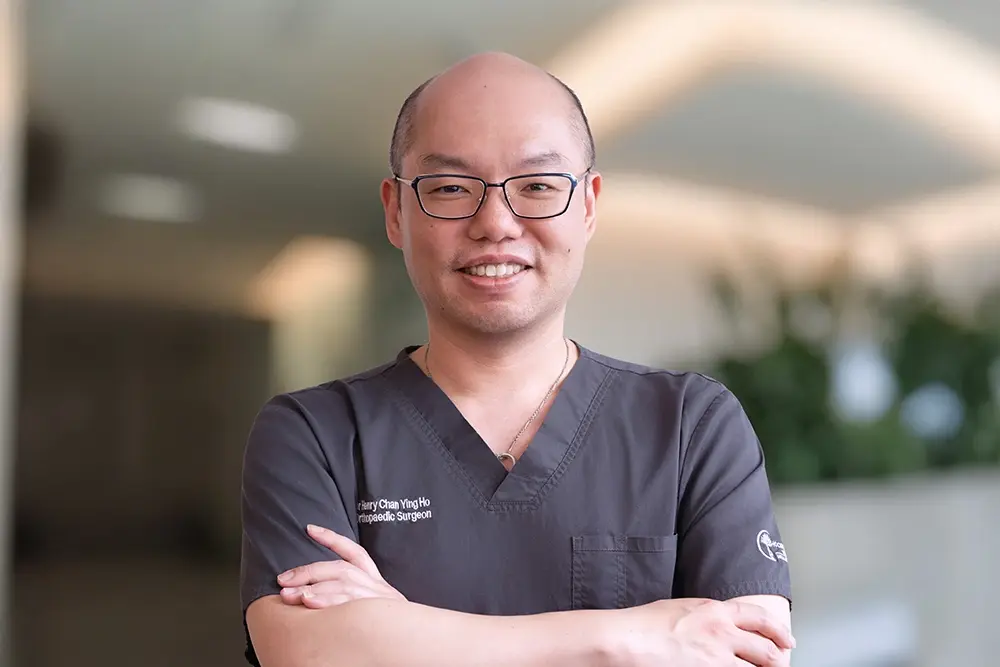
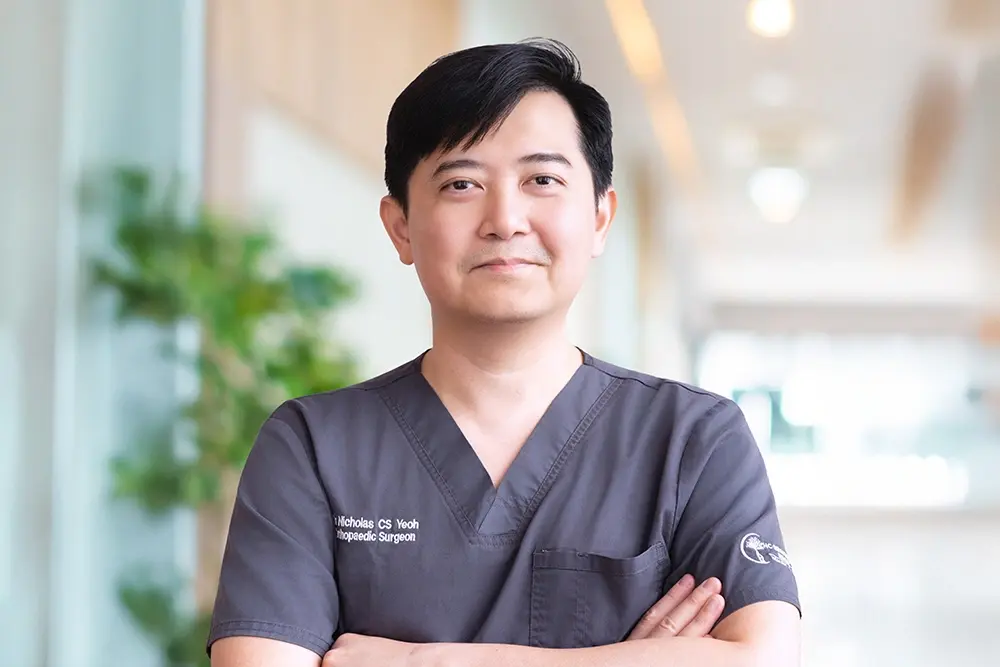
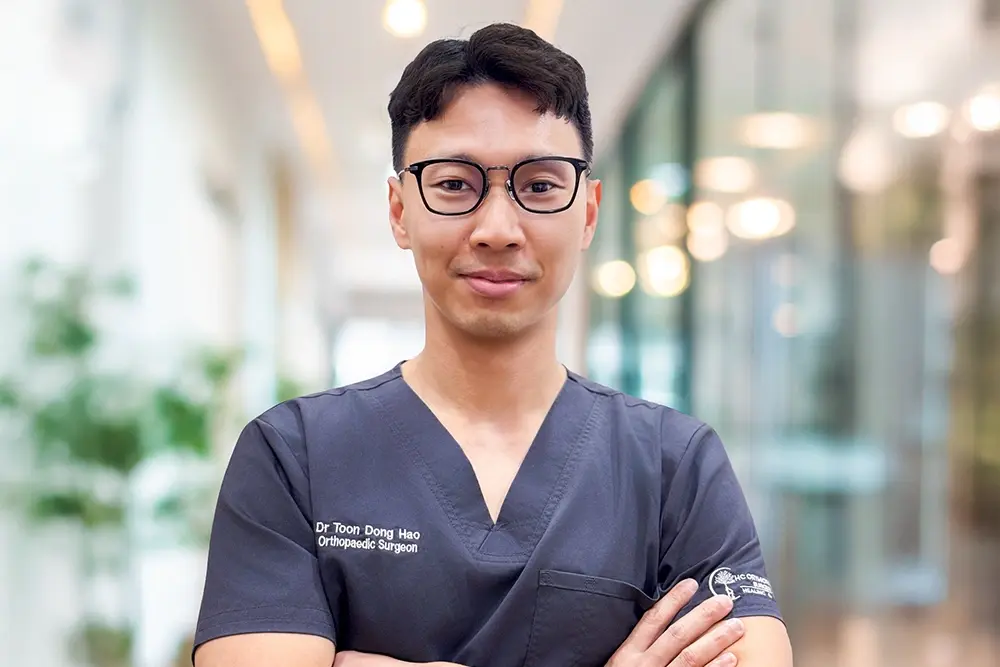
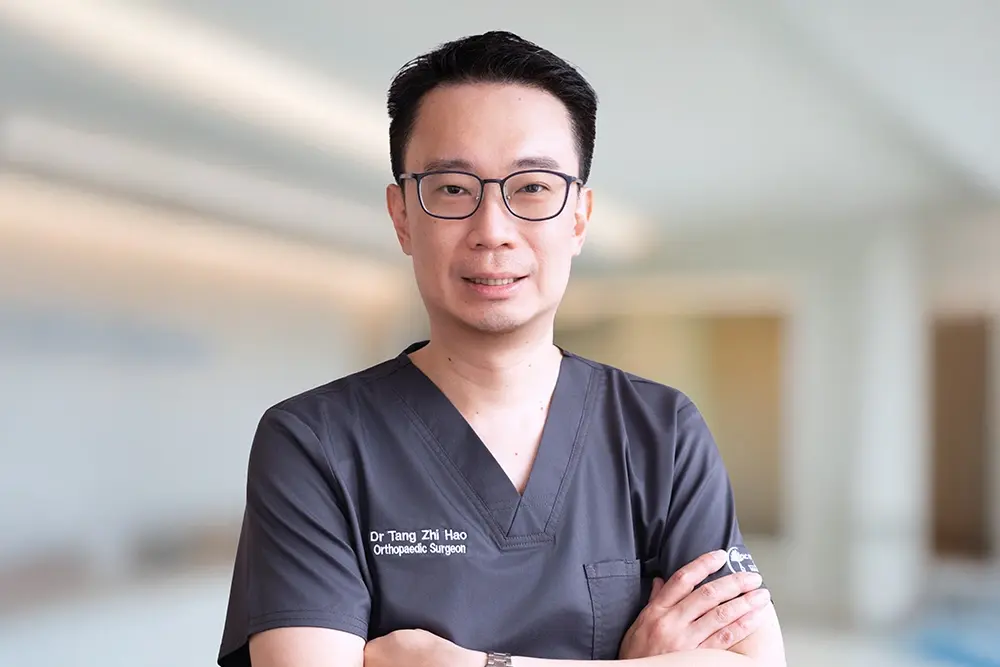
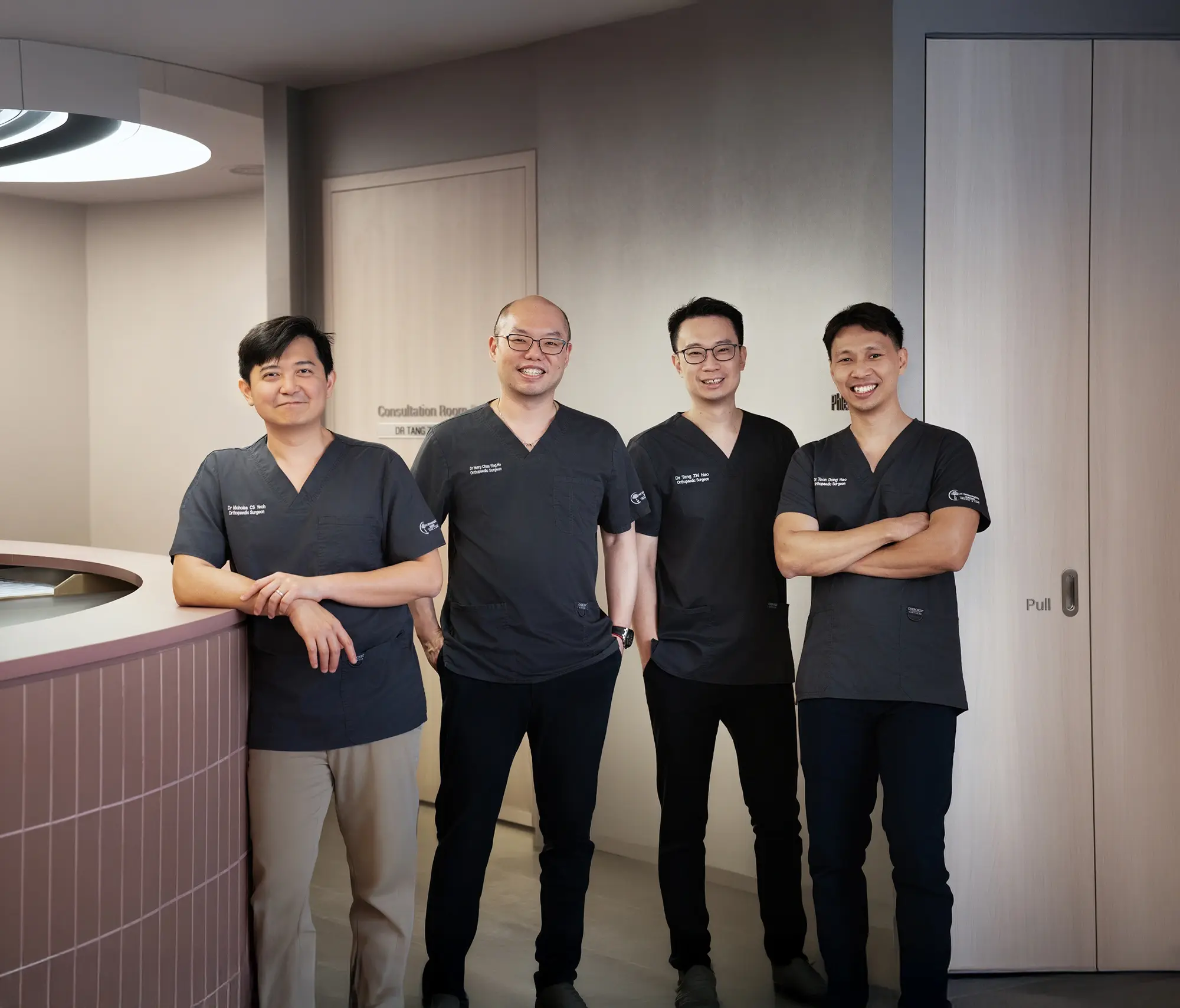
Our specialists, Dr Henry Chan, Dr Nicholas Yeoh, Dr Toon Dong Hao and Dr Tang Zhi Hao, are experienced in the management of elbow conditions, in particular Dr Toon, who was awarded the Health Manpower Development Plan (HMDP) Scholarship by the Ministry of Health Singapore and undertook his fellowship in Advanced Shoulder and Elbow Surgery in Sydney, Australia. Get in touch with us today to receive safe and effective care for your elbow.
Frequently Asked Questions (FAQs) About Cubital Tunnel Syndrome
How long does recovery take after cubital tunnel surgery?
What will happen if cubital tunnel syndrome is left untreated?
Can cubital tunnel syndrome recur after treatment?
Is cubital tunnel syndrome the same as carpal tunnel syndrome?
Can cubital tunnel syndrome be prevented?
Meet Our Specialist Team
Our team comprises Dr Henry Chan, Dr Nicholas Yeoh, Dr Toon Dong Hao, and Dr Tang Zhi Hao — experienced orthopaedic surgeons with subspecialty experience and a patient-centred approach to care.
Dr Henry Chan
Medical Director & Senior Consultant Orthopaedic Surgeon
MBBS (S’pore), MRCS (Edinburgh), MMed (Orthopaedic Surgery), FRCS (Edinburgh)
Dr Henry Chan is an experienced orthopaedic surgeon specialising in joint replacement and complex revision surgery. Trained at the renowned Helios Endo-Klinik in Germany under the MOH HMDP scholarship, he has performed over 1,000 joint replacements and specialises in computer-assisted and robotic joint replacement techniques for precise outcomes.
Dr Nicholas Yeoh
Senior Consultant Orthopaedic Surgeon
MBChB (Edinburgh), MRCS (Edinburgh), MMed (Orthopaedic Surgery), FRCS (Edinburgh)
Dr Nicholas Yeoh is an MOH-accredited orthopaedic specialist and Fellow of the Royal College of Surgeons of Edinburgh. Fellowship-trained in hip and knee reconstruction in Sydney under the MOH HMDP scholarship, he specialises in minimally invasive joint replacement, robotic surgery and advanced techniques that enhance recovery and surgical outcomes.
Dr Toon Dong Hao
Senior Consultant Orthopaedic Surgeon
MBChB (Leeds), MRCS (Edinburgh), MMed (Orthopaedic Surgery), FRCS (Edinburgh)
Dr Toon Dong Hao is a skilled orthopaedic surgeon and Fellow of the Royal College of Surgeons of Edinburgh. Fellowship-trained in Advanced Shoulder and Elbow Surgery in Sydney under the MOH HMDP scholarship, Dr Toon specialises in sports injuries, arthroscopic surgery and complex shoulder, elbow and knee procedures to restore function and mobility.
Dr Tang Zhi Hao
Senior Consultant Orthopaedic Surgeon
MBBS (S’pore), MRCS (Edinburgh), MMed (Orthopaedic Surgery), FRCS (Edinburgh)
Dr Tang Zhi Hao is a fellowship-trained orthopaedic surgeon specialising in foot and ankle conditions. He completed his Foot and Ankle Surgery fellowship at Severance Hospital, Yonsei University Health System in Seoul under Professor Jin Woo Lee. Prior to private practice, he served as Consultant and Deputy Head of Orthopaedics at Khoo Teck Puat Hospital.