
Rotator Cuff Tear:
Symptoms, Causes and Treatments

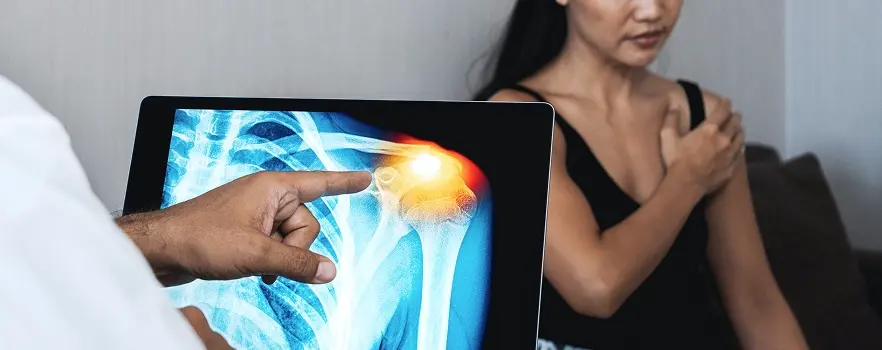
A rotator cuff tear occurs when one or more of the tendons that stabilise and move the shoulder joint become partially or completely torn. The rotator cuff plays a critical role in lifting and rotating the arm, and a tear — whether from ageing, degeneration, or injury — can lead to pain, weakness, and difficulty performing everyday activities such as reaching overhead or carrying objects.
Rotator cuff tears become more common with age, and many older adults may have tendon degeneration on imaging, although not all tears cause symptoms. Understanding the anatomy of the rotator cuff provides important insight into how these injuries develop and how they impact shoulder stability and movement.
Anatomical Overview
The Anatomy of the Rotator Cuff
The rotator cuff consists of four muscles and their associated tendons that together stabilise the shoulder joint and allow for a wide range of motion. The four muscles are:
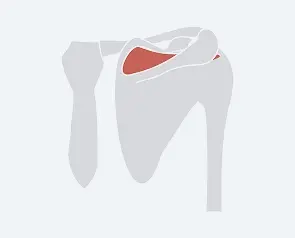
Supraspinatus
Located on the top of the shoulder, it helps with arm abduction (lifting the arm away from the body).
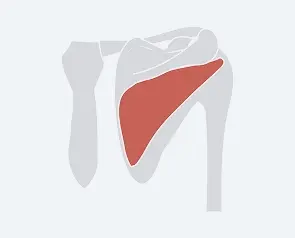
Infraspinatus
Located on the back of the shoulder, it is responsible for external rotation of the arm.
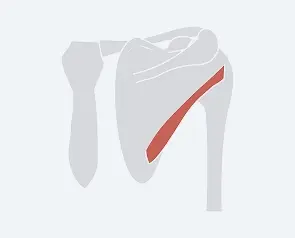
Teres Minor
A small muscle that also aids in external rotation.
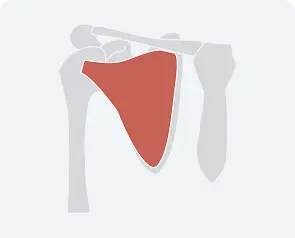
Subscapularis
Located on the front of the shoulder, it is responsible for internal rotation.
These muscles work together to keep the head of the humerus (upper arm bone) securely within the shallow socket of the scapula (shoulder blade).
What Are the Common Symptoms of a Rotator Cuff Tear?
A rotator cuff tear can affect both shoulder strength and movement in varying degrees of severity. Patients may notice pain with certain activities, difficulty lifting the arm, or progressive weakness over time.
Pain
Often localised in the shoulder and may radiate down the arm. Pain can worsen with overhead activities or at night.
Limited Range of Motion
Stiffness and a reduced ability to move the shoulder freely.
Weakness
Difficulty lifting objects or performing overhead activities.
Cracking or Popping Sensation
A feeling of grinding or catching in the shoulder during movement.
Why It Happens
What Causes a Rotator Cuff Tear?
Rotator cuff tears can happen either suddenly after an injury or gradually as the tendons weaken over time. Both repetitive shoulder use and age-related changes can increase the risk of tendon failure.
Acute injury or trauma
A sudden fall on the shoulder, lifting something excessively heavy, or a direct blow can immediately tear the tendon.
Sudden pulling or jerking motion
Abrupt forceful movements of the arm may cause the tendon to rupture.
Shoulder dislocation
When the shoulder joint is forced out of place, the rotator cuff tendons can be torn.
Degenerative wear and tear
Long-term tendon breakdown from repeated use can eventually lead to a partial or complete tear.
Know Your Risk Profile
What Are the Risk Factors for Rotator Cuff Tears?
Certain factors can weaken the rotator cuff tendons or place repeated stress on the shoulder, increasing the likelihood of a tear over time. They include:
Ageing
As people age, the tendons may become weaker and more prone to injury. Degenerative tears are more common in individuals over 40.
Repetitive overhead activities
Jobs or sports that involve frequent lifting or reaching overhead place prolonged strain on the shoulder.
Sports participation
Activities such as tennis, baseball and swimming can increase stress on the rotator cuff tendons.
Heavy lifting
Regular lifting of heavy objects, especially with poor technique, may lead to tendon damage.
Smoking
Reduced blood supply to the tendons may impair healing and increase susceptibility to tears.
Family history
People with a family history of rotator cuff problems may have weaker tendons or structural differences, making them more prone to tears over time.
Understanding the Differences
What are the Types of Rotator Cuff Tears?
Tears of the rotator cuff vary in size and severity (ranging from partial tendon damage to complete disruption), as well as how they occurred.
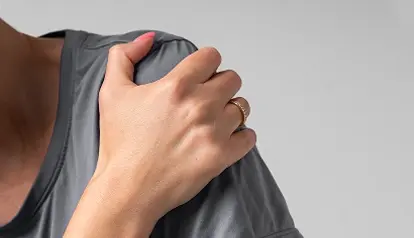
Partial Thickness Tear
The tendon is damaged but not completely severed. This type can be further categorised into:
Articular-sided tears
Occur on the side of the tendon facing the shoulder joint.
Bursal-sided tears
Occur on the side facing the skin.
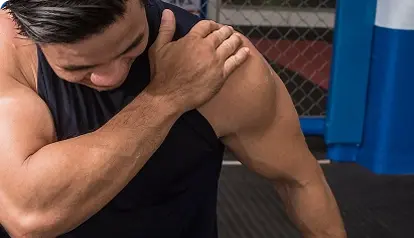
Full Thickness Tear
The tendon is completely torn, often resulting in a gap in the tendon.
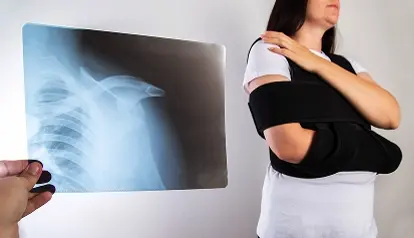
Acute vs. Chronic Tears
Acute tears occur suddenly due to injury, while chronic tears develop gradually due to degeneration.
Understanding Your Evaluation
How Are Rotator Cuff Tears Diagnosed?
Accurate diagnosis requires a combination of physical examination and imaging to determine the extent of tendon damage and its impact on shoulder function.
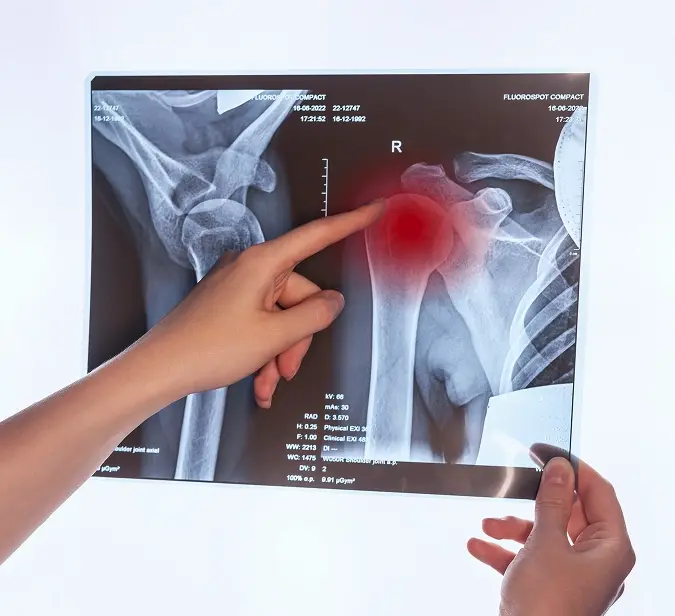
Understanding Your Evaluation
How Are Rotator Cuff Tears Diagnosed?
Accurate diagnosis requires a combination of physical examination and imaging to determine the extent of tendon damage and its impact on shoulder function.
Medical History and Physical Examination
A doctor will assess the patient’s symptoms, medical history and perform tests to evaluate shoulder strength and range of motion.
Imaging Studies
X-rays
Can help identify bone spurs or other structural issues.
MRI (Magnetic Resonance Imaging)
Provides detailed images of soft tissues, including the rotator cuff tendons, allowing for a definitive diagnosis.
Exploring Treatment Options
Rotator Cuff Tear Treatments in Singapore
Rotator cuff tear treatment depends on the size of the tear, symptom severity, and functional limitations. While many patients improve with non-surgical management, surgical repair may be considered when pain persists, weakness progresses, or a full-thickness tear significantly affects shoulder function.

Non-Surgical Treatments
Non-surgical treatment focuses on relieving pain, improving shoulder function and preventing further injury without surgery. This may include:
Rest and Activity Modification
Avoid activities that exacerbate pain to allow the shoulder to heal.
Physiotherapy
This refers to a structured rehabilitation programme that focuses on strengthening the shoulder muscles, improving range of motion and restoring functional movement patterns.
Medications
This may include over-the-counter pain relievers and anti-inflammatory medications can help reduce pain and swelling.
Corticosteroid Injections
In some cases, injections may be used to reduce inflammation and pain in the shoulder.

Surgical Treatments
Surgery may be recommended for more severe rotator cuff tears or for individuals who do not respond to conservative treatment. Surgical options include:
Arthroscopic repair, subacromial decompression and acromioplasty
A minimally invasive procedure where the surgeon reattaches the torn tendon to the humerus using sutures or anchors. At the same time bone spurs or inflamed tissue that may be causing impingement on the rotator cuff are removed.
Muscle advancement
In cases of chronic retracted rotator cuff tear, the entire muscle-tendon unit can be mobilised from the bone and moved towards the footprint for repair.
Shoulder replacement surgery
In elderly with irreparable rotator cuff tears, shoulder replacement (arthroplasty) might be required to properly restore function of the shoulder.
Get Relief From Rotator Cuff Tear at HC Orthopaedic Surgery
Rotator cuff tears can greatly impact daily comfort and shoulder function, making routine activities such as lifting, reaching or even sleeping painful and challenging. A thorough assessment is needed to determine the severity of the tear and any underlying causes, so that the most effective and personalised treatment plan can be developed.
Get Relief From Rotator Cuff Tear at HC Orthopaedic Surgery
Rotator cuff tears can greatly impact daily comfort and shoulder function, making routine activities such as lifting, reaching or even sleeping painful and challenging. A thorough assessment is needed to determine the severity of the tear and any underlying causes, so that the most effective and personalised treatment plan can be developed.

Our Specialised Team
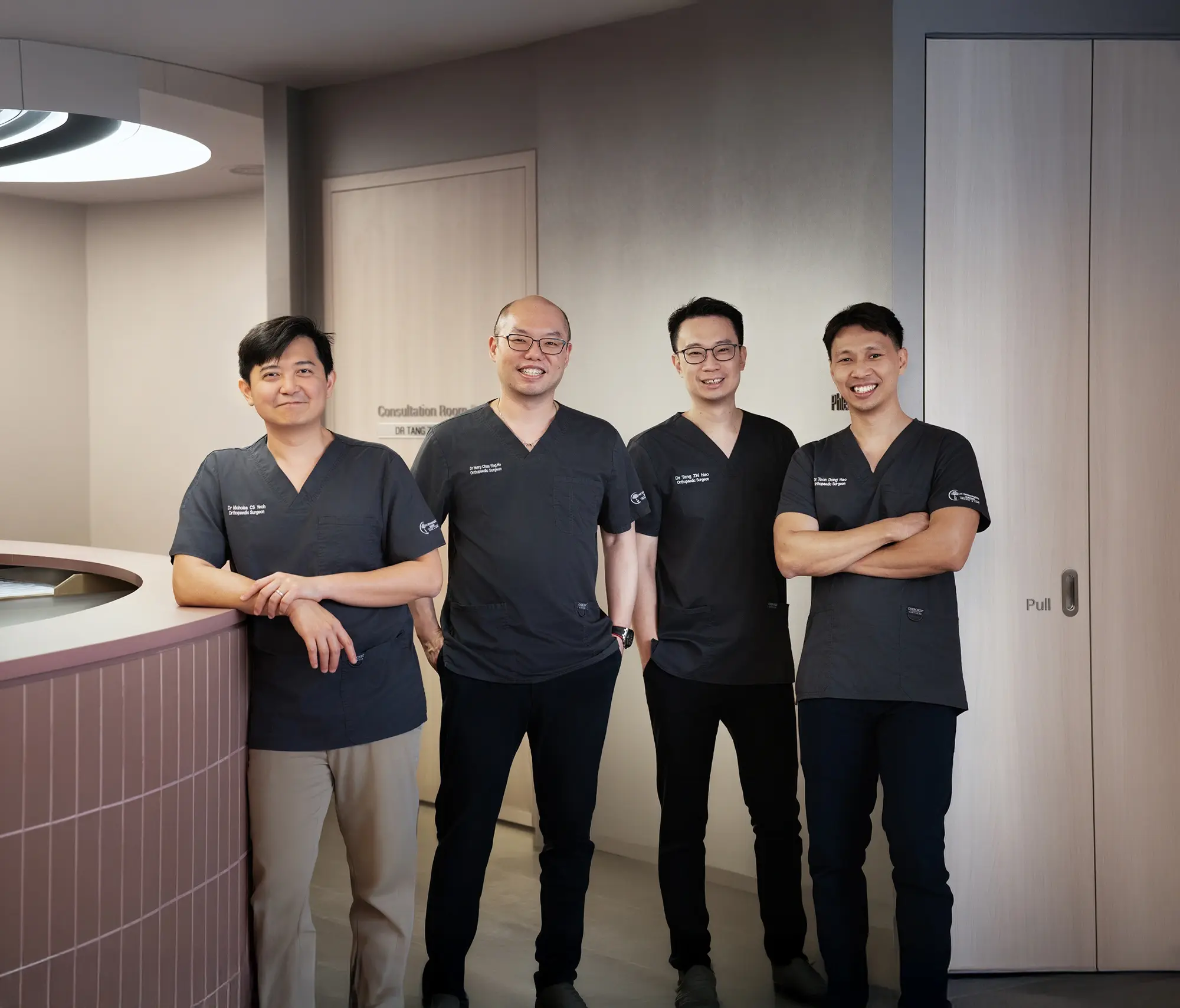
At HC Orthopaedic Surgery patients can be assured that we provide effective, evidence-based care tailored to each individual’s needs, ensuring thorough assessment, accurate diagnosis and personalised treatment plans for optimal recovery and shoulder function.
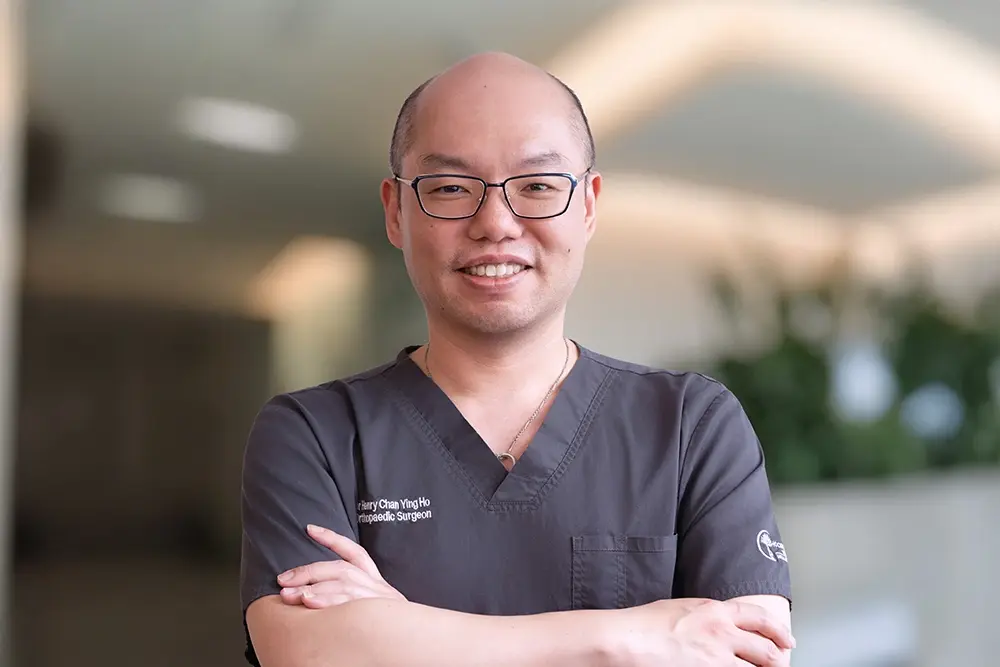
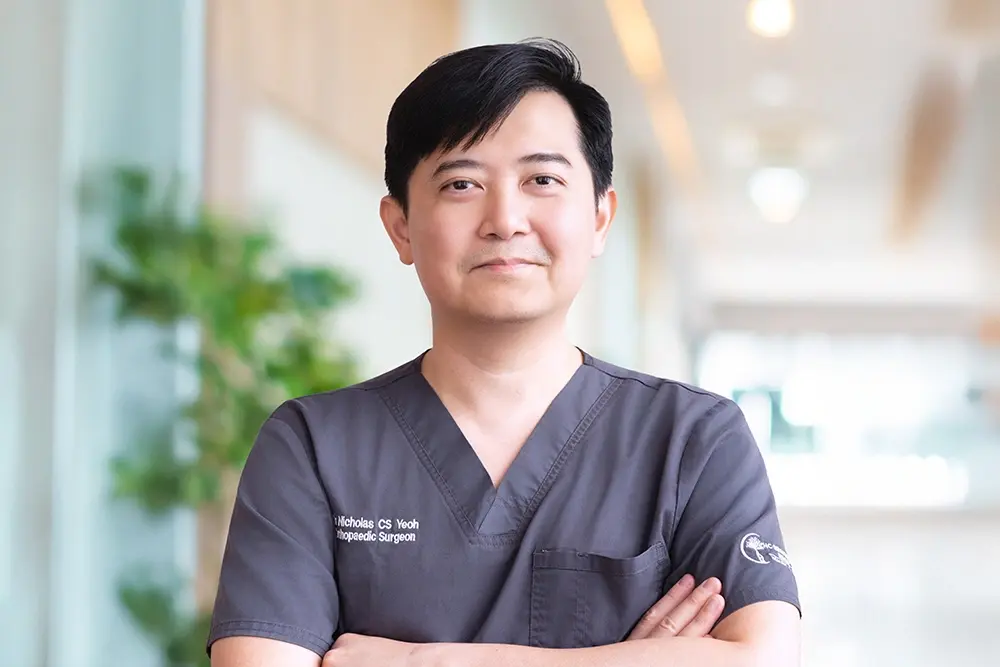
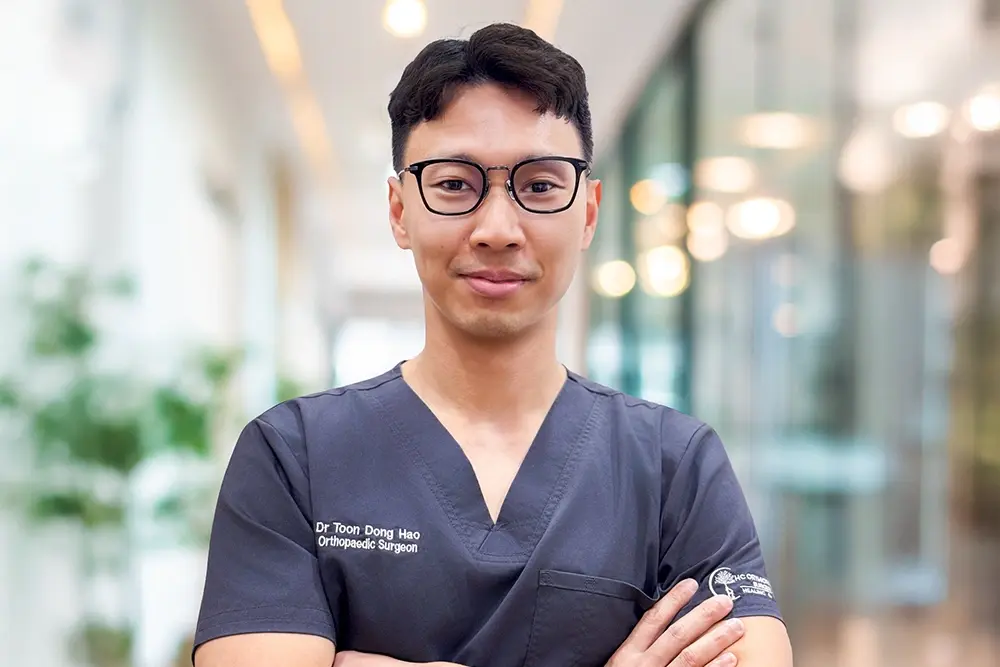
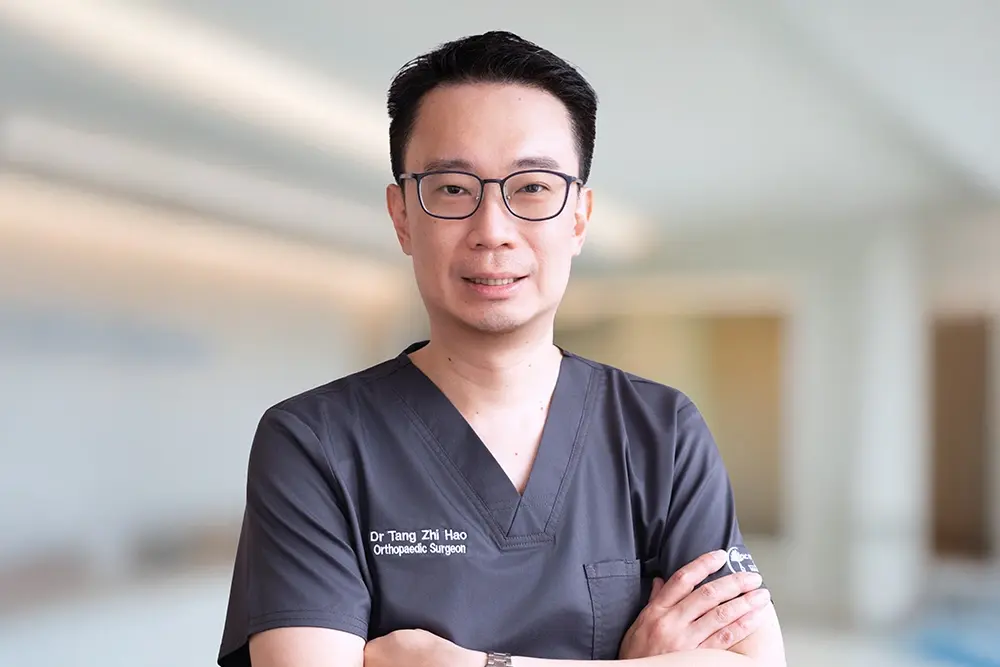
Our specialists, Dr Henry Chan, Dr Nicholas Yeoh, Dr Toon Dong Hao and Dr Tang Zhi Hao, are experienced in the management of shoulder conditions, in particular Dr Toon, who was awarded the Health Manpower Development Plan (HMDP) Scholarship by the Ministry of Health Singapore and undertook his fellowship in Advanced Shoulder and Elbow Surgery in Sydney, Australia. Get in touch with us today to receive safe and effective care for your shoulder.
Frequently Asked Questions (FAQs) About Rotator Cuff Tears
How long does recovery take after a rotator cuff tear?
Are there lifestyle changes that help prevent rotator cuff tears?
How do doctors decide between surgery and non-surgical treatment for a rotator cuff tear?
Can a rotator cuff tear occur without any noticeable pain?
Can rotator cuff tears recur after treatment?
How does a rotator cuff tear differ from general shoulder strain?
Can older adults develop rotator cuff tears without a specific injury?
Can a person return to sports after a rotator cuff tear?
Meet Our Specialist Team
Our team comprises Dr Henry Chan, Dr Nicholas Yeoh, Dr Toon Dong Hao, and Dr Tang Zhi Hao — experienced orthopaedic surgeons with subspecialty experience and a patient-centred approach to care.
Dr Henry Chan
Medical Director & Senior Consultant Orthopaedic Surgeon
MBBS (S’pore), MRCS (Edinburgh), MMed (Orthopaedic Surgery), FRCS (Edinburgh)
Dr Henry Chan is an experienced orthopaedic surgeon specialising in joint replacement and complex revision surgery. Trained at the renowned Helios Endo-Klinik in Germany under the MOH HMDP scholarship, he has performed over 1,000 joint replacements and specialises in computer-assisted and robotic joint replacement techniques for precise outcomes.
Dr Nicholas Yeoh
Senior Consultant Orthopaedic Surgeon
MBChB (Edinburgh), MRCS (Edinburgh), MMed (Orthopaedic Surgery), FRCS (Edinburgh)
Dr Nicholas Yeoh is an MOH-accredited orthopaedic specialist and Fellow of the Royal College of Surgeons of Edinburgh. Fellowship-trained in hip and knee reconstruction in Sydney under the MOH HMDP scholarship, he specialises in minimally invasive joint replacement, robotic surgery and advanced techniques that enhance recovery and surgical outcomes.
Dr Toon Dong Hao
Senior Consultant Orthopaedic Surgeon
MBChB (Leeds), MRCS (Edinburgh), MMed (Orthopaedic Surgery), FRCS (Edinburgh)
Dr Toon Dong Hao is a skilled orthopaedic surgeon and Fellow of the Royal College of Surgeons of Edinburgh. Fellowship-trained in Advanced Shoulder and Elbow Surgery in Sydney under the MOH HMDP scholarship, Dr Toon specialises in sports injuries, arthroscopic surgery and complex shoulder, elbow and knee procedures to restore function and mobility.
Dr Tang Zhi Hao
Senior Consultant Orthopaedic Surgeon
MBBS (S’pore), MRCS (Edinburgh), MMed (Orthopaedic Surgery), FRCS (Edinburgh)
Dr Tang Zhi Hao is a fellowship-trained orthopaedic surgeon specialising in foot and ankle conditions. He completed his Foot and Ankle Surgery fellowship at Severance Hospital, Yonsei University Health System in Seoul under Professor Jin Woo Lee. Prior to private practice, he served as Consultant and Deputy Head of Orthopaedics at Khoo Teck Puat Hospital.