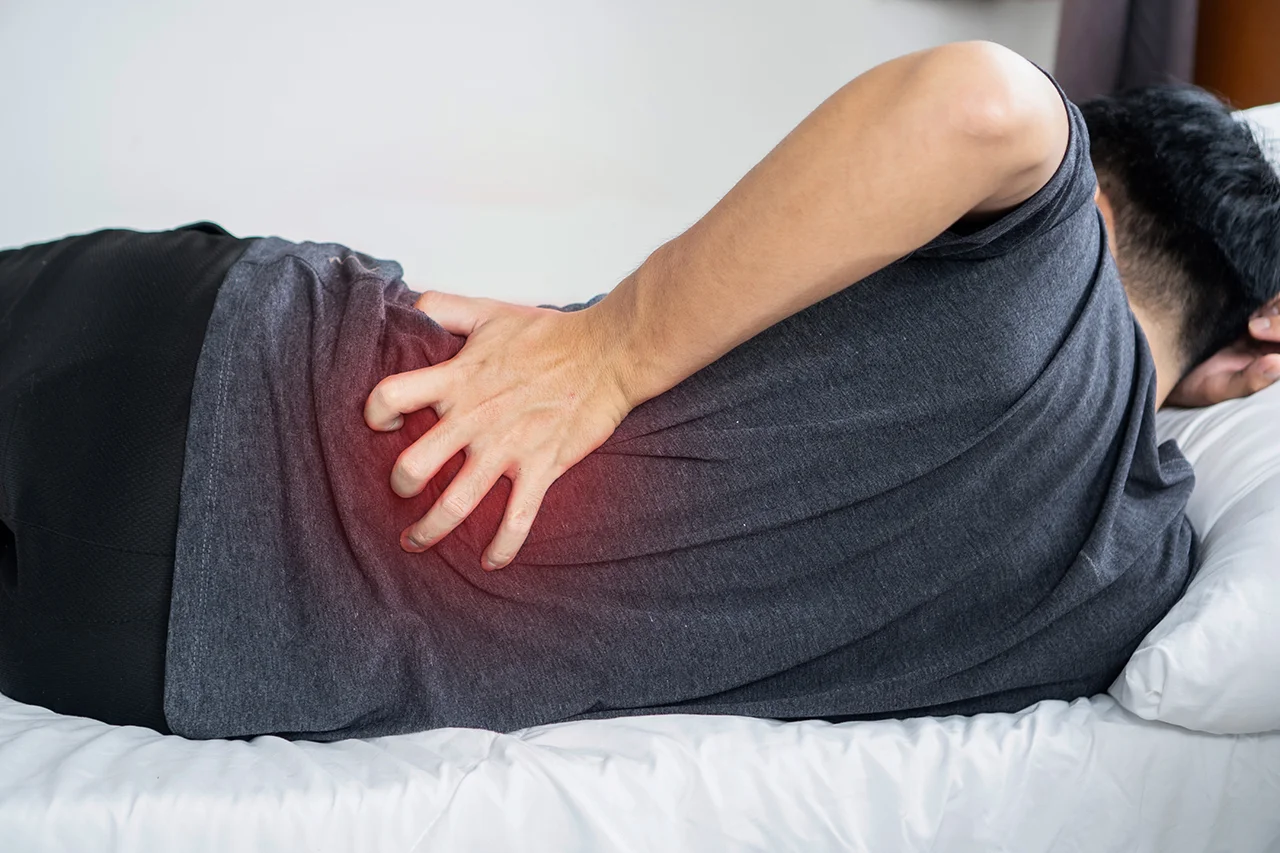
Recovery does not always follow the same path. Two people can suffer what appears to be the same injury, yet one may return to everyday activities within weeks while the other continues to experience pain, stiffness or weakness for months.
The reality is that no two injuries heal in exactly the same way. Recovery depends on a combination of factors, including the type and severity of injury, your overall health, how soon treatment begins and how well the injured area is protected during healing. Understanding what influences recovery can help you set realistic expectations and recognise when it may be time to see an orthopaedic specialist for further assessment.
Why Do Similar Injuries Heal Differently?
Although two people may appear to have the same injury, the damage beneath the surface is often very different. Even injuries with the same diagnosis can vary in severity, the structures involved and how the body responds to healing.
Several factors work together to determine whether an injury heals completely or whether symptoms persist.
The Severity of the Injury
The extent of tissue damage is one of the biggest influences on recovery. For example, a mild ligament sprain may heal within weeks, while a complete ACL tear often requires surgery followed by several months of rehabilitation before a full return to activity is possible. Similarly, a simple fracture usually heals more predictably than one involving multiple bone fragments or damage to nearby joints.
More severe injuries place greater demands on the body's repair process, increasing the likelihood of stiffness, weakness or ongoing discomfort.
The Part of the Body That Is Injured
Some parts of the body naturally heal more slowly than others because they receive a limited blood supply. Structures such as tendons, cartilage and certain ligaments often take longer to recover than muscles, which have a richer blood supply. Joint injuries can also be more challenging because normal movement places repeated stress on healing tissues throughout the day.
Age and General Health
As we age, the body's natural repair processes become less efficient. While older adults can still recover well, healing often takes longer than it does in younger individuals.
Certain medical conditions, including diabetes, poor circulation and osteoporosis, may also slow recovery. Good nutrition, adequate sleep and maintaining overall health help provide the building blocks your body needs for tissue repair.
Smoking and Lifestyle Habits
Smoking reduces blood flow and oxygen delivery to injured tissues, making it harder for the body to heal effectively. Excessive alcohol intake, poor nutrition and prolonged inactivity may also delay recovery.
On the other hand, following medical advice, eating a balanced diet and remaining appropriately active within recommended limits can support the healing process.
Why Early Treatment Can Make a Difference
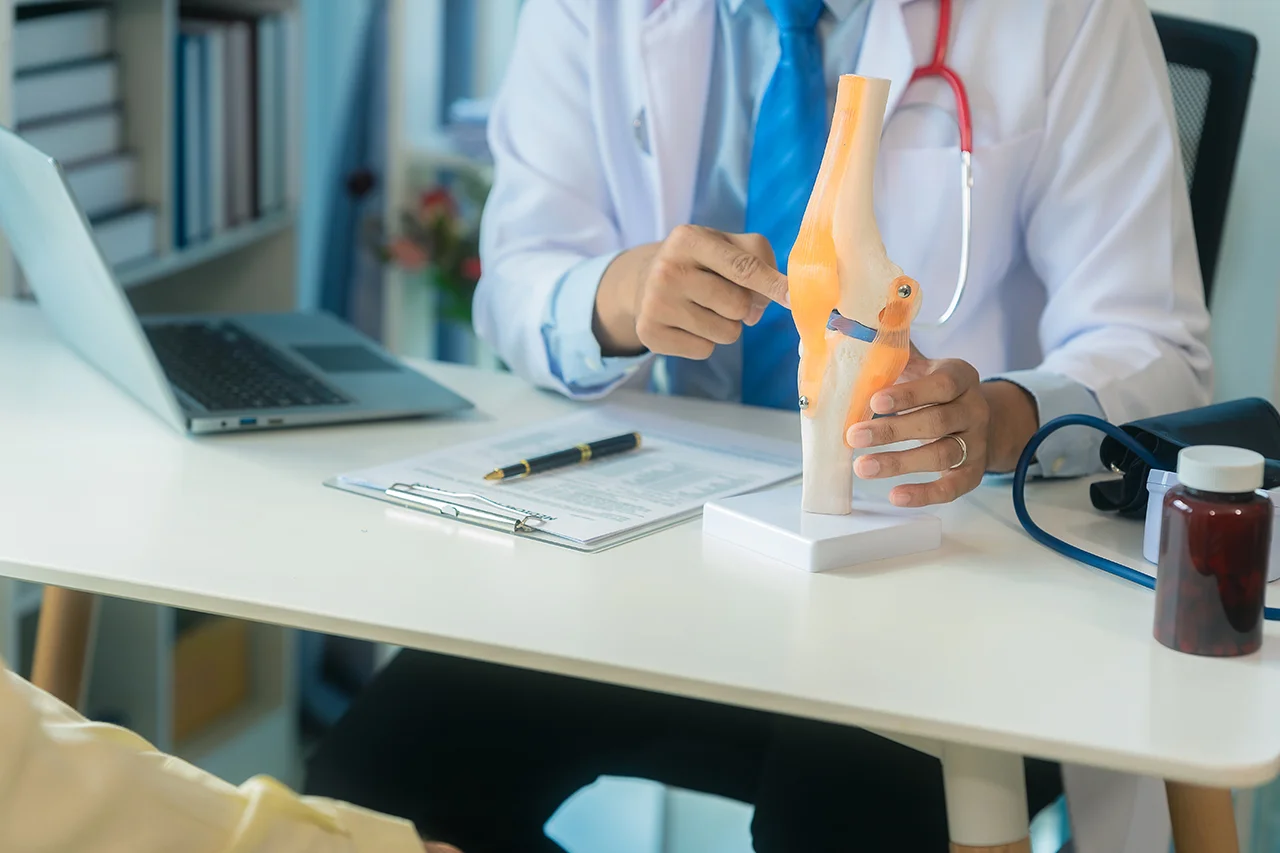
The first few days and weeks after an injury are often important for long-term recovery. Prompt assessment by an orthopaedic specialist helps identify injuries that require specific treatment, such as fractures, tendon ruptures or joint instability. Without appropriate management, these conditions may heal in an abnormal position or continue to worsen over time.
Early treatment may involve immobilisation, medication, physiotherapy or surgery where appropriate. Starting the right treatment at the right time can improve healing and reduce the risk of long-term complications such as persistent pain, joint instability or reduced movement.
Most injuries improve with appropriate treatment, but some continue to cause symptoms long after the initial damage has healed.
Long-term problems may develop if:
- The injury is severe
- Treatment is delayed or incomplete
- Rehabilitation is not fully completed
- The injury affects joint stability or cartilage
- Repeated injuries occur before full recovery
Persistent pain, swelling, weakness, instability or reduced movement should not be dismissed as part of the recovery process. These symptoms may indicate ongoing damage, incomplete healing or another underlying problem that requires further assessment. Seeing an orthopaedic surgeon or specialist can help identify the cause and guide the most appropriate treatment before symptoms become more difficult to manage.
When Can an Injury Lead to Long-Term Problems?
Most injuries improve with appropriate treatment, but some continue to cause symptoms long after the initial damage has healed.
Long-term problems may develop if:
- The injury is severe
- Treatment is delayed or incomplete
- Rehabilitation is not fully completed
- The injury affects joint stability or cartilage
- Repeated injuries occur before full recovery
Persistent pain, swelling, weakness, instability or reduced movement should not be dismissed as part of the recovery process. These symptoms may indicate ongoing damage, incomplete healing or another underlying problem that requires further assessment. Seeing an orthopaedic surgeon or specialist can help identify the cause and guide the most appropriate treatment before symptoms become more difficult to manage.

Our Specialised Team
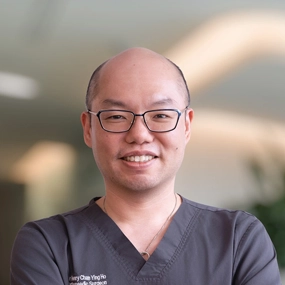
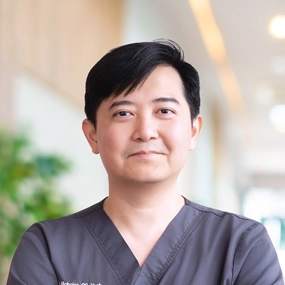
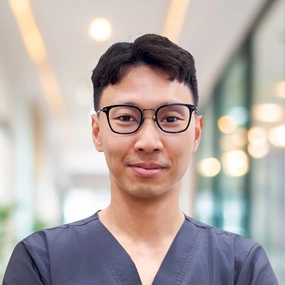
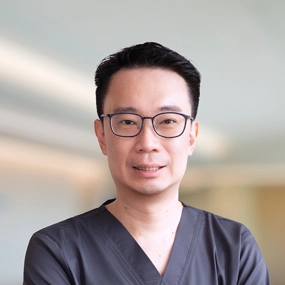
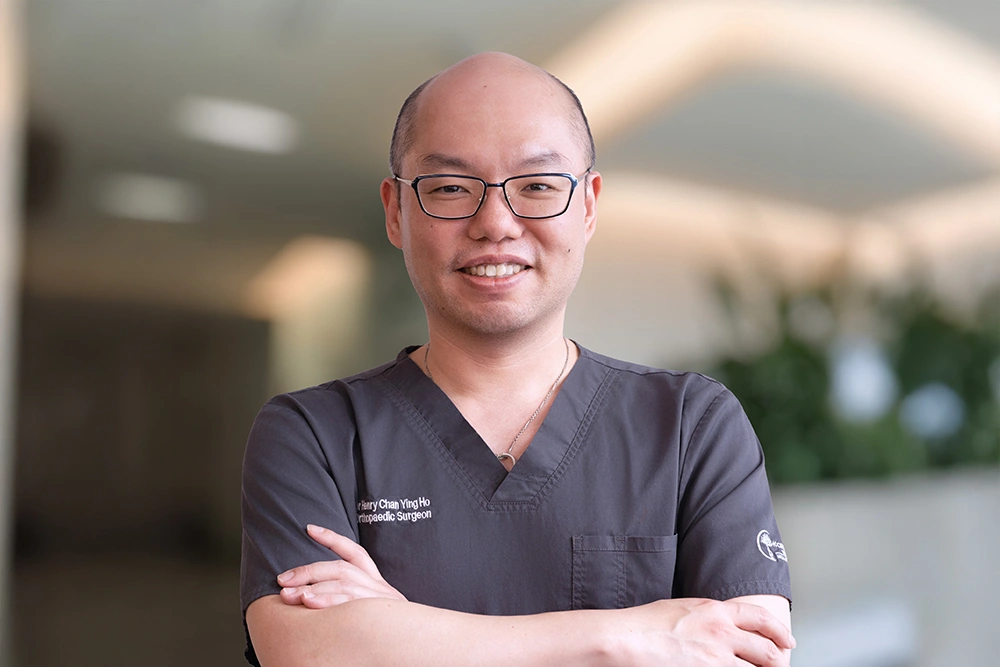
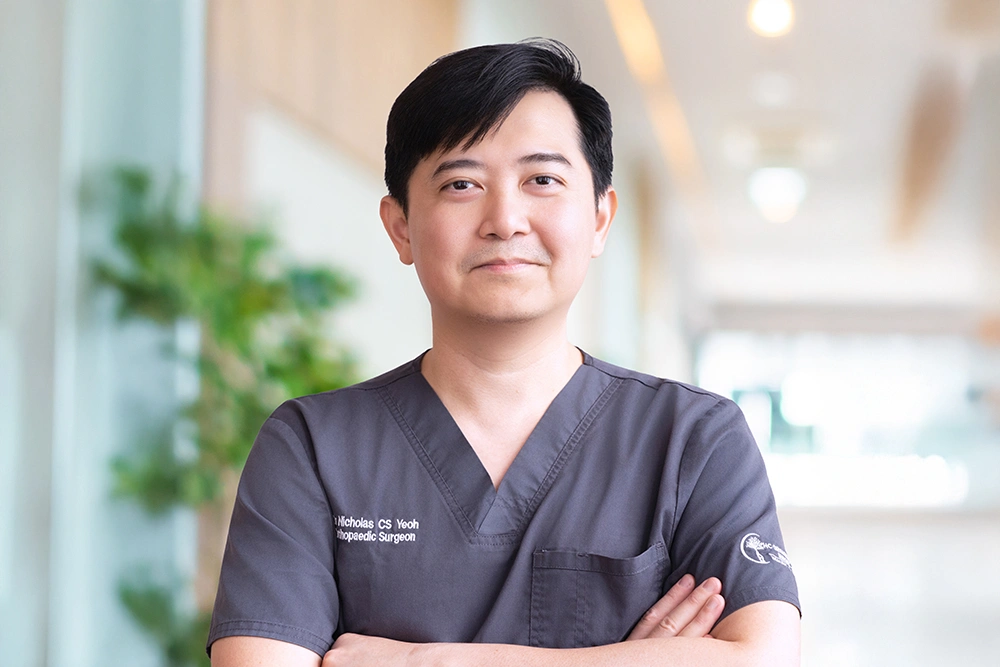
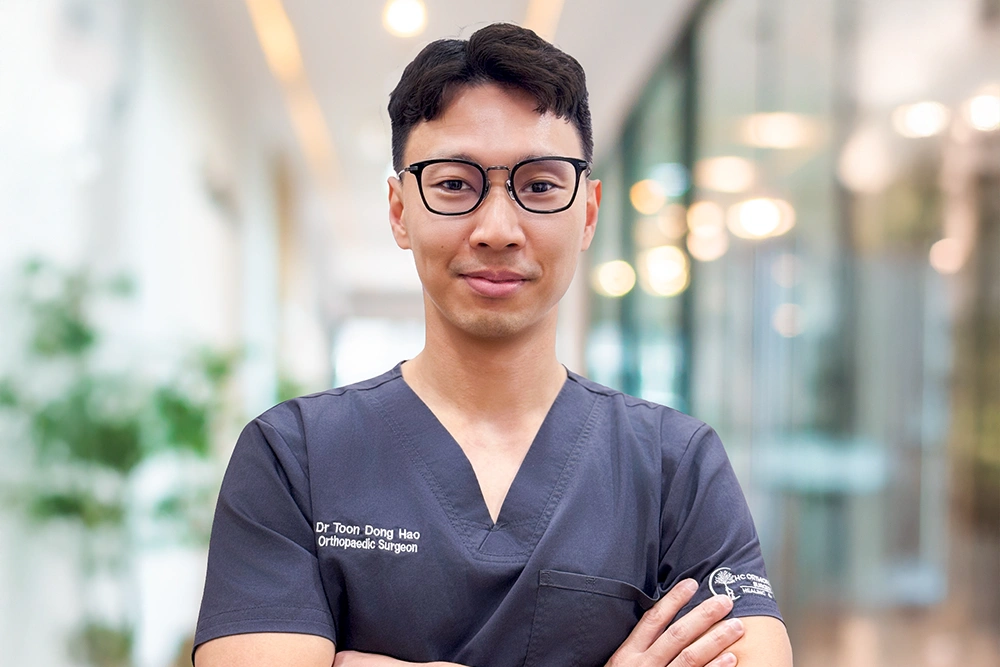
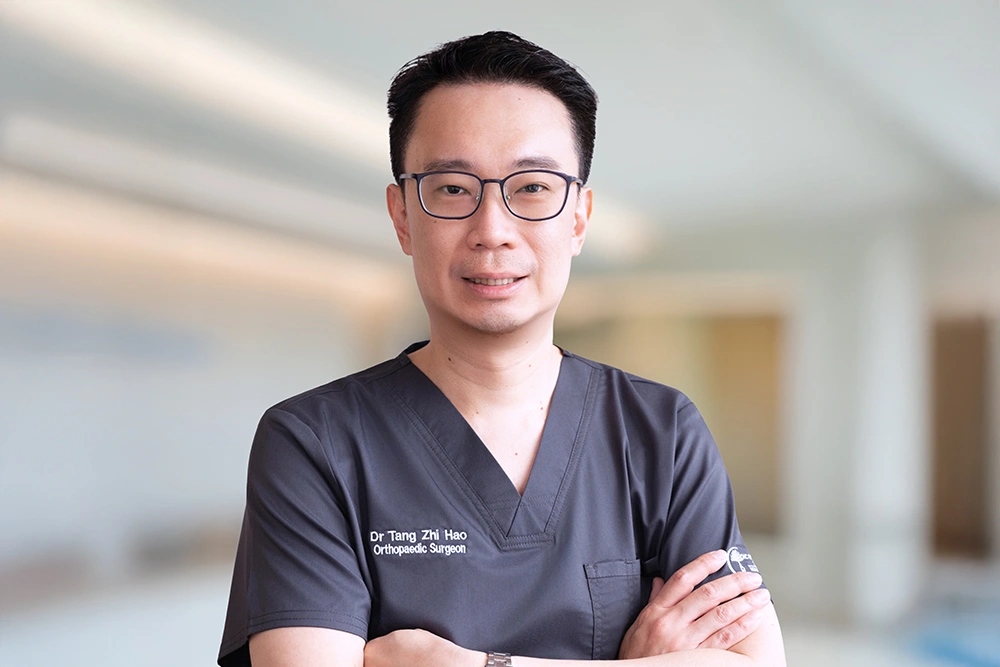
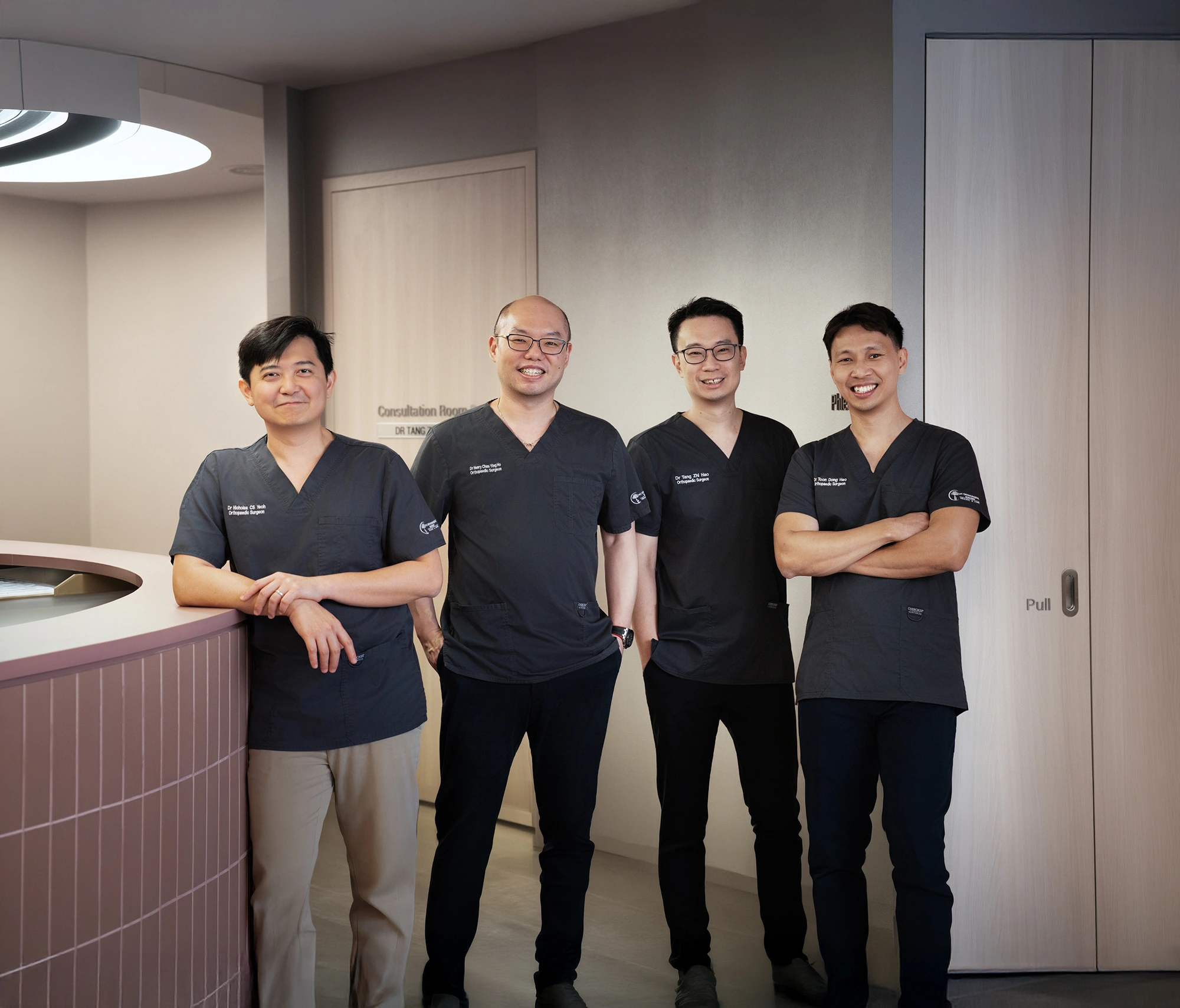
At HC Orthopaedic Surgery in Singapore, care is led by Dr Henry Chan, supported by Dr Nicholas Yeoh, with the specialist team also including Dr Toon Dong Hao and Dr Tang Zhi Hao. Whether your recovery is taking longer than expected or ongoing symptoms continue to affect your quality of life, schedule a consultation for a thorough assessment and a personalised treatment plan to help you regain function and return to the activities that matter most.
FAQs About Injury Recovery and Healing
Can stress affect how well an injury heals?
Can I exercise while recovering from an injury?
Why do some people develop arthritis after an injury?
Meet Our Doctors
Dr Henry Chan
Medical Director & Senior Consultant Orthopaedic Surgeon
MBBS (S’pore), MRCS (Edinburgh), MMed (Orthopaedic Surgery), FRCS (Edinburgh)
Dr Henry Chan is an experienced orthopaedic surgeon specialising in joint replacement and complex revision surgery. Trained at the renowned Helios Endo-Klinik in Germany under the MOH HMDP scholarship, he has performed over 1,000 joint replacements and specialises in computer-assisted and robotic joint replacement techniques for precise outcomes.
Dr Nicholas Yeoh
Senior Consultant Orthopaedic Surgeon
MBChB (Edinburgh), MRCS (Edinburgh), MMed (Orthopaedic Surgery), FRCS (Edinburgh)
Dr Nicholas Yeoh is an MOH-accredited orthopaedic specialist and Fellow of the Royal College of Surgeons of Edinburgh. Fellowship-trained in hip and knee reconstruction in Sydney under the MOH HMDP scholarship, he specialises in minimally invasive joint replacement, robotic surgery and advanced techniques that enhance recovery and surgical outcomes.
Dr Toon Dong Hao
Senior Consultant Orthopaedic Surgeon
MBChB (Leeds), MRCS (Edinburgh), MMed (Orthopaedic Surgery), FRCS (Edinburgh)
Dr Toon Dong Hao is a skilled orthopaedic surgeon and Fellow of the Royal College of Surgeons of Edinburgh. Fellowship-trained in Advanced Shoulder and Elbow Surgery in Sydney under the MOH HMDP scholarship, Dr Toon specialises in sports injuries, arthroscopic surgery and complex shoulder, elbow and knee procedures to restore function and mobility.
Dr Tang Zhi Hao
Senior Consultant Orthopaedic Surgeon
MBBS (S’pore), MRCS (Edinburgh), MMed (Orthopaedic Surgery), FRCS (Edinburgh)
Dr Tang Zhi Hao is a fellowship-trained orthopaedic surgeon specialising in foot and ankle conditions. He completed his Foot and Ankle Surgery fellowship at Severance Hospital, Yonsei University Health System in Seoul under Professor Jin Woo Lee. Prior to private practice, he served as Consultant and Deputy Head of Orthopaedics at Khoo Teck Puat Hospital.