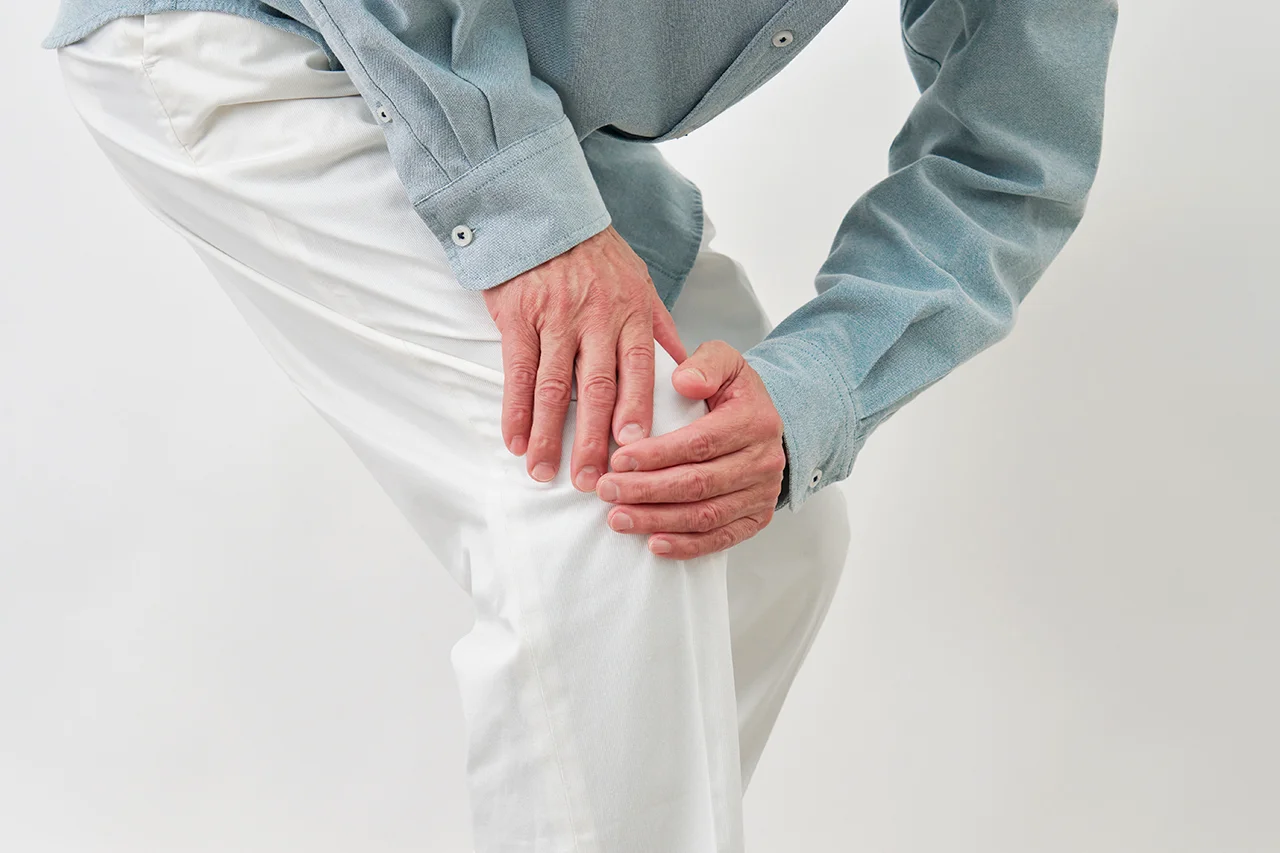
The meniscus is an important structure within the knee that helps absorb shock, distribute forces and maintain joint stability. Because of these functions, preserving healthy meniscus tissue is a key consideration when treating a meniscus injury.
Although preserving the meniscus is preferred whenever possible, not every tear is suitable for repair. In this article, we explain why meniscus preservation matters, when it is possible and how treatment decisions are made.
Key Takeaways
- The meniscus protects the knee by absorbing shock and distributing weight
- Preserving healthy meniscus tissue helps maintain normal knee function
- Treatment depends on the characteristics of the tear and the condition of the knee
- The aim is to relieve symptoms while protecting long-term joint health
Why Do Specialists Aim to Preserve the Meniscus?
Modern treatment aims to preserve as much healthy meniscus tissue as possible because the meniscus performs functions that cannot be fully replaced once it is lost. Rather than removing damaged tissue routinely, meniscus specialists consider whether the tear can be repaired while maintaining the knee's natural biomechanics.
Maintains Natural Shock Absorption
The meniscus acts as a natural cushion within the knee, helping to absorb forces generated during activities such as walking, running and jumping. Preserving healthy tissue allows the knee to continue distributing these forces more effectively.
Supports Knee Stability
The meniscus contributes to the stability of the knee, particularly during movements that involve twisting or changing direction. Preserving it helps maintain normal joint mechanics and supports better control during everyday activities and sports.
Helps Maintain Normal Load Distribution
The meniscus helps distribute forces across the knee joint. When part of the meniscus is lost, greater pressure is transferred directly to the articular cartilage covering the ends of the bones. Preserving as much healthy meniscus as possible helps reduce unnecessary stress on the joint surfaces and supports long-term knee health.
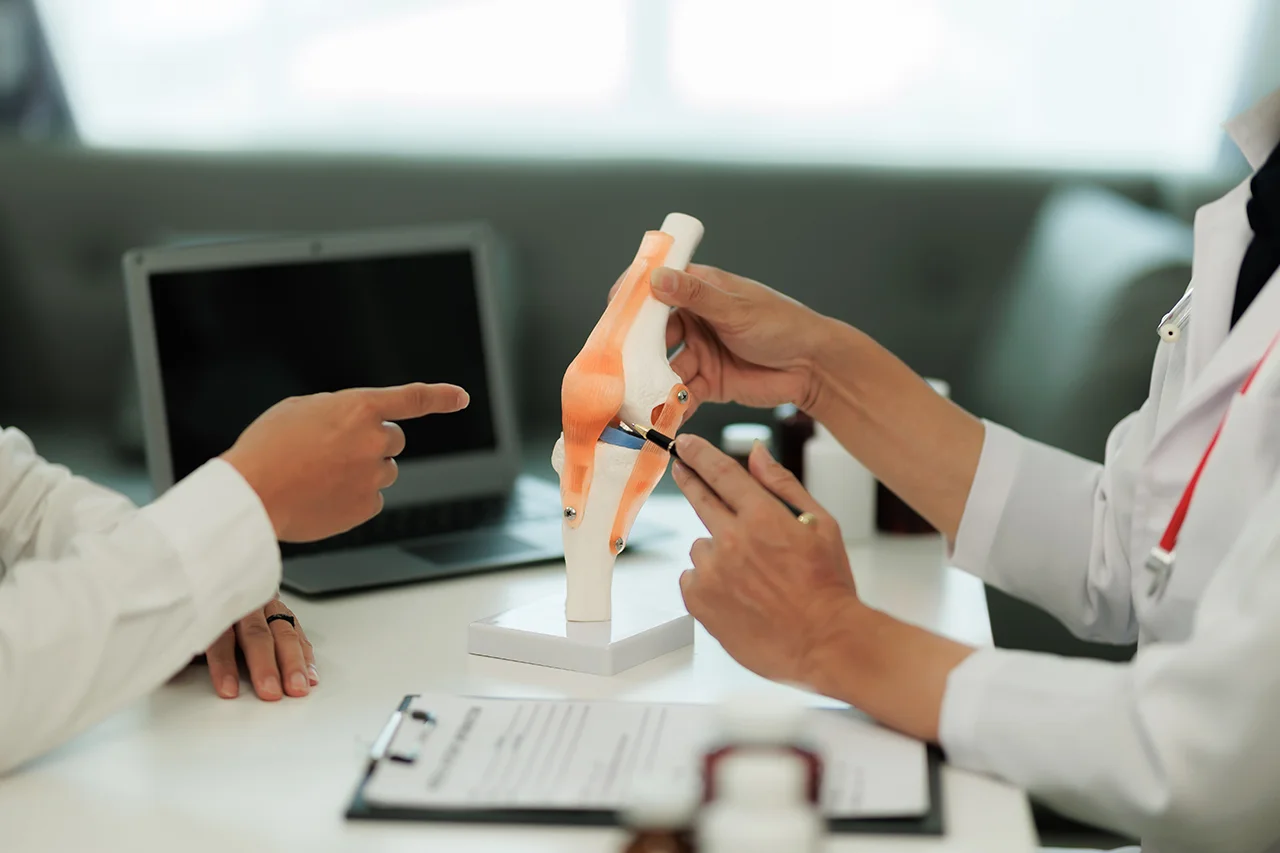
When Is Preserving the Meniscus Possible?
Not every meniscus tear can be repaired. Whether preservation is possible depends on the characteristics of the injury rather than the symptoms alone.
Specialists consider several factors, including:
Tear Pattern
Simple tears are generally more suitable for repair than complex, degenerative or fragmented tears. The way the meniscus has torn influences whether the tissue can be successfully preserved.
Tear Location
Tears near the outer edge of the meniscus are more likely to heal because this area has a better blood supply. Tears closer to the centre receive less circulation, making successful meniscus repair more challenging.
Tear Stability
Some tears remain stable and cause minimal disruption to knee movement, while others create unstable fragments that lead to locking or catching. Depending on the tear and the patient's symptoms, surgery may be considered, although preservation is still preferred.
Knee Condition
The overall health of the knee also influences treatment decisions. Associated ligament injuries, cartilage damage and the stability of the joint may all affect whether preserving the meniscus is feasible.
What Happens When Meniscus Repair Is Not Suitable?
Although meniscus preservation is the preferred approach, some tears have limited healing potential and are not suitable for repair. In these cases, treatment focuses on relieving symptoms while preserving as much healthy meniscus tissue as possible. When repair cannot be performed, only the damaged or unstable portion of the meniscus is removed, leaving the remaining tissue intact. Complete removal of the meniscus is rarely recommended because it may substantially reduce the knee's ability to absorb and distribute forces across the joint.
Protecting Your Knee Starts With Preserving the Meniscus

Our Specialised Team
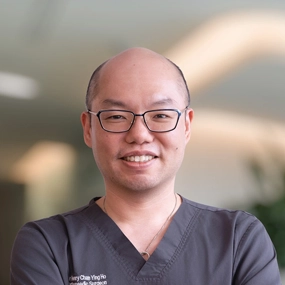
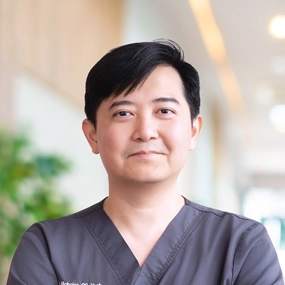
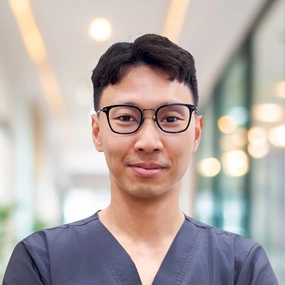
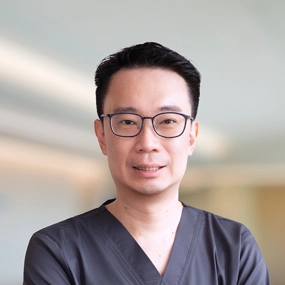
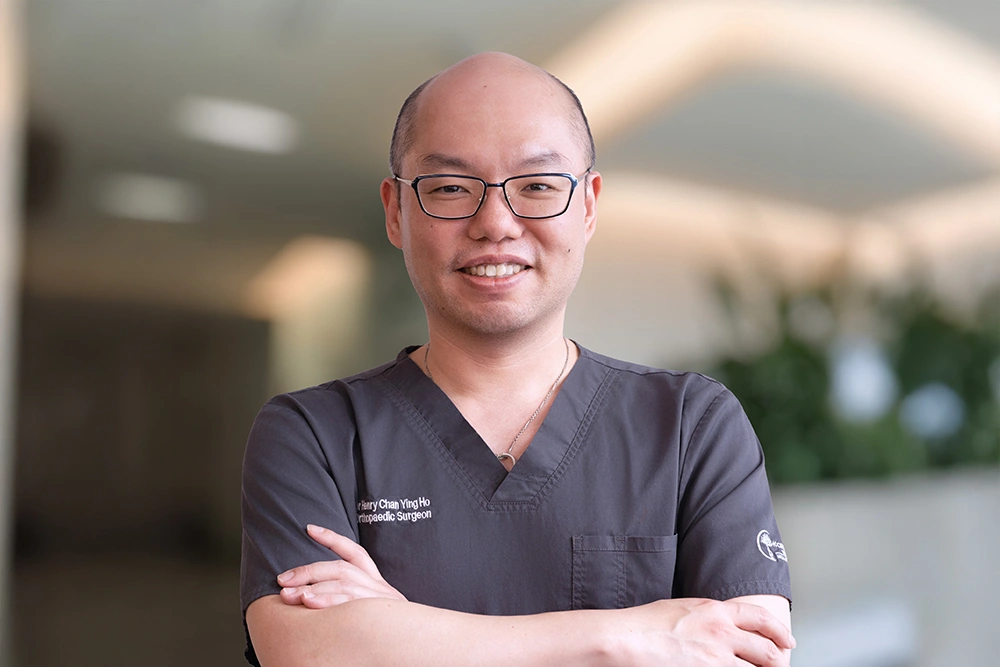
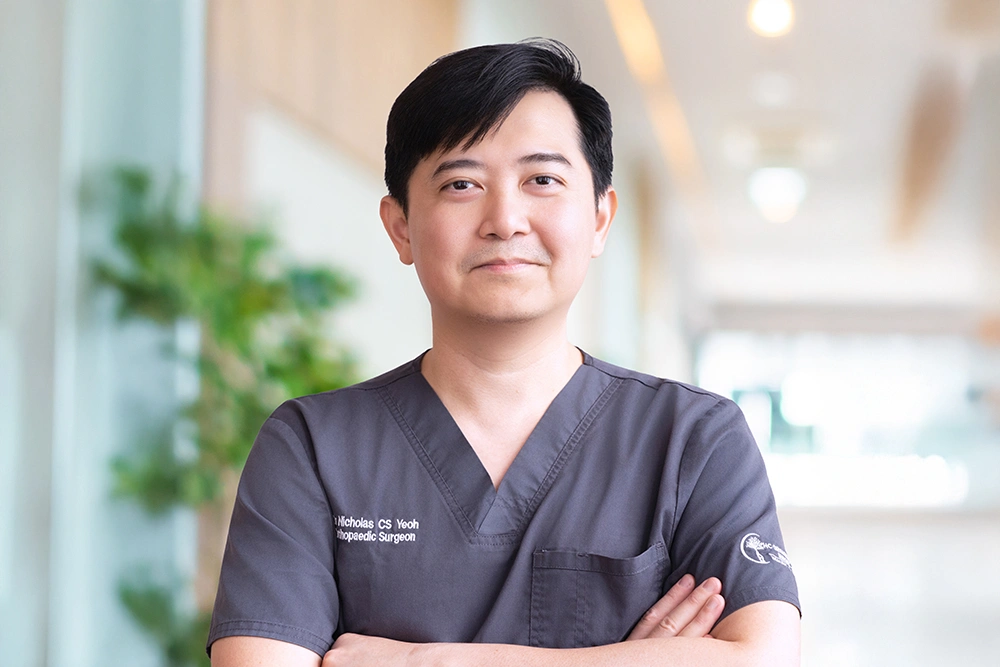
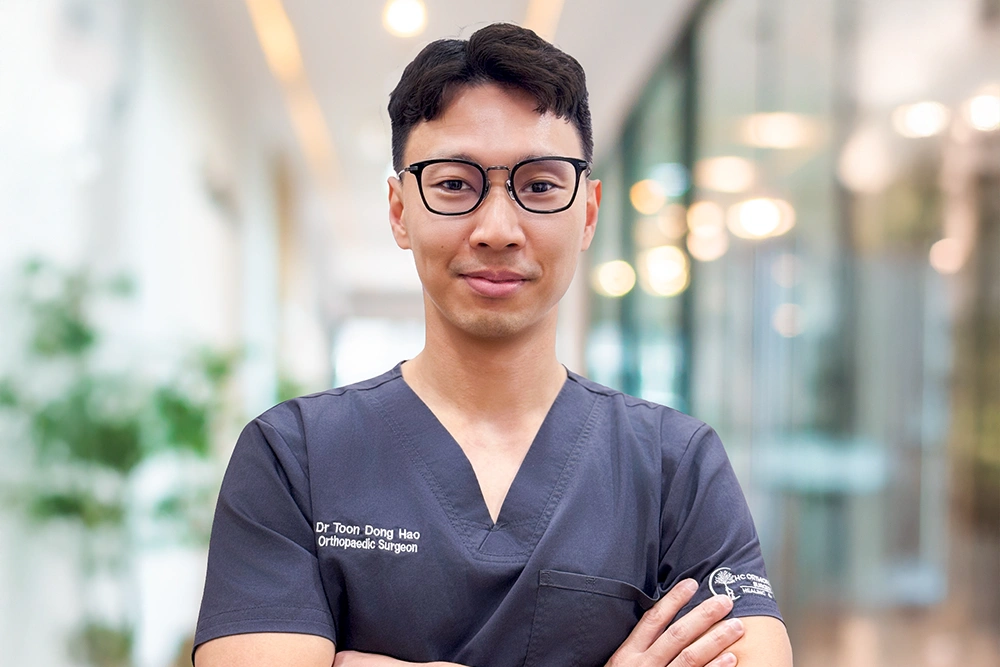
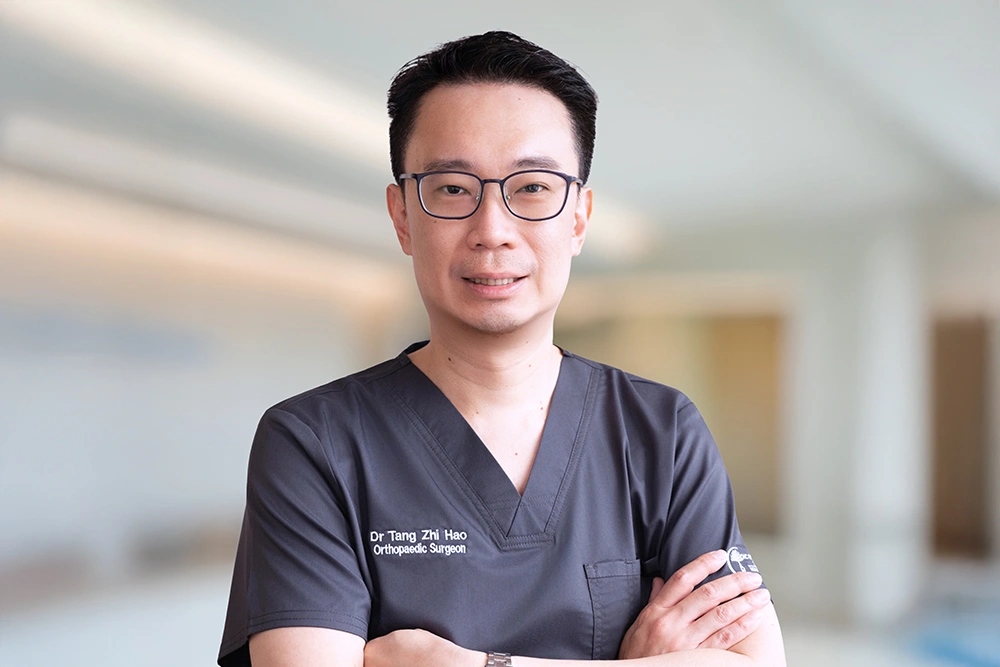
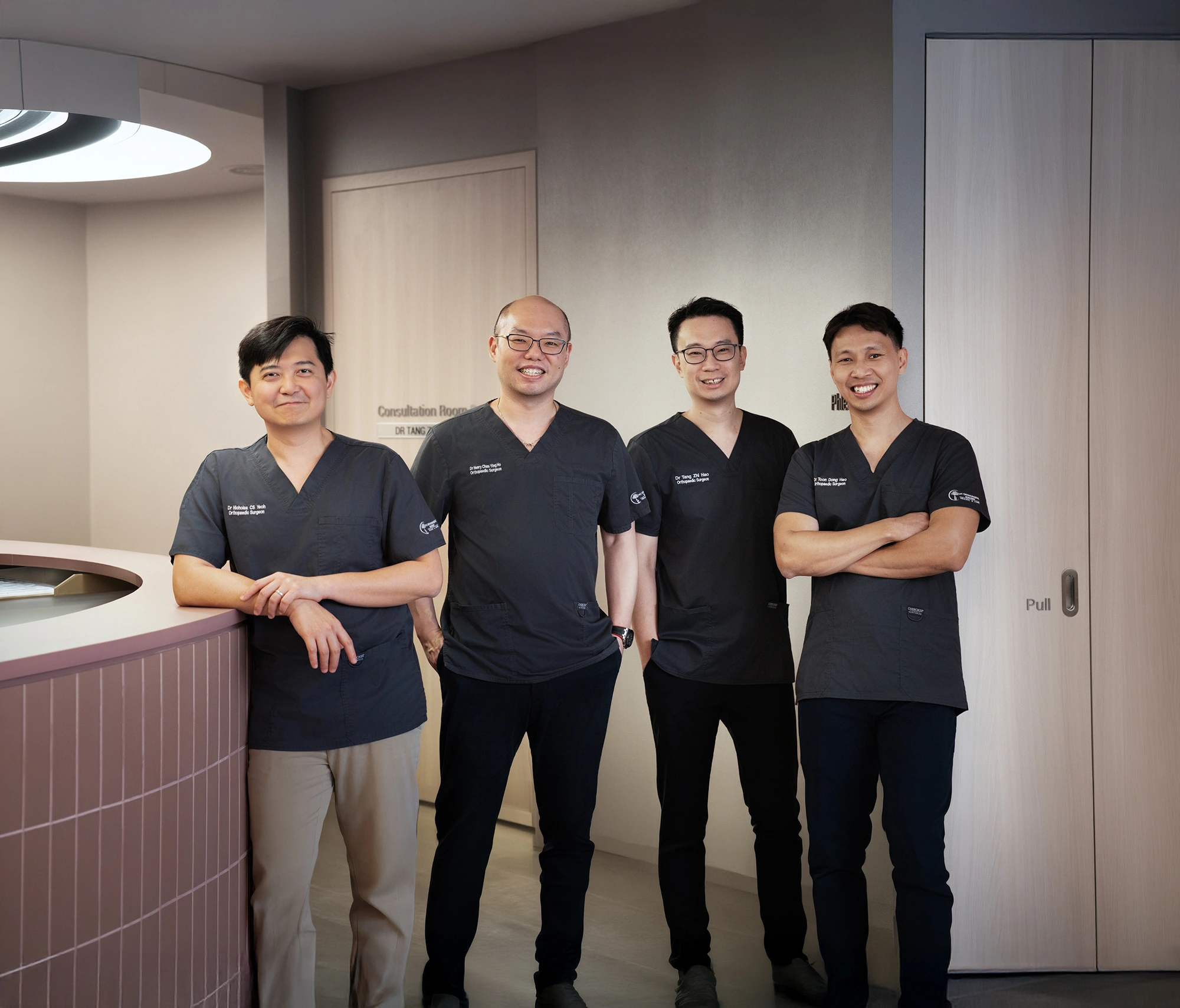
At HC Orthopaedic Surgery in Singapore, meniscus injuries are managed by Dr Henry Chan together with Dr Nicholas Yeoh, who provide thorough assessment and personalised treatment for knee conditions. The specialist team also includes Dr Toon Dong Hao and Dr Tang Zhi Hao, ensuring patients receive coordinated orthopaedic care.
If you have persistent knee symptoms or have been diagnosed with a meniscus tear, arrange a consultation to discuss the most appropriate treatment for your condition.
FAQs About Preserving the Meniscus
Can preserving the meniscus reduce my chance of needing knee replacement later?
Is preserving the meniscus more important for younger people?
Can a repaired meniscus return to full strength?
Meet Our Doctors
Dr Henry Chan
Medical Director & Senior Consultant Orthopaedic Surgeon
MBBS (S’pore), MRCS (Edinburgh), MMed (Orthopaedic Surgery), FRCS (Edinburgh)
Dr Henry Chan is an experienced orthopaedic surgeon specialising in joint replacement and complex revision surgery. Trained at the renowned Helios Endo-Klinik in Germany under the MOH HMDP scholarship, he has performed over 1,000 joint replacements and specialises in computer-assisted and robotic joint replacement techniques for precise outcomes.
Dr Nicholas Yeoh
Senior Consultant Orthopaedic Surgeon
MBChB (Edinburgh), MRCS (Edinburgh), MMed (Orthopaedic Surgery), FRCS (Edinburgh)
Dr Nicholas Yeoh is an MOH-accredited orthopaedic specialist and Fellow of the Royal College of Surgeons of Edinburgh. Fellowship-trained in hip and knee reconstruction in Sydney under the MOH HMDP scholarship, he specialises in minimally invasive joint replacement, robotic surgery and advanced techniques that enhance recovery and surgical outcomes.
Dr Toon Dong Hao
Senior Consultant Orthopaedic Surgeon
MBChB (Leeds), MRCS (Edinburgh), MMed (Orthopaedic Surgery), FRCS (Edinburgh)
Dr Toon Dong Hao is a skilled orthopaedic surgeon and Fellow of the Royal College of Surgeons of Edinburgh. Fellowship-trained in Advanced Shoulder and Elbow Surgery in Sydney under the MOH HMDP scholarship, Dr Toon specialises in sports injuries, arthroscopic surgery and complex shoulder, elbow and knee procedures to restore function and mobility.
Dr Tang Zhi Hao
Senior Consultant Orthopaedic Surgeon
MBBS (S’pore), MRCS (Edinburgh), MMed (Orthopaedic Surgery), FRCS (Edinburgh)
Dr Tang Zhi Hao is a fellowship-trained orthopaedic surgeon specialising in foot and ankle conditions. He completed his Foot and Ankle Surgery fellowship at Severance Hospital, Yonsei University Health System in Seoul under Professor Jin Woo Lee. Prior to private practice, he served as Consultant and Deputy Head of Orthopaedics at Khoo Teck Puat Hospital.