
Recovering from an injury often begins with rest and physiotherapy, depending on the type and severity of the injury. Many people improve with non-surgical treatment, but recovery can vary. Whether your injury happened suddenly after a fall or awkward movement, or developed gradually through repeated strain, it is natural to expect steady improvement over time. However, if your pain, swelling or limited movement persists despite following your treatment plan, further assessment may help determine why your recovery has not progressed as expected.
Knowing when conservative treatment is enough and when it is time to investigate further can help you avoid unnecessary delays in diagnosis and receive the most appropriate treatment for your condition.
Why Might an Injury Not Be Improving?
If your symptoms persist despite following your treatment plan, there may be reasons beyond a slower-than-expected recovery. Some injuries, particularly sports injuries involving the ligaments, tendons, cartilage or bones, are more complex than they initially appear and may take longer to recover. Others develop gradually because repeated strain continues to overload the injured tissues before they have fully recovered.
Several factors can contribute to ongoing symptoms, including:
- More severe ligament, tendon or cartilage injuries
- Fractures that were not initially recognised
- Joint instability
- Repetitive strain from returning to activity too soon
- An underlying condition that has not yet been identified
Understanding the cause of persistent symptoms is often the first step towards finding the right treatment.
Signs Your Injury May Need Further Assessment
While recovery times vary depending on the injury, certain symptoms suggest it is worth seeking specialist assessment rather than continuing to wait for improvement.
Pain That Does Not Gradually Improve
Some discomfort is expected during healing and pain may fluctuate during recovery, but persistent or worsening pain despite appropriate rest and rehabilitation may indicate that the injury requires further assessment.
Ongoing Swelling or Joint Instability
Swelling that persists for several weeks or a joint that repeatedly gives way may indicate damage to ligaments, cartilage or other supporting structures that require specialist evaluation.
Persistent Weakness or Difficulty Bearing Weight
If you continue to struggle with standing, walking or putting weight through the injured limb despite rehabilitation, it may indicate that recovery has not progressed as expected. Further assessment can help determine whether there is underlying structural damage contributing to your symptoms.
Difficulty Returning to Daily Activities or Sport
If walking, climbing stairs, lifting objects or returning to sport remains difficult despite completing rehabilitation, your recovery may have plateaued. Identifying the reason early can help prevent prolonged symptoms and reduce the risk of re-injury.
How Does a Specialist Identify the Underlying Problem?
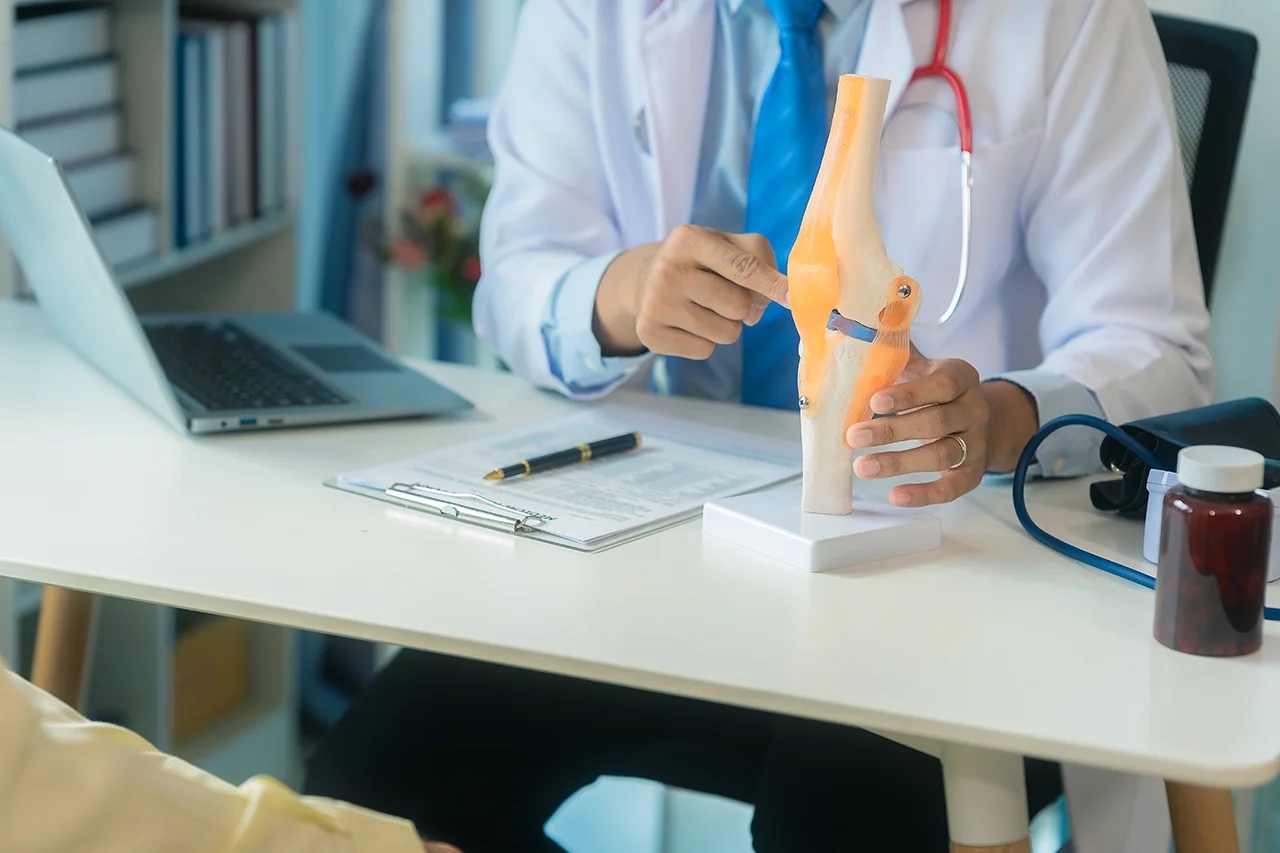
Diagnosing a persistent injury involves more than reviewing your symptoms. Your doctor will ask how the injury happened, whether it occurred suddenly or developed gradually over time, and how it has affected your daily activities, work or sporting activities. They will also assess whether your recovery is progressing as expected for your type of injury.
A physical examination is then performed to evaluate movement, strength, joint stability and functional ability. Depending on the findings, further investigations may include:
- X-rays to identify fractures or assess joint alignment
- Ultrasound to evaluate selected tendon, ligament or muscle injuries
- MRI scans to provide detailed assessment of ligaments, cartilage, tendons and other soft tissues
- CT scans for more detailed evaluation of complex fractures or joint abnormalities
These investigations help confirm the diagnosis, determine the severity of the injury and guide the most appropriate treatment plan.
What Happens If Further Treatment Is Needed?
Not every injury that requires specialist assessment will need surgery. In many cases, treatment can remain non-surgical but may involve a more targeted rehabilitation programme, bracing, taping, injections or other interventions based on the underlying diagnosis.
However, if structural damage is preventing recovery, surgery may sometimes be recommended to restore stability, repair damaged tissues or improve function. Early assessment allows treatment to be tailored to your injury, helping reduce the risk of ongoing symptoms and supporting a safer return to daily activities.
Knowing When to Take the Next Step in Your Recovery

Our Specialised Team
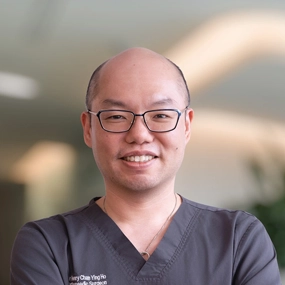
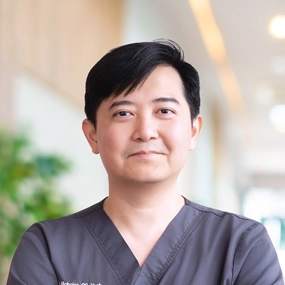
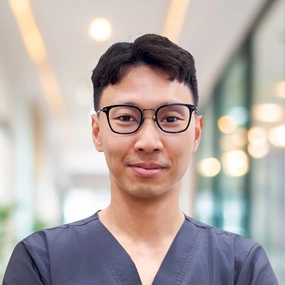
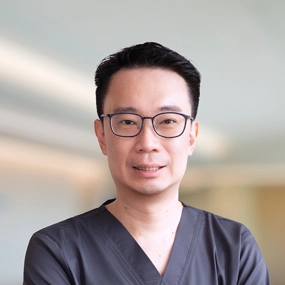
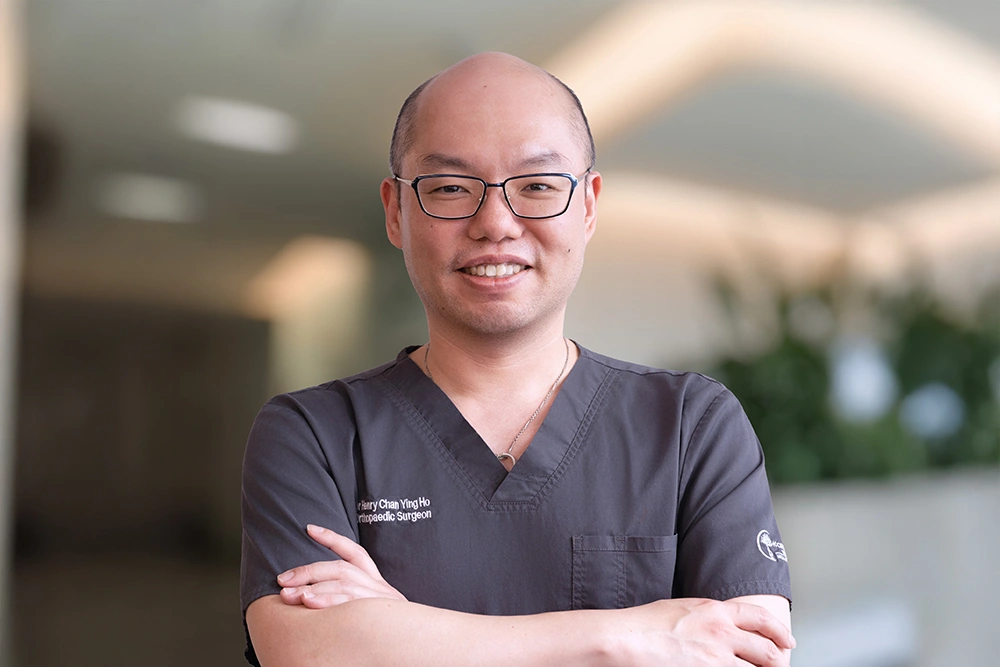
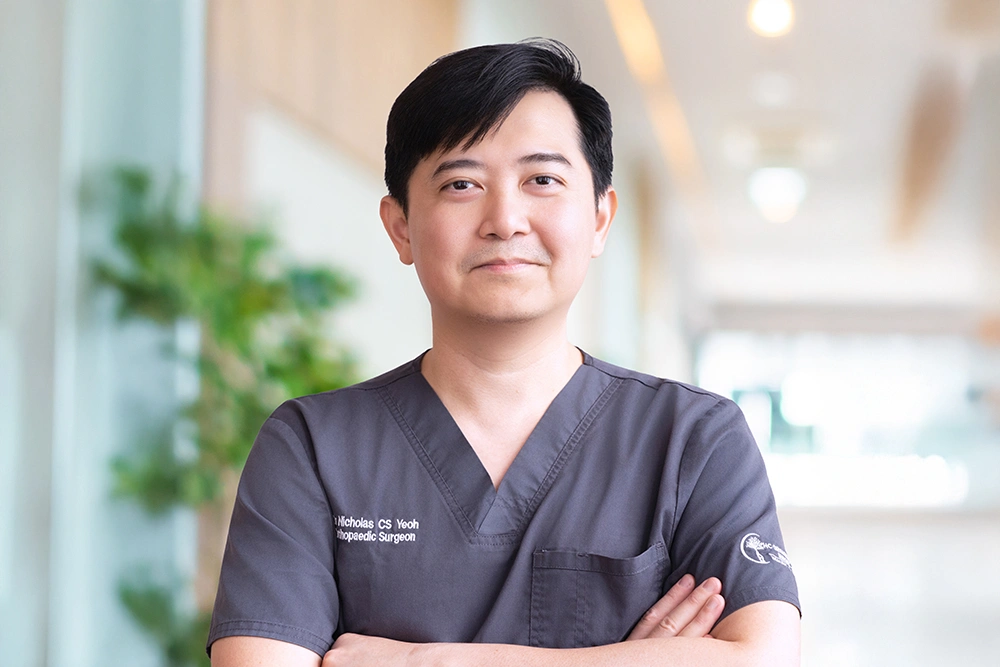
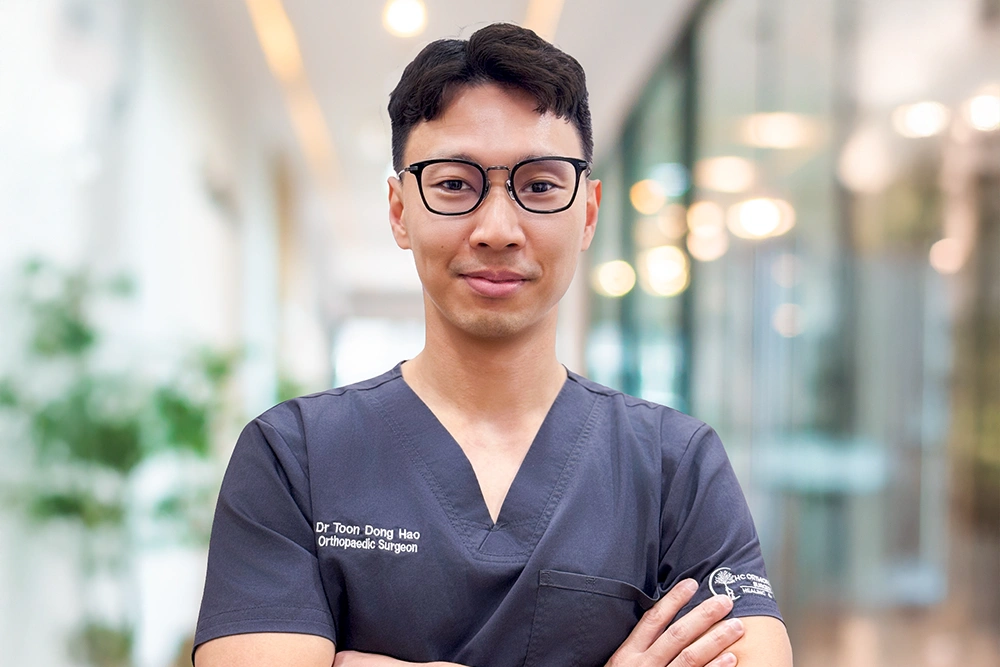
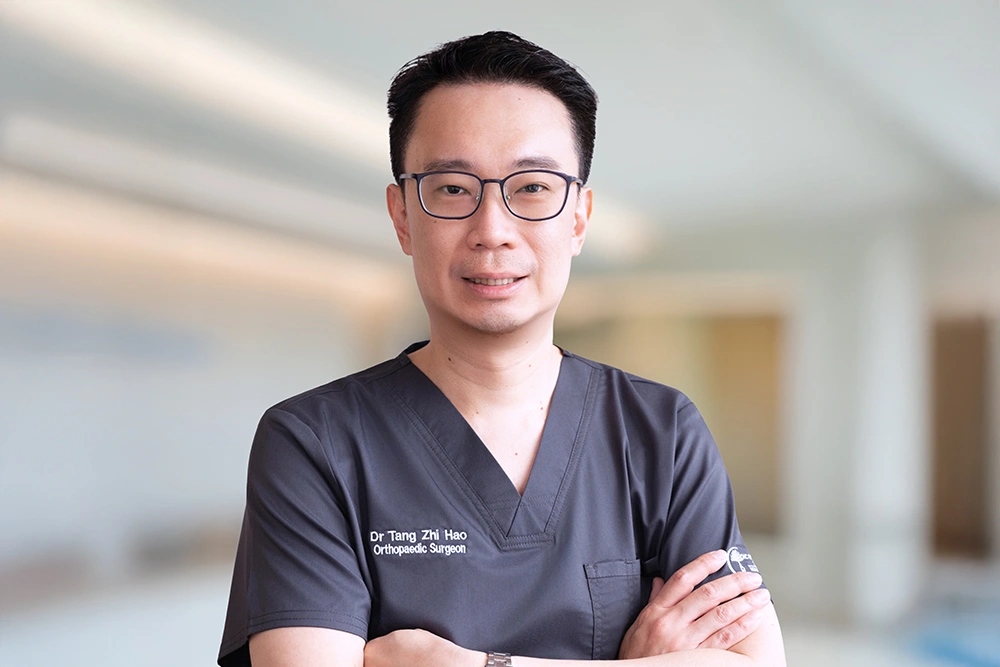
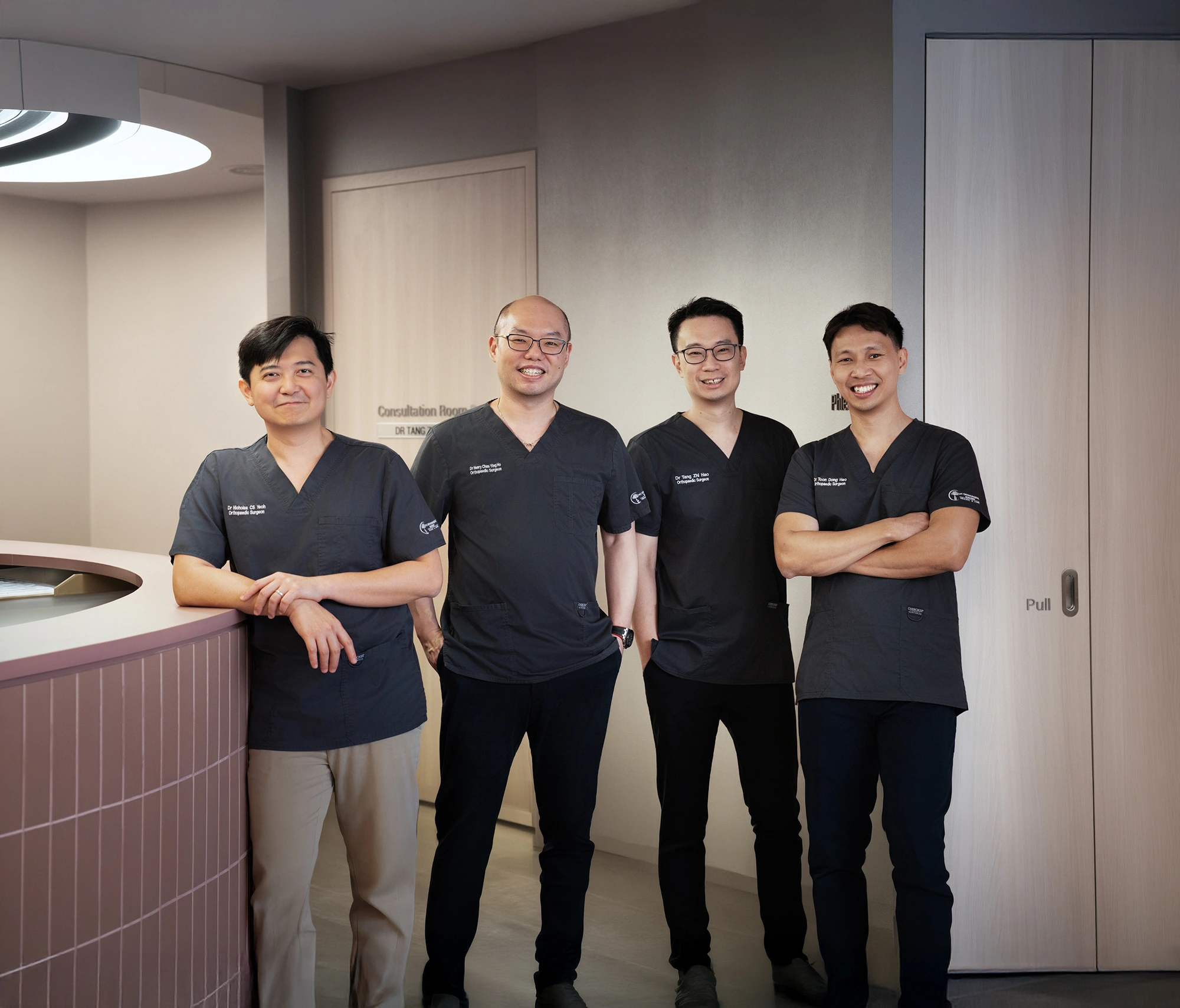
At HC Orthopaedic Surgery in Singapore, patients receive comprehensive assessment and personalised treatment for sports injuries, as well as a wide range of bone, joint and musculoskeletal conditions. The practice is headed by Dr Henry Chan, alongside orthopaedic surgeons Dr Nicholas Yeoh, Dr Toon Dong Hao and Dr Tang Zhi Hao, who provide care across a broad spectrum of orthopaedic conditions.
If your injury is not improving despite rest and physiotherapy, arrange a consultation to find out what may be limiting your recovery and discuss the treatment options available.
FAQs About Injury Recovery
Can returning to sport too early delay healing?
Is it normal for pain to come and go during recovery?
Can an old injury become painful again years later?
Meet Our Doctors
Dr Henry Chan
Medical Director & Senior Consultant Orthopaedic Surgeon
MBBS (S’pore), MRCS (Edinburgh), MMed (Orthopaedic Surgery), FRCS (Edinburgh)
Dr Henry Chan is an experienced orthopaedic surgeon specialising in joint replacement and complex revision surgery. Trained at the renowned Helios Endo-Klinik in Germany under the MOH HMDP scholarship, he has performed over 1,000 joint replacements and specialises in computer-assisted and robotic joint replacement techniques for precise outcomes.
Dr Nicholas Yeoh
Senior Consultant Orthopaedic Surgeon
MBChB (Edinburgh), MRCS (Edinburgh), MMed (Orthopaedic Surgery), FRCS (Edinburgh)
Dr Nicholas Yeoh is an MOH-accredited orthopaedic specialist and Fellow of the Royal College of Surgeons of Edinburgh. Fellowship-trained in hip and knee reconstruction in Sydney under the MOH HMDP scholarship, he specialises in minimally invasive joint replacement, robotic surgery and advanced techniques that enhance recovery and surgical outcomes.
Dr Toon Dong Hao
Senior Consultant Orthopaedic Surgeon
MBChB (Leeds), MRCS (Edinburgh), MMed (Orthopaedic Surgery), FRCS (Edinburgh)
Dr Toon Dong Hao is a skilled orthopaedic surgeon and Fellow of the Royal College of Surgeons of Edinburgh. Fellowship-trained in Advanced Shoulder and Elbow Surgery in Sydney under the MOH HMDP scholarship, Dr Toon specialises in sports injuries, arthroscopic surgery and complex shoulder, elbow and knee procedures to restore function and mobility.
Dr Tang Zhi Hao
Senior Consultant Orthopaedic Surgeon
MBBS (S’pore), MRCS (Edinburgh), MMed (Orthopaedic Surgery), FRCS (Edinburgh)
Dr Tang Zhi Hao is a fellowship-trained orthopaedic surgeon specialising in foot and ankle conditions. He completed his Foot and Ankle Surgery fellowship at Severance Hospital, Yonsei University Health System in Seoul under Professor Jin Woo Lee. Prior to private practice, he served as Consultant and Deputy Head of Orthopaedics at Khoo Teck Puat Hospital.