
A meniscus injury does not always end once the initial pain or swelling settles. While some tears heal with appropriate treatment, others may continue to affect knee function and increase the risk of long-term joint damage if left untreated.
The long-term impact can depend on factors such as the type and location of the tear, associated injuries and the condition of the joint. Recognising when symptoms indicate an ongoing problem allows treatment to begin before further damage occurs.
Key Takeaways
- The meniscus helps distribute weight, absorb shock and protect knee cartilage
- Some meniscus tears can heal, while others continue to affect knee stability and movement
- Persistent pain, locking or recurrent swelling may indicate ongoing joint damage
- Untreated meniscus injuries can increase the risk of cartilage wear and early knee arthritis
Why Is the Meniscus Important for Long-Term Knee Health?
The knee contains two menisci, one on the inner side and one on the outer side of the joint. These C-shaped pieces of cartilage act as shock absorbers between the thigh bone and shin bone.
A healthy meniscus helps to:
- Distribute pressure evenly across the knee
- Reduce stress on the joint cartilage
- Improve knee stability
- Support smooth movement during walking, running and twisting
When part of the meniscus is damaged, these protective functions become less effective. As a result, greater pressure is placed on the joint surfaces, which can gradually accelerate cartilage wear over time.
Which Meniscus Injuries Are More Likely to Become Long-Term Problems?
Not every tear behaves the same way. Several factors influence whether a meniscus injury is likely to affect your knee in the future.
More Severe or Complex Tears
Some tears remain stable and cause only mild symptoms. Others create loose fragments that move within the joint, leading to repeated catching or locking. These types of tears may be more likely to cause persistent symptoms and may require further assessment to determine the most appropriate treatment.
Tears in Areas With Poor Blood Supply
The outer portion of the meniscus has a better blood supply than the inner portion, so tears in some outer regions may have greater healing or repair potential. Tears in areas with limited blood supply may be less likely to heal on their own and might require medical intervention. Whether a tear can heal or be repaired depends on its location, pattern, size and the condition of the surrounding tissue.
Injuries Combined With Ligament Damage
Meniscus tears commonly occur alongside injuries such as an anterior cruciate ligament (ACL) tear. Combined injuries can affect knee stability and may require a more comprehensive assessment and rehabilitation approach.
Ongoing Mechanical Symptoms
Persistent locking, catching or repeated episodes where the knee gives way suggest that the damaged meniscus continues to interfere with normal joint movement.
How Can a Meniscus Injury Affect Your Knee Over Time?
If a meniscus injury does not heal properly or continues to disrupt normal knee movement, the effects may extend beyond the initial tear. Over time, the knee is exposed to greater stress, which can gradually affect its function and overall health.
Faster Cartilage Wear
A damaged meniscus is less effective at cushioning the knee. This increases pressure on the joint surfaces, causing the protective cartilage to wear down more quickly.
Changes in Knee Movement
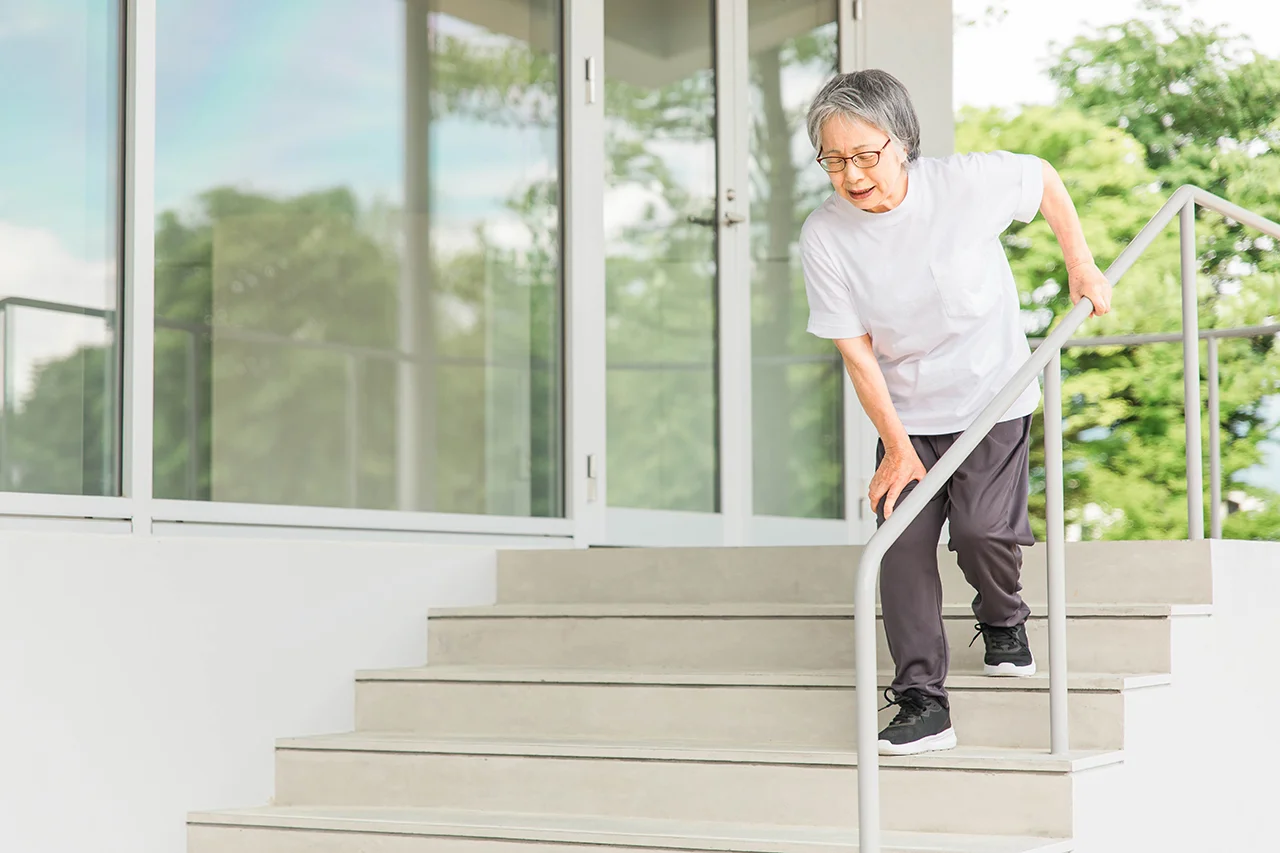
An unstable tear can alter how the knee moves during walking, climbing stairs or twisting. Uneven loading across the joint may place additional strain on surrounding cartilage and other structures.
Reduced Knee Function
As the injury progresses, everyday activities such as squatting, kneeling or participating in sports may become increasingly difficult. Some people also experience ongoing stiffness or reduced confidence in the stability of their knee.
Increased Risk of Osteoarthritis
Some meniscus injuries are associated with a higher risk of knee osteoarthritis, particularly when there is associated cartilage damage or other changes within the joint. However, not every meniscus tear leads to arthritis, and long-term outcomes vary between individuals.
Managing a Meniscus Injury for Long-Term Knee Health

Our Specialised Team
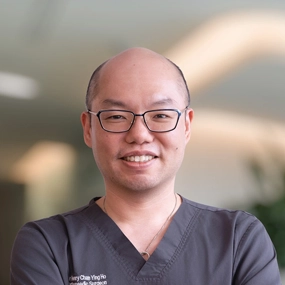
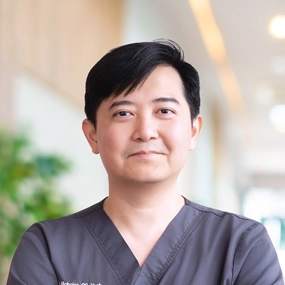
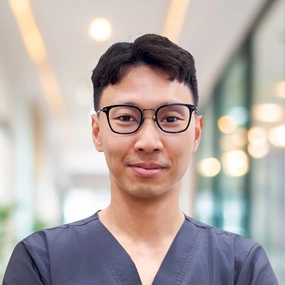
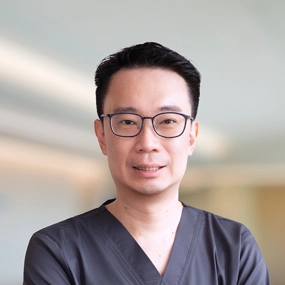
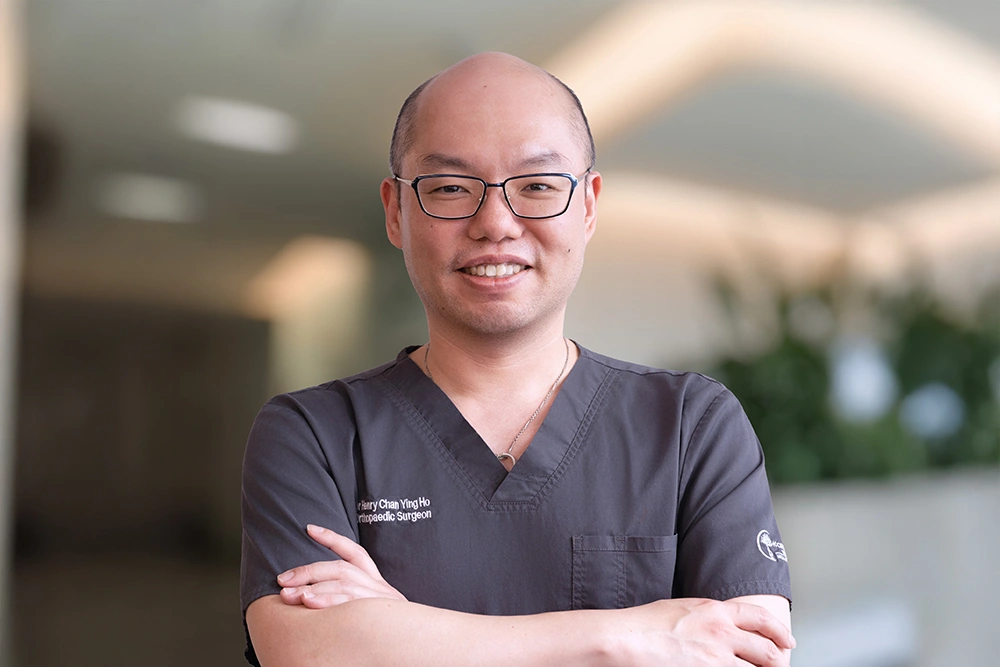
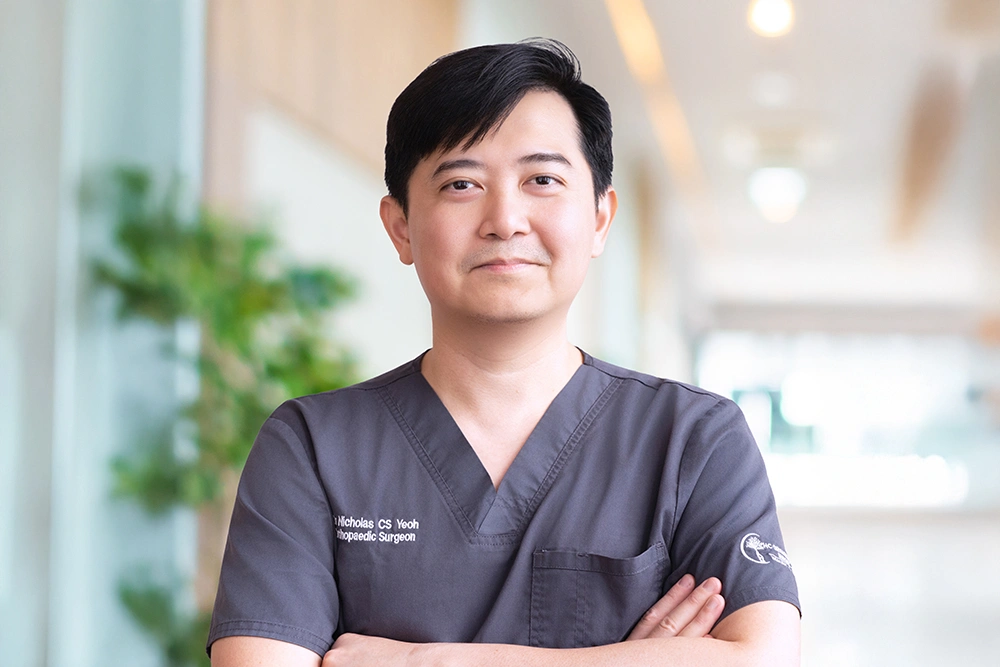
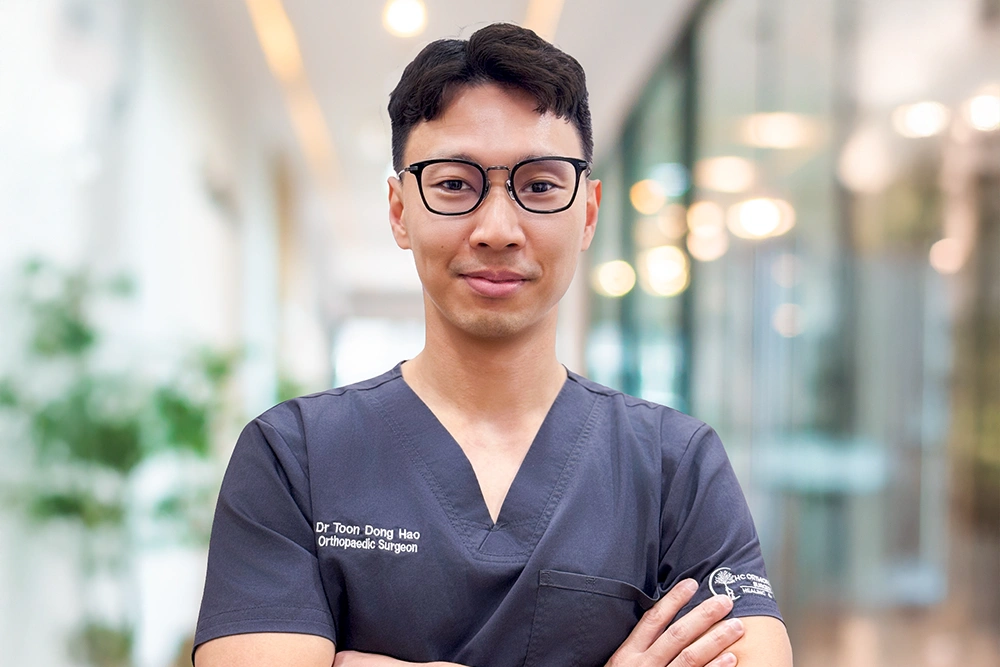
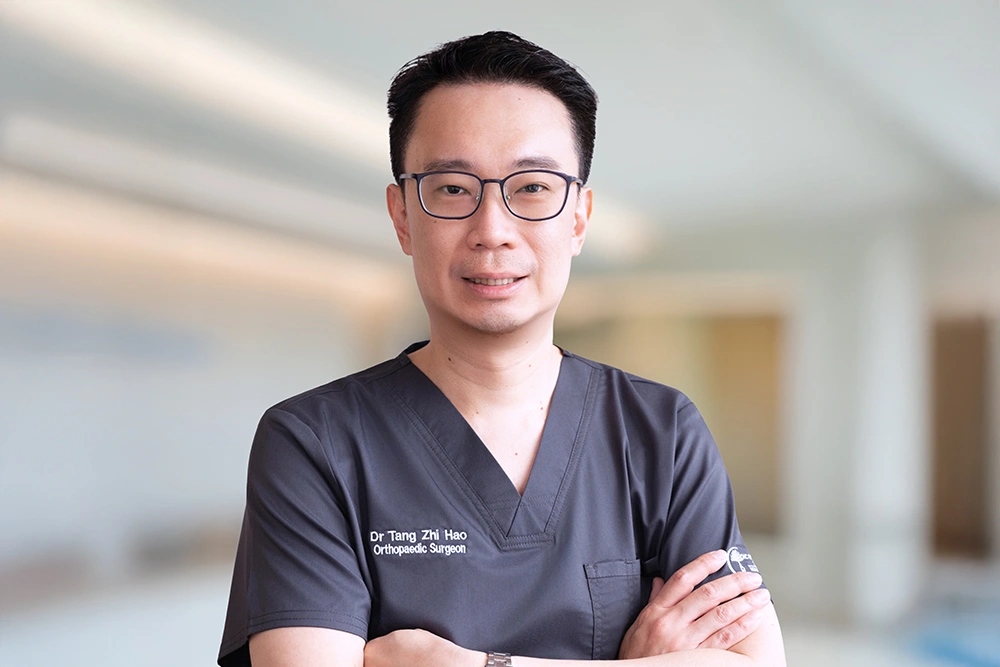
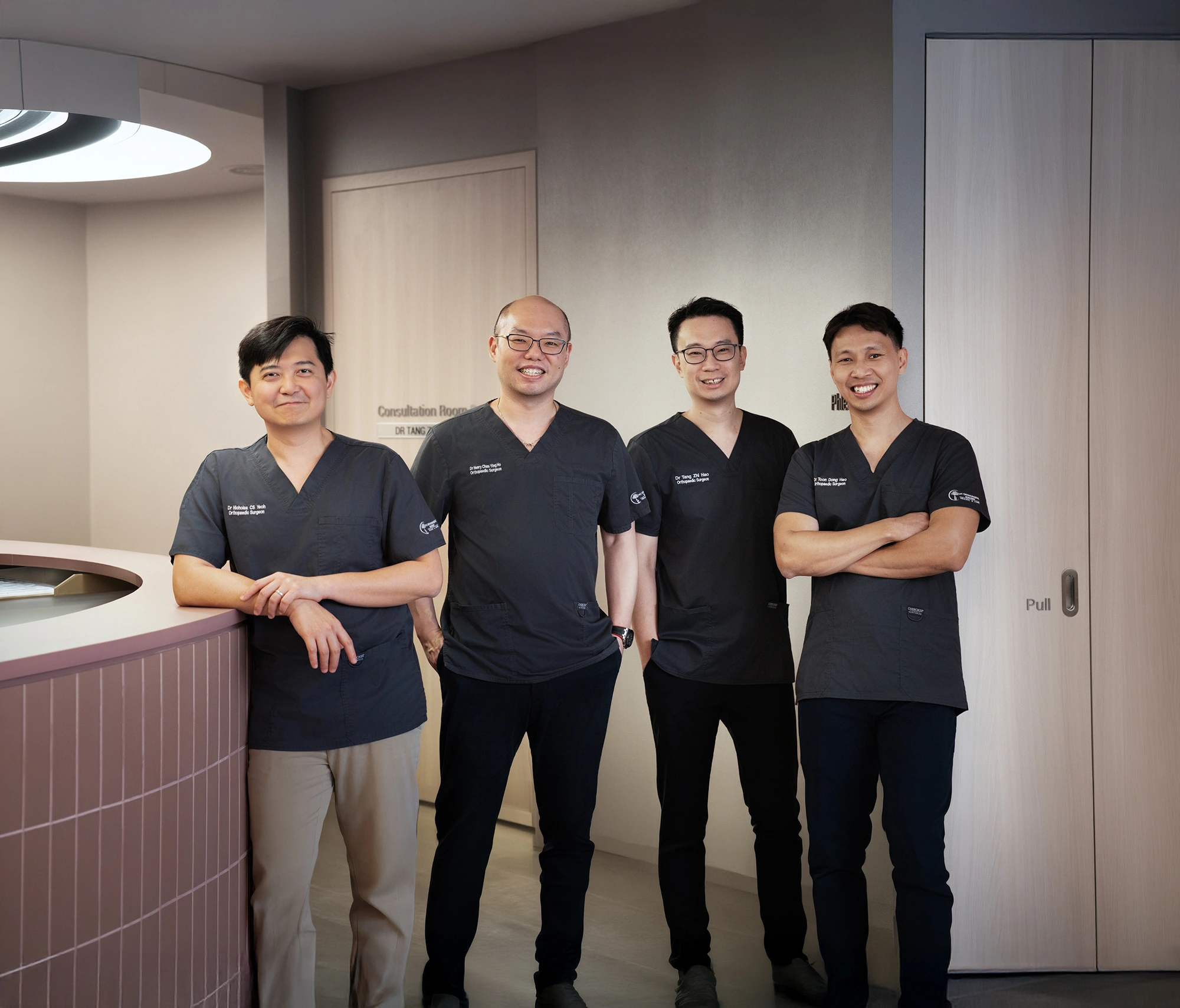
At HC Orthopaedic Surgery in Singapore, care for meniscus injuries is led by Dr Henry Chan together with Dr Nicholas Yeoh, who have extensive experience assessing both acute and chronic knee conditions. The specialist team also includes Dr Toon Dong Hao and Dr Tang Zhi Hao, providing comprehensive orthopaedic care across a wide range of joint conditions. If you have ongoing knee pain, recurrent swelling or symptoms suggestive of a meniscus injury, arrange a consultation for a thorough assessment and personalised treatment plan.
FAQs About Long-Term Meniscus Injuries
Can I continue exercising with a meniscus tear?
Is knee arthritis inevitable after a meniscus injury?
Can a repaired meniscus tear again?
Meet Our Doctors
Dr Henry Chan
Medical Director & Senior Consultant Orthopaedic Surgeon
MBBS (S’pore), MRCS (Edinburgh), MMed (Orthopaedic Surgery), FRCS (Edinburgh)
Dr Henry Chan is an experienced orthopaedic surgeon specialising in joint replacement and complex revision surgery. Trained at the renowned Helios Endo-Klinik in Germany under the MOH HMDP scholarship, he has performed over 1,000 joint replacements and specialises in computer-assisted and robotic joint replacement techniques for precise outcomes.
Dr Nicholas Yeoh
Senior Consultant Orthopaedic Surgeon
MBChB (Edinburgh), MRCS (Edinburgh), MMed (Orthopaedic Surgery), FRCS (Edinburgh)
Dr Nicholas Yeoh is an MOH-accredited orthopaedic specialist and Fellow of the Royal College of Surgeons of Edinburgh. Fellowship-trained in hip and knee reconstruction in Sydney under the MOH HMDP scholarship, he specialises in minimally invasive joint replacement, robotic surgery and advanced techniques that enhance recovery and surgical outcomes.
Dr Toon Dong Hao
Senior Consultant Orthopaedic Surgeon
MBChB (Leeds), MRCS (Edinburgh), MMed (Orthopaedic Surgery), FRCS (Edinburgh)
Dr Toon Dong Hao is a skilled orthopaedic surgeon and Fellow of the Royal College of Surgeons of Edinburgh. Fellowship-trained in Advanced Shoulder and Elbow Surgery in Sydney under the MOH HMDP scholarship, Dr Toon specialises in sports injuries, arthroscopic surgery and complex shoulder, elbow and knee procedures to restore function and mobility.
Dr Tang Zhi Hao
Senior Consultant Orthopaedic Surgeon
MBBS (S’pore), MRCS (Edinburgh), MMed (Orthopaedic Surgery), FRCS (Edinburgh)
Dr Tang Zhi Hao is a fellowship-trained orthopaedic surgeon specialising in foot and ankle conditions. He completed his Foot and Ankle Surgery fellowship at Severance Hospital, Yonsei University Health System in Seoul under Professor Jin Woo Lee. Prior to private practice, he served as Consultant and Deputy Head of Orthopaedics at Khoo Teck Puat Hospital.