

Osteoporosis is a condition whereby the bones in your body become extremely porous, less dense and much more brittle. Your bones become extremely weak and are more prone to breakage. It is a fairly common condition amongst the elderly, especially amongst women.
It is a dangerous condition if left unmanaged as osteoporosis symptoms are barely noticeable. Some people would only realise that they have it when they get themselves injured. Fortunately, certain dietary and lifestyle changes can be made to reduce your risk of developing osteoporosis.
Why Do our Bones get Weaker
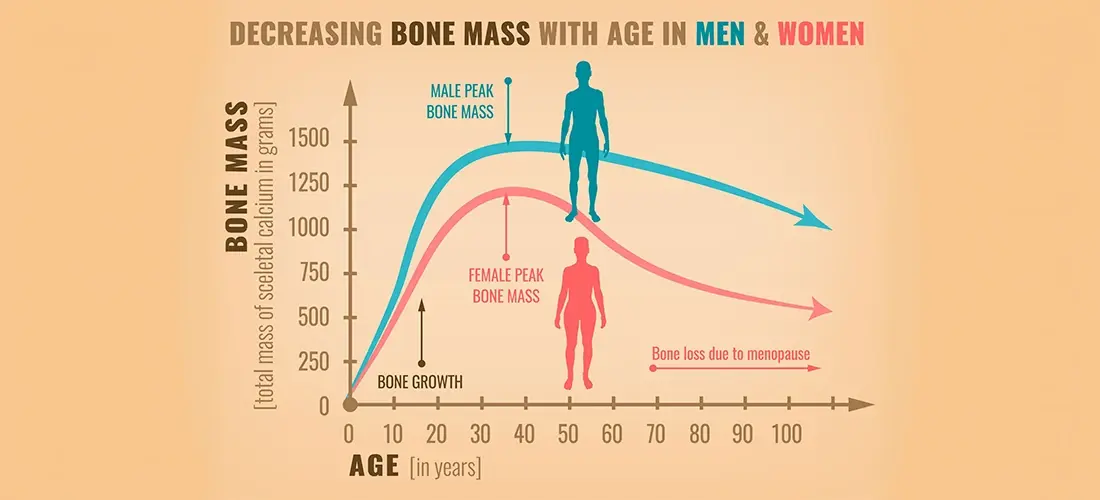
Our bones are constantly in action, even at a cellular level. New bone tissues are formed while older tissues are reabsorbed into the bloodstream. When there is more bone tissue formed and less tissue reabsorbed, the bones will become denser and stronger. Bone strength is at its peak at around 25 to 30 years of age.
However, as we get older, things start slowing down. When there are more bone tissues being reabsorbed and less new tissue formed, the bones will slowly lose their density. The absorption rate increases while the formation rate decreases as we grow older resulting in weaker, more porous bones. When this condition goes unmanaged, it will lead to osteoporosis.
Who Are More Likely to Get Osteoporosis
Apart from older adults, the other groups at risk are:
- Menopausal women - With lower levels of estrogen, the body is not able to effectively create new bone mass
- Those with a family of history of osteoporosis
- Those who smoking and drink excessively - Substance abuse decreases the amount of hormones produced in the body, which are key to maintaining bone density
- People do not exercise regularly nor have a balanced diet
Signs and Symptoms
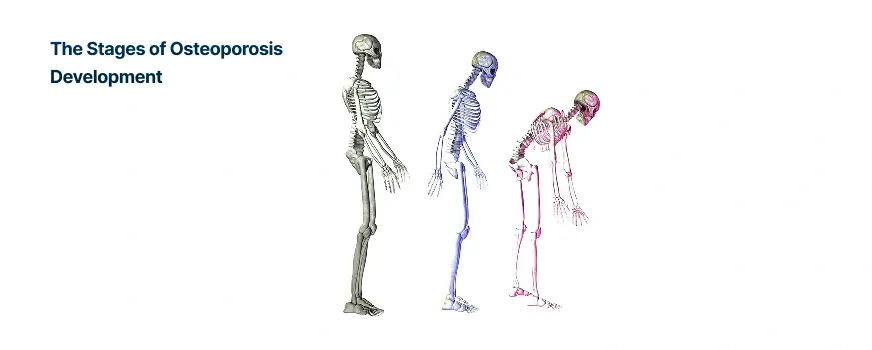
There are usually no obvious symptoms of osteoporosis. You may feel some bone and back pain as your bones are losing strength to support your weight. Over time, one may appear shorter and more hunchbacked due to vertebral compression. Vertebral compression occurs when doing simple exercises like twisting or stretching leads to small cracks on your spine. This causes severe pain and your back may bend into a slouching position.
However, the most serious sign is getting fractures, as porous bones are much easier to break. For people with osteoporosis, small falls can cause serious injuries like spine, neck, and hip fractures that can greatly limit one’s mobility.
Diagnosing Osteoporosis
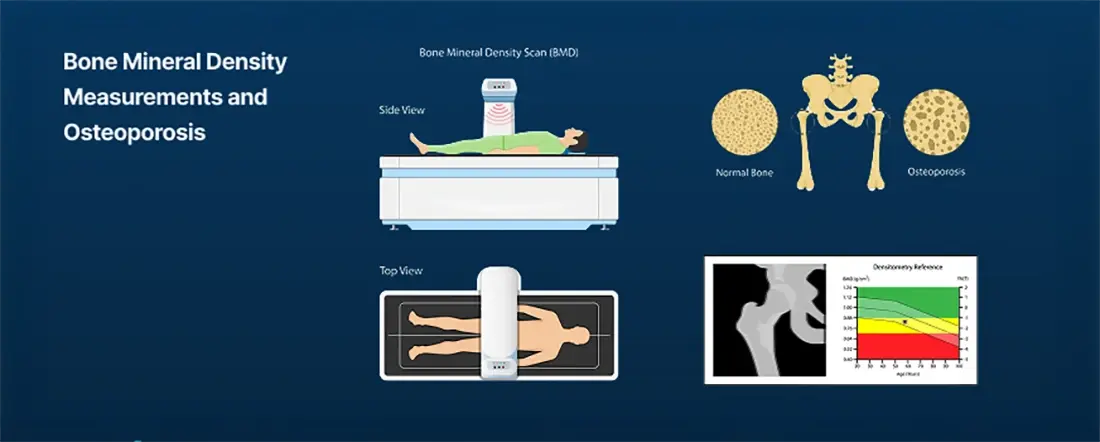
The signs and symptoms may sound scary but all these can be prevented with early detection.
One way is through the bone density test. You can do this test at various clinics specialising in orthopedics in Singapore. This test is a painless, easy, and quick way to examine the density of your bones via X-rays. There is little preparation as you do not need to fast nor take special medication prior to the test. You may need to change into a medical gown and must be free from metallic accessories. From the test, doctors will compare your bone density with the standard normal density to get your diagnosis.
Managing Osteoporosis with Lifestyle Changes
Nutrition
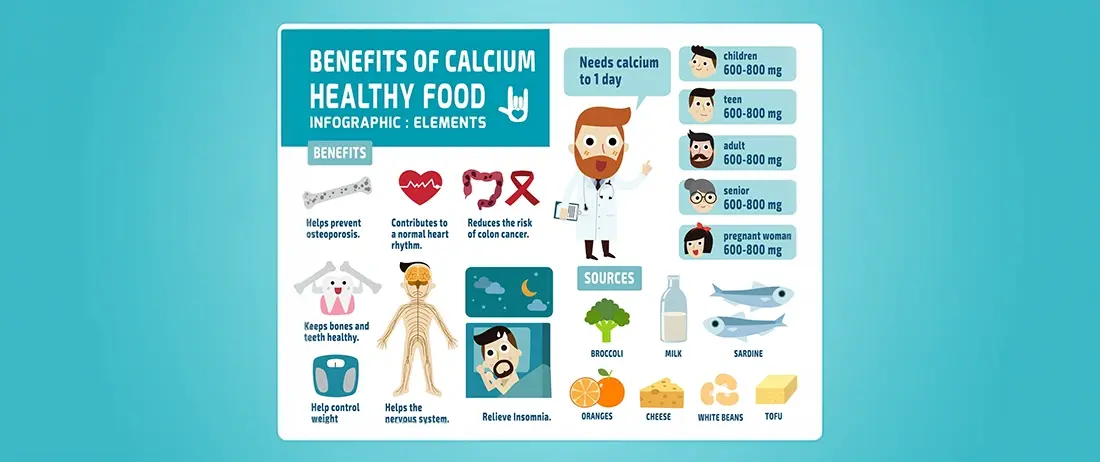
If you are diagnosed with osteoporosis or at risk, it’s time to make some lifestyle changes.
Having good nutrition is essential to managing your osteoporosis. Calcium is an important nutrient for your bones to form the tissue. Ensure that you take enough calcium so that your body will not rob your bone tissue for the mineral. Non-fat milk, soy, and dark green leafy vegetables are excellent healthy food sources of calcium.
You will need lots of Vitamin D for the absorption of calcium. You can easily get vitamin D by taking a stroll in the sunlight and eating oily fishes, fortified bread, egg yolks, dairy, and soy products. Also, you may need to cut back on food containing a lot of phosphorus as phosphorus binds with calcium and hinder its absorption. Such food includes red meat and offal.
Consult a doctor to see what kind of diet would suit you. If you need to, you can also ask them to prescribe you supplements.
Exercise
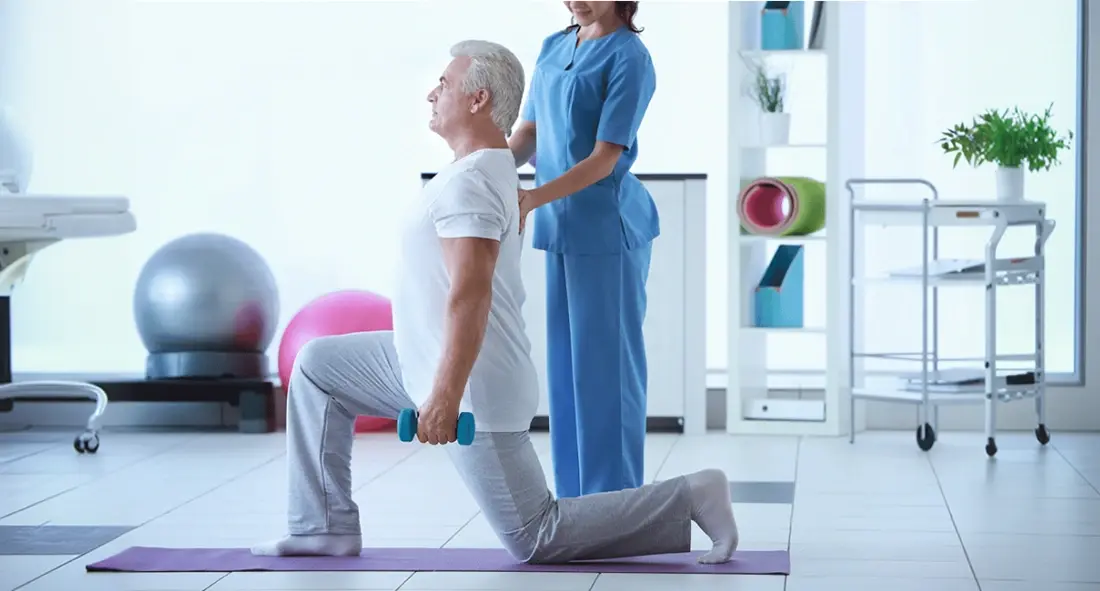
Like how you exercise to strengthen your muscles, exercise is as important in strengthening the bones as it promotes efficient bone formation. If you have been leading a sedentary lifestyle, you can start small and try brisk walking. Once you are used to it, you can move on to more rigorous weight-bearing exercises like running or skipping. If your bones are too brittle, consult your doctor first before exercising. Engage in low impact exercises and avoid exercises that could hurt your back and hips.
Osteoporosis is indeed a cause for concern, but with knowledge and good lifestyle changes, you will be able to manage your condition no problem. Make an appointment with us at HC Orthopaedics to get a professional, personalised screening package so that you can keep the brittle bone woes at bay.
Meet Our Specialist Team
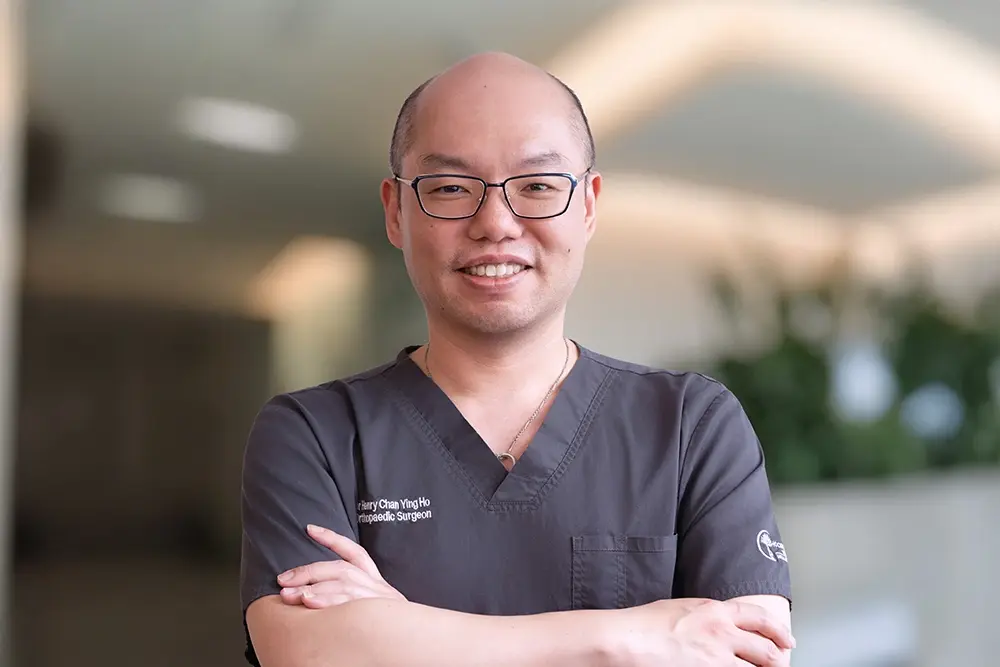
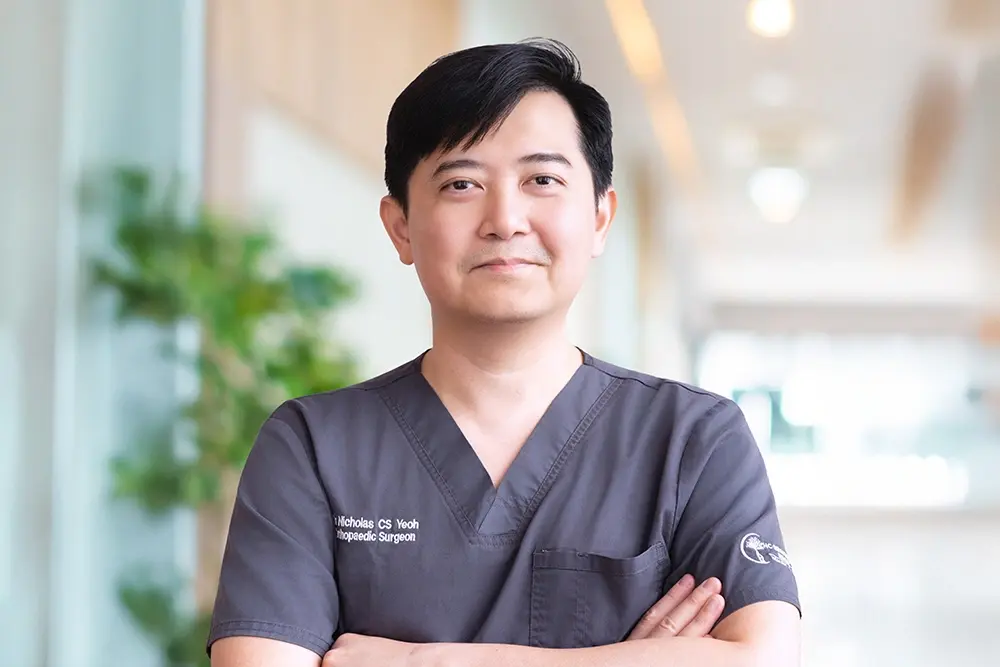
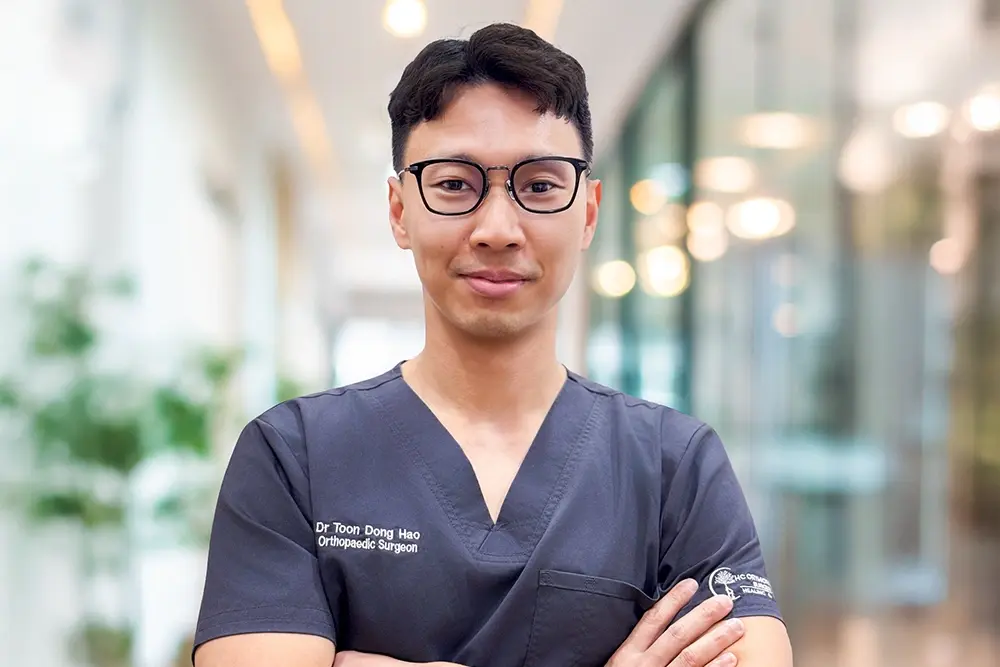
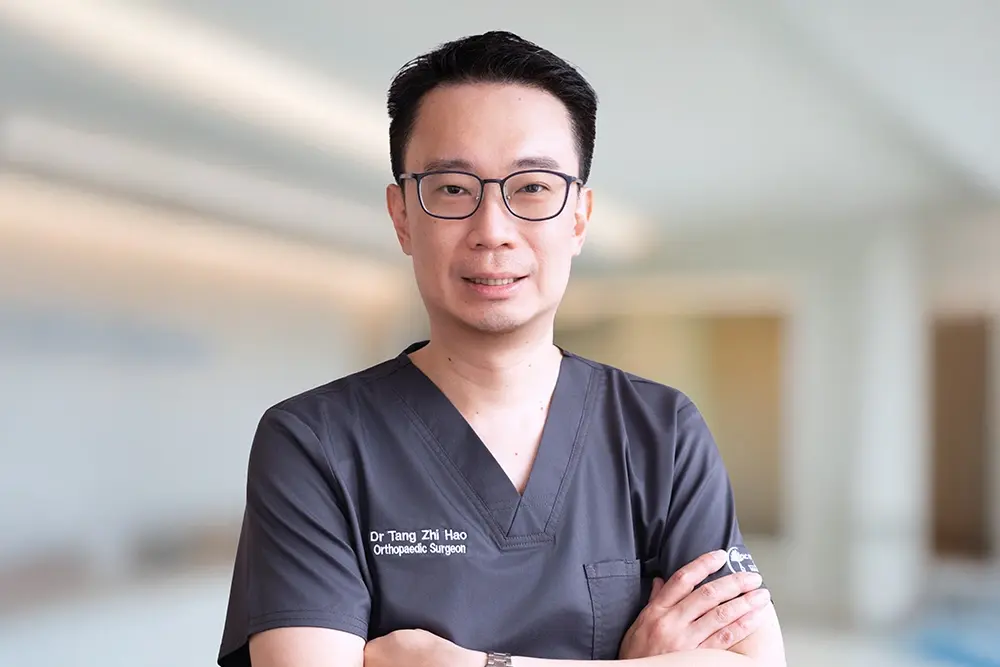
Our team comprises Dr Henry Chan, Dr Nicholas Yeoh, Dr Toon Dong Hao, and Dr Tang Zhi Hao — experienced orthopaedic surgeons with subspecialty experience and a patient-centred approach to care.
Dr Henry Chan
Medical Director & Senior Consultant Orthopaedic Surgeon
MBBS (S’pore), MRCS (Edinburgh), MMed (Orthopaedic Surgery), FRCS (Edinburgh)
Dr Henry Chan is an experienced orthopaedic surgeon specialising in joint replacement and complex revision surgery. Trained at the renowned Helios Endo-Klinik in Germany under the MOH HMDP scholarship, he has performed over 1,000 joint replacements and specialises in computer-assisted and robotic joint replacement techniques for precise outcomes.
Dr Nicholas Yeoh
Senior Consultant Orthopaedic Surgeon
MBChB (Edinburgh), MRCS (Edinburgh), MMed (Orthopaedic Surgery), FRCS (Edinburgh)
Dr Nicholas Yeoh is an MOH-accredited orthopaedic specialist and Fellow of the Royal College of Surgeons of Edinburgh. Fellowship-trained in hip and knee reconstruction in Sydney under the MOH HMDP scholarship, he specialises in minimally invasive joint replacement, robotic surgery and advanced techniques that enhance recovery and surgical outcomes.
Dr Toon Dong Hao
Senior Consultant Orthopaedic Surgeon
MBChB (Leeds), MRCS (Edinburgh), MMed (Orthopaedic Surgery), FRCS (Edinburgh)
Dr Toon Dong Hao is a skilled orthopaedic surgeon and Fellow of the Royal College of Surgeons of Edinburgh. Fellowship-trained in Advanced Shoulder and Elbow Surgery in Sydney under the MOH HMDP scholarship, Dr Toon specialises in sports injuries, arthroscopic surgery and complex shoulder, elbow and knee procedures to restore function and mobility.
Dr Tang Zhi Hao
Senior Consultant Orthopaedic Surgeon
MBBS (S’pore), MRCS (Edinburgh), MMed (Orthopaedic Surgery), FRCS (Edinburgh)
Dr Tang Zhi Hao is a fellowship-trained orthopaedic surgeon specialising in foot and ankle conditions. He completed his Foot and Ankle Surgery fellowship at Severance Hospital, Yonsei University Health System in Seoul under Professor Jin Woo Lee. Prior to private practice, he served as Consultant and Deputy Head of Orthopaedics at Khoo Teck Puat Hospital.
