


In their lifetime, the average person would have walked a crazy distance of about five times around the Earth’s equator! That is quite some mileage for our body to handle. Our largest (and most complex) joints, the knees, take the brunt of the wear and tear.
Like any vehicle or piece of machinery, taking good care of the joints is the key to it working well through the elderly age.
Here, we take you through all you need to know about Joint Health in this Ultimate Guide – common joint problems, ways to keep your joints healthy, medical treatments for joint health problems and how to manage your joint health problems.
What Are Joints?
A joint is a structure of the body at which two bones make contact. It serves to hold the skeleton together and helps with mobility. I guess you could say it is pivotal in our ability to move.
Types of Joints
Joints can be classified based on the joint’s makeup of connective tissue, which relates to how much the joint can move. Many of which might have not thought to be a joint at all!
Fibrous joints are fixed joints that are made of bones connected by dense fibrous tissue (made up of mostly collagen) – because of this, you cannot really move them.
Some examples of fibrous joints include the ones that attach the root of human teeth to the jawbones and the ones that exist between the two long bones that run parallel in your forearm.
Cartilaginous joints refer to joints that are attached by cartilage, which is a tough but flexible type of tissue. Because of the unique properties of cartilage, some of these joints can be slightly moveable.
Between each vertebra in your spine, there are cartilaginous joints to support movement such as bending over.
Synovial joints are the most mobile types of joints of the body. The joint cavity is encased with fibrous tissue and is filled with synovial fluid that functions as a lubricant – just like oil for moving machine parts.
Your shoulders, elbows, neck and knees all contain synovial joints. Since these joints are used mainly for movement, they are more vulnerable to injury without proper care.
Why is Joint Health Important?
If your joints are not well taken care of, especially the ones you use the most, you could become affected with arthritis. Arthritis is the umbrella term for any joint-affected disorder.
Some joint disorders can lead to symptoms like joint pain, inflammation and stiffness.
It can become uncomfortable to walk or even stand, leading to a possible disability. Across the globe, more than 80% of patients with knee osteoarthritis experience difficulty moving to a certain extent.
Did you know that up to 10% of the Singaporean population may have osteoarthritis in the knee, which is the most common joint disorder amongst Asian people? The symptoms of joint disorders can present themselves overnight or over a long period of time.
Poor maintenance of joint health in the past can lead to joint disorders in your later years. As you get older, your body will undoubtedly age and become weaker than before.
However, taking good care of your joints will minimise that progression and allow you to lead a more zestful life in your senior years!
What Are Some Common Joint Problems in Singapore?

Generally, the symptoms for joint disorders can develop as early as in your mid-40s. Arthritis can affect your knees, hips, feet and even spine.
There are over a hundred types of joint disorders, each differing slightly in their nature and symptoms. Being mindful of the symptoms can help you with early detection of joint disorder, and hence, earlier treatment.
Osteoarthritis
Osteoarthritis (OA) is the most prevalent joint disorder. It involves progressive damage and deterioration of the cartilage.
Symptoms include pain and swelling in the joints. Occasionally, one may also experience a mild stiffness in the joint.
The occurrence of OA development can be caused by multiple contributing factors such as:
- Age
- Gender
- Overweight and obesity
- Knee injury
- Overuse of joints
- Bone density
- Muscle weakness
- Joint laxity
Rheumatoid Arthritis
Rheumatoid arthritis (RA) is an inflammatory arthritis condition that affects around 1% of the population in Singapore, or about 45,000 people. RA usually develops between people aged 20 to 45 years old.
RA is an autoimmune disease that occurs when the body’s immune system mistakenly attacks the joint tissue. The triggers for this reaction remain unknown.
Symptoms of RA are like those of OA – pain, swelling and stiffness in the joints. This may also be accompanied by additional symptoms such as fatigue and fever.
The unique nature of RA causes it to potentially affect other parts of the body, like the heart, lungs, nerves, eyes and even the skin.
Gout
Gout refers to arthritis that is caused by an accumulation of uric acid crystals in the joints and inflammation arises due to the build-up.
Gout usually brings about intense pain that is felt most commonly in the big toe, and then in the other joints like the ankles, knees and feet.
Juvenile Arthritis
Juvenile arthritis is an inflammatory arthritis condition that occurs in children due to an autoimmune disorder, just like RA.
The child may suffer from pain, swelling and stiffness in the joints. There may also be symptoms of fever and rashes.
If left untreated, the condition can worsen and affect the eyes and the child’s growth and bone development.
What Are Some Ways to Keep my Joints Healthy?

Though some of the arthritis conditions’ triggers are unknown, OA is still the most common and easiest to prevent. The fact that many habitual and environmental factors contribute to the onset of OA means there are healthy practices we could adopt to avoid it.
Eating Well
Having a balanced and nutritious diet is crucial to maintaining healthy joints. The foundation of strong and fit joints is laid by nutrients such as calcium, phosphorus, protein, zinc and vitamin D. Different parts of the joint like the bones and cartilage require adequate levels of these nutrients to function well.
This means infusing healthy food into your meals such as dairy products, milk, meat, fish, citrus fruits and vegetables. Cutting back on processed foods, sugar and alcohol can also be helpful.
Consistency is key, and a continuously poor diet in the past may lead to a deficiency in important nutrients for your joint health in the future.
As with everything else, moderation is also very important. Overconsumption can result in being overweight or obesity, which will increase the load your joints have to bear. Body weight causes stress to your knees and hips. This could also potentially lead to osteoarthritis.
Making a habit of eating nutrient-rich foods and in moderate amounts can help maintain a healthy weight and improve your joint health.
Getting Exercise
As mentioned earlier, being overweight or obese can put excessive stress on your joints and potentially cause osteoarthritis. A study has shown that people with a Body Mass Index (BMI) of more than 30 kg/m2 and are suffering from clinical knee OA, experienced improvement in their symptoms after weight loss.
Obesity or being overweight can be treated with exercise along with good eating habits. Physical activity, such as strength training and aerobic exercises will help improve your fitness and facilitate weight loss, which in turn, relieves pressure off your joints.
Gradually increasing the intensity of your workouts will help boost the health of your joints in future, hopefully improving your range of motion.
Taking Supplements
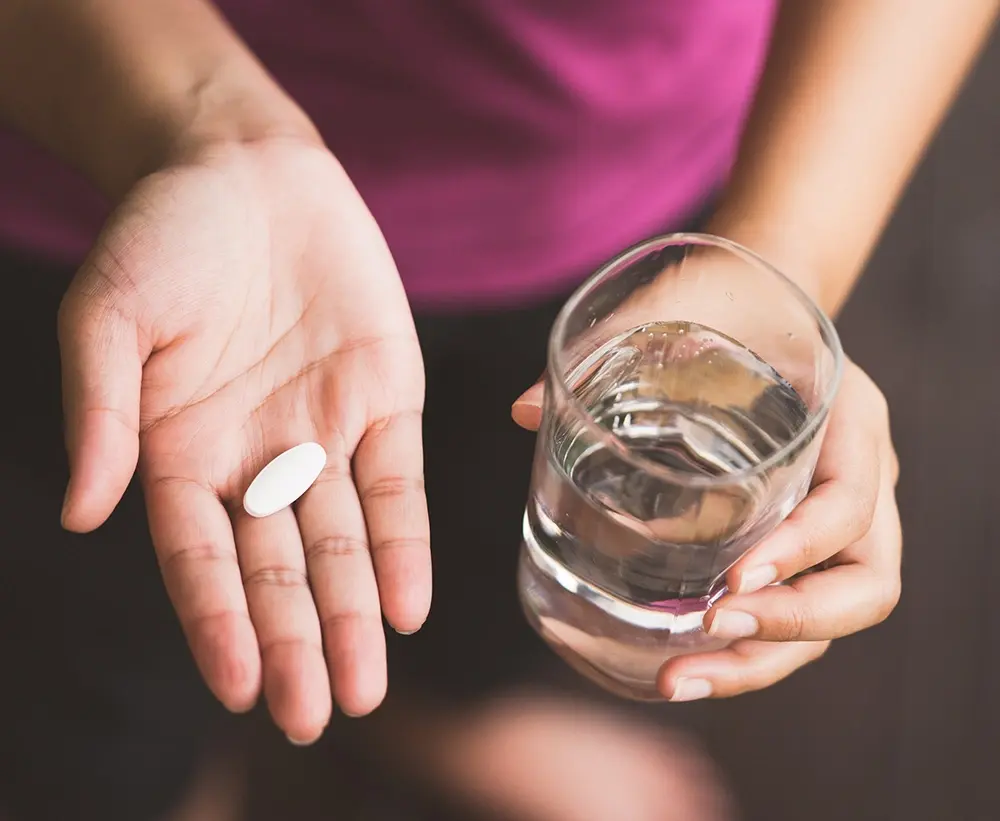
Incorporating supplements into your diet could also help lower the risk of arthritis conditions. Ideally, the symptoms of arthritis, like joint pain and stiffness can also be alleviated slightly. Always remember to check in with a trusted doctor before taking supplements to find what would best suit you and help protect your joints.
Glucosamine Supplements
Glucosamine is a structural component of cartilage, which makes up the connective tissue of the joints. Glucosamine is a popular supplement used by patients who have arthritis, though it remains controversial in its effectiveness against arthritis. However, there are some findings that support its antiarthritic abilities.
Glucosamine has been shown to counter the detrimental effects of a particular gene responsible for breaking down cartilage. A study has shown that glucosamine has been very effective in treating stiffness, one of the most common arthritis symptoms. For patients who are already diagnosed with arthritis conditions like RA, glucosamine, used concurrently with medically prescribed medication helps lessen the effects of RA symptoms.
Collagen Supplements
Collagen is an important protein found everywhere in your body such as your muscle, skin, internal organs and cartilage in joints.
Studies show that oral collagen can help improve one’s osteoarthritis condition, while remaining safe for the patient. Collagen hydrolysate could potentially lower the risk of joint damage.
Japanese White Turmeric Supplements
Japanese White Turmeric supplements, like Turmeron Joint, are obtained from the plant that shares its name. Japanese White Turmeric contains special chemical compounds such as labdane-type diterpenes which are not found in other turmeric plants.
These compounds have been shown to be a very reliable and potent effector in helping joint pains.
How do Japanese White Turmeric Supplements help with Joint Health?
It is paramount to have ample lubrication in the joints of your knees, much like how oil in machines helps reduce friction to prolong their longevity — for our joints, this helpful lubrication is called synovial fluid. The synovial fluid also doubles as nourishment for the cartilage and tendons to ensure that they continue to remain healthy.
Synovial fluid contains a very high level of hyaluronic acid to maintain the viscosity and joint health. It does this by protecting against inflammation and guarding the cartilage.
Japanese White Turmeric supplements contain special chemical compounds called labdane-type diterpenes which help impede the body’s natural degradation of hyaluronic acid and suppress synovial membrane inflammation. This ensures that hyaluronic levels are maintained to keep the joints healthy.
What are the Costs for Turmeron Joint Supplements?
A bottle of Turmeron Joint supplements, containing 30 capsules of Dietary Supplement Vegan Softgel, costs about $65 which will last you for a month.
It can be purchased at healthcare retail shops like Watsons. It is best to ask your trusted doctor before adopting any type of supplements into your diet.
Differences between Japanese White Turmeric Supplements and other Garden Variety Turmeric Supplements?
The research into yellow turmeric and its active compound, curcumin, towards its effect on joint health did not provide substantial evidence of its success.
Conversely, research into the Japanese White Turmeric and its labdane compound has yielded much more promising results.
There are 3 major ways that Japanese White Turmeric has surpassed other Turmeric supplements that contain mainly curcumin:
Anti-inflammatory Properties
Most Curcuma longa plants, like yellow turmeric, contain low levels of curcumin. Curcumin may have some effect on arthritis but the foundation for that assertion is not strong.
On the other hand, the active compound in Japanese White Turmeric is more than 100 times higher than the amount found in common Curcuma longa plants.
Furthermore, Japanese White Turmeric also has a high concentration of labdane-type diterpenes, which the other plants have none of.
Labdane-type diterpenes are a special chemical compound, exists in Japanese White Turmeric and is able to treat osteoarthritis at a higher level of effectiveness. Moreover, the compound’s ability to suppress the breakdown of hyaluronic acid helps to maintain the health of the joints.
Presence of Side Effects
Curcumin, present in other turmeric supplements, has been shown to be associated with negative side effects in some patients such as headache, diarrhoea and rash.
Curcumin is also known as a blood thinner and hence, people on blood pressure-related medication are advised to take caution when taking curcumin.
However, Japanese White Turmeric performs well in inflammatory and pain reduction and has no known side effects. Evidence suggests that it is safe to be taken with other medication.
Effectiveness of Pain Relief
Some studies have discovered that curcumin is able to reduce pain in subjects, however, they were not suffering from osteoarthritis. Moreover, the pain-relieving effect is not extensive.
More reliable studies have been conducted for Japanese White Turmeric which reveal its ability to reduce pain in osteoarthritic patients. The labdane compounds were consumed in capsules which brought about pain reduction over the months.
How do Natural Supplements Compare with Synthetic Supplements?
Synthetic supplements are produced through purposeful chemical procedures conducted in a laboratory while natural supplements are made with whole food sources like the Japanese White Turmeric, in this case.
Food synergy describes a beneficial relationship between nutrients within a food. Vitamins and minerals can affect how other nutrients work in the body. In some cases, the presence of other nutrients help the absorption of another specific nutrient.
The research into the comparable effectiveness between natural and synthetic supplements is still progressing. Existing literature has suggested that supplements derived from whole foods would provide more than synthetic supplements.
Conclusion
To prevent serious joint complications from clouding your future mobility, taking mindful action at an early age is paramount. Eating well, exercising regularly and taking the right supplements would help maintain proper joint mobility and health.
It has been shown that Japanese White Turmeric supplements, like Turmeron Joint, exceed other types of turmeric supplements in benefits. Turmeron Joint supplements are a preferred option to help you attain the best for your joints.
Always seek the approval by your doctor to ascertain that there are no potential complications with your other prescribed medications before taking Turmeron Joint.
Meet Our Specialist Team
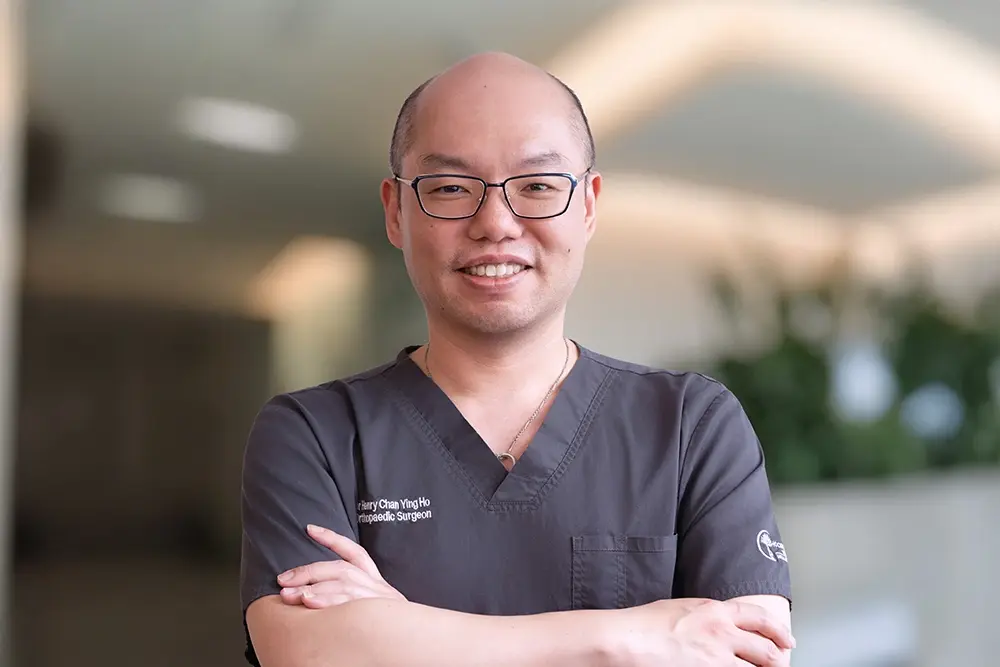
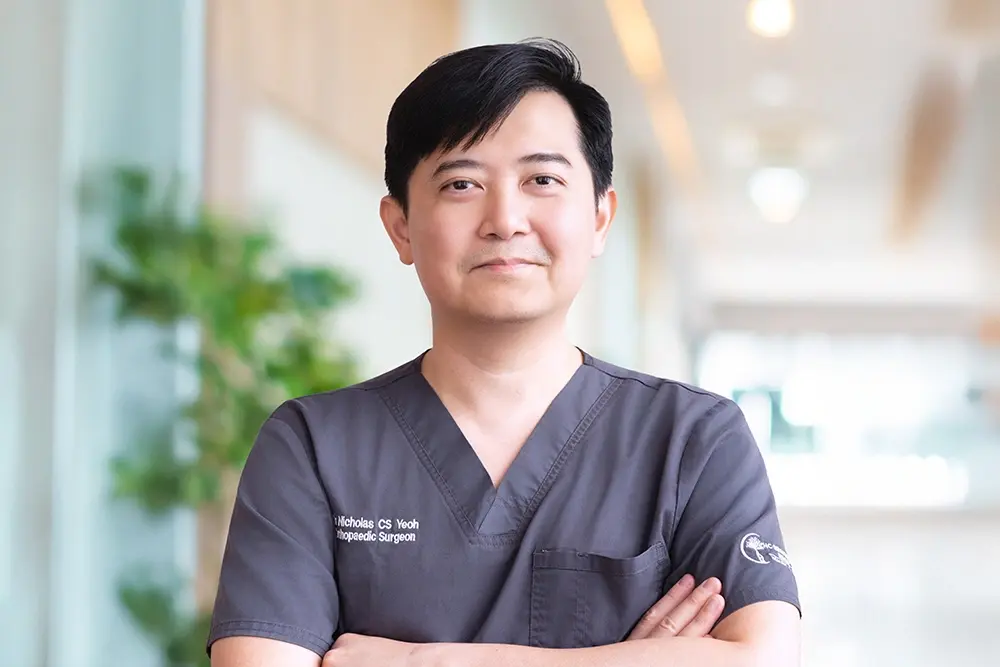
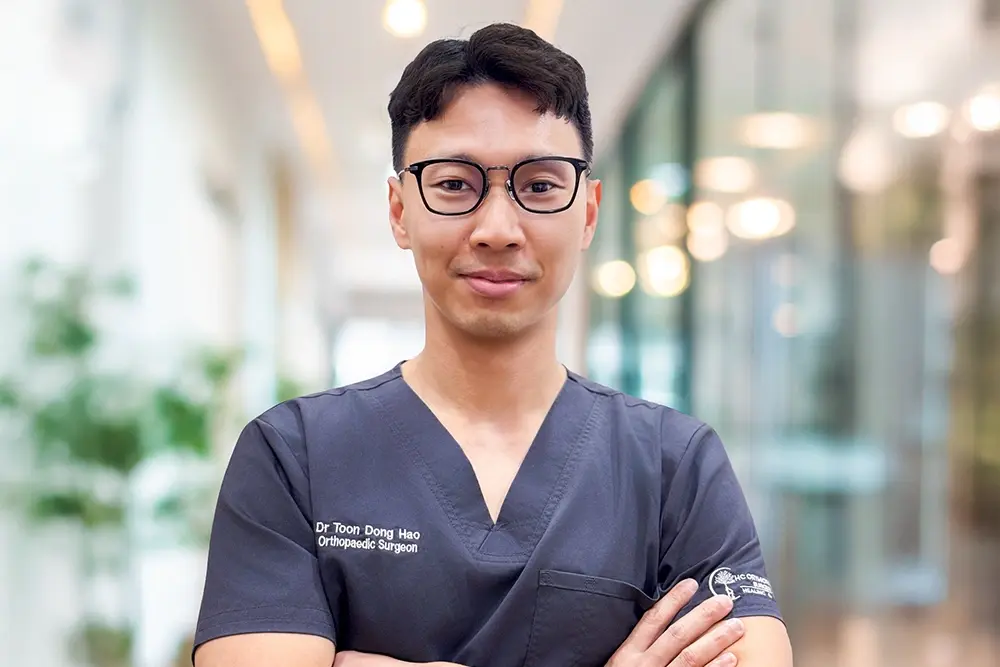
Our team comprises Dr Henry Chan, Dr Nicholas Yeoh, Dr Toon Dong Hao, and Dr Tang Zhi Hao — experienced orthopaedic surgeons with subspecialty experience and a patient-centred approach to care.
Dr Henry Chan
Medical Director & Senior Consultant Orthopaedic Surgeon
MBBS (S’pore), MRCS (Edinburgh), MMed (Orthopaedic Surgery), FRCS (Edinburgh)
Dr Henry Chan is an experienced orthopaedic surgeon specialising in joint replacement and complex revision surgery. Trained at the renowned Helios Endo-Klinik in Germany under the MOH HMDP scholarship, he has performed over 1,000 joint replacements and specialises in computer-assisted and robotic joint replacement techniques for precise outcomes.
Dr Nicholas Yeoh
Senior Consultant Orthopaedic Surgeon
MBChB (Edinburgh), MRCS (Edinburgh), MMed (Orthopaedic Surgery), FRCS (Edinburgh)
Dr Nicholas Yeoh is an MOH-accredited orthopaedic specialist and Fellow of the Royal College of Surgeons of Edinburgh. Fellowship-trained in hip and knee reconstruction in Sydney under the MOH HMDP scholarship, he specialises in minimally invasive joint replacement, robotic surgery and advanced techniques that enhance recovery and surgical outcomes.
Dr Toon Dong Hao
Senior Consultant Orthopaedic Surgeon
MBChB (Leeds), MRCS (Edinburgh), MMed (Orthopaedic Surgery), FRCS (Edinburgh)
Dr Toon Dong Hao is a skilled orthopaedic surgeon and Fellow of the Royal College of Surgeons of Edinburgh. Fellowship-trained in Advanced Shoulder and Elbow Surgery in Sydney under the MOH HMDP scholarship, Dr Toon specialises in sports injuries, arthroscopic surgery and complex shoulder, elbow and knee procedures to restore function and mobility.
Dr Tang Zhi Hao
Senior Consultant Orthopaedic Surgeon
MBBS (S’pore), MRCS (Edinburgh), MMed (Orthopaedic Surgery), FRCS (Edinburgh)
Dr Tang Zhi Hao is a fellowship-trained orthopaedic surgeon specialising in foot and ankle conditions. He completed his Foot and Ankle Surgery fellowship at Severance Hospital, Yonsei University Health System in Seoul under Professor Jin Woo Lee. Prior to private practice, he served as Consultant and Deputy Head of Orthopaedics at Khoo Teck Puat Hospital.
