The Ultimate Guide to Arthritis Treatment in Singapore
As we age, we begin to experience pain in our joints, especially on cold nights. Old injuries from when we were young start to resurface and we find ourselves feeling pain and discomfort in the same areas. This guide contains all the information you need to learn more about arthritis and the possible treatment options in Singapore. It also includes important information – from the diagnostic process, to preventive measures against arthritis.
What is Arthritis?
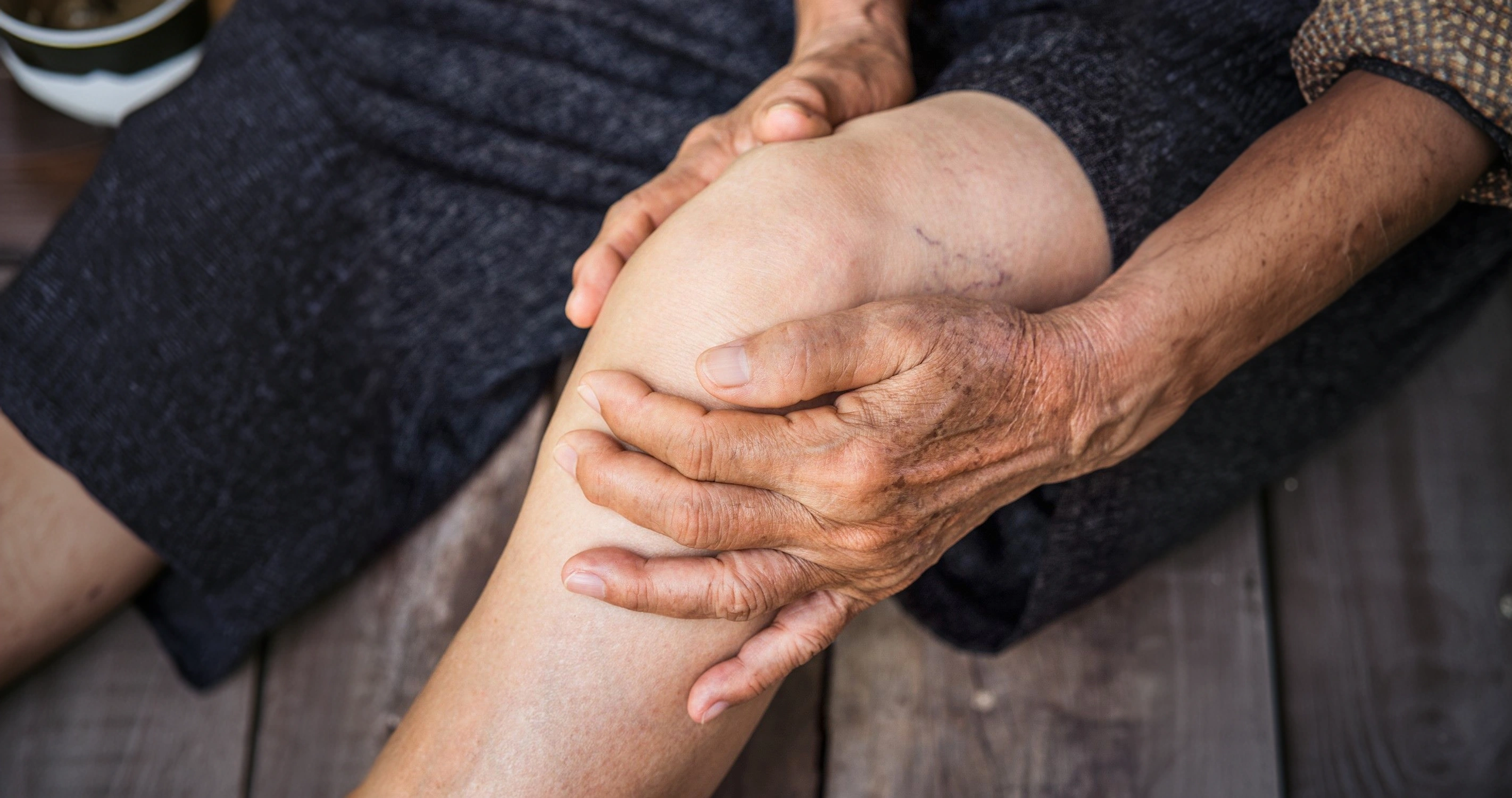
Arthritis is a condition in which random joints in the body become inflamed. This can happen to any part of the body, but occurs most commonly in parts where weight is continuously applied, such as the knees, hips, feet, and spine.
This inflammation of joints then leads to swelling and tenderness in the affected area, causing pain and discomfort whenever pressure is applied. Additionally, the joints start to stiffen, and as it deteriorates with age, the functionality of that affected joint would decrease proportionately as well.
In Singapore, arthritis is prevalent amongst the elderly, with independent studies showing that as high as 40% of the elderly population has suffered from knee pain for more than five years. However, the most shocking fact about these studies is not the percentage of elderly afflicted with arthritis, but that only 5 out of 10 respondents consulted a doctor for treatment. The other half of the arthritis sufferers leave the potentially crippling disease untreated.
What are the Most Common Types of Arthritis in Singapore?
Arthritis manifests itself in many different ways. Since its discovery in 1800 by French physician Dr. Augustin Jacob Landré-Beauvais, there have been over a hundred different types of arthritis, each with their own causes and treatments.
Amongst the many different types of arthritis, the two most common forms of arthritis are osteoarthritis (OA) and rheumatoid arthritis (RA).
In Singapore, rheumatoid arthritis is the most common chronic inflammatory arthritis and affects mostly individuals aged 40 to 60 years old.
This form of arthritis is due to an autoimmune disorder, where an individual’s own body defense mechanisms start attacking itself by mistake. They can attack various parts of the body, such as the muscles, skin, lungs, blood vessels, nervous system, and even the eyes. As such, prolonged damage eventually causes affected areas to deteriorate and would eventually lead to severe disabilities if left untreated.
What Causes Arthritis?
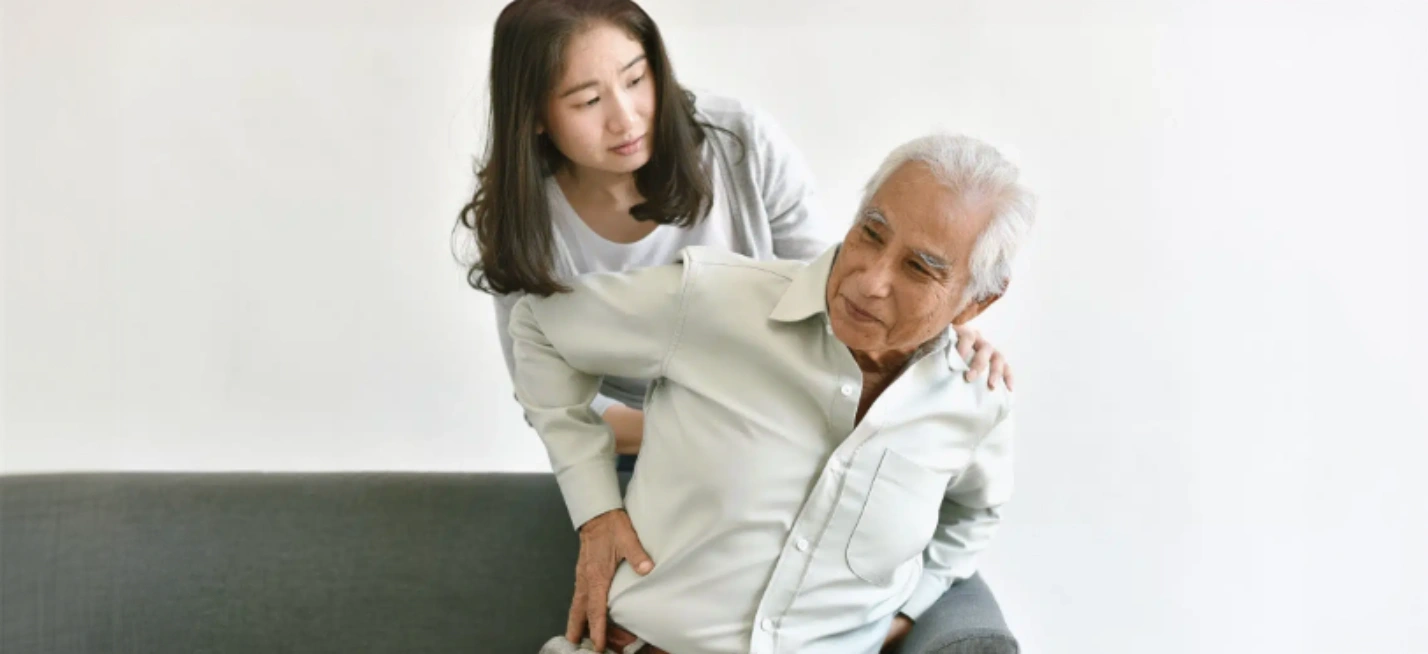
There are many causes of arthritis, which are all dependent on the type of arthritis in question.
One of the other most common forms of arthritis is Osteoarthritis, which can affect anybody due to its nature. Normal wear and tear as you age causes a decrease in the amount of cartilage present along the joints. As such, osteoarthritis occurs and an infection or injury to the joints can accelerate the natural breakdown of cartilage tissues, causing more severe arthritis.
Rheumatoid arthritis, as explained earlier, is due to an autoimmune disease where the body’s own immune system attacks the joints in the body, wearing down cartilage and causing joint pain.
These immune system attacks can target the synovium as well, a soft tissue that produces synovial fluid, which is a lubricant that nourishes the cartilage and helps reduce friction between the joints. Imagine it as grease for door hinges, but for our body – without it, more friction will be present, which would lead to greater wear and tear.
However, there is a common factor between these two vastly different forms of arthritis, and that is family history and heredity. Having a person in the family suffer from arthritis would mean that you would have a higher chance of suffering from the same disease. So, if you are above 40 years old and experience frequent joint pain, it is crucial that you visit a doctor for a proper diagnosis.
What Are the Symptoms of Arthritis?
If you are starting to wonder if you might have arthritis or just a knee cramp, let us take a look at some of the common symptoms and early warning signs of arthritis.
Due to the vastness of possibilities for types of arthritis, it is impossible to list their symptoms. There are over a hundred different classifications of arthritis, each of them with their own specific set of warning signs to look out for.
However, there are some similarities we can take note of and will help serve as a guideline for when a consultation with the doctor is necessary. These include, but are not limited to:
- Pain in joints
- Tenderness and stiffness in joints
- Inflammation in and around joints
- Restricted joint movement
- Reddening of the skin around the affected joint
- Muscle weakness
If you happen to experience these symptoms and are of the age range of 40 – 60 years old, it is important for you to visit a doctor to get an accurate diagnosis. It is only through further testing that a medical expert can evaluate and determine what kind of arthritis you are suffering from, and from there, provide the necessary medication and treatment for your arthritis.
Who Should I See if I Have Arthritis in Singapore?
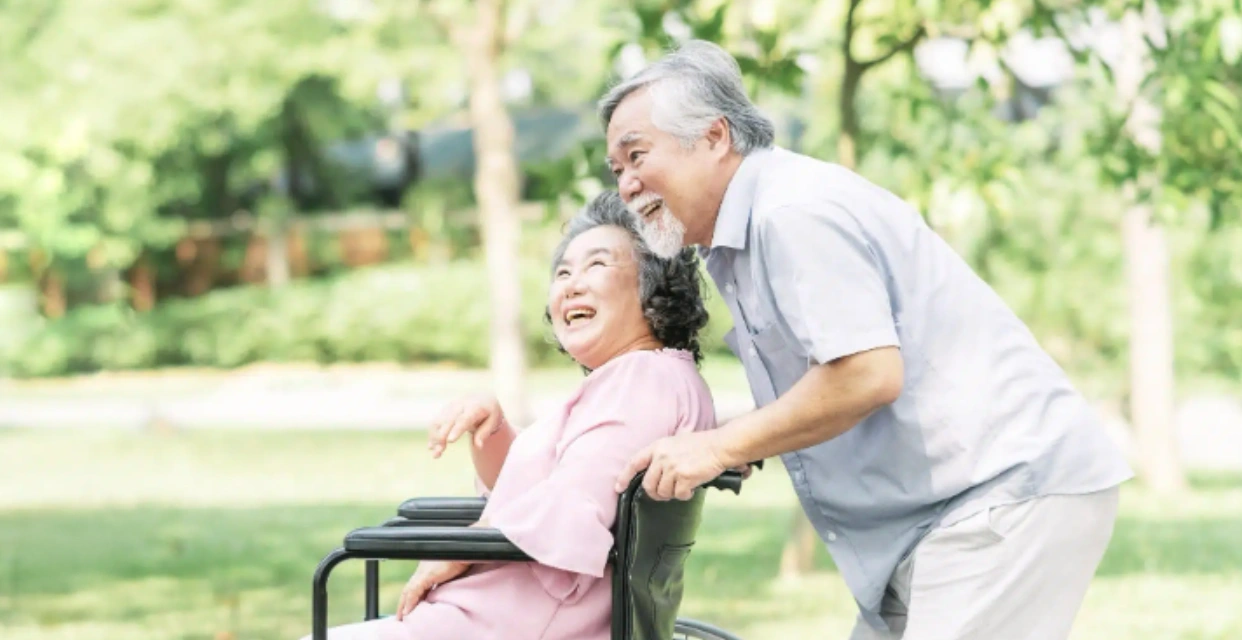
People generally visit general practitioners or polyclinics when it comes to getting treatment for common diseases.
As arthritis is considered a common disease in Singapore, many people usually visit polyclinics to get treatment in the form of ointments or medications. However, for more serious situations where the disease has progressed to a higher stage of concern, the doctor may refer patients to a specialist in joint and muscle pain, otherwise known as a rheumatologist.
From there, the rheumatologist would then be able to perform a series of tests to make a more accurate diagnosis, which would determine the type and severity of arthritis and the treatment and aftercare needed.
Who Is at Risk of Getting Arthritis?
Contrary to popular belief, age is not the only factor that determines whether an individual is susceptible to arthritis.
There are a multitude of reasons, ranging from controllable factors such as dietary choices to uncontrollable ones such as gender, that can affect one’s chances of getting arthritis. Some other factors are:
- Family History
As mentioned earlier, this is one of the main factors for osteoarthritis and rheumatoid arthritis. If a parent or sibling has the condition, an individual’s genes may be more susceptible to environmental factors that may trigger arthritis.
- Age
The risk of arthritis increases proportionately with age, with the main age group being from 40 to 60 years old.
- Gender
Women are more likely to develop rheumatoid arthritis than men, whereas, on the other hand, men are more likely to develop gout.
- Previous Injuries
People who have previous joint injuries have a higher risk of getting arthritis. This is due to the compromised integrity of the joint, causing it to be more susceptible to wear and tear, and hence, arthritis.
- Obesity
People who suffer from obesity also have a higher chance of getting arthritis due to the immense amount of extra pressure placed on their joints during movement. This extra pressure causes faster degradation of joint tissues, leading to arthritis.
Can Arthritis be Cured?
Unfortunately no, arthritis cannot be cured.
The best way to treat arthritis is to focus on relieving symptoms and improving joint functions through multiple avenues, such as medication, therapy, or in some extreme cases, surgery.
Treatment of Arthritis

The main goal in treating arthritis is maintaining joint integrity, in hopes of alleviating pain symptoms so the individual can resume daily activities and function normally.
In mild cases and early stages of arthritis, medications would normally be prescribed, depending on the diagnosis by the doctor. Some of which include:
- Painkillers
These help to reduce pain in the affected areas, but do not help with inflammation. These can be purchased over-the-counter.
- Nonsteroidal Anti-inflammatory Drugs (NSAIDs)
These help to alleviate pain and help reduce inflammation, they can be purchased over-the-counter but some require a doctor’s prescription.
- Counterirritants
These are topical creams that are used to apply over the skin of affected areas. They help to reduce pain and aching joints by interfering with pain signal transmission in the affected area.
- Disease-modifying Antirheumatic Drugs (DMARDs)
These drugs are used to treat rheumatoid arthritis by slowing or stopping the immune system from attacking its own joints. These are normally used together with Biologic Response Modifiers for better and more efficient results.
- Corticosteroids
These drugs reduce inflammation and suppress the immune system, preventing it from attacking affected areas of the body.
These medications are usually administered by the doctor after evaluating the severity of the patient’s condition. In some cases, medication is coupled with physical therapy to help improve range of motion or strengthen the surrounding joints.
In most extreme cases, however, surgery is required. Joint repair surgery could be performed, where the joint has to be smoothed out due to over-degradation of the joint during wear and tear. Full joint replacement and joint fusion are also different types of surgery for extreme cases, where the joints are rendered useless and the patient requires new joints.
Managing Arthritis

Managing arthritis amidst the pain it causes is by no means an easy feat. If your arthritis is due to uncontrollable circumstances then unfortunately, you have gotten the short end of the hereditary stick.
However, a substantial percentage of individuals with arthritis have this condition due to bad lifestyle habits. When the arthritis symptoms are minimal, people tend to ignore it until it gradually worsens, and by then would be more difficult to manage.
That being said, there are still a variety of things you could do to help manage your arthritis and lower symptoms to improve your quality of life.
Although this may seem counter-productive, staying active is an important lifestyle habit that people with arthritis should incorporate into their daily lives and could help their condition tremendously. Physical activity is the easiest and most cost-effective way to relieve arthritis pain. Taking walks and moving those joints could help reduce pain and at the same time, gradually helps increase your range of motion. It can also help boost your mood and quality of life.
Not to mention, it could also reduce your risk of developing other chronic diseases such as diabetes and heart disease.
We also recommend a healthy and balanced diet, especially for individuals that suffer from arthritis due to obesity. Eating healthily coupled with regular exercise would allow you to lose weight and stay within a healthy weight range.
This loss of weight reduces the amount of stress on your joints, particularly at the hips and knees, which take on the majority of your weight. Lower stress on your joints would mean lesser wear and tear, allowing your joints to recuperate and helps alleviate pain symptoms.
And last but definitely not least: sleep. Although it may seem irrelevant to joint pain, sleep is integral in managing arthritis. Cultivating a proper sleep schedule is the icing on the cake for a healthy lifestyle. This is because quality sleep promotes quality rest for your joints, allowing them to regenerate and strengthen. Additionally, lack of sleep could worsen joint pain, causing you to suffer more in the long run.
Preventing Arthritis
As the saying goes: “prevention is better than cure”, and this applies to arthritis as well, especially since it is irreversible. The steps to preventing arthritis are quite similar to managing arthritis.
Certain lifestyle habits – such as diet and physical activity – go a long way in contributing to your health in the future. Regardless of age, it is important to always maintain a healthy and active lifestyle. In doing so, you help strengthen your body and condition it to withstand the wear-and-tear it goes through while you age.
It is also paramount to protect your joints, as any injury sustained when young will bring about complications in the future. Maintaining proper body posture while performing day-to-day activities is crucial, such as sitting up straight while working and carrying heavy things closer to your body when lifting.
It just takes small steps to prevent arthritis and ensure healthy joints as you age. Arthritis is a potentially crippling condition and may happen to anyone. Hence, it calls upon your own due diligence to take the necessary steps in living a healthy lifestyle now, before it catches up to you in the future. Don’t wait, start living healthily now.
Meet Our Specialist Team
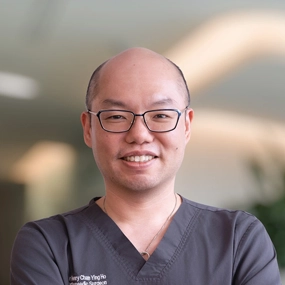
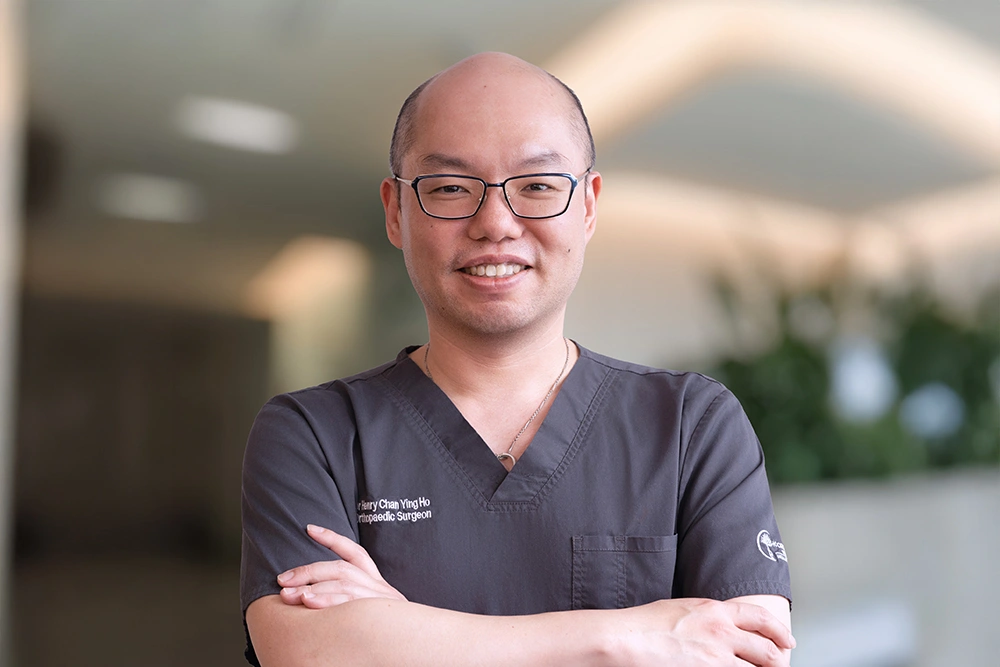
Dr Henry Chan
Medical Director & Senior Consultant Orthopaedic Surgeon
MBBS (S’pore), MRCS (Edinburgh), MMed (Orthopaedic Surgery), FRCS (Edinburgh)
Dr Henry Chan is an experienced orthopaedic surgeon specialising in joint replacement and complex revision surgery. Trained at the renowned Helios Endo-Klinik in Germany under the MOH HMDP scholarship, he has performed over 1,000 joint replacements and specialises in computer-assisted and robotic joint replacement techniques for precise outcomes.
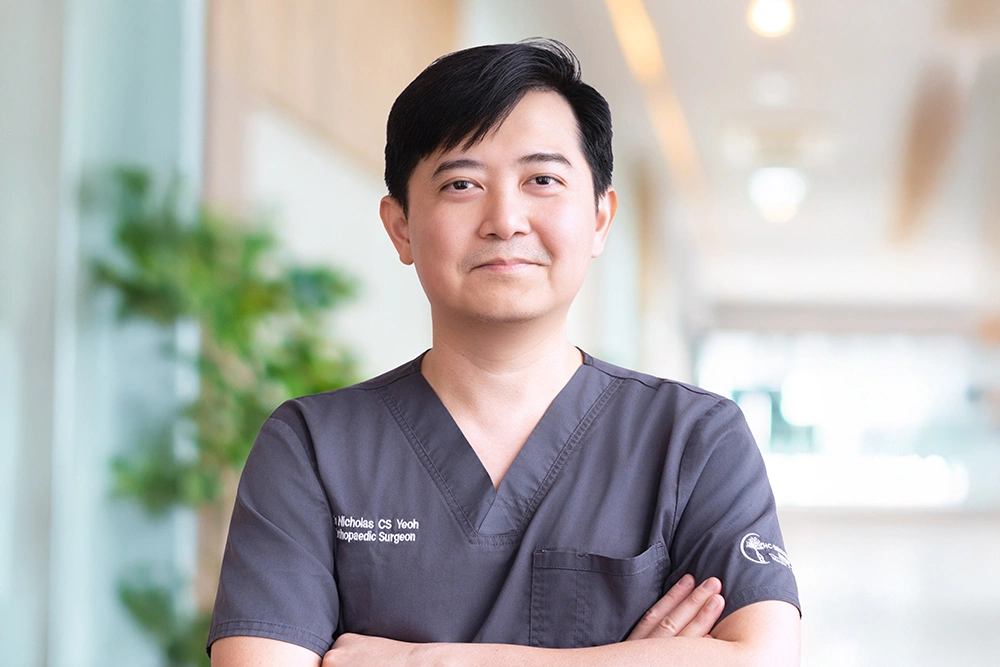
Dr Nicholas Yeoh
Senior Consultant Orthopaedic Surgeon
MBChB (Edinburgh), MRCS (Edinburgh), MMed (Orthopaedic Surgery), FRCS (Edinburgh)
Dr Nicholas Yeoh is an MOH-accredited orthopaedic specialist and Fellow of the Royal College of Surgeons of Edinburgh. Fellowship-trained in hip and knee reconstruction in Sydney under the MOH HMDP scholarship, he specialises in minimally invasive joint replacement, robotic surgery and advanced techniques that enhance recovery and surgical outcomes.
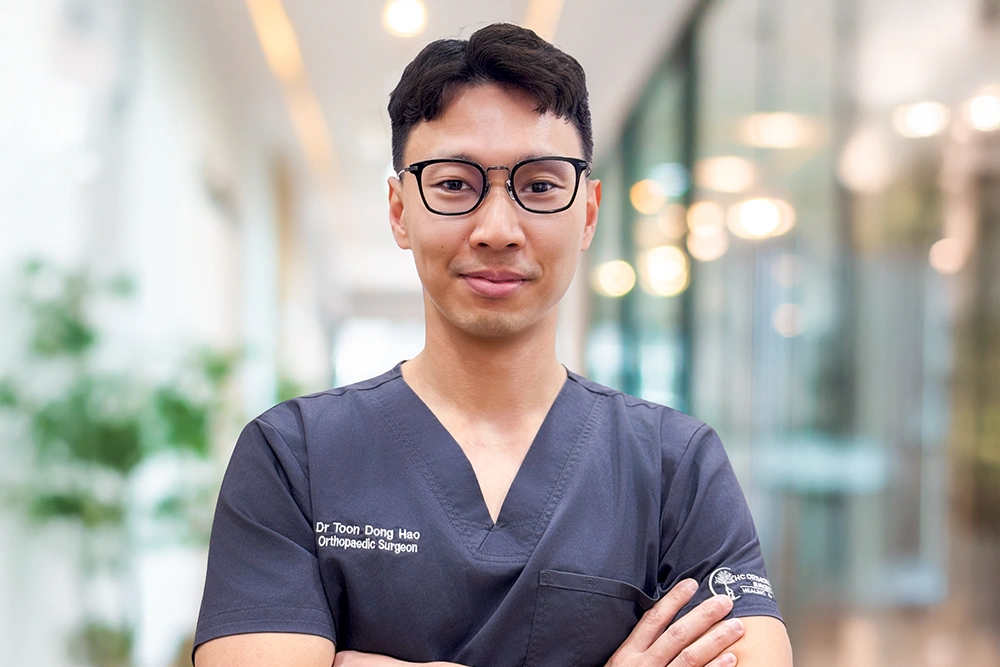
Dr Toon Dong Hao
Senior Consultant Orthopaedic Surgeon
MBChB (Leeds), MRCS (Edinburgh), MMed (Orthopaedic Surgery), FRCS (Edinburgh)
Dr Toon Dong Hao is a skilled orthopaedic surgeon and Fellow of the Royal College of Surgeons of Edinburgh. Fellowship-trained in Advanced Shoulder and Elbow Surgery in Sydney under the MOH HMDP scholarship, Dr Toon specialises in sports injuries, arthroscopic surgery and complex shoulder, elbow and knee procedures to restore function and mobility.
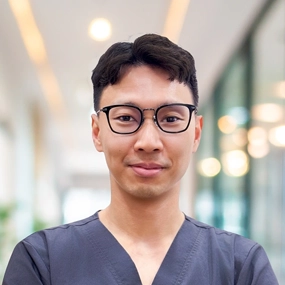
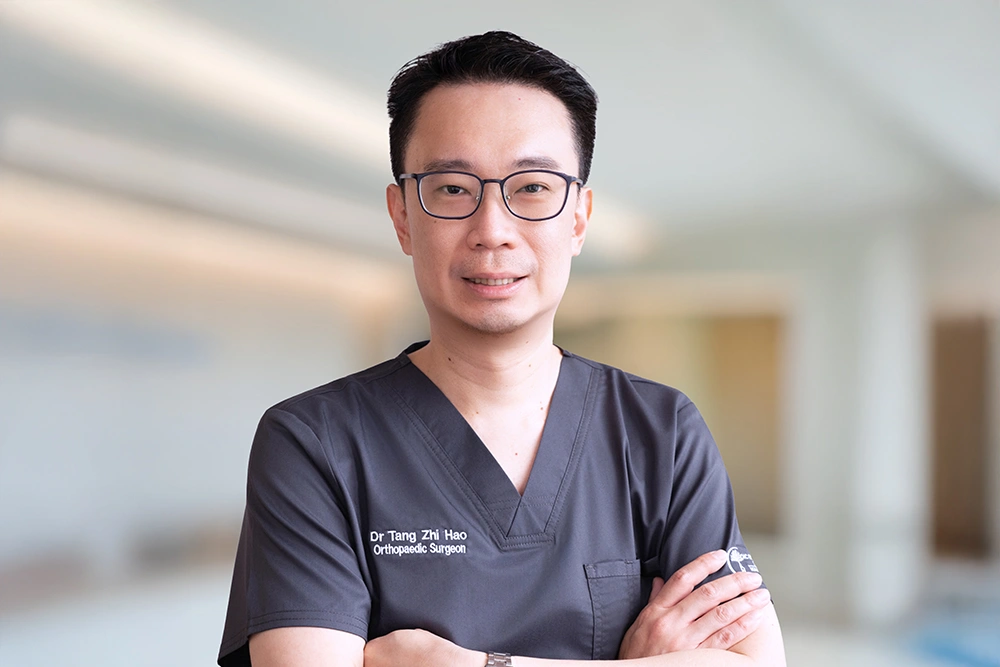
Dr Tang Zhi Hao
Senior Consultant Orthopaedic Surgeon
MBBS (S’pore), MRCS (Edinburgh), MMed (Orthopaedic Surgery), FRCS (Edinburgh)
Dr Tang Zhi Hao is a fellowship-trained orthopaedic surgeon specialising in foot and ankle conditions. He completed his Foot and Ankle Surgery fellowship at Severance Hospital, Yonsei University Health System in Seoul under Professor Jin Woo Lee. Prior to private practice, he served as Consultant and Deputy Head of Orthopaedics at Khoo Teck Puat Hospital.