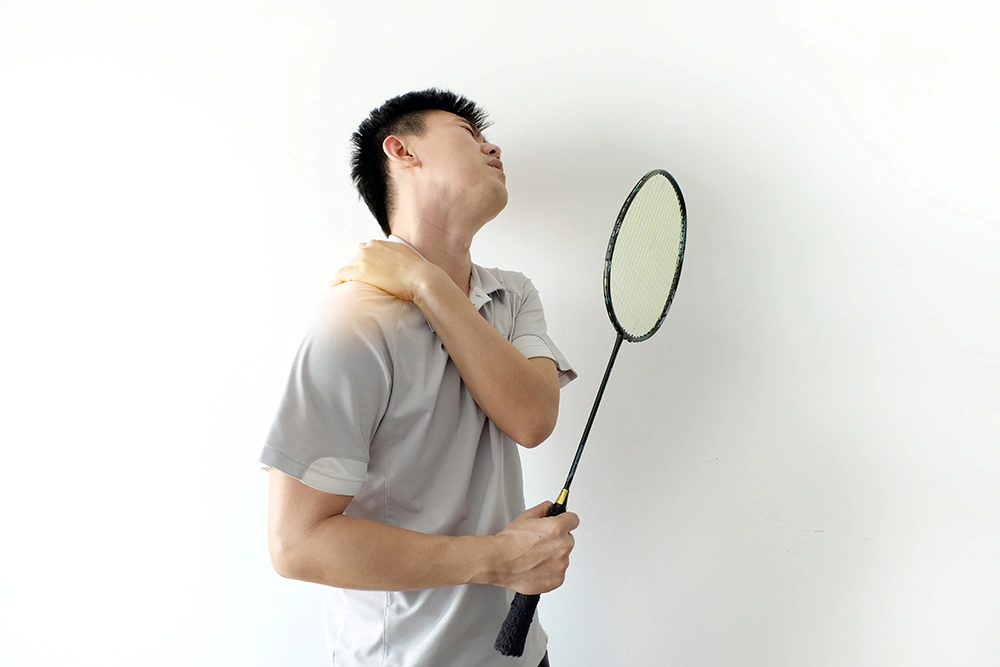
Shoulder pain is a common concern among people who take part in overhead sports and exercise. Activities such as tennis, badminton, swimming, volleyball, basketball and weight training place repeated stress on the shoulder joint through frequent reaching, lifting and throwing movements. In many cases, early discomfort may settle with rest, leading individuals to assume it is a minor strain.
However, when pain persists or keeps returning during activity, it may indicate irritation or overload within the shoulder structures rather than simple fatigue. This becomes more relevant when symptoms start to affect strength, range of motion, or everyday tasks. Recognising these patterns early can help distinguish temporary overuse from conditions that may benefit from medical assessment and targeted treatment.
Key Takeaways
- Overhead sports place repeated stress on the shoulder joint, increasing the risk of overuse injuries
- Rotator cuff injuries, shoulder impingement, labral tears, and instability are common causes of shoulder pain
- Persistent pain, weakness, clicking, or reduced range of motion may indicate a more significant injury
- Early treatment may help prevent chronic shoulder dysfunction and recurrent instability
- Many shoulder conditions improve with rehabilitation, although some cases may require surgery
What Makes the Shoulder Vulnerable During Overhead Sports?
The shoulder is one of the most mobile joints in the body. It allows the arm to move in many directions, which is important for sports and exercise involving lifting, throwing, or reaching overhead.
However, this wide range of motion also means the shoulder relies heavily on muscles, tendons, ligaments, and cartilage for stability during movement. Repeated overhead activity can place excessive stress on these structures, especially when movements are forceful, repetitive, or performed with poor technique. Over time, this may lead to irritation, inflammation, instability, or tissue damage.
What Are the Common Causes of Shoulder Pain During Overhead Sports?
Shoulder pain can develop from several different conditions. Some occur gradually due to overuse, while others may happen suddenly after a fall or awkward movement.
Rotator Cuff Tears
Rotator cuff tears are one of the most common causes of shoulder pain in overhead sports. Repetitive lifting, throwing, or overhead movement can gradually strain the tendons, leading to pain, weakness, and difficulty lifting the arm.
Shoulder Impingement
Shoulder impingement occurs when the tendons within the shoulder become compressed during movement. Pain is commonly felt during overhead reaching, pressing exercises, or lifting the arm away from the body.
Labral Tears
Labral tears affect the cartilage surrounding the shoulder socket and may develop from repetitive throwing or overhead activity. Symptoms can include deep shoulder pain, clicking sensations, catching during movement, or instability.
Shoulder Dislocation and Instability
Shoulder dislocation occurs when the structures supporting the joint become stretched or injured, increasing the risk of the shoulder slipping partially or completely out of place. Previous dislocations may increase the likelihood of recurring instability during sports or exercise.
Frozen Shoulder
Frozen shoulder causes progressive stiffness and pain due to inflammation around the shoulder joint. Although not always sports-related, it may develop after injury or prolonged reduction in shoulder movement.
Shoulder Osteoarthritis
Shoulder osteoarthritis develops when joint cartilage gradually wears down over time, causing pain, stiffness, and reduced movement. Previous shoulder injuries and repetitive joint stress may increase the risk of earlier degeneration.
What Warning Signs May Suggest a More Serious Shoulder Injury?
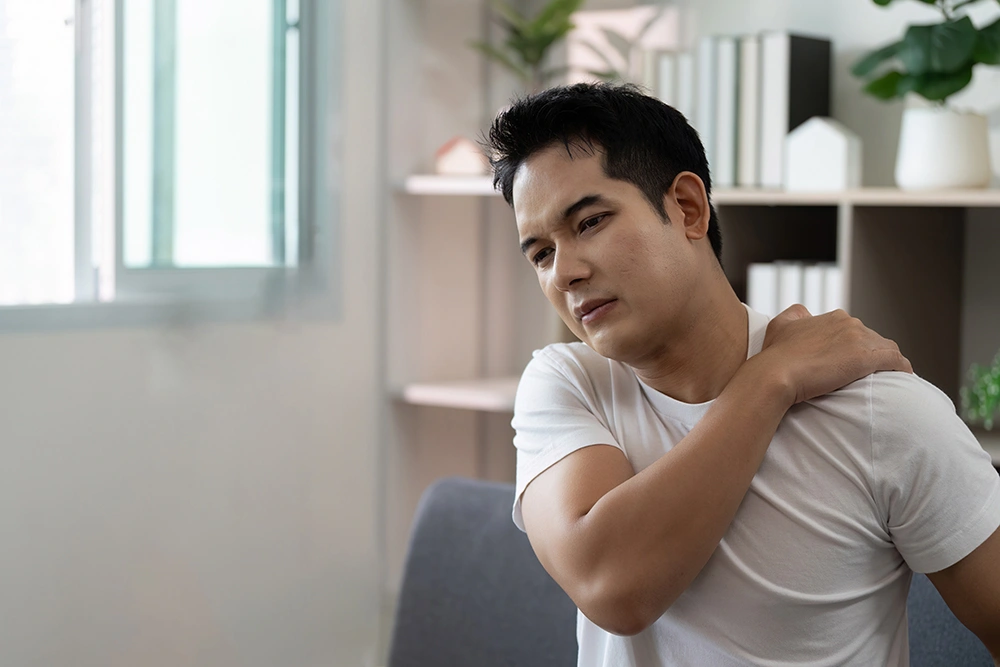
Not all shoulder pain settles with rest alone. Certain symptoms may indicate more significant tissue damage or ongoing joint problems that should be assessed by a shoulder specialist.
Persistent Pain That Does Not Improve
Pain that continues despite rest, activity modification, or simple home measures may suggest an underlying structural issue within the shoulder.
Weakness During Lifting or Throwing
Difficulty generating strength during overhead movement can occur with tendon injuries, muscle tears, or instability problems.
Pain That Disrupts Sleep
Night pain, especially when lying on the affected shoulder, is commonly associated with rotator cuff injuries and ongoing inflammation.
Clicking, Catching or Locking Sensations
Mechanical symptoms within the shoulder may suggest cartilage or labral injury, particularly if movement feels restricted or unstable.
Reduced Range of Motion
Difficulty lifting the arm fully overhead or moving the shoulder comfortably can indicate inflammation, tendon injury or joint stiffness.
Factors That Can Increase the Risk of Shoulder Injuries
Several factors can increase the risk of shoulder pain during sports and exercise.
Repetitive Training Without Adequate Recovery
Repeated overhead activity without enough recovery time can gradually overload muscles and tendons.
Poor Technique or Muscle Imbalance
Incorrect movement patterns and weak supporting muscles around the shoulder blade can increase stress on the joint.
Sudden Increases in Activity Intensity
Rapidly increasing training volume, weight or frequency may overload the shoulder before the tissues have adapted.
Previous Shoulder Injuries
Prior dislocations, tendon injuries, or instability problems can increase the likelihood of recurring symptoms.
What Treatment Options Are Available for Sports-Related Shoulder Pain?
Treatment depends on the cause and severity of the injury. Many shoulder conditions improve with conservative treatment, although more significant injuries may require surgery.
Physiotherapy and Activity Modification
Reducing aggravating activities can help relieve strain on the shoulder during recovery. Physiotherapy is often used to improve flexibility, shoulder stability, muscle balance, and movement control during sports and exercise.
Shoulder Arthroscopy
Shoulder arthroscopy is a minimally invasive procedure commonly used to diagnose and treat conditions such as rotator cuff tears, shoulder impingement, and labral injuries through small incisions.
Shoulder Stabilisation Surgery
Shoulder stabilisation surgery may be recommended for recurrent dislocations or chronic instability to help restore joint stability and reduce the risk of repeated injury.
Rotator Cuff Repair
Rotator cuff repair is performed to treat torn shoulder tendons and may help restore strength, reduce pain, and improve shoulder movement.
Shoulder Replacement Surgery
Shoulder replacement surgery may be considered for severe joint damage caused by advanced osteoarthritis or complex shoulder injuries when conservative treatment is no longer effective.
When Should You Seek Treatment for Shoulder Pain?
When Should You Seek Treatment for Shoulder Pain?

Our Specialised Team
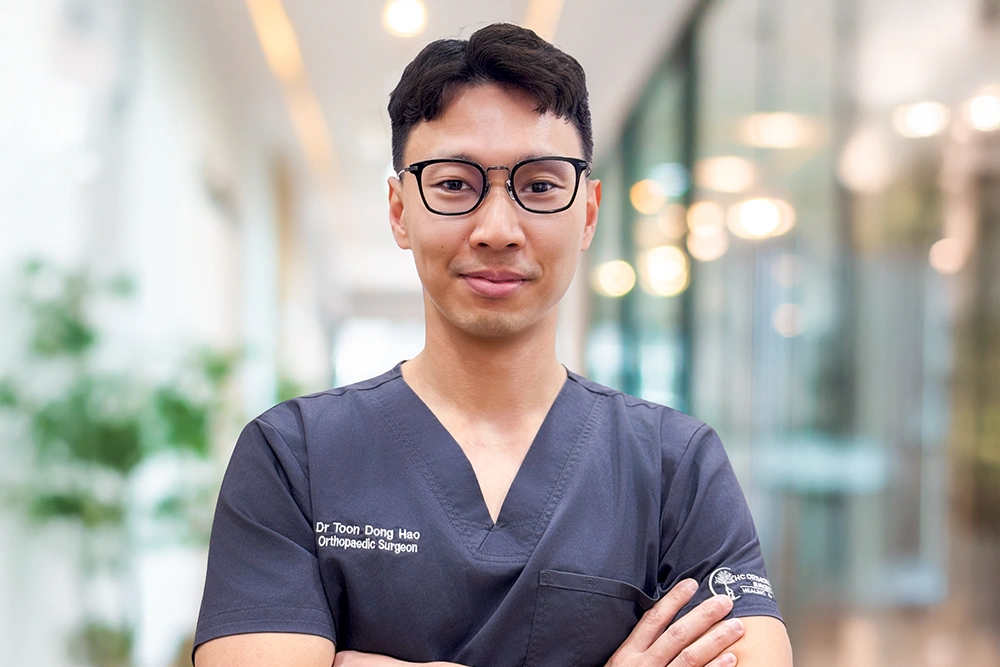
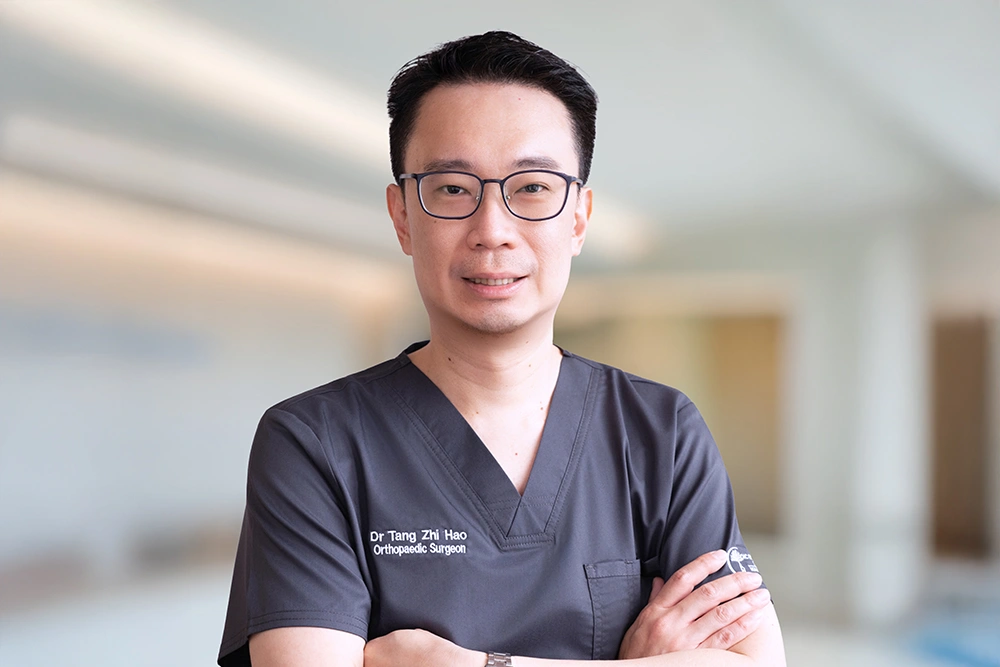
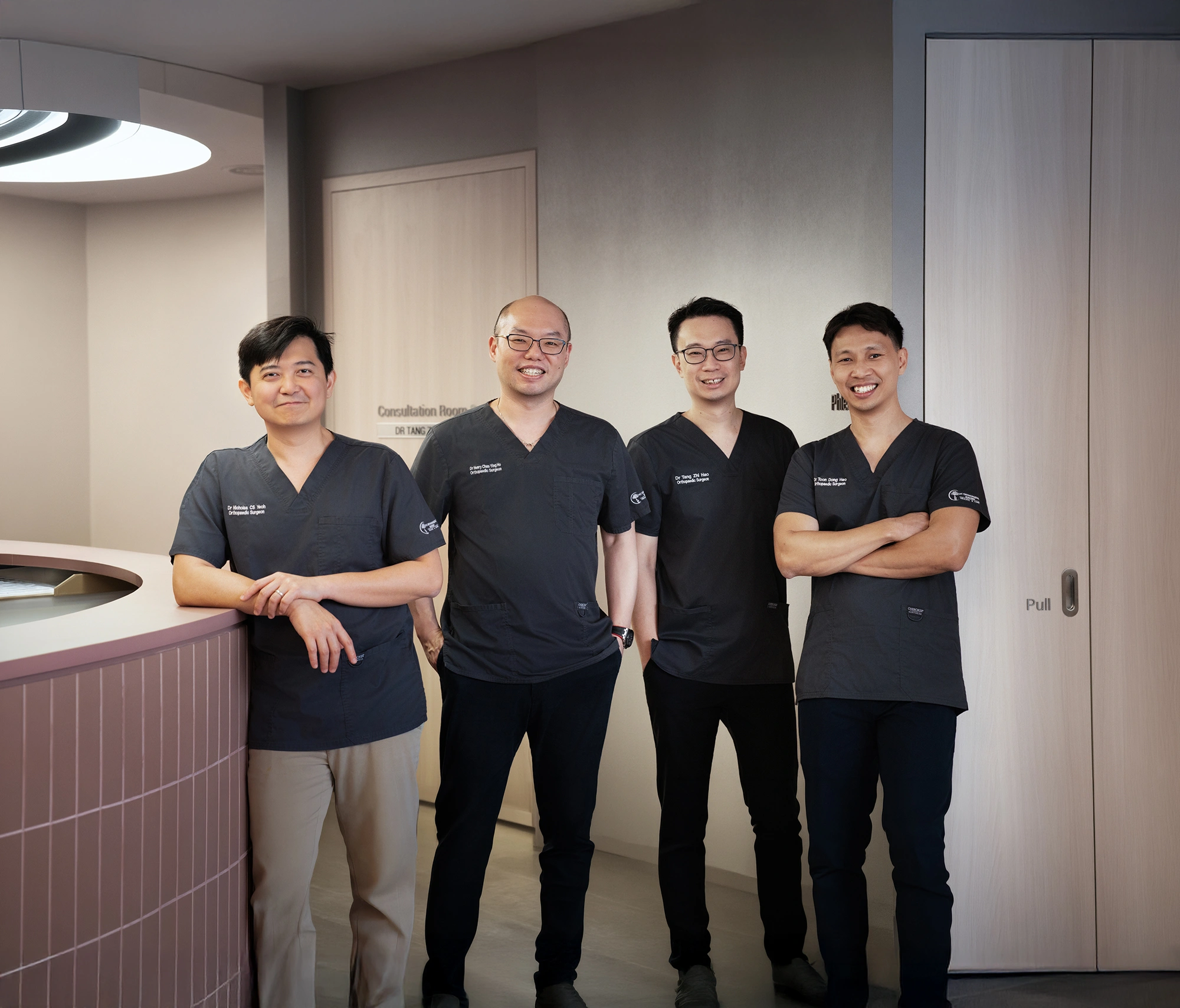
At HC Orthopaedic Surgery in Singapore, care is led by Dr Henry Chan, with Dr Toon Dong Hao serving as the shoulder specialist. The team also includes Dr Nicholas Yeoh and Dr Tang Zhi Hao, providing comprehensive orthopaedic care across a wide range of conditions. From rehabilitation and conservative treatment to advanced surgical care when required, management is tailored to restore function and support a safe return to sport and everyday movement.
If shoulder pain is continuing to interfere with your training, movement or daily activities, schedule a consultation to better understand your condition and explore appropriate treatment options today.
Frequently Asked Questions (FAQs) About Shoulder Pain in Overhead Sports
Can Overhead Sports Cause Long-Term Shoulder Damage?
Why Does My Shoulder Hurt When Throwing or Serving?
Is Shoulder Clicking Always a Sign of Injury?
How Long Does Recovery From a Shoulder Sports Injury Take?
Can Physiotherapy Help Shoulder Pain From Sports?
When Can You Return to Overhead Sports After a Shoulder Injury?
Meet Our Shoulder Specialists in Singapore
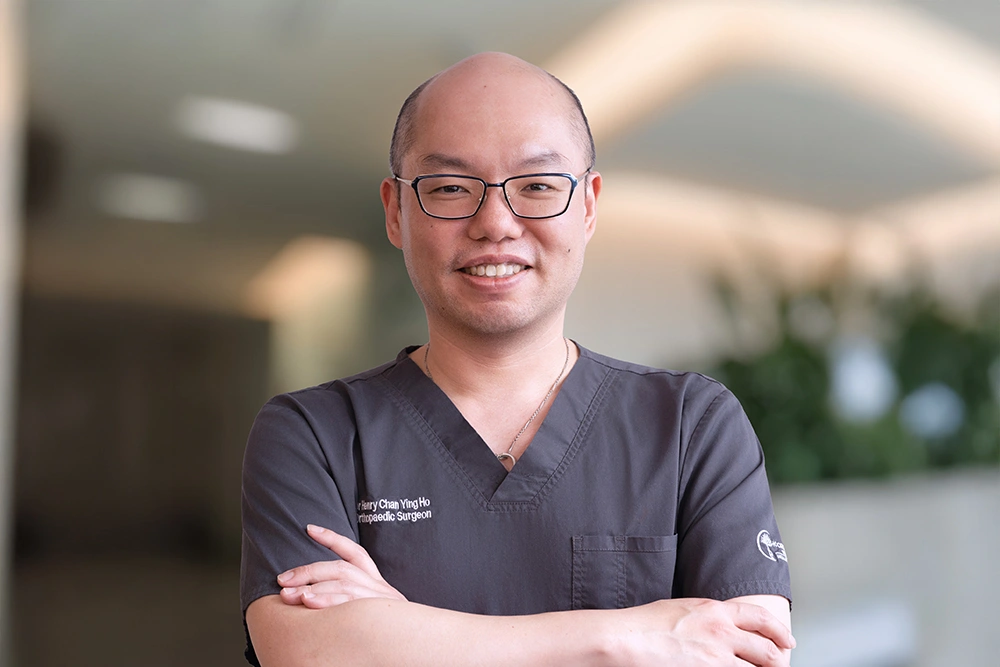
Dr Henry Chan
Medical Director & Senior Consultant Orthopaedic Surgeon
MBBS (S’pore), MRCS (Edinburgh), MMed (Orthopaedic Surgery), FRCS (Edinburgh)
Dr Henry Chan is an experienced orthopaedic surgeon specialising in joint replacement and complex revision surgery. Trained at the renowned Helios Endo-Klinik in Germany under the MOH HMDP scholarship, he has performed over 1,000 joint replacements and specialises in computer-assisted and robotic joint replacement techniques for precise outcomes.
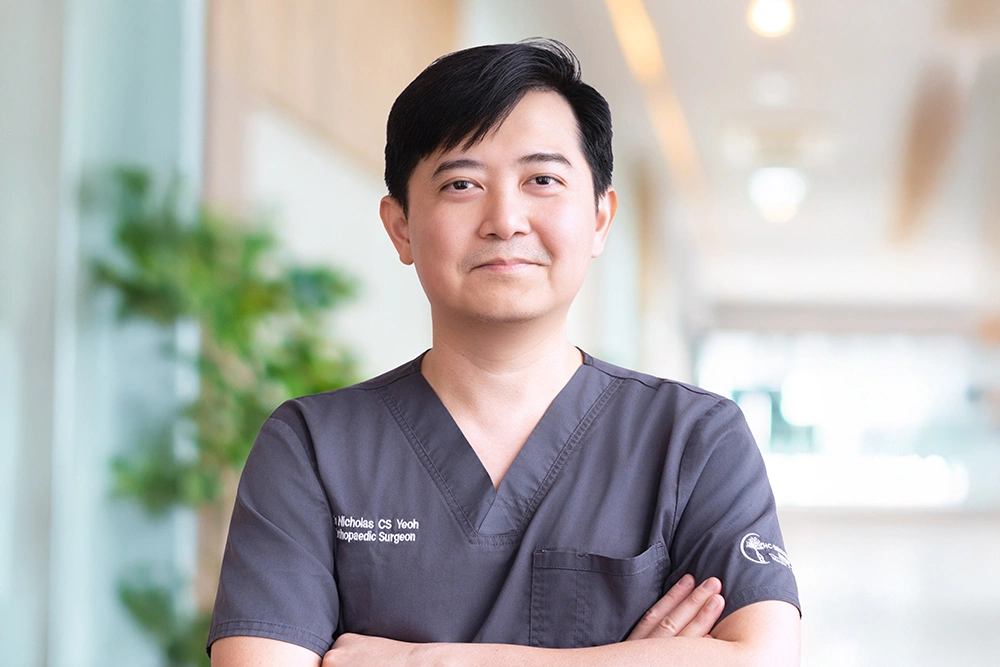
Dr Nicholas Yeoh
Senior Consultant Orthopaedic Surgeon
MBChB (Edinburgh), MRCS (Edinburgh), MMed (Orthopaedic Surgery), FRCS (Edinburgh)
Dr Nicholas Yeoh is an MOH-accredited orthopaedic specialist and Fellow of the Royal College of Surgeons of Edinburgh. Fellowship-trained in hip and knee reconstruction in Sydney under the MOH HMDP scholarship, he specialises in minimally invasive joint replacement, robotic surgery and advanced techniques that enhance recovery and surgical outcomes.
Dr Toon Dong Hao
Senior Consultant Orthopaedic Surgeon
MBChB (Leeds), MRCS (Edinburgh), MMed (Orthopaedic Surgery), FRCS (Edinburgh)
Dr Toon Dong Hao is a skilled orthopaedic surgeon and Fellow of the Royal College of Surgeons of Edinburgh. Fellowship-trained in Advanced Shoulder and Elbow Surgery in Sydney under the MOH HMDP scholarship, Dr Toon specialises in sports injuries, arthroscopic surgery and complex shoulder, elbow and knee procedures to restore function and mobility.
Dr Tang Zhi Hao
Senior Consultant Orthopaedic Surgeon
MBBS (S’pore), MRCS (Edinburgh), MMed (Orthopaedic Surgery), FRCS (Edinburgh)
Dr Tang Zhi Hao is a fellowship-trained orthopaedic surgeon specialising in foot and ankle conditions. He completed his Foot and Ankle Surgery fellowship at Severance Hospital, Yonsei University Health System in Seoul under Professor Jin Woo Lee. Prior to private practice, he served as Consultant and Deputy Head of Orthopaedics at Khoo Teck Puat Hospital.