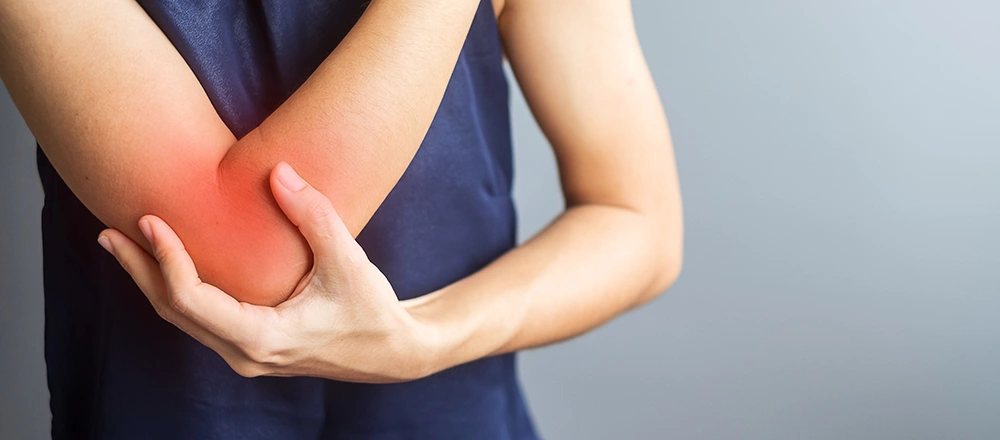
Daily routines often involve frequent use of the hands and arms without much conscious thought. Activities such as typing at a desk, carrying objects, or taking part in sports all place ongoing demand on the forearm muscles and tendons. In most cases, the body adapts well and no issues arise. However, when the same movements are repeated over time, small areas of strain can gradually develop in the tendons around the elbow, leading to a condition known as tennis elbow.
Some people may notice a mild reduction in grip strength when lifting objects, while others feel discomfort when turning a doorknob or shaking hands. These early changes are often subtle and easy to overlook, but they can indicate increasing stress in the affected tendons. The good news is that with the right habits and awareness, the risk of developing it can be significantly reduced.
Understanding What Puts the Elbow Under Strain
Tennis elbow develops when the tendons that connect the forearm muscles to the outer elbow become overloaded. This often happens through repetitive gripping, lifting or twisting actions that place repeated stress on the same structures. Occupational tasks such as using a mouse, handling tools or repetitive manual work can contribute to gradual wear. In sports, improper technique or sudden increases in training intensity may place additional load on the forearm. Over time, small microtears may develop in the tendon, leading to pain and reduced function.
Building Smarter Movement Habits in Daily Life
One of the most effective ways to reduce risk is by making small adjustments to how the arm is used during everyday activities. These changes help distribute load more evenly and reduce unnecessary strain.
Using Proper Technique During Repetitive Tasks
Whether typing at a desk or lifting objects, maintaining neutral wrist alignment can help minimise tension on the forearm. Avoiding excessive gripping force also reduces pressure on the tendon attachments.
Adjusting Workstation Ergonomics
A well-positioned workstation can make a meaningful difference. Keeping the keyboard at elbow height, using a supportive chair and ensuring the mouse is within easy reach can help reduce overextension of the arm.
Taking Regular Breaks from Repetitive Motion
Short pauses throughout the day allow the muscles and tendons to recover. Even brief periods of rest between repetitive tasks can reduce cumulative stress on the elbow.
How to Strengthen and Protect the Forearm Muscles
Conditioning the muscles around the elbow helps improve load tolerance and reduces the likelihood of overuse injuries. A gradual approach is key to avoiding unnecessary strain.
Incorporating Gentle Forearm Strengthening
Exercises that involve light resistance, such as wrist curls or grip training, can help build endurance in the forearm muscles. These should be introduced slowly and performed with controlled movement.
Improving Flexibility in the Wrist and Arm
Stretching the wrist extensors and flexors helps maintain mobility and reduce stiffness. Flexible tissues are generally better able to handle repetitive load without irritation.
Avoiding Sudden Increases in Training Intensity
Whether in gym training or sports, sudden changes in volume or resistance can overload the tendons. Gradual progression allows the body to adapt safely over time.
Preventing Overuse During Sports and Exercise
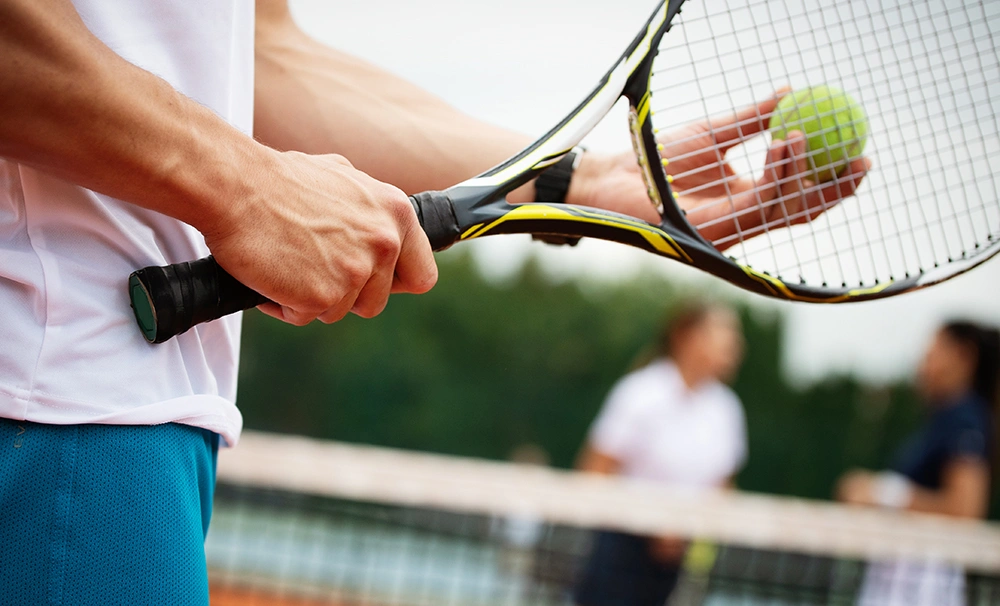
Sports involving gripping or repetitive arm motion, such as tennis, badminton or weight training, can increase strain if technique and recovery are not properly managed.
Focusing on Proper Technique and Form
Correct movement patterns reduce unnecessary stress on the elbow. In racket sports, for example, using appropriate grip size and swing mechanics can significantly lower strain.
Using Suitable Equipment for Support
Well-fitted rackets, ergonomic handles and supportive grips can help distribute force more evenly through the arm. This reduces concentration of stress at the tendon attachment points.
Allowing Time for Recovery Between Sessions
Rest days are essential for tendon recovery. Continuous repetitive loading without adequate recovery may increase the risk of irritation and gradual degeneration.
When to Seek Medical Advice for Elbow Pain
While mild soreness may settle with rest, persistent or worsening discomfort should be assessed by an elbow specialist. This becomes especially important if pain begins to interfere with daily activities or affects sport performance and grip strength.
Early evaluation allows for a more accurate diagnosis and timely management. Depending on the severity and underlying cause, treatment may include physiotherapy, bracing or other non-surgical approaches to support recovery and prevent progression. Where structural damage or ongoing symptoms are present, elbow surgery may also be considered as part of a tailored treatment plan.
Maintaining Elbow Healthy for Long-Term Activity
Maintaining Elbow Healthy for Long-Term Activity

Our Specialised Team
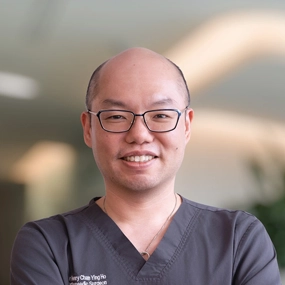
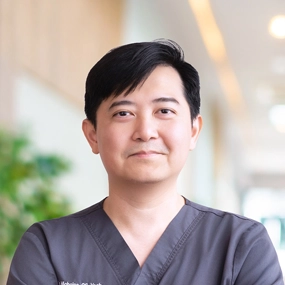
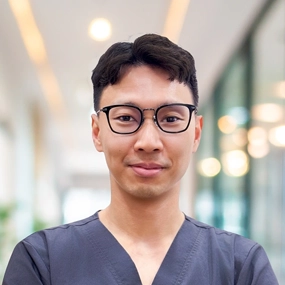
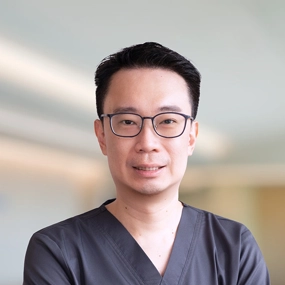
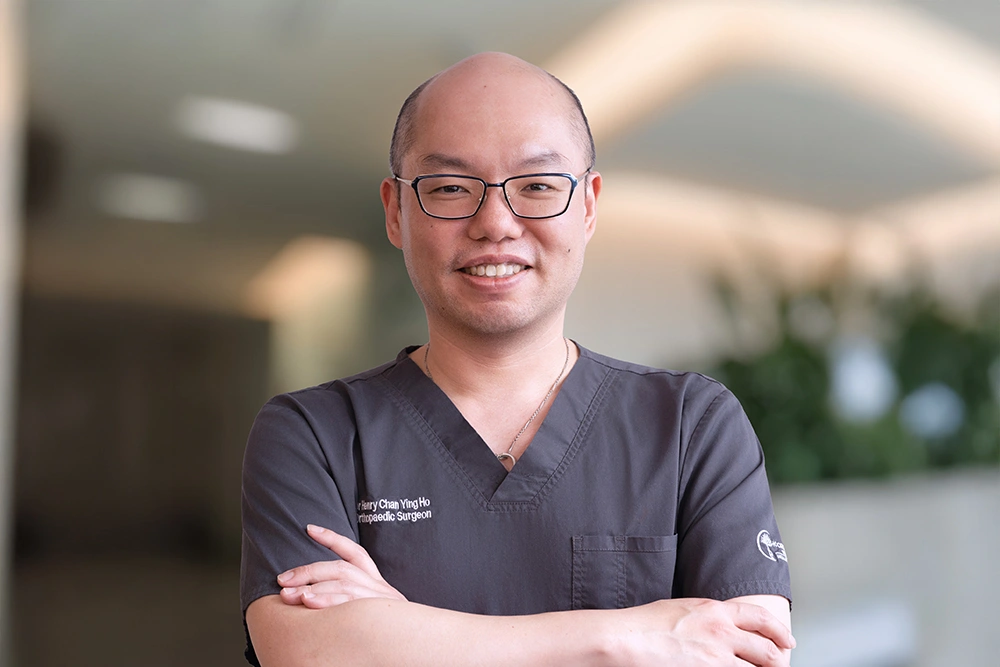
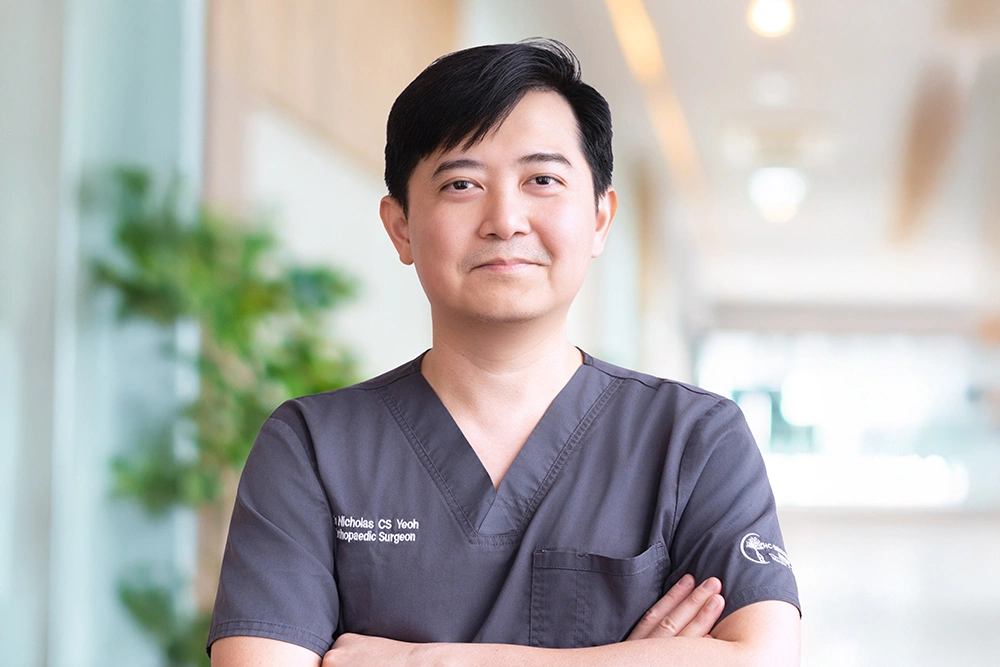
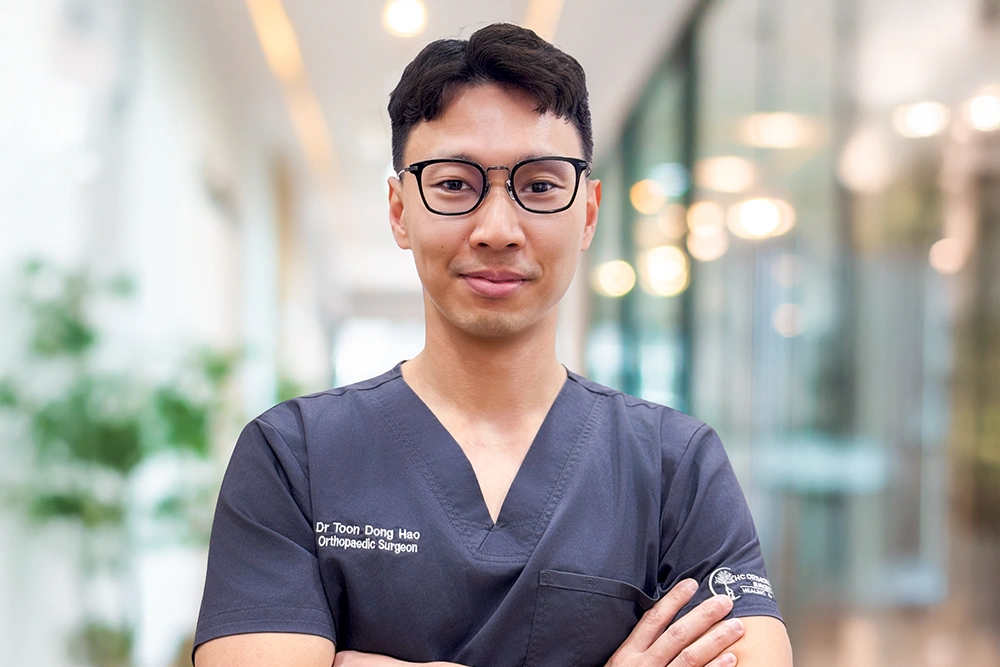
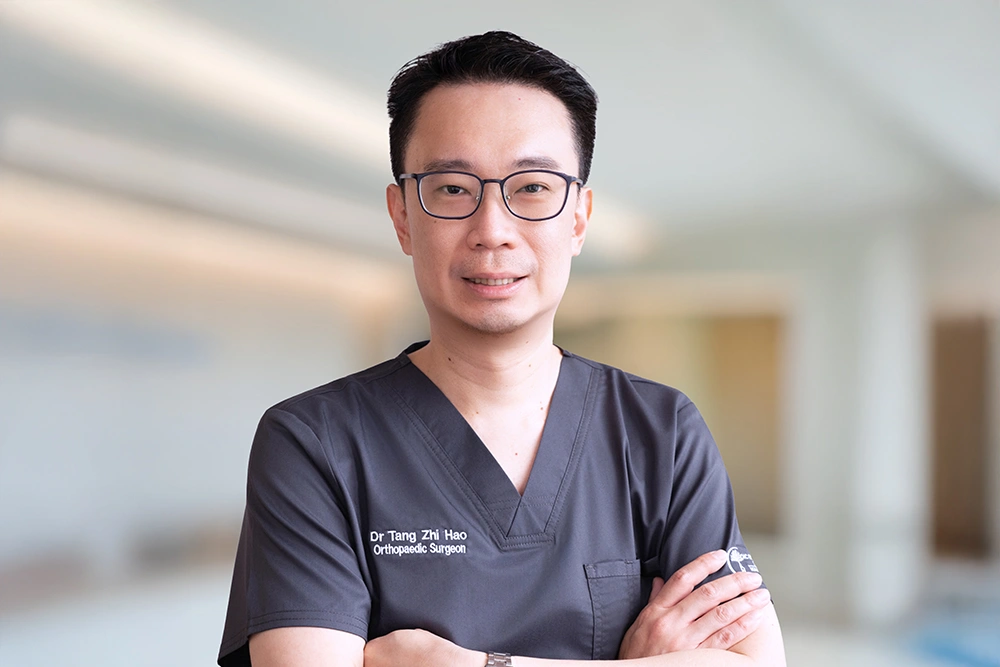
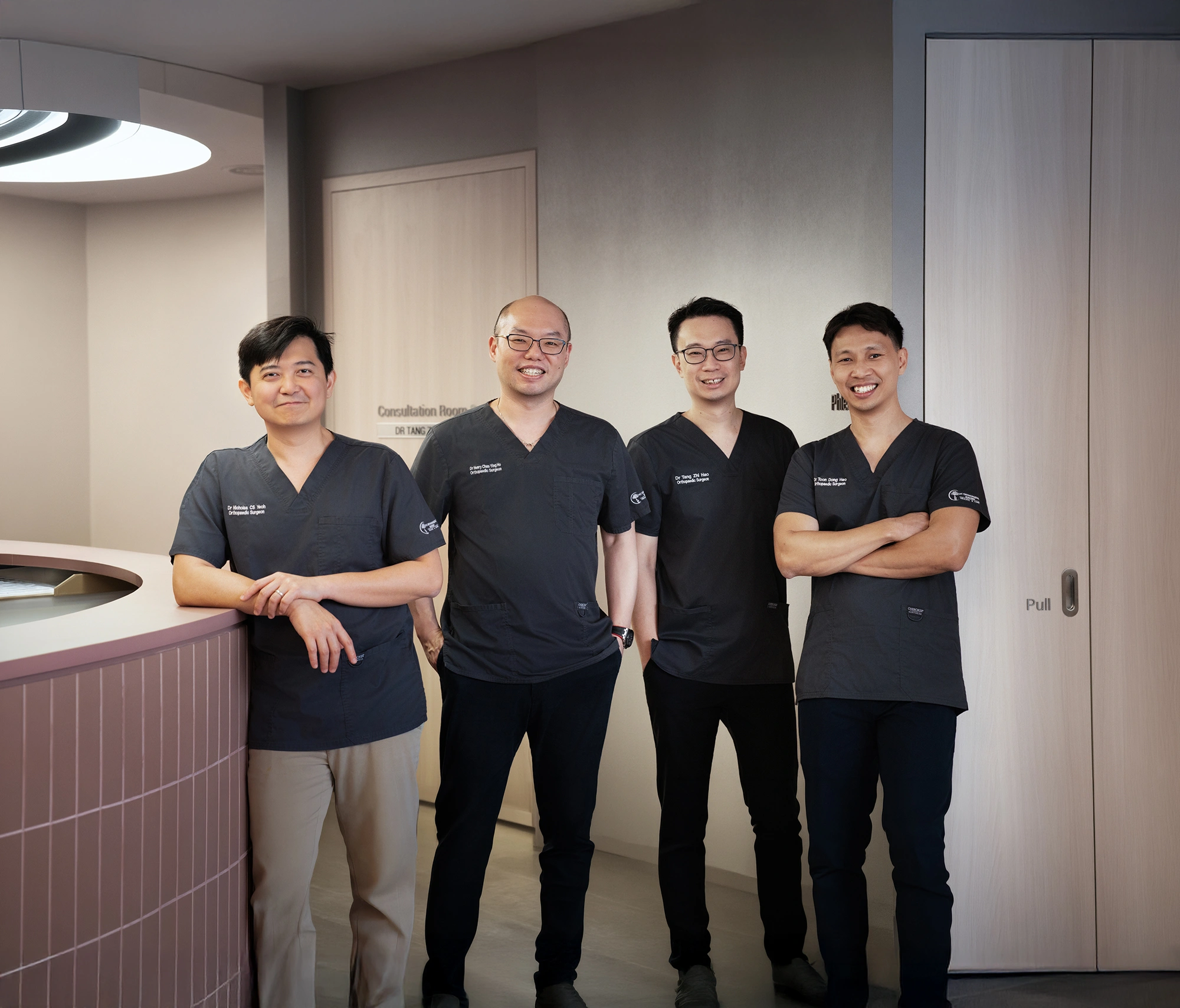
At HC Orthopaedic Surgery, Dr Toon Dong Hao serves as the elbow specialist. The team also includes Dr Henry Chan, Dr Nicholas Yeoh and Dr Tang Zhi Hao, providing comprehensive orthopaedic expertise across sports injuries and overuse conditions. From early conservative management to advanced treatment options, care is tailored to restore function and support a safe return to activity. If elbow pain is affecting your daily routine or sporting performance, arrange a consultation for an assessment today.
Meet Our Elbow Specialists in Singapore
Dr Henry Chan
Medical Director & Senior Consultant Orthopaedic Surgeon
MBBS (S’pore), MRCS (Edinburgh), MMed (Orthopaedic Surgery), FRCS (Edinburgh)
Dr Henry Chan is an experienced orthopaedic surgeon specialising in joint replacement and complex revision surgery. Trained at the renowned Helios Endo-Klinik in Germany under the MOH HMDP scholarship, he has performed over 1,000 joint replacements and specialises in computer-assisted and robotic joint replacement techniques for precise outcomes.
Dr Nicholas Yeoh
Senior Consultant Orthopaedic Surgeon
MBChB (Edinburgh), MRCS (Edinburgh), MMed (Orthopaedic Surgery), FRCS (Edinburgh)
Dr Nicholas Yeoh is an MOH-accredited orthopaedic specialist and Fellow of the Royal College of Surgeons of Edinburgh. Fellowship-trained in hip and knee reconstruction in Sydney under the MOH HMDP scholarship, he specialises in minimally invasive joint replacement, robotic surgery and advanced techniques that enhance recovery and surgical outcomes.
Dr Toon Dong Hao
Senior Consultant Orthopaedic Surgeon
MBChB (Leeds), MRCS (Edinburgh), MMed (Orthopaedic Surgery), FRCS (Edinburgh)
Dr Toon Dong Hao is a skilled orthopaedic surgeon and Fellow of the Royal College of Surgeons of Edinburgh. Fellowship-trained in Advanced Shoulder and Elbow Surgery in Sydney under the MOH HMDP scholarship, Dr Toon specialises in sports injuries, arthroscopic surgery and complex shoulder, elbow and knee procedures to restore function and mobility.
Dr Tang Zhi Hao
Senior Consultant Orthopaedic Surgeon
MBBS (S’pore), MRCS (Edinburgh), MMed (Orthopaedic Surgery), FRCS (Edinburgh)
Dr Tang Zhi Hao is a fellowship-trained orthopaedic surgeon specialising in foot and ankle conditions. He completed his Foot and Ankle Surgery fellowship at Severance Hospital, Yonsei University Health System in Seoul under Professor Jin Woo Lee. Prior to private practice, he served as Consultant and Deputy Head of Orthopaedics at Khoo Teck Puat Hospital.