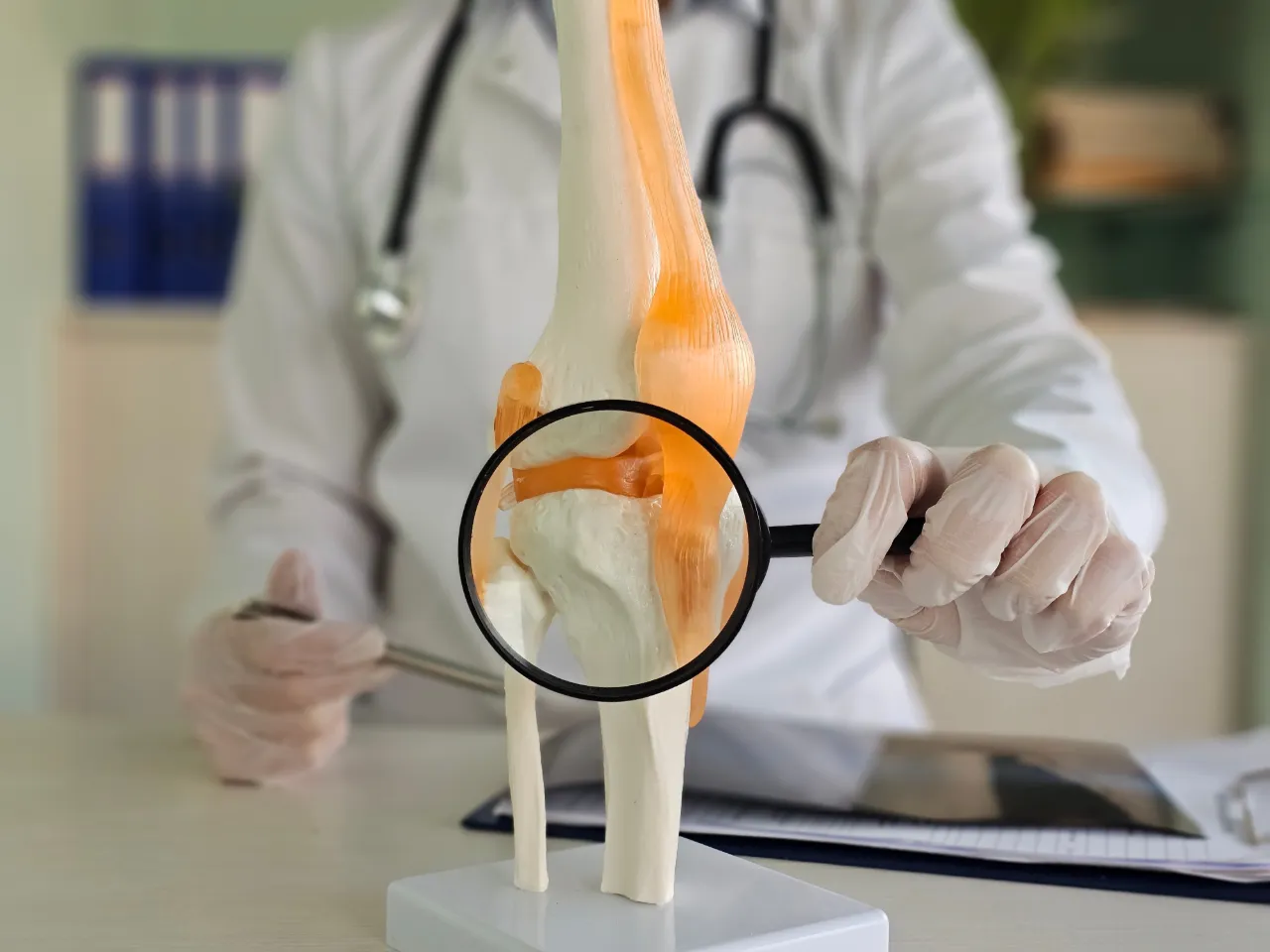
A meniscus tear is one of the most common knee injuries and can cause pain, swelling, locking or difficulty moving the knee. While many meniscus tears can be managed without surgery, some injuries may require an operation to relieve symptoms and restore knee function.
When surgery is recommended, the two main options are meniscus repair and meniscectomy. Although both treat a torn meniscus, they differ in how the injury is managed. Meniscus repair aims to preserve the meniscus by repairing the tear, whereas meniscectomy removes the damaged portion when repair is unlikely to succeed. The choice between these procedures depends on the characteristics of the meniscus tear and whether it is likely to heal successfully.
What Is the Difference Between Meniscus Repair and Meniscectomy?
The table below summarises the key differences between meniscus repair and meniscectomy.
Meniscus Repair | Meniscectomy |
Repairs the torn meniscus | Removes the damaged portion of the meniscus |
Preserves more of the natural meniscus | Removes unstable or irreparable tissue |
Suitable for selected tears with good healing potential | Suitable for tears that are unlikely to heal if repaired |
Longer recovery and rehabilitation | Generally faster recovery |
Focuses on preserving long-term knee function | Focuses on relieving symptoms and restoring function |
How Meniscus Repair Works
During a meniscus repair, the torn edges of the meniscus are stitched back together to allow the tissue to heal. This approach aims to preserve as much of the natural meniscus as possible, helping maintain its role in cushioning and stabilising the knee.
Because healing depends on the meniscus repairing successfully, this procedure is generally recommended only for tears with good healing potential.
How Meniscectomy Works
A meniscectomy involves removing only the damaged portion of the meniscus while preserving as much healthy tissue as possible. It is usually considered when the tear cannot be repaired because of its pattern, location or the quality of the tissue.
A meniscectomy aims to relieve symptoms while preserving as much healthy meniscal tissue as possible when repair is unlikely to succeed.
How Do Specialists Decide Which Procedure Is More Suitable?
Not every meniscus tear can be repaired, and not every tear requires part of the meniscus to be removed. Before recommending surgery, your knee specialist considers several factors to determine which procedure is most likely to provide a successful and lasting outcome.
Tear Pattern
The shape and complexity of the tear play an important role in determining whether a meniscus repair is possible.
In general:
- Simple, longitudinal tears are more likely to be suitable for repair.
- Bucket-handle tears may also be repaired, particularly when treated early.
- Complex, degenerative or fragmented tears are often less likely to heal successfully after repair and may be better managed with a meniscectomy.
Tear Location
The location of the tear affects its ability to heal because different parts of the meniscus receive different amounts of blood supply.
- Outer (red-red) zone: Has the best blood supply and is generally the most suitable area for meniscus repair.
- Middle (red-white) zone: Has a more limited blood supply, so whether repair is appropriate depends on the individual tear.
- Inner (white-white) zone: Has very little blood supply, making successful healing after repair less likely.
Patient and Injury Factors
Your specialist will also consider factors beyond the meniscus tear itself, including:
- Your age and overall health.
- Your activity level and sporting goals.
- Whether other knee injuries, such as an ACL tear, are present.
- The quality of the meniscus tissue.
- How long the tear has been present.
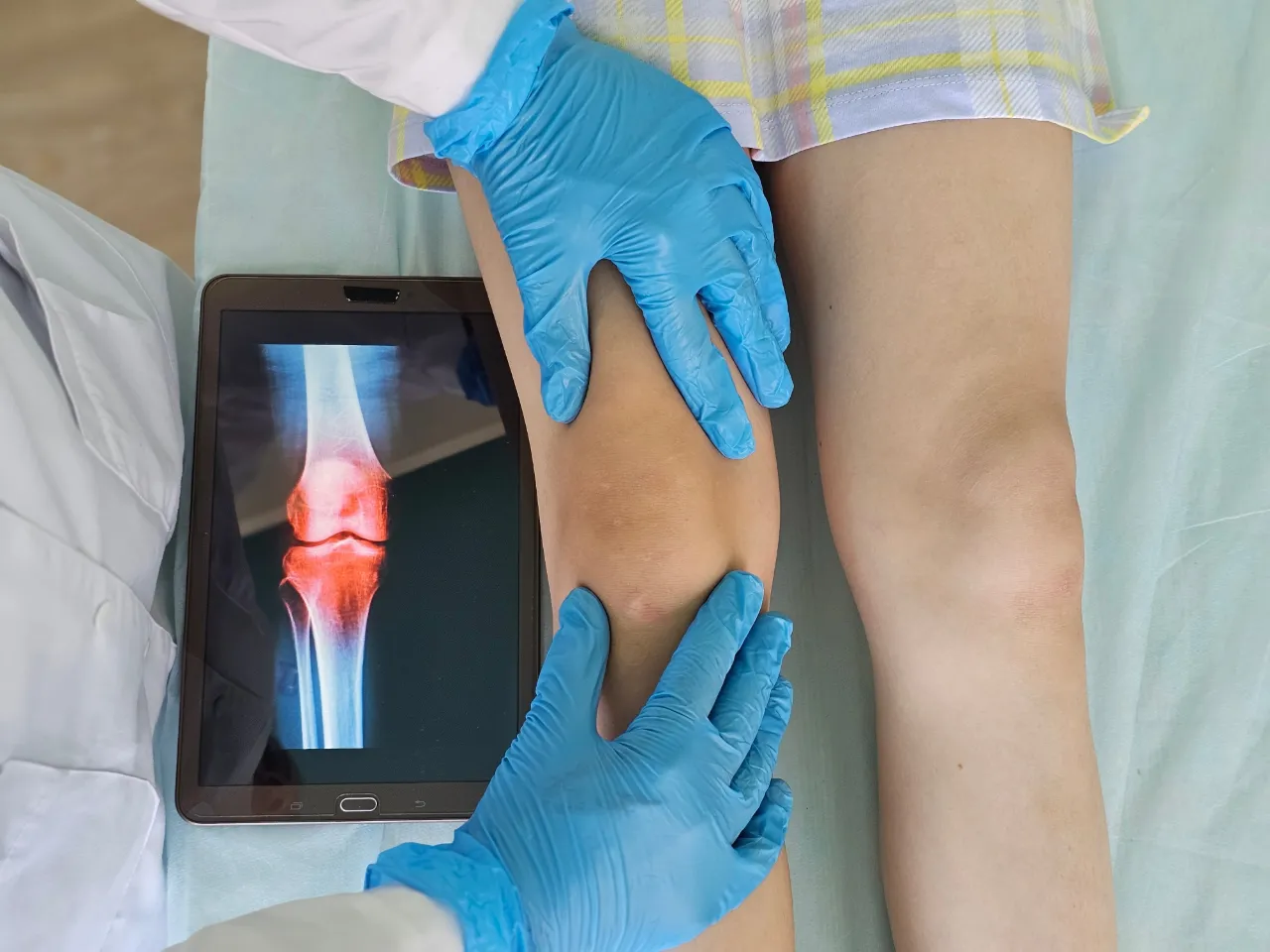
What Are the Benefits and Limitations of Each Procedure?
The goal of meniscus surgery is not simply to repair or remove tissue, but to achieve the best possible outcome for your knee. While preserving the meniscus is generally preferred where appropriate, the success of surgery depends on selecting the procedure that best matches the characteristics of the tear.
Why Surgeons Prefer to Preserve the Meniscus Whenever Possible
The meniscus plays an important role in absorbing shock, distributing weight across the knee joint and contributing to joint stability. Preserving as much healthy meniscal tissue as possible helps maintain these functions and may help protect the knee joint and reduce the risk of cartilage wear over time.
For this reason, meniscus repair is generally preferred when the tear has good healing potential. However, preserving the meniscus is only beneficial if the repaired tissue is likely to heal successfully.
Why Meniscectomy May Be the Better Option for Some Tears
Some meniscus tears are too complex, degenerative or poorly supplied with blood to heal reliably after repair. In these situations, removing the damaged portion of the meniscus may provide more predictable pain relief and restore knee function while preserving as much healthy tissue as possible.
Although a meniscectomy removes part of the meniscus, it is not a lesser procedure. When repair is unlikely to succeed, removing the damaged tissue often provides the most reliable outcome.
What Is Recovery Like After Each Procedure?
Recovery following meniscus surgery varies depending on the procedure performed, the characteristics of the tear and your rehabilitation programme. While the overall goal is to restore knee function and help you return to your usual activities, recovery after a meniscus repair is generally more gradual than after a meniscectomy.
Recovery After Meniscus Repair
Because the repaired meniscus needs time to heal, rehabilitation is carefully progressed to protect the repair while restoring knee function. During recovery, you may be advised to:
- Use crutches or limit weight-bearing for a period recommended by your specialist.
- Wear a knee brace, depending on the location and type of repair.
- Begin physiotherapy to gradually restore knee movement, strength and stability.
- Return to work, exercise and sports only when the repaired meniscus has healed sufficiently.
Recovery After Meniscectomy
Recovery after a meniscectomy is often quicker because there is no repaired tissue that needs to heal. Many patients are able to regain mobility sooner and progress through rehabilitation more quickly.
Recovery generally focuses on:
- Managing pain and swelling during the early stages.
- Restoring knee movement through physiotherapy and home exercises.
- Gradually returning to walking, work and other daily activities.
- Rebuilding strength before resuming higher-impact exercise or sports.
Is Surgery Always Necessary for a Meniscus Tear?
No. Many meniscus tears can be managed successfully without surgery, particularly when symptoms are mild, knee function remains relatively well preserved or the tear is unlikely to benefit from an operation.
Conservative Treatment That May Be Recommended:
- Activity modification to reduce strain on the injured meniscus while symptoms settle.
- Physiotherapy to improve knee strength, stability and movement.
- Pain relief or anti-inflammatory medication where appropriate.
- Corticosteroid injections in selected cases to help relieve pain and inflammation.
When Surgery May Be Considered:
- Symptoms persist despite an appropriate course of conservative treatment.
- The knee repeatedly locks or catches because of the torn meniscus.
- Knee pain or instability continues to affect your daily activities or sporting goals.
- The characteristics of the tear make surgical treatment the more appropriate option.
The decision to proceed with surgery is based on your symptoms, examination findings, imaging results and treatment goals, rather than the MRI findings alone.
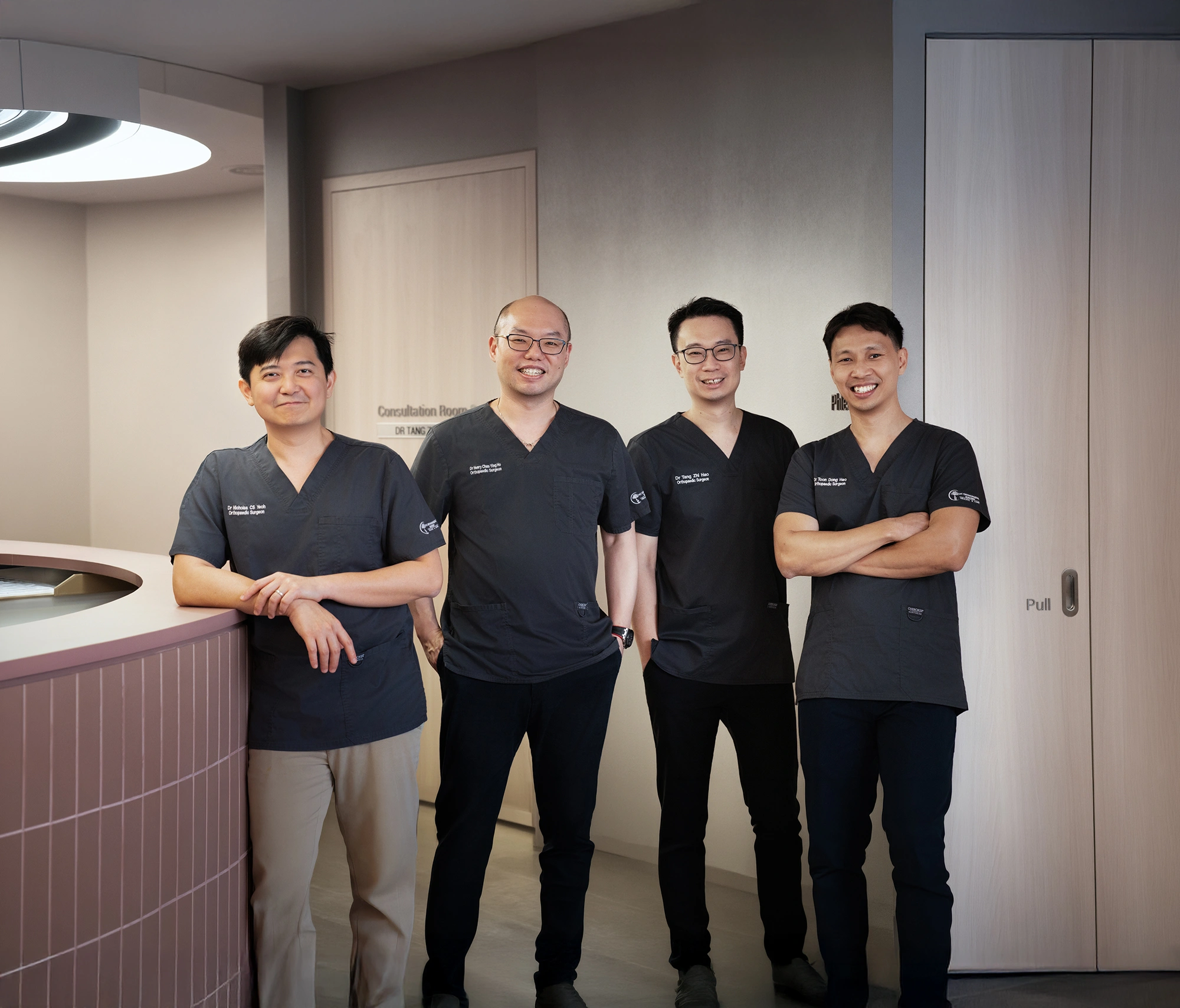
Making the Right Decision for Your Meniscus with HC Orthopaedic Surgery

Our Specialised Team
FAQs About the Differences Between Meniscus Repair and Meniscectomy
Can a meniscus tear heal on its own?
Can a meniscus tear increase the risk of knee arthritis?
Can I delay meniscus surgery if my symptoms improve?
Can I return to high-impact sports after meniscus surgery?
Meet Our Meniscus Repair Surgeons in Singapore
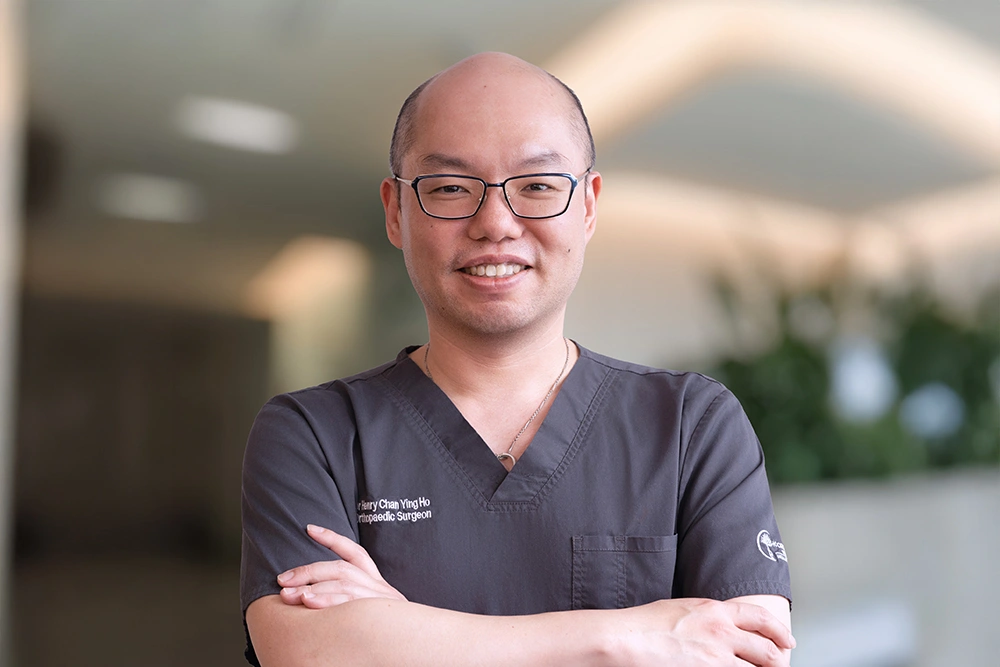
Dr Henry Chan
Medical Director & Senior Consultant Orthopaedic Surgeon
MBBS (S’pore), MRCS (Edinburgh), MMed (Orthopaedic Surgery), FRCS (Edinburgh)
Dr Henry Chan is an experienced orthopaedic surgeon specialising in joint replacement and complex revision surgery. Trained at the renowned Helios Endo-Klinik in Germany under the MOH HMDP scholarship, he has performed over 1,000 joint replacements and specialises in computer-assisted and robotic joint replacement techniques for precise outcomes.
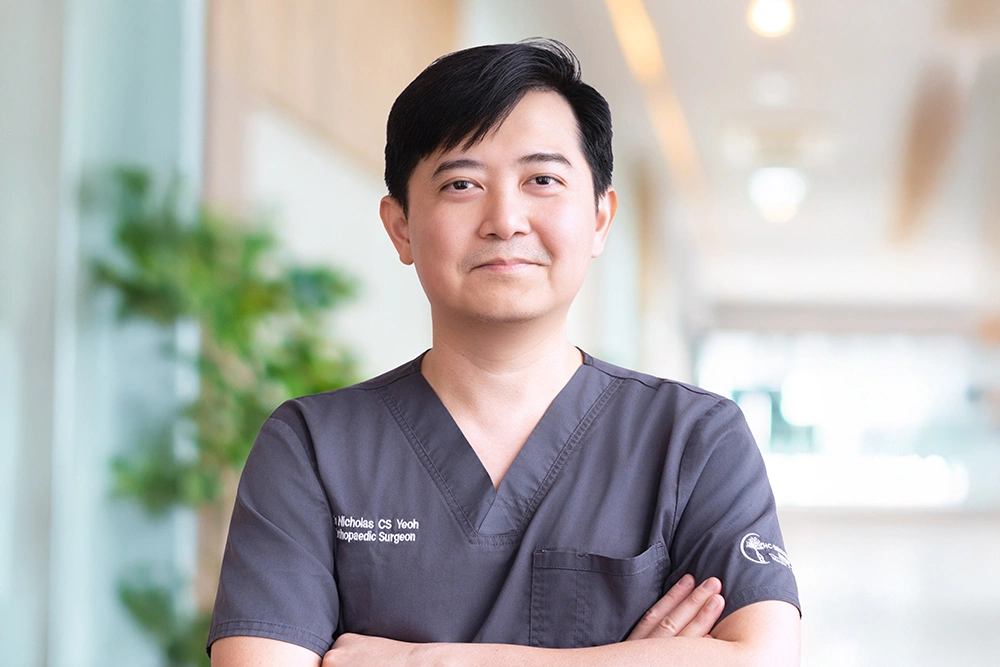
Dr Nicholas Yeoh
Senior Consultant Orthopaedic Surgeon
MBChB (Edinburgh), MRCS (Edinburgh), MMed (Orthopaedic Surgery), FRCS (Edinburgh)
Dr Nicholas Yeoh is an MOH-accredited orthopaedic specialist and Fellow of the Royal College of Surgeons of Edinburgh. Fellowship-trained in hip and knee reconstruction in Sydney under the MOH HMDP scholarship, he specialises in minimally invasive joint replacement, robotic surgery and advanced techniques that enhance recovery and surgical outcomes.
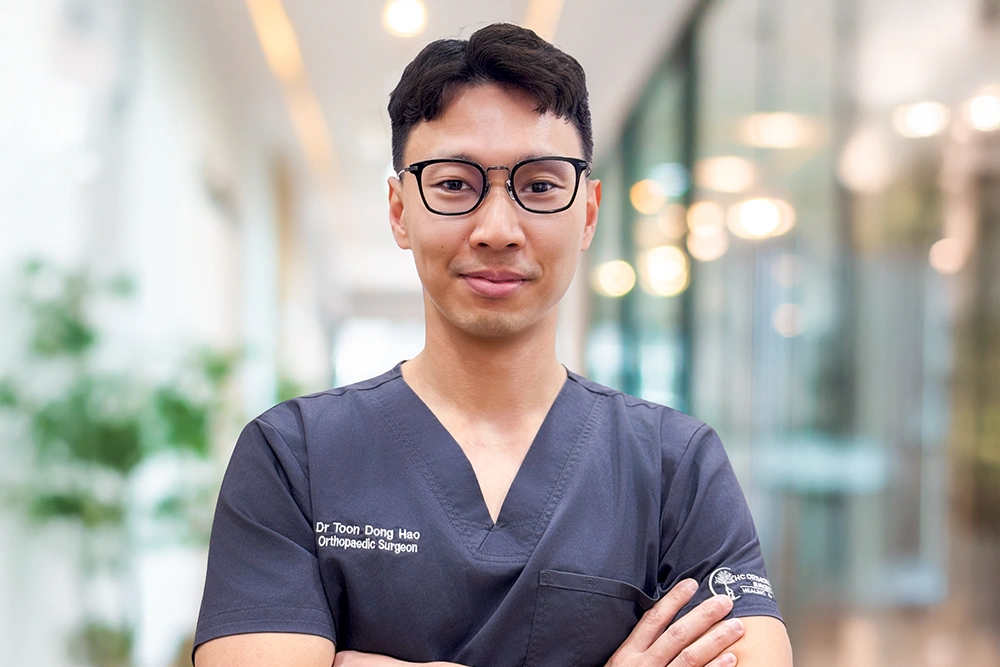
Dr Toon Dong Hao
Senior Consultant Orthopaedic Surgeon
MBChB (Leeds), MRCS (Edinburgh), MMed (Orthopaedic Surgery), FRCS (Edinburgh)
Dr Toon Dong Hao is a skilled orthopaedic surgeon and Fellow of the Royal College of Surgeons of Edinburgh. Fellowship-trained in Advanced Shoulder and Elbow Surgery in Sydney under the MOH HMDP scholarship, Dr Toon specialises in sports injuries, arthroscopic surgery and complex shoulder, elbow and knee procedures to restore function and mobility.
Dr Tang Zhi Hao
Senior Consultant Orthopaedic Surgeon
MBBS (S’pore), MRCS (Edinburgh), MMed (Orthopaedic Surgery), FRCS (Edinburgh)
Dr Tang Zhi Hao is a fellowship-trained orthopaedic surgeon specialising in foot and ankle conditions. He completed his Foot and Ankle Surgery fellowship at Severance Hospital, Yonsei University Health System in Seoul under Professor Jin Woo Lee. Prior to private practice, he served as Consultant and Deputy Head of Orthopaedics at Khoo Teck Puat Hospital.