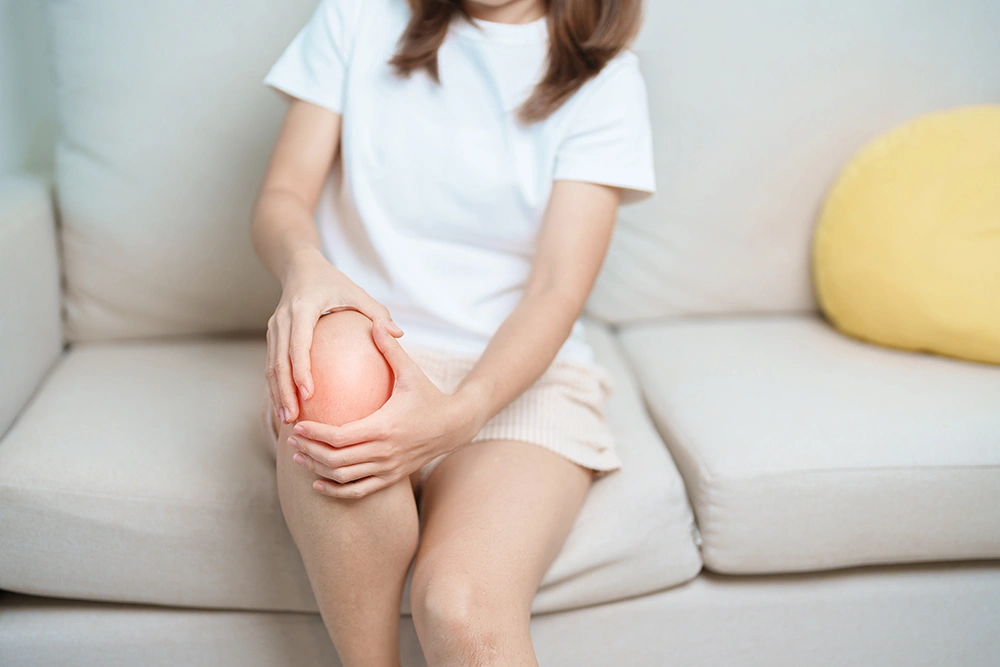
Knee osteoarthritis can make everyday movement more difficult, whether it is climbing stairs, walking longer distances or simply standing up after sitting for a period of time. Although the condition is common, it does not mean you need to give up an active lifestyle or accept ongoing discomfort as unavoidable. With the right approach, many people are able to manage their symptoms well and continue enjoying the activities that matter to them. Understanding practical strategies for knee osteoarthritis can help you stay active, mobile and more confident in daily life.
Understanding Knee Osteoarthritis and Why It Happens
Knee osteoarthritis occurs when the protective cartilage within the joint becomes thinner over time. As cushioning reduces, movement may create more friction between the bones, leading to inflammation, discomfort and stiffness.
Ageing is one contributing factor, but it is not the only cause. Previous injuries, excess body weight, family history and repeated strain on the knees can all increase the likelihood of developing the condition. Some people experience gradual changes over many years, while others notice symptoms progressing more quickly.
Recognising the Signs of Knee Osteoarthritis Early
Symptoms of knee osteoarthritis often begin subtly and may come and go in the early stages. Recognising these changes early can help guide timely management.
Pain During Activity
One of the earliest signs is discomfort that appears when the knee is being used more often. This may happen during longer walks, climbing stairs, kneeling or standing for extended periods. The pain often settles with rest, though it may return when activity resumes.
Stiffness After Sitting or Resting
Some people find that the knee feels tight or slow to move after waking in the morning or sitting for some time. This stiffness usually improves once the joint starts moving again, but it can become more noticeable as the condition progresses.
Swelling or Tenderness Around the Joint
Inflammation within the joint may lead to visible swelling, warmth or sensitivity around the knee. These changes can become more apparent after a busy day or increased physical activity.
Grinding Sensations or Reduced Movement
As cartilage wears down, movement may no longer feel as smooth as before. Some people notice clicking or grinding sensations, while others find it harder to bend, squat or fully straighten the knee.
Staying Active with the Right Type of Exercise
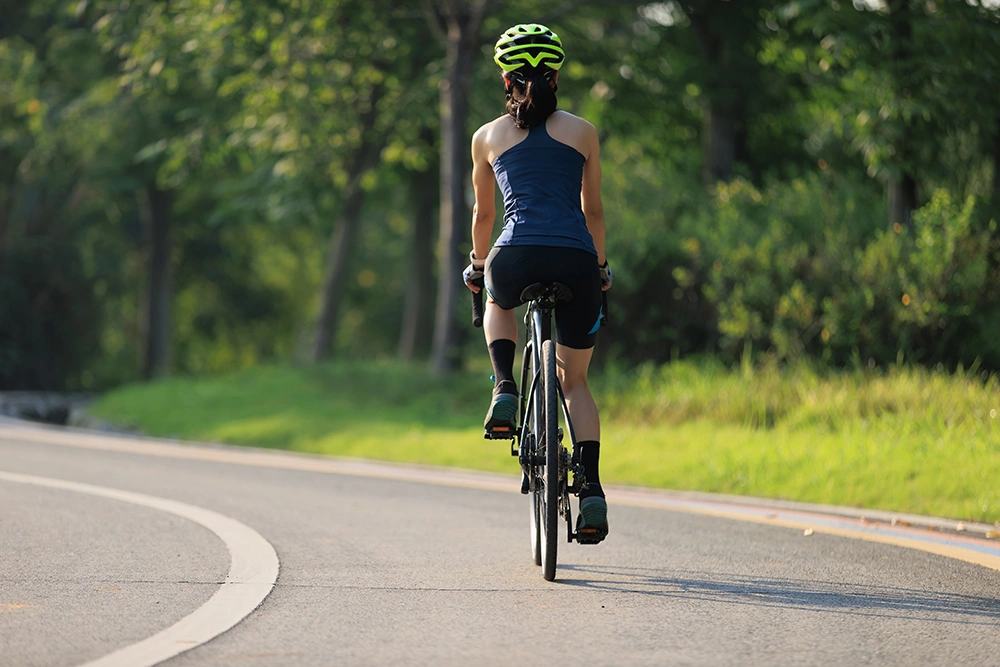
Although movement may feel more challenging when the knee is painful, regular exercise remains one of the most effective ways to manage symptoms. Choosing suitable activities can strengthen supporting muscles, maintain flexibility and improve confidence in movement.
Low-Impact Exercise That Keeps You Moving
Exercises such as walking on level ground, cycling, swimming and water aerobics are often easier on the knees. They help keep the joint mobile while placing less strain on it than high-impact activities.
Strengthening Exercises
Building strength in the quadriceps, hamstrings and hip muscles can provide better support for the knee joint. With stronger surrounding muscles, pressure through the knee may be reduced during daily movement.
Flexibility and Balance Work
Gentle stretching can help reduce tightness, while balance exercises may improve coordination and stability. Together, these can support smoother movement and lower the risk of falls.
Everyday Habits That Can Ease Knee Strain
In addition to exercise, simple adjustments in daily routines can make a meaningful difference. Small changes, practised consistently, often help reduce knee pain and improve mobility over time.
Managing Weight to Reduce Joint Load
Where appropriate, maintaining a healthy weight can lessen the load placed on the knees with every step. Even modest changes may help ease symptoms.
Choosing Footwear That Supports Comfort
Shoes with good cushioning and support can improve comfort during walking and standing. Proper footwear may also help distribute pressure more evenly through the lower limbs.
Pacing Activities Throughout the Day
Alternating periods of activity with short breaks can help prevent overloading the joint. This can be especially useful during busy days that involve more walking or standing than usual.
Treatment Options That Can Help You Keep Moving
Knee osteoarthritis treatment depends on the severity of symptoms, lifestyle goals and how much the condition affects everyday activities. Many people respond well to conservative care, while others may benefit from more advanced options after a thorough assessment by a knee specialist.
Non-Surgical Care for Early to Moderate Symptoms
Physiotherapy, medication, bracing and tailored exercise programmes are commonly used to reduce pain and improve function. These approaches are often effective for many individuals.
Injection Therapy for Selected Cases
When symptoms continue despite initial treatment, injections may be considered to help reduce inflammation or provide temporary pain relief.
Surgical Options When Symptoms Become More Limiting
If pain remains significant and mobility is increasingly affected, surgery may be discussed with a knee specialist. Depending on the condition, options can include keyhole procedures, partial knee replacement or total knee replacement.
Staying Active for the Long Term
Staying Active for the Long Term

Our Specialised Team
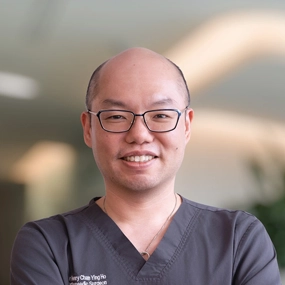
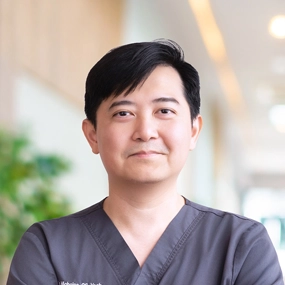
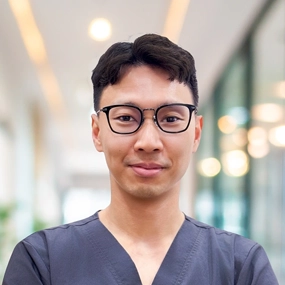
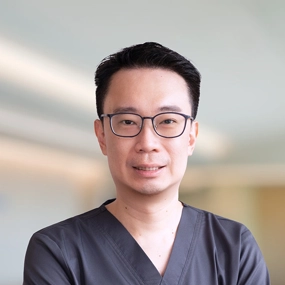
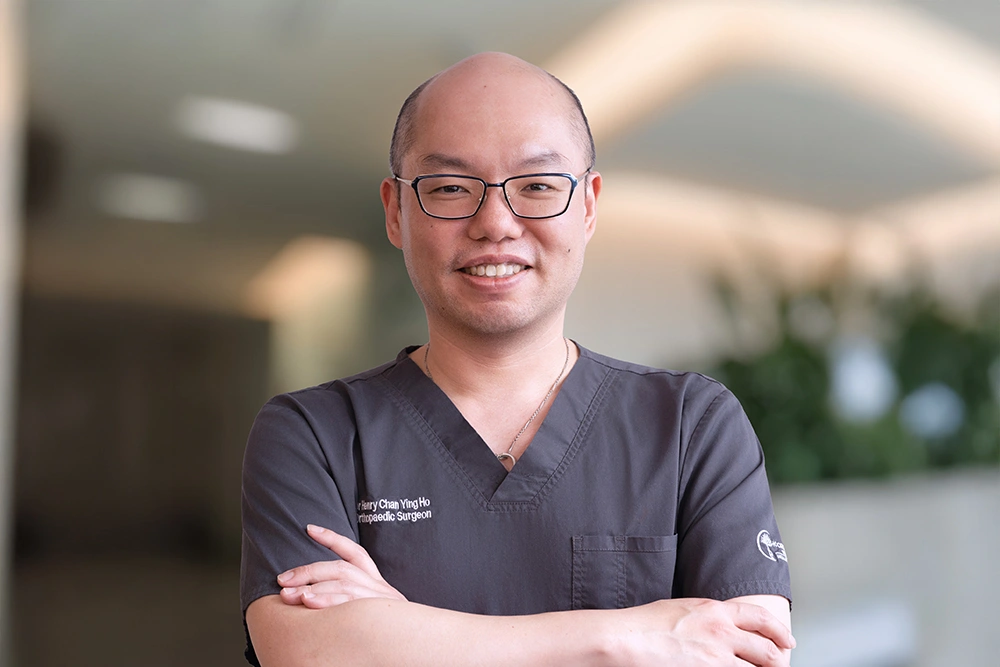
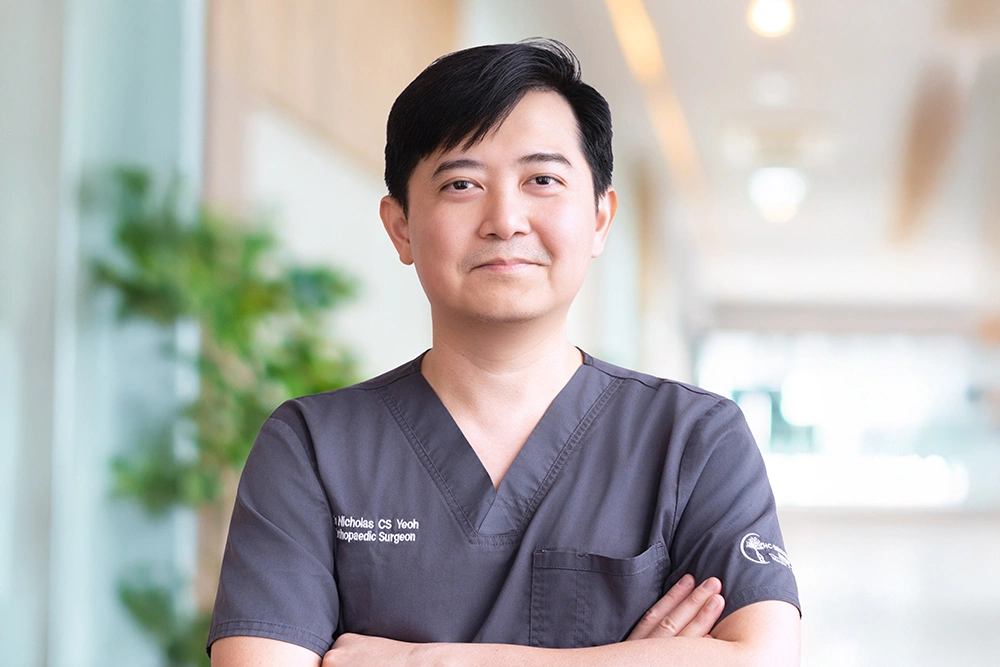
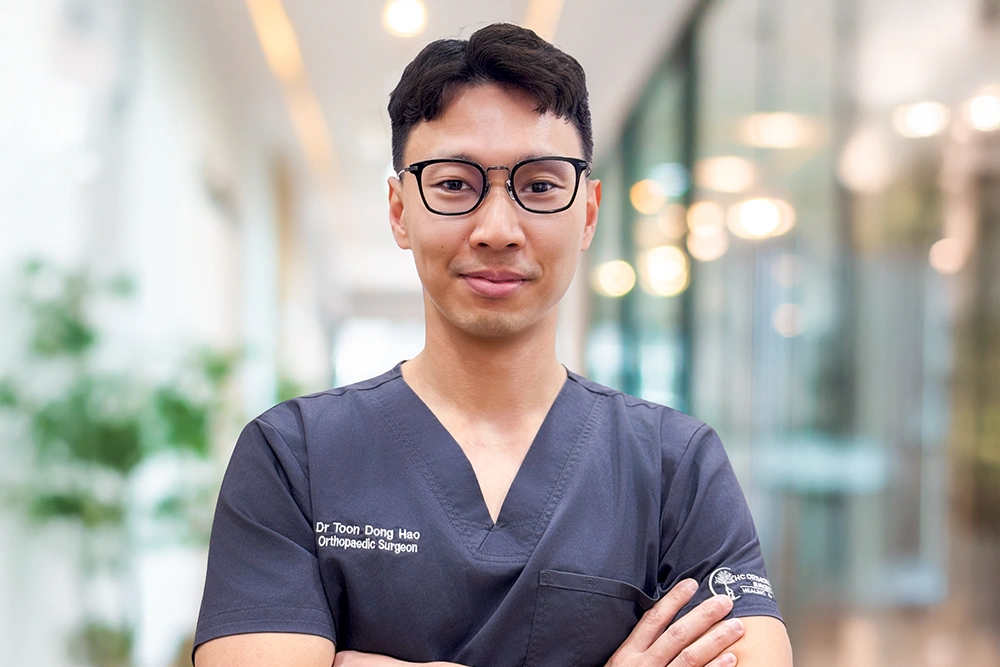
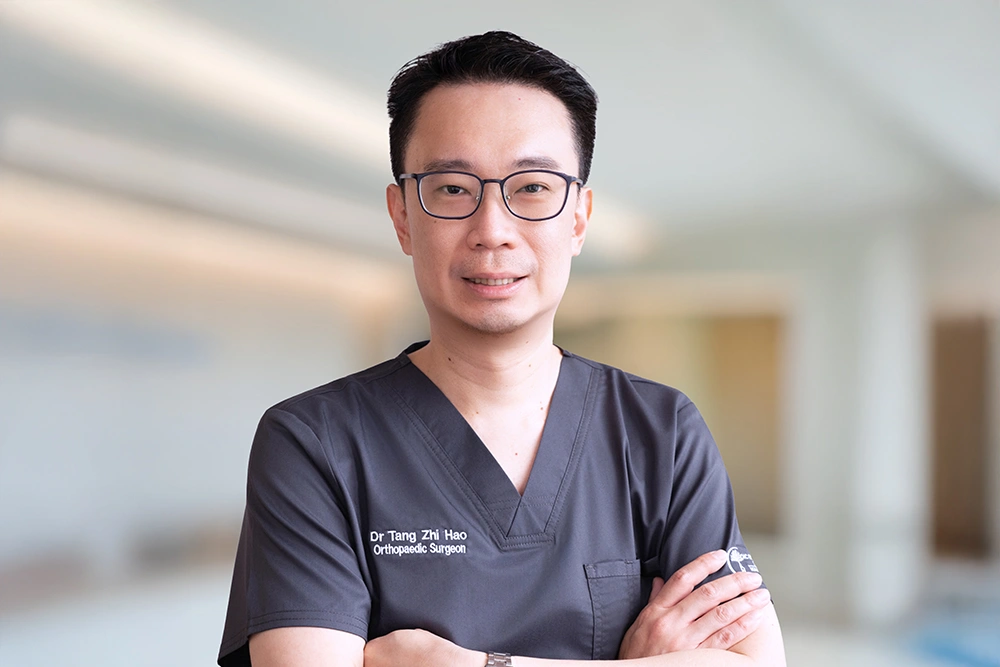
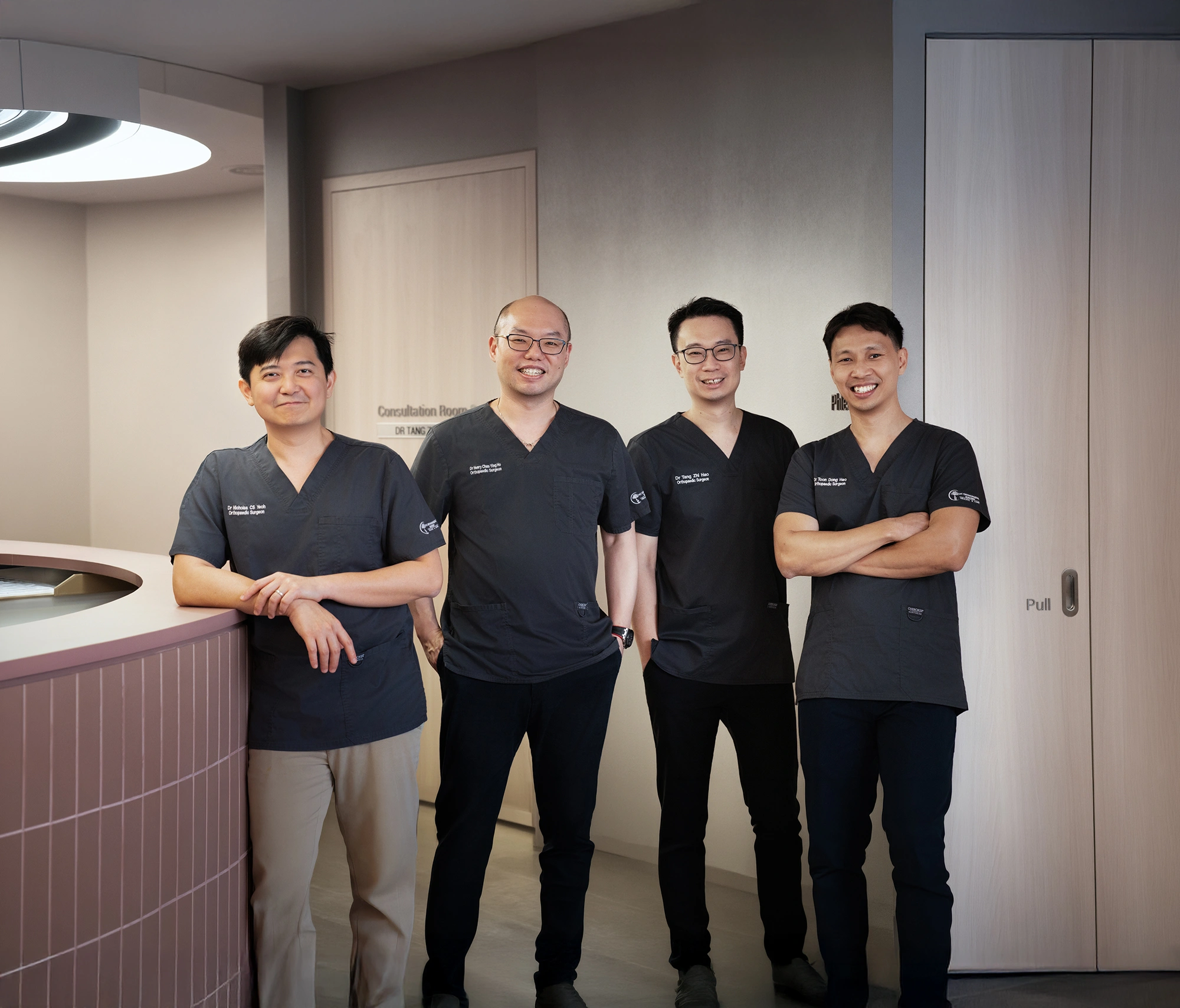
At HC Orthopaedic Surgery, knee care is available through Dr Henry Chan and Dr Nicholas Yeoh, with Dr Toon Dong Hao and Dr Tang Zhi Hao adding further expertise across orthopaedic conditions. The team manages knee problems ranging from sports injuries to degenerative joint issues, with treatment tailored to support both recovery and long-term joint health. If your knee pain is not improving or is affecting your daily movement, arrange a specialist consultation for a detailed assessment and personalised treatment plan.
Meet Our Knee Specialists in Singapore
Dr Henry Chan
Medical Director & Senior Consultant Orthopaedic Surgeon
MBBS (S’pore), MRCS (Edinburgh), MMed (Orthopaedic Surgery), FRCS (Edinburgh)
Dr Henry Chan is an experienced orthopaedic surgeon specialising in joint replacement and complex revision surgery. Trained at the renowned Helios Endo-Klinik in Germany under the MOH HMDP scholarship, he has performed over 1,000 joint replacements and specialises in computer-assisted and robotic joint replacement techniques for precise outcomes.
Dr Nicholas Yeoh
Senior Consultant Orthopaedic Surgeon
MBChB (Edinburgh), MRCS (Edinburgh), MMed (Orthopaedic Surgery), FRCS (Edinburgh)
Dr Nicholas Yeoh is an MOH-accredited orthopaedic specialist and Fellow of the Royal College of Surgeons of Edinburgh. Fellowship-trained in hip and knee reconstruction in Sydney under the MOH HMDP scholarship, he specialises in minimally invasive joint replacement, robotic surgery and advanced techniques that enhance recovery and surgical outcomes.
Dr Toon Dong Hao
Senior Consultant Orthopaedic Surgeon
MBChB (Leeds), MRCS (Edinburgh), MMed (Orthopaedic Surgery), FRCS (Edinburgh)
Dr Toon Dong Hao is a skilled orthopaedic surgeon and Fellow of the Royal College of Surgeons of Edinburgh. Fellowship-trained in Advanced Shoulder and Elbow Surgery in Sydney under the MOH HMDP scholarship, Dr Toon specialises in sports injuries, arthroscopic surgery and complex shoulder, elbow and knee procedures to restore function and mobility.
Dr Tang Zhi Hao
Senior Consultant Orthopaedic Surgeon
MBBS (S’pore), MRCS (Edinburgh), MMed (Orthopaedic Surgery), FRCS (Edinburgh)
Dr Tang Zhi Hao is a fellowship-trained orthopaedic surgeon specialising in foot and ankle conditions. He completed his Foot and Ankle Surgery fellowship at Severance Hospital, Yonsei University Health System in Seoul under Professor Jin Woo Lee. Prior to private practice, he served as Consultant and Deputy Head of Orthopaedics at Khoo Teck Puat Hospital.