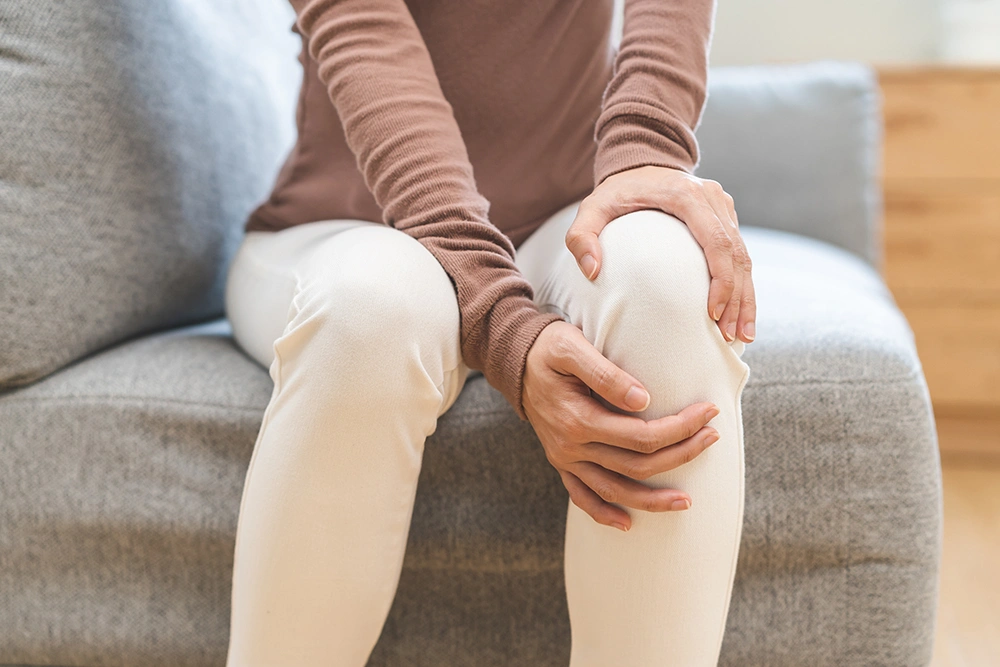
Knee injuries are often expected to improve with time, rest and basic rehabilitation. Yet for many people, recovery does not follow a steady path. Instead of gradual improvement, there may be lingering discomfort, recurring swelling or stiffness that returns with activity.
When progress stalls in this way, it may suggest that the issue is more complex than a simple strain affecting the joint. This can be frustrating, particularly when considerable effort has already gone into resting, stretching or adjusting movement. Rather than waiting for improvement over time alone, identifying the underlying cause can help guide more targeted treatment and reduce the likelihood of repeated setbacks.
Common Reasons Knee Recovery Stalls
When recovery from knee injury does not progress as expected, there are several common factors that may be contributing to ongoing pain, stiffness or reduced function. Understanding these can help guide further assessment and treatment.
Meniscus or Cartilage Injuries That Persist
Damage to the meniscus or knee cartilage can continue to cause pain and swelling even after initial rest. These structures heal slowly due to limited blood supply and may remain symptomatic if not properly managed or if activity resumes too early.
Ligament Strains and Ongoing Knee Instability
When ligaments such as the ACL or MCL are stretched or partially torn, the knee may feel unstable during walking, stairs or sport. This instability can place repeated stress on the joint and slow down overall recovery.
Early Wear and Degenerative Knee Changes
Gradual cartilage wear within the knee can lead to stiffness, discomfort and reduced tolerance for activity. Symptoms often fluctuate but may become more noticeable with prolonged standing, walking or exercise.
Incomplete Rehabilitation
Recovery may stall if rehabilitation is stopped too early or if normal activity is resumed before the knee has regained sufficient strength. Returning to sport or physically demanding tasks too soon is a common reason for symptom flare-ups and delayed healing.
Ongoing Overuse During Recovery
Even during the healing phase, continued strain from work, sport or daily lifestyle demands can place repeated stress on the knee. Without adequate load management, this ongoing pressure may prevent tissues from fully recovering and contribute to recurring pain or swelling.
What You Can Do When Recovery Stalls
When knee recovery does not progress as expected, it is often a sign that the current approach needs to be reviewed. At this stage, understanding what is limiting improvement becomes important so that the next steps in treatment can be more targeted and effective.
Seek a More Accurate Diagnosis
When symptoms persist despite initial treatment, further assessment may be needed to clarify the underlying cause. This could involve imaging such as an X-ray, ultrasound or MRI, along with a specialist evaluation to examine joint stability and movement. A clearer diagnosis helps ensure that treatment is directed at the actual source of the problem rather than just the symptoms.
Adjust Activity Instead of Complete Rest
For most people, complete rest is not necessary and may even slow recovery. Instead, adjusting the level and type of activity can help protect the knee while maintaining overall strength. This may include reducing high-impact movements, modifying exercise routines or pacing daily activities to avoid overloading the joint during healing.
Attend Structured Physiotherapy for Recovery
A structured physiotherapy programme plays a key role in restoring knee function. Targeted exercises help strengthen the muscles around the joint, improve balance and support better movement control. With consistent rehabilitation, the knee can gradually regain stability and resilience for everyday activities.
Consider Medical or Surgical Options When Needed
If symptoms continue despite conservative treatment, additional medical options may be considered depending on the underlying cause. This may include injections to reduce inflammation, or surgical procedures such as knee arthroscopy surgery, ACL reconstruction, cartilage repair, partial knee replacement or total knee replacement when structural damage or advanced joint wear is present. The most suitable approach is guided by the severity of the condition, activity goals and overall impact on daily function.
When It Is Time to See a Knee Specialist
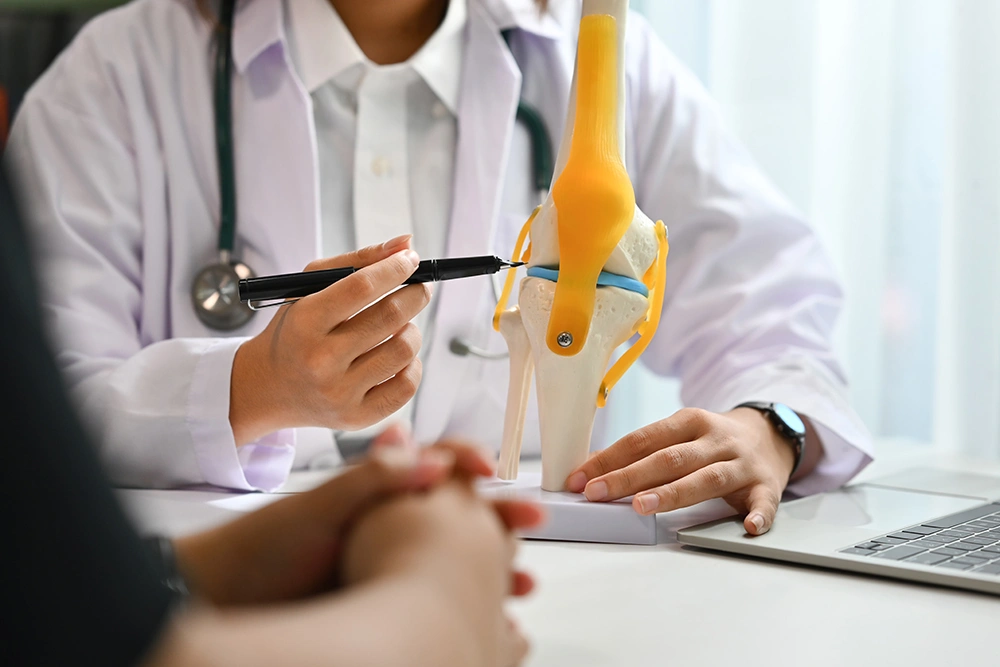
Ongoing pain, repeated swelling or difficulty returning to normal activity are signs that professional assessment may be needed. If symptoms persist beyond expected recovery time, a knee specialist can help identify the cause and recommend the next steps. Early evaluation can prevent further deterioration and improve the chances of a successful recovery plan tailored to your condition.
Moving Forward with the Right Treatment Plan
A knee injury that does not heal as expected is often a sign that further evaluation from a knee specialist is needed rather than a reason to simply wait longer. With the right diagnosis and structured treatment approach, many people are able to regain strength, improve movement and return to daily activities with greater comfort.
Moving Forward with the Right Treatment Plan
A knee injury that does not heal as expected is often a sign that further evaluation from a knee specialist is needed rather than a reason to simply wait longer. With the right diagnosis and structured treatment approach, many people are able to regain strength, improve movement and return to daily activities with greater comfort.

Our Specialised Team
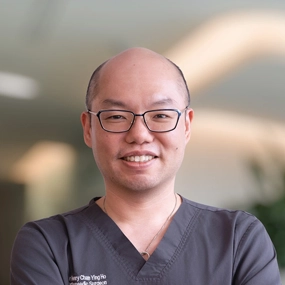
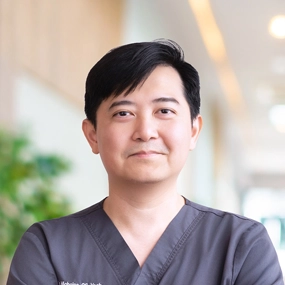
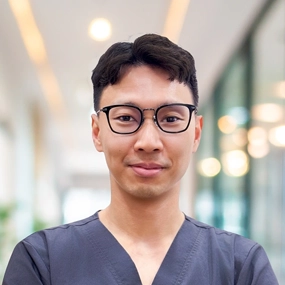
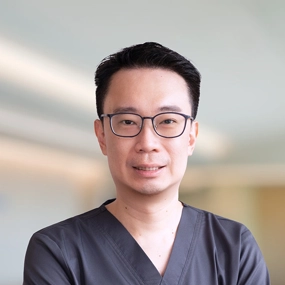
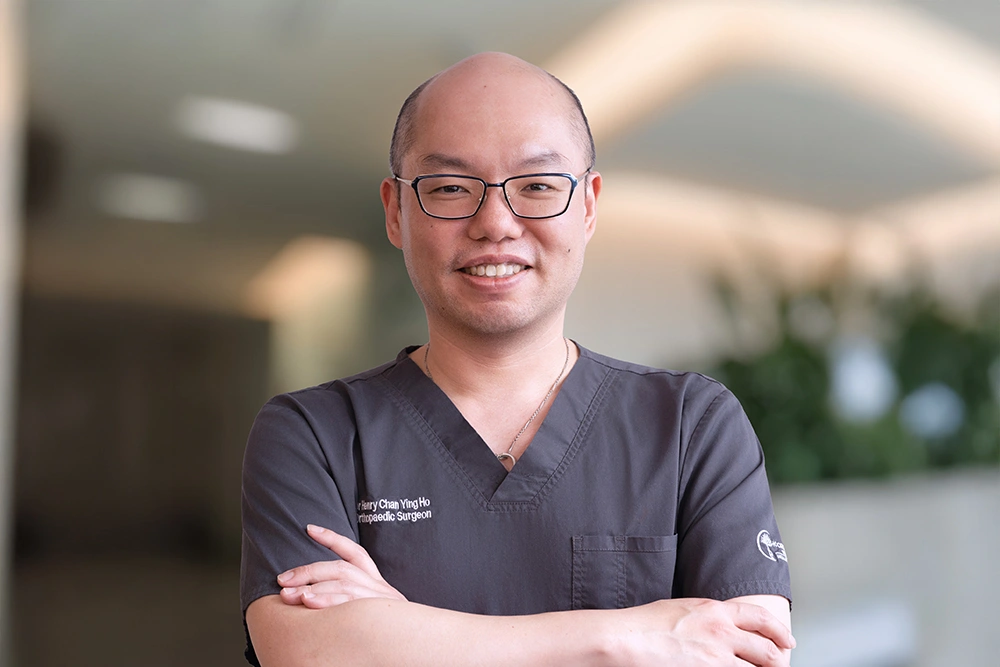
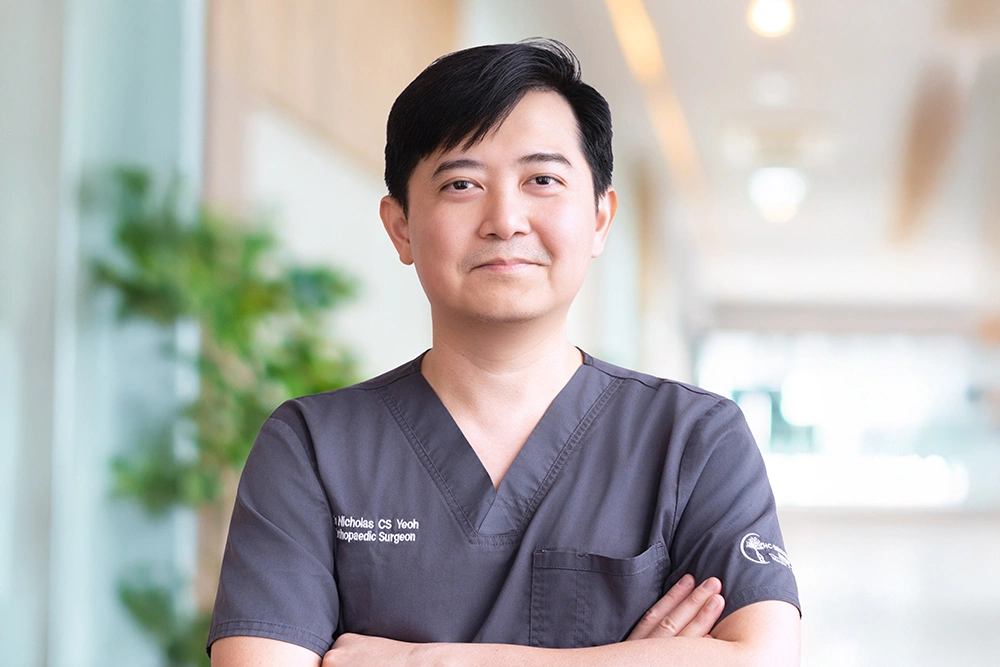
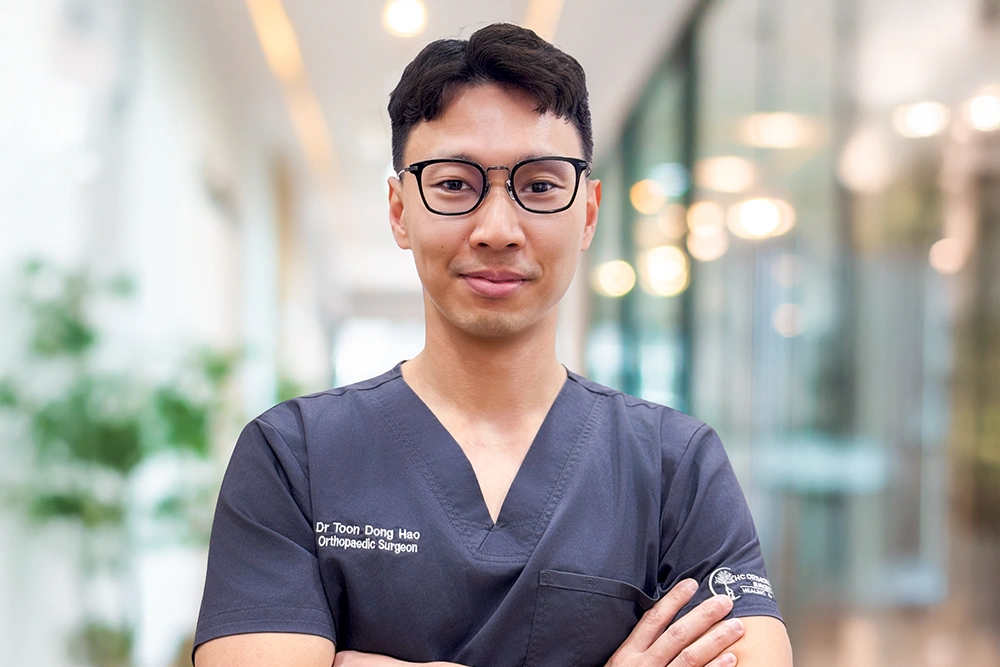
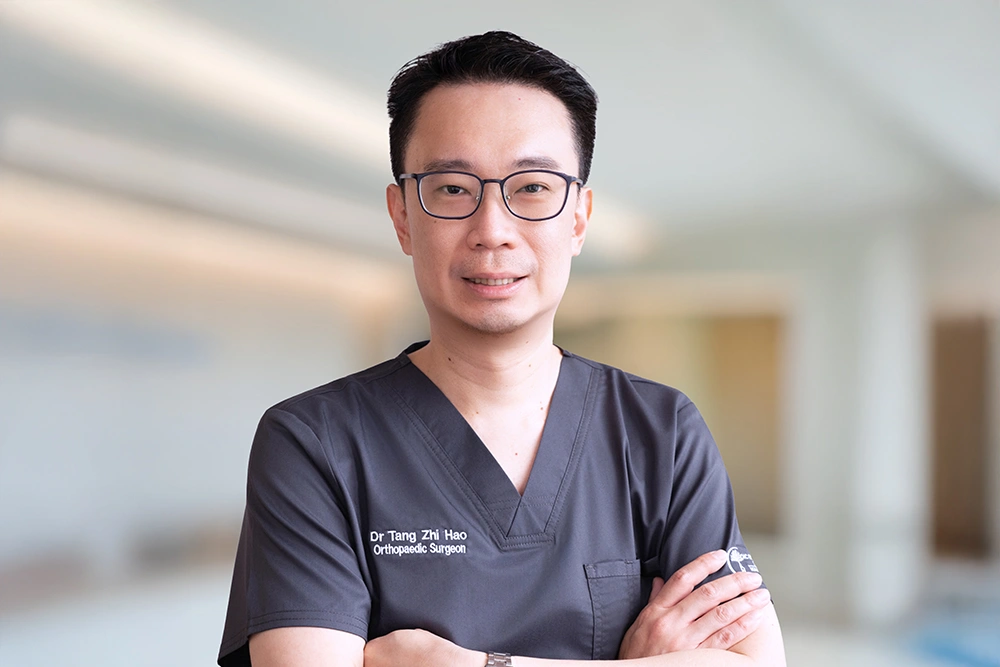
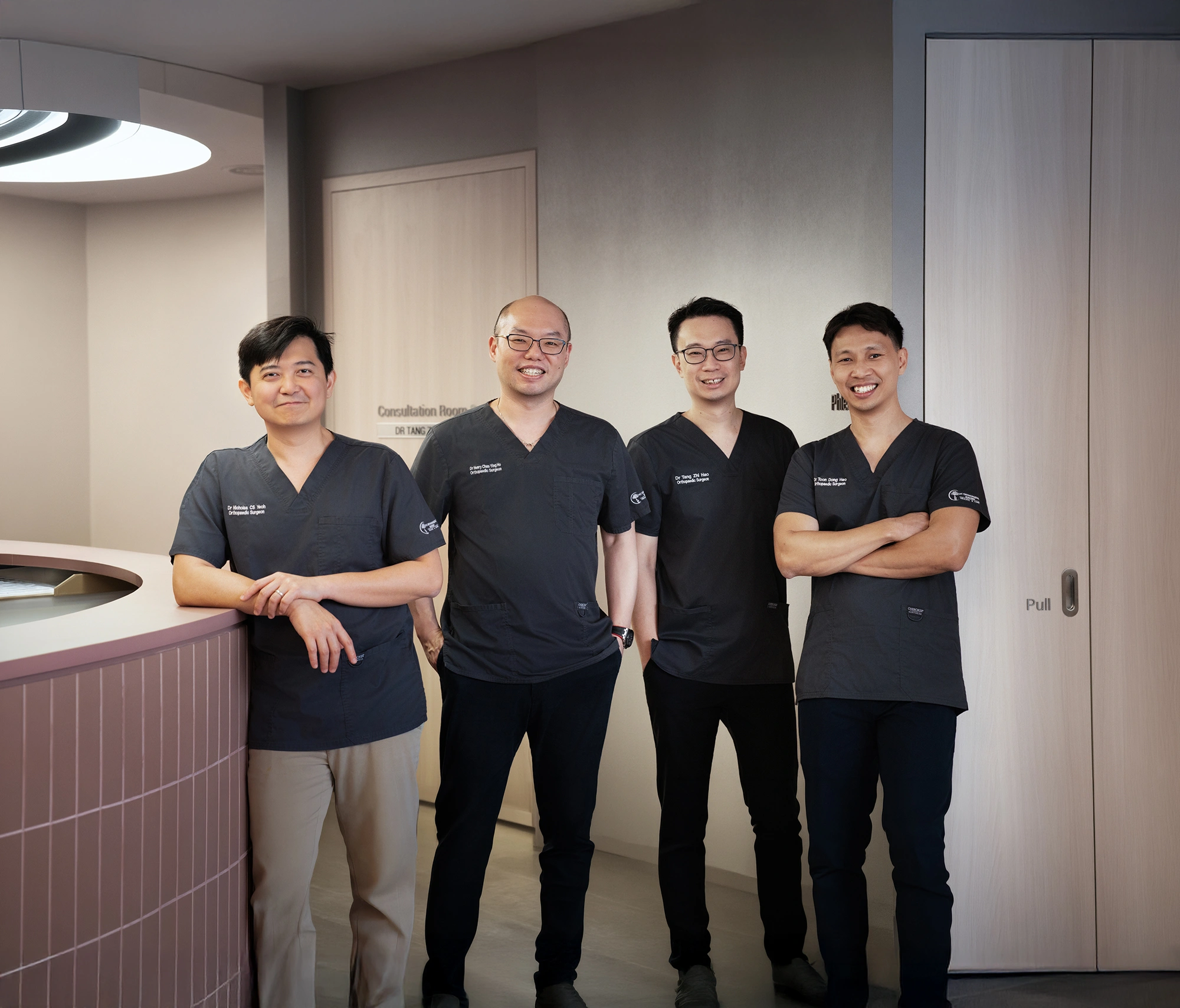
At HC Orthopaedic Surgery, patients with knee concerns can consult Dr Henry Chan or Dr Nicholas Yeoh. Together with Dr Toon Dong Hao and Dr Tang Zhi Hao, the team provides comprehensive orthopaedic expertise across a wide range of knee conditions. From conservative management to advanced surgical care, treatment is tailored to reduce pain, restore movement and help you stay active with confidence. Schedule a consultation for a detailed assessment and personalised treatment plan today.
Meet Our Knee Specialists in Singapore
Dr Henry Chan
Medical Director & Senior Consultant Orthopaedic Surgeon
MBBS (S’pore), MRCS (Edinburgh), MMed (Orthopaedic Surgery), FRCS (Edinburgh)
Dr Henry Chan is an experienced orthopaedic surgeon specialising in joint replacement and complex revision surgery. Trained at the renowned Helios Endo-Klinik in Germany under the MOH HMDP scholarship, he has performed over 1,000 joint replacements and specialises in computer-assisted and robotic joint replacement techniques for precise outcomes.
Dr Nicholas Yeoh
Senior Consultant Orthopaedic Surgeon
MBChB (Edinburgh), MRCS (Edinburgh), MMed (Orthopaedic Surgery), FRCS (Edinburgh)
Dr Nicholas Yeoh is an MOH-accredited orthopaedic specialist and Fellow of the Royal College of Surgeons of Edinburgh. Fellowship-trained in hip and knee reconstruction in Sydney under the MOH HMDP scholarship, he specialises in minimally invasive joint replacement, robotic surgery and advanced techniques that enhance recovery and surgical outcomes.
Dr Toon Dong Hao
Senior Consultant Orthopaedic Surgeon
MBChB (Leeds), MRCS (Edinburgh), MMed (Orthopaedic Surgery), FRCS (Edinburgh)
Dr Toon Dong Hao is a skilled orthopaedic surgeon and Fellow of the Royal College of Surgeons of Edinburgh. Fellowship-trained in Advanced Shoulder and Elbow Surgery in Sydney under the MOH HMDP scholarship, Dr Toon specialises in sports injuries, arthroscopic surgery and complex shoulder, elbow and knee procedures to restore function and mobility.
Dr Tang Zhi Hao
Senior Consultant Orthopaedic Surgeon
MBBS (S’pore), MRCS (Edinburgh), MMed (Orthopaedic Surgery), FRCS (Edinburgh)
Dr Tang Zhi Hao is a fellowship-trained orthopaedic surgeon specialising in foot and ankle conditions. He completed his Foot and Ankle Surgery fellowship at Severance Hospital, Yonsei University Health System in Seoul under Professor Jin Woo Lee. Prior to private practice, he served as Consultant and Deputy Head of Orthopaedics at Khoo Teck Puat Hospital.