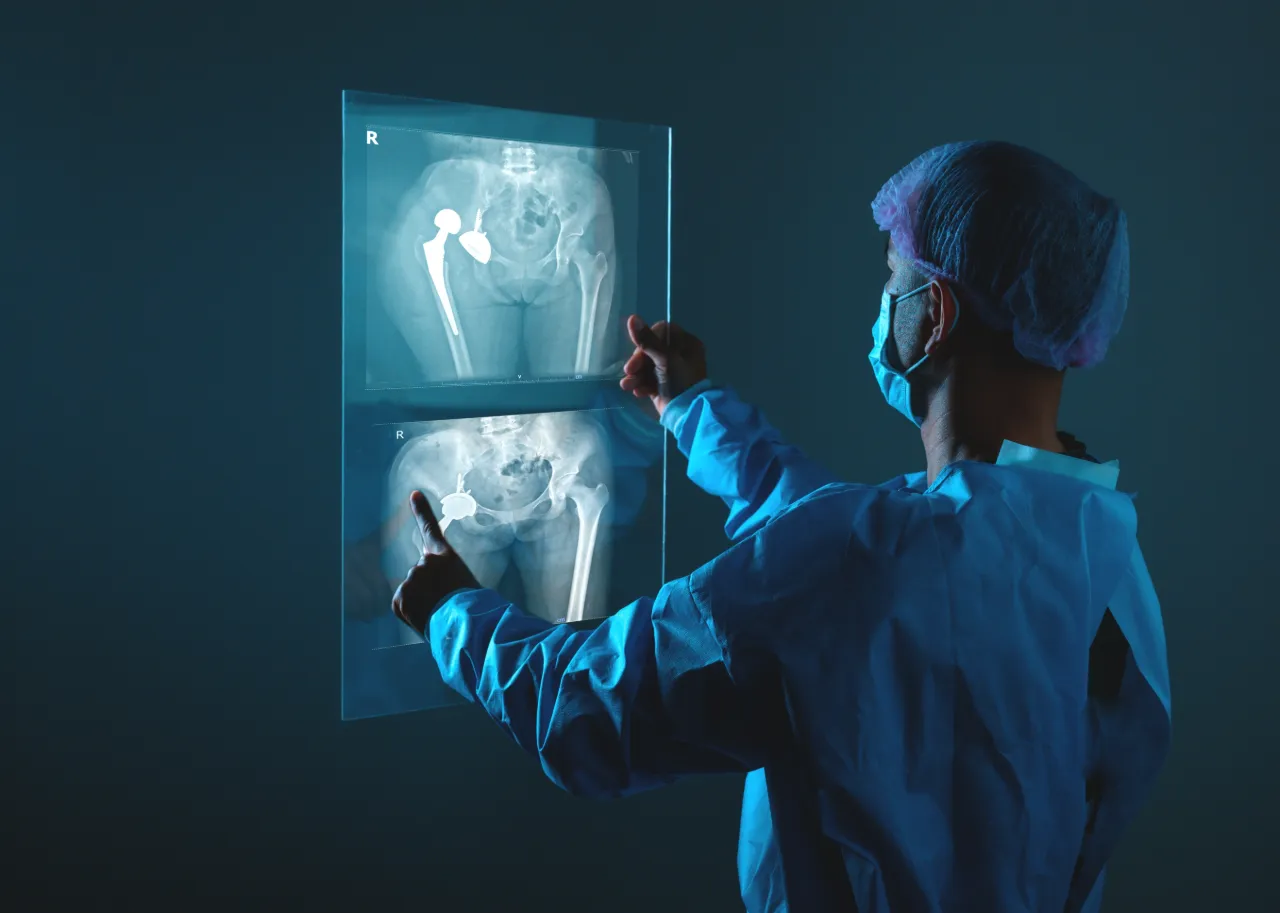
Recovering from hip replacement surgery is a gradual process that continues well beyond your hospital stay. While many patients begin standing and walking within a day of surgery, regaining strength, mobility and confidence takes time. Every recovery is different, and factors such as your overall health, the type of hip replacement performed and your commitment to rehabilitation can all influence your progress.
Whether you have undergone a total hip replacement or partial hip replacement, understanding what to expect at each stage of recovery can help you prepare both physically and mentally. Knowing which milestones are typical, and when to seek advice if your recovery does not go as expected, can also provide reassurance throughout the process.
What Happens Immediately After Hip Replacement Surgery?
Most patients are encouraged to begin moving as soon as it is safe after hip replacement surgery, often on the same day or the day after the procedure. Early mobilisation helps promote circulation, reduce the risk of complications and support the recovery process.
During your hospital stay, your care team will monitor your recovery and help you gradually regain mobility. This typically includes:
- Pain management using medications to keep you comfortable during recovery.
- Early mobilisation, including standing and taking a few steps with the support of a physiotherapist or walking aid.
- Physiotherapy to introduce gentle exercises that improve strength, flexibility and mobility.
- Wound care and monitoring for any early signs of complications.
- Discharge planning, including advice on medications, mobility, home exercises and follow-up appointments before you return home.
Hip Replacement Recovery Timeline
Hip replacement recovery is a gradual process, with most patients reaching different milestones over several months rather than days. While recovery varies from person to person, understanding the typical stages can help set realistic expectations and make it easier to track your progress.
The First Two Weeks
The first two weeks focus on protecting the new hip, managing pain and swelling, and gradually increasing mobility. During this stage, you can generally expect to:
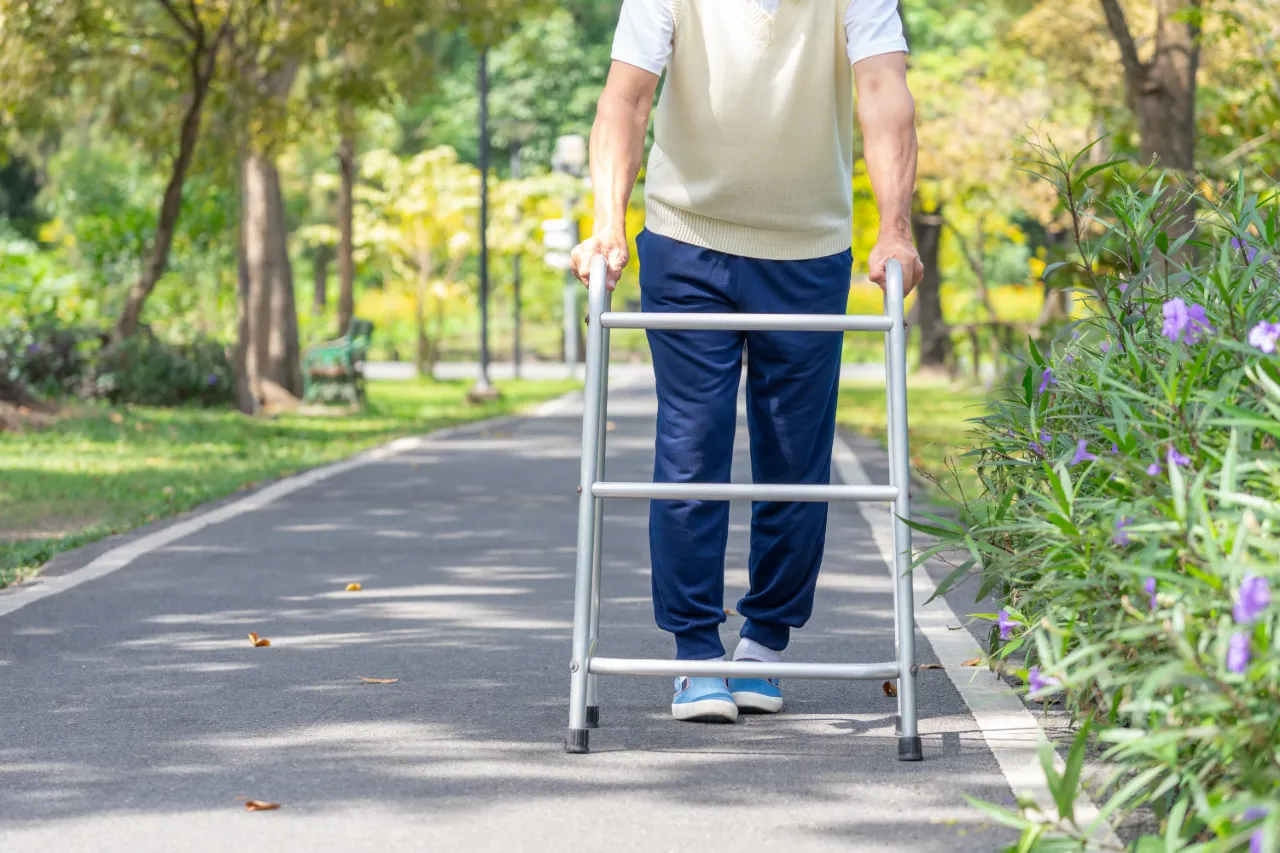
- Use a walking aid, such as a walker or crutches, as recommended by your specialist.
- Continue prescribed pain medication as needed.
- Perform physiotherapy and home exercises to improve movement and reduce stiffness.
- Gradually increase walking distances while avoiding excessive strain.
- Attend follow-up appointments to monitor wound healing and early recovery.
Weeks Two to Six
As healing progresses, many patients become more comfortable moving around and begin returning to light daily activities. During this stage, recovery often focuses on:
- Improving walking distance and balance.
- Progressively reducing reliance on walking aids where appropriate.
- Continuing physiotherapy to build strength and improve mobility.
- Resuming light household activities as advised by your specialist.
- Managing any remaining swelling or discomfort with appropriate self-care measures.
Six Weeks to Three Months
By this stage, many patients notice meaningful improvements in pain, mobility and confidence during everyday activities. Recovery milestones may include:
- Walking more comfortably without an assistive device, if appropriate.
- Improving hip strength and flexibility through continued rehabilitation.
- Returning to driving, depending on your recovery and your specialist's advice.
- Returning to work, particularly for desk-based occupations.
- Gradually resuming low-impact recreational activities.
Beyond Three Months
Recovery continues even after the first few months, particularly as muscle strength, balance and endurance improve. Many patients continue working towards:
- Returning to a wider range of everyday activities.
- Increasing walking endurance and overall mobility.
- Participating in low-impact exercise such as swimming, cycling or golf, where appropriate.
- Building long-term strength to support the new hip joint and maintain mobility.
How to Support Your Recovery After Hip Replacement Surgery
Although every patient's recovery is different, there are several steps you can take to support healing and maximise the benefits of your hip replacement. Following your rehabilitation programme and your specialist's advice can help you regain mobility and return to daily activities safely.
- Attend all physiotherapy sessions and continue your prescribed home exercises.
- Stay active within your recommended limits, gradually increasing your activity level as advised by your specialist.
- Use walking aids correctly until your specialist or physiotherapist advises they are no longer needed.
- Take your medications as prescribed, including pain relief and any medications to reduce the risk of blood clots.
- Maintain a balanced diet and stay hydrated to support healing.
- Avoid smoking, as it may slow wound healing and recovery.
- Avoid high-impact activities until your specialist confirms it is safe.
- Attend your follow-up appointments so your recovery and hip function can be monitored.
When Should You Contact Your Hip Specialist?
While some pain, swelling and stiffness are expected during recovery, certain symptoms may indicate a complication or require further assessment. Contact your hip specialist promptly if you experience:
- Increasing pain that does not improve with medication or becomes worse over time.
- Redness, warmth or discharge around the surgical wound.
- Persistent fever or chills, which may be a sign of infection.
- Sudden swelling or pain in the calf, particularly if it is accompanied by redness or tenderness.
- Difficulty bearing weight or a sudden loss of hip function after initially recovering well.
- A fall or injury that affects your operated hip.
- Any new or concerning symptoms that do not seem consistent with your expected recovery.
Supporting Your Recovery After Hip Replacement Surgery

Our Specialised Team
FAQs About Hip Replacement Surgery Recovery
When can I sleep on my side after hip replacement surgery?
Will my artificial hip set off airport security scanners?
How long does a hip replacement implant typically last?
Are there any activities I should avoid after a hip replacement?
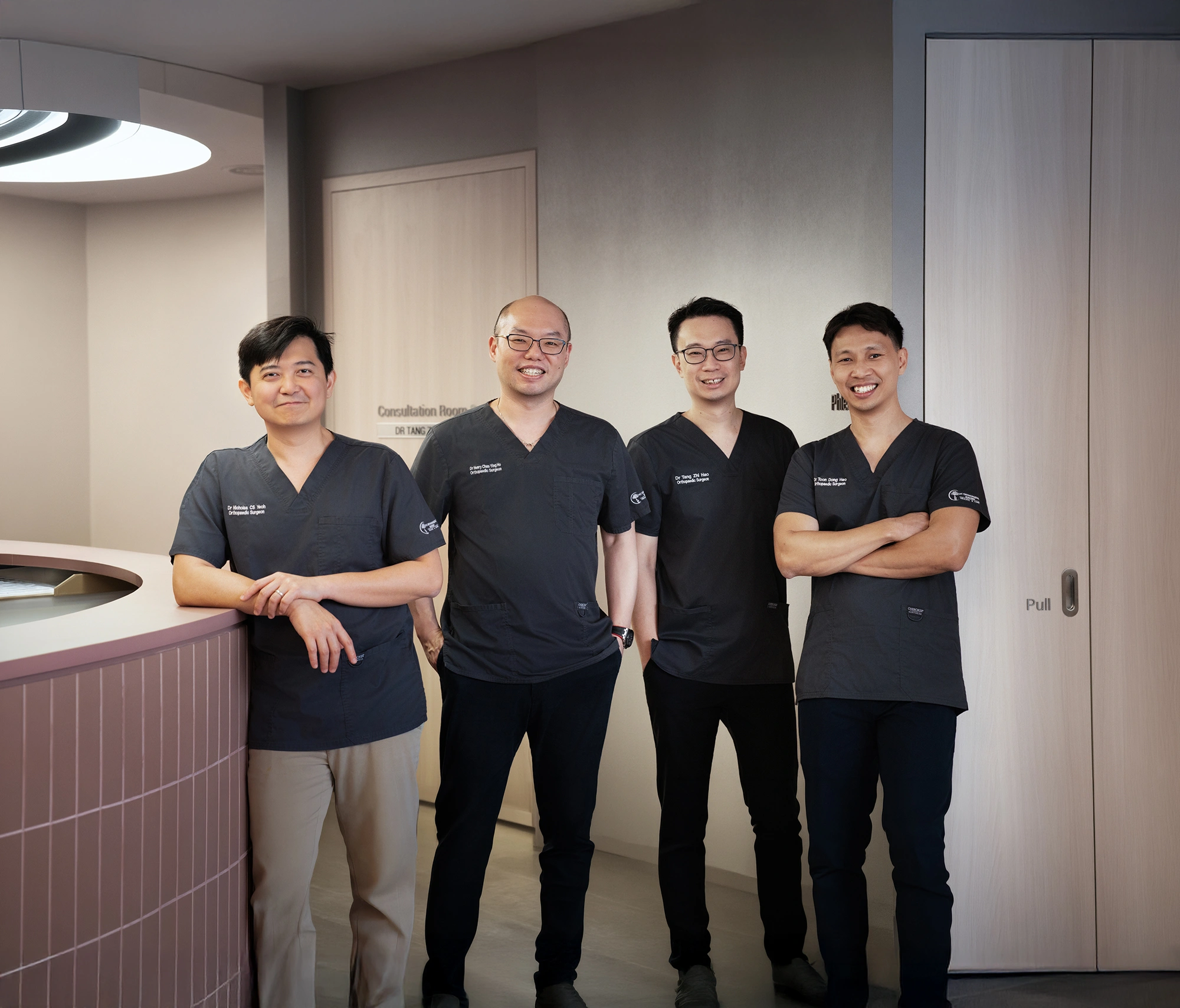
Meet Our Hip Replacement Surgeons in Singapore
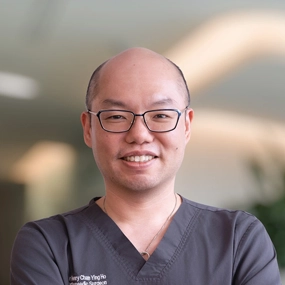
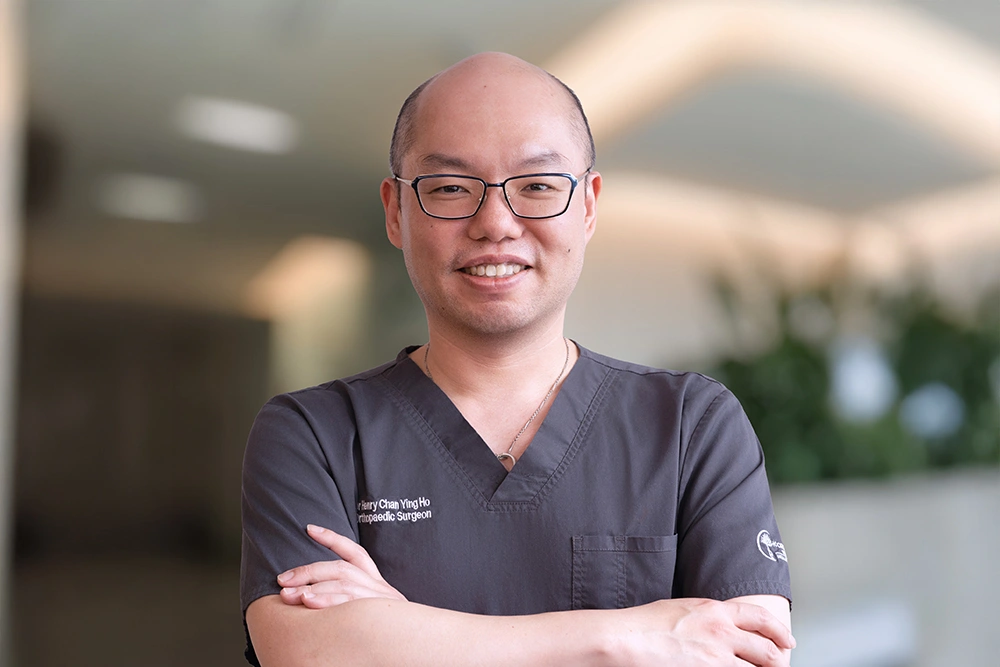
Dr Henry Chan
Medical Director & Senior Consultant Orthopaedic Surgeon
MBBS (S’pore), MRCS (Edinburgh), MMed (Orthopaedic Surgery), FRCS (Edinburgh)
Dr Henry Chan is an experienced orthopaedic surgeon specialising in joint replacement and complex revision surgery. Trained at the renowned Helios Endo-Klinik in Germany under the MOH HMDP scholarship, he has performed over 1,000 joint replacements and specialises in computer-assisted and robotic joint replacement techniques for precise outcomes.
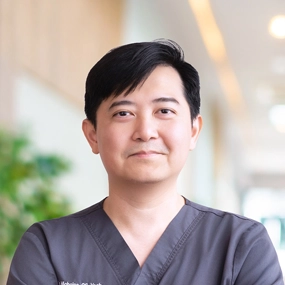
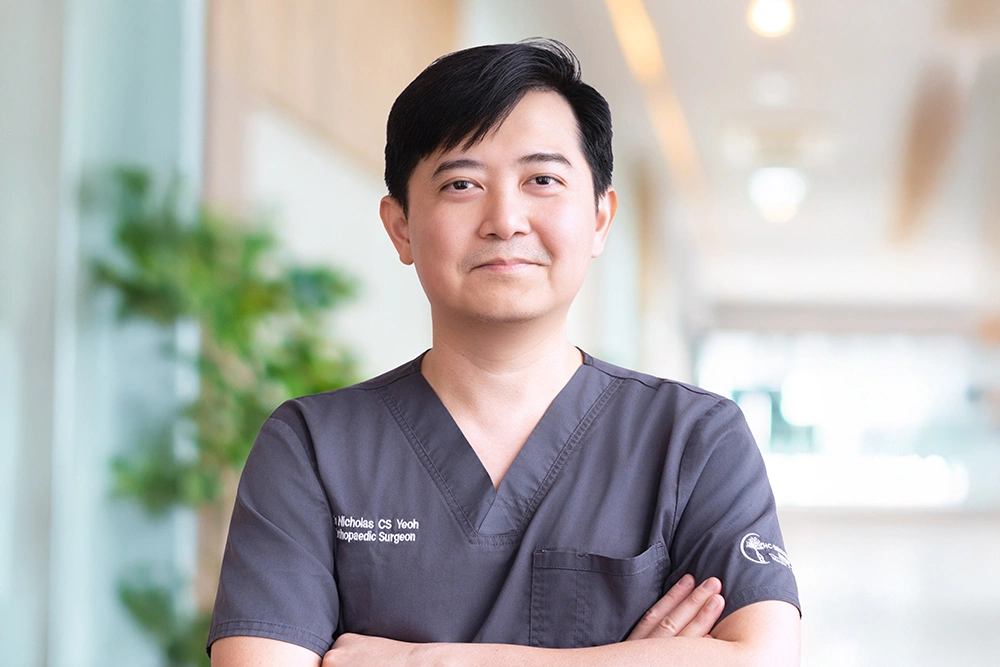
Dr Nicholas Yeoh
Senior Consultant Orthopaedic Surgeon
MBChB (Edinburgh), MRCS (Edinburgh), MMed (Orthopaedic Surgery), FRCS (Edinburgh)
Dr Nicholas Yeoh is an MOH-accredited orthopaedic specialist and Fellow of the Royal College of Surgeons of Edinburgh. Fellowship-trained in hip and knee reconstruction in Sydney under the MOH HMDP scholarship, he specialises in minimally invasive joint replacement, robotic surgery and advanced techniques that enhance recovery and surgical outcomes.
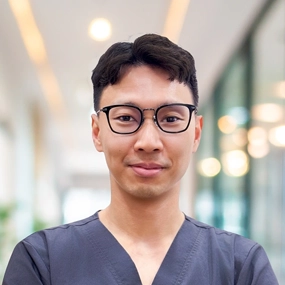
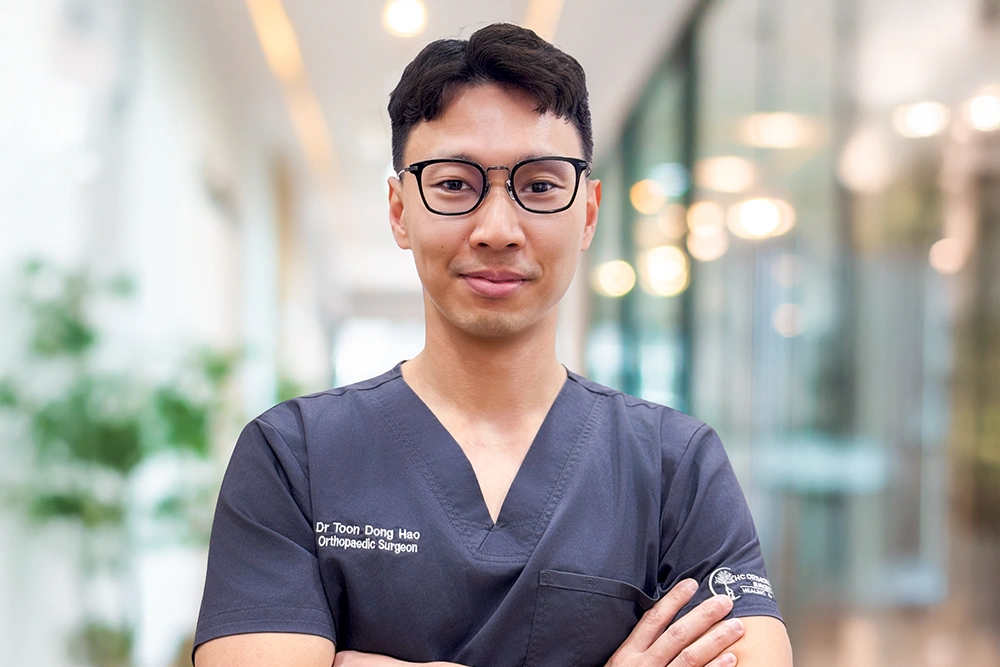
Dr Toon Dong Hao
Senior Consultant Orthopaedic Surgeon
MBChB (Leeds), MRCS (Edinburgh), MMed (Orthopaedic Surgery), FRCS (Edinburgh)
Dr Toon Dong Hao is a skilled orthopaedic surgeon and Fellow of the Royal College of Surgeons of Edinburgh. Fellowship-trained in Advanced Shoulder and Elbow Surgery in Sydney under the MOH HMDP scholarship, Dr Toon specialises in sports injuries, arthroscopic surgery and complex shoulder, elbow and knee procedures to restore function and mobility.
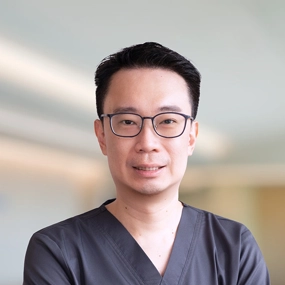
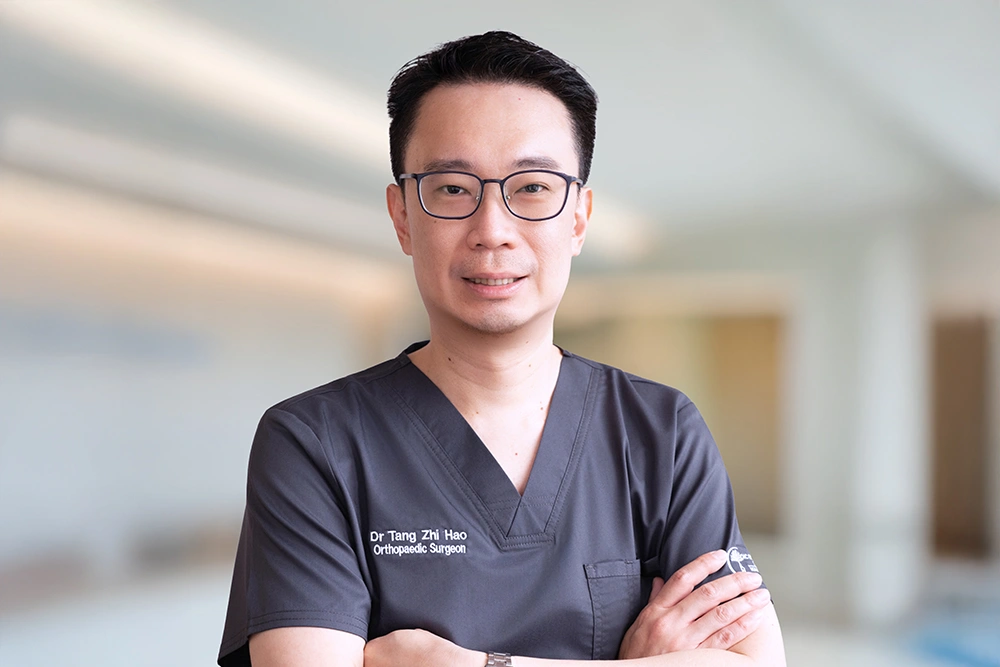
Dr Tang Zhi Hao
Senior Consultant Orthopaedic Surgeon
MBBS (S’pore), MRCS (Edinburgh), MMed (Orthopaedic Surgery), FRCS (Edinburgh)
Dr Tang Zhi Hao is a fellowship-trained orthopaedic surgeon specialising in foot and ankle conditions. He completed his Foot and Ankle Surgery fellowship at Severance Hospital, Yonsei University Health System in Seoul under Professor Jin Woo Lee. Prior to private practice, he served as Consultant and Deputy Head of Orthopaedics at Khoo Teck Puat Hospital.