


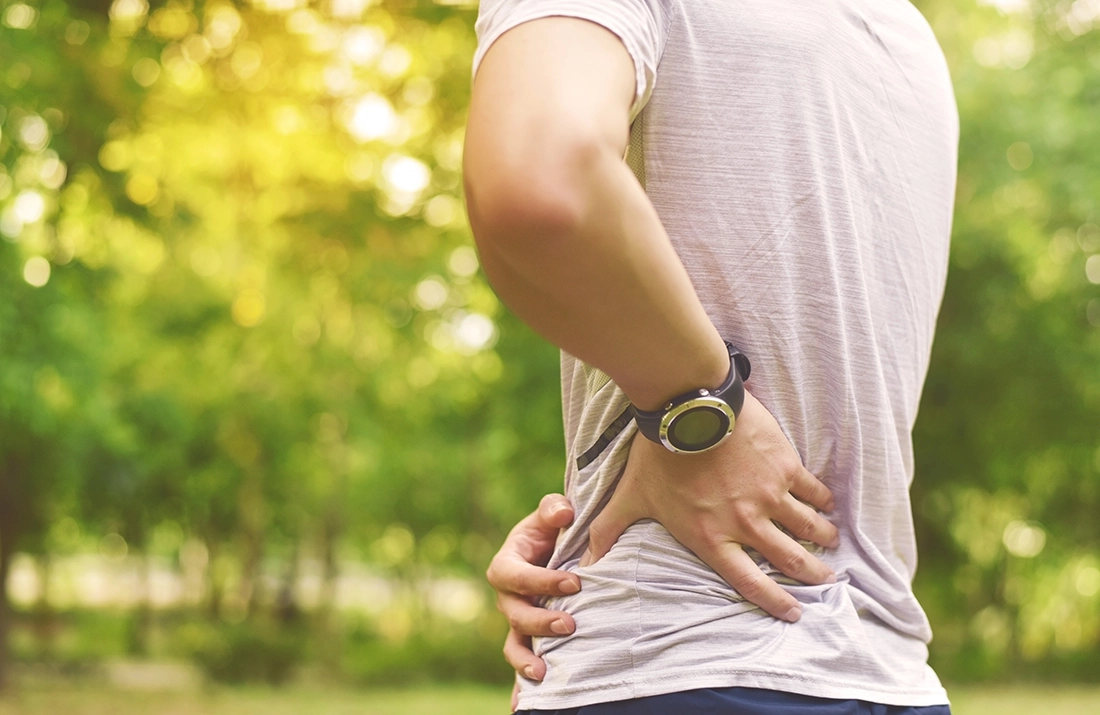
Hip pain during walking or sitting may be caused by a wide range of conditions, from mild muscle strain to more serious joint or tendon problems. Symptoms can vary depending on the underlying issue and may include stiffness, weakness, reduced flexibility, or pain that worsens with activity.
Because the hip plays an important role in movement and weight-bearing, persistent discomfort should not be ignored. Understanding the common causes of hip pain may help guide appropriate treatment and recovery.
Key Takeaways
- Hip pain when walking or sitting may be caused by muscle strain, arthritis, bursitis, tendon injuries, or nerve-related conditions.
- Symptoms such as stiffness, reduced mobility, clicking sensations, or pain that worsens with movement may help identify the underlying cause.
- Mild hip pain may improve with rest, posture adjustments, stretching exercises, and reducing activities that place excessive strain on the joint.
- Persistent or worsening hip pain should not be ignored, especially if it affects walking, sitting, sleep, or daily activities.
- Early medical evaluation may help identify the cause of hip pain and support more effective treatment and recovery.
What Causes Hip Pain When Walking or Sitting?
Hip pain when walking or sitting may develop due to inflammation, overuse injuries, joint wear and tear, muscle strain, or conditions affecting the surrounding nerves and soft tissues. The exact cause often depends on where the pain is felt and whether symptoms worsen during movement, prolonged sitting, or physical activity.
Hip Bursitis
Hip bursitis occurs when the fluid-filled sacs that cushion the hip joint become inflamed. This condition is commonly linked to repetitive movement, prolonged pressure on the hip, or overuse injuries.
Common symptoms include:
- Pain on the outer side of the hip
- Pain that worsens when walking or climbing stairs
- Tenderness when lying on the affected side
- Discomfort after sitting for long periods
Arthritis
Arthritis affecting the hip joint can lead to inflammation, stiffness, and gradual joint degeneration over time. Osteoarthritis is one of the most common causes of hip pain in older adults.
Common symptoms include:
- Joint stiffness, especially in the morning
- Pain during walking or standing
- Reduced range of motion
- Difficulty sitting or getting up comfortably
Muscle or Tendon Strain
Strained muscles or tendons around the hip may develop from sports injuries, overuse, or sudden increases in physical activity.
Common symptoms include:
- Aching or pulling pain around the hip
- Pain that worsens with movement
- Muscle tightness or weakness
- Discomfort after exercise or prolonged activity
Hip Labral Tear
A hip labral tear involves damage to the cartilage surrounding the hip socket. It may occur due to sports injuries, repetitive movements, or structural abnormalities in the hip joint.
Common symptoms include:
- Deep hip or groin pain
- Clicking or locking sensations
- Stiffness or instability
- Pain during walking or sitting
Sciatica or Nerve Irritation
Nerve irritation affecting the lower back or pelvis can sometimes cause pain that radiates into the hip and leg. Sitting for long periods may worsen symptoms in some individuals.
Common symptoms include:
- Burning or shooting pain
- Tingling or numbness
- Pain radiating down the leg
- Weakness or discomfort when sitting for extended periods
How Can You Relieve Hip Pain at Home?
Mild hip pain may improve with rest, activity modification and reducing strain on the hip joint. However, the most effective treatment often depends on the underlying cause and whether symptoms are linked to inflammation, overuse or joint-related conditions.
Resting the affected hip and avoiding activities that worsen symptoms can help reduce irritation and inflammation. High-impact exercise, prolonged walking or repetitive movements may place additional stress on the hip and surrounding muscles.
Applying ice after activity may help reduce swelling and discomfort, while heat therapy can sometimes relieve stiffness and muscle tightness. Some people may benefit from alternating between both depending on their symptoms.
Improving sitting posture and avoiding prolonged periods of sitting may also help reduce pressure around the hips and lower back. Using supportive seating and changing positions regularly can minimise stiffness during the day.
Gentle stretching and strengthening exercises may improve flexibility and muscle support around the hip joint over time. Maintaining a healthy weight may also reduce stress placed on the hips during walking and other daily activities.
When Should You See a Doctor for Hip Pain?
While mild hip pain may improve with rest and activity modification, persistent or worsening symptoms should not be ignored. Some conditions affecting the hip joint, surrounding muscles or nerves may become more difficult to treat if left unmanaged over time.
You should consider seeking medical attention if:
- Hip pain persists despite rest or home treatment
- Walking, standing, or sitting becomes increasingly difficult
- You experience stiffness or reduced range of motion
- The pain affects sleep or daily activities
- You notice clicking, locking, or instability in the hip
- Symptoms develop after a fall, sports injury, or sudden movement
- Numbness, tingling, or weakness occurs in the hip or leg
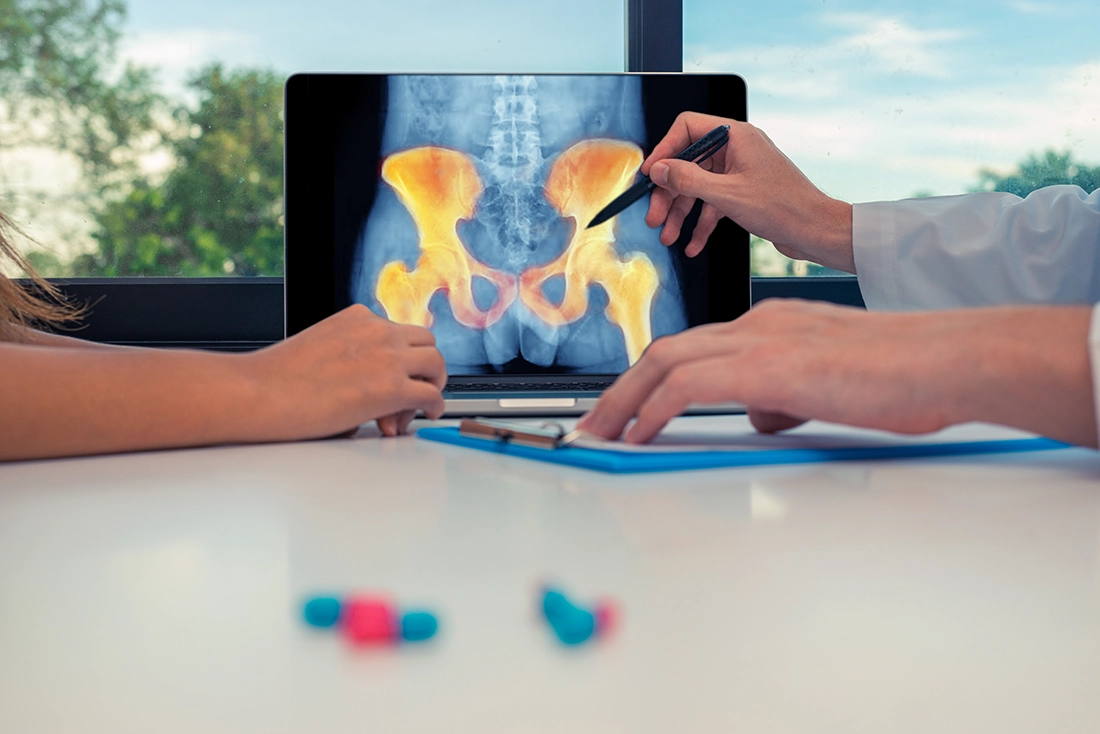
Medical evaluation may include a physical examination, imaging tests such as X-rays or MRI scans, and an assessment of how the hip moves during walking and other activities. Identifying the underlying cause early may help prevent further joint damage and support more effective treatment outcomes.
Getting Personalised and Professional Care for Hip Pain
Hip pain when walking or sitting can range from mild muscle strain to more serious joint or tendon conditions that affect mobility and daily activities. While some cases improve with rest and activity modification, persistent or worsening symptoms should be assessed early to help prevent further complications. Seeking timely medical evaluation may help identify the underlying cause and support a more effective recovery plan.
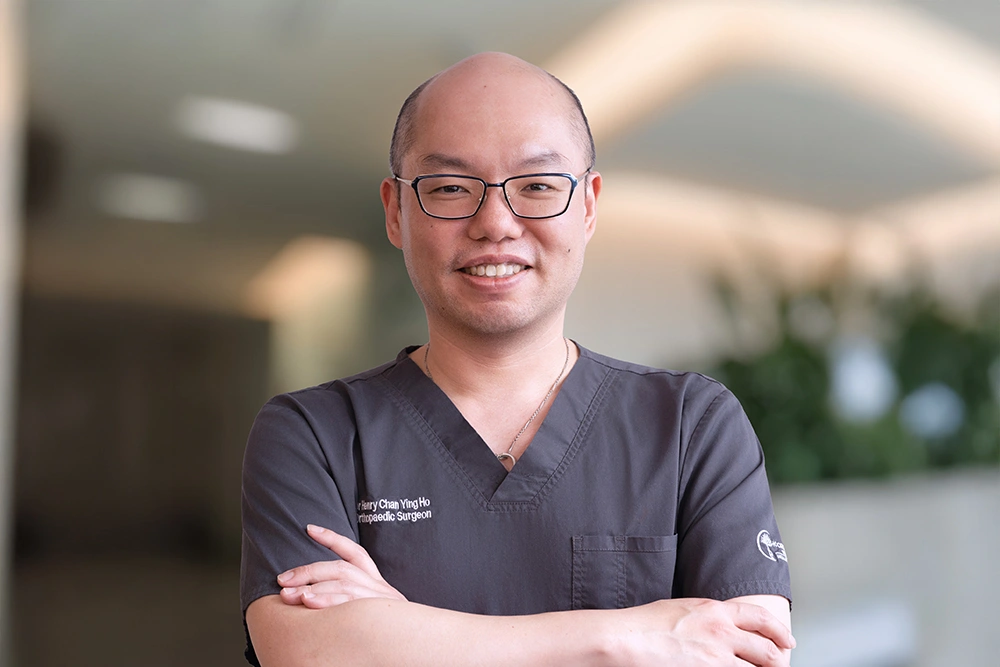
At HC Orthopaedic Surgery, patients receive comprehensive care for hip pain, sports injuries, and other orthopaedic conditions that affect movement and daily activities. The team, comprising Dr Henry Chan, Dr Nicholas Yeoh, Dr Toon Dong Hao, and Dr Tang Zhi Hao, provides individualised treatment plans tailored to each patient’s condition, lifestyle and recovery goals. With experience in both non-surgical management and modern surgical techniques, including minimally invasive and muscle-sparing procedures where appropriate, care is focused on improving mobility, relieving pain, and supporting long-term recovery. If hip pain is affecting your ability to walk, sit comfortably, or stay active, seeking early specialist assessment may help prevent symptoms from worsening.
When to Seek Specialist Care for Pickleball Injuries

When to Seek Specialist Care for Pickleball Injuries

Our Specialised Team
At HC Orthopaedic Surgery, sports injury care is provided by Dr Henry Chan, Dr Nicholas Yeoh, Dr Toon Dong Hao and Dr Tang Zhi Hao. The team manages a wide range of sports-related conditions, including ligament injuries, tendon problems, joint pain and overuse injuries, with treatment plans tailored to each patient’s activity level and recovery goals. From non-surgical care to advanced surgical treatment where necessary, care is focused on supporting safe recovery and long-term mobility. If your symptoms are not improving or are affecting your ability to stay active, arrange a specialist consultation for a detailed assessment and personalised treatment plan.
Frequently Asked Questions (FAQs) About Hip Pain
Should I exercise if my hip hurts?
Can hip pain affect one side more than the other?
How long does hip pain take to heal?
Meet Our Sports Injury Specialists in Singapore
Dr Henry Chan
Medical Director & Senior Consultant Orthopaedic Surgeon
MBBS (S’pore), MRCS (Edinburgh), MMed (Orthopaedic Surgery), FRCS (Edinburgh)
Dr Nicholas Yeoh
Senior Consultant Orthopaedic Surgeon
MBChB (Edinburgh), MRCS (Edinburgh), MMed (Orthopaedic Surgery), FRCS (Edinburgh)
Dr Toon Dong Hao
Senior Consultant Orthopaedic Surgeon
MBChB (Leeds), MRCS (Edinburgh), MMed (Orthopaedic Surgery), FRCS (Edinburgh)
Dr Tang Zhi Hao
Senior Consultant Orthopaedic Surgeon
MBBS (S’pore), MRCS (Edinburgh), MMed (Orthopaedic Surgery), FRCS (Edinburgh)