

It is Not Just about Wearing a Cast
Fractures occur when the bones break due to a huge force exerted on them. Anyone can get them but young children and the elderly are especially vulnerable as their bones are brittle. It is also a common form of sports injury for athletes due to the high impact nature of their activity.
Whichever the case, fractures are a serious injury that requires immediate medical attention from an orthopaedic clinic. The doctors will reset them back to position or may perform surgery. After that, time must be taken for recovery as it is equally important as treating the bones. We will show what you should do in order to have a speedy recovery from your fracture.
Stages of Healing
But before going to the recovery, you should know what are the stages of healing from a bone fracture. Your injury may be in a cast but inside, your body is doing all the work to connect all the bones back. The stages can vary depending on the severity of your injury but generally there are three stages.
Inflammation Stage
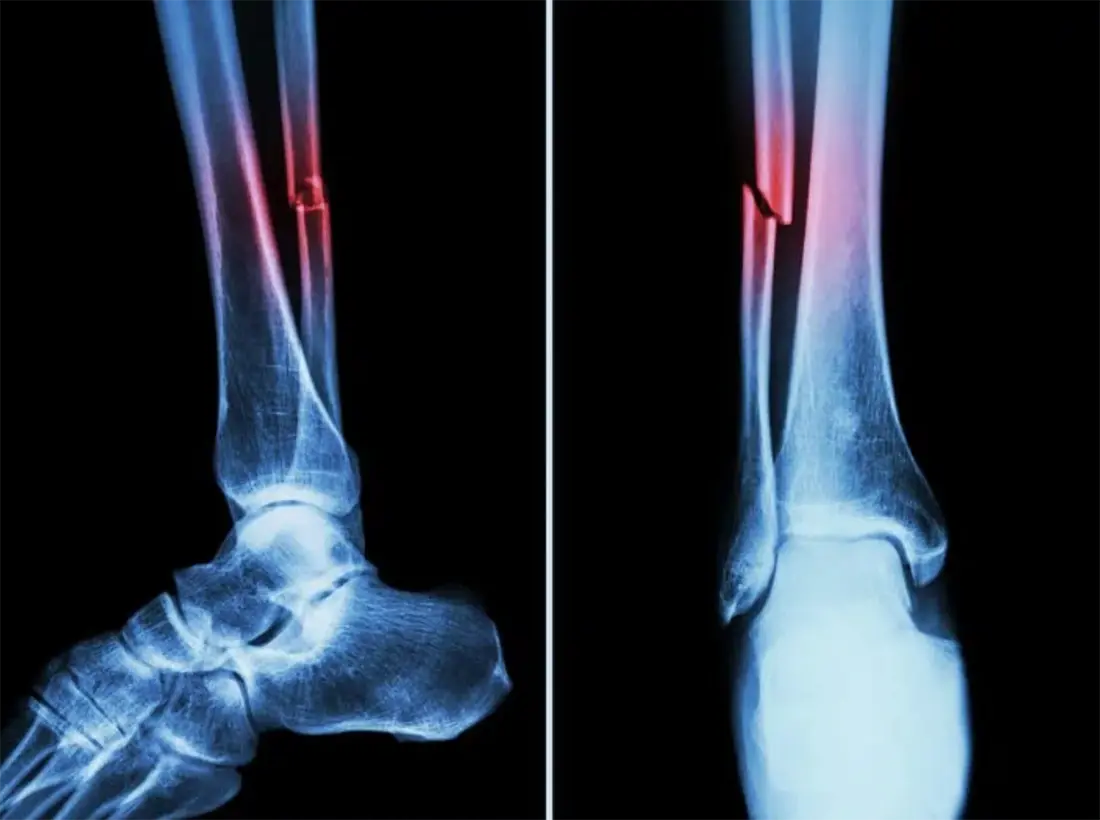
This is the first and immediate stage after a fracture has occurred. When the bones break, the blood vessels inside the bone also break. This leads to blood to clot around the broken bone which leads to swelling in that area. At the same time, this signals the body to produce more bone and cartilage cells to start repairing the broken area. Dead bone cells around the fractured area are reabsorbed back into the body. The inflammation stage lasts around a couple of days.
Reparative Stage
The second stage is the reparative stage. After your doctor has reset the bones back together, healing takes place. Your body will continue producing bone cells and cartilage cells around the fracture. Like how you would wear a cast on the outside, these cells create a ‘cast’ around the bone known as a soft callus which gets harder over a period of time. During this healing process, blood vessels are being reformed and the bone cells will continuously create new bone tissue over the fracture. The reparative stage lasts around a couple of weeks.
Remodeling Stage
This is the final stage. This is when all the callus and bone cells have been weaved into a solid piece of bone. The bones will adjust and condition themselves with the amount of load they have to bear. Internally, the bones may have a bump at the part where the fracture occurred but over time, it will become smoother and be back to looking normal. This stage takes the longest ranging from months to years.
How to Care for Your Fracture
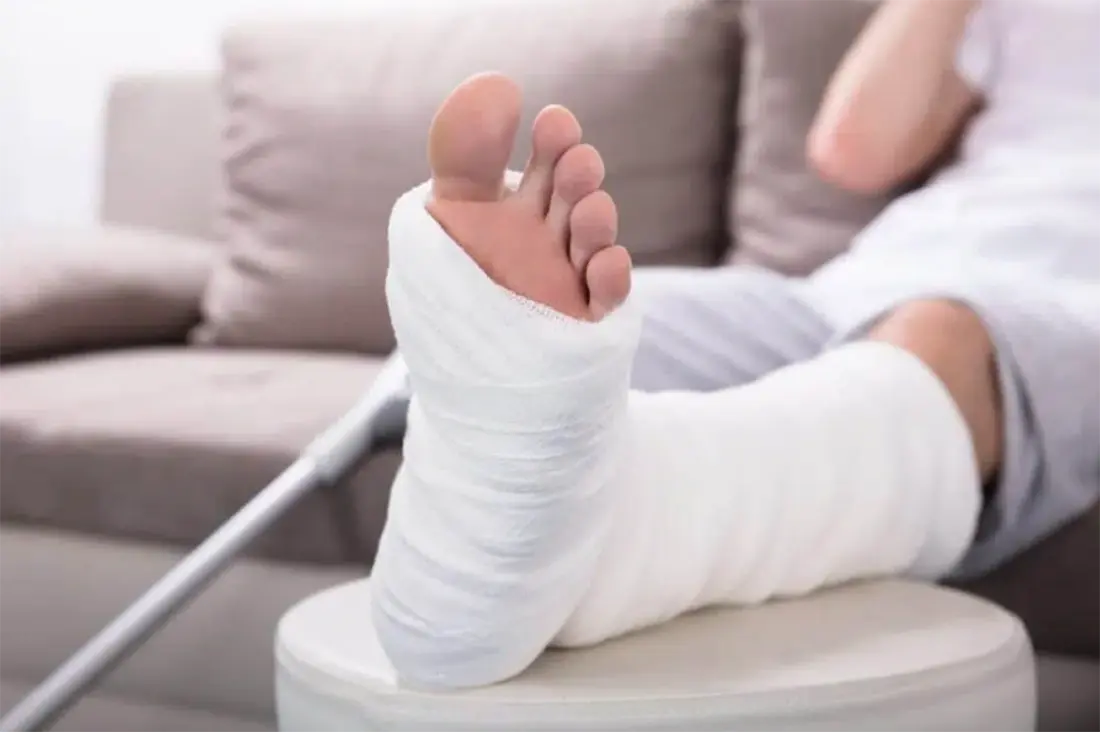
Usually when your fracture has been assessed and reset, you may need to wear a cast to prevent unnecessary movement of the bones. This ensures that fracture is swiftly mended during the reparative stage. Depending on your injury, you could wear a removable cast or a plaster cast. Serious injuries would need to have metal fixings either internally on the bone or externally to keep the bones in place.
In order for the bones to heal properly in the first few weeks, you need to change your lifestyle. You may need to keep movement to a minimum and avoid bearing weight on the affected area. This is because the fracture is still soft; unnecessary movement may hinder healing or even cause complications to arise. If you have osteoporosis, the fracture may take a longer time to heal. Seek help if you need additional assistance in performing your daily activities. It also helps to keep the area around the cast clean so that you do not have to deal with bacteria infection. If the cast is rubbing against your skin, you can put some moisturiser to lubricate the area. If you wear a removable cast, be gentle when cleaning the affected area.
To supplement healing, a healthy diet is key for recovery. You should consume more calcium and vitamin D so that the bones have enough minerals to keep forming new bone cells. Also, you need to take enough protein as bones and muscles are largely made up of it. Protein is also needed to form up the callus too. You can talk to your doctor if you need additional supplements for healing.
Physiotherapy

As expected, after weeks and months of being immobilised, the area affected by the fracture will be stiff and weak. This is because of the loss of muscle mass and bone strength due to the lack of movement. Thus in order to regain back your normal strength, you need to work out the bones and muscles through physical therapy.
You need to follow the advice given by your doctor so that you do not injure yourself again. Usually, you will start to bear a bit of weight on the affected area through prescribed exercise. Over time, the amount of weight to bear increases. Depending on your injury, you may need wear or use assistive devices to help in your mobility, like crutches for your leg fractures. Your doctor will assess your rate of recovery by checking on the injury and how you are moving. Your orthopaedic clinic would recommend a rehabilitation centre for you to do specialised exercises there. Otherwise, you can do those exercises at home.
It is normal to feel a bit of pain and weakness in the affected area as your bones are not used to the movement after a long time. However, you need to continue to do regular physical therapy so that you can regain your bone strength. Your therapist may also do massages around the area to promote blood circulation and to stretch out the muscles.
Recovery is as important as treating your fracture as you would to regain your strength as soon as possible. Contact us here for enquiries or make an appointment with us and we will tell you the best course of action for you.
Meet Our Specialist Team
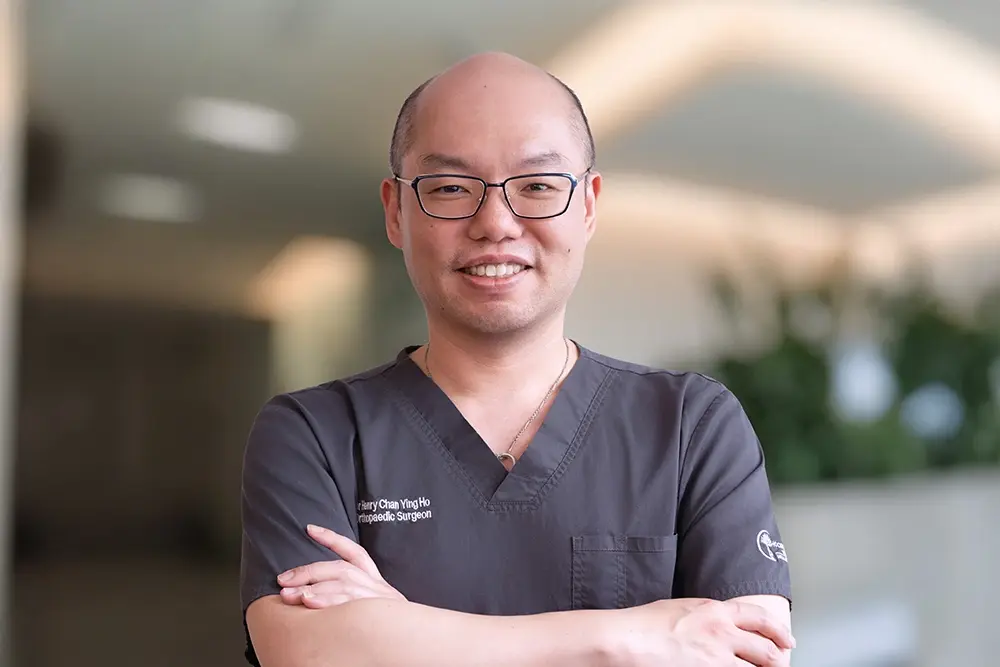
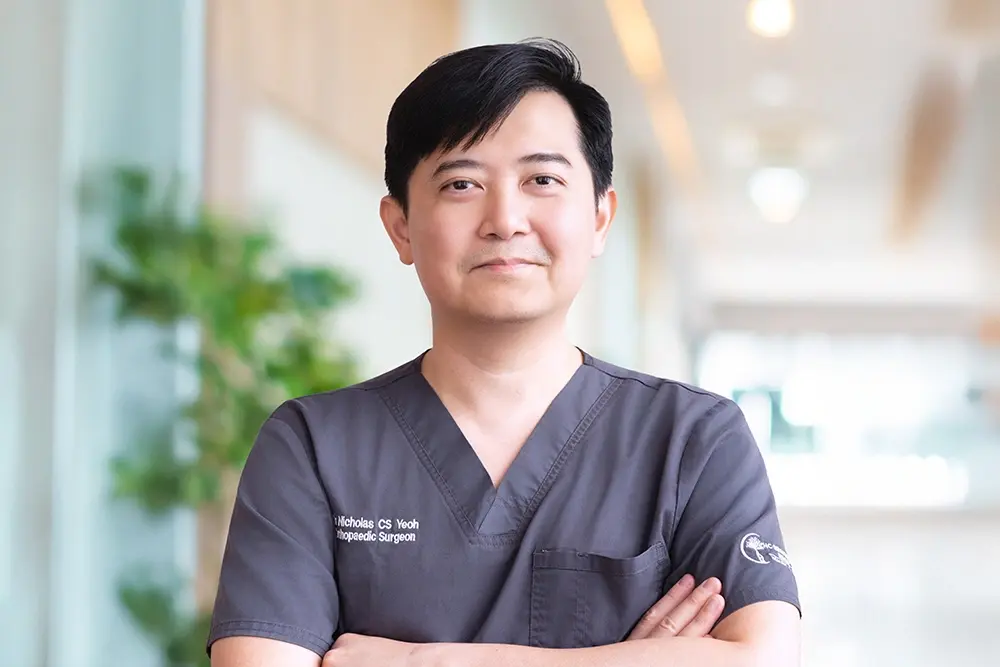
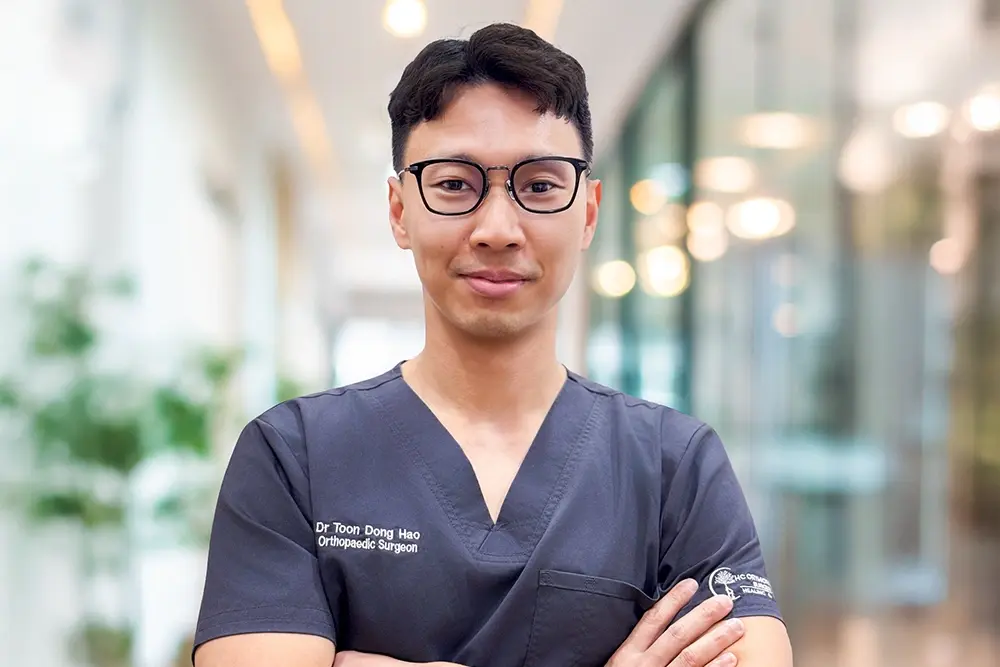
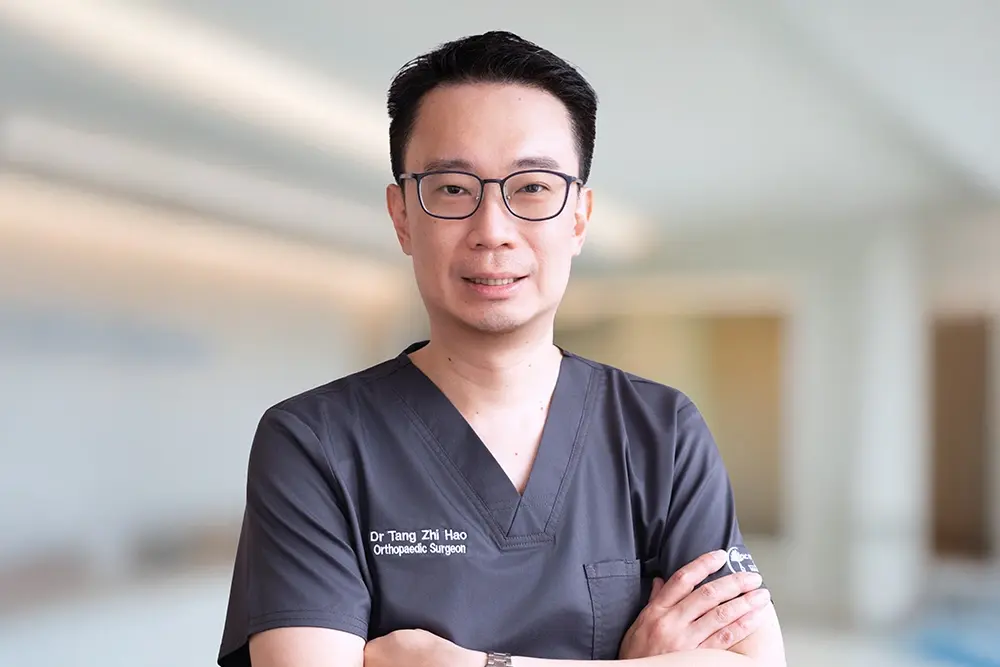
Our team comprises Dr Henry Chan, Dr Nicholas Yeoh, Dr Toon Dong Hao, and Dr Tang Zhi Hao — experienced orthopaedic surgeons with subspecialty experience and a patient-centred approach to care.
Dr Henry Chan
Medical Director & Senior Consultant Orthopaedic Surgeon
MBBS (S’pore), MRCS (Edinburgh), MMed (Orthopaedic Surgery), FRCS (Edinburgh)
Dr Henry Chan is an experienced orthopaedic surgeon specialising in joint replacement and complex revision surgery. Trained at the renowned Helios Endo-Klinik in Germany under the MOH HMDP scholarship, he has performed over 1,000 joint replacements and specialises in computer-assisted and robotic joint replacement techniques for precise outcomes.
Dr Nicholas Yeoh
Senior Consultant Orthopaedic Surgeon
MBChB (Edinburgh), MRCS (Edinburgh), MMed (Orthopaedic Surgery), FRCS (Edinburgh)
Dr Nicholas Yeoh is an MOH-accredited orthopaedic specialist and Fellow of the Royal College of Surgeons of Edinburgh. Fellowship-trained in hip and knee reconstruction in Sydney under the MOH HMDP scholarship, he specialises in minimally invasive joint replacement, robotic surgery and advanced techniques that enhance recovery and surgical outcomes.
Dr Toon Dong Hao
Senior Consultant Orthopaedic Surgeon
MBChB (Leeds), MRCS (Edinburgh), MMed (Orthopaedic Surgery), FRCS (Edinburgh)
Dr Toon Dong Hao is a skilled orthopaedic surgeon and Fellow of the Royal College of Surgeons of Edinburgh. Fellowship-trained in Advanced Shoulder and Elbow Surgery in Sydney under the MOH HMDP scholarship, Dr Toon specialises in sports injuries, arthroscopic surgery and complex shoulder, elbow and knee procedures to restore function and mobility.
Dr Tang Zhi Hao
Senior Consultant Orthopaedic Surgeon
MBBS (S’pore), MRCS (Edinburgh), MMed (Orthopaedic Surgery), FRCS (Edinburgh)
Dr Tang Zhi Hao is a fellowship-trained orthopaedic surgeon specialising in foot and ankle conditions. He completed his Foot and Ankle Surgery fellowship at Severance Hospital, Yonsei University Health System in Seoul under Professor Jin Woo Lee. Prior to private practice, he served as Consultant and Deputy Head of Orthopaedics at Khoo Teck Puat Hospital.
