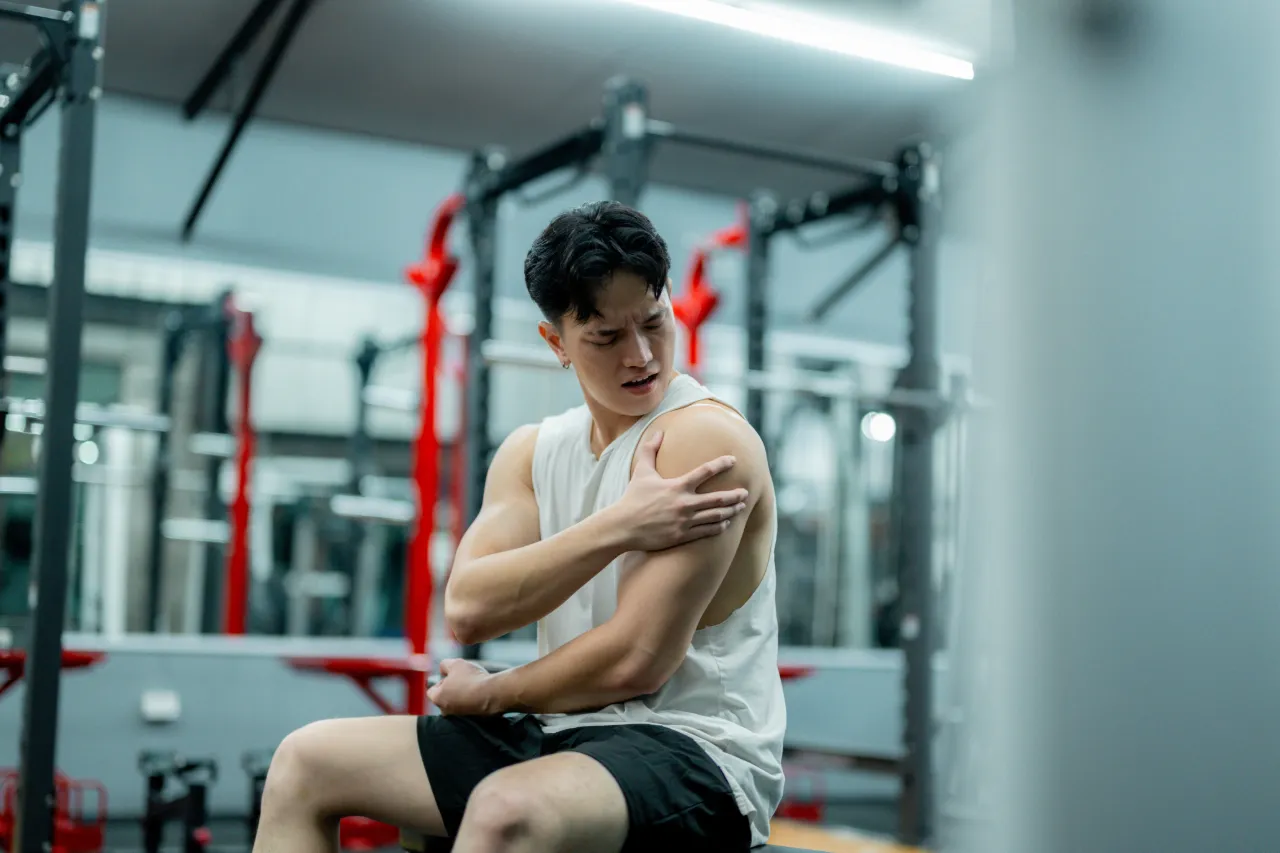
Shoulder pain can make even simple movements, such as reaching for a shelf, getting dressed or lifting groceries, uncomfortable. One common cause is a rotator cuff injury, which affects the muscles and tendons that help stabilise and move the shoulder. While these injuries are often associated with surgery, many can be managed successfully without an operation.
The most appropriate treatment varies from person to person. While some patients recover with physiotherapy and other conservative measures, others may benefit from rotator cuff repair surgery to restore shoulder strength and function.
When Should You See a Specialist for a Rotator Cuff Injury?
Not every rotator cuff injury requires surgery, but persistent shoulder pain or weakness should not be ignored. Early assessment helps determine the cause of your symptoms, identify the severity of the injury and establish whether conservative treatment is likely to be sufficient or whether surgery should be considered.
You should arrange a specialist assessment if you experience:
- Shoulder pain that persists despite several weeks of rest or conservative treatment.
- Significant weakness or difficulty lifting your arm overhead.
- Pain following a fall, heavy lifting or another traumatic shoulder injury.
- Shoulder pain that regularly disrupts your sleep.
- Reduced shoulder movement that affects work, sport or everyday activities.
- Difficulty returning to overhead sports or physically demanding activities because of ongoing shoulder symptoms.
Following a comprehensive assessment, your specialist will determine whether your injury is likely to improve with rehabilitation or whether rotator cuff surgery may provide a better long-term outcome.
How Do Specialists Decide Whether Rotator Cuff Surgery Is Needed?
The decision to recommend rotator cuff surgery is based on more than the presence of a tendon tear. Your shoulder specialist considers how the injury affects your shoulder function, the likelihood of healing without surgery and whether delaying repair could affect your long-term recovery.
Assessment and Imaging
Your consultation begins with a discussion about your symptoms, including when they started, whether they followed an injury and how they affect your daily activities. Your specialist will also examine your shoulder to assess movement, strength and areas of tenderness.
Imaging tests such as ultrasound or MRI scans may be recommended to confirm the diagnosis and assess the size and location of the tear. These findings are interpreted alongside your symptoms and physical examination, as imaging changes do not always correlate with pain or loss of function.
Type and Severity of the Injury
The type of rotator cuff injury plays an important role in determining whether surgery is likely to be beneficial.
Tendinitis, tendinopathy and some small partial-thickness tears often respond well to conservative treatment. Larger partial tears or full-thickness tears are more likely to require surgical consideration, particularly if the tendon has detached significantly or the tear is at risk of progressing.
Shoulder Strength and Function
Pain alone does not determine whether surgery is needed. Some patients experience considerable pain despite relatively minor tendon damage, while others have larger tears but notice more weakness than discomfort.
Your specialist will assess how well your shoulder functions, including your ability to lift the arm, perform overhead movements and carry out everyday activities. Significant weakness or loss of shoulder function may indicate that surgery is more likely to restore strength and mobility.
Response to Conservative Treatment
Many rotator cuff injuries improve with physiotherapy, activity modification and other non-surgical treatments. For this reason, surgery is often considered only after an appropriate course of conservative management has not provided sufficient improvement.
If pain, weakness or reduced shoulder function continue to limit your daily activities despite rehabilitation, surgery may offer a better opportunity to restore shoulder function.
Lifestyle and Activity Demands
Your occupation, sporting activities and recovery goals also influence treatment recommendations. Someone whose work involves frequent overhead lifting or who wishes to return to overhead sports may place greater demands on the shoulder than someone with lower physical requirements.
For this reason, treatment recommendations are based not only on the injury itself, but also on the level of shoulder function you need to return to
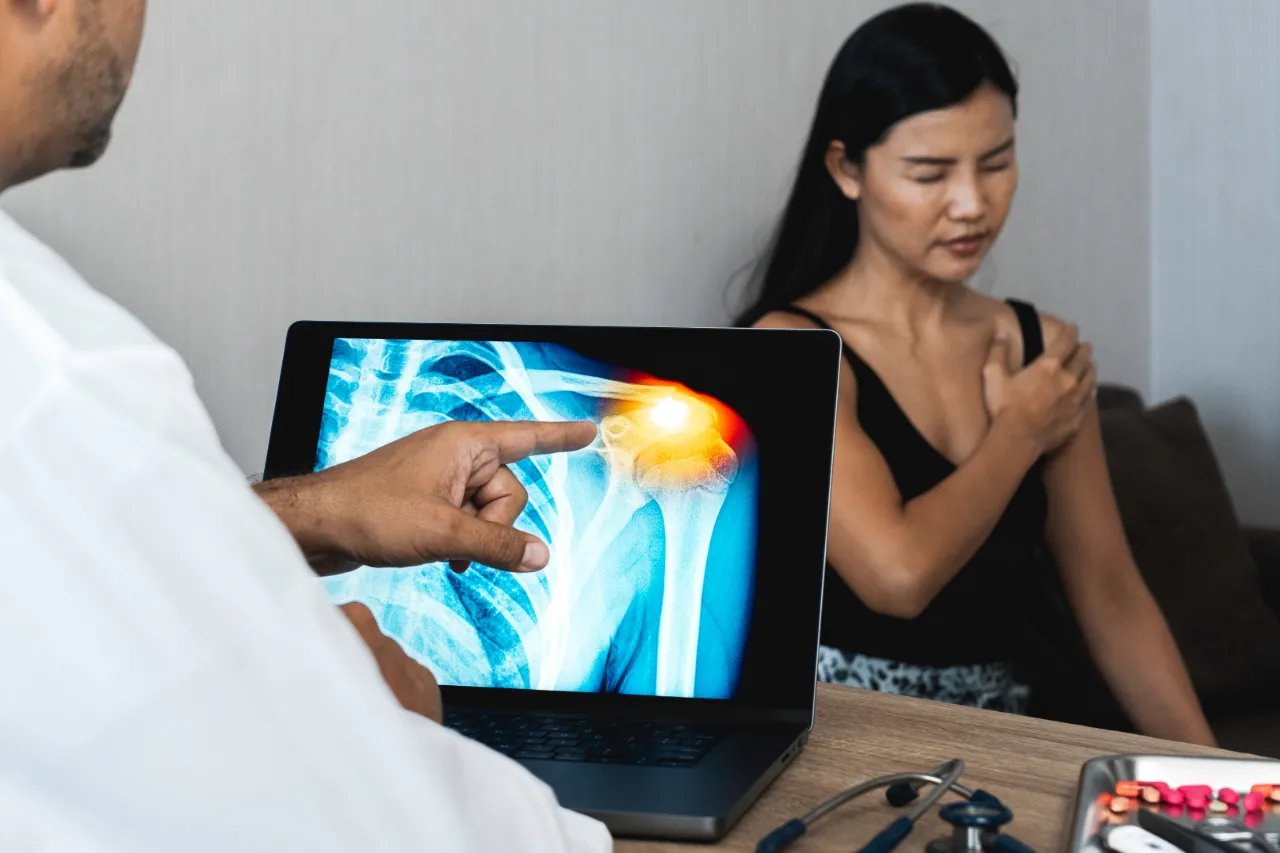
Rotator Cuff Treatment Options
Once your injury has been assessed, your specialist will recommend either non-surgical treatment or rotator cuff repair surgery based on the characteristics of the tear, your shoulder function and your recovery goals.
Non-Surgical Treatment
Non-surgical treatment is often recommended for tendinitis, tendinopathy, smaller tears and injuries where shoulder strength remains relatively well preserved.
Non-surgical treatment may include:
- Physiotherapy to improve shoulder strength and movement.
- Activity modification to reduce strain on the injured tendon.
- Pain relief or anti-inflammatory medication where appropriate.
- Corticosteroid injections in selected patients to help reduce pain and inflammation.
Many patients experience significant improvement with a structured rehabilitation programme and do not require surgery.
When Rotator Cuff Surgery May Be Recommended
Rotator cuff surgery may be recommended when conservative treatment is unlikely to restore satisfactory shoulder function or when delaying repair could reduce the likelihood of successful tendon healing.
Your orthopaedic specialist may discuss surgery if you have:
- A full-thickness rotator cuff tear.
- A traumatic tear following a fall or other injury.
- Persistent pain despite an appropriate course of conservative treatment.
- Significant weakness or loss of shoulder function.
- A large tear that is likely to progress over time.
- Work or sporting demands that require good shoulder strength and stability.
Your specialist will consider your symptoms, shoulder function, imaging findings and recovery goals before recommending whether surgery is the most appropriate treatment approach.
What to Expect If Rotator Cuff Surgery Is Recommended
If rotator cuff surgery is recommended, understanding the treatment process can help you prepare for recovery. While every patient's rehabilitation programme is individualised, treatment generally follows the same stages.
Before Surgery
Before your procedure, your orthopaedic specialist will ensure you are medically prepared for surgery. This may include:
- Reviewing your medical history, current medications and imaging results.
- Explaining the procedure, expected benefits and potential risks.
- Arranging pre-operative tests if required.
- Providing instructions on fasting and medication adjustments before surgery.
- Advising you on how to prepare for your recovery, including arranging transport home and assistance with daily activities if needed.
During Surgery
Rotator cuff repair is commonly performed using arthroscopic (keyhole) surgery, which uses several small incisions to access the shoulder joint. During the procedure, your surgeon may:
- Insert a small camera (arthroscope) to examine the shoulder joint.
- Repair the torn rotator cuff tendon.
- Reattach the tendon to the bone using suture anchors.
- Treat other shoulder conditions, such as removing inflamed tissue or bone spurs, if appropriate.
The procedure is usually performed under general anaesthesia, although your anaesthetist may also recommend a regional nerve block to help manage pain after surgery.
Recovery and Rehabilitation
Recovery is gradual and rehabilitation is an important part of achieving the best possible outcome. Following surgery, you can generally expect:
- Your arm to be supported in a sling for a period recommended by your surgeon.
- A structured physiotherapy programme that progresses from gentle movements to strengthening exercises.
- Regular follow-up appointments to monitor tendon healing and shoulder function.
- Guidance on when it is appropriate to resume activities such as driving, returning to work, exercising and participating in sports.
Recovery timelines vary depending on factors such as the size of the tear, the type of repair performed and your individual healing progress.
Specialist Treatment for a Rotator Cuff Injury

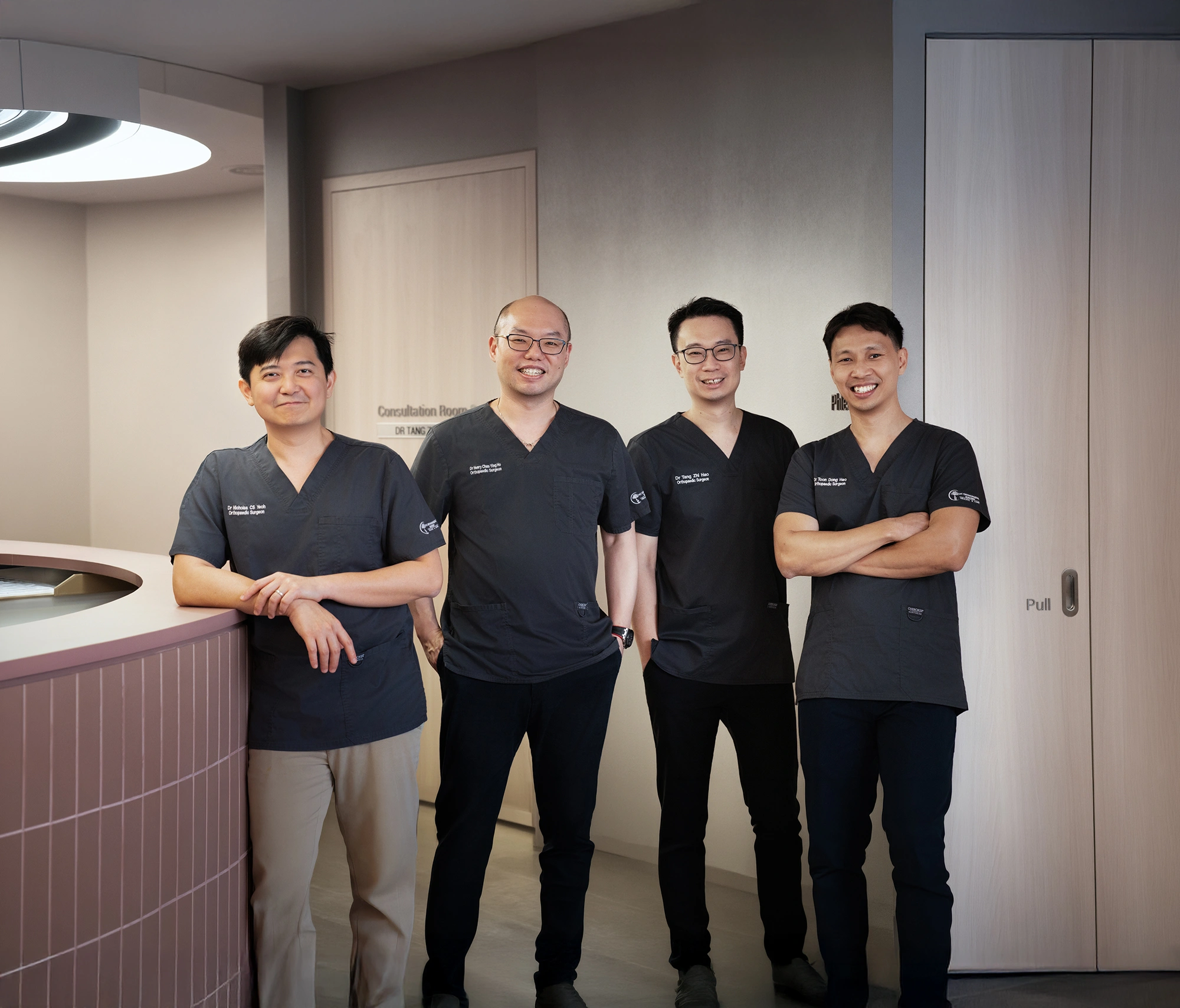
Our Specialised Team
FAQs About Rotator Cuff Surgery
Can a rotator cuff injury come back after treatment?
Can I continue exercising with a rotator cuff injury?
Is age a factor in deciding whether I need rotator cuff surgery?
What happens if a rotator cuff tear is left untreated?
Meet Our Rotator Cuff Specialists in Singapore
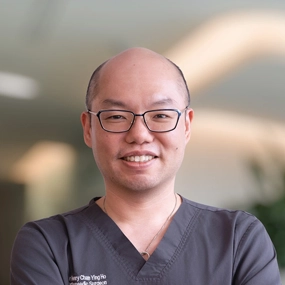
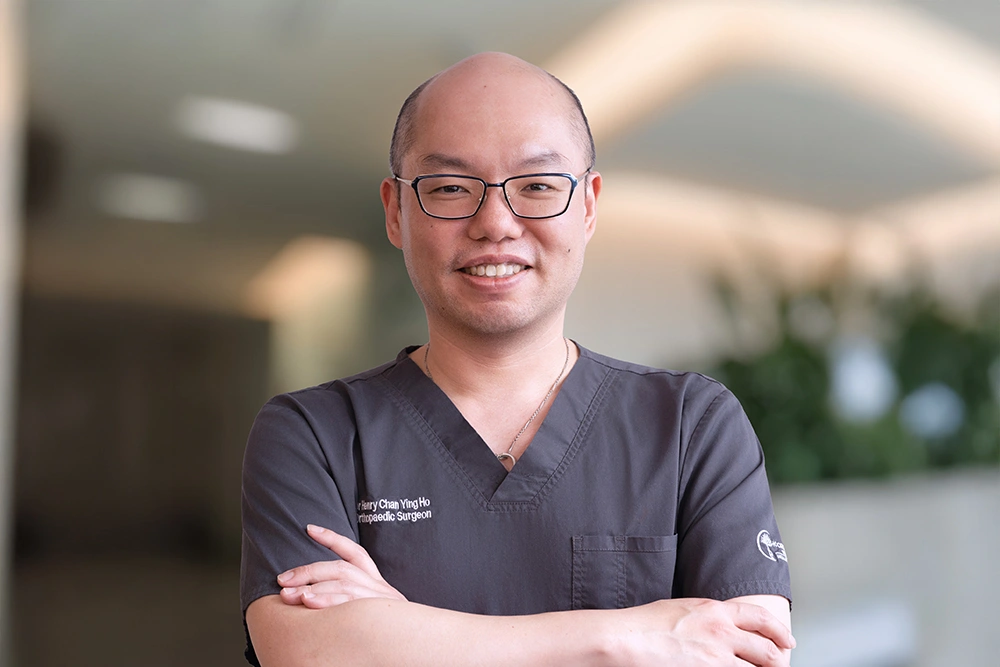
Dr Henry Chan
Medical Director & Senior Consultant Orthopaedic Surgeon
MBBS (S’pore), MRCS (Edinburgh), MMed (Orthopaedic Surgery), FRCS (Edinburgh)
Dr Henry Chan is an experienced orthopaedic surgeon specialising in joint replacement and complex revision surgery. Trained at the renowned Helios Endo-Klinik in Germany under the MOH HMDP scholarship, he has performed over 1,000 joint replacements and specialises in computer-assisted and robotic joint replacement techniques for precise outcomes.
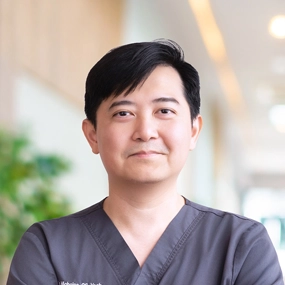
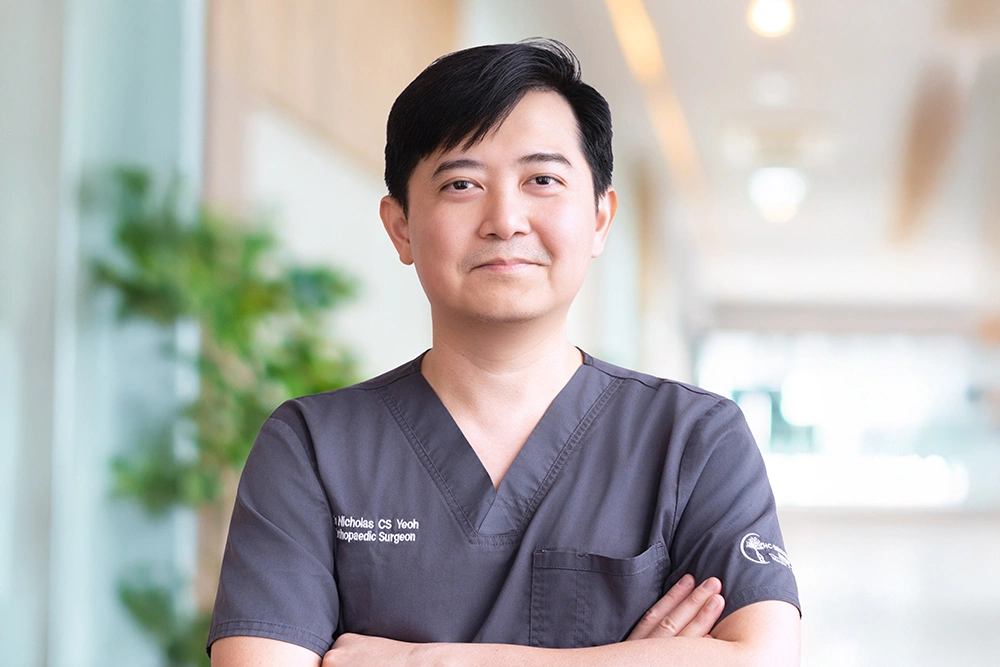
Dr Nicholas Yeoh
Senior Consultant Orthopaedic Surgeon
MBChB (Edinburgh), MRCS (Edinburgh), MMed (Orthopaedic Surgery), FRCS (Edinburgh)
Dr Nicholas Yeoh is an MOH-accredited orthopaedic specialist and Fellow of the Royal College of Surgeons of Edinburgh. Fellowship-trained in hip and knee reconstruction in Sydney under the MOH HMDP scholarship, he specialises in minimally invasive joint replacement, robotic surgery and advanced techniques that enhance recovery and surgical outcomes.
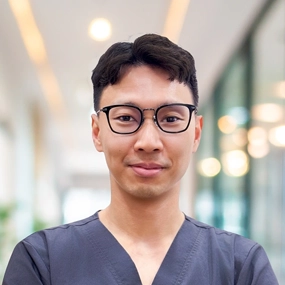
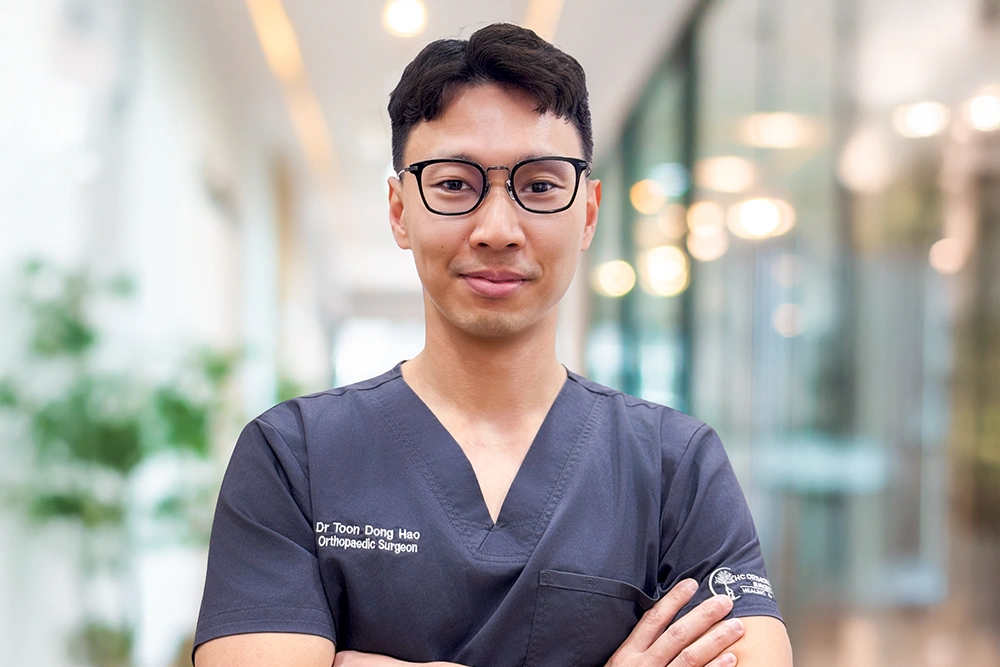
Dr Toon Dong Hao
Senior Consultant Orthopaedic Surgeon
MBChB (Leeds), MRCS (Edinburgh), MMed (Orthopaedic Surgery), FRCS (Edinburgh)
Dr Toon Dong Hao is a skilled orthopaedic surgeon and Fellow of the Royal College of Surgeons of Edinburgh. Fellowship-trained in Advanced Shoulder and Elbow Surgery in Sydney under the MOH HMDP scholarship, Dr Toon specialises in sports injuries, arthroscopic surgery and complex shoulder, elbow and knee procedures to restore function and mobility.
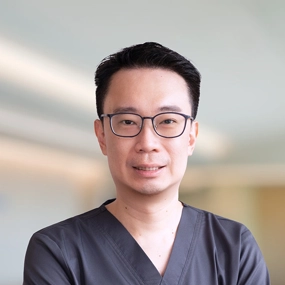
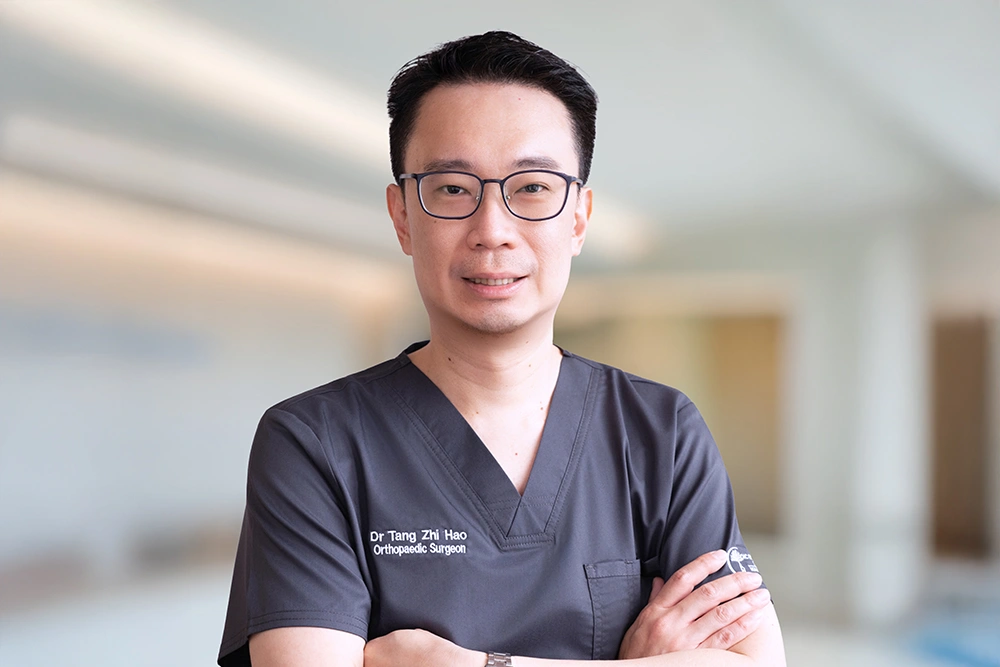
Dr Tang Zhi Hao
Senior Consultant Orthopaedic Surgeon
MBBS (S’pore), MRCS (Edinburgh), MMed (Orthopaedic Surgery), FRCS (Edinburgh)
Dr Tang Zhi Hao is a fellowship-trained orthopaedic surgeon specialising in foot and ankle conditions. He completed his Foot and Ankle Surgery fellowship at Severance Hospital, Yonsei University Health System in Seoul under Professor Jin Woo Lee. Prior to private practice, he served as Consultant and Deputy Head of Orthopaedics at Khoo Teck Puat Hospital.