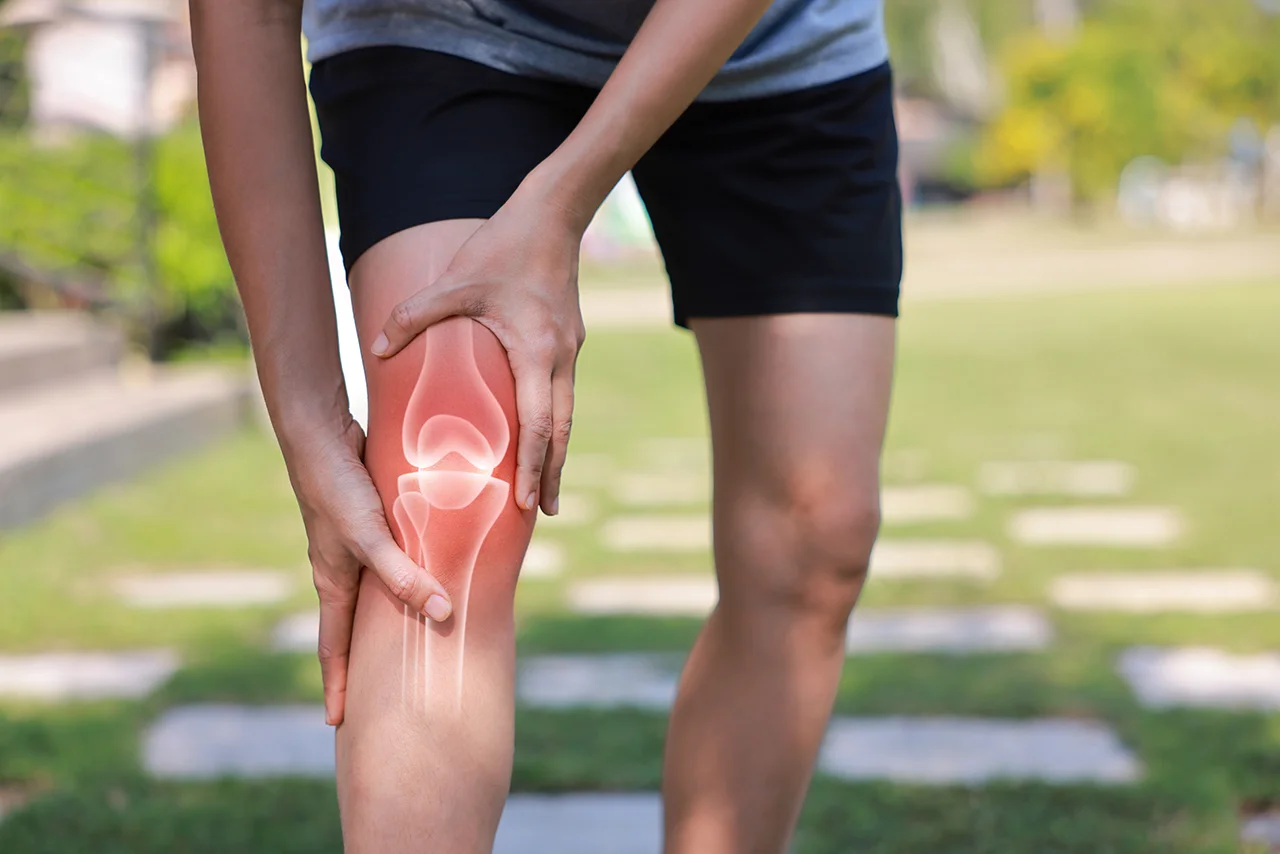
A knee that clicks occasionally or feels stiff after sitting for a while may not seem like a cause for concern. Perhaps the discomfort comes and goes, allowing you to continue exercising or carrying out your usual routine. It is easy to assume the problem will settle on its own, especially when the symptoms are not constant.
However, not every knee injury causes persistent pain. A meniscus tear can sometimes produce subtle or intermittent symptoms that gradually become more noticeable over time. Recognising these early signs can help you seek appropriate treatment before the injury begins to affect your mobility or daily activities.
What Are the Early Signs of a Meniscus Tear?
A meniscus tear does not always cause constant pain or obvious symptoms. Instead, you may notice certain problems only during specific movements or after prolonged activity, making the injury easy to overlook.
Clicking or Catching Sensations
A torn section of the meniscus can sometimes interfere with smooth knee movement. You may notice clicking, catching or a sensation that something is moving inside the joint, particularly when standing up, climbing stairs or changing direction.
Stiffness That Comes and Goes
Many people notice stiffness after sitting for long periods or first thing in the morning. The knee may loosen once you start moving, making it easy to believe the problem has resolved.
Mild Pain During Certain Activities
Pain from a meniscus tear is not always severe. It may only occur when squatting, kneeling, twisting or climbing stairs. Because symptoms often settle with rest, many people continue their normal routine despite the injury.
When Should Occasional Knee Symptoms Be Taken Seriously?
Not every episode of knee discomfort requires urgent treatment, but recurring symptoms should not be ignored simply because they are intermittent.
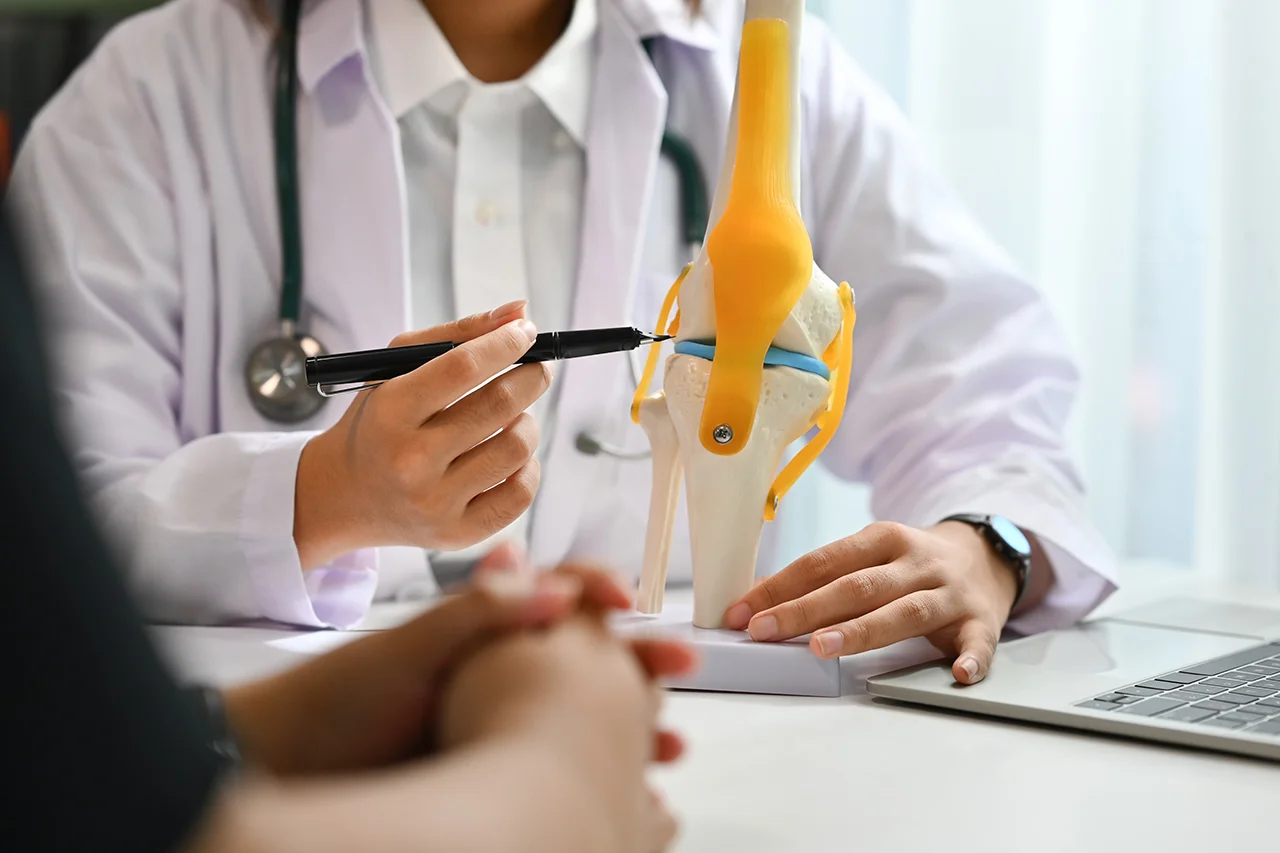
Consider seeing an orthopaedic specialist when symptoms:
- Continue for several weeks
- Become more frequent or more severe
- Limit exercise or everyday activities
- Are associated with swelling
- Cause the knee to lock or give way
These changes may indicate that the tear is affecting normal knee function and requires further assessment.
How Is a Meniscus Tear Diagnosed?
Diagnosing a meniscus tear involves more than identifying where your knee hurts. Because several knee conditions can cause similar symptoms, a careful assessment helps confirm whether the meniscus is involved and determine the most appropriate treatment.
Physical Examination
Specific examination manoeuvres help determine whether the meniscus is the likely source of your symptoms. Your meniscus specialist will also assess whether ligaments or other knee structures have been injured, as these conditions can sometimes occur together.
Imaging
X-rays may be performed to rule out fractures or arthritis but do not show the meniscus itself. When a meniscus tear is suspected, an MRI scan is often the most useful investigation because it provides detailed images of the cartilage and surrounding soft tissues.
How Are Meniscus Tears Treated?
Treatment depends on the type and location of the tear, tissue quality, your age, activity level and the overall condition of your knee. Many smaller tears improve with rest, activity modification, physiotherapy and medication to reduce pain and inflammation. Strengthening the muscles around the knee may help improve knee function and and reduce stress on the joint.
Surgery may be recommended for larger tears, tears causing locking or persistent symptoms that do not improve with conservative treatment. Meniscus repair is a surgical procedure that aims to preserve as much meniscal tissue as possible while maintaining its important role in shock absorption and protecting the knee joint. Whether a tear is suitable for repair depends on factors such as its location, pattern and tissue quality.
Don't Ignore the Small Signs of a Meniscus Tear

Our Specialised Team
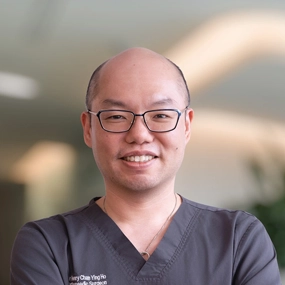
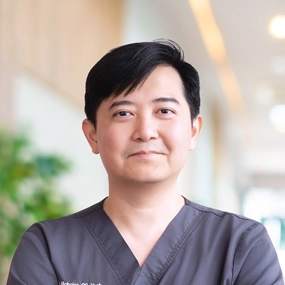
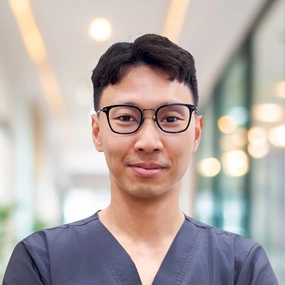
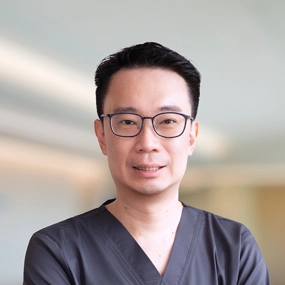
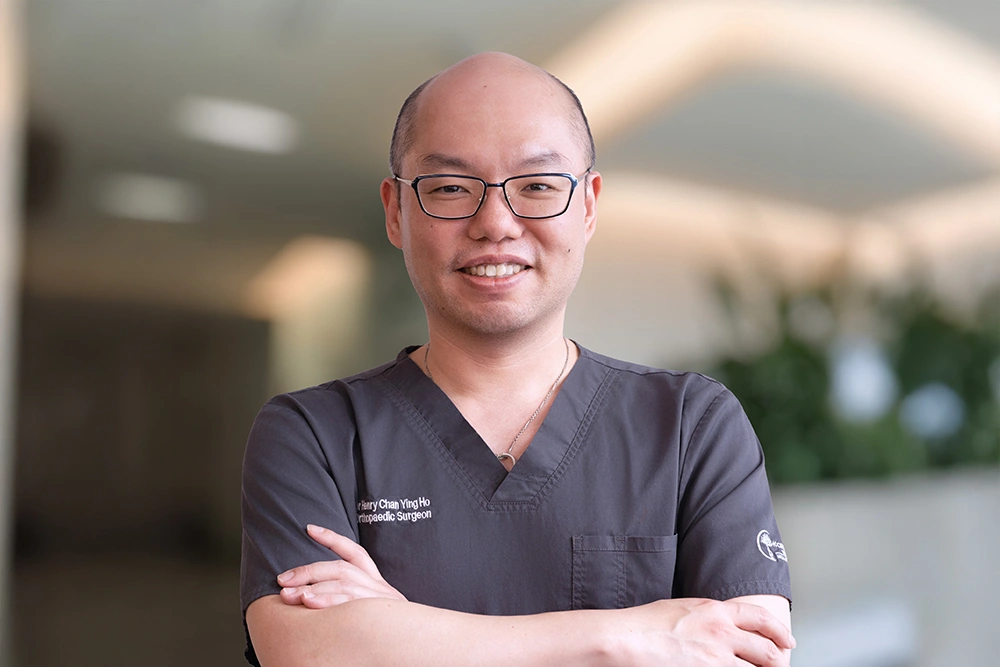
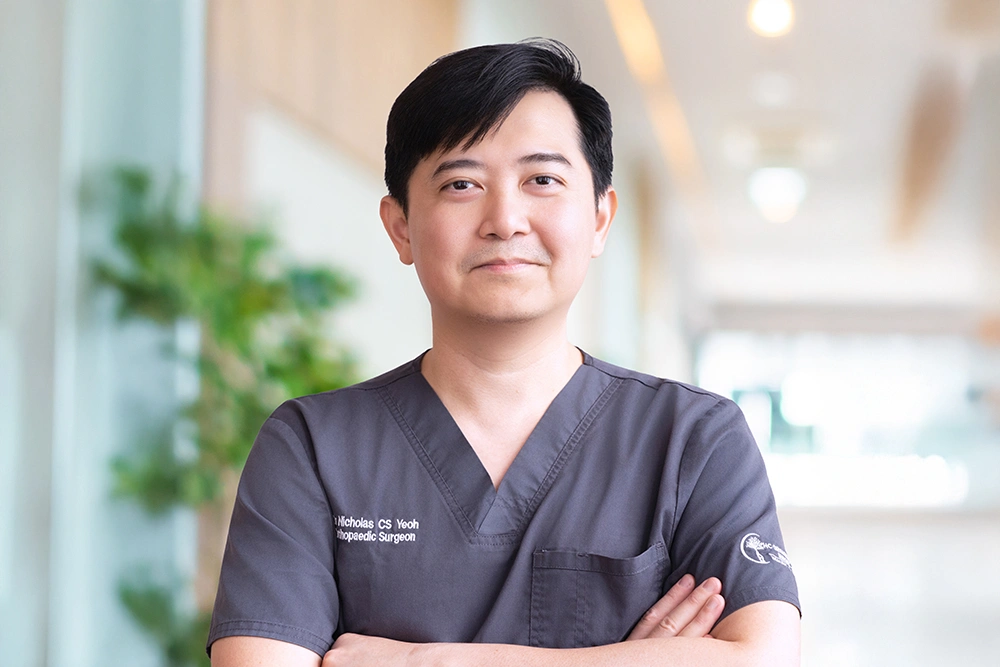
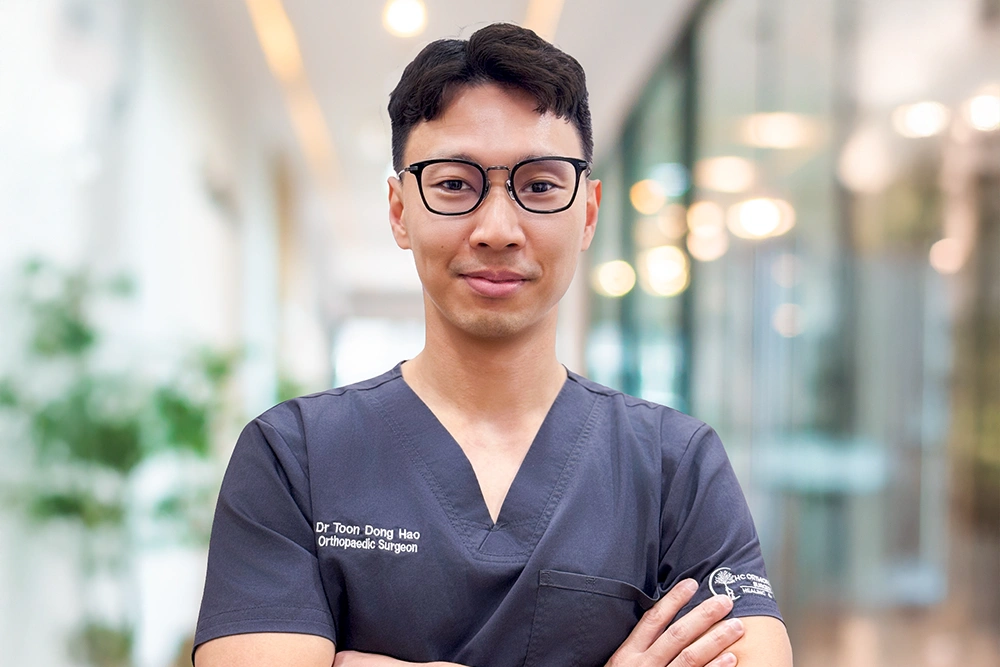
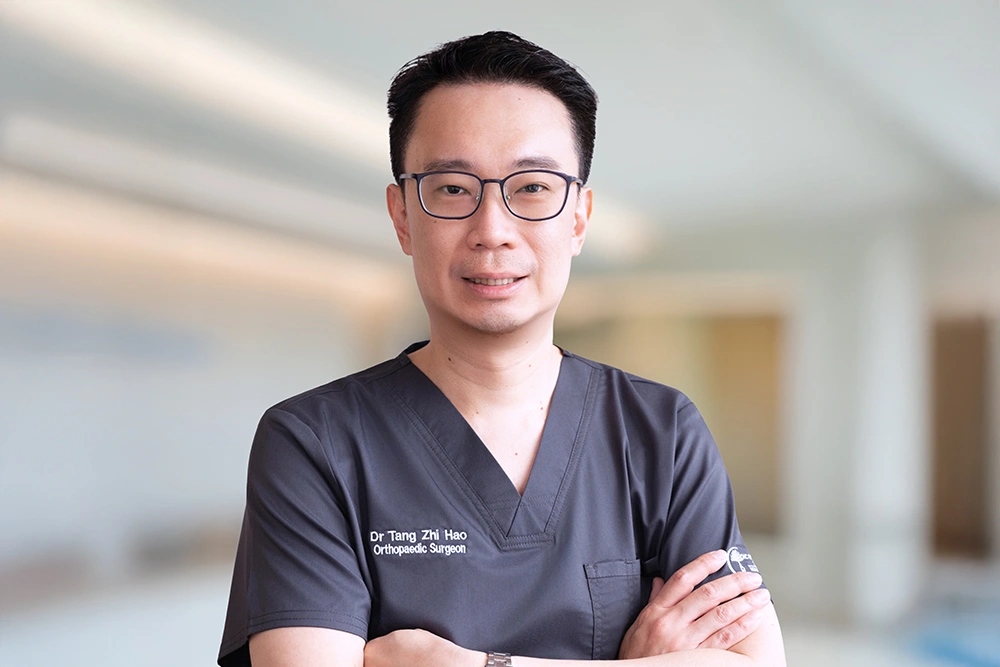
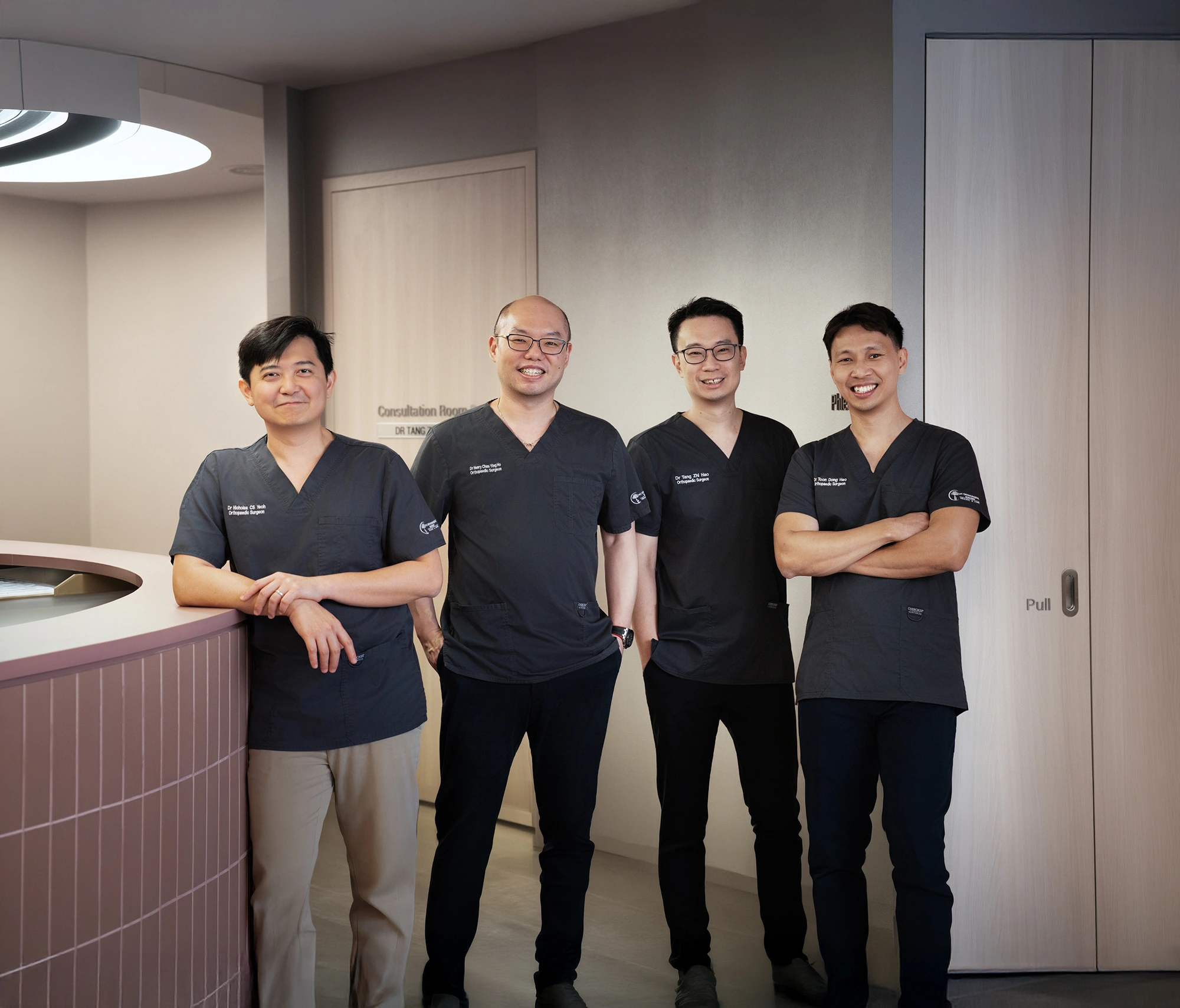
At HC Orthopaedic Surgery in Singapore, care is led by Dr Henry Chan, supported by Dr Nicholas Yeoh, who have extensive experience in assessing and treating meniscus injuries. The specialist team also includes Dr Toon Dong Hao and Dr Tang Zhi Hao, providing comprehensive orthopaedic care across a wide range of musculoskeletal conditions. Schedule a consultation for a thorough assessment and a personalised treatment plan tailored to your condition, lifestyle and recovery goals.
FAQs About Suspected Meniscus Tears
Can a small meniscus tear become worse over time?
Why do meniscus tear symptoms come and go?
Is knee swelling always immediate after a meniscus tear?
Meet Our Doctors
Dr Henry Chan
Medical Director & Senior Consultant Orthopaedic Surgeon
MBBS (S’pore), MRCS (Edinburgh), MMed (Orthopaedic Surgery), FRCS (Edinburgh)
Dr Henry Chan is an experienced orthopaedic surgeon specialising in joint replacement and complex revision surgery. Trained at the renowned Helios Endo-Klinik in Germany under the MOH HMDP scholarship, he has performed over 1,000 joint replacements and specialises in computer-assisted and robotic joint replacement techniques for precise outcomes.
Dr Nicholas Yeoh
Senior Consultant Orthopaedic Surgeon
MBChB (Edinburgh), MRCS (Edinburgh), MMed (Orthopaedic Surgery), FRCS (Edinburgh)
Dr Nicholas Yeoh is an MOH-accredited orthopaedic specialist and Fellow of the Royal College of Surgeons of Edinburgh. Fellowship-trained in hip and knee reconstruction in Sydney under the MOH HMDP scholarship, he specialises in minimally invasive joint replacement, robotic surgery and advanced techniques that enhance recovery and surgical outcomes.
Dr Toon Dong Hao
Senior Consultant Orthopaedic Surgeon
MBChB (Leeds), MRCS (Edinburgh), MMed (Orthopaedic Surgery), FRCS (Edinburgh)
Dr Toon Dong Hao is a skilled orthopaedic surgeon and Fellow of the Royal College of Surgeons of Edinburgh. Fellowship-trained in Advanced Shoulder and Elbow Surgery in Sydney under the MOH HMDP scholarship, Dr Toon specialises in sports injuries, arthroscopic surgery and complex shoulder, elbow and knee procedures to restore function and mobility.
Dr Tang Zhi Hao
Senior Consultant Orthopaedic Surgeon
MBBS (S’pore), MRCS (Edinburgh), MMed (Orthopaedic Surgery), FRCS (Edinburgh)
Dr Tang Zhi Hao is a fellowship-trained orthopaedic surgeon specialising in foot and ankle conditions. He completed his Foot and Ankle Surgery fellowship at Severance Hospital, Yonsei University Health System in Seoul under Professor Jin Woo Lee. Prior to private practice, he served as Consultant and Deputy Head of Orthopaedics at Khoo Teck Puat Hospital.