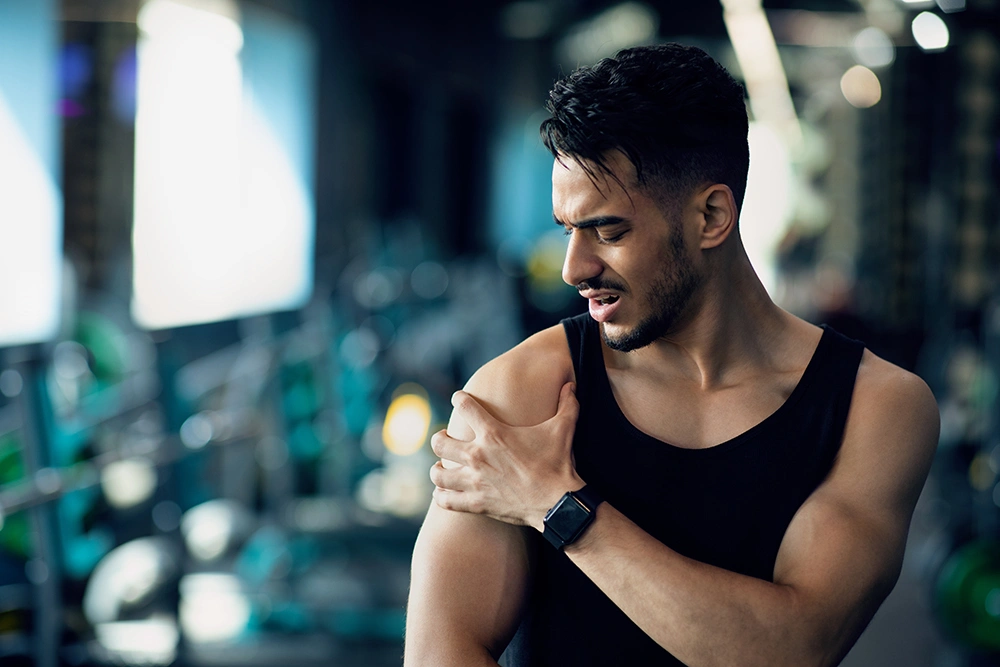
For many in Singapore, sport settles easily into the rhythm of daily life. A swimmer moves through lap after lap before the day begins. A student stays back after school for training on the court. Later in the evening, gym floors fill with quiet repetition as weights are lifted and lowered with focus. In these moments, the shoulder works almost unnoticed, guiding each reach, swing and lift with ease.
Over time, that ease can begin to change. What starts as a passing ache after a session may return more often, or movement may feel less fluid than before. In sports that demand repeated overhead motion or forceful rotation, the shoulder is asked to do more than it was designed to sustain indefinitely.
Recognising when these subtle shifts point to an underlying injury is not always straightforward. Yet understanding how shoulder problems develop, and when they warrant specialist attention, can make a meaningful difference in maintaining both performance and long-term joint health.
Common Shoulder Injuries in Sports and Their Symptoms
Shoulder injuries in sport tend to develop in recognisable patterns, shaped by the types of movements performed and the demands placed on the joint. Some arise gradually from repeated overhead use, while others occur more suddenly during forceful or awkward motion. Although the symptoms can overlap, each condition often presents in its own way.
Rotator Cuff Strain or Tear
The rotator cuff is a group of muscles and tendons that stabilise the shoulder during movement. In sports such as swimming, tennis and weight training, repeated overhead motion or heavy loading can place these tissues under sustained strain. Over time, this may lead to inflammation, degeneration or a partial to full rotator cuff tear.
Early signs often include a dull ache deep in the shoulder, particularly after activity. Pain may become more noticeable when lifting the arm, reaching overhead or lying on the affected side. Weakness and reduced range of motion can develop as the condition progresses.
Shoulder Impingement
Shoulder impingement occurs when the rotator cuff tendons are compressed during arm elevation. This is commonly associated with repetitive overhead use, especially in swimmers and racket sport players. Poor shoulder mechanics, muscle imbalance or tight surrounding structures can increase the risk.
Symptoms typically include pain when raising the arm, especially between shoulder height and above the head. A pinching sensation may be felt during movement, with discomfort that tends to worsen after activity or with repeated use.
Labral Tear (SLAP Tear)
The labrum is a ring of cartilage that deepens the shoulder socket and contributes to joint stability. A labral tear, commonly referred to as a SLAP tear when it affects the upper portion of the labrum, can occur from sudden trauma such as a fall, or from repetitive stress seen in throwing, lifting or overhead sports. Over time, this repeated strain can weaken the labral tissue.
Individuals may experience a deep, poorly localised ache within the shoulder. There may be clicking, catching or a sense of instability, particularly during overhead or rotational movements. Some notice a decline in strength or control during sport.
Shoulder Instability or Dislocation
Shoulder instability develops when the structures that support the joint become stretched or damaged. This may follow a traumatic dislocation or arise gradually in athletes involved in contact sports or repeated overhead activity. Once the joint has been compromised, the risk of recurrence increases.
Symptoms can include a feeling that the shoulder may slip or “give way” during certain movements. Recurrent dislocations, discomfort and reduced confidence in using the shoulder are common features.
When to See a Specialist for Shoulder Pain or Injury
Not all shoulder discomfort requires medical attention. Mild soreness after activity often improves with rest and a gradual return to movement. However, certain symptoms may indicate a more significant issue.
Consider a specialist evaluation if you experience:
- Pain that persists beyond a few weeks despite rest
- Discomfort that interferes with daily activities such as reaching, lifting or sleeping
- Difficulty raising the arm or a reduced range of motion
- Noticeable weakness in the shoulder
- A sense of instability or the shoulder “giving way”
- Recurrent episodes of the shoulder slipping out of place
- Clicking, catching or locking sensations during movement
- Sudden sharp pain following a fall or injury
- Visible deformity of the shoulder
- Inability to move the arm
Early assessment allows for a clearer diagnosis and more targeted management. This may include guided rehabilitation, imaging where necessary, or further treatment options to support a safe return to activity.

How Do Shoulder Specialists Treat Sports Injuries?
A structured approach helps clarify the cause of shoulder pain and guides appropriate treatment for sports-related injuries. Early and accurate diagnosis is important in preventing further damage and supporting a safe return to activity.
Diagnosis of Shoulder Injuries
Diagnosis begins with a detailed review of symptoms, activity patterns and any history of injury. This is followed by a physical examination to assess range of motion, strength and joint stability, as well as to identify movements that reproduce pain.
Where the cause is not immediately clear, imaging may be recommended. X-rays are used to assess bone structures, while ultrasound or MRI scans provide a clearer view of tendons, ligaments and other soft tissues within the shoulder.
Treatment for Shoulder Injuries
Treatment for shoulder injuries depends on the type and severity of the condition. Many sports-related shoulder injuries can be managed without surgery through activity modification, physiotherapy and a structured rehabilitation programme focused on restoring strength, mobility and shoulder function.
When symptoms persist or there is significant structural damage, surgical treatment may be considered. Depending on the condition, this may include procedures such as shoulder arthroscopy to diagnose and treat internal joint problems, rotator cuff repair for tendon tears, or shoulder stabilisation surgery for recurrent dislocations and instability.
In more advanced cases where there is severe joint damage, shoulder replacement surgery may be discussed as a longer-term solution. These procedures are typically followed by a structured rehabilitation programme to support recovery and a safe return to activity.
Staying Active with Healthy Shoulders
Staying Active with Healthy Shoulders

Our Specialised Team
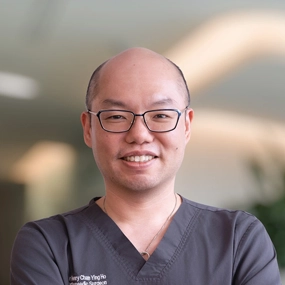
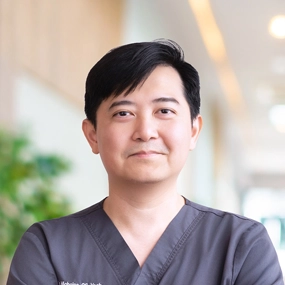
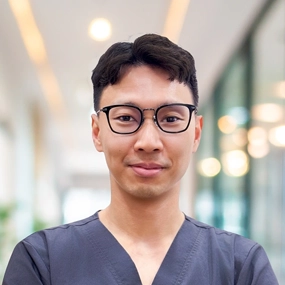
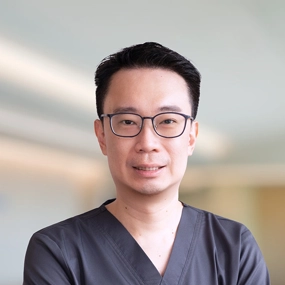
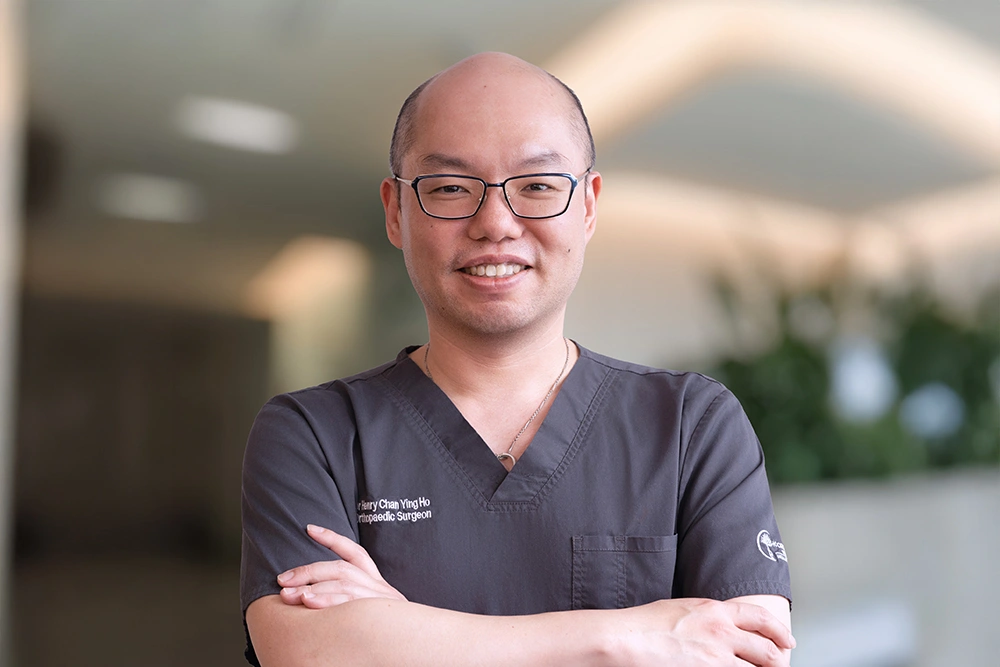
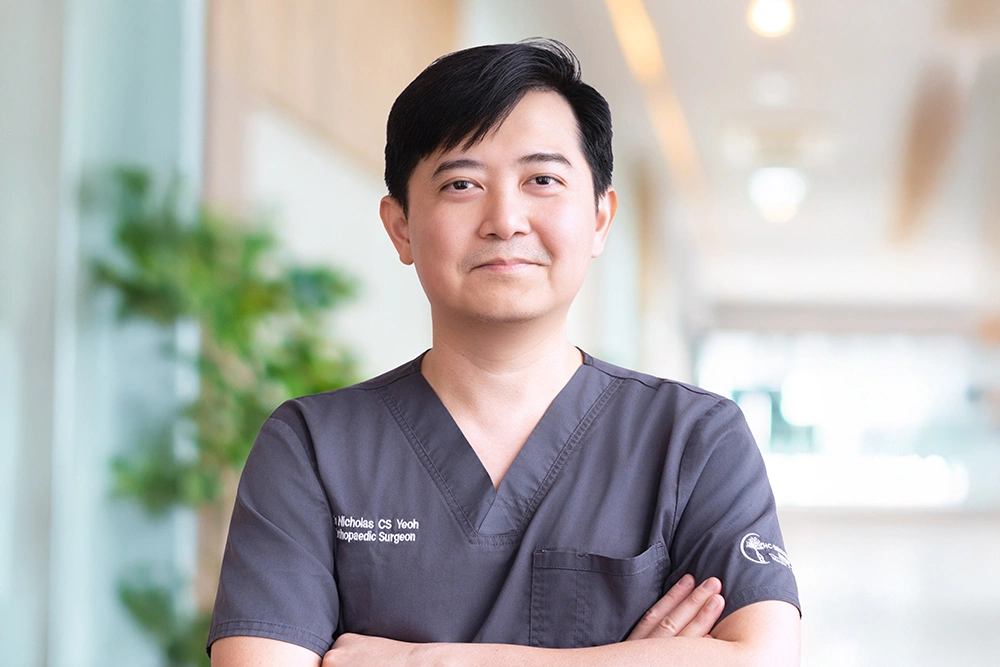
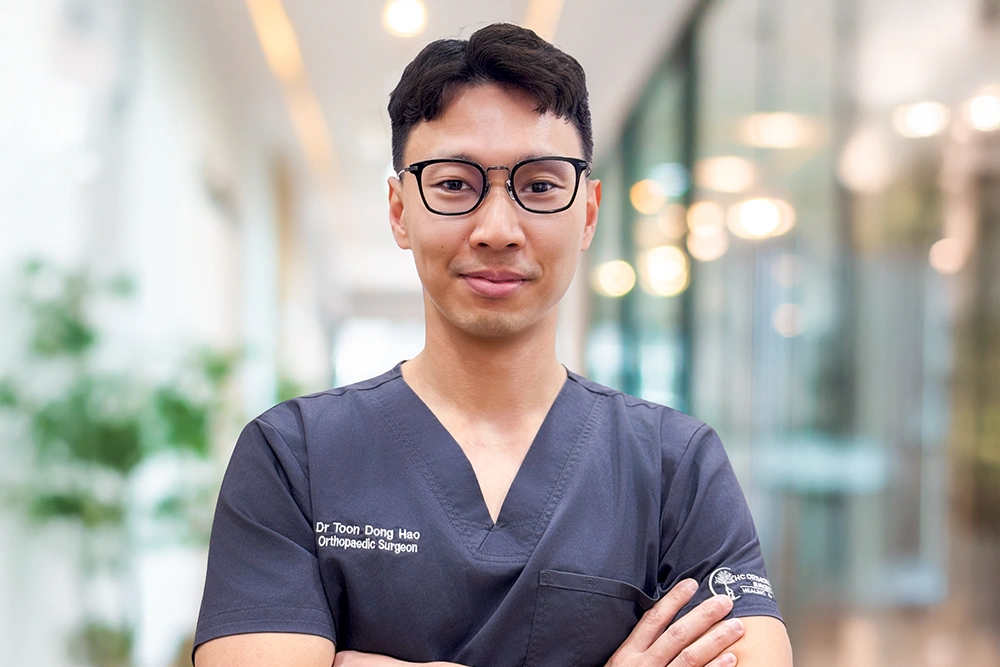
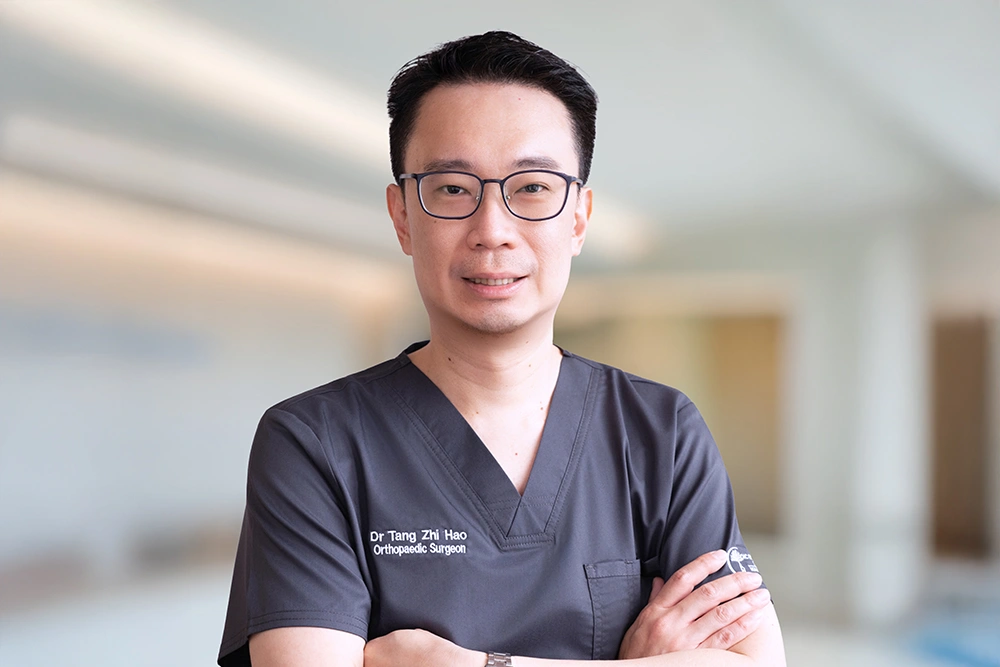
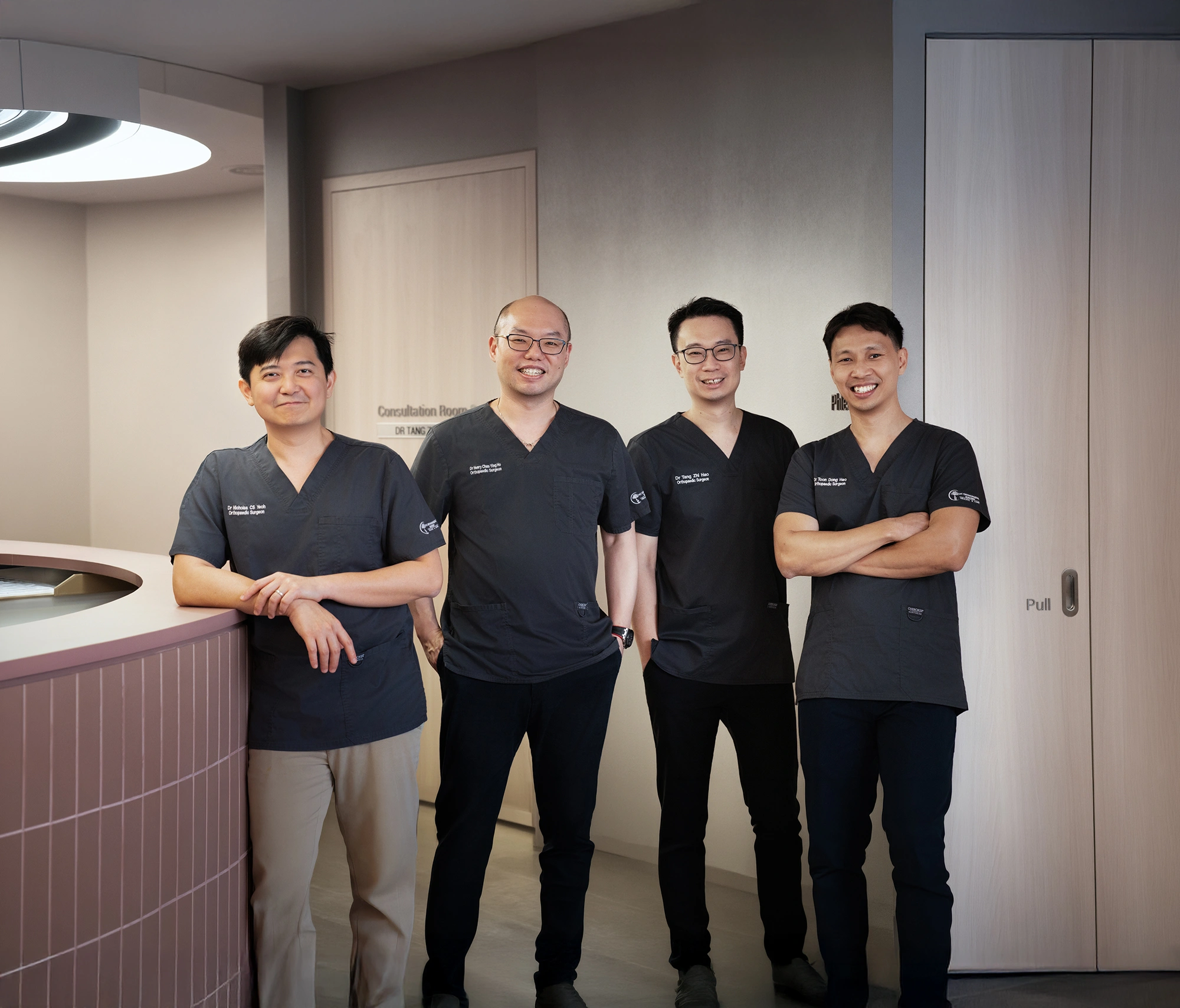
At HC Orthopaedic Surgery, care is led by Dr Henry Chan, with Dr Toon Dong Hao serving as the shoulder specialist. The team also includes Dr Nicholas Yeoh and Dr Tang Zhi Hao, providing comprehensive orthopaedic expertise across a range of conditions. From conservative management to advanced surgical care, treatment is tailored to restore function and support a safe return to sport and daily activities. If your shoulder pain is persistent or affecting your performance, arrange a specialist consultation for a proper assessment.
Frequently Asked Questions (FAQs) About Shoulder Sports Injuries
Which sports have the highest risk of shoulder injuries?
Why do shoulder injuries tend to recur in athletes?
What is the role of rehabilitation after a shoulder injury?
Meet Our Sports Injury Specialists in Singapore
Dr Henry Chan
Medical Director & Senior Consultant Orthopaedic Surgeon
MBBS (S’pore), MRCS (Edinburgh), MMed (Orthopaedic Surgery), FRCS (Edinburgh)
Dr Henry Chan is an experienced orthopaedic surgeon specialising in joint replacement and complex revision surgery. Trained at the renowned Helios Endo-Klinik in Germany under the MOH HMDP scholarship, he has performed over 1,000 joint replacements and specialises in computer-assisted and robotic joint replacement techniques for precise outcomes.
Dr Nicholas Yeoh
Senior Consultant Orthopaedic Surgeon
MBChB (Edinburgh), MRCS (Edinburgh), MMed (Orthopaedic Surgery), FRCS (Edinburgh)
Dr Nicholas Yeoh is an MOH-accredited orthopaedic specialist and Fellow of the Royal College of Surgeons of Edinburgh. Fellowship-trained in hip and knee reconstruction in Sydney under the MOH HMDP scholarship, he specialises in minimally invasive joint replacement, robotic surgery and advanced techniques that enhance recovery and surgical outcomes.
Dr Toon Dong Hao
Senior Consultant Orthopaedic Surgeon
MBChB (Leeds), MRCS (Edinburgh), MMed (Orthopaedic Surgery), FRCS (Edinburgh)
Dr Toon Dong Hao is a skilled orthopaedic surgeon and Fellow of the Royal College of Surgeons of Edinburgh. Fellowship-trained in Advanced Shoulder and Elbow Surgery in Sydney under the MOH HMDP scholarship, Dr Toon specialises in sports injuries, arthroscopic surgery and complex shoulder, elbow and knee procedures to restore function and mobility.
Dr Tang Zhi Hao
Senior Consultant Orthopaedic Surgeon
MBBS (S’pore), MRCS (Edinburgh), MMed (Orthopaedic Surgery), FRCS (Edinburgh)
Dr Tang Zhi Hao is a fellowship-trained orthopaedic surgeon specialising in foot and ankle conditions. He completed his Foot and Ankle Surgery fellowship at Severance Hospital, Yonsei University Health System in Seoul under Professor Jin Woo Lee. Prior to private practice, he served as Consultant and Deputy Head of Orthopaedics at Khoo Teck Puat Hospital.