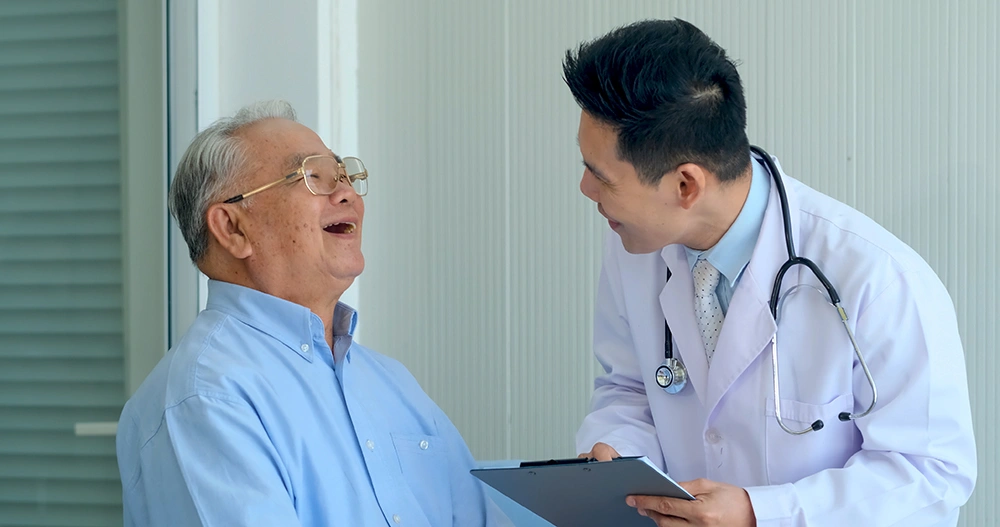
Choosing the right orthopaedic surgeon in Singapore is an important step in managing joint, bone or sports-related conditions. Whether you are dealing with a recent injury or a long-standing issue, the specialist you choose can influence both your diagnosis and long-term outcome.
With many options available, it can be difficult to know what to look for. Factors such as experience, subspecialty training and approach to treatment all play a role. Understanding how to evaluate these aspects can help you make a more informed and confident decision about your care.
Key Takeaways
- Choose a surgeon with subspecialty experience in your specific condition (e.g. knee, shoulder, spine).
- Look for relevant case volume, not just years of experience.
- Ensure they offer both surgical and non-surgical options.
- Consider the hospital facilities and rehabilitation support.
- Prioritise clear communication and a treatment plan tailored to your lifestyle.
What Does an Orthopaedic Surgeon Do?
An orthopaedic surgeon diagnoses and treats conditions affecting the bones, joints, muscles, ligaments, and tendons. These include sports injuries, degenerative joint conditions, fractures, and spine-related problems.
Many orthopaedic surgeons specialise in specific areas. Choosing one with the right focus improves the accuracy of diagnosis and the effectiveness of treatment.
Factors to Consider When Choosing an Orthopaedic Surgeon
Choosing the right orthopaedic surgeon depends on how well their expertise, experience, and treatment approach match your condition.
Subspecialty Expertise
Orthopaedics includes areas such as knee injuries, shoulder conditions, spine disorders, and hip problems. Choosing a surgeon whose focus matches your condition improves diagnostic accuracy and treatment outcomes.
Relevant Experience
Relevant experience is best measured by how often a surgeon treats your condition. Regular exposure improves decision-making, helps anticipate complications, and supports better judgement between surgical and non-surgical care.
Treatment Approach
A suitable treatment approach should be evidence-based, proportionate to your condition, and aligned with your activity level. Surgeons should be able to explain both conservative and surgical options clearly.
Hospital Affiliation and Facilities
The quality of the hospital or surgical centre can influence both diagnosis and recovery, particularly for complex procedures that require coordinated post-operative care. Access to imaging, operating facilities, and rehabilitation services supports a smoother and more effective treatment process.
Communication and Rapport
Clear communication is essential. A good surgeon should explain your condition in simple terms, outline all available options, and discuss risks and expected outcomes. You should feel comfortable asking questions and confident in the plan.
How to Choose the Right Subspecialist for Your Symptoms
Many conditions do not present clearly, especially in the early stages. Pain in one area may originate from another, and similar symptoms can have different causes.
Instead of matching based only on location, consider how your symptoms behave:
- Pain during movement or sports activity often points to a joint or ligament issue, which may be best assessed by a joint or sports specialist.
- Pain with stiffness, especially in the morning or after rest, may suggest degenerative conditions, commonly managed by knee or hip specialists.
- Pain that radiates (e.g. from the back down the leg or arm) may indicate nerve involvement and is often assessed by a spine specialist.
- Persistent pain without a clear cause or injury may require broader evaluation before narrowing to a subspecialty.
If you are unsure, starting with a general orthopaedic surgeon is reasonable. They can assess your condition and refer you to a subspecialist if needed.

How to Know if an Orthopaedic Surgeon is Right for You
Your first consultation is an opportunity to assess whether the surgeon is the right fit for you.
Consider the following:
- Do they have experience managing your specific condition?
- Are treatment options clearly explained, including non-surgical approaches?
- Is the recommended plan tailored to your activity level and goals?
- Do you feel comfortable asking questions and discussing concerns?
- Is there a clear plan for follow-up care and rehabilitation?
You should leave the consultation feeling informed, not uncertain or rushed.
When to Consider a Second Opinion
A second opinion can be helpful in situations where you need more clarity or confidence in your decision.
- Surgery is recommended early without exploring alternatives
- The diagnosis is unclear
- You are unsure about risks or expected outcomes
- Your condition is not improving with current treatment
Seeking another opinion is common and can help you make a more informed choice.
Choosing the Right Orthopaedic Surgeon with Confidence
Choosing the Right Orthopaedic Surgeon with Confidence

Our Specialised Team
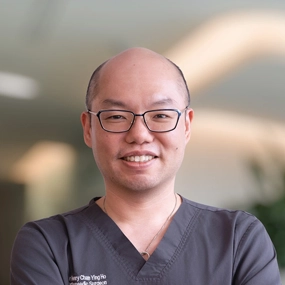
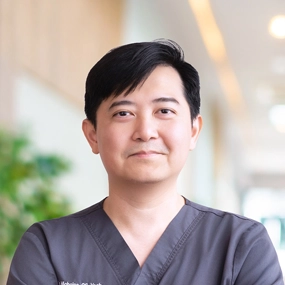
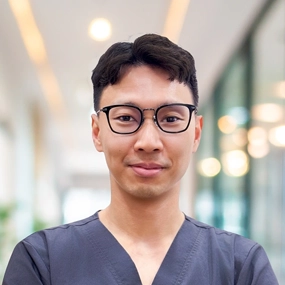
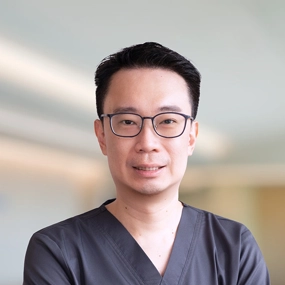
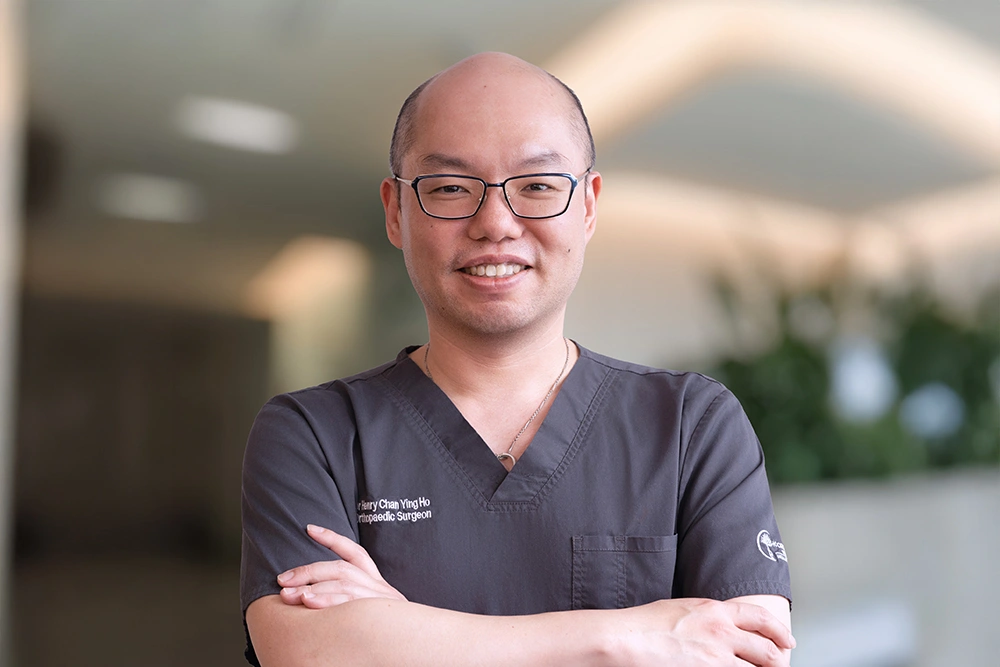
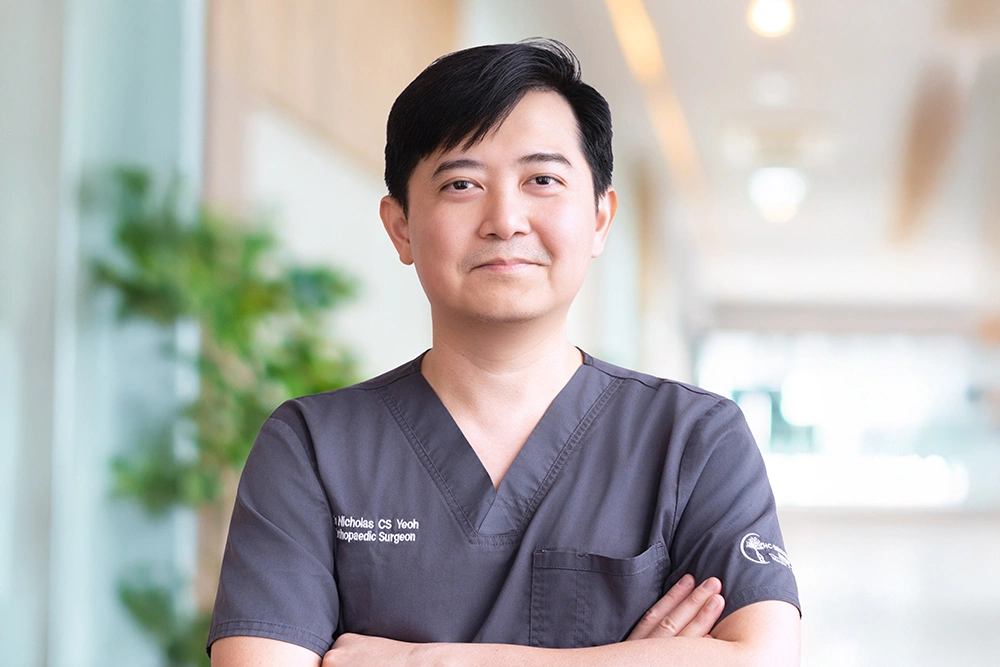
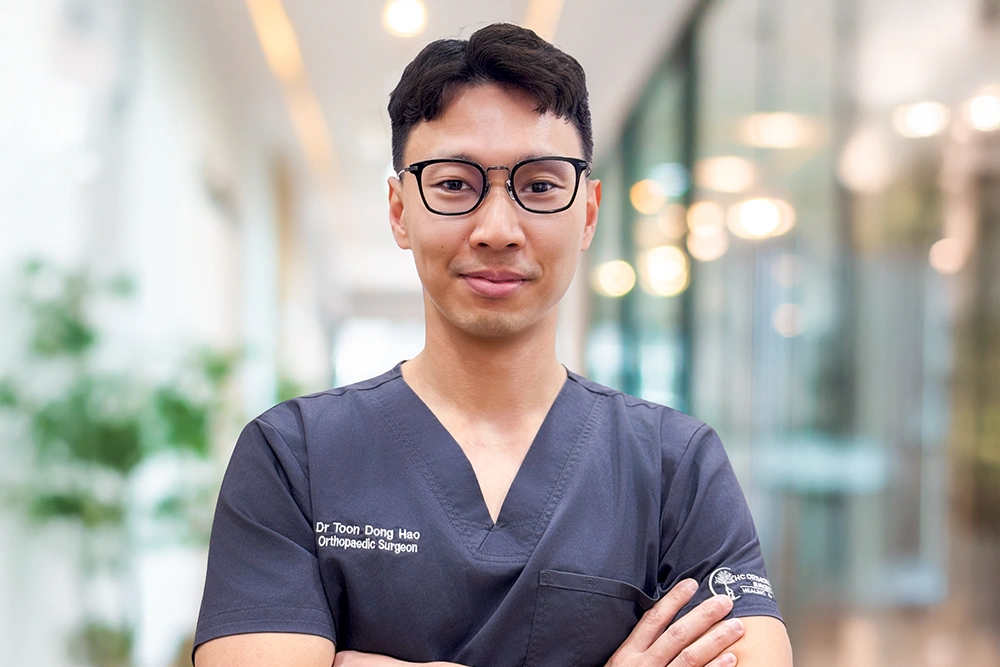
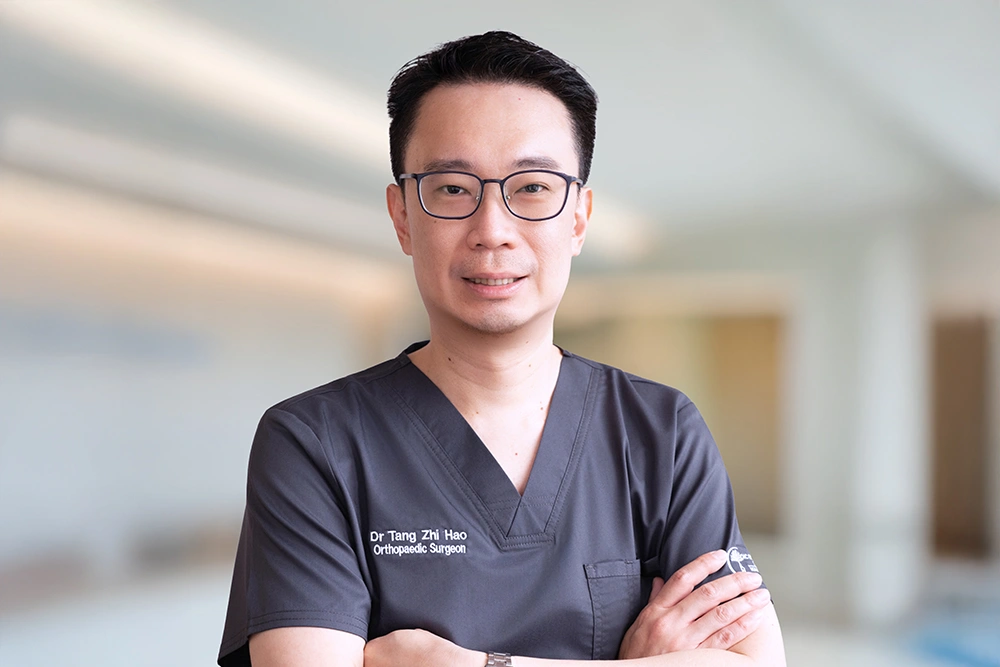
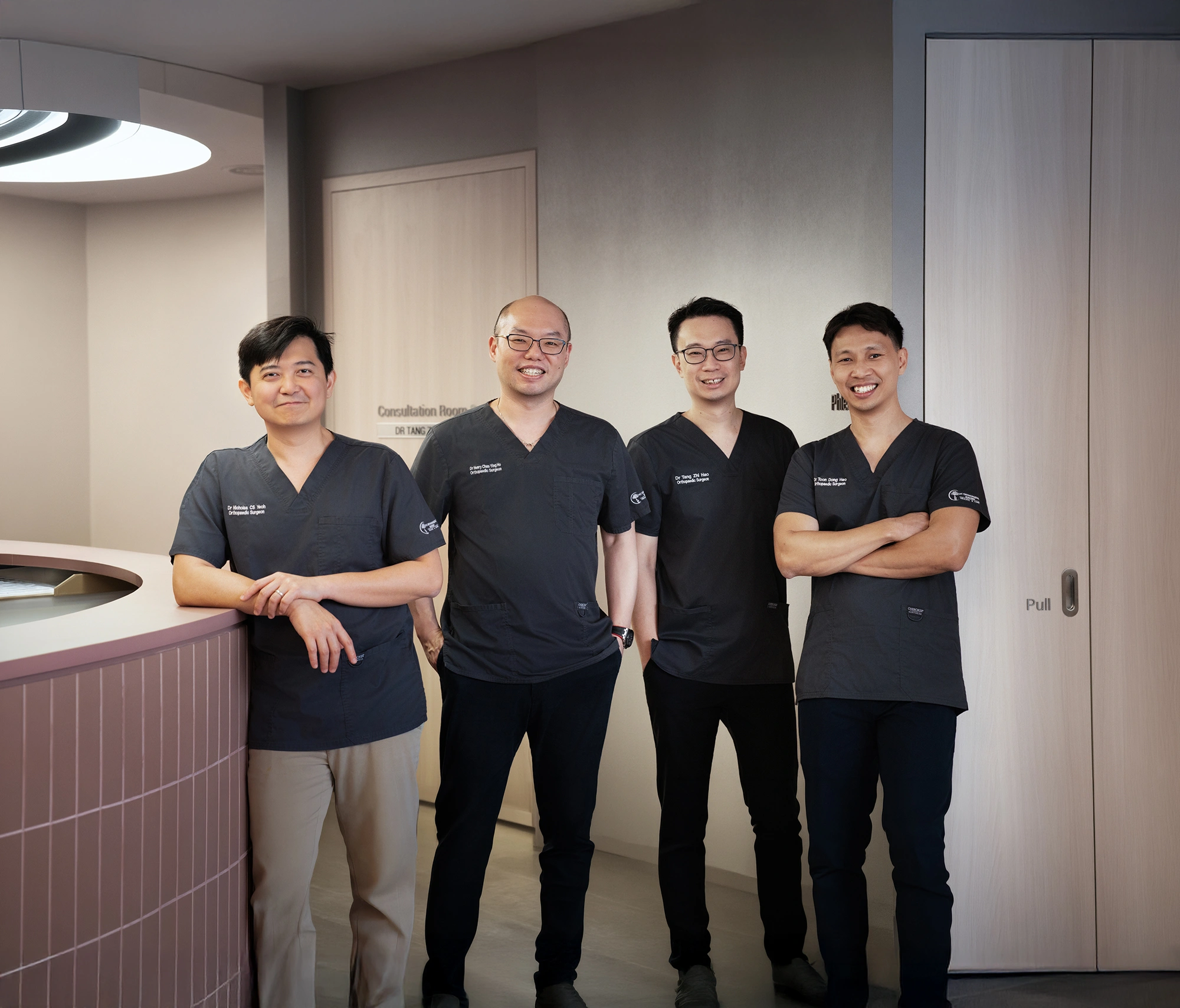
At HC Orthopaedic Surgery, care is led by Dr Henry Chan alongside a team of experienced orthopaedic specialists, including Dr Nicholas Yeoh, Dr Toon Dong Hao, and Dr Tang Zhi Hao. With a focus on evidence-based, patient-centred care, the team provides tailored treatment plans across a range of orthopaedic conditions. If you are considering your options, arrange a consultation for a thorough assessment and personalised advice.
Frequently Asked Questions (FAQs) About Choosing an Orthopaedic Surgeon
Do I need a referral to see an orthopaedic surgeon in Singapore?
How soon should I see an orthopaedic surgeon for joint or muscle pain?
Will I always need surgery for orthopaedic conditions?
Meet Our Orthopaedic Surgeons in Singapore
Dr Henry Chan
Medical Director & Senior Consultant Orthopaedic Surgeon
MBBS (S’pore), MRCS (Edinburgh), MMed (Orthopaedic Surgery), FRCS (Edinburgh)
Dr Henry Chan is an experienced orthopaedic surgeon specialising in joint replacement and complex revision surgery. Trained at the renowned Helios Endo-Klinik in Germany under the MOH HMDP scholarship, he has performed over 1,000 joint replacements and specialises in computer-assisted and robotic joint replacement techniques for precise outcomes.
Dr Nicholas Yeoh
Senior Consultant Orthopaedic Surgeon
MBChB (Edinburgh), MRCS (Edinburgh), MMed (Orthopaedic Surgery), FRCS (Edinburgh)
Dr Nicholas Yeoh is an MOH-accredited orthopaedic specialist and Fellow of the Royal College of Surgeons of Edinburgh. Fellowship-trained in hip and knee reconstruction in Sydney under the MOH HMDP scholarship, he specialises in minimally invasive joint replacement, robotic surgery and advanced techniques that enhance recovery and surgical outcomes.
Dr Toon Dong Hao
Senior Consultant Orthopaedic Surgeon
MBChB (Leeds), MRCS (Edinburgh), MMed (Orthopaedic Surgery), FRCS (Edinburgh)
Dr Toon Dong Hao is a skilled orthopaedic surgeon and Fellow of the Royal College of Surgeons of Edinburgh. Fellowship-trained in Advanced Shoulder and Elbow Surgery in Sydney under the MOH HMDP scholarship, Dr Toon specialises in sports injuries, arthroscopic surgery and complex shoulder, elbow and knee procedures to restore function and mobility.
Dr Tang Zhi Hao
Senior Consultant Orthopaedic Surgeon
MBBS (S’pore), MRCS (Edinburgh), MMed (Orthopaedic Surgery), FRCS (Edinburgh)
Dr Tang Zhi Hao is a fellowship-trained orthopaedic surgeon specialising in foot and ankle conditions. He completed his Foot and Ankle Surgery fellowship at Severance Hospital, Yonsei University Health System in Seoul under Professor Jin Woo Lee. Prior to private practice, he served as Consultant and Deputy Head of Orthopaedics at Khoo Teck Puat Hospital.