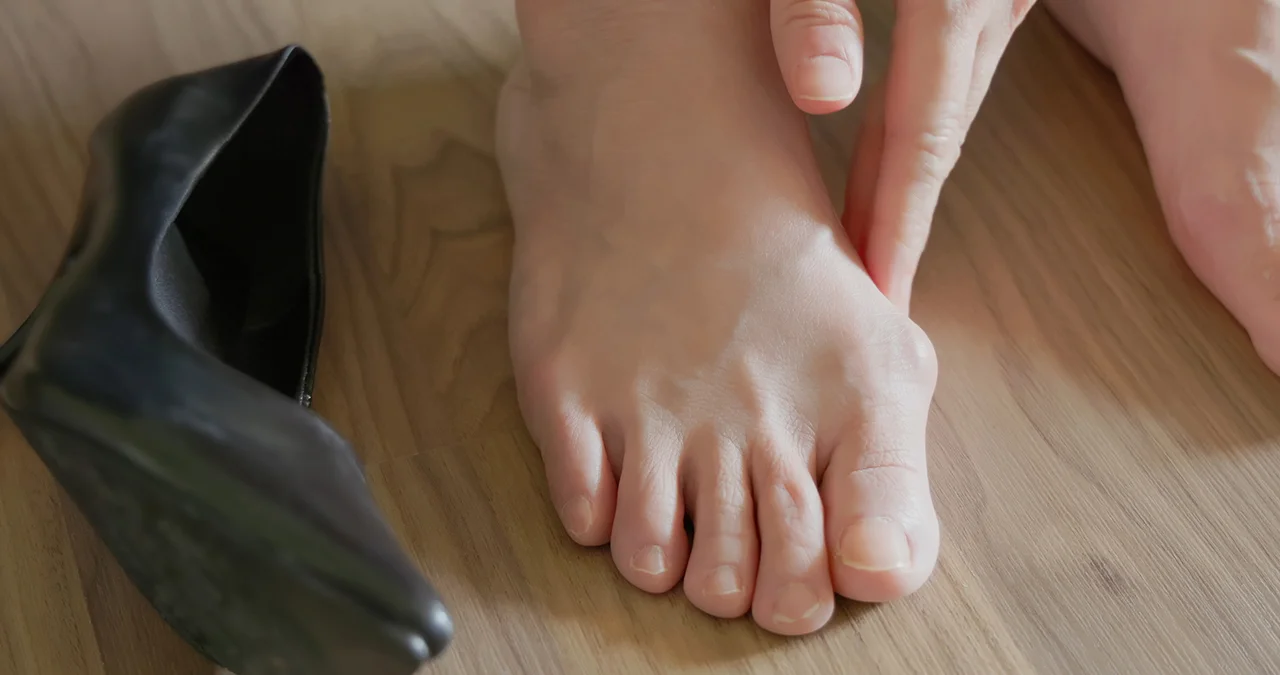
Have you ever stopped wearing a favourite pair of shoes because you thought they caused your bunion? You are not alone. Many people believe footwear is entirely responsible for bunions. In reality, while footwear can make bunion symptoms worse, bunions are generally associated with underlying foot structure and other factors rather than footwear alone.
Understanding the relationship between footwear and bunions can help you make more informed decisions about symptom management and recognise when it may be time to seek medical advice.
Is Your Footwear Causing Bunions?
Although footwear is often blamed for bunions, most bunions develop because of structural changes within the foot that gradually alter the alignment of the big toe joint. Shoes may increase pressure on the area and make symptoms more noticeable, but they do not usually create a bunion in an otherwise healthy foot.
Most bunions develop because of underlying factors, including:
- Inherited foot shape
- Joint instability
- Flat feet or altered foot mechanics
- Certain inflammatory conditions, such as rheumatoid arthritis
For people who are genetically predisposed, footwear may influence when symptoms become noticeable or how uncomfortable they feel. However, the underlying foot structure and other contributing factors are generally considered more important in the development of the deformity than footwear alone.
This is why some people develop bunions despite consistently wearing supportive footwear, while others wear narrow shoes for many years without experiencing the condition.
How Does Footwear Affect Bunion Symptoms?
The relationship between footwear and bunion symptoms depends largely on how different shoe designs interact with the foot. Certain features can place additional stress on the affected joint, contributing to discomfort during everyday activities.
Pressure on the Bunion Joint
Shoes with a narrow toe box compress the front of the foot, placing direct pressure on the bunion. This repeated friction can irritate the surrounding tissues, leading to pain, redness and swelling.
Reduced Space for the Toes
When the toes are squeezed together, the big toe may be pushed further towards the smaller toes. While this does not necessarily create the bunion, it can place additional pressure on the toes and may make an existing deformity more uncomfortable and more noticeable.
More Pressure on the Forefoot
High heels can shift more weight towards the forefoot, which may increase pressure around the bunion and aggravate symptoms during prolonged standing or walking.
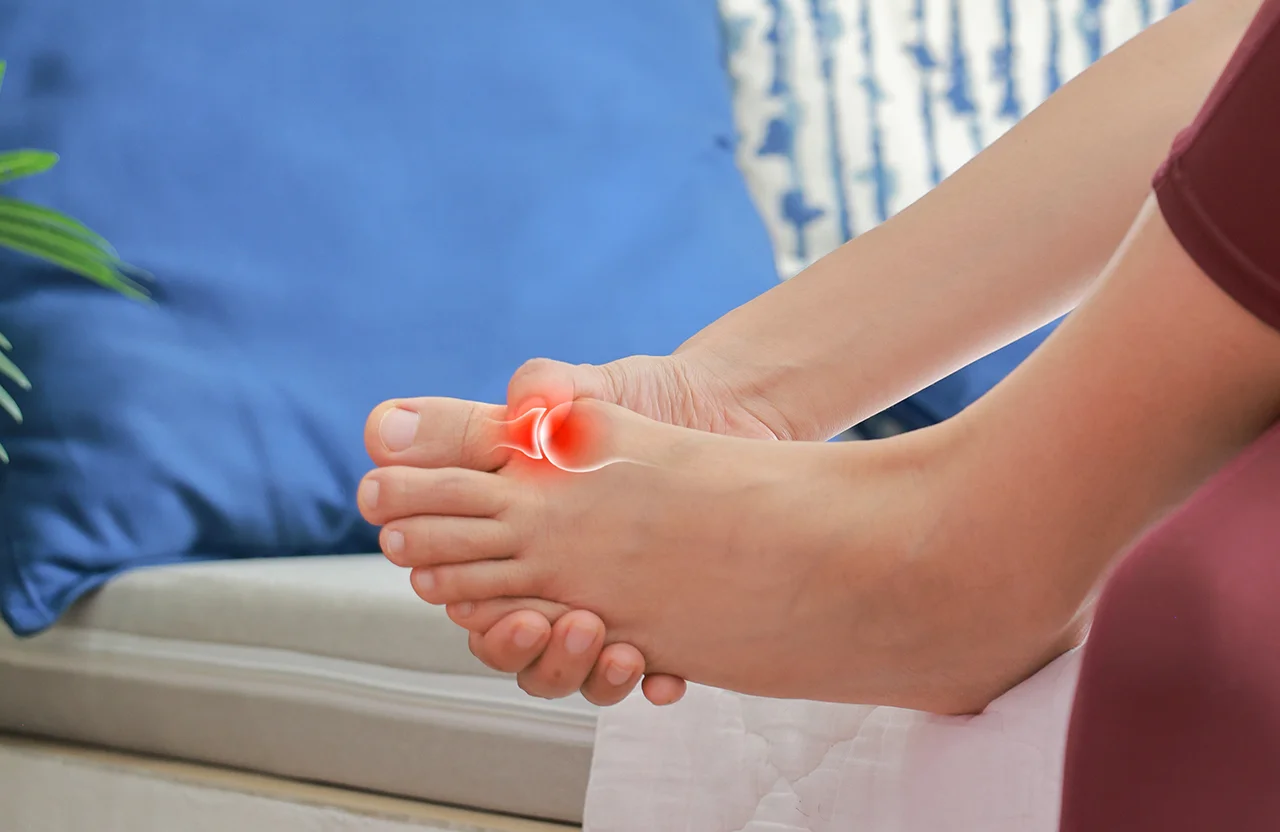
Why Do Bunions Sometimes Become Painful Suddenly?
The severity of bunion symptoms does not always reflect how long the deformity has been present. Many people only begin to notice pain after changes that place additional demands on the affected joint.
Symptoms may become more noticeable because of:
- Increased walking or standing
- Changes in physical activity
- Wearing tighter or less supportive shoes
- Progression of the bunion deformity itself
This is why symptoms can fluctuate over time, even when the bunion itself changes gradually.
How Supportive Footwear Helps Relieve Symptoms
Changing your footwear cannot reverse an existing bunion because the underlying bone alignment has already changed. However, choosing appropriate shoes can often reduce symptoms and improve daily comfort. Features that may help include:
- A wide toe box that allows the toes to spread naturally
- Soft uppers that reduce pressure over the bunion
- Supportive soles that improve stability during walking
- Low heels that minimise pressure on the forefoot
Some patients also benefit from orthotics, padding or toe spacers depending on their symptoms and foot mechanics. These measures aim to relieve discomfort rather than correct the deformity.
When Should You Seek Medical Assessment?
If changing your footwear no longer provides adequate relief, it may be time to have your bunion assessed by a specialist.
Medical assessment is worth considering if you experience:
- Persistent pain despite wearing appropriate footwear
- Difficulty finding shoes that fit comfortably
- Progressive enlargement of the bunion
- Overlapping or crossing toes
- Reduced ability to walk, exercise or perform daily activities
- Pain that interferes with work or sleep
When symptoms begin to affect your daily activities despite these measures, a bunion specialist can assess your condition and advise whether bunion repair or other treatment options are appropriate.
The First Step Towards Effective Bunion Treatment

Our Specialised Team
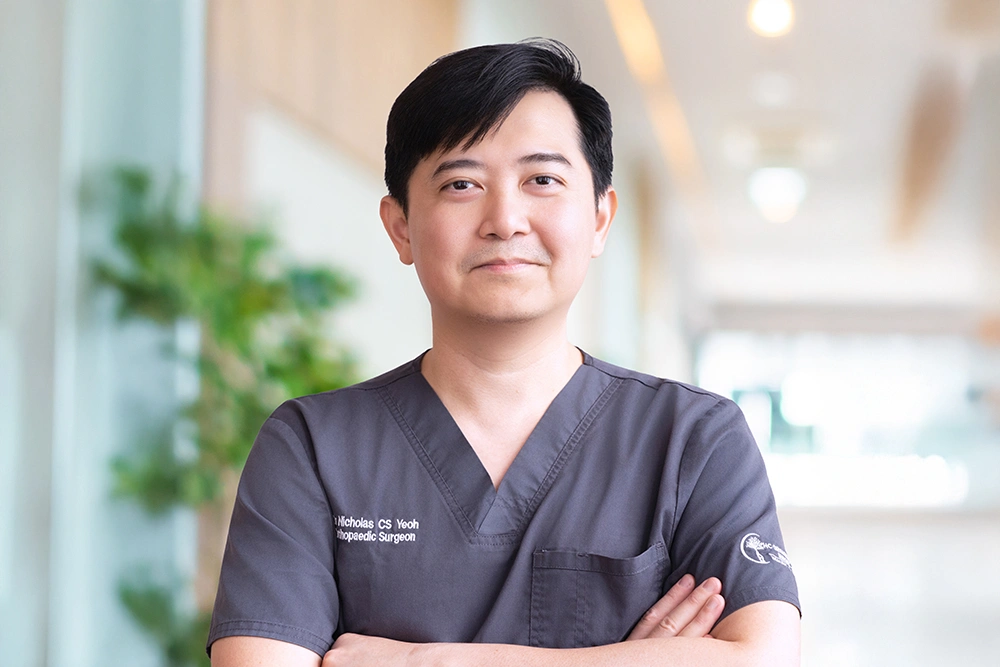
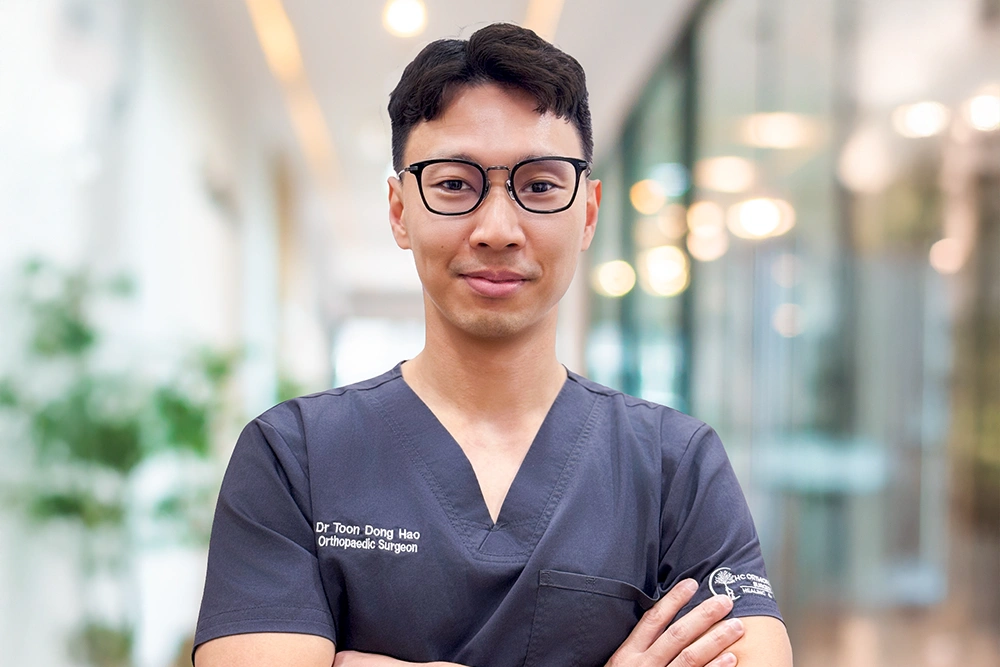
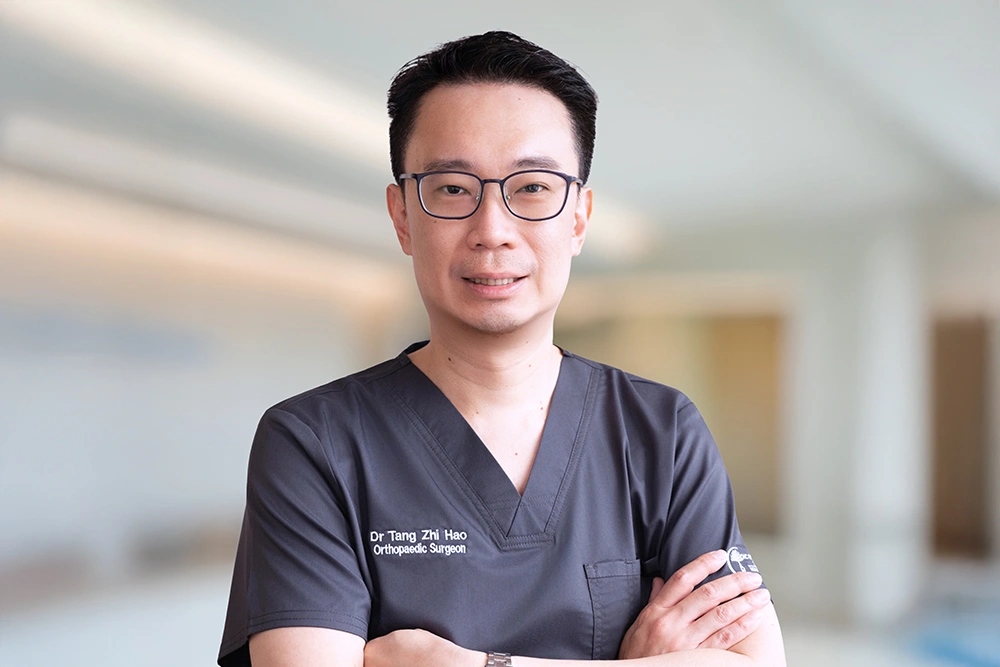
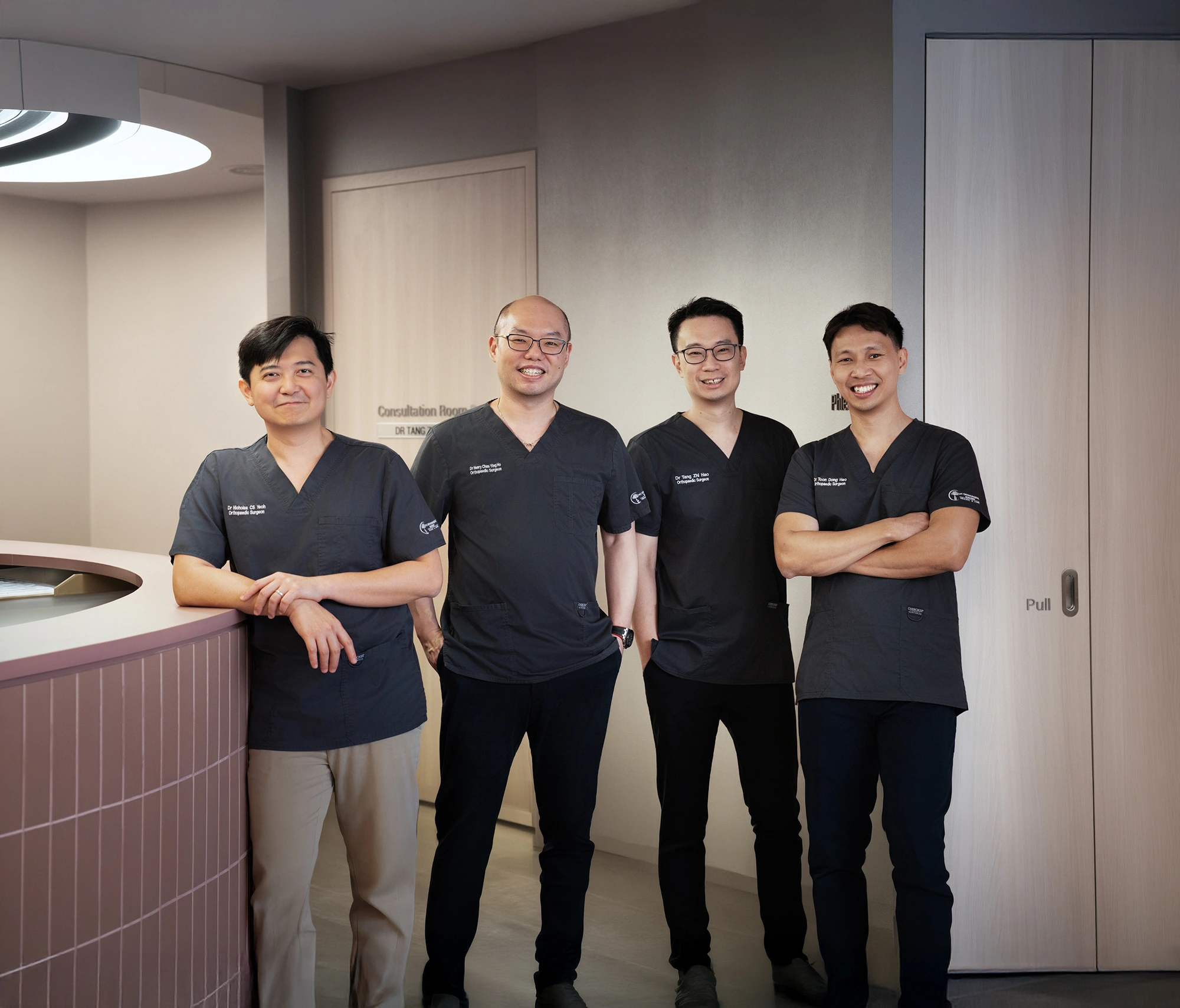
At HC Orthopaedic Surgery in Singapore, patients receive comprehensive assessment and personalised treatment plans for bunions and other foot conditions. Care is led by Dr Henry Chan, with Dr Tang Zhi Hao providing specialised care for bunions and foot conditions. The orthopaedic team also includes Dr Nicholas Yeoh and Dr Toon Dong Hao, ensuring patients have access to comprehensive orthopaedic expertise.
Whether your symptoms are recent or have gradually worsened over time, schedule a consultation to help you better understand your condition and the treatment options available.
FAQs About Footwear and Bunions
Can a bunion cause pain in other parts of the foot?
Does everyone with a bunion need bunion surgery?
Are there specific sports or activities that can worsen bunion symptoms?
Can bunions lead to other foot problems if left untreated?
Meet Our Doctors
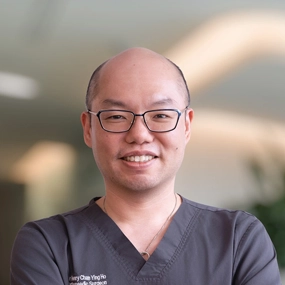
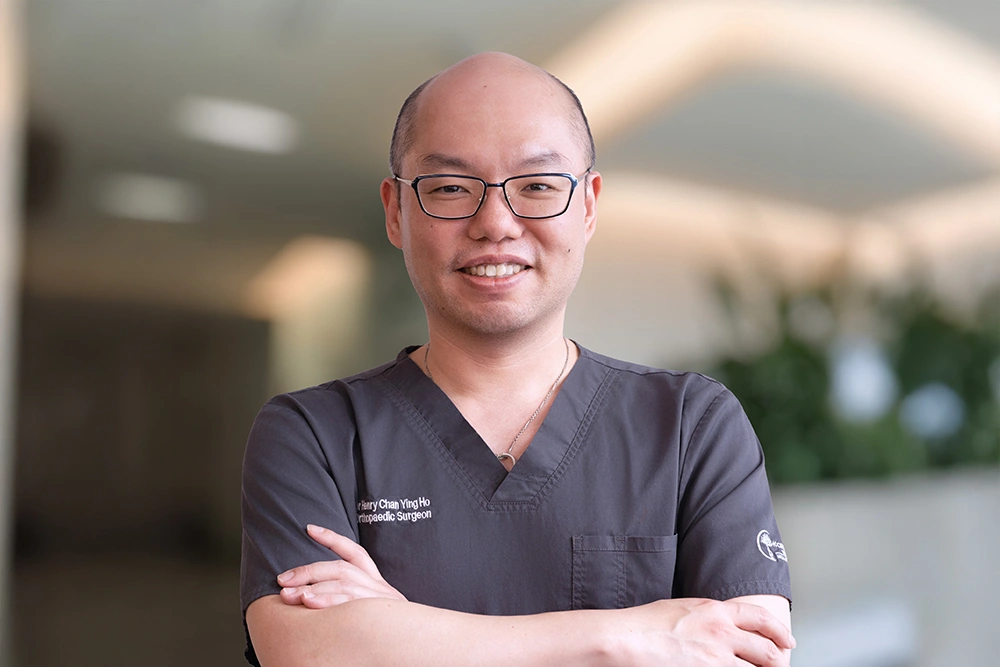
Dr Henry Chan
Medical Director & Senior Consultant Orthopaedic Surgeon
MBBS (S’pore), MRCS (Edinburgh), MMed (Orthopaedic Surgery), FRCS (Edinburgh)
Dr Henry Chan is an experienced orthopaedic surgeon specialising in joint replacement and complex revision surgery. Trained at the renowned Helios Endo-Klinik in Germany under the MOH HMDP scholarship, he has performed over 1,000 joint replacements and specialises in computer-assisted and robotic joint replacement techniques for precise outcomes.
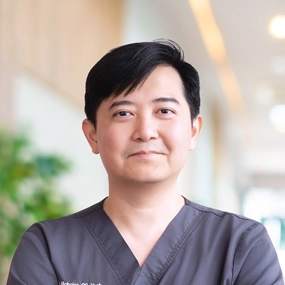
Dr Nicholas Yeoh
Senior Consultant Orthopaedic Surgeon
MBChB (Edinburgh), MRCS (Edinburgh), MMed (Orthopaedic Surgery), FRCS (Edinburgh)
Dr Nicholas Yeoh is an MOH-accredited orthopaedic specialist and Fellow of the Royal College of Surgeons of Edinburgh. Fellowship-trained in hip and knee reconstruction in Sydney under the MOH HMDP scholarship, he specialises in minimally invasive joint replacement, robotic surgery and advanced techniques that enhance recovery and surgical outcomes.
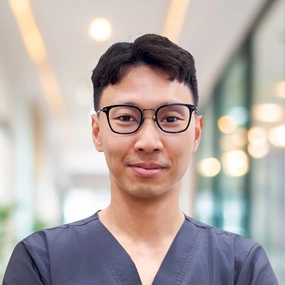
Dr Toon Dong Hao
Senior Consultant Orthopaedic Surgeon
MBChB (Leeds), MRCS (Edinburgh), MMed (Orthopaedic Surgery), FRCS (Edinburgh)
Dr Toon Dong Hao is a skilled orthopaedic surgeon and Fellow of the Royal College of Surgeons of Edinburgh. Fellowship-trained in Advanced Shoulder and Elbow Surgery in Sydney under the MOH HMDP scholarship, Dr Toon specialises in sports injuries, arthroscopic surgery and complex shoulder, elbow and knee procedures to restore function and mobility.
Dr Tang Zhi Hao
Senior Consultant Orthopaedic Surgeon
MBBS (S’pore), MRCS (Edinburgh), MMed (Orthopaedic Surgery), FRCS (Edinburgh)
Dr Tang Zhi Hao is a fellowship-trained orthopaedic surgeon specialising in foot and ankle conditions. He completed his Foot and Ankle Surgery fellowship at Severance Hospital, Yonsei University Health System in Seoul under Professor Jin Woo Lee. Prior to private practice, he served as Consultant and Deputy Head of Orthopaedics at Khoo Teck Puat Hospital.