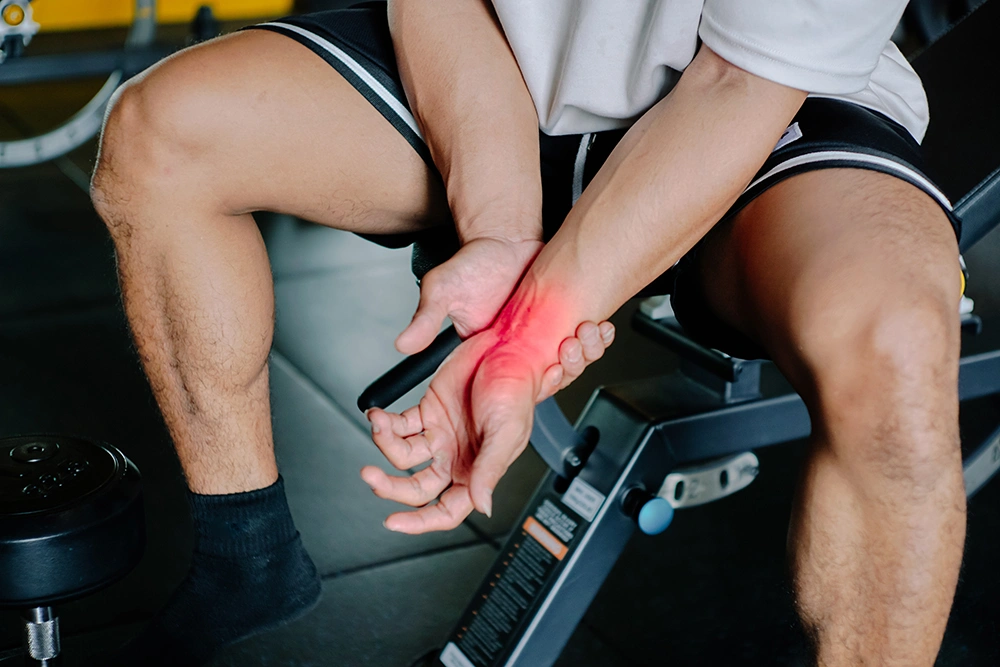
Baik itu nyeri saat bench press, pergelangan ketarik pada front squat, atau pergelangan terasa sakit waktu push-up ataupun handstand, masalah pergelangan tangan memang kerap terjadi pada penggiat gym. Latihan kekuatan memberi tekanan besar pada pergelangan, khususnya saat gerakan berat seperti bench press, angkat besi olympic, sampai kalistenik. Faktor teknik angkat yang kurang baik, pergelangan tidak fleksibel, atau tiba-tiba menaikkan intensitas latihan juga bisa memperberat stres sehingga muncul rasa sakit, lemah, hingga performa menurun secara bertahap.
Banyak pengangkat beban mula-mula hanya merasakan sedikit nyeri, misalnya ketika meletakkan barbell kembali atau pegal-pegal pasca latihan. Tapi jika dibiarkan, nyeri pergelangan tangan bisa membuat gerakan dasar pun tidak nyaman dan akhirnya harus mengurangi intensitas latihan. Mengenali penyebab sejak awal akan membantu mencegah cedera yang lebih berat dan memungkinkan Anda kembali berlatih dengan aman dan efektif.
Poin Penting
- Nyeri pergelangan tangan sering terjadi akibat gerakan menggenggam berulang dan posisi ekstensi pada pergelangan saat mengangkat beban
- Nyeri di sisi ibu jari bisa jadi tanda De Quervain’s tenosynovitis
- Kesemutan atau kebas menandakan kemungkinan sindrom terowongan karpal
- Nyeri dan bunyi klik di sisi kelingking bisa menandakan cedera TFCC
- Nyeri saat push-up atau bench press mungkin terkait impingement pergelangan
- Penanganan serta modifikasi latihan sedini mungkin bantu mencegah masalah kronis pada pergelangan
Mengapa Pergelangan Tangan Mudah Cedera Saat Latihan Kekuatan?
Nyeri pergelangan tangan saat latihan kekuatan umumnya terjadi akibat kelebihan beban berulang pada otot, ligamen, tulang rawan, maupun saraf di sekitar sendi. Masalah ini biasa dikategorikan sebagai cedera olahraga akibat overuse karena terjadi perlahan akibat stres berulang, bukan benturan tunggal.
Latihan yang banyak menggenggam, posisi ekstensi pergelangan, rotasi, dan menopang tubuh memberikan beban besar pada pergelangan. Bench press, front squat, Olympic lift, latihan kettlebell, push-up, atau handstand — semuanya bisa menambah beban di pergelangan, apalagi jika teknik, fleksibilitas, atau pemulihan kurang.
Tidak seperti sendi besar, pergelangan tangan punya kemampuan terbatas menahan beban berat berulang. Kontrol gerak yang kurang baik, latihan berulang tanpa istirahat, atau peningkatan intensitas secara tiba-tiba dapat memicu iritasi otot, robek ligamen, cedera tulang rawan, atau penekanan saraf.
Apa Saja Penyebab Umum Nyeri Pergelangan Tangan Saat Latihan Kekuatan?
Nyeri pergelangan selama latihan bisa timbul dari berbagai kondisi — ada yang karena beban berulang, ada pula akibat gerakan mendadak atau teknik angkat yang keliru.
De Quervain’s Tenosynovitis
De Quervain’s tenosynovitis (atau Mummy’s Wrist) menyerang tendon di sisi ibu jari. Genggaman, mengangkat, atau gerakan menahan berulang dapat menyebabkan peradangan pada lapisan tendon ini.
Gejala yang sering ditemukan:
- Nyeri di sisi ibu jari pergelangan
- Nyeri tekan di bawah ibu jari
- Nyeri ketika menggenggam atau memutar pergelangan
Sindrom Terowongan Karpal
Sindrom terowongan karpal terjadi jika saraf median terjepit di pergelangan.
Tanda-tanda yang bisa muncul:
- Kesemutan atau kebas di ibu jari, telunjuk, tengah
- Tangan terasa panas seperti terbakar
- Pegangan terasa lemah saat menggenggam
- Sulit memegang alat dengan kuat
Tendinopati Pergelangan Tangan
Tendinopati terjadi karena tendon penggerak pergelangan mengalami iritasi akibat aktivitas berulang.
Gejalanya bisa berupa:
- Nyeri ngilu ketika latihan atau setelahnya
- Pergelangan terasa kaku setelah latihan
- Sakit ketika menggenggam atau mengangkat
- Toleransi terhadap gerakan push/pull menurun
Cedera TFCC
TFCC (Triangular fibrocartilage complex) membantu menstabilkan sisi kelingking pergelangan.
Cedera TFCC sering terjadi saat memutar atau mengangkat beban seperti deadlift dan latihan kettlebell.
Keluhan yang sering muncul:
- Nyeri pada sisi kelingking pergelangan
- Terdengar bunyi klik atau nyangkut
- Pegangan lemah
- Nyeri saat memutar pergelangan
Impingement Pergelangan Saat Ekstensi
Impingement terjadi bila jaringan lunak terjepit akibat gerakan ekstensi berulang.
Push-up, bench press, serta handstand dapat memperparah kondisi ini.
Bisa ditandai dengan:
- Nyeri di bagian belakang pergelangan
- Nyeri ketika melakukan gerakan press
- Tidak nyaman waktu pergelangan dibengkokkan ke belakang
Tanda Bahaya Cedera Pergelangan yang Serius
Tidak semua nyeri pergelangan karena pegal. Ada ciri tertentu yang menandakan cedera cukup berat dan wajib diperiksa dokter.
Nyeri tak kunjung hilang saat atau setelah latihan
Jika nyeri terus muncul sepanjang waktu latihan atau setelah rebound setiap sesi, bisa jadi gejala iritasi tendon, robek ligamen, atau kerusakan tulang rawan.
Kekuatan genggam menurun saat latihan
Memegang barbell, dumbbell, kettlebell, atau pull-up bar terasa lemah — ini bisa mengarah ke overload tendon, kompresi saraf, atau cedera struktur pergelangan.
Bengkak atau nyeri tekan lokal pasca latihan
Pergelangan tampak bengkak atau sakit saat ditekan sehabis latihan — ini bisa pertanda radang atau cedera jaringan lunak.
Muncul bunyi klik, terasa nyangkut, atau pergelangan mudah goyang waktu digerakkan
Jika terasa klik/instabilitas saat gerakan rotasi atau olahraga beban, waspadai cedera tulang rawan atau ligamen seperti TFCC.
Nyeri Mulai Mengganggu Aktivitas Sehari-hari
Bila nyeri membatasi aktivitas seperti mengetik, mengangkat barang, membuka pintu, atau aktivitas ringan, bisa jadi cedera berkembang melebihi sekadar overuse dari latihan.
Bagaimana Cara Mengatasi Nyeri Pergelangan pada Atlet?
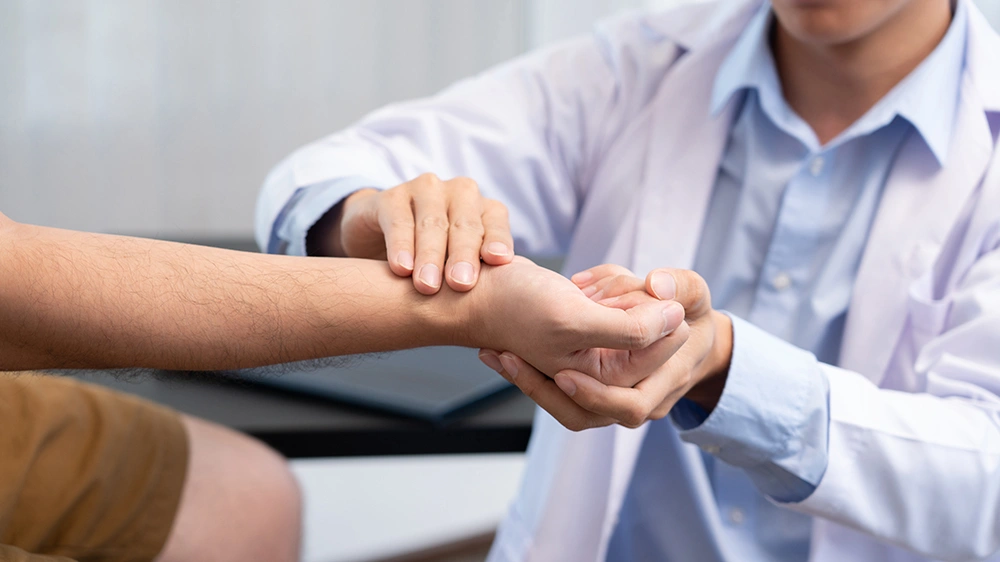
Diagnosis biasanya lewat pemeriksaan fisik dan keluhan yang dirasakan pasien. Dokter spesialis akan mengecek lokasi nyeri, kekuatan genggam, serta rentang gerak. Pada kasus tertentu, dibutuhkan USG/MRI untuk mengetahui tingkat kerusakan tendon atau menyingkirkan masalah lain.
Modifikasi Latihan untuk Mengurangi Stres pada Pergelangan
Mengurangi/menyesuaikan jenis latihan yang memperparah keluhan dapat membantu proses penyembuhan. Caranya dengan mengganti posisi pegangan, mengurangi bobot, atau memilih variasi gerakan bebas nyeri.
Rehabilitasi untuk Memulihkan Fungsi Pergelangan
Program rehabilitasi terstruktur membantu mengembalikan kekuatan, fleksibilitas, dan kontrol pergelangan maupun lengan bawah. Latihan progresif memperkuat daya tahan tendon agar dapat kembali latihan dengan aman.
Pemakaian Penyangga dan Proteksi Pergelangan
Penyangga pergelangan atau teknik taping dapat meredakan tekanan saat latihan ringan sehingga proses pemulihan tetap berjalan.
Terapi Obat dan Injeksi
Penggunaan obat anti-inflamasi jangka pendek dapat mengurangi nyeri saat pergelangan kambuh. Bila keluhan menetap, injeksi kadang diperlukan agar pemulihan lebih maksimal.
Operasi
Operasi umumnya dilakukan jika tidak membaik dengan tindakan konservatif, misal untuk memperbaiki ligamen/tendon robek atau menstabilkan pergelangan.
Mengembalikan Kesehatan Pergelangan Tangan untuk Mobilitas Jangka Panjang
Mengembalikan Kesehatan Pergelangan Tangan untuk Mobilitas Jangka Panjang

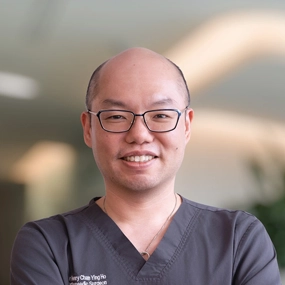
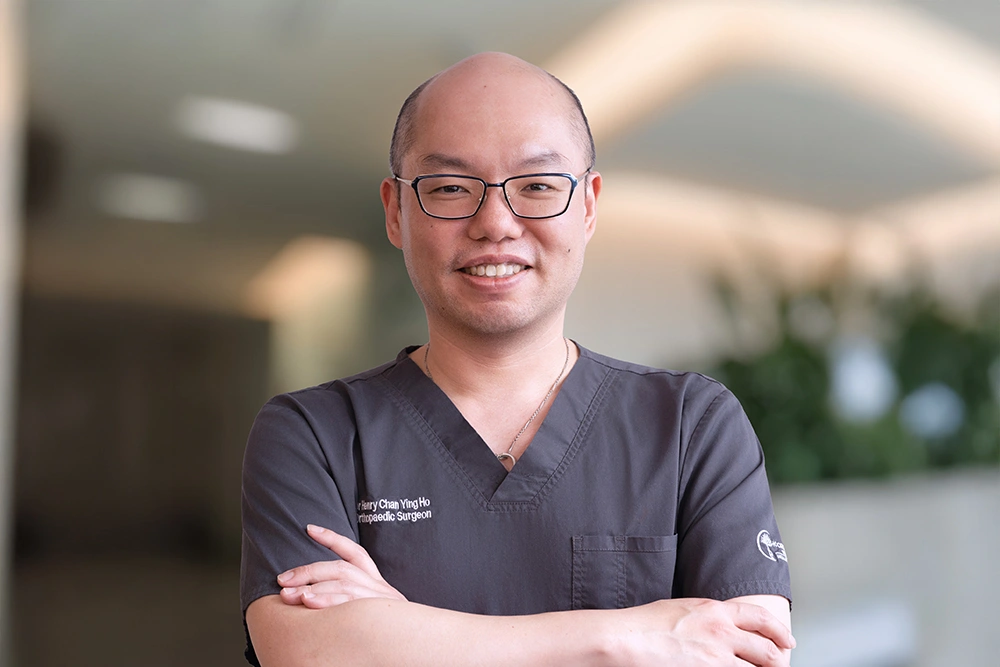
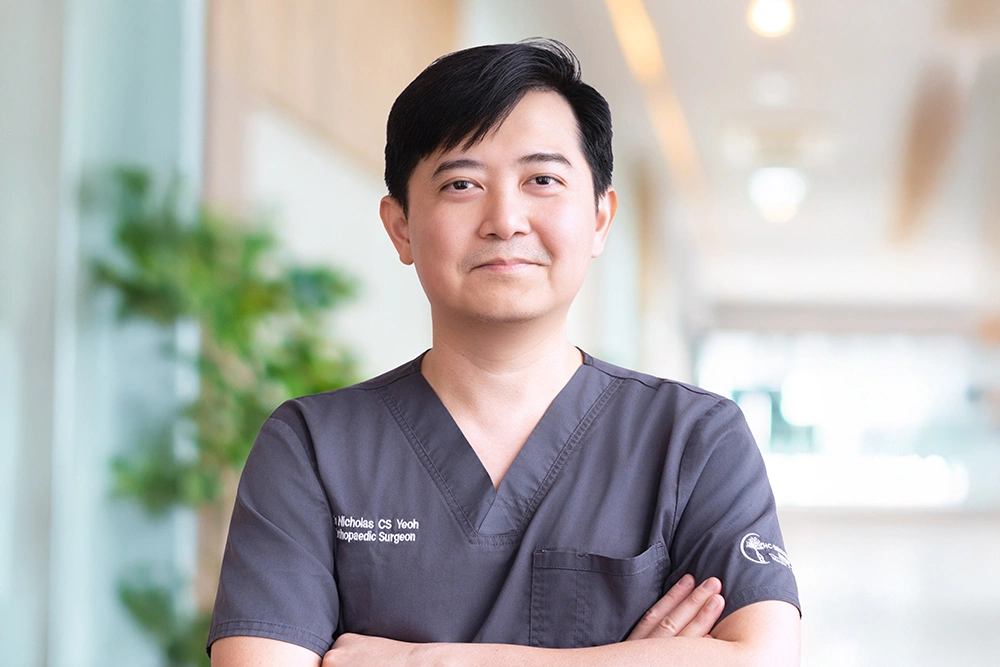
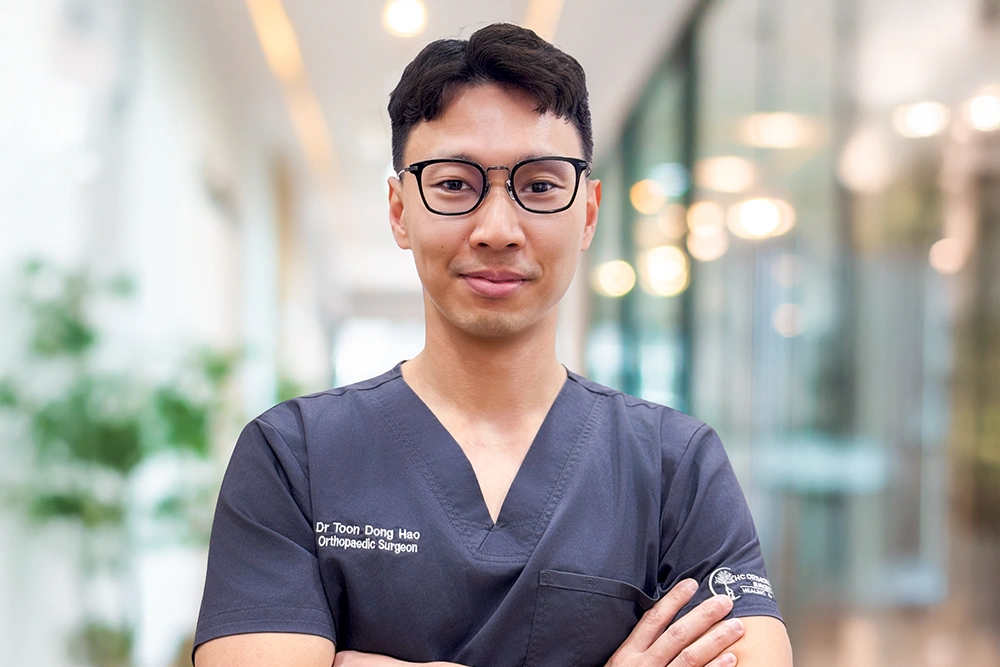
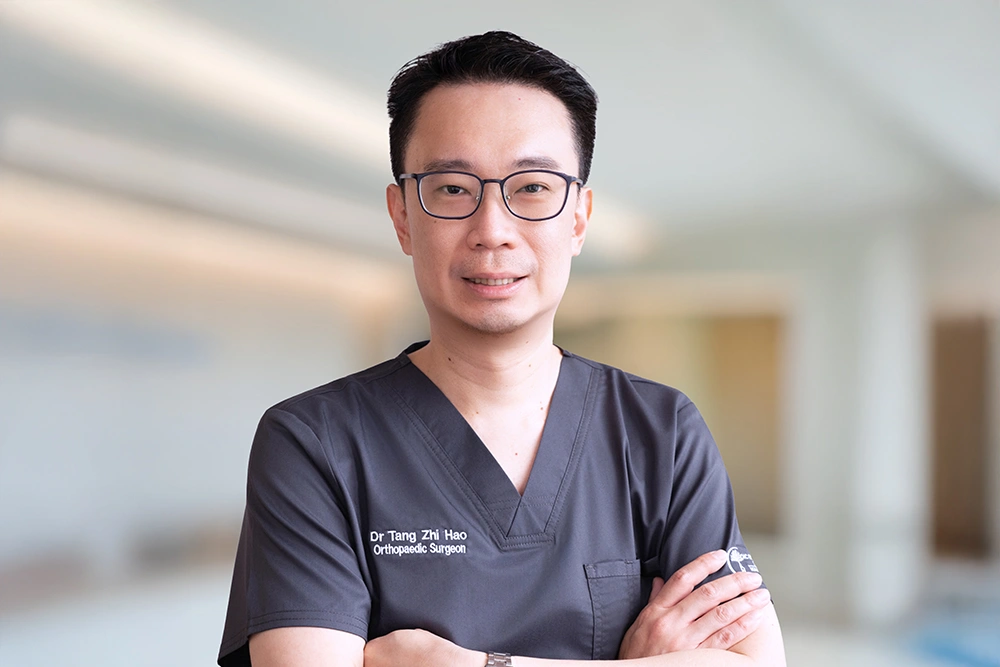
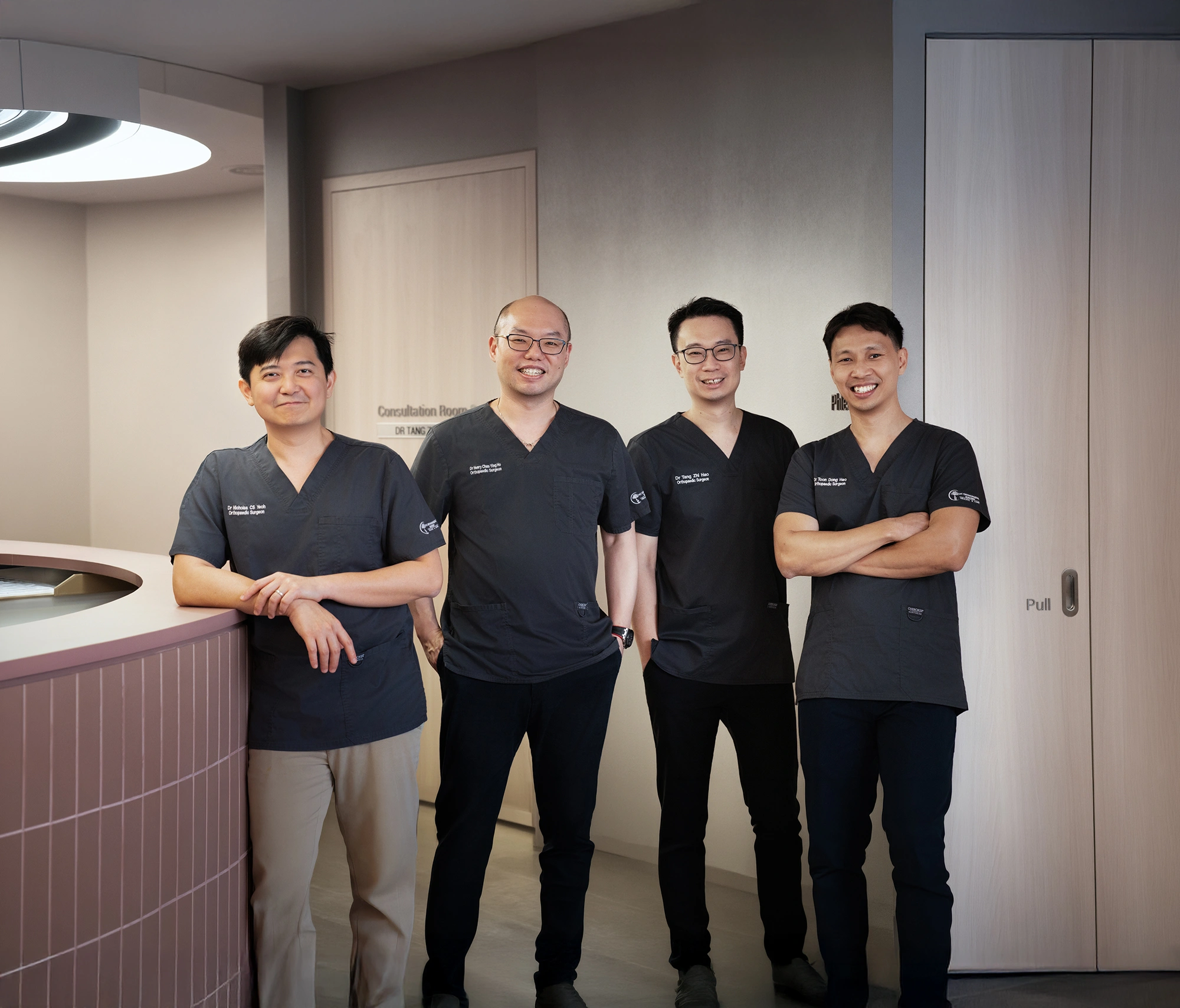
Di HC Orthopaedic Surgery Singapura, pasien akan ditangani oleh Dr Henry Chan bersama tim dokter ortopedi berpengalaman — termasuk Dr Nicholas Yeoh, Dr Toon Dong Hao, dan Dr Tang Zhi Hao. Mulai dari rehabilitasi konservatif hingga tindakan bedah bila diperlukan, pendekatan kami selalu personal sesuai kebutuhan pasien — mengembalikan fungsi, mengurangi nyeri, dan memastikan Anda bisa kembali latihan atau beraktivitas sehari-hari tanpa beban. Jika nyeri pergelangan tangan mulai mengganggu kekuatan atau gerak Anda, jadwalkan konsultasi agar bisa mendapat evaluasi menyeluruh dan rencana perawatan khusus.
FAQ seputar Nyeri Pergelangan saat Latihan Kekuatan
Perlukah Berhenti Latihan Jika Pergelangan Sakit?
Kenapa Pergelangan Tangan Sakit Saat Push-Up?
Apakah Wrist Wrap Benar-Benar Membantu?
Apakah Nyeri Pergelangan Tangan Bisa Jadi Kronis?
Kenali Dokter Spesialis Pergelangan Tangan Kami di Singapura
Dr Henry Chan
Direktur Medis & Konsultan Senior Bedah Ortopedi
MBBS (S’pore), MRCS (Edinburgh), MMed (Orthopaedic Surgery), FRCS (Edinburgh)
Dr Nicholas Yeoh
Konsultan Senior Bedah Ortopedi
MBChB (Edinburgh), MRCS (Edinburgh), MMed (Orthopaedic Surgery), FRCS (Edinburgh)
Dr Toon Dong Hao
Konsultan Senior Bedah Ortopedi
MBChB (Leeds), MRCS (Edinburgh), MMed (Orthopaedic Surgery), FRCS (Edinburgh)
Dr Tang Zhi Hao
Konsultan Senior Bedah Ortopedi
MBBS (S’pore), MRCS (Edinburgh), MMed (Orthopaedic Surgery), FRCS (Edinburgh)