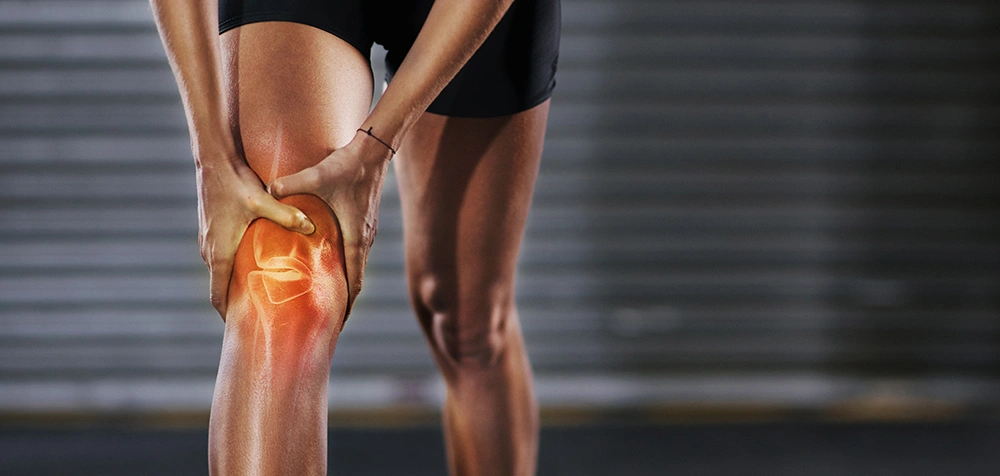
Sebagian besar nyeri lutut bisa membaik tanpa operasi. Namun, jika keluhan berasal dari masalah struktur di dalam sendi, terapi konservatif saja biasanya kurang efektif.
Operasi disarankan jika struktur lutut rusak sehingga fungsi tak kunjung pulih dan pengobatan non-operatif tidak lagi memberikan hasil.
Intisari Penting
- Operasi lutut umumnya disarankan saat ada masalah struktur yang mempengaruhi fungsi sendi
- Gejala mekanis seperti nyeri saat menekuk, lutut sering terkunci, atau terasa goyah menjadi tanda perlunya tindakan operasi
- Keluhan yang tak kunjung membaik padahal sudah terapi konservatif optimal bisa menandakan masalah yang hanya bisa ditangani operasi
- Operasi bertujuan mengembalikan fungsi, mengurangi keluhan, dan cegah kerusakan lutut lebih lanjut
Kapan Biasanya Operasi Disarankan?
Tindakan operasi biasanya dipilih jika kerusakan struktur menyebabkan gejala mekanis atau ketidakstabilan. Pada kasus lain, baru dipertimbangkan kalau gejala sudah tidak membaik meski dengan perawatan yang tepat.
Agar mudah dipahami, coba bedakan dua tipe masalah berikut:
- Masalah mekanis – ada bagian dalam lutut yang rusak atau tidak berjalan sebagaimana mestinya
- Masalah non-mekanis – seperti inflamasi/overuse, biasanya membaik dengan fisioterapi
Masalah mekanis lebih sering perlu operasi, sedangkan non-mekanis umumnya cukup terapi konservatif.
Gejala Mekanis pada Lutut
Ini merupakan tanda paling jelas bila operasi dibutuhkan.
Antara lain:
- lutut sering terasa terkunci
- ada bunyi klik atau ketarik disertai nyeri
- tidak bisa menekuk/meluruskan lutut maksimal
Keluhan di atas biasanya menunjukkan ada sumbatan/mechanical block seperti robekan meniskus atau serpihan lepas yang tak akan sembuh hanya dengan olahraga.
Ketidakstabilan atau Lutut Terasa Ambruk
Lutut terasa letoy atau sering 'ngampleng' menandakan struktur penyangga rusak.
Biasanya terjadi pada kasus cedera ligamen, yang dapat:
- membuat sulit berjalan/berolahraga dengan percaya diri
- meningkatkan risiko cedera ulang
Rekonstruksi operasi bisa dibutuhkan agar lutut kembali stabil, terutama untuk orang yang aktif.
Kerusakan Struktur yang Terbukti
Operasi diperlukan jika hasil pemeriksaan menegaskan bagian struktur sendi memang sulit pulih sendiri.
Contohnya:
- cedera/robekan ligamen misal ACL
- robekan meniskus yang berat
- kerusakan tulang rawan
Pada kasus seperti itu, operasi bertujuan memulihkan stabilitas, memperbaiki fungsi, atau mencegah kerusakan bertambah parah.
Keluhan Tetap Bandel Meski Sudah Terapi Optimal
Kalau sudah coba fisioterapi dan pola hidup sehat terarah tapi tidak ada perubahan berarti, kemungkinan dasarnya butuh penanganan lebih lanjut.
Anda akan dianjurkan operasi bila:
- gejala tidak membaik meski sudah ditangani
- nyeri/fungsi lutut sudah mentok tidak naik-naik
- aktivitas harian tetap terganggu
Patokannya bukan waktu, tapi kalau tidak ada progress.
Lutut Sering Bengkak atau Meradang Terus
Pembengkakan berulang atau menetap bisa jadi tanda iritasi di dalam sendi.
Hal itu mengarah pada kemungkinan kerusakan internal yang belum pulih. Kalau bengkak tak kunjung hilang, evaluasi lanjutan bahkan operasi bisa perlu dipertimbangkan.
Cedera Lutut Akut yang Membuat Fungsi Benar-Benar Turun
Pada situasi tertentu, misal cedera berat, tindakan operasi bisa dipertimbangkan lebih awal.
Contoh situasi:
- tak sanggup menopang berat badan dengan lutut
- nyeri hebat usai lutut terpelintir/terjatuh
- bengkak mendadak disertai gerak terbatas
Pemeriksaan dini akan menentukan apakah operasi diperlukan.
Dampak pada Kualitas Hidup
Operasi bisa dipilih jika keluhan sudah sangat mengganggu kualitas hidup.
Contohnya:
- nyeri berkepanjangan yang batasi aktivitas harian
- tak bisa beraktivitas kerja atau olahraga seperti sedia kala
- sudah mencoba berbagai terapi non-operasi tapi tetap tak nyaman
Keputusan utamanya didasarkan seberapa besar keluhan memengaruhi hidup dan target Anda.
Bagaimana Dokter Menentukan Anda Butuh Operasi?
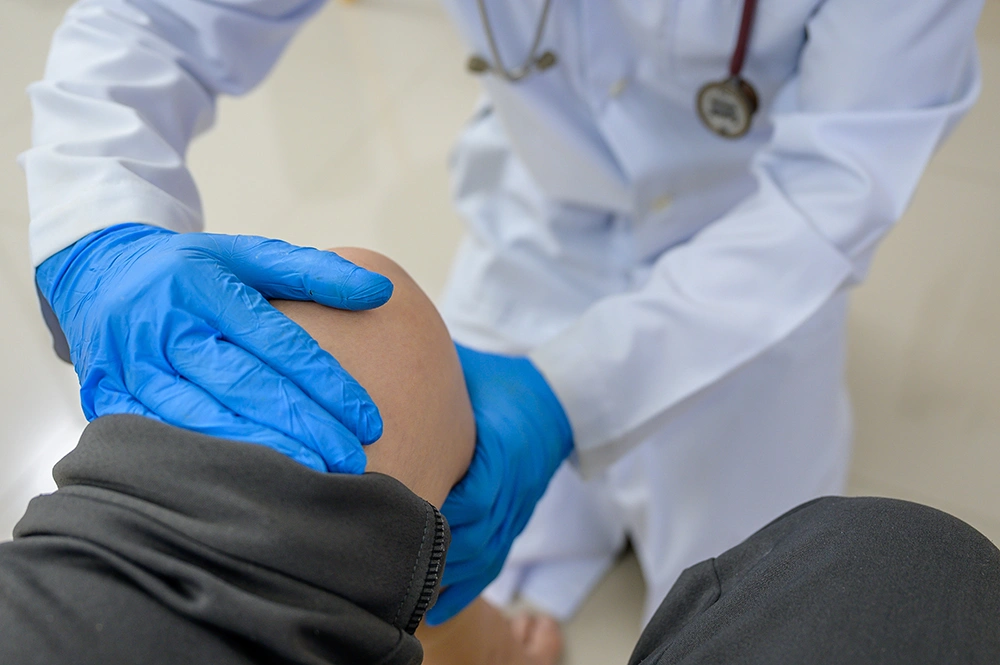
Spesialis lutut akan memeriksa secara menyeluruh, termasuk pemeriksaan fisik dan bila perlu, X-ray/MRI.
Keputusan operasi diambil secara menyeluruh, tidak hanya dari satu gejala saja. Kuncinya: apakah operasi bermanfaat jauh lebih besar daripada terapi konservatif.
Spesialis akan mempertimbangkan:
- diagnosis & jenis kerusakan secara spesifik
- tingkat keparahan gejala & keterbatasan fungsi sendi
- usia, tingkat aktivitas, dan target aktivitas Anda
- hasil terapi non-operasi sebelumnya
- risiko kerusakan sendi lebih lanjut jika tak ditangani
Contoh: orang muda & aktif dengan ACL robek serta lutut letoy akan diutamakan operasi, sedangkan orang yang kurang aktif tetap bisa dikelola tanpa operasi.
Kondisi Lutut yang Sering Perlu Operasi
Beberapa kasus nyeri lutut (tergantung beratnya) lebih rentan membutuhkan tindakan operasi, seperti:
Misalnya:
- Robekan ACL disertai lutut tidak stabil
- Robekan meniskus yang bikin lutut terkunci atau nyeri lama
- Kerusakan tulang rawan berat atau kasus radang sendi stadium awal tertentu
- Ada benda asing di dalam sendi
- Patah tulang yang melibatkan permukaan sendi
Tidak semua kondisi ini mutlak mesti operasi, namun jika gejala berat, tindakan operatif kerap dipertimbangkan.
Apa Tujuan Operasi Lutut?
Operasi lebih berfokus memperbaiki fungsi lutut secara keseluruhan, bukan sekadar memperbaiki struktur tunggal.
Tujuan operasi berbeda sesuai masalah, di antaranya:
- memulihkan stabilitas lutut
- mengurangi rasa sakit
- memperluas jangkauan gerak
- memungkinkan kembali olahraga/aktif seperti semula
- mencegah kerusakan sendi berlanjut
Manfaat operasi sangat tergantung pada diagnosis, prosedur, dan masing-masing pasien.
Kapan Operasi Justru Tidak Disarankan?
Kadang meski hasil pemeriksaan ada kelainan, operasi belum tentu jadi pilihan terbaik.
Operasi tidak disarankan bila:
- keluhan ringan & masih bisa ditoleransi
- fungsi sendi masih terjaga dengan baik
- hasil pemeriksaan tidak sesuai keluhan
- risiko lebih tinggi dibanding kemungkinan manfaat operasi
Pada situasi seperti ini, manajemen non-operatif umumnya memberi hasil lebih baik.
Ambil langkah selanjutnya untuk mengatasi nyeri lutut Anda
Ambil langkah selanjutnya untuk mengatasi nyeri lutut Anda

Tim Spesialis Kami
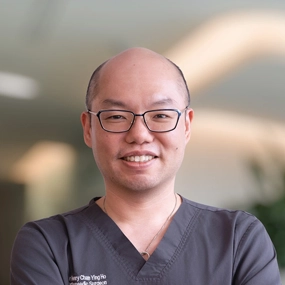
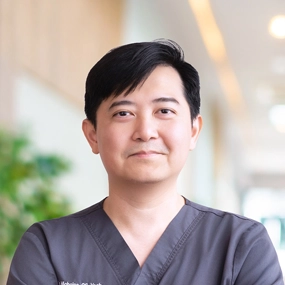
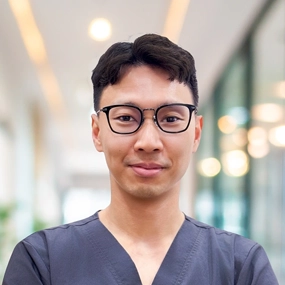
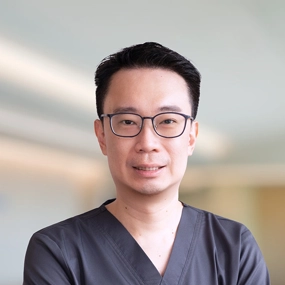
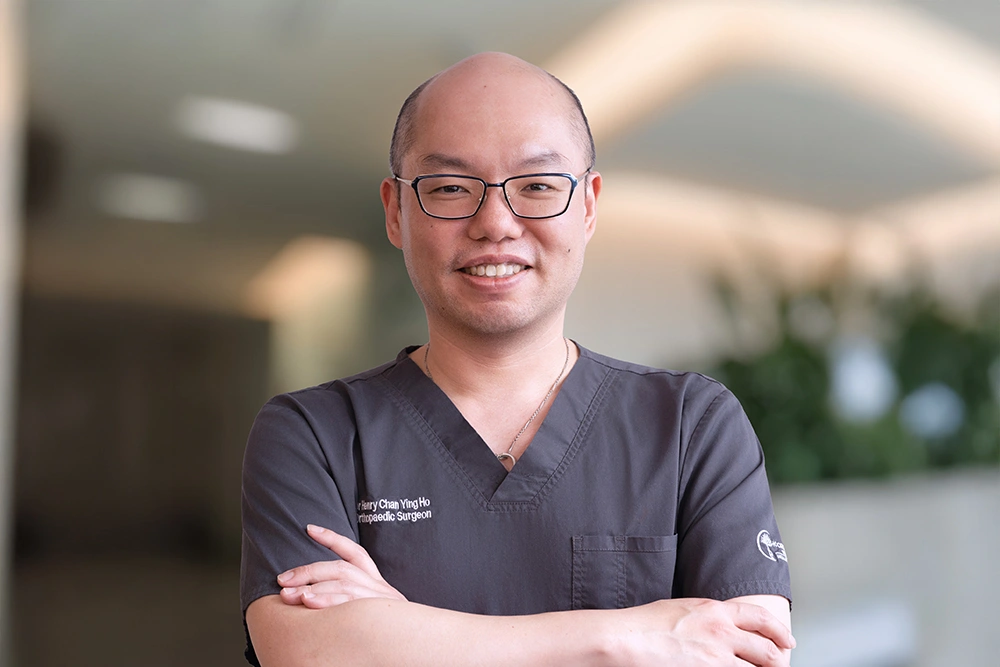
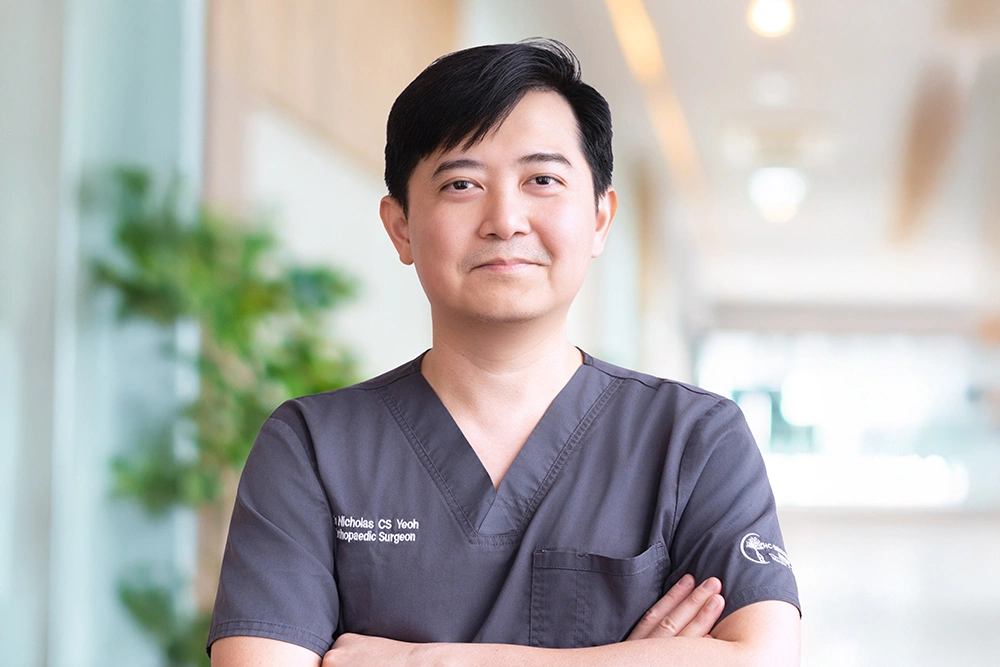
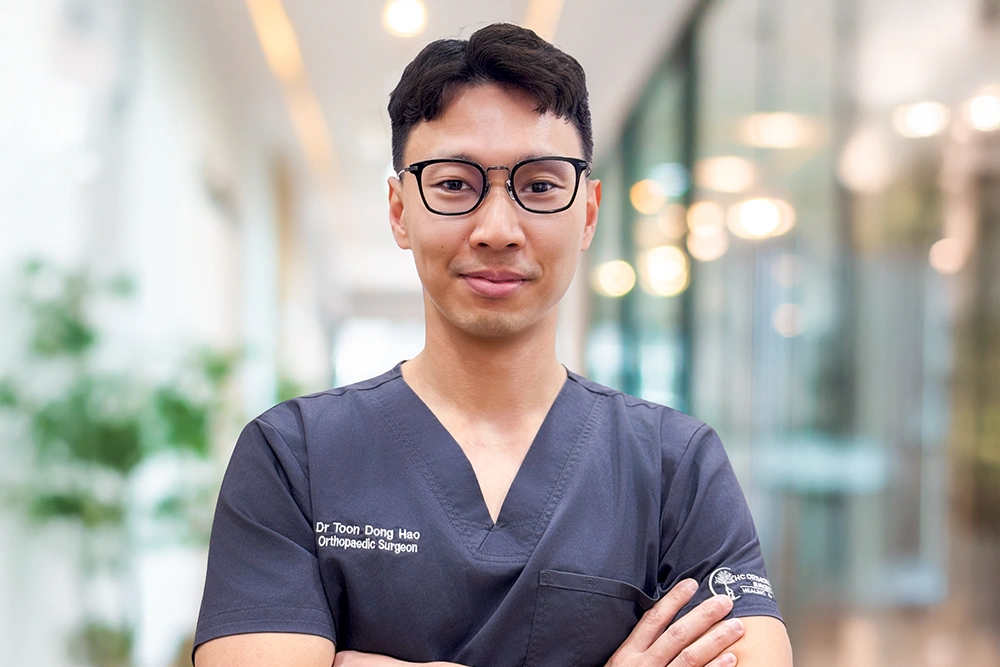
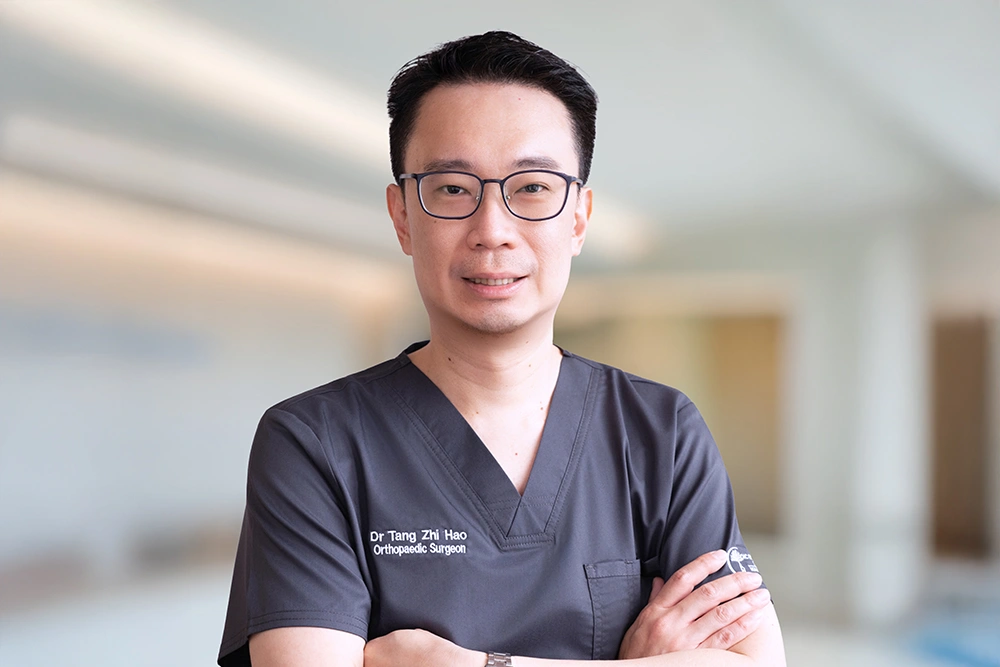
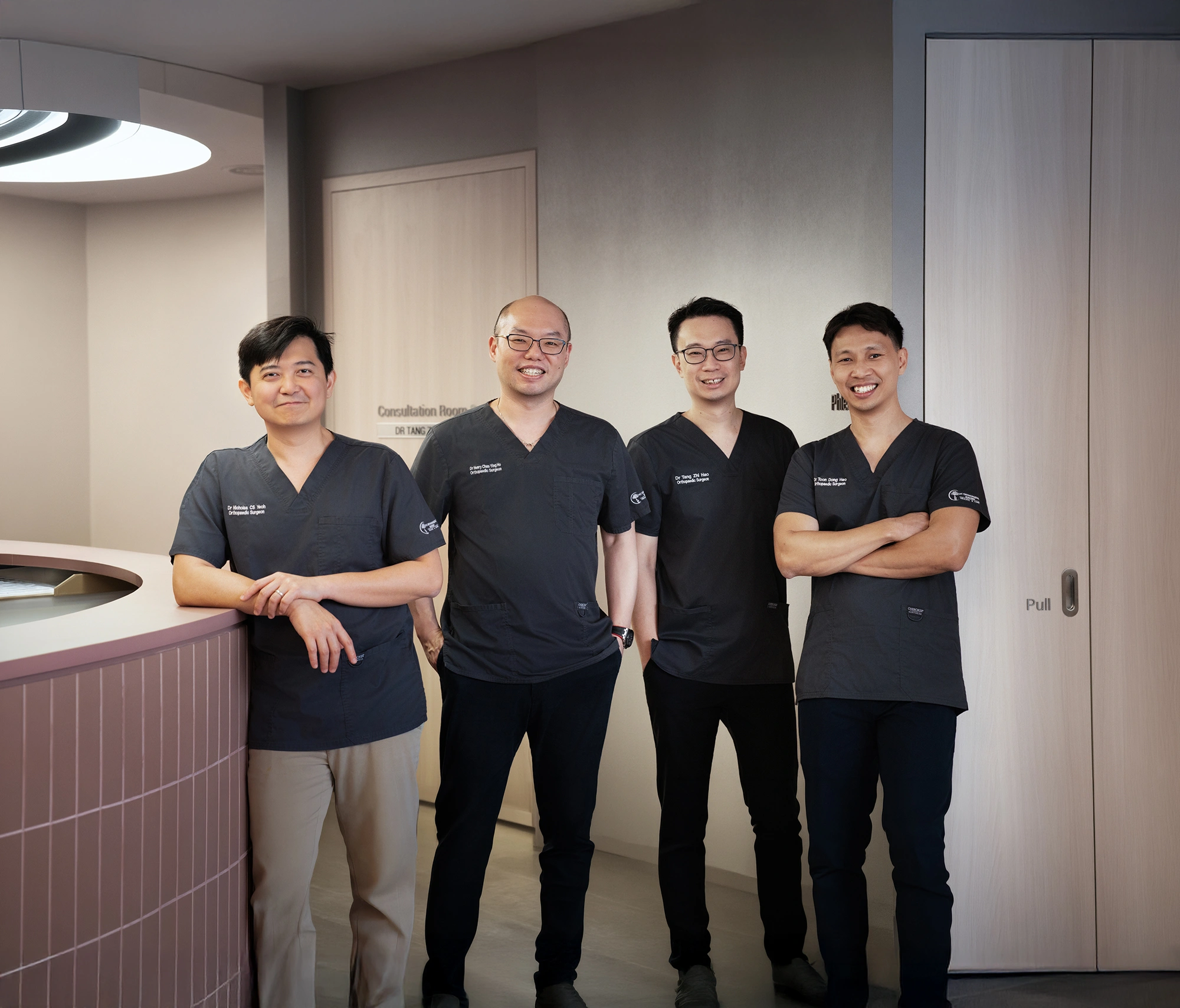
Di HC Orthopaedic Surgery, layanan dipimpin Dr Henry Chan bersama tim dokter ortopedi berpengalaman: Dr Nicholas Yeoh, Dr Toon Dong Hao, dan Dr Tang Zhi Hao. Kami mengutamakan perawatan berbasis bukti & kebutuhan pasien, dengan rencana terapi yang sesuai kondisi Anda. Kalau masih bingung atau nyeri tak kunjung sembuh, konsultasilah untuk solusi pasti & penanganan tepat.
FAQ (Tanya Jawab) Seputar Operasi Lutut
Apakah saya harus operasi segera, atau bisa menunggu dulu?
Apakah operasi benar-benar bisa menghilangkan nyeri lutut saya?
Jika saya tidak operasi, apa akibatnya?
Bagaimana tahu saya cocok untuk operasi atau tidak?
Apa perbedaan bedah arthroscopy (lubang kunci) dan operasi terbuka?
Kenali Spesialis Lutut Terbaik di Singapura
Dr Henry Chan
Direktur Medis & Konsultan Senior Bedah Ortopedi
MBBS (S’pore), MRCS (Edinburgh), MMed (Orthopaedic Surgery), FRCS (Edinburgh)
Dr Henry Chan adalah ahli bedah ortopedi berpengalaman yang berspesialisasi dalam penggantian sendi dan operasi revisi kompleks. Terlatih di Helios Endo-Klinik yang terkenal di Jerman di bawah beasiswa MOH HMDP, ia telah melakukan lebih dari 1,000 penggantian sendi dan berspesialisasi dalam teknik penggantian sendi berbantuan komputer dan robotik untuk hasil yang presisi.
Dr Nicholas Yeoh
Konsultan Senior Bedah Ortopedi
MBChB (Edinburgh), MRCS (Edinburgh), MMed (Orthopaedic Surgery), FRCS (Edinburgh)
Dr Nicholas Yeoh adalah spesialis ortopedi yang diakreditasi MOH dan Fellow dari Royal College of Surgeons of Edinburgh. Terlatih fellowship dalam rekonstruksi pinggul dan lutut di Sydney di bawah beasiswa MOH HMDP, ia berspesialisasi dalam penggantian sendi minim invasif, operasi robotik, dan teknik lanjutan yang meningkatkan pemulihan serta hasil operasi.
Dr Toon Dong Hao
Konsultan Senior Bedah Ortopedi
MBChB (Leeds), MRCS (Edinburgh), MMed (Orthopaedic Surgery), FRCS (Edinburgh)
Dr Toon Dong Hao adalah ahli bedah ortopedi yang terampil dan Fellow dari Royal College of Surgeons of Edinburgh. Terlatih fellowship dalam Bedah Bahu dan Siku Lanjutan di Sydney di bawah beasiswa MOH HMDP, Dr Toon berspesialisasi dalam cedera olahraga, operasi arthroscopic dan prosedur kompleks pada bahu, siku dan lutut untuk mengembalikan fungsi dan mobilitas.
Dr Tang Zhi Hao
Konsultan Senior Bedah Ortopedi
MBBS (S’pore), MRCS (Edinburgh), MMed (Orthopaedic Surgery), FRCS (Edinburgh)
Dr Tang Zhi Hao adalah ahli bedah ortopedi yang terlatih fellowship dan berspesialisasi dalam kondisi kaki dan pergelangan. Ia menyelesaikan fellowship Bedah Kaki dan Pergelangan di Severance Hospital, Yonsei University Health System di Seoul di bawah Prof. Jin Woo Lee. Sebelum praktik swasta, ia menjabat sebagai Konsultan dan Wakil Kepala Bedah Ortopedi di Khoo Teck Puat Hospital.