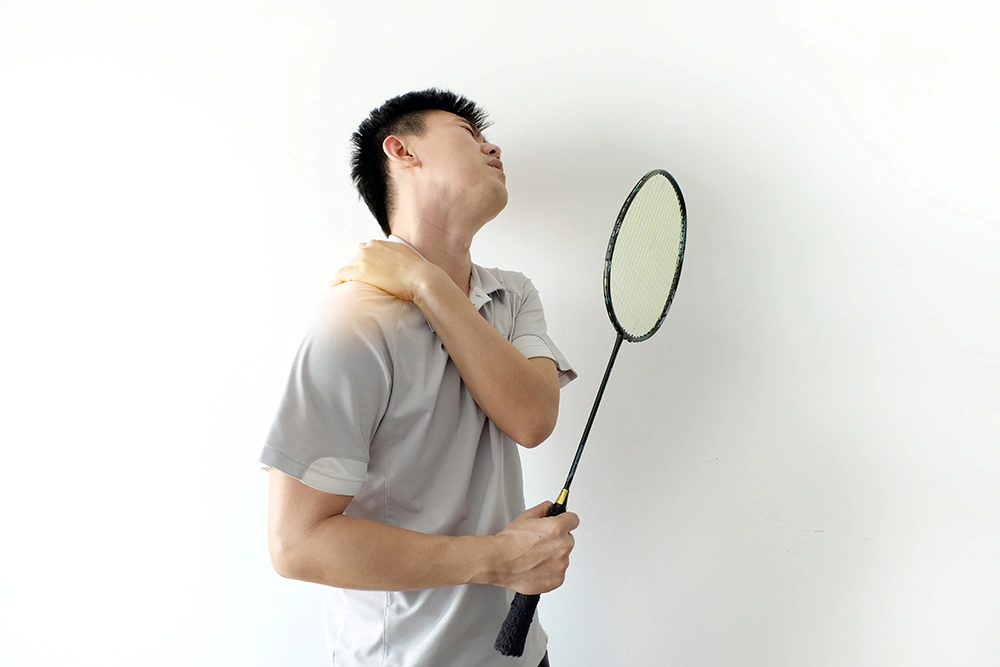
Nyeri bahu sering dialami oleh orang yang aktif dalam olahraga gerakan di atas kepala, seperti tenis, badminton, berenang, voli, basket, hingga latihan beban. Gerakan menjangkau, mengangkat, serta melempar berulang kali membuat sendi bahu terus-menerus mendapat tekanan. Pada banyak kasus, rasa tidak nyaman awal seringkali membaik dengan istirahat sehingga dianggap cuma cedera ringan.
Namun jika nyeri bahu tetap berlangsung atau sering kambuh setiap berolahraga, kemungkinan ada iritasi atau beban berlebih pada struktur bahu—not sekadar kelelahan otot biasa. Terutama jika mulai mengganggu kekuatan, jangkauan gerak, bahkan aktivitas sehari-hari. Dengan menyadari pola-gejala lebih awal, kita bisa membedakan cedera sementara dengan masalah yang butuh penanganan medis khusus.
Poin Penting
- Olahraga overhead membebani bahu secara berulang sehingga risiko cedera akibat kelelahan meningkat.
- Cedera rotator cuff, impingement bahu, robekan labrum, dan instabilitas merupakan penyebab umum nyeri bahu.
- Nyeri yang terus-menerus, bahu lemah, bunyi klik, atau keterbatasan gerak menandakan cedera lebih serius.
- Menangani sejak dini membantu mencegah masalah bahu kronis dan kekambuhan instabilitas.
- Sebagian besar masalah bahu membaik dengan rehabilitasi walau beberapa kasus butuh operasi.
Kenapa Bahu Rentan Cedera saat Olahraga Overhead?
Sendi bahu merupakan salah satu sendi paling fleksibel di tubuh manusia. Bahu memungkinkan lengan bergerak ke berbagai arah, sangat penting untuk olahraga yang melibatkan gerakan mengangkat, melempar, maupun menjangkau tinggi.
Sayangnya, kelenturan ini membuat bahu sangat bergantung pada otot, tendon, ligamen, dan tulang rawan agar tetap stabil saat bergerak. Aktivitas overhead yang dilakukan secara intens, teknik kurang baik, atau berulang menyebabkan tekanan besar ke struktur tersebut. Lama-lama bisa menimbulkan iritasi, peradangan, instabilitas, hingga kerusakan jaringan.
Apa Penyebab Umum Nyeri Bahu saat Olahraga Overhead?
Nyeri bahu bisa disebabkan oleh berbagai masalah, mulai dari cedera yang berkembang perlahan (overuse) hingga cedera tiba-tiba akibat jatuh atau gerakan yang salah.
Rotator Cuff Robek
Robekan rotator cuff adalah penyebab tersering nyeri bahu dalam olahraga overhead. Mengangkat atau melempar berulang perlahan bisa merusak tendon, menimbulkan nyeri, lemah, dan sulit mengangkat lengan.
Impingement Bahu
Impingement bahu terjadi saat tendon pada bahu terjepit saat bergerak. Biasanya terasa sakit ketika menjangkau ke atas, menekan, atau mengangkat lengan menjauh dari tubuh.
Robekan Labrum
Robekan labrum mengenai tulang rawan di sekitar rongga bahu dan dapat terjadi akibat melempar atau gerakan overhead berulang. Keluhannya berupa nyeri bahu dalam, bunyi klik, tersangkut saat bergerak, maupun rasa tidak stabil.
Dislokasi & Instabilitas Bahu
Dislokasi bahu terjadi saat struktur penyangga sendi membentang berlebih atau cedera, sehingga bahu mudah terlepas sebagian/sepenuhnya. Bila pernah dislokasi, risikonya untuk lepas lagi meningkat saat berolahraga.
Frozen Shoulder
Frozen shoulder menyebabkan bahu semakin kaku dan nyeri akibat peradangan sekitar sendi. Tidak selalu karena olahraga, tapi bisa timbul setelah cedera atau bahu lama tidak digerakkan.
Osteoartritis Bahu
Osteoartritis bahu timbul bila tulang rawan makin menipis akibat usia, keluhan berupa nyeri, kaku, dan gerak terbatas. Riwayat cedera bahu/olahraga berat mempercepat kerusakan ini.
Tanda Bahaya Cedera Bahu yang Lebih Serius
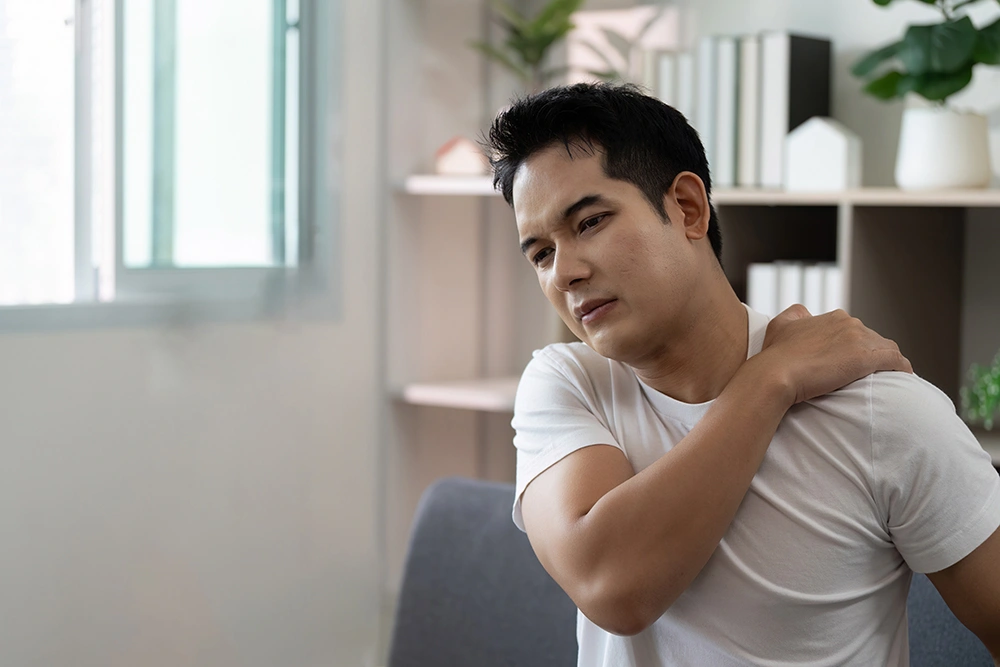
Tak semua nyeri bahu bisa sembuh sendiri hanya lewat istirahat. Kadang, keluhan tertentu menandakan kerusakan jaringan lebih serius dan wajib diperiksa spesialis.
Nyeri Tak Kunjung Hilang
Bila rasa sakit tetap ada setelah istirahat, mengurangi aktivitas atau penanganan rumahan, bisa jadi ada masalah pada struktur bahu.
Bahu Lemah Saat Mengangkat/Melempar
Jika kekuatan bahu menurun saat melakukan gerakan overhead, curigai cedera tendon, otot robek, atau masalah instabilitas.
Nyeri Mengganggu Tidur
Rasa sakit di malam hari, apalagi saat tidur miring di sisi bahu, sering ditemukan pada masalah rotator cuff dan peradangan kronis.
Bunyi Klik, Nyangkut, atau Kunci pada Bahu
Keluhan mekanis seperti bunyi, nyangkut/terkunci saat digerakkan bisa jadi pertanda masalah tulang rawan atau labrum, apalagi jika disertai gerak terbatas atau bahu terasa longgar.
Gerak Bahu Terbatas
Bila sulit mengangkat lengan ke atas atau bahu terasa kaku/nyeri, bisa terkait peradangan, cedera tendon, atau kekakuan sendi.
Apa Saja Faktor Risiko Cedera Bahu?
Berikut beberapa faktor yang meningkatkan risiko nyeri bahu saat olahraga:
Latihan Berulang tanpa Pemulihan Cukup
Aktivitas overhead yang sering tetapi kurang waktu pemulihan rentan memicu kelelahan otot/tendon.
Teknik Salah dan Ketidakseimbangan Otot
Pola gerakan salah dan lemahnya otot penyangga bahu memperbesar stres pada sendi.
Menaikkan Intensitas Latihan Mendadak
Penambahan volume, bobot, atau frekuensi latihan secara drastis bisa menyebabkan bahu belum siap dan lebih mudah cedera.
Riwayat Cedera Bahu
Pernah mengalami dislokasi, cedera tendon, atau instabilitas bahu membuat risiko keluhan berulang makin tinggi.
Pilihan Penanganan Nyeri Bahu akibat Olahraga
Penanganan tergantung jenis dan seberapa berat cedera. Banyak kasus membaik dengan fisioterapi/rehabilitasi, namun kalau parah kadang perlu operasi.
Fisioterapi & Penyesuaian Aktivitas
Mengurangi/kontrol aktivitas pemicu membantu meringankan beban bahu saat pemulihan. Fisioterapi efektif meningkatkan fleksibilitas, stabilitas, keseimbangan otot, serta pola gerakan.
Artroskopi Bahu
Artroskopi bahu adalah tindakan minimal-invasif untuk diagnosis dan penanganan seperti rotator cuff robek, impingement, serta cedera labrum melalui sayatan kecil.
Operasi Stabilitas Bahu
Operasi stabilisasi bahu disarankan pada kasus sering lepas/instabilitas kronis guna mengembalikan kestabilan dan mencegah cedera ulang.
Rekonstruksi Rotator Cuff
Rekonstruksi rotator cuff bertujuan memperbaiki tendon bahu robek agar lebih kuat, nyeri berkurang, dan lingkup gerak membaik.
Operasi Penggantian Sendi Bahu
Operasi penggantian sendi bahu dipertimbangkan jika kerusakan sendi berat akibat osteoartritis lanjut atau cedera kompleks, terutama jika cara lain tak efektif.
Kapan Harus Memeriksakan Nyeri Bahu Anda?
Kapan Harus Memeriksakan Nyeri Bahu Anda?

Tim Spesialis Kami
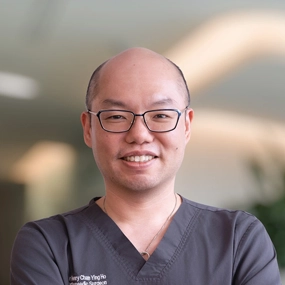
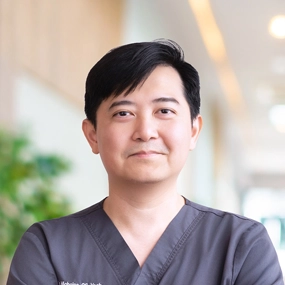
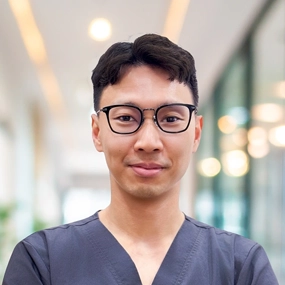
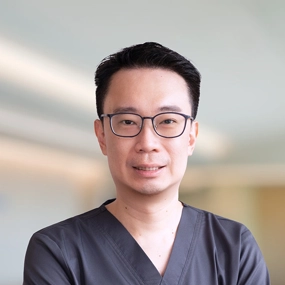
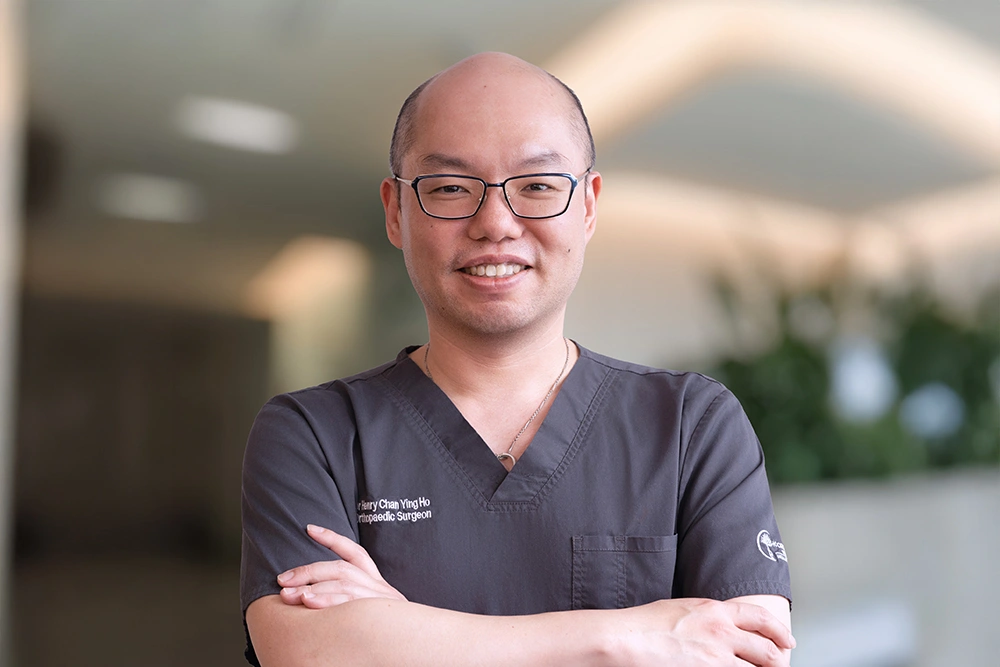
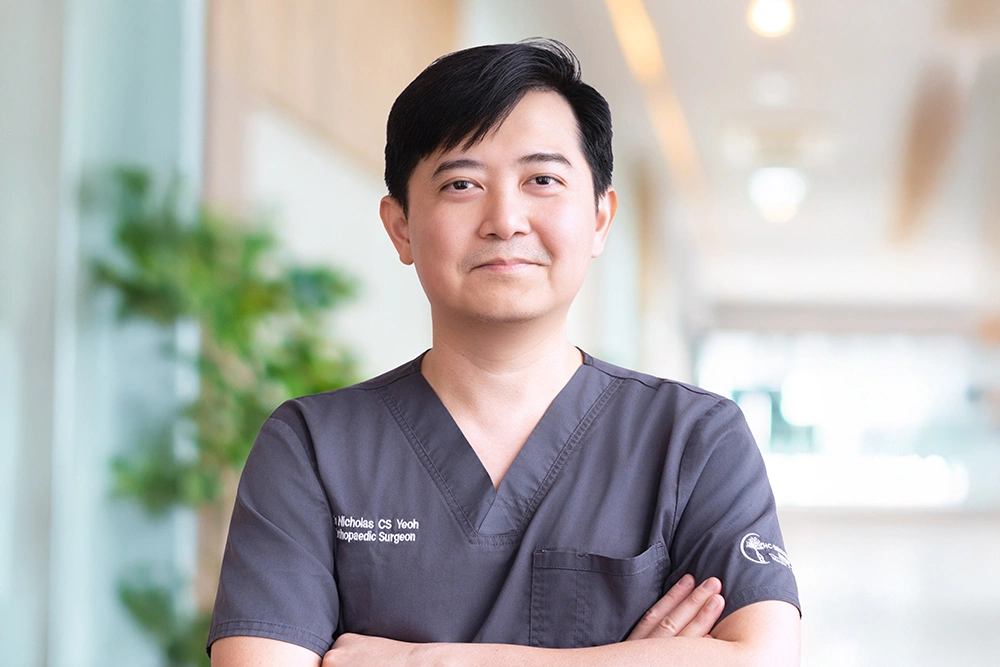
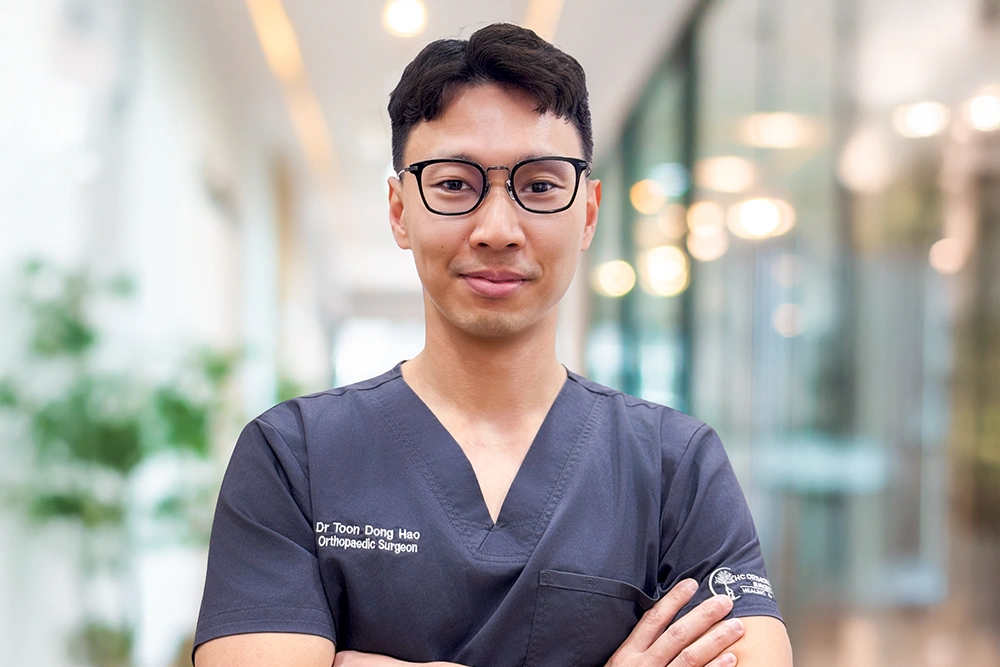
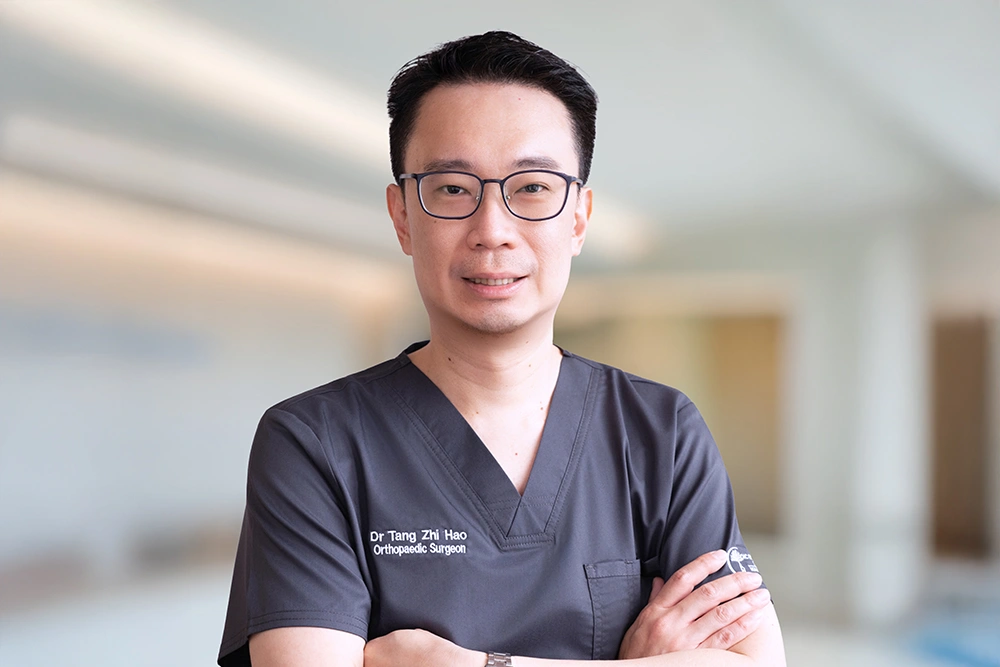
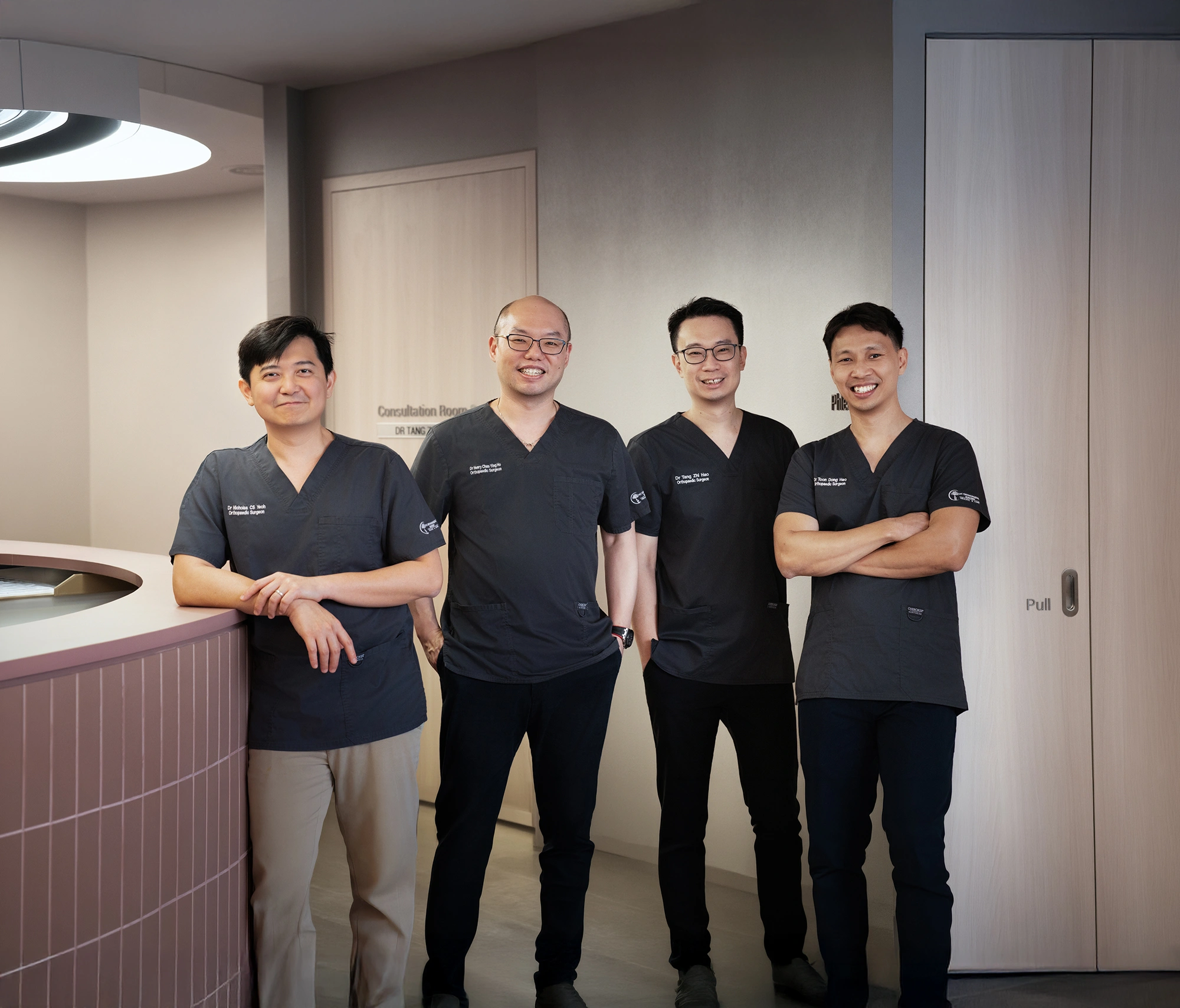
Di HC Orthopaedic Surgery Singapore, layanan dipimpin oleh Dr Henry Chan, bersama Dr Toon Dong Hao sebagai spesialis bahu. Tim dilengkapi Dr Nicholas Yeoh dan Dr Tang Zhi Hao, siap menangani berbagai masalah ortopedi serta mendampingi pemulihan menyeluruh, dari terapi konservatif hingga operasi bila perlu.
Bila nyeri bahu terus menggangu latihan, aktivitas, atau rutinitas harian Anda, jadwalkan konsultasi agar dapat pemeriksaan & solusi penanganan yang tepat.
Pertanyaan Umum Seputar Nyeri Bahu pada Olahraga Overhead
Apakah Olahraga Overhead Bisa Menyebabkan Kerusakan Bahu Jangka Panjang?
Mengapa Bahu Saya Nyeri saat Melempar atau Servis?
Apakah Bunyi Klik di Bahu Selalu Tanda Cedera?
Berapa Lama Proses Pemulihan Cedera Bahu akibat Olahraga?
Apakah Fisioterapi Membantu Nyeri Bahu karena Olahraga?
Kapan Bisa Kembali Berolahraga Overhead setelah Cedera Bahu?
Mengenal Spesialis Bahu Kami
Dr Henry Chan
Direktur Medis & Konsultan Senior Bedah Ortopedi
MBBS (S’pore), MRCS (Edinburgh), MMed (Orthopaedic Surgery), FRCS (Edinburgh)
Dr Henry Chan adalah ahli bedah ortopedi berpengalaman yang berspesialisasi dalam penggantian sendi dan operasi revisi kompleks. Terlatih di Helios Endo-Klinik yang terkenal di Jerman di bawah beasiswa MOH HMDP, ia telah melakukan lebih dari 1,000 penggantian sendi dan berspesialisasi dalam teknik penggantian sendi berbantuan komputer dan robotik untuk hasil yang presisi.
Dr Nicholas Yeoh
Konsultan Senior Bedah Ortopedi
MBChB (Edinburgh), MRCS (Edinburgh), MMed (Orthopaedic Surgery), FRCS (Edinburgh)
Dr Nicholas Yeoh adalah spesialis ortopedi yang diakreditasi MOH dan Fellow dari Royal College of Surgeons of Edinburgh. Terlatih fellowship dalam rekonstruksi pinggul dan lutut di Sydney di bawah beasiswa MOH HMDP, ia berspesialisasi dalam penggantian sendi minim invasif, operasi robotik, dan teknik lanjutan yang meningkatkan pemulihan serta hasil operasi.
Dr Toon Dong Hao
Konsultan Senior Bedah Ortopedi
MBChB (Leeds), MRCS (Edinburgh), MMed (Orthopaedic Surgery), FRCS (Edinburgh)
Dr Toon Dong Hao adalah ahli bedah ortopedi yang terampil dan Fellow dari Royal College of Surgeons of Edinburgh. Terlatih fellowship dalam Bedah Bahu dan Siku Lanjutan di Sydney di bawah beasiswa MOH HMDP, Dr Toon berspesialisasi dalam cedera olahraga, operasi arthroscopic dan prosedur kompleks pada bahu, siku dan lutut untuk mengembalikan fungsi dan mobilitas.
Dr Tang Zhi Hao
Konsultan Senior Bedah Ortopedi
MBBS (S’pore), MRCS (Edinburgh), MMed (Orthopaedic Surgery), FRCS (Edinburgh)
Dr Tang Zhi Hao adalah ahli bedah ortopedi yang terlatih fellowship dan berspesialisasi dalam kondisi kaki dan pergelangan. Ia menyelesaikan fellowship Bedah Kaki dan Pergelangan di Severance Hospital, Yonsei University Health System di Seoul di bawah Prof. Jin Woo Lee. Sebelum praktik swasta, ia menjabat sebagai Konsultan dan Wakil Kepala Bedah Ortopedi di Khoo Teck Puat Hospital.