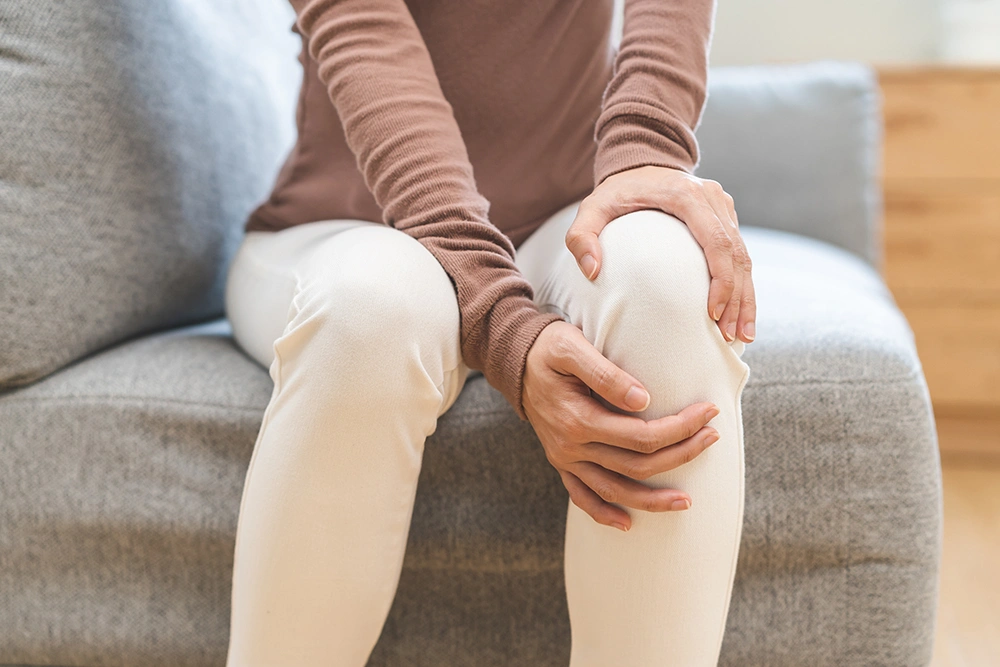
Cedera lutut biasanya dipercaya akan pulih dengan istirahat, waktu, dan rehabilitasi ringan. Namun pada kenyataannya, banyak orang mendapati pemulihannya tidak berjalan mulus. Alih-alih terus membaik, rasa nyeri, bengkak, atau kaku seringkali timbul kembali selama beraktivitas.
Jika proses pemulihan Anda seakan mandek, bisa saja penyebabnya lebih kompleks dari sekadar otot atau sendi terkilir. Hal ini memang bisa memicu frustrasi, apalagi jika sudah berkali-kali mencoba beristirahat, peregangan, atau mengurangi aktivitas. Daripada menunggu membaik sendiri, lebih baik temukan penyebab utama, sehingga tindakan perawatan bisa lebih tepat sasaran dan mengurangi kejadian kambuh.
Penyebab Umum Pemulihan Lutut Terhambat
Jika pemulihan dari cedera lutut terasa sangat lamban, biasanya terdapat beberapa pemicu yang membuat nyeri, kaku, atau fungsi lutut menurun tak kunjung membaik. Memahami faktor-faktor ini akan memudahkan dokter memberikan solusi yang tepat.
Cedera Meniskus atau Tulang Rawan yang Tak Pulih
Cedera pada meniskus atau tulang rawan lutut dapat terus menimbulkan nyeri dan bengkak meski sudah beristirahat. Karena suplai darah sedikit, bagian ini cenderung susah sembuh total—terutama bila pemulihan tidak tuntas atau aktivitas berat dilakukan terlalu dini.
Peregangan Ligamen & Lutut Masih Tak Stabil
Jika ligamen seperti ACL atau MCL teregang atau robek sebagian, lutut Anda bisa terasa lemas saat berjalan, naik tangga, atau olahraga. Kondisi kurang stabil ini memicu tekanan berulang pada sendi dan memperlambat pemulihan.
Sendi Mulai Aus & Perubahan Degeneratif
Keausan di bagian tulang rawan lutut dapat membuat lutut kaku, nyeri, dan rentan lelah saat beraktivitas. Keluhan tersebut bisa hilang-timbul, namun makin terasa kalau Anda lama berdiri, berjalan, atau olahraga berat.
Rehabilitasi Tidak Selesai
Pemulihan cenderung terhambat jika rehabilitasi dihentikan terlalu dini atau aktivitas normal dilakukan sebelum lutut kembali kuat. Terlalu cepat kembali olahraga atau aktivitas berat seringkali jadi penyebab kambuhnya gejala dan penyembuhan jadi makin lama.
Pemakaian Lutut Berlebihan Saat Proses Pemulihan
Saat fase penyembuhan, tuntutan pekerjaan, olahraga, atau rutinitas harian tanpa pengaturan yang baik bisa memberikan tekanan berulang ke lutut. Jika beban tak dijaga, jaringan akan susah pulih optimal, sehingga nyeri dan bengkak terus menerus datang kembali.
Langkah-Langkah Jika Pemulihan Lutut Terhambat
Jika pemulihan lutut Anda tidak berjalan sebagaimana mestinya, besar kemungkinan perlu dilakukan evaluasi ulang pada metode yang dipakai. Di tahap ini, mencari penyebab hambatan sangat penting agar tindakan berikutnya lebih efektif dan tepat sasaran.
Cari Diagnosa yang Lebih Tepat
Bila berbagai upaya pemulihan gagal dan keluhan masih ada, diperlukan pemeriksaan lebih mendalam untuk menentukan penyebabnya. Dokter bisa melakukan foto rontgen, USG, MRI, hingga pemeriksaan kelenturan dan stabilitas sendi. Diagnosis jelas akan memastikan pengobatan langsung pada sumber masalah, bukan sekadar mengurangi gejala saja.
Atur Ulang Aktivitas, Tidak Perlu Total Diam
Kebanyakan orang tidak perlu benar-benar berhenti beraktivitas, bahkan terlalu banyak istirahat justru memperlambat proses sembuh. Yang utama, atur porsi dan jenis gerak — misal kurangi gerakan berat, sesuaikan rutinitas olahraga, atau atur ritme agar sendi tidak berlebihan saat pemulihan.
Ikut Program Fisioterapi Terarah
Fisioterapi dengan program terstruktur sangat berperan penting mengembalikan fungsi lutut. Latihan khusus akan menguatkan otot sekitar sendi, memperbaiki keseimbangan, dan membantu kontrol gerak lebih baik. Pemulihan rutin dan konsisten akan membantu lutut kembali stabil dan kuat untuk rutinitas sehari-hari.
Jika Perlu, Pertimbangkan Pengobatan Medis atau Operasi
Jika setelah perawatan konservatif lutut tetap bermasalah, dokter dapat menyarankan tindakan medis lain sesuai penyebab—termasuk injeksi untuk radang atau operasi seperti artroskopi lutut, rekonstruksi ACL, reparasi tulang rawan, penggantian lutut sebagian, hingga penggantian lutut total bila kerusakan atau keausan sudah berat. Pilihan dipertimbangkan berdasarkan tingkat keparahan, kebutuhan aktivitas, dan dampak ke kehidupan sehari-hari.
Kapan Anda Perlu Temui Dokter Lutut
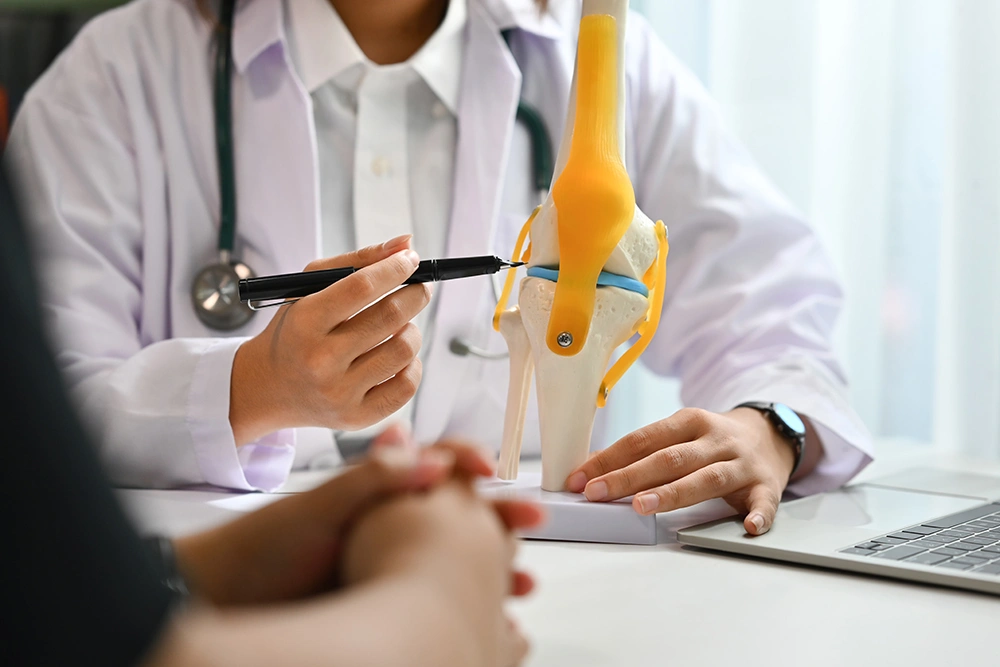
Nyeri terus-menerus, lutut sering bengkak, atau kesulitan beraktivitas adalah tanda Anda perlu konsultasi dokter spesialis lutut. Kalau keluhan tetap bertahan di luar waktu penyembuhan normal, dokter akan membantu mencari penyebab dan solusi tepat. Evaluasi sedini mungkin dapat mencegah perburukan dan memperbesar peluang kembali sehat sesuai kondisi Anda.
Lanjutkan Pemulihan dengan Rencana Perawatan yang Tepat
Cedera lutut yang tak kunjung pulih sebaiknya segera mendapat evaluasi dari dokter ahli lutut, jangan hanya menunggu waktu. Dengan diagnosa tepat dan penanganan terarah, kebanyakan orang bisa kembali kuat, lincah, dan nyaman beraktivitas harian.
Lanjutkan Pemulihan dengan Rencana Perawatan yang Tepat
Cedera lutut yang tak kunjung pulih sebaiknya segera mendapat evaluasi dari dokter ahli lutut, jangan hanya menunggu waktu. Dengan diagnosa tepat dan penanganan terarah, kebanyakan orang bisa kembali kuat, lincah, dan nyaman beraktivitas harian.

Tim Ortopedi Spesialis Kami
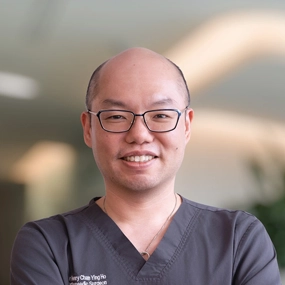
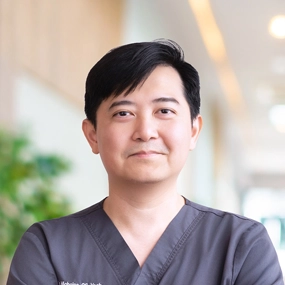
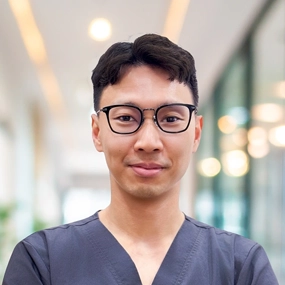
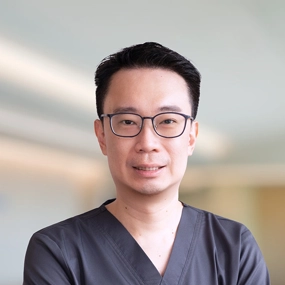
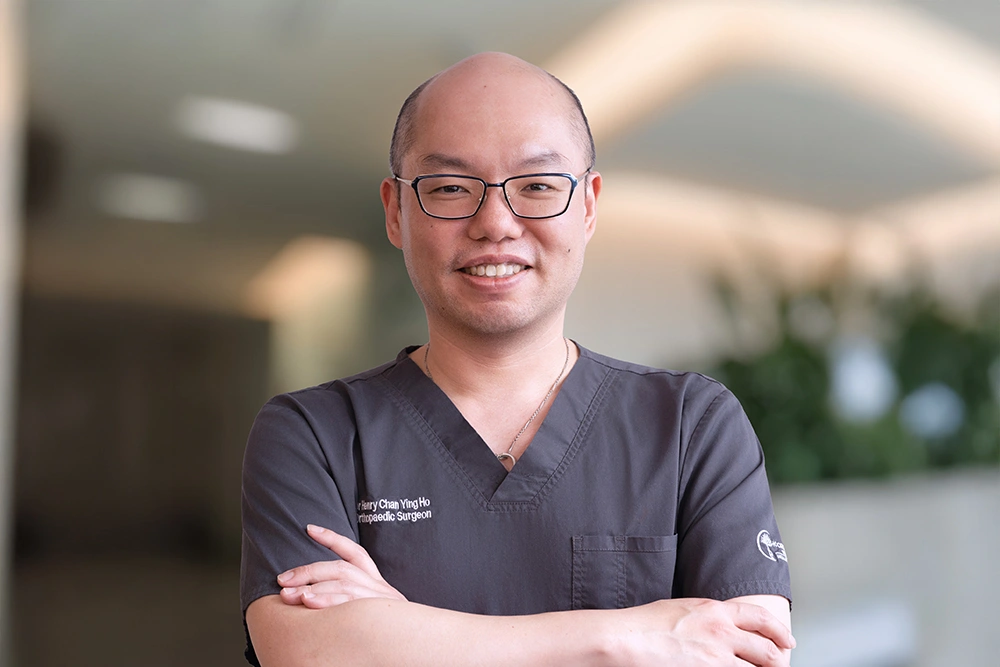
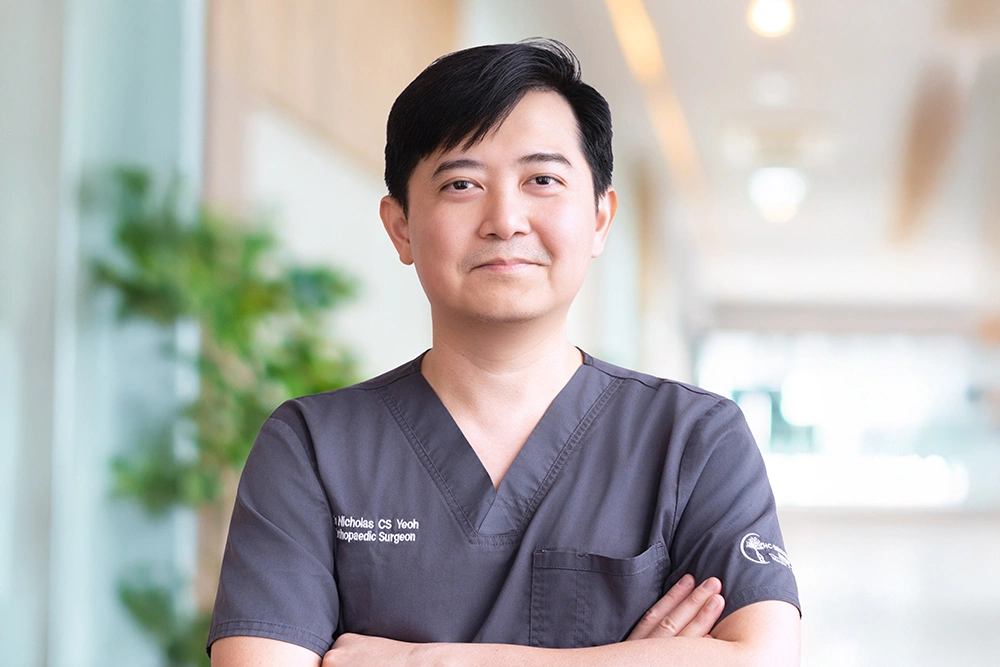
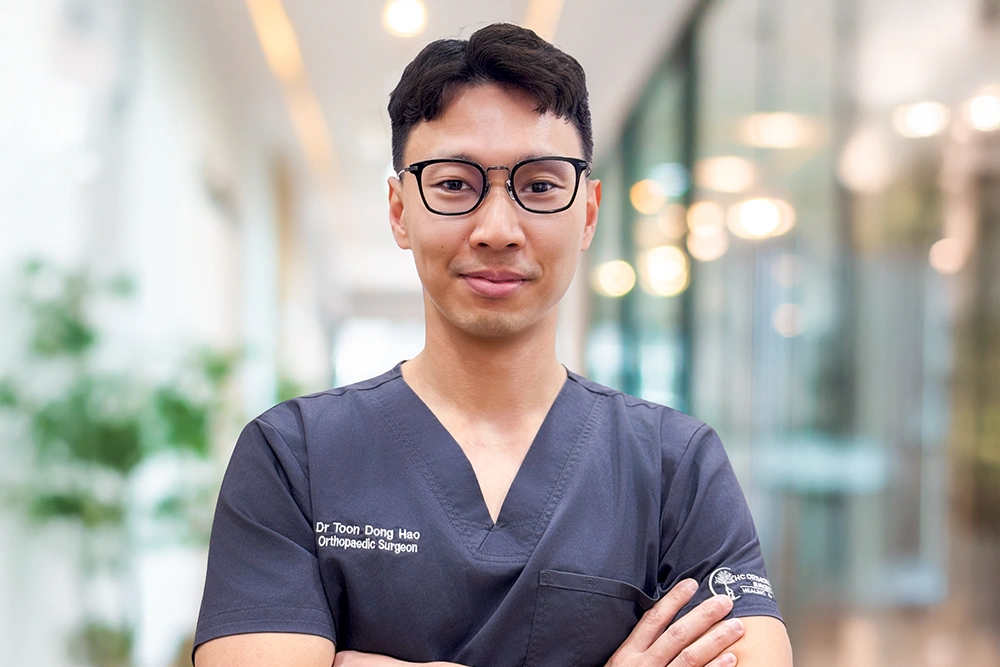
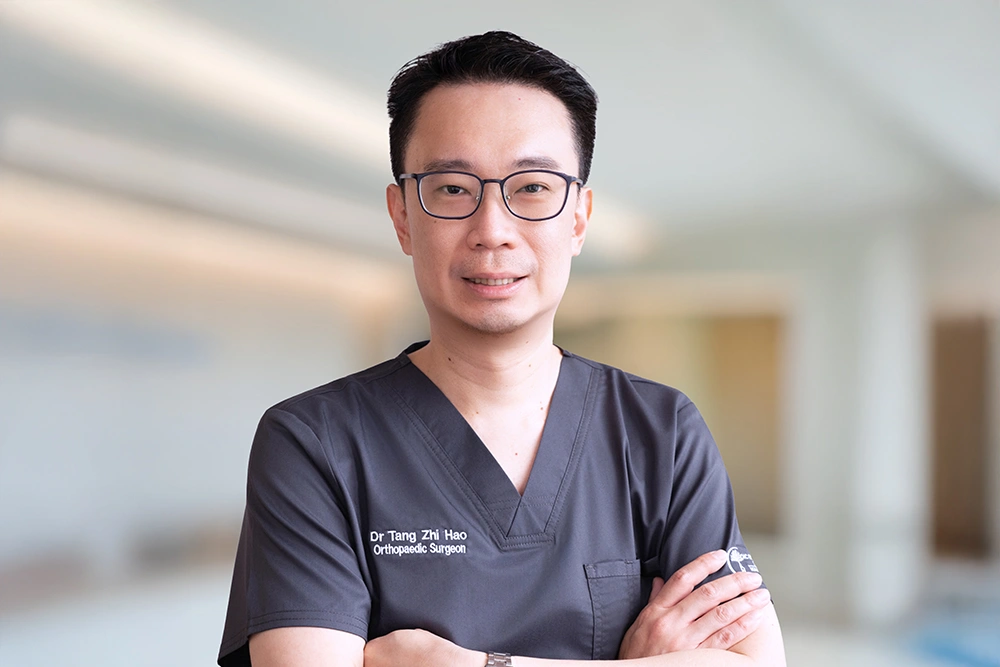
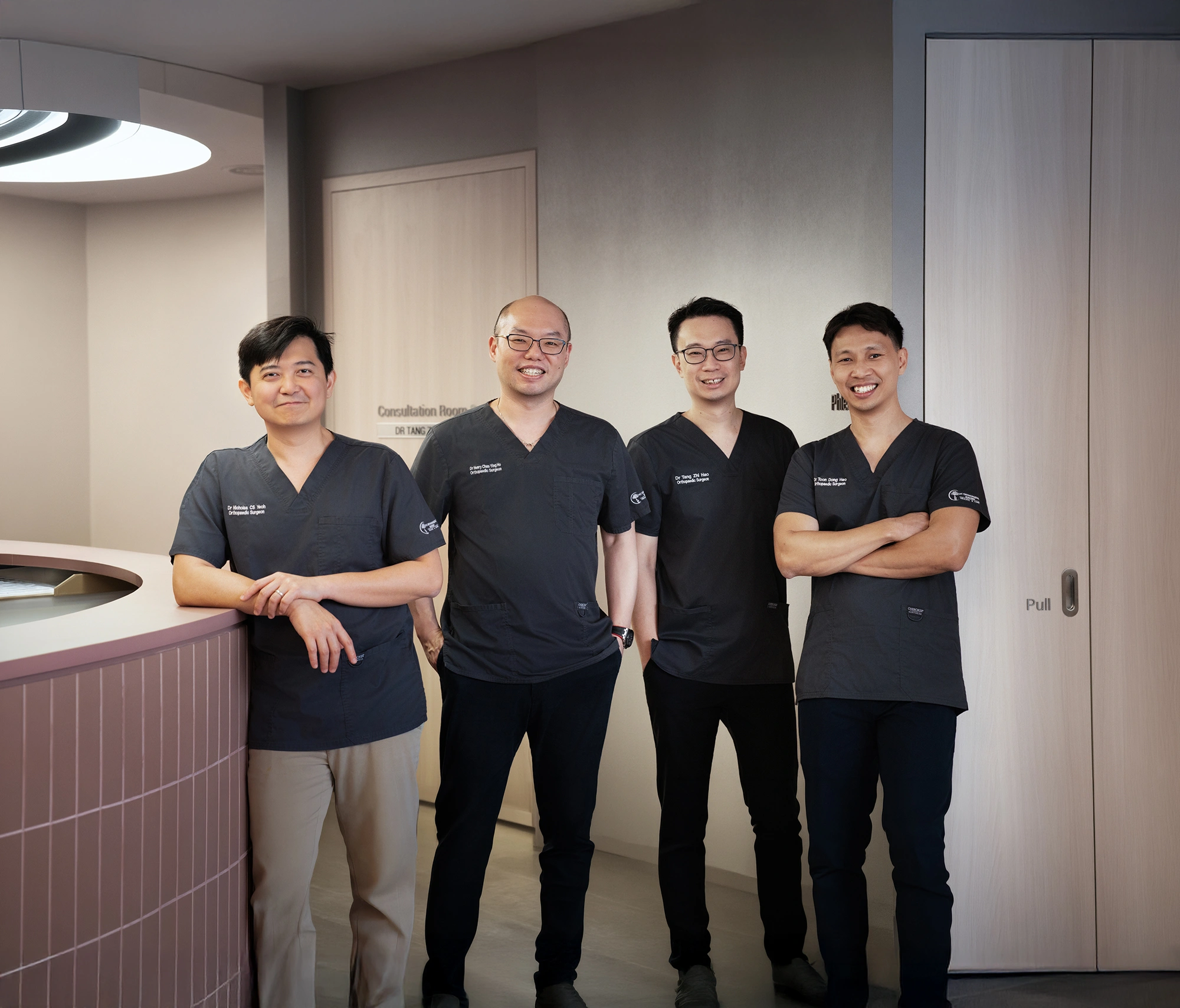
Di HC Orthopaedic Surgery, Anda bisa berkonsultasi dengan Dr Henry Chan atau Dr Nicholas Yeoh untuk masalah lutut. Bersama Dr Toon Dong Hao dan Dr Tang Zhi Hao, tim kami berpengalaman menangani beragam cedera dan penyakit lutut, mulai dari perawatan tanpa operasi hingga bedah lanjutan. Semua perawatan disesuaikan agar Anda cepat pulih, bebas nyeri, dan aktif percaya diri. Buat janji online sekarang untuk konsultasi dan solusi terbaik untuk Anda.
Temui Dokter Lutut Kami di Singapura
Dr Henry Chan
Direktur Medis & Konsultan Senior Bedah Ortopedi
MBBS (S’pore), MRCS (Edinburgh), MMed (Orthopaedic Surgery), FRCS (Edinburgh)
Dr Henry Chan adalah ahli bedah ortopedi berpengalaman yang berspesialisasi dalam penggantian sendi dan operasi revisi kompleks. Terlatih di Helios Endo-Klinik yang terkenal di Jerman di bawah beasiswa MOH HMDP, ia telah melakukan lebih dari 1,000 penggantian sendi dan berspesialisasi dalam teknik penggantian sendi berbantuan komputer dan robotik untuk hasil yang presisi.
Dr Nicholas Yeoh
Konsultan Senior Bedah Ortopedi
MBChB (Edinburgh), MRCS (Edinburgh), MMed (Orthopaedic Surgery), FRCS (Edinburgh)
Dr Nicholas Yeoh adalah spesialis ortopedi yang diakreditasi MOH dan Fellow dari Royal College of Surgeons of Edinburgh. Terlatih fellowship dalam rekonstruksi pinggul dan lutut di Sydney di bawah beasiswa MOH HMDP, ia berspesialisasi dalam penggantian sendi minim invasif, operasi robotik, dan teknik lanjutan yang meningkatkan pemulihan serta hasil operasi.
Dr Toon Dong Hao
Konsultan Senior Bedah Ortopedi
MBChB (Leeds), MRCS (Edinburgh), MMed (Orthopaedic Surgery), FRCS (Edinburgh)
Dr Toon Dong Hao adalah ahli bedah ortopedi yang terampil dan Fellow dari Royal College of Surgeons of Edinburgh. Terlatih fellowship dalam Bedah Bahu dan Siku Lanjutan di Sydney di bawah beasiswa MOH HMDP, Dr Toon berspesialisasi dalam cedera olahraga, operasi arthroscopic dan prosedur kompleks pada bahu, siku dan lutut untuk mengembalikan fungsi dan mobilitas.
Dr Tang Zhi Hao
Konsultan Senior Bedah Ortopedi
MBBS (S’pore), MRCS (Edinburgh), MMed (Orthopaedic Surgery), FRCS (Edinburgh)
Dr Tang Zhi Hao adalah ahli bedah ortopedi yang terlatih fellowship dan berspesialisasi dalam kondisi kaki dan pergelangan. Ia menyelesaikan fellowship Bedah Kaki dan Pergelangan di Severance Hospital, Yonsei University Health System di Seoul di bawah Prof. Jin Woo Lee. Sebelum praktik swasta, ia menjabat sebagai Konsultan dan Wakil Kepala Bedah Ortopedi di Khoo Teck Puat Hospital.