
Apakah Anda sedang mempersiapkan HYROX untuk pertama kali, atau kembali bertanding namun mulai merasakan masalah otot kaku/kambuhnya cedera saat latihan? HYROX adalah salah satu ajang kebugaran hybrid yang paling berat — menggabungkan lari ketahanan dan gerakan fungsional intensitas tinggi yang menuntut seluruh tubuh. Meski seru dan kompetitif, pola latihan yang kurang tepat bisa meningkatkan cedera akibat penggunaan berlebih. Dengan memahami cara persiapan yang benar, Anda bisa tampil lebih baik sekaligus meminimalisasi risiko cedera yang mengganggu progres.
Intisari Penting
- HYROX memadukan lari ketahanan dan gerakan fungsional intensitas tinggi yang rawan menyebabkan cedera overuse
- Cedera HYROX yang sering terjadi antara lain: cedera bahu, tendinopati lutut, punggung bawah kelelahan, serta iritasi Achilles
- Peningkatan intensitas/volume latihan secara mendadak kerap memicu cedera terkait latihan
- Pemulihan, kualitas gerak, dan kenaikan beban bertahap sangat penting untuk mencegah cedera
- Jangan abaikan nyeri atau keluhan berulang ketika latihan
Apa Alasan HYROX Begitu Menguras Fisik?
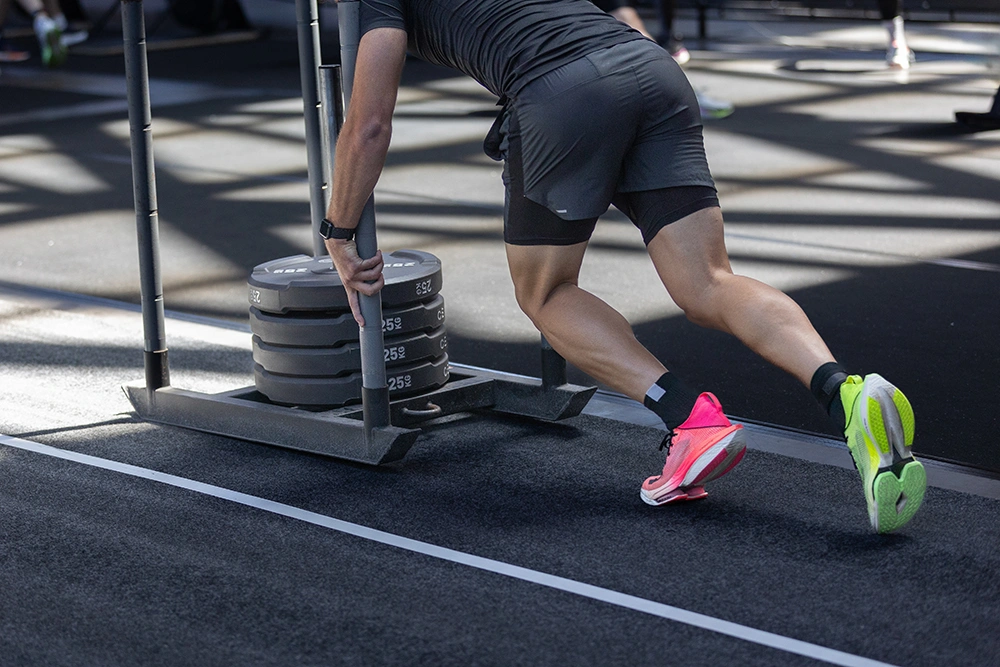
HYROX merupakan ajang kombinasi kekuatan dan ketahanan, menyatukan interval lari berulang dengan berbagai stasiun gerakan fungsional—mulai dari dorong/penarikan kereta luncur, rowing, burpee broad jump, wall ball, hingga farmer’s carry.
Berbeda dari latihan kekuatan biasa atau kardio konstan, di HYROX atlet harus berulang kali berpindah antara latihan endurance dan power dalam kondisi lelah—memicu tekanan terus-menerus pada beberapa kelompok otot dan sendi sepanjang persiapan maupun lomba.
Saat kelelahan meningkat, kualitas gerak cenderung menurun, sehingga stress pada bahu, lutut, punggung bawah, betis, hingga Achilles makin besar. Jika pemulihan atau progres latihan kurang, akumulasi tekanan akhirnya meningkatkan risiko cedera.
Cedera HYROX Apa yang Paling Sering Muncul?
Karakter olahraga HYROX yang repetitif dan berepisode tinggi menyebabkan cedera tertentu lebih sering dijumpai — apalagi jika Anda menaikkan intensitas/volume latihan terlalu cepat.
Cedera Bahu dan Lengan Atas
Wall ball, rowing, hingga sled push dapat memberi tekanan berulang ke bahu, apalagi saat latihan intensitas tinggi. Dalam jangka panjang, dapat menimbulkan iritasi rotator cuff, impingement bahu, hingga nyeri bahu saat mengangkat lengan.
Nyeri Lutut dan Tendon Patella
Nyeri lutut sering terjadi akibat kombinasi lari berulang dan gerakan eksplosif seperti sled push atau burpee broad jump. Tendon patella sangat rentan iritasi karena beban terus-menerus, sehingga Anda merasa nyeri saat jongkok, lari, atau melompat.
Punggung Bawah Kelelahan
Gerakan seperti sled pull, deadlift, atau farmer’s carry menambah beban stabil pada punggung bawah. Kelelahan, postur buruk, atau otot inti lemah dapat memperparah tegangan pada tulang belakang.
Cedera Achilles dan Betis Akibat Overuse
Lari ber-volume tinggi dan transisi eksplosif menaikkan tekanan pada otot betis serta tendon Achilles. Rasa kaku, pegal, atau nyeri di area ini dapat menjadi tanda awal cedera akibat overuse.
Apa Tanda Peringatan Cedera pada Latihan HYROX?
Tidak semua nyeri saat latihan merupakan adaptasi normal. Beberapa keluhan bisa jadi tanda overload berlebihan atau cedera yang mulai muncul.
Nyeri Tak Kunjung Reda
Jika nyeri bertahan walau sudah istirahat, mungkin ada iritasi atau cedera pada jaringan otot, tendon, sendi yang butuh evaluasi klinis.
Keluhan Memburuk Saat Kelelahan
Nyeri terasa makin berat setiap sesi semakin lama atau ronde makin banyak—biasanya berkaitan dengan kontrol gerak memburuk di tengah kelelahan.
Kekuatan atau Performa Menurun
Sulit menghasilkan tenaga, postur lari mudah berubah, atau susah merampungkan latihan—semua ini mungkin sinyal hidden overload atau cedera.
Otot Terasa Kaku Berulang
Kaku berulang di betis, bahu, lutut, atau punggung bawah bisa menandakan beban latihan berlebihan atau pemulihan kurang optimal.
Strategi Apa untuk Meminimalkan Cedera HYROX?
Mencegah cedera HYROX bukan soal mengurangi semangat, tapi menata latihan secara terstruktur—menyeimbangkan beban, waktu recovery, dan kualitas teknik.
Tingkatkan Beban Secara Bertahap
Peningkatan intensitas/volume mendadak jadi biang keladi cedera overuse. Dengan step-up perlahan, jaringan tubuh punya waktu beradaptasi.
Tekankan Kualitas Gerak di Tengah Lelah
Teknik mulai buyar saat lelah. Menjaga mekanika gerak saat lari, squat, angkat beban, dan overhead dapat membatasi tekanan jahat ke sendi.
Kuatkan Otot Penopang
Bokong, otot inti, betis, dan punggung atas yang kuat membantu distribusi beban saat latihan, sehingga area rawan (lutut, bahu, punggung bawah) lebih terlindungi.
Pentingnya Recovery dan Deload
Hari recovery dan deload perlu dijadwalkan agar tubuh bisa memperbaiki diri di sela siklus latihan. Jika recovery kurang, resiko cedera akan menumpuk seiring waktu.
Dukungan HYROX HC Orthopaedic
Pemeriksaan awal dan pengelolaan beban latihan yang baik bisa mencegah cedera kecil berkembang jadi masalah besar, menjaga kelangsungan progres Anda.
Dukungan HYROX HC Orthopaedic
Pemeriksaan awal dan pengelolaan beban latihan yang baik bisa mencegah cedera kecil berkembang jadi masalah besar, menjaga kelangsungan progres Anda.

Tim Spesialis HC Orthopaedic
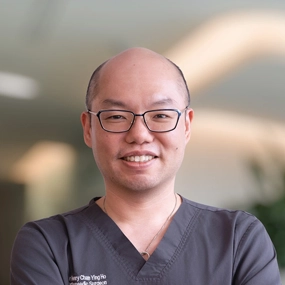
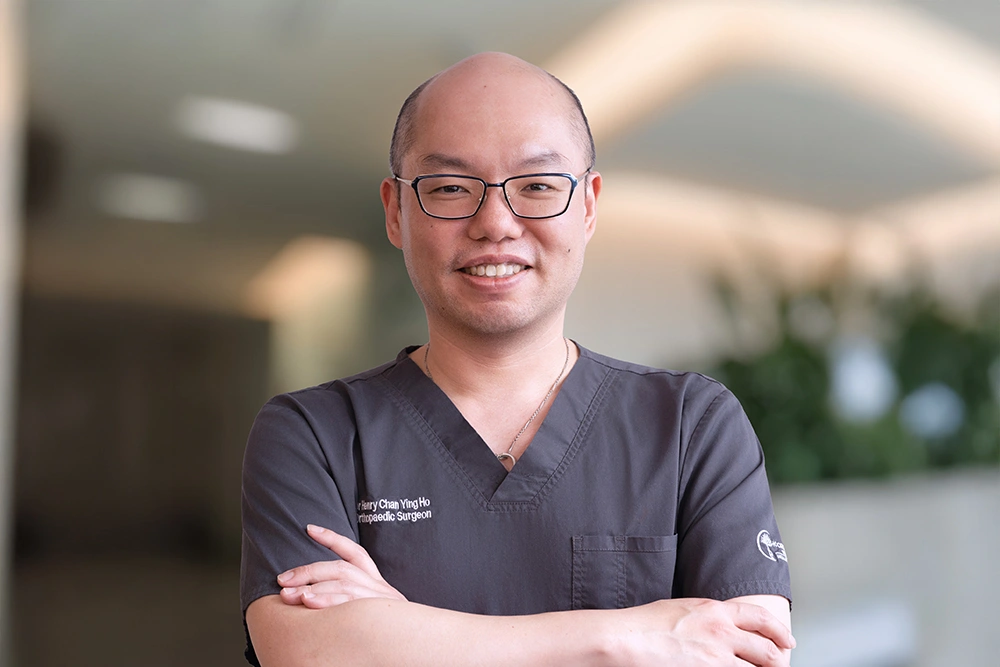
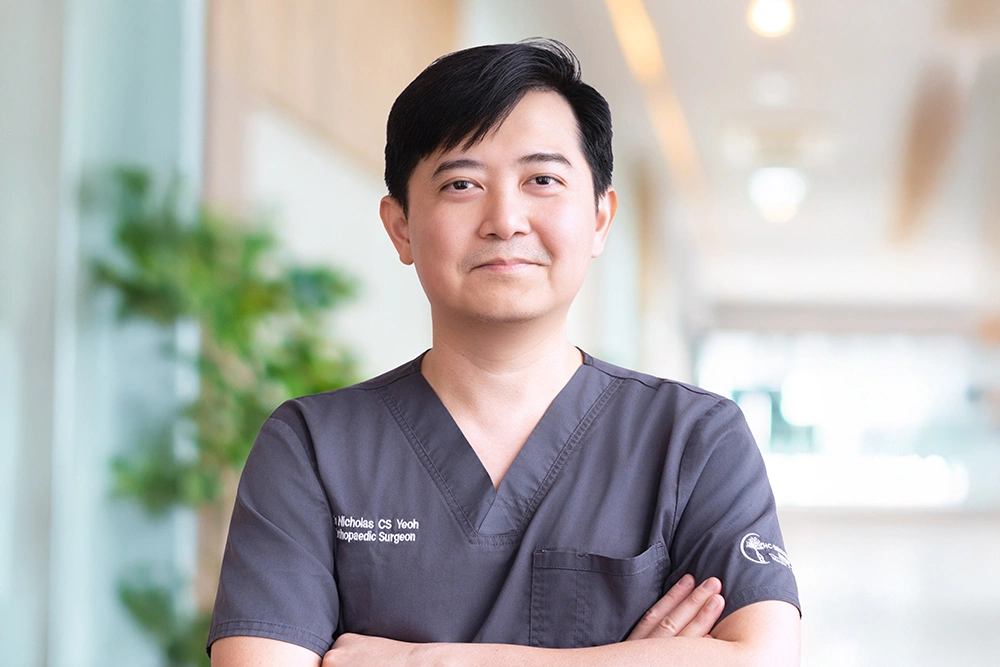
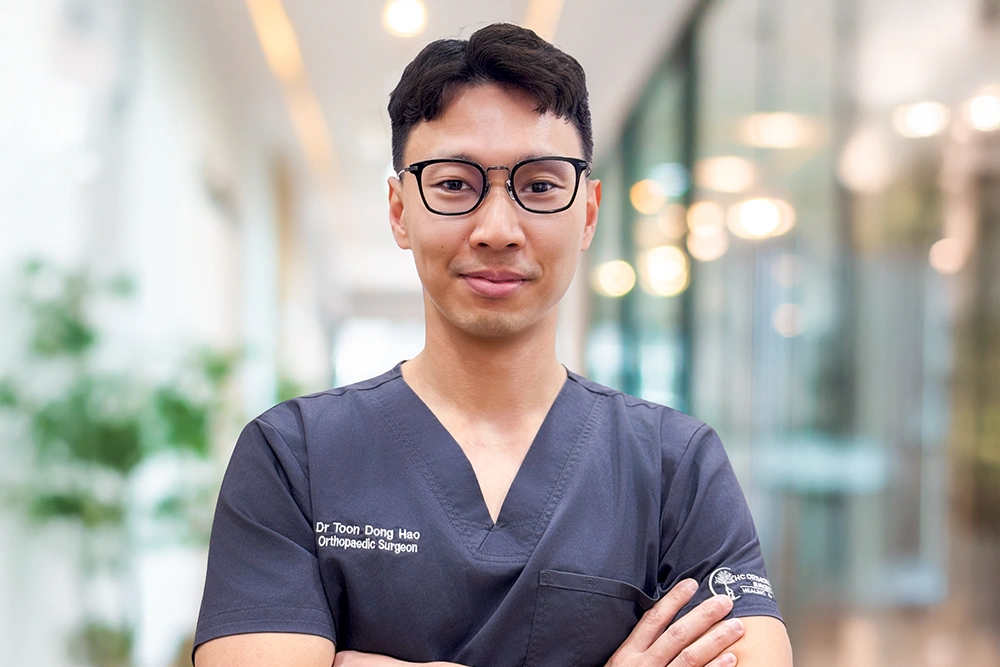
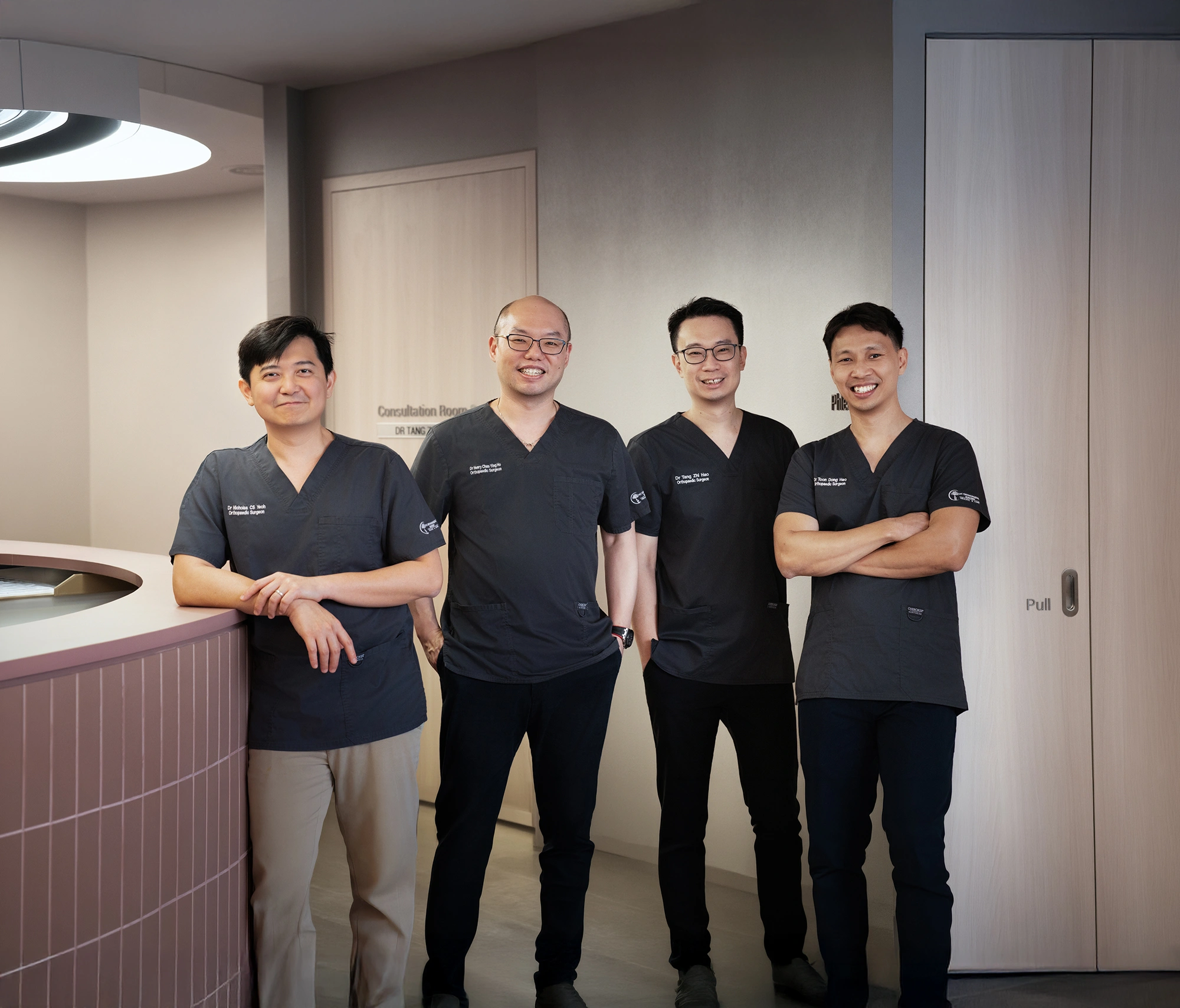
Di HC Orthopaedic Surgery Singapore, tim dipimpin Dr Henry Chan serta para ahli ortopedi senior lainnya (Dr Nicholas Yeoh, Dr Toon Dong Hao, Dr Tang Zhi Hao). Tim ini berpengalaman mengelola cedera olahraga dan overuse—mulai diagnosis, pemulihan, sampai bedah bila diperlukan.
Jika Anda alami nyeri HYROX yang persisten, atur konsultasi untuk evaluasi menyeluruh dan rencana perawatan agar Anda bisa latihan lagi dengan aman dan nyaman.
FAQ Cedera HYROX
Mengapa Cedera HYROX Bisa Sering Kambuh?
Mengapa Teknik Mudah Memburuk Saat Latihan HYROX?
Apakah Teknik Lari Buruk Bisa Memicu Cedera HYROX?
Apakah Cedera HYROX Lebih Sering Dialami Peserta Baru?
Mengapa Recovery Penting Selama Latihan HYROX?
Apakah Latihan Kekuatan Bisa Menurunkan Risiko Cedera HYROX?
Temui Spesialis Ortopedi di Singapura
Dr Henry Chan
Direktur Medis & Konsultan Senior Bedah Ortopedi
MBBS (S’pore), MRCS (Edinburgh), MMed (Orthopaedic Surgery), FRCS (Edinburgh)
Dr Nicholas Yeoh
Konsultan Senior Bedah Ortopedi
MBChB (Edinburgh), MRCS (Edinburgh), MMed (Orthopaedic Surgery), FRCS (Edinburgh)
Dr Toon Dong Hao
Konsultan Senior Bedah Ortopedi
MBChB (Leeds), MRCS (Edinburgh), MMed (Orthopaedic Surgery), FRCS (Edinburgh)
Dr Tang Zhi Hao
Konsultan Senior Bedah Ortopedi
MBBS (S’pore), MRCS (Edinburgh), MMed (Orthopaedic Surgery), FRCS (Edinburgh)