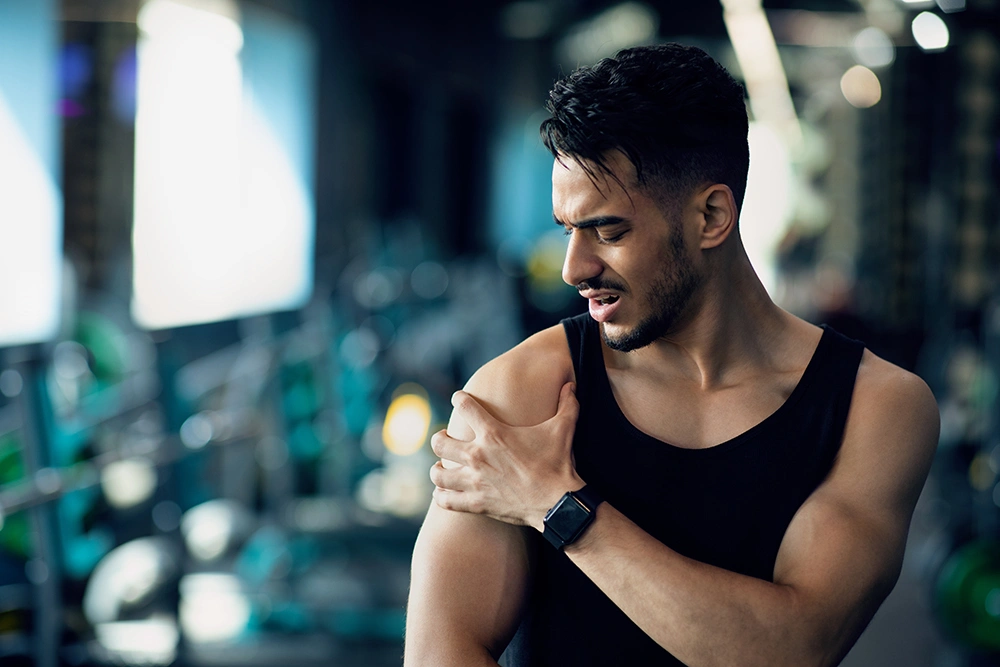
Bagi masyarakat Singapura, olahraga menjadi bagian rutinitas sehari-hari. Dari pagi hari di kolam renang, siswa berlatih di lapangan sepulang sekolah, hingga malam hari gym dipadati orang yang fokus mengangkat dan menurunkan beban. Di setiap aktivitas ini, peran bahu tidak selalu terasa, namun tetap menjadi penggerak utama setiap gerakan dan angkatan.
Seiring waktu, kemudahan itu bisa berubah. Nyeri yang awalnya hanya terasa sebentar setelah berolahraga, lama-lama makin sering datang, bahkan pergerakan bahu terasa tidak senyaman dulu. Olahraga dengan gerakan berulang di atas kepala atau putaran kuat membuat bahu dipaksa bekerja melampaui kapasitas alaminya.
Tidak mudah mengenali perubahan halus yang menandakan cedera bahu. Memahami bagaimana cedera muncul dan kapan harus mencari bantuan spesialis sangat penting agar performa serta kesehatan bahu jangka panjang tetap terjaga.
Cedera Bahu akibat Olahraga dan Gejalanya
Cedera bahu akibat olahraga kerap mengikuti pola tertentu yang dipengaruhi oleh jenis aktivitas dan beban pada sendi. Ada yang berkembang perlahan akibat beban berulang di atas kepala, ada juga yang muncul mendadak karena gerakan keras atau canggung. Meski gejalanya mirip, setiap jenis cedera punya cirinya masing-masing.
Ketegangan atau Robekan Rotator Cuff
Rotator cuff adalah kelompok otot dan tendon yang menstabilkan bahu saat bergerak. Olahraga seperti renang, tenis, atau angkat beban membuat area ini rentan cedera karena gerakan overhead atau beban berat terus-menerus. Lama-kelamaan, bisa terjadi peradangan, degenerasi, hingga robek sebagian atau seluruhnya.
Tanda awal biasanya nyeri tumpul di dalam bahu, makin jelas setelah aktivitas, saat mengangkat lengan, menjangkau tinggi, atau tidur miring di sisi yang cedera. Kelemahan dan keterbatasan gerak dapat berkembang jika dibiarkan.
Impingement Bahu
Impingement bahu terjadi bila tendon rotator cuff tertekan saat lengan diangkat. Sering dialami oleh perenang dan atlet olahraga raket akibat gerakan overhead berulang. Ketidakseimbangan otot, mekanik bahu yang buruk, atau otot sekitar yang kaku meningkatkan risiko ini.
Gejala umumnya berupa nyeri ketika mengangkat lengan, terutama antara tinggi bahu sampai di atas kepala. Bisa juga muncul sensasi terjepit, semakin parah saat digunakan berulang atau setelah olahraga.
Robekan Labrum (SLAP Tear)
Labrum adalah tulang rawan yang memperdalam soket bahu dan menambah kestabilan sendi. Robekan labrum, dikenal juga sebagai SLAP tear, bisa terjadi akibat jatuh mendadak atau tekanan berulang (melempar, angkat beban, atau olahraga overhead). Tekanan terus-menerus melemahkan jaringan labrum ini.
Gejala bisa berupa nyeri dalam di bahu yang sulit dilokalisir, disertai bunyi klik, rasa terjepit, atau tidak stabil saat pergerakan overhead atau rotasi. Sebagian atlet juga merasa kekuatan atau kontrol bahu turun.
Ketidakstabilan atau Dislokasi Bahu
Bahu menjadi tidak stabil jika penopangnya meregang atau cedera. Bisa terjadi secara bertahap pada atlet olahraga kontak atau karena dislokasi traumatis. Jika sendi sudah cedera, risiko bahu terlepas berulang meningkat.
Keluhannya antara lain terasa bahu bisa bergeser/tidak stabil saat gerak tertentu, dislokasi yang berulang, rasa tidak nyaman, serta makin turun kepercayaan diri menggunakan bahu.
Kapan Harus ke Dokter Spesialis Bila Bahu Sakit atau Cedera?
Tidak semua nyeri bahu butuh penanganan medis. Nyeri ringan biasanya hilang dengan istirahat dan kembali beraktivitas secara bertahap. Namun beberapa gejala harus diwaspadai sebagai tanda masalah serius.
Pertimbangkan konsultasi spesialis apabila Anda mengalami:
- Nyeri yang bertahan lebih dari beberapa minggu walaupun sudah istirahat
- Ketidaknyamanan yang mengganggu aktivitas harian seperti menjangkau, mengangkat, atau tidur
- Kesulitan mengangkat lengan atau gerak menjadi terbatas
- Bahu terasa lemah nyata
- Ada sensasi tidak stabil atau bahu terasa 'mengalah'
- Bahu sering keluar dari posisi
- Bunyi klik, terkunci, atau nyangkut saat bergerak
- Nyeri tajam mendadak setelah jatuh/cidera
- Deformitas bahu terlihat jelas
- Tidak bisa menggerakkan lengan
Pemeriksaan sejak dini membantu diagnosis lebih tepat dan terapi lebih terarah. Bisa mencakup rehabilitasi, pemeriksaan pencitraan bila perlu, atau opsi penanganan lanjutan agar bisa kembali beraktivitas dengan aman.

Bagaimana Spesialis Menangani Cedera Bahu Akibat Olahraga?
Penanganan terstruktur membantu mengidentifikasi penyebab nyeri bahu dan penentuan terapi yang sesuai dengan cedera olahraga. Diagnosis dini dan akurat sangat penting untuk mencegah kerusakan lanjutan dan mendukung pemulihan yang aman.
Diagnosis Cedera Bahu
Proses diagnosis dimulai dari pengkajian gejala, pola aktivitas, serta riwayat cedera, dilanjutkan dengan pemeriksaan fisik untuk menilai gerak, kekuatan, dan stabilitas sendi serta mencari gerakan yang menimbulkan nyeri.
Jika penyebab belum jelas, bisa disarankan pemeriksaan pencitraan. X-ray untuk menilai struktur tulang, sedangkan pemeriksaan ultrasonografi atau MRI membantu melihat lebih detail tendon, ligamen, dan jaringan lunak bahu.
Penanganan Cedera Bahu
Cara mengatasi cedera bahu disesuaikan jenis dan tingkat keparahan. Sebagian besar cedera bahu akibat olahraga bisa ditangani tanpa operasi: cukup dengan perubahan aktivitas, fisioterapi, dan program rehabilitasi untuk mengembalikan fungsi, kekuatan, serta mobilitas bahu.
Jika keluhan tak membaik atau ada kerusakan struktural berat, operasi bisa menjadi pilihan. Prosedur yang mungkin dilakukan misalnya artroskopi bahu untuk menilai/menyelesaikan masalah sendi dalam, perbaikan rotator cuff untuk sobek tendon, atau stabilisasi bahu bagi yang sering dislokasi.
Pada kasus berat dengan kerusakan sendi parah, operasi penggantian sendi bahu dapat menjadi solusi jangka panjang. Setelah tindakan, biasanya dilanjutkan dengan program rehabilitasi terstruktur agar pemulihan lancar dan aman kembali beraktivitas.
Tetap Aktif dengan Bahu yang Sehat
Tetap Aktif dengan Bahu yang Sehat

Tim Spesialis Kami
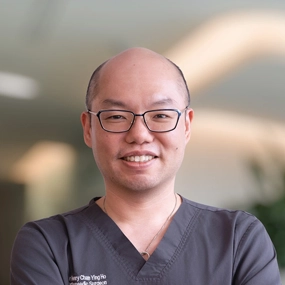
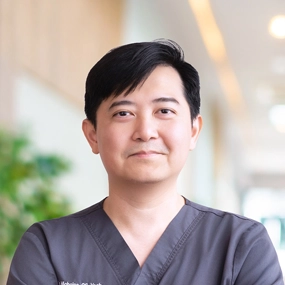
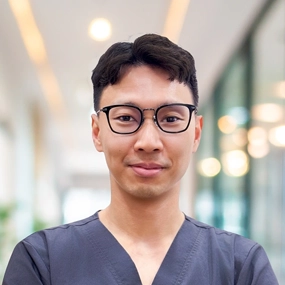
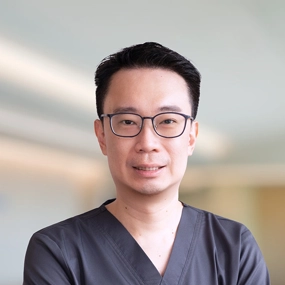
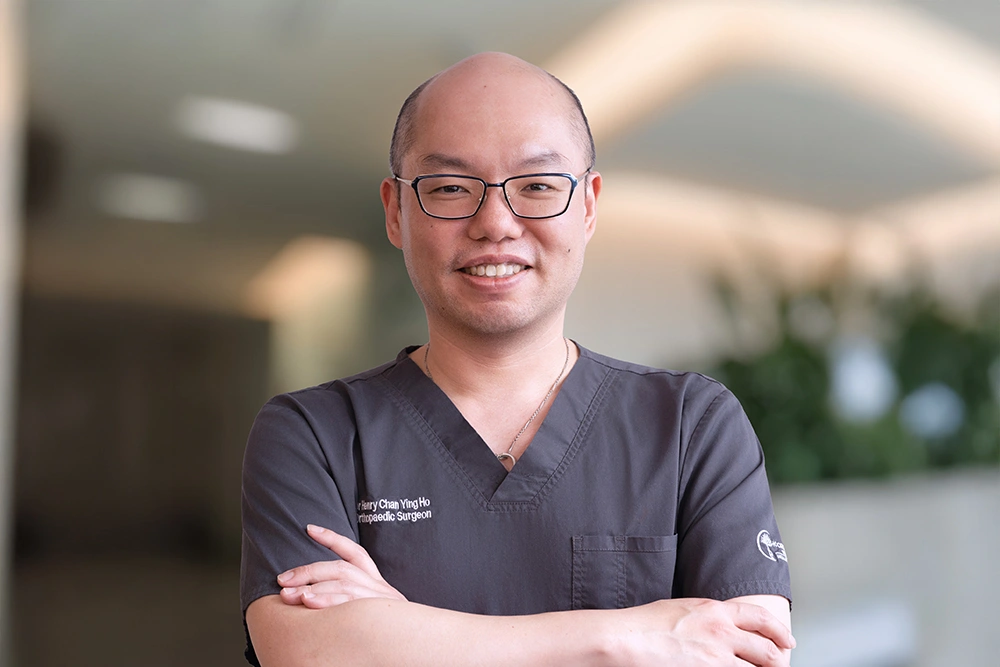
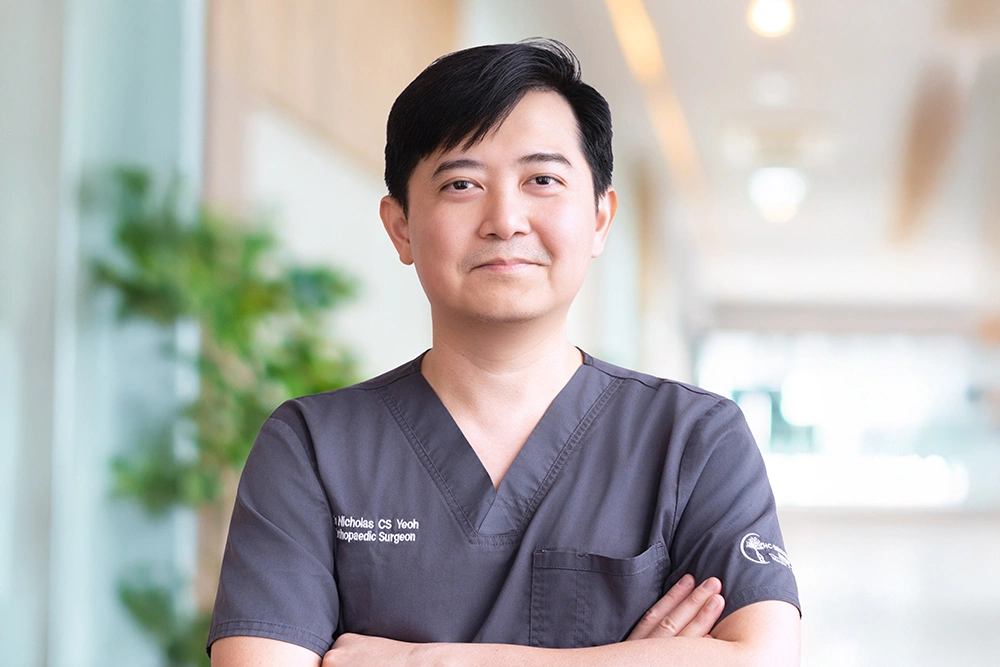
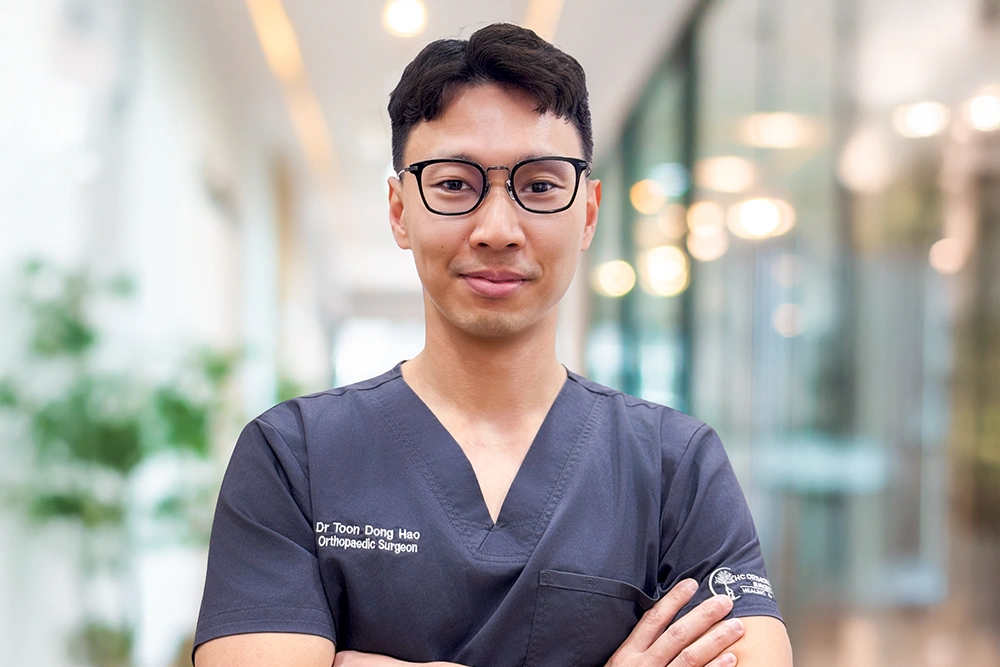
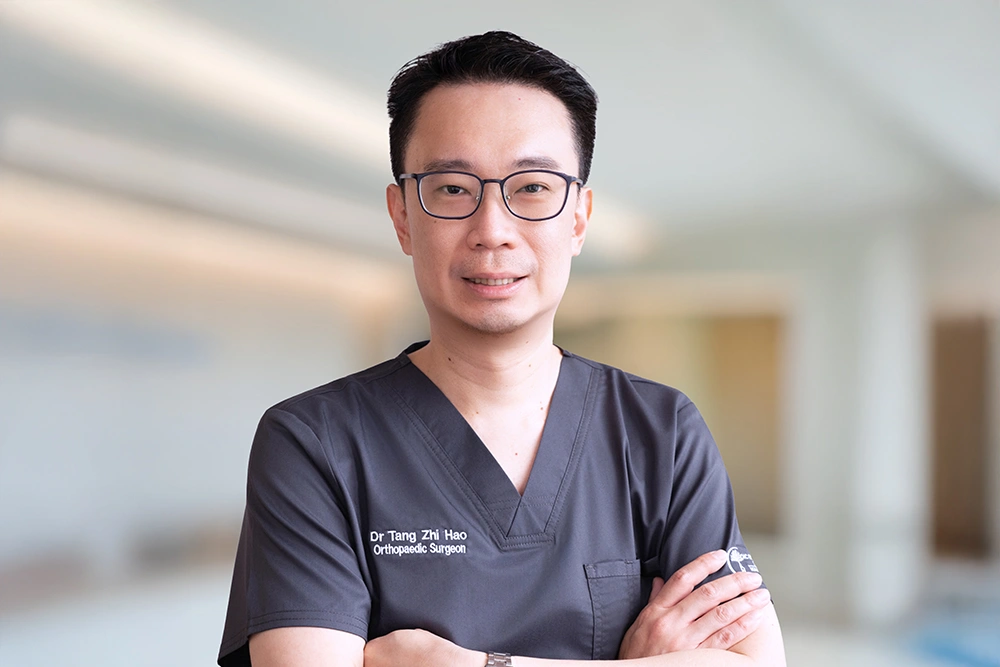
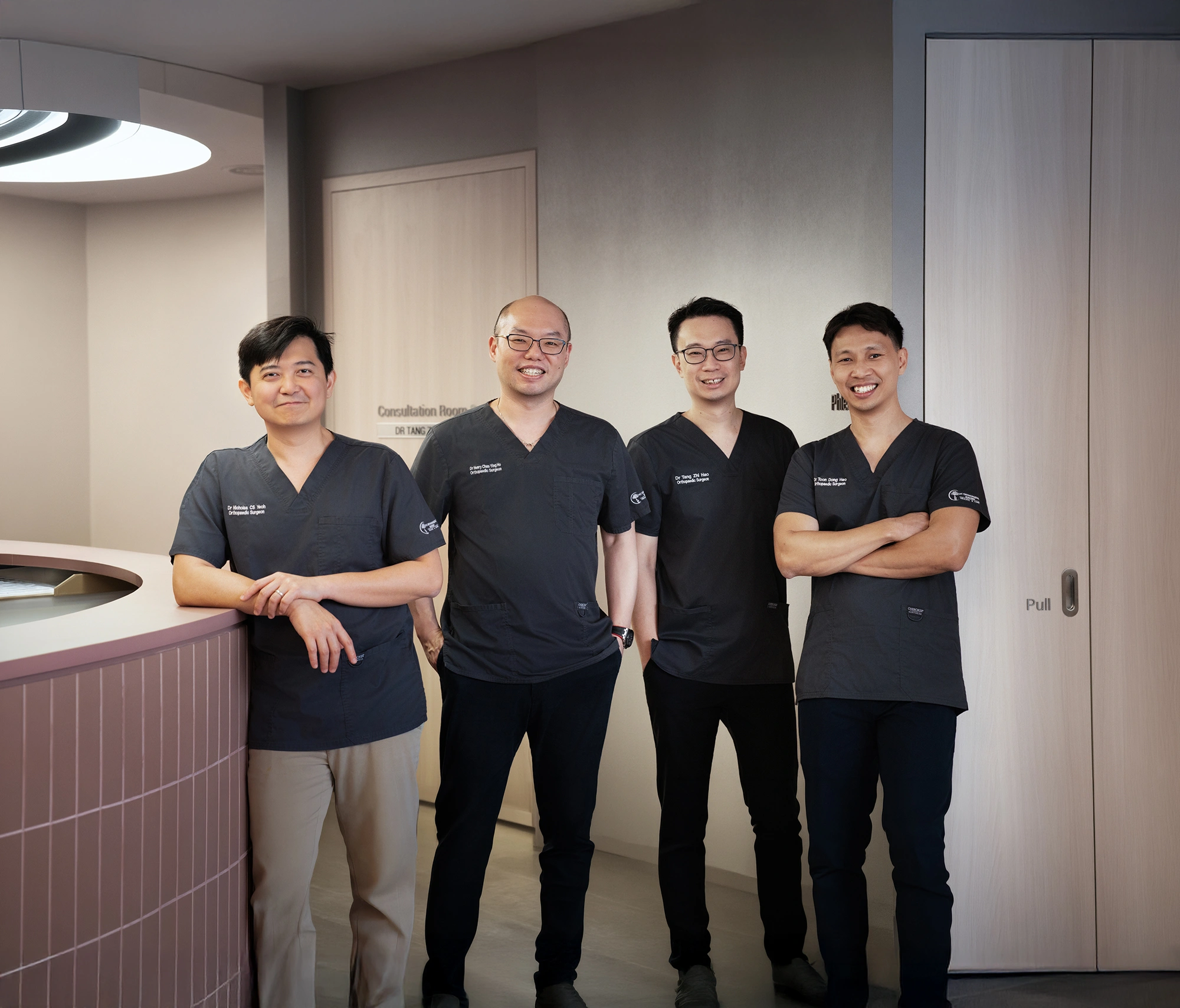
Di HC Orthopaedic Surgery, perawatan dipimpin oleh Dr Henry Chan didukung Dr Toon Dong Hao sebagai spesialis bahu. Tim juga mencakup Dr Nicholas Yeoh dan Dr Tang Zhi Hao yang ahli menangani berbagai masalah ortopedi. Dari penanganan konservatif hingga bedah lanjutan, terapi kami disesuaikan demi memulihkan fungsi dan mendukung kembalinya Anda ke olahraga maupun aktivitas rutin secara aman. Jika nyeri bahu Anda tak kunjung membaik atau mengganggu aktivitas, jadwalkan konsultasi spesialis untuk evaluasi menyeluruh.
FAQ Cedera Bahu Akibat Olahraga
Olahraga apa yang berisiko tinggi menyebabkan cedera bahu?
Kenapa cedera bahu sering kambuh pada atlet?
Apa manfaat program rehabilitasi setelah cedera bahu?
Temui Spesialis Cedera Olahraga Kami di Singapura
Dr Henry Chan
Direktur Medis & Konsultan Senior Bedah Ortopedi
MBBS (S’pore), MRCS (Edinburgh), MMed (Orthopaedic Surgery), FRCS (Edinburgh)
Dr Henry Chan adalah ahli bedah ortopedi berpengalaman yang berspesialisasi dalam penggantian sendi dan operasi revisi kompleks. Terlatih di Helios Endo-Klinik yang terkenal di Jerman di bawah beasiswa MOH HMDP, ia telah melakukan lebih dari 1,000 penggantian sendi dan berspesialisasi dalam teknik penggantian sendi berbantuan komputer dan robotik untuk hasil yang presisi.
Dr Nicholas Yeoh
Konsultan Senior Bedah Ortopedi
MBChB (Edinburgh), MRCS (Edinburgh), MMed (Orthopaedic Surgery), FRCS (Edinburgh)
Dr Nicholas Yeoh adalah spesialis ortopedi yang diakreditasi MOH dan Fellow dari Royal College of Surgeons of Edinburgh. Terlatih fellowship dalam rekonstruksi pinggul dan lutut di Sydney di bawah beasiswa MOH HMDP, ia berspesialisasi dalam penggantian sendi minim invasif, operasi robotik, dan teknik lanjutan yang meningkatkan pemulihan serta hasil operasi.
Dr Toon Dong Hao
Konsultan Senior Bedah Ortopedi
MBChB (Leeds), MRCS (Edinburgh), MMed (Orthopaedic Surgery), FRCS (Edinburgh)
Dr Toon Dong Hao adalah ahli bedah ortopedi yang terampil dan Fellow dari Royal College of Surgeons of Edinburgh. Terlatih fellowship dalam Bedah Bahu dan Siku Lanjutan di Sydney di bawah beasiswa MOH HMDP, Dr Toon berspesialisasi dalam cedera olahraga, operasi arthroscopic dan prosedur kompleks pada bahu, siku dan lutut untuk mengembalikan fungsi dan mobilitas.
Dr Tang Zhi Hao
Konsultan Senior Bedah Ortopedi
MBBS (S’pore), MRCS (Edinburgh), MMed (Orthopaedic Surgery), FRCS (Edinburgh)
Dr Tang Zhi Hao adalah ahli bedah ortopedi yang terlatih fellowship dan berspesialisasi dalam kondisi kaki dan pergelangan. Ia menyelesaikan fellowship Bedah Kaki dan Pergelangan di Severance Hospital, Yonsei University Health System di Seoul di bawah Prof. Jin Woo Lee. Sebelum praktik swasta, ia menjabat sebagai Konsultan dan Wakil Kepala Bedah Ortopedi di Khoo Teck Puat Hospital.