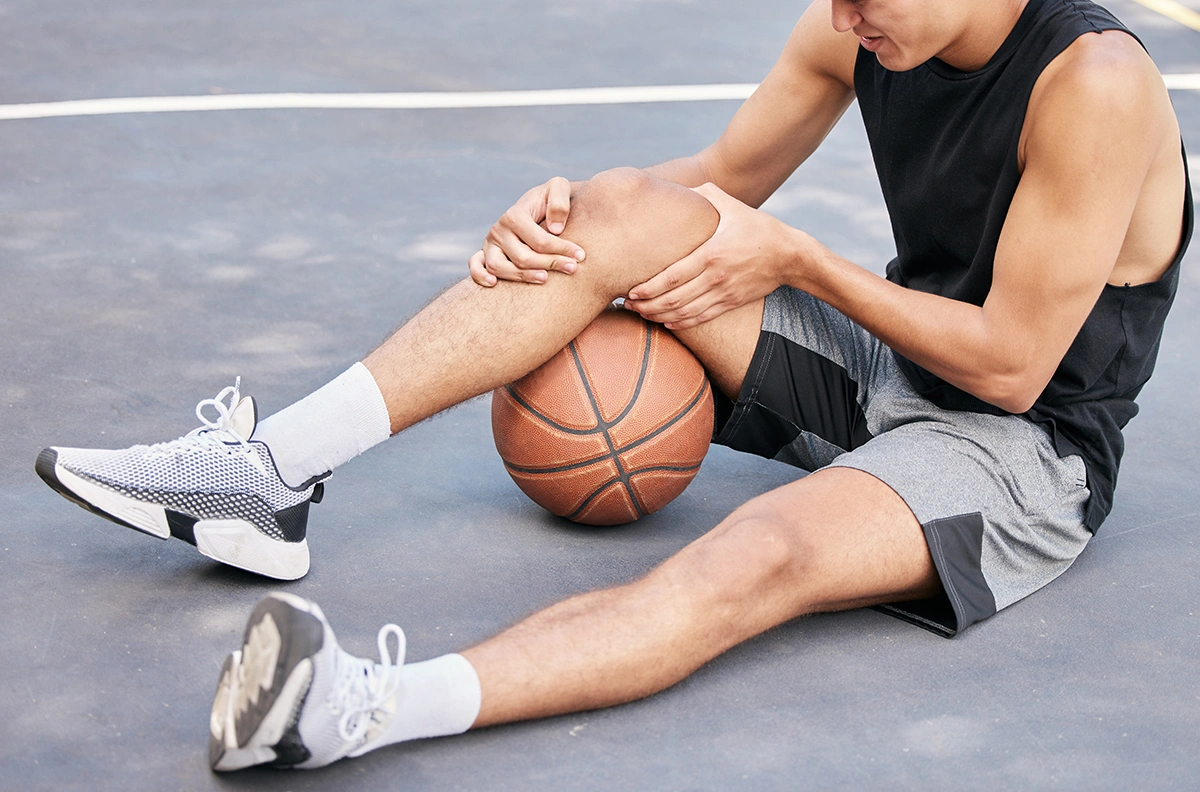
Sports injuries often come back because the underlying problem has not been fully resolved. Although the pain may improve, factors such as incomplete rehabilitation, muscle weakness, poor movement patterns, joint instability and returning to sport too soon can leave the injured area vulnerable to reinjury.
Whether it's recurring knee pain after running, repeated ankle sprains on the football field or persistent shoulder pain during overhead sports, repeated injuries can be frustrating and disrupt both athletic performance and daily activities. While some sports injuries result from a single traumatic event, many recur because the body has not fully regained the strength, stability and movement needed to cope with sporting demands. Understanding why your sports injury keeps coming back is the first step towards achieving a lasting recovery and reducing the risk of future setbacks.
Key Takeaways
- Recurring sports injuries often occur when the underlying cause is not fully addressed, such as incomplete healing, poor movement patterns or joint instability.
- Proper rehabilitation, strength training and technique correction are important for restoring function and reducing the likelihood of future injuries.
- Early assessment and appropriate management can help identify contributing factors and support prompt recovery.
Which Sports Injuries Commonly Recur?
While almost any sports injury can recur, certain injuries are more prone to repeated symptoms because they involve joints or soft tissues that are subjected to ongoing physical demands.
Shoulder Injuries
Rotator cuff tears, shoulder impingement, dislocated shoulders and labral tears can cause pain, weakness and reduced shoulder mobility.
Elbow Injuries
Common conditions include tennis elbow, golfer’s elbow, elbow ligament injuries and dislocated elbows, often caused by repetitive arm movements or trauma.
Hip Injuries
Labral tears of the hip can lead to pain, stiffness and limited range of motion, particularly in athletes who perform twisting or pivoting movements.
Knee Injuries
The knee is particularly vulnerable to sports-related injuries such as ACL tears, meniscus tears, runner’s knee (patellofemoral pain syndrome) and knee cartilage injuries.
Foot and Ankle Injuries
Ankle sprains, ankle fractures and Achilles tendon injuries frequently occur in sports that involve running, jumping and sudden changes in direction.
Why Do Some Sports Injuries Keep Coming Back?
Recurring sports injuries are often the result of underlying issues that were never fully addressed during the initial recovery. Although pain may settle relatively quickly, muscles, tendons, ligaments and cartilage often require a longer period to regain their normal strength and function. Returning to sport before the injured area has fully recovered can place repeated stress on vulnerable tissues, increasing the likelihood of reinjury.
Recurring injuries may also occur when factors such as muscle weakness, poor movement patterns, joint instability or training errors are left uncorrected. Identifying and addressing these contributing factors is essential for restoring function, improving performance and reducing the risk of future injuries.
Overuse and Repetitive Strain
One of the most common reasons sports injuries return is overuse. Repeated stress on the same muscles, tendons, or joints can prevent tissues from healing completely, especially when training continues despite discomfort. Conditions such as tendinitis, stress fractures and chronic joint pain often develop when the body is not given enough time to recover between activities.
Returning to Activity Too Soon
Many athletes resume sports as soon as the pain subsides, even though the injured tissues may not have fully healed. Returning to exercise before regaining strength, flexibility and stability can place additional stress on vulnerable areas, increasing the risk of reinjury.
Poor Technique and Movement Patterns
Incorrect technique during sports, exercise, or weight training can place unnecessary strain on muscles, joints and ligaments. Over time, poor movement mechanics can lead to both acute injuries and chronic overuse conditions, making it more likely that an injury will recur.
Inadequate Warm-Up and Preparation
Skipping a proper warm-up can leave muscles and joints unprepared for physical activity. Reduced flexibility and muscle readiness increase the risk of strains, sprains and other soft tissue injuries. Without adequate preparation, previously injured areas may be particularly vulnerable.
Overtraining and Insufficient Recovery
Training too frequently or intensely without enough rest can overload the body's ability to repair itself. Fatigued muscles provide less support to joints and tendons, increasing the risk of recurring injuries. Overtraining is a common factor in chronic pain and persistent sports-related conditions.
Previous Injury and Joint Instability
A previous injury is one of the strongest risk factors for future sports injuries. Ligament sprains, dislocations and hyperextension injuries can leave joints less stable than before, particularly if rehabilitation is incomplete. As a result, the affected area may remain weaker and more susceptible to reinjury during sports and physical activities.
How to Stop Sports Injuries from Recurring?
Preventing recurring sports injuries requires more than simply managing pain. Addressing the underlying cause and allowing the body to heal properly can help reduce the risk of reinjury and support long-term performance.
Get Proper Treatment and Rehabilitation
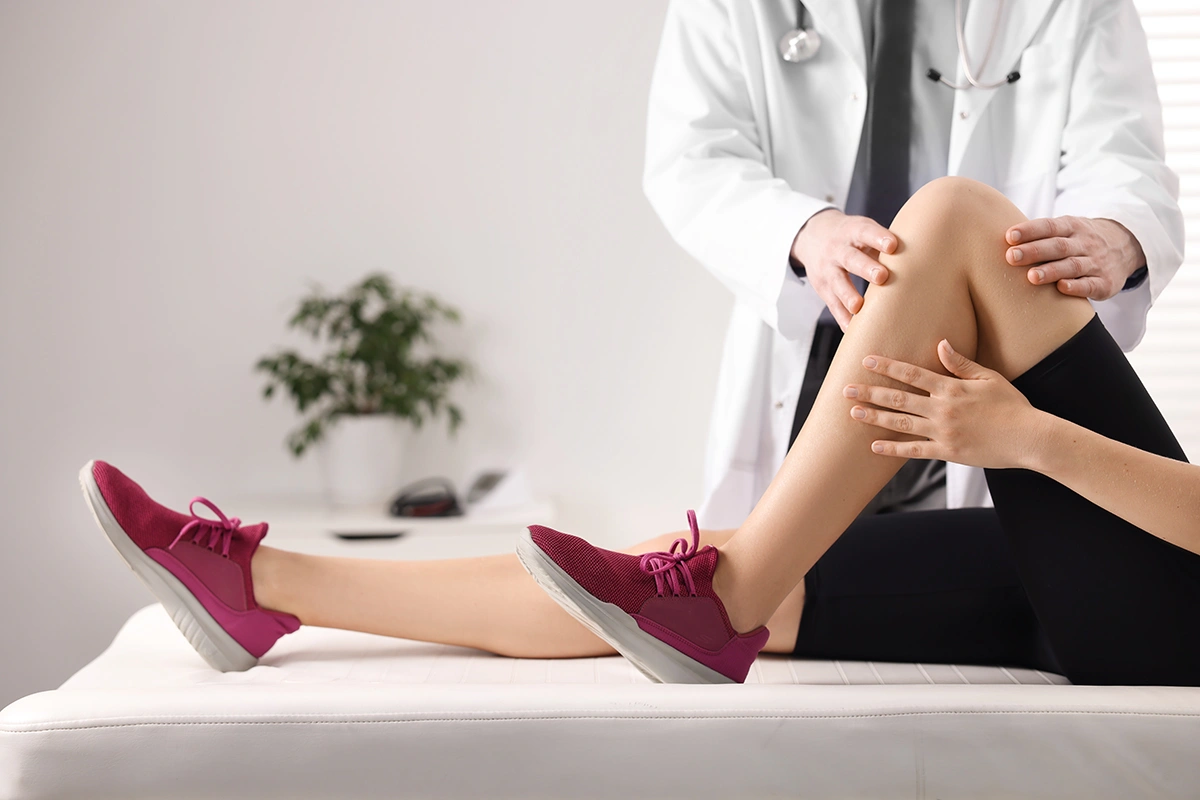
An accurate diagnosis and a structured rehabilitation programme are essential for full recovery. While pain may improve within weeks, the injured muscles, ligaments, tendons or joints often require additional time to regain their strength, stability and function. Rehabilitation typically progresses through stages that focus on reducing pain, restoring range of motion, rebuilding strength, improving balance and coordination, and gradually returning to sport-specific activities. Completing rehabilitation before returning to full activity can help reduce the risk of reinjury.
Improve Strength, Technique and Preparation
Building strength, correcting movement patterns and using proper technique can reduce unnecessary stress on muscles, joints and ligaments. Depending on the injury, rehabilitation may include targeted strengthening, flexibility exercises, balance training and sport-specific conditioning to improve how the body moves during activity. Regular warm-ups and gradual progression in training intensity also help prepare the body for exercise and reduce the likelihood of recurrent injuries.
Prioritise Recovery and Injury Prevention
Recovery is an important part of injury prevention. Allowing adequate time between training sessions, managing training loads, using appropriate protective equipment and addressing minor injuries before they worsen can all reduce the risk of recurrence. Athletes should also avoid increasing the intensity or duration of training too quickly, as sudden changes in workload can place excessive stress on healing tissues.
Advanced Care for Sports Injuries with HC Orthopaedic Surgery

Our Specialised Team
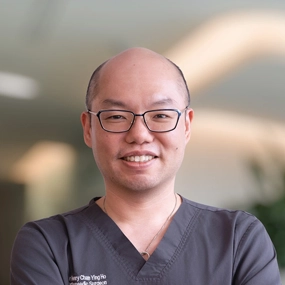
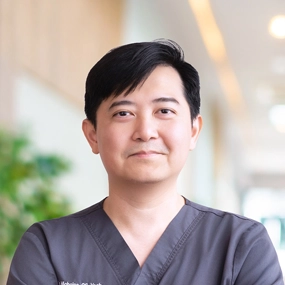
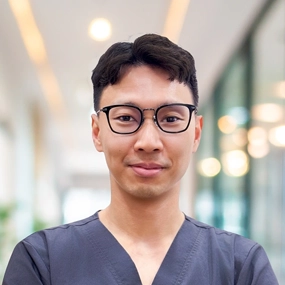
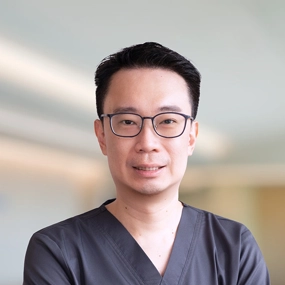
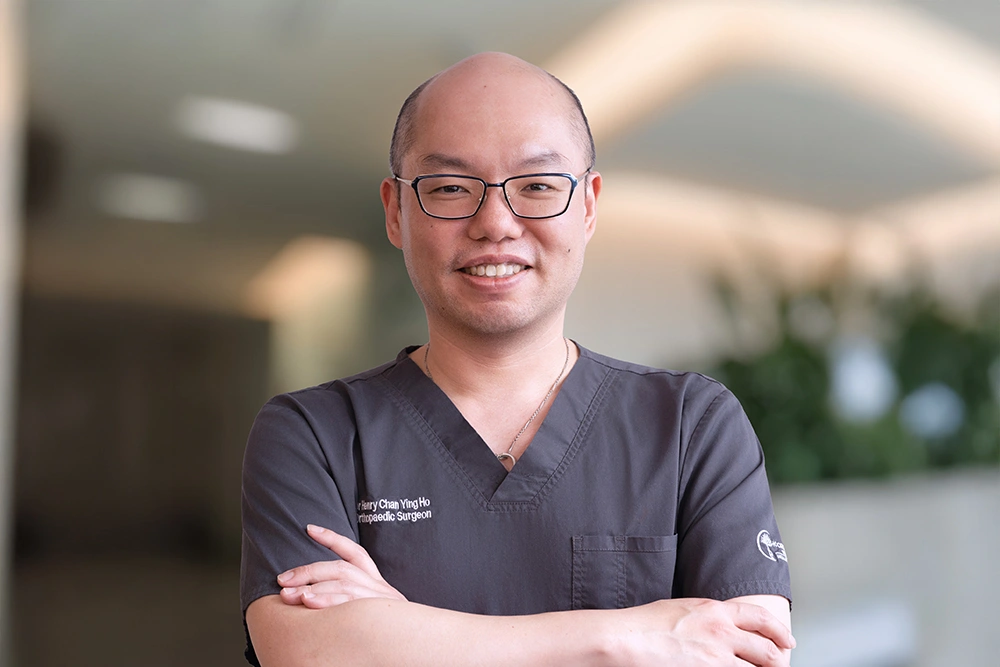
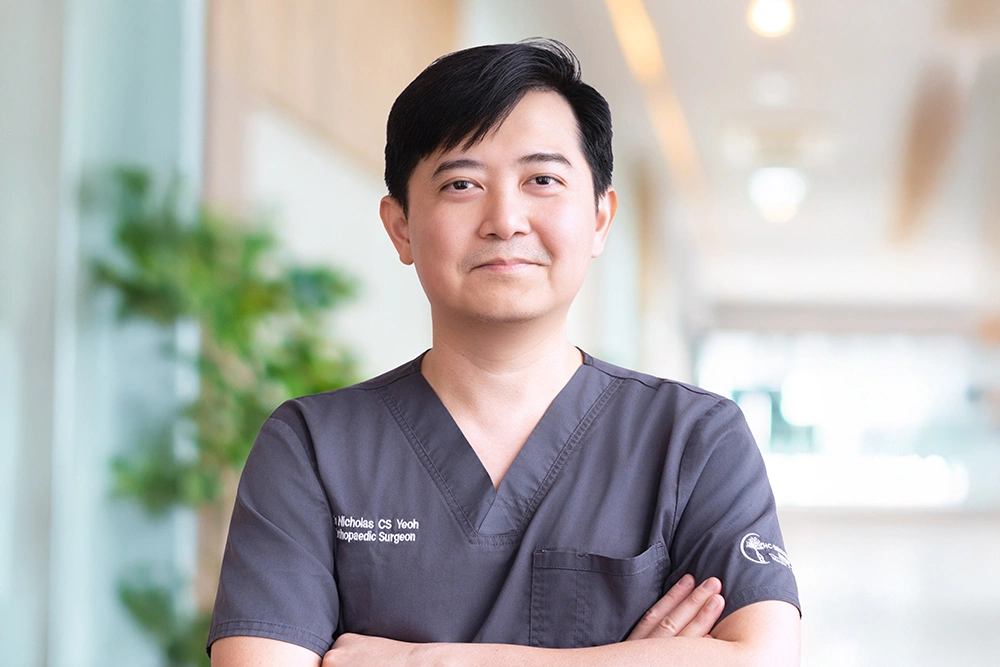
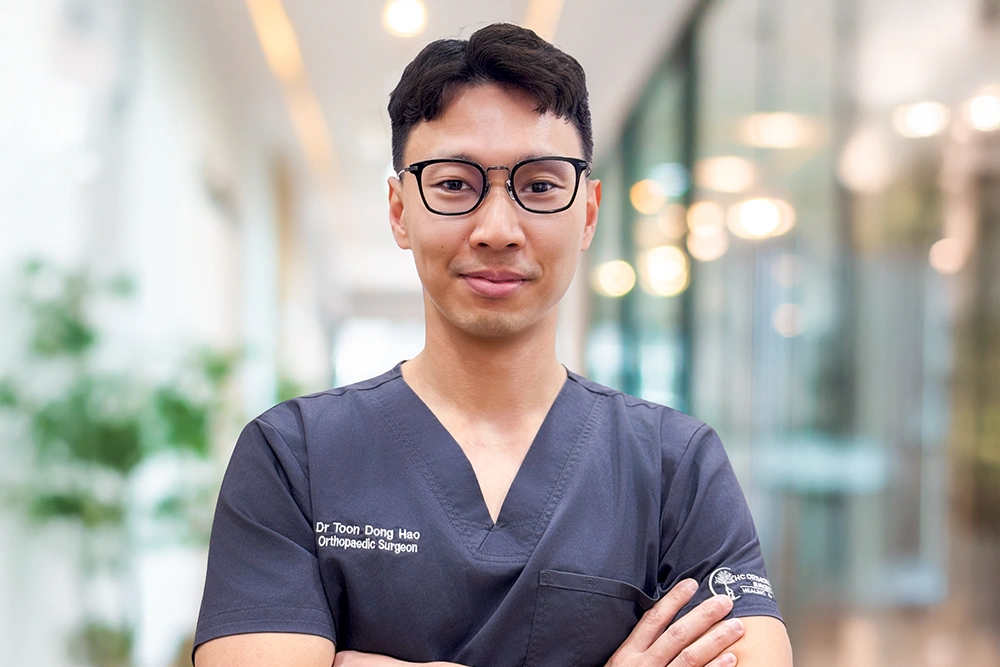
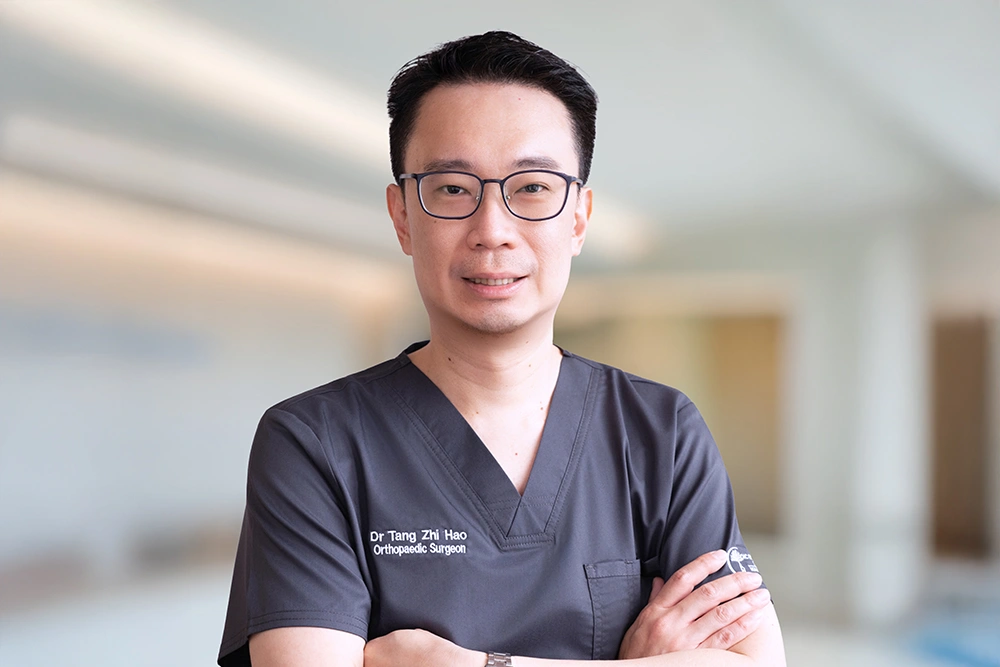
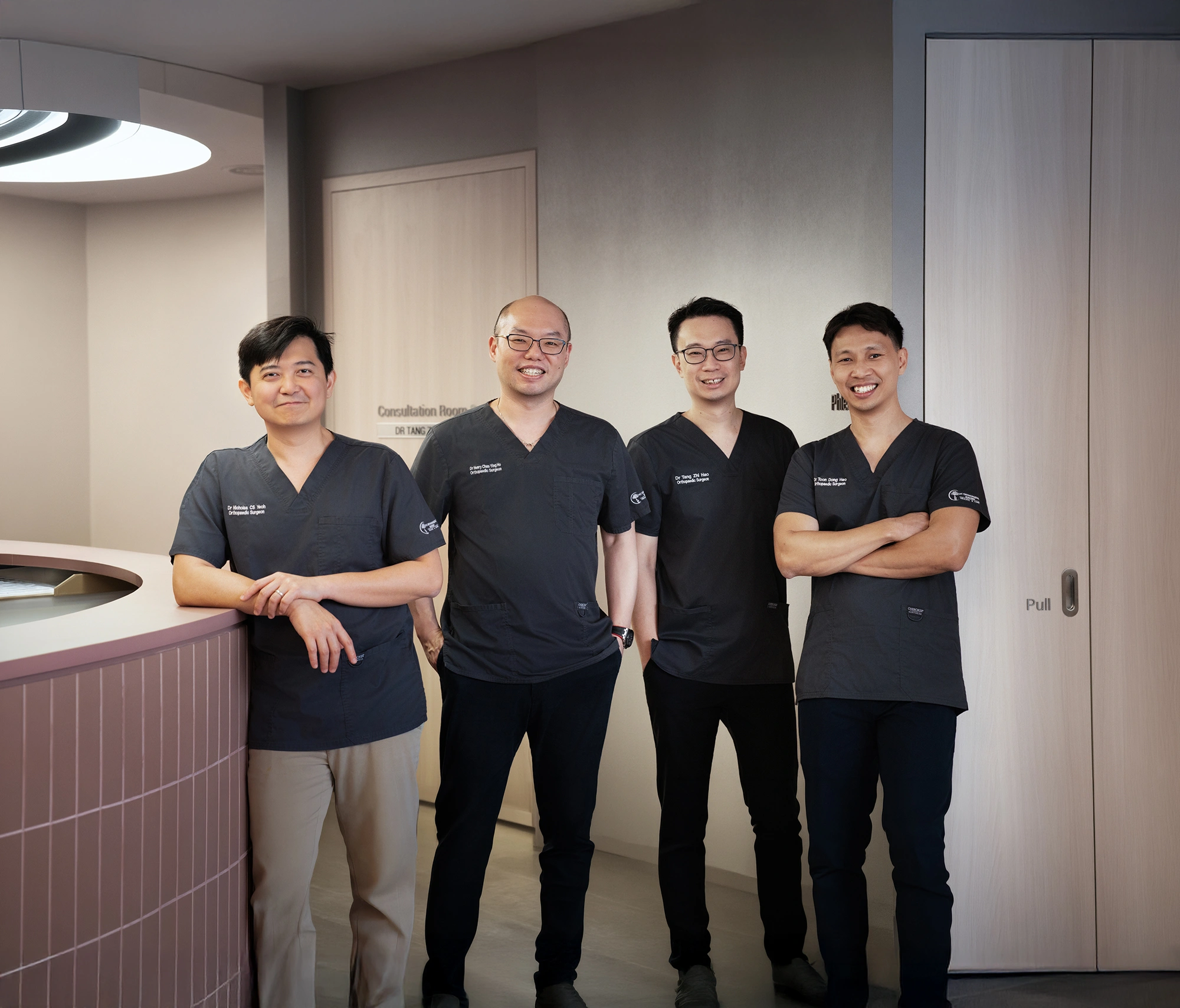
At HC Orthopaedic Surgery, we provide comprehensive assessments and treatment for a wide range of sports injuries. Our orthopaedic specialists—Dr Henry Chan, Dr Nicholas Yeoh, Dr Toon Dong Hao and Dr Tang Zhi Hao—will evaluate your symptoms, activity level, injury history and overall musculoskeletal health to identify the underlying cause of your condition and develop a personalised treatment plan.
If your goal is to prevent recurring injuries, our team can help you achieve a safe and effective recovery. Book a consultation with our orthopaedic specialists today for a comprehensive sports injury assessment and personalised treatment recommendations.
Frequently Asked Questions (FAQs) About Sports Injury Recurrence
Can an old sports injury cause problems years later?
When should I see a doctor for a recurring sports injury?
Can I continue exercising if I have a recurring sports injury?
When is it safe to return to sport after an injury?
Meet Our Specialist Team
Dr Henry Chan
Medical Director & Senior Consultant Orthopaedic Surgeon
MBBS (S’pore), MRCS (Edinburgh), MMed (Orthopaedic Surgery), FRCS (Edinburgh)
Dr Henry Chan is an experienced orthopaedic surgeon specialising in joint replacement and complex revision surgery. Trained at the renowned Helios Endo-Klinik in Germany under the MOH HMDP scholarship, he has performed over 1,000 joint replacements and specialises in computer-assisted and robotic joint replacement techniques for precise outcomes.
Dr Nicholas Yeoh
Senior Consultant Orthopaedic Surgeon
MBChB (Edinburgh), MRCS (Edinburgh), MMed (Orthopaedic Surgery), FRCS (Edinburgh)
Dr Nicholas Yeoh is an MOH-accredited orthopaedic specialist and Fellow of the Royal College of Surgeons of Edinburgh. Fellowship-trained in hip and knee reconstruction in Sydney under the MOH HMDP scholarship, he specialises in minimally invasive joint replacement, robotic surgery and advanced techniques that enhance recovery and surgical outcomes.
Dr Toon Dong Hao
Senior Consultant Orthopaedic Surgeon
MBChB (Leeds), MRCS (Edinburgh), MMed (Orthopaedic Surgery), FRCS (Edinburgh)
Dr Toon Dong Hao is a skilled orthopaedic surgeon and Fellow of the Royal College of Surgeons of Edinburgh. Fellowship-trained in Advanced Shoulder and Elbow Surgery in Sydney under the MOH HMDP scholarship, Dr Toon specialises in sports injuries, arthroscopic surgery and complex shoulder, elbow and knee procedures to restore function and mobility.
Dr Tang Zhi Hao
Senior Consultant Orthopaedic Surgeon
MBBS (S’pore), MRCS (Edinburgh), MMed (Orthopaedic Surgery), FRCS (Edinburgh)
Dr Tang Zhi Hao is a fellowship-trained orthopaedic surgeon specialising in foot and ankle conditions. He completed his Foot and Ankle Surgery fellowship at Severance Hospital, Yonsei University Health System in Seoul under Professor Jin Woo Lee. Prior to private practice, he served as Consultant and Deputy Head of Orthopaedics at Khoo Teck Puat Hospital.