
Have you noticed pain every time you lift your arm to reach for something, get dressed, or exercise? Perhaps the discomfort only occurs when you raise your arm above your shoulder, or it has gradually become harder to move your arm without pain. While shoulder pain can sometimes develop after overuse or a minor injury, persistent pain with movement may be a sign that one of the structures within the shoulder has been affected.
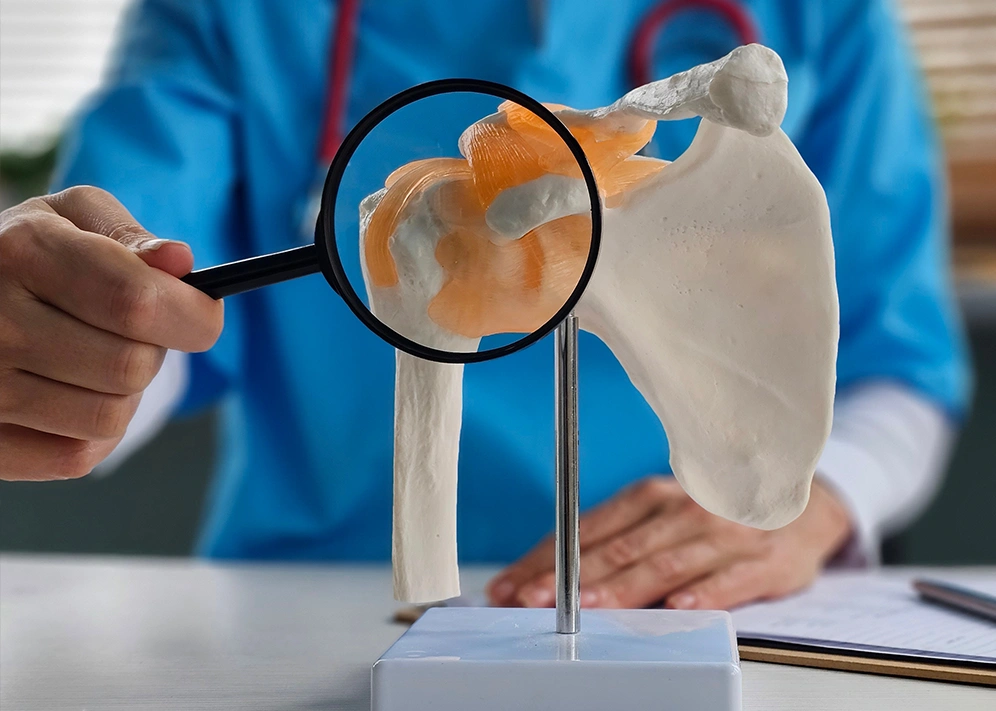
The shoulder is one of the body's most mobile joints, allowing you to move your arm in almost every direction. This flexibility also makes it more susceptible to injuries and conditions involving the muscles, tendons, ligaments, cartilage and surrounding tissues. Identifying the cause of your symptoms is the first step towards appropriate treatment and preventing further complications.
Key Takeaways
Shoulder pain can be caused by injuries, overuse, instability, arthritis, or tendon-related conditions.
Many cases improve with physiotherapy, medication and activity modification.
Surgical options may be considered when conservative treatments are ineffective or significant damage is present.
Early diagnosis and treatment can help relieve shoulder pain, restore function and prevent further complications.
What Are the Common Causes of Shoulder Pain Upon Movement?
Shoulder pain can result from injuries, overuse, inflammation, or wear and tear affecting the muscles, tendons, ligaments and joints. Due to its wide range of motion, the shoulder is particularly prone to instability and soft tissue injuries. Identifying the cause is key to determining the most appropriate treatment.
Rotator Cuff Tear
A rotator cuff tear affects the group of muscles and tendons responsible for keeping the shoulder stable and enabling arm movement. This injury can occur suddenly from trauma or develop gradually due to repetitive strain and age-related degeneration. Individuals often experience pain when raising the arm, weakness in the shoulder and difficulty performing everyday activities.
Shoulder Impingement
Shoulder impingement develops when the rotator cuff tendons become pinched between the bones of the shoulder during movement. This irritation can cause inflammation, discomfort and reduced mobility, particularly when reaching overhead. Repetitive activities and poor shoulder mechanics are common contributing factors.
Frozen Shoulder
Frozen shoulder, or adhesive capsulitis, is a condition that causes the shoulder joint to become increasingly stiff and painful over time. It occurs when the connective tissue surrounding the joint thickens and tightens, restricting movement. Daily tasks such as dressing, reaching, or lifting may become progressively more challenging.
Shoulder Dislocation
A shoulder dislocation occurs when the upper arm bone is displaced from its socket, usually following a fall, accident, or sports injury. In addition to causing immediate pain, the injury may damage surrounding tissues and compromise joint stability. Some individuals may be at risk of repeated dislocations if the shoulder structures do not fully heal.
Labral Tear
The labrum is a layer of cartilage that helps support and stabilise the shoulder joint. A tear in the labrum can result from sudden trauma, repetitive overhead movements, or previous shoulder injuries. Common symptoms include pain during movement, a sensation of catching or locking within the joint and feelings of instability.
Shoulder Osteoarthritis
Shoulder osteoarthritis is a degenerative joint condition that occurs when the cartilage protecting the shoulder gradually wears away. As the joint surfaces become less cushioned, movement may lead to pain, stiffness and a reduced range of motion. Symptoms often develop gradually and may worsen over time.
When Should I See a Shoulder Specialist?
While some cases of shoulder pain improve with rest and self-care, persistent or worsening symptoms may indicate an underlying condition that requires medical attention. A shoulder surgeon in Singapore may recommend further investigations when symptoms suggest structural damage or persistent dysfunction.
Persistent Shoulder Pain
If your shoulder pain does not improve after a few weeks of rest, activity modification, or self-care measures, it may be time to seek professional evaluation. Ongoing pain could indicate an underlying condition that requires targeted treatment.
Limited Range of Motion
Difficulty lifting your arm, reaching overhead, or performing everyday tasks may be a sign of a more serious shoulder problem. A specialist can assess the cause of the restriction and recommend appropriate treatment.
Shoulder Weakness
Noticeable weakness in the shoulder or arm, especially when lifting or carrying objects, may suggest damage to the muscles, tendons, or nerves. Early diagnosis can help prevent further deterioration.
Signs of Instability or Joint Damage
Symptoms such as clicking, locking, catching, or a sensation that the shoulder is slipping out of place may indicate instability, cartilage damage, or other structural issues within the joint.
Numbness or Tingling
Shoulder pain accompanied by numbness, tingling, or symptoms radiating down the arm may be related to nerve involvement. A specialist can determine the source of the symptoms and recommend appropriate management.
Swelling or Visible Deformity
Swelling, redness, bruising, or changes in the appearance of the shoulder may indicate a significant injury or inflammatory condition. Seeking medical attention can help ensure timely diagnosis and treatment.
What Are the Treatment Options for Shoulder Pain?
Treatment for shoulder pain depends on the underlying cause, severity of symptoms and the patient's functional needs. Managing shoulder pain often begins with conservative measures such as medication, physiotherapy, activity modification and guided rehabilitation exercises. When non-surgical treatments do not provide adequate relief, surgical intervention may be recommended to restore function and reduce pain.
Non-Surgical Treatment
Many shoulder conditions can be managed without surgery. Treatment may include anti-inflammatory medications, physiotherapy, activity modification and targeted exercises to improve strength, flexibility and shoulder stability. These approaches aim to reduce pain, restore movement and prevent further injury.
Shoulder Arthroscopy
Shoulder arthroscopy is a minimally invasive procedure that uses small incisions and a specialised camera to diagnose and treat various shoulder conditions. It is commonly performed for rotator cuff tears, shoulder impingement and labral injuries. Arthroscopic techniques allow for precise treatment while minimising disruption to surrounding tissues and promoting faster recovery.
Rotator Cuff Repair
Rotator cuff repair is performed to treat torn shoulder tendons that affect stability and movement. The procedure involves reattaching the damaged tendon to the bone, often using arthroscopic techniques. Rotator cuff repair can help alleviate pain, restore shoulder strength and improve overall function.
Shoulder Stabilisation Surgery
For patients experiencing recurrent shoulder dislocations or chronic instability, shoulder stabilisation surgery may be recommended. The procedure repairs or reinforces structures such as the ligaments and labrum that help keep the shoulder joint securely positioned. The goal is to restore stability and reduce the likelihood of future dislocations.
Shoulder Replacement Surgery
Shoulder replacement surgery may be considered for severe arthritis, complex fractures, or advanced joint damage that significantly affects daily activities. During the procedure, damaged parts of the shoulder joint are replaced with artificial components to improve joint function, relieve pain and enhance mobility.
Personalised Treatment Planning
The most appropriate treatment varies depending on the specific shoulder condition and individual patient factors. A shoulder specialist can assess the cause of the pain and develop a personalised treatment plan that supports long-term recovery, restores function and helps patients return to their daily activities safely.
Personalised Shoulder Treatment with HC Orthopaedic Surgery

Our Specialised Team
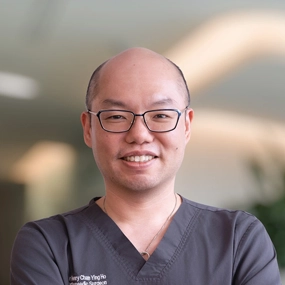
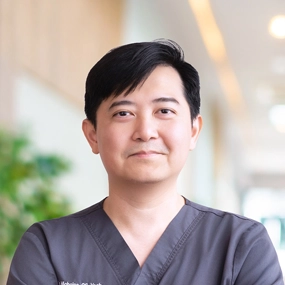
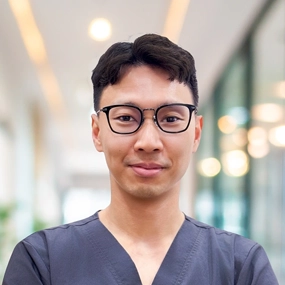
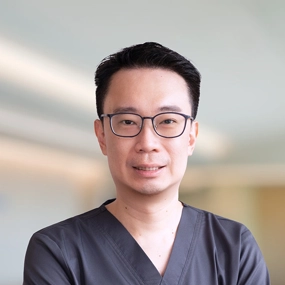
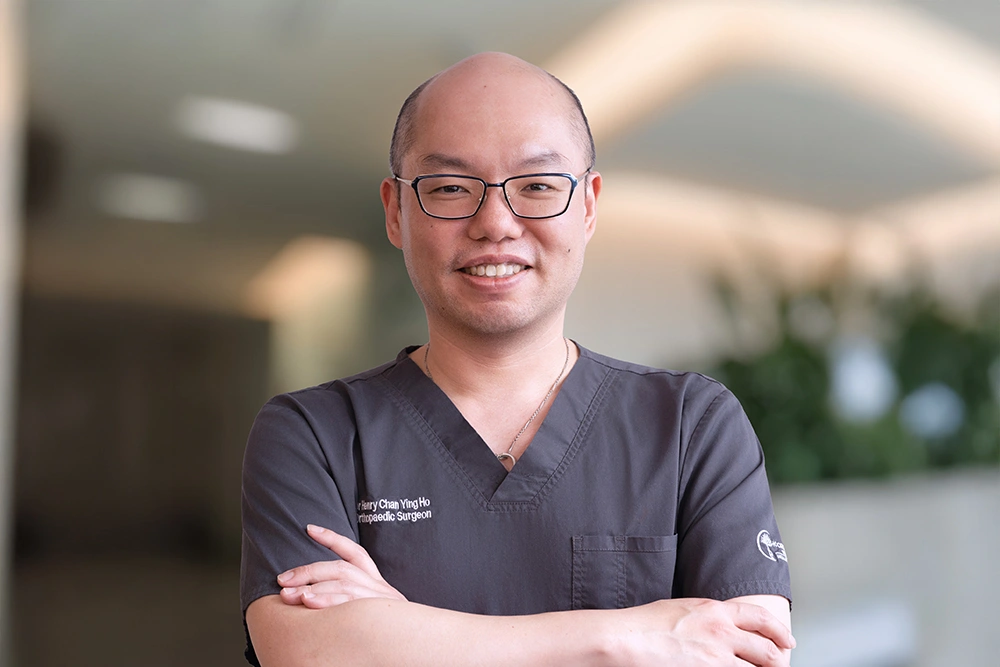
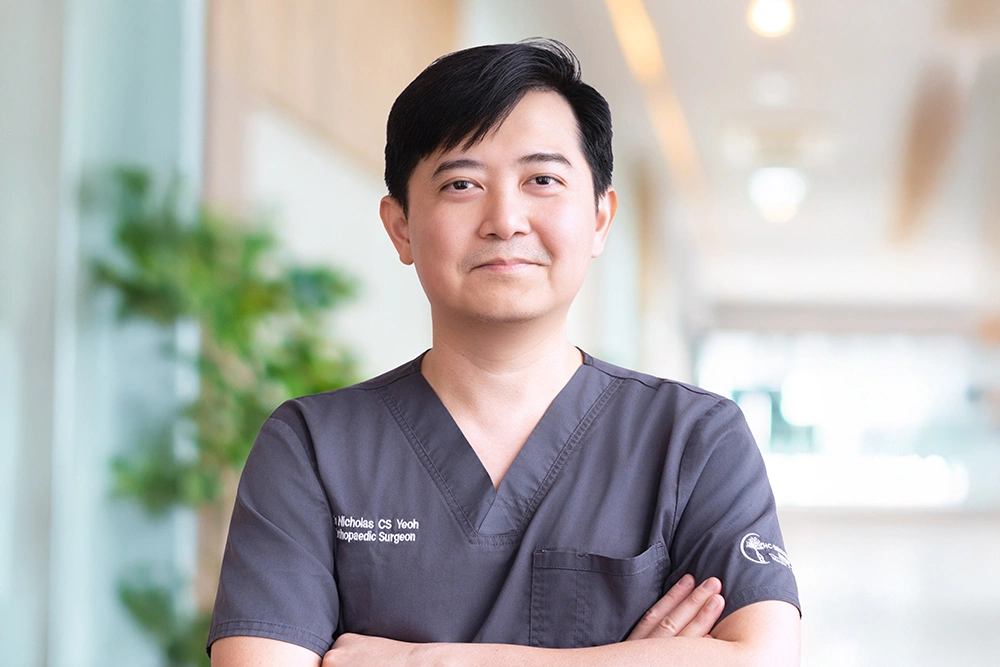
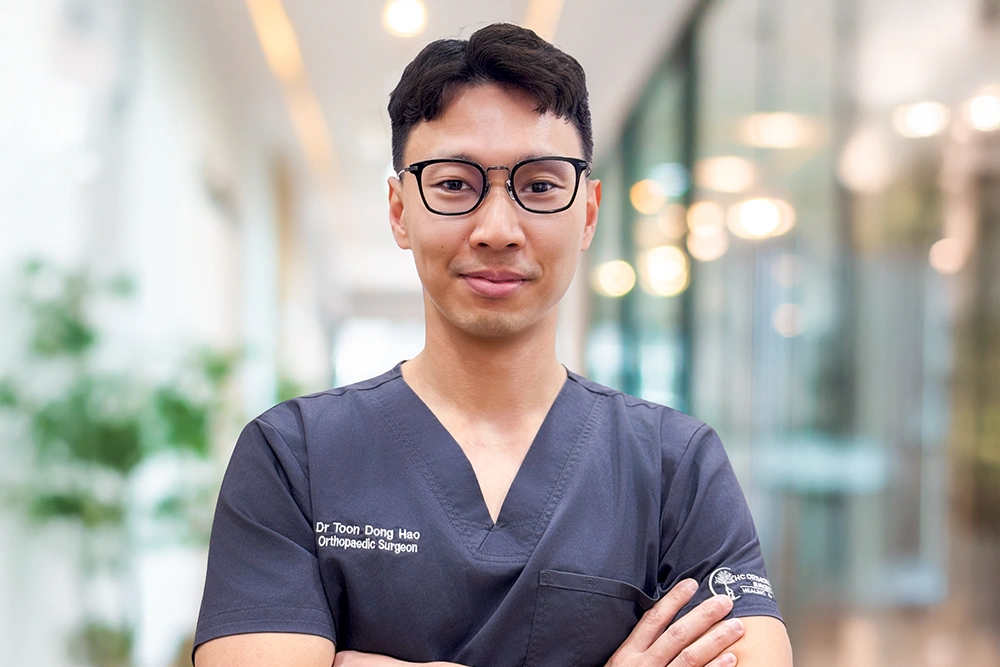
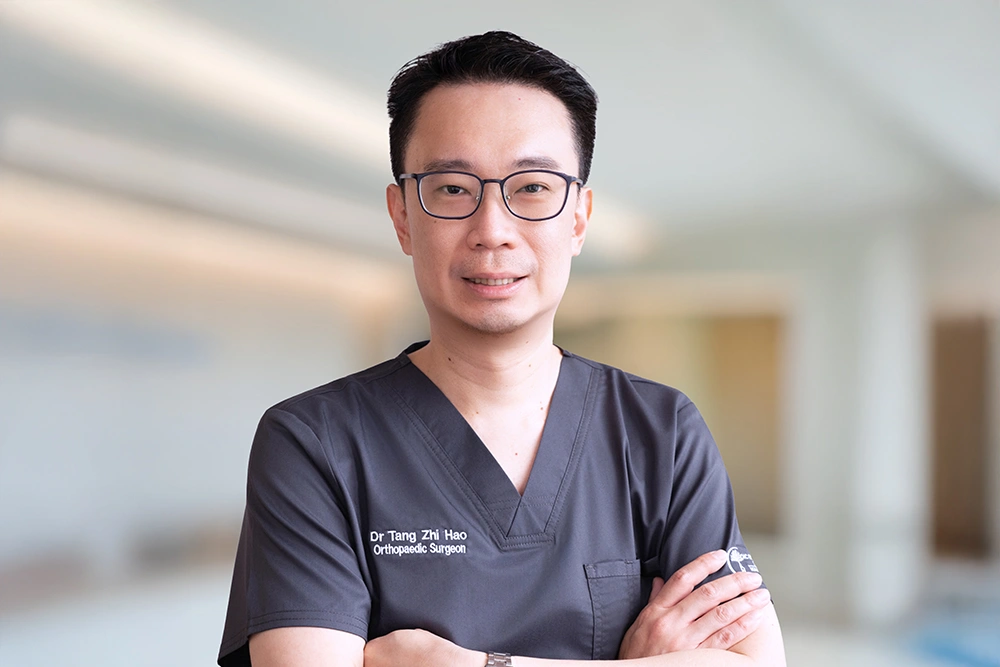
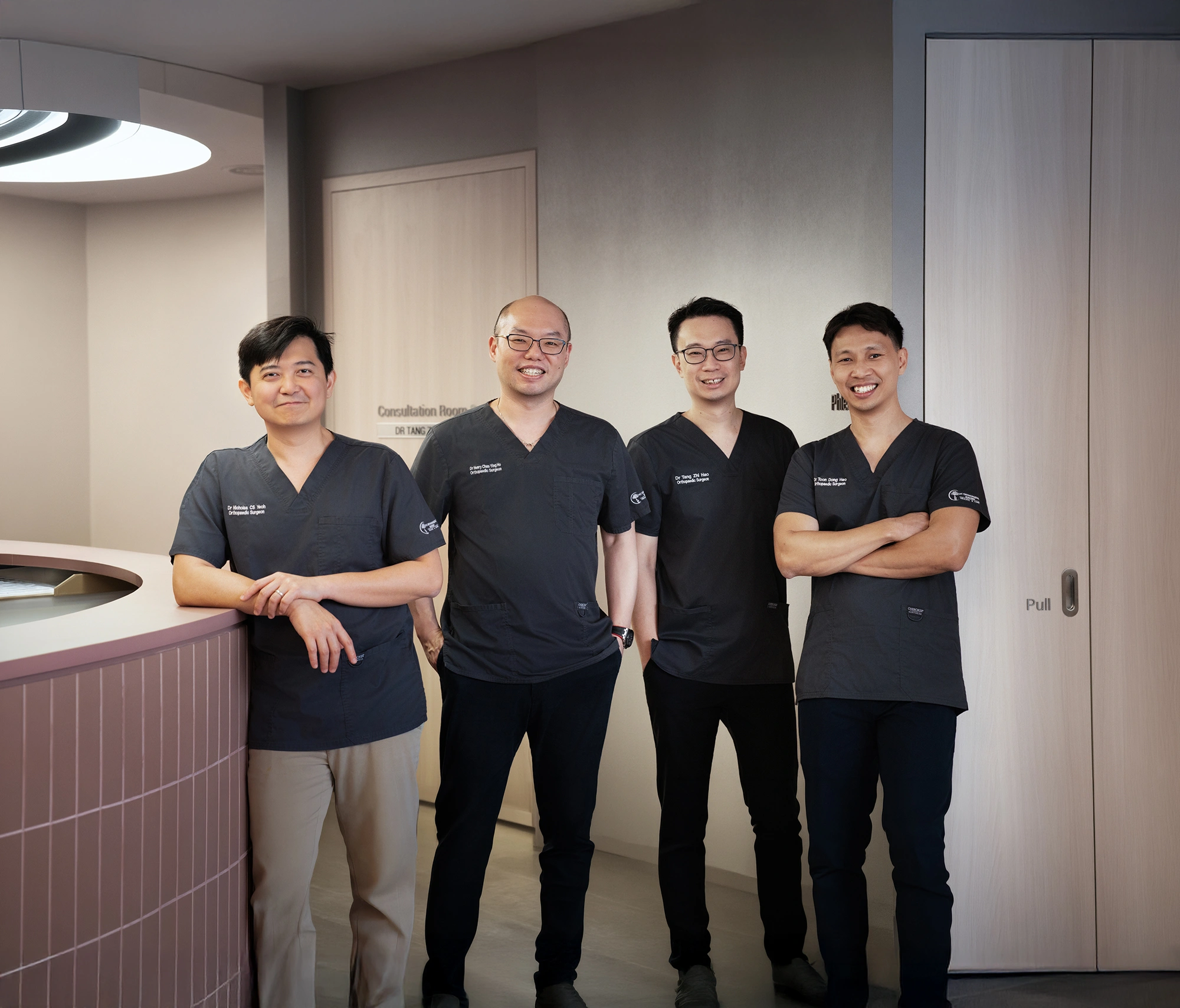
At HC Orthopaedic Surgery, we provide comprehensive assessment and treatment for a wide range of shoulder conditions. Our orthopaedic specialists—Dr Henry Chan, Dr Nicholas Yeoh, Dr Toon Dong Hao and Dr Tang Zhi Hao—are experienced in managing shoulder injuries and disorders, offering personalised treatment plans aimed at relieving pain, restoring function and supporting long-term recovery.
If you are experiencing pain when lifting your arm, schedule a consultation today for a comprehensive shoulder assessment.
Frequently Asked Questions (FAQs) About Shoulder Pain Upon Movement
Why does my shoulder hurt only when I move it but not when it is at rest?
Can shoulder pain affect my ability to exercise or play sports?
How long does it take for shoulder pain to improve?
Meet Our Specialist Team
Dr Henry Chan
Medical Director & Senior Consultant Orthopaedic Surgeon
MBBS (S’pore), MRCS (Edinburgh), MMed (Orthopaedic Surgery), FRCS (Edinburgh)
Dr Henry Chan is an experienced orthopaedic surgeon specialising in joint replacement and complex revision surgery. Trained at the renowned Helios Endo-Klinik in Germany under the MOH HMDP scholarship, he has performed over 1,000 joint replacements and specialises in computer-assisted and robotic joint replacement techniques for precise outcomes.
Dr Nicholas Yeoh
Senior Consultant Orthopaedic Surgeon
MBChB (Edinburgh), MRCS (Edinburgh), MMed (Orthopaedic Surgery), FRCS (Edinburgh)
Dr Nicholas Yeoh is an MOH-accredited orthopaedic specialist and Fellow of the Royal College of Surgeons of Edinburgh. Fellowship-trained in hip and knee reconstruction in Sydney under the MOH HMDP scholarship, he specialises in minimally invasive joint replacement, robotic surgery and advanced techniques that enhance recovery and surgical outcomes.
Dr Toon Dong Hao
Senior Consultant Orthopaedic Surgeon
MBChB (Leeds), MRCS (Edinburgh), MMed (Orthopaedic Surgery), FRCS (Edinburgh)
Dr Toon Dong Hao is a skilled orthopaedic surgeon and Fellow of the Royal College of Surgeons of Edinburgh. Fellowship-trained in Advanced Shoulder and Elbow Surgery in Sydney under the MOH HMDP scholarship, Dr Toon specialises in sports injuries, arthroscopic surgery and complex shoulder, elbow and knee procedures to restore function and mobility.
Dr Tang Zhi Hao
Senior Consultant Orthopaedic Surgeon
MBBS (S’pore), MRCS (Edinburgh), MMed (Orthopaedic Surgery), FRCS (Edinburgh)
Dr Tang Zhi Hao is a fellowship-trained orthopaedic surgeon specialising in foot and ankle conditions. He completed his Foot and Ankle Surgery fellowship at Severance Hospital, Yonsei University Health System in Seoul under Professor Jin Woo Lee. Prior to private practice, he served as Consultant and Deputy Head of Orthopaedics at Khoo Teck Puat Hospital.