

Chronic hip pain often develops gradually, making it easy to overlook or attribute to ageing, exercise or everyday wear and tear. While rest, pain relief medication and activity modification may provide temporary relief, persistent discomfort can sometimes indicate an underlying joint condition that requires medical attention.
Without appropriate treatment, some causes of chronic hip pain may continue to progress, potentially affecting mobility, daily function and overall quality of life. Understanding the potential consequences of delaying treatment can help you make informed decisions about your long-term joint health.
How Untreated Chronic Hip Pain Affects Your Health Over Time
Chronic hip pain is often more than a temporary discomfort. In many cases, it reflects an underlying joint or soft tissue condition that may continue to progress without appropriate treatment. Although the rate of progression varies depending on the cause, delaying treatment can make symptoms more difficult to manage and reduce the range of treatment options available.
Progressive Joint Damage
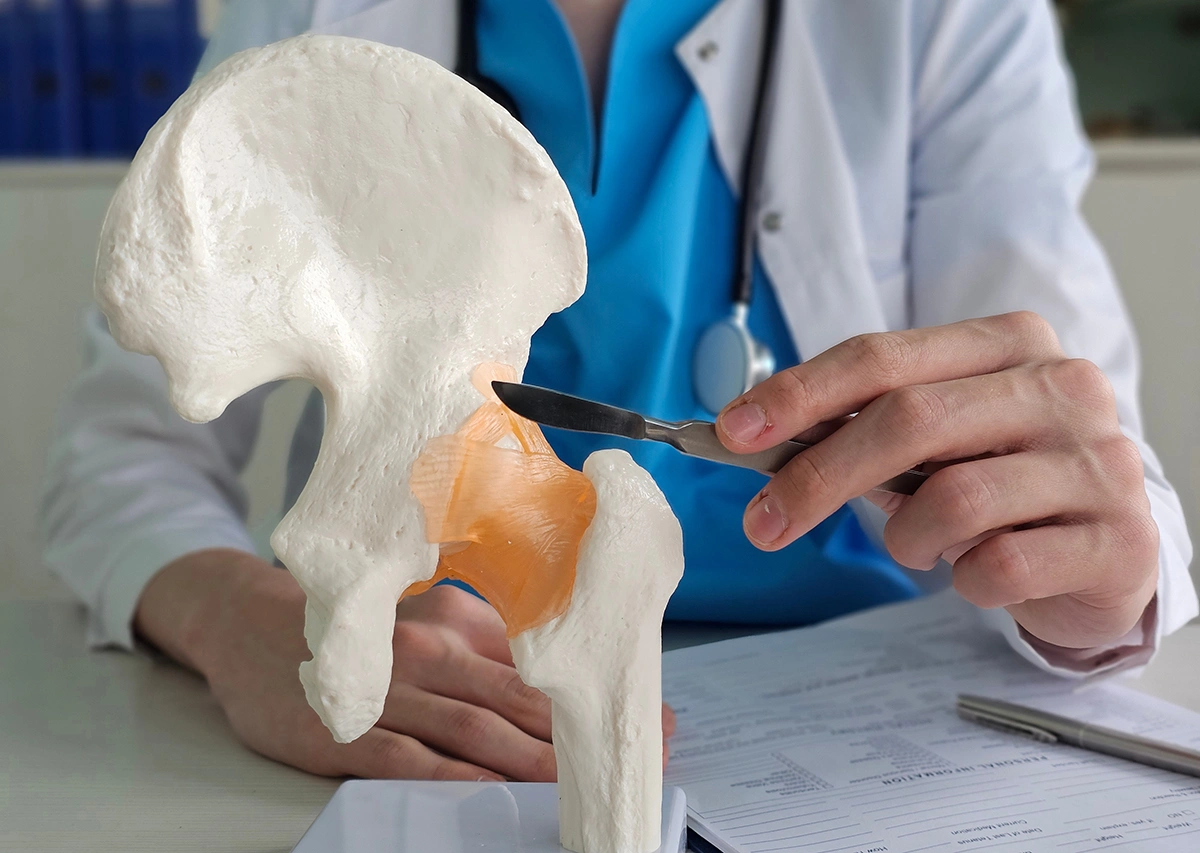
Many cases of chronic hip pain are linked to conditions such as hip osteoarthritis, hip impingement or cartilage injuries. Without appropriate treatment, these conditions may continue to progress, leading to further joint damage and making symptoms increasingly difficult to manage.
Reduced Mobility and Flexibility
As hip pain worsens, it may become more frequent or severe, making it harder to walk, climb stairs, stand for extended periods or participate in physical activities. Reduced movement may also contribute to stiffness and muscle weakness, further limiting mobility.
Impact on Overall Quality of Life
Persistent hip pain can interfere with work, exercise, sleep and everyday tasks such as getting dressed or getting in and out of a car. Over time, these limitations may reduce independence and affect overall physical and emotional well-being.
Why Early Treatment for Hip Pain Can Make a Difference
Seeking medical assessment early allows the underlying cause of chronic hip pain to be identified before symptoms become more severe. Depending on the diagnosis, early treatment may help preserve joint function, relieve symptoms and reduce the risk of long-term joint damage.
Conservative Treatments May Be More Effective
When hip conditions are diagnosed early, symptoms can often be managed with physiotherapy, activity modification, medication or other non-surgical treatments before significant joint damage develops.
Early Treatment May Help Preserve Joint Function
For conditions such as hip labral tears, femoroacetabular impingement and early osteoarthritis, timely treatment may help maintain joint movement, reduce further joint deterioration and support long-term mobility.
Potential Reduced Need for More Extensive Treatment
Although surgery is not necessary for every patient, delaying treatment may allow certain conditions to progress to the point where more complex procedures become necessary. Early assessment helps ensure that the most appropriate treatment options remain available.
When Should You Seek Medical Attention for Chronic Hip Pain?
You should consider seeking medical assessment if hip pain persists for several weeks, continues to worsen despite self-care or begins affecting your ability to carry out everyday activities. Other signs that warrant evaluation include reduced range of motion, stiffness, pain that disrupts sleep, groin pain, or sensations of catching or locking within the joint. Early assessment can help identify the underlying cause before symptoms progress further and allow treatment to begin at an earlier stage.
Identifying the Underlying Cause
Your hip specialist will review your symptoms, medical history and perform a physical examination. Depending on your condition, imaging tests such as X-rays or MRI scans may be recommended to determine the cause of your hip pain and assess the extent of any joint damage.
Starting With Conservative Treatment
Many causes of chronic hip pain can be managed with non-surgical treatments such as physiotherapy, medication, activity modification or targeted exercises. These approaches aim to relieve pain, improve mobility and support everyday function.
Considering Surgery When Appropriate
If conservative treatment is no longer effective or significant joint damage is present, surgery may be recommended. Depending on the underlying condition, this may include hip arthroscopy to treat structural problems or total hip replacement surgery for advanced joint degeneration. Your specialist will recommend the most appropriate treatment based on your diagnosis, symptoms and treatment goals.

Personalised Chronic Hip Pain Treatment with HC Orthopaedic Surgery

Our Specialised Team
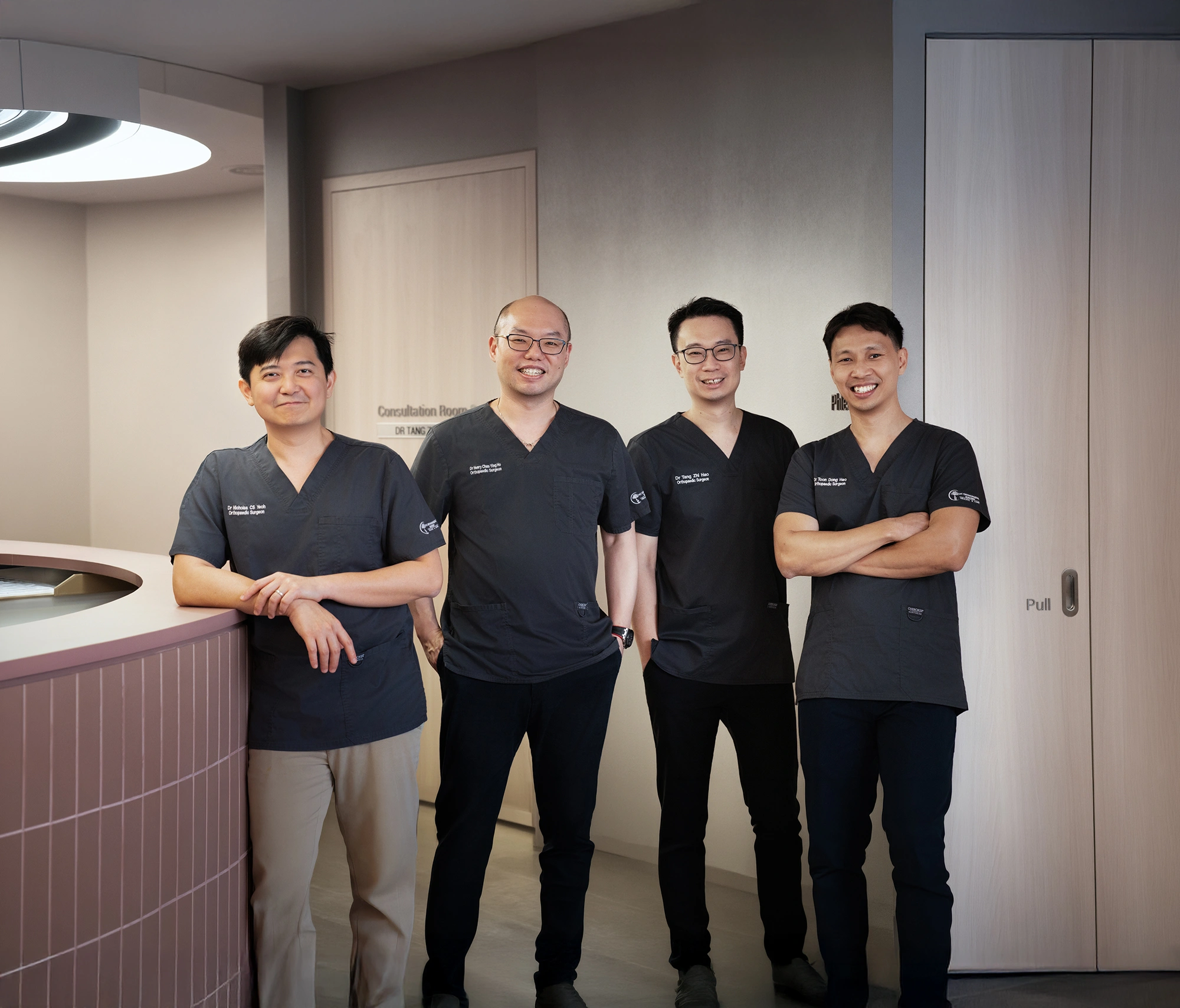
At HC Orthopaedic Surgery, we provide comprehensive assessments to identify the cause and severity of your chronic hip pain. Our team of hip specialists, Dr Henry Chan, Dr Nicholas Yeoh, Dr Toon Dong Hao and Dr Tang Zhi Hao, will determine whether non-surgical treatments may help manage your symptoms and slow further joint deterioration.
If you are experiencing persistent hip stiffness, groin pain or a catching sensation in the joint, consider seeking medical assessment. Early evaluation may help identify the underlying cause and determine whether conservative treatment or further intervention is appropriate. Book an appointment with us today for a definitive diagnosis and a personalised recovery plan.
Frequently Asked Questions (FAQs) About Chronic Hip Pain Complications
Can chronic hip pain go away on its own?
How do I know if my hip pain requires medical attention?
What tests are used to diagnose the cause of chronic hip pain?
Meet Our Specialist Team
Dr Henry Chan
Medical Director & Senior Consultant Orthopaedic Surgeon
MBBS (S’pore), MRCS (Edinburgh), MMed (Orthopaedic Surgery), FRCS (Edinburgh)
Dr Henry Chan is an experienced orthopaedic surgeon specialising in joint replacement and complex revision surgery. Trained at the renowned Helios Endo-Klinik in Germany under the MOH HMDP scholarship, he has performed over 1,000 joint replacements and specialises in computer-assisted and robotic joint replacement techniques for precise outcomes.
Dr Nicholas Yeoh
Senior Consultant Orthopaedic Surgeon
MBChB (Edinburgh), MRCS (Edinburgh), MMed (Orthopaedic Surgery), FRCS (Edinburgh)
Dr Nicholas Yeoh is an MOH-accredited orthopaedic specialist and Fellow of the Royal College of Surgeons of Edinburgh. Fellowship-trained in hip and knee reconstruction in Sydney under the MOH HMDP scholarship, he specialises in minimally invasive joint replacement, robotic surgery and advanced techniques that enhance recovery and surgical outcomes.
Dr Toon Dong Hao
Senior Consultant Orthopaedic Surgeon
MBChB (Leeds), MRCS (Edinburgh), MMed (Orthopaedic Surgery), FRCS (Edinburgh)
Dr Toon Dong Hao is a skilled orthopaedic surgeon and Fellow of the Royal College of Surgeons of Edinburgh. Fellowship-trained in Advanced Shoulder and Elbow Surgery in Sydney under the MOH HMDP scholarship, Dr Toon specialises in sports injuries, arthroscopic surgery and complex shoulder, elbow and knee procedures to restore function and mobility.
Dr Tang Zhi Hao
Senior Consultant Orthopaedic Surgeon
MBBS (S’pore), MRCS (Edinburgh), MMed (Orthopaedic Surgery), FRCS (Edinburgh)
Dr Tang Zhi Hao is a fellowship-trained orthopaedic surgeon specialising in foot and ankle conditions. He completed his Foot and Ankle Surgery fellowship at Severance Hospital, Yonsei University Health System in Seoul under Professor Jin Woo Lee. Prior to private practice, he served as Consultant and Deputy Head of Orthopaedics at Khoo Teck Puat Hospital.